Following
vsOffering
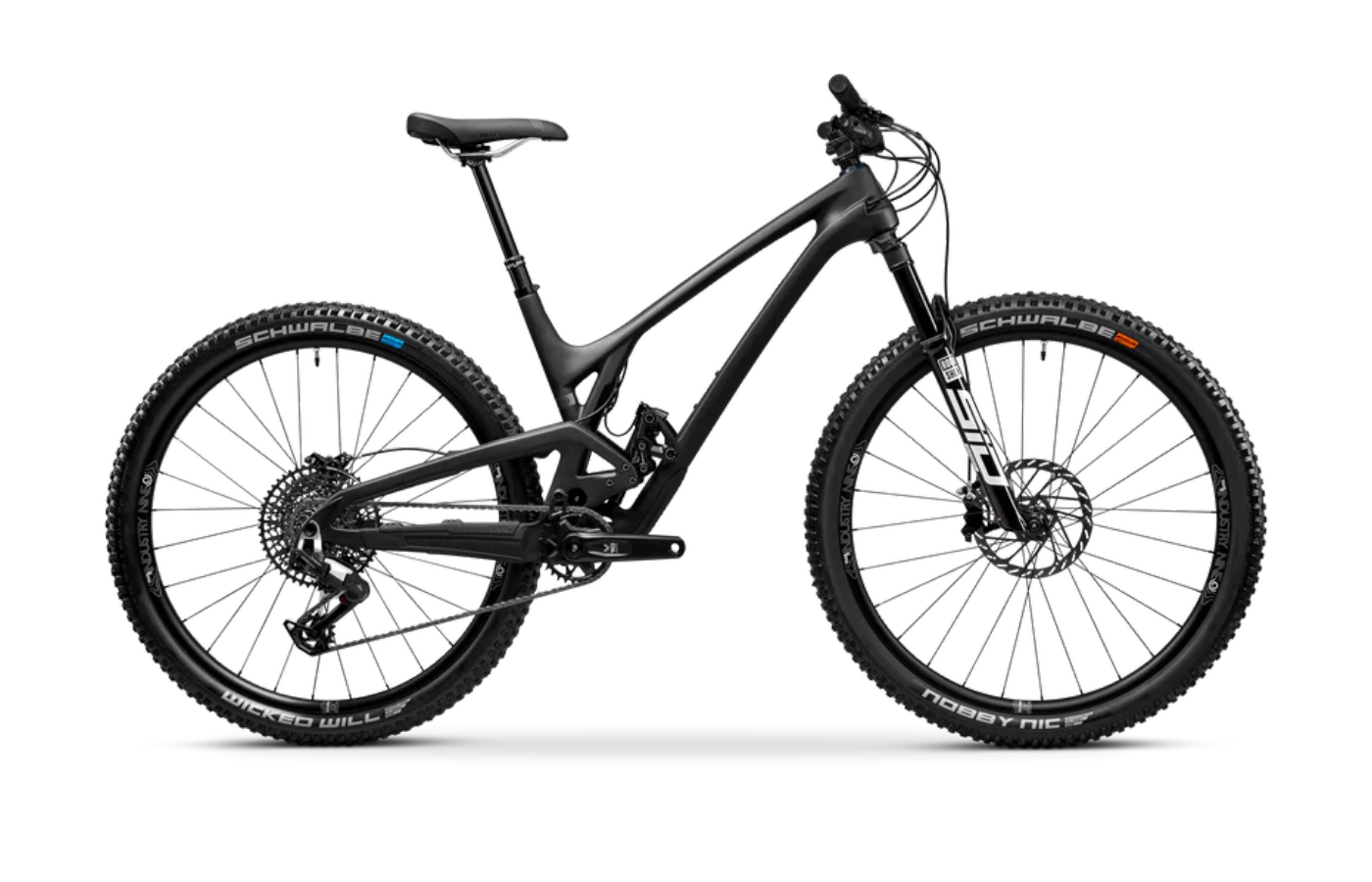
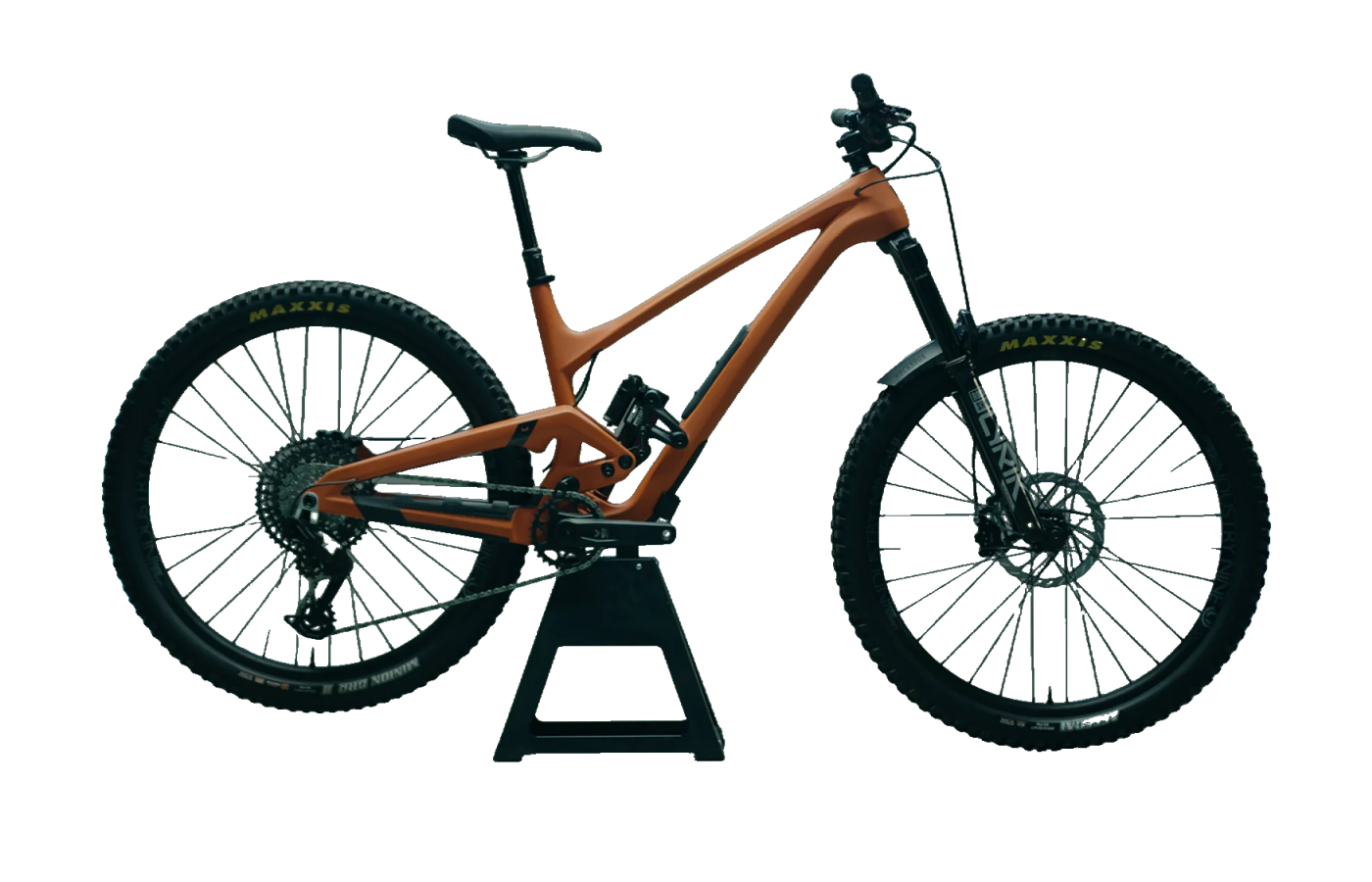
Same brand, same DELTA link, different missions.
The Following is the precision-cornering downcountry weapon. The Offering is the jib-machine trail bike that demands you ride offensively.
Following
- Precision cornering — short 430-432 mm chainstays and the 66.6-degree HTA produce 'laser-like' line-holding that reviewers consistently single out.
- Punches above its travel — DELTA's bottomless ramp lets 120 mm rear feel composed on terrain that should overwhelm it.
- Climbs efficiently — the 76-degree seat angle and tactile DELTA platform deliver real traction and minimal wallow on technical ascents.
- Super Boost 157 mm rear spacing — stiff and clearance-friendly, but a wheel-swap headache.
- One reviewer (MTB yumyum) found the 66.6-degree HTA twitchy at very high speeds — a price for the quick-steering feel.
Offering
- Endlessly poppy — a distinct trampoline point in the mid-stroke makes it absurdly easy to launch off small features.
- Modern trail geo — 64.7-degree HTA, 79-degree seat tube, and 435 mm chainstays put you centered and confident.
- Standard Boost 148 mm — V4 finally drops Super Boost, making wheels and parts vastly easier to source.
- Not a plow bike — defensive riding through chatter feels harsher than rivals at this travel.
- Heavier than its numbers suggest at 33.8 lb (15.3 kg) tested, with noticeable pedal-induced suspension movement even with the lever closed.
Editor’s analysis
Both run Dave Weagle's DELTA suspension and both wear the Evil punk-rock badge — but one rewards needle-threading precision, and the other rewards the rider who treats every root as a take-off.
The Evil Following is the bike that helped legitimize the downcountry category. 120 mm rear / 130 mm fork, a 66.6-degree head tube angle, and 430-432 mm chainstays — short, steep-ish, and tuned for what MBR called 'laser-like accuracy.' Reviewers across the board (Singletracks, MBR, Bicycling) describe a bike that 'corners like an absolute monster' and tracks the ground with a precision that punches well above its travel numbers. It's a short-travel 29er that genuinely climbs, then descends like a much bigger bike when you ride it precisely.
The Evil Offering V4 takes that same DELTA philosophy and aims it at trail. 151 mm rear travel, a 160 mm Lyrik (or optional 170 mm Zeb at the same price), a 64.7-degree head angle, and a 79-degree seat tube. Geometry that should plow — but Evil tuned the suspension for pop instead. Freehub's reviewer was blunt: it's a 'jib machine,' not a plow bike. There's a 'trampoline point' in the travel that makes it absurdly easy to launch off small features, and a stiff rear end that converts pumps into speed.
The trade-off is what each bike asks of you. The Following rewards a precise, neutral pilot — find the line, weight the front, and the bike will hold it through chunder its travel says it shouldn't survive. The Offering punishes defensive riding: Freehub explicitly noted that the moment you get on the back foot in flat, rooty terrain, it feels 'less composed, stable, and forgiving than most other bikes in this class.' Stay offensive, and it's electric. Hold on for dear life, and it's not the bike for you.
Practically: the Following V3 still uses Super Boost 157 mm rear spacing — great for stiffness and tire clearance, a hassle if you want to swap wheels with the rest of your fleet. The Offering V4 finally moved to standard Boost 148 mm. The Offering also picks up a downtube storage compartment and Maven Silver brakes (on Eagle 90 builds) — modern trail-bike features the older Following frame doesn't carry.
Where the builds differ.
Comparing our editor's-pick builds side-by-side. Winners highlighted row-by-row — lower price and weight, and the better-spec component, each mark a point.
Build variants & pricing
Both lineups span ~$5k. Tier-matched at SRAM X0 Eagle Transmission, the Following X0 lands $500 below the Offering X0.
Prices are current US MSRP. The Following also offers a Flight Attendant flagship at $10,999; the Offering tops out at $9,299 with an SRAM XX build. Both bikes are sold direct or through a small dealer network.
How they fit, how they steer.
Both at Medium — the fit-picked size on each bike. Reach is nearly identical (Following 460, Offering 459), but the Offering sits 21 mm taller in stack and runs a roughly 2-degree slacker head angle (64.7 vs 66.6) that puts the front wheel much further out front.
Which size should I buy?
Size recommendations based on stack, reach, and effective top tube. Both lineups span S/M/L/XL with closely overlapping ranges.
→These are starting points. Flexibility, riding style, and preferred position all shift the answer — if you’re between sizes, a professional fit beats a chart.
What the magazines said.
Published reviews from trusted cycling outlets. Click through for the full write-up.
Which one should you buy?
If you want precision and downcountry-style efficiency, get the Following. If you live for the air and pump every undulation, get the Offering.
Following
If your trails reward line choice over plowing — tight, rooty, technical XC missions where you want a bike that climbs efficiently and descends with shocking composure for 120 mm — the Following is the benchmark. Stay precise, and it punches well above its travel.
Offering
If you treat every root as a take-off and every berm as something to schralp, the Offering's trampoline-y suspension will feel like a cheat code. Modern trail-bike geo, real travel, and a frame that converts rider input into airtime. Just don't expect to coast through chunder.
Questions buyers actually ask.
Short answers to the things we get emailed about most often.
01Which bike has more travel?
The Evil Offering V4 — 151 mm rear and 160 mm front (with an option to spec a 170 mm Zeb at the same price). The Following V3 runs 120 mm rear and a 130 mm fork. That 30+ mm gap front and rear is a meaningful difference in what each bike is designed to absorb.
The Following uses the extra wheel-on-ground time to corner precisely; the Offering uses the bigger travel to launch off things and survive bigger landings.
02Which climbs better?
The Following, by a clear margin. It's lighter (most builds land in the 28-31 lb range), has a firmer DELTA tune that resists pedal bob, and the 76-degree seat angle puts you in an efficient seated position.
The Offering has a steeper 79-degree seat tube — great for posture on long grinds — but Evil intentionally avoided a firm lockout to prioritize traction over efficiency. Freehub measured the test bike at 33.8 lb and noted 'noticeable suspension movement when pedaling seated, even with the compression lever closed.' It still climbs technical terrain well; it just won't sprint up fire roads like the Following will.
03Which is more fun to jump?
The Offering, no contest. Reviewers across the board describe a 'trampoline point' in its travel that makes it remarkably easy to load up and pop off small features. Freehub called it 'poppy as all get out' and explicitly a 'jib machine.'
The Following is playful too — short chainstays and a stiff frame make it manual-friendly — but it rewards precision and pump rather than active jumping. If your trails are flow lines and jump trails, the Offering is the call.
04Why does the Following still use Super Boost 157 mm?
The V3 frame predates the industry-wide return to standard 148 mm Boost. The 157 mm spacing lets Evil keep chainstays at a tight 430-432 mm while preserving tire clearance and lateral stiffness — MBR specifically called it a 'good workaround that doesn't compromise handling.'
The practical downside: you can't easily swap a wheelset over from another modern trail bike, and replacement hubs are a smaller pool. The Offering V4 moved to standard 148 mm, so if cross-platform wheel sharing matters, the Offering wins that round.
05Which is better in genuinely rough, high-speed terrain?
Neither bike is a plow, but they fail differently. The Following stays composed when you ride it precisely — most reviewers called it 'unflappably poised when pointed downhill' (Singletracks). One reviewer noted twitchiness at very high speed, attributed to the 66.6-degree HTA.
The Offering has slacker geometry on paper (64.7-degree HTA), but its suspension is tuned for pop, not absorption. Freehub found it 'less composed, stable, and forgiving than most other bikes in this class' the moment the rider got defensive in flat, rooty sections. Both reward an active pilot; if you want a true plow, look elsewhere.
06How are the geometry numbers different at the same size?
At the fit-picked Medium on each bike, reach is nearly identical (Following 460 mm, Offering 459 mm) — but the Offering is 21 mm taller in stack (625 vs 604) and uses a much slacker head angle (64.7-65 vs 66.6).
That translates to a more upright, commanding cockpit on the Offering and a lower, more aggressive XC-style position on the Following. Chainstays are within 5 mm (Following 430-432, Offering 435), so both retain Evil's signature playful rear end.
07Does the Offering's downtube storage actually work?
It's new for V4 and broadly appreciated, but with a caveat. Freehub noted the hatch mechanism is 'a little tricky' to open and 'feels like you're going to break something if you don't nail the motion.' That said, the same reviewer reported it 'doesn't rattle and has stayed secure' over their test period.
The Following V3 has no internal storage compartment — that's one of the modern trail-bike features the older frame doesn't carry over.
08Which one should I buy if I'm cross-shopping the lineup?
If most of your riding is XC missions, technical climbs, or precise trail riding where line choice matters more than air-time — get the Following. If your home trails are flow, jumps, bigger features, and you actively pump and pop everything in sight — get the Offering.
If you're between them and ride 'all of it,' weight matters: the Following is meaningfully lighter and more efficient on long days; the Offering is more capable when the trail steepens and gets faster. Both share the DELTA suspension feel, so the family character is the same — it's the mission that differs.
Similar bikes
If your priorities don’t map cleanly onto either of these, one of these adjacent bikes probably fits better.
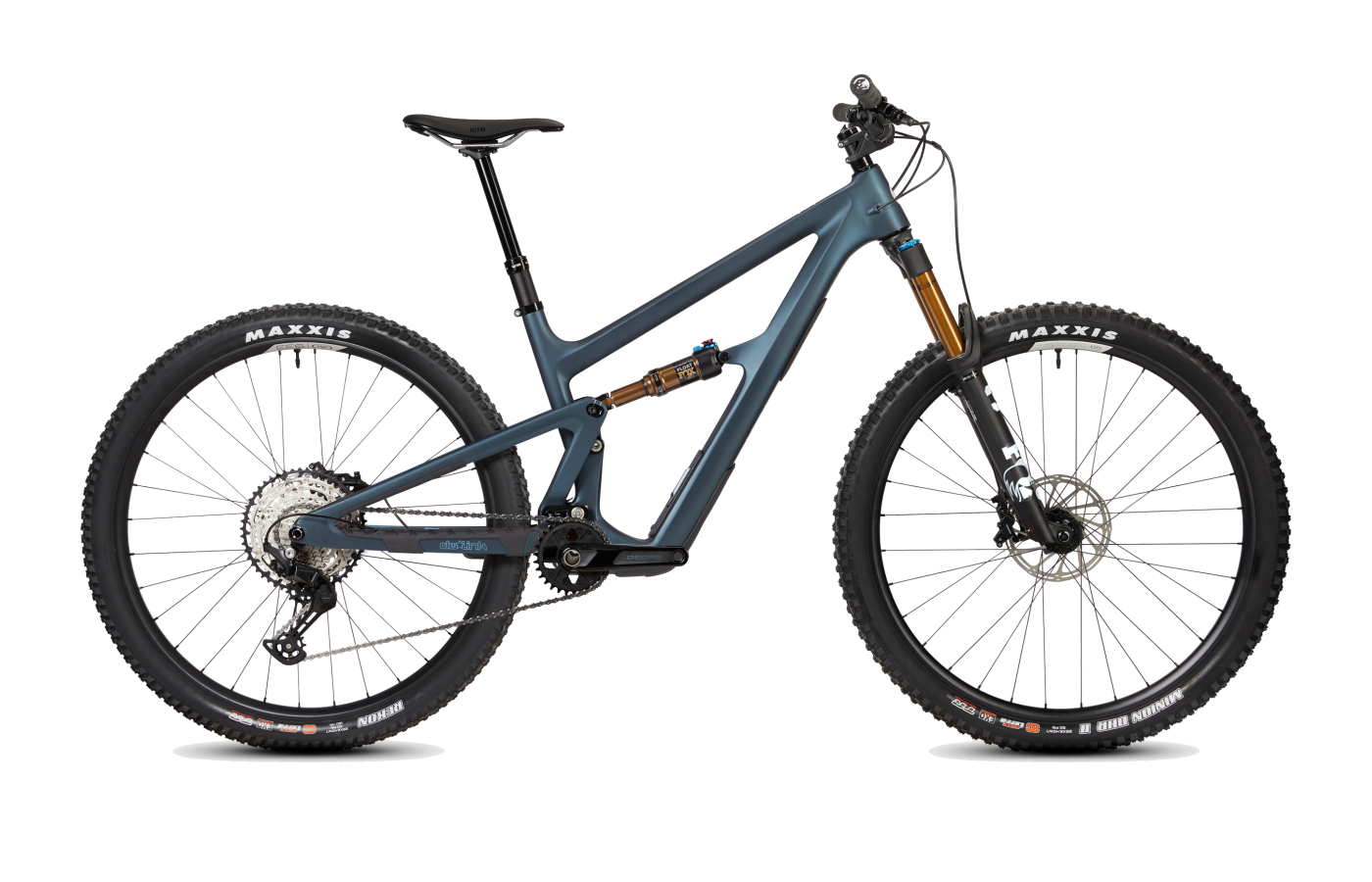
Ripley
The Following's most direct rival — similarly poppy short-travel 29er, but with Ibis's DW-Link suspension that feels a touch lighter and more efficient on the climbs.
Compare →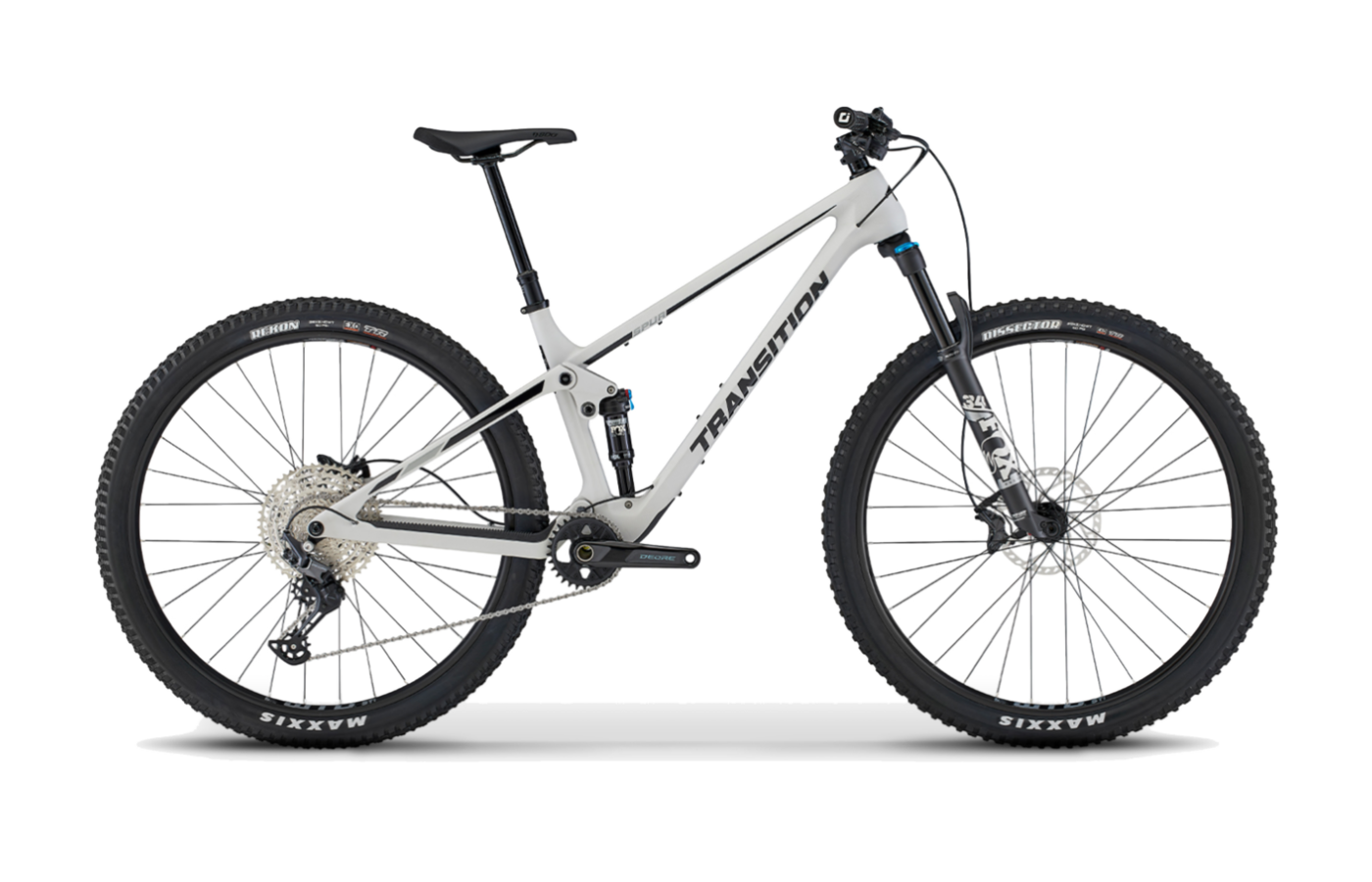
Spur
If the Following feels heavy for your XC ambitions, the Spur delivers the same downcountry spirit in a significantly lighter package — speed-oriented rather than Evil's maniac-cornering character.
Compare →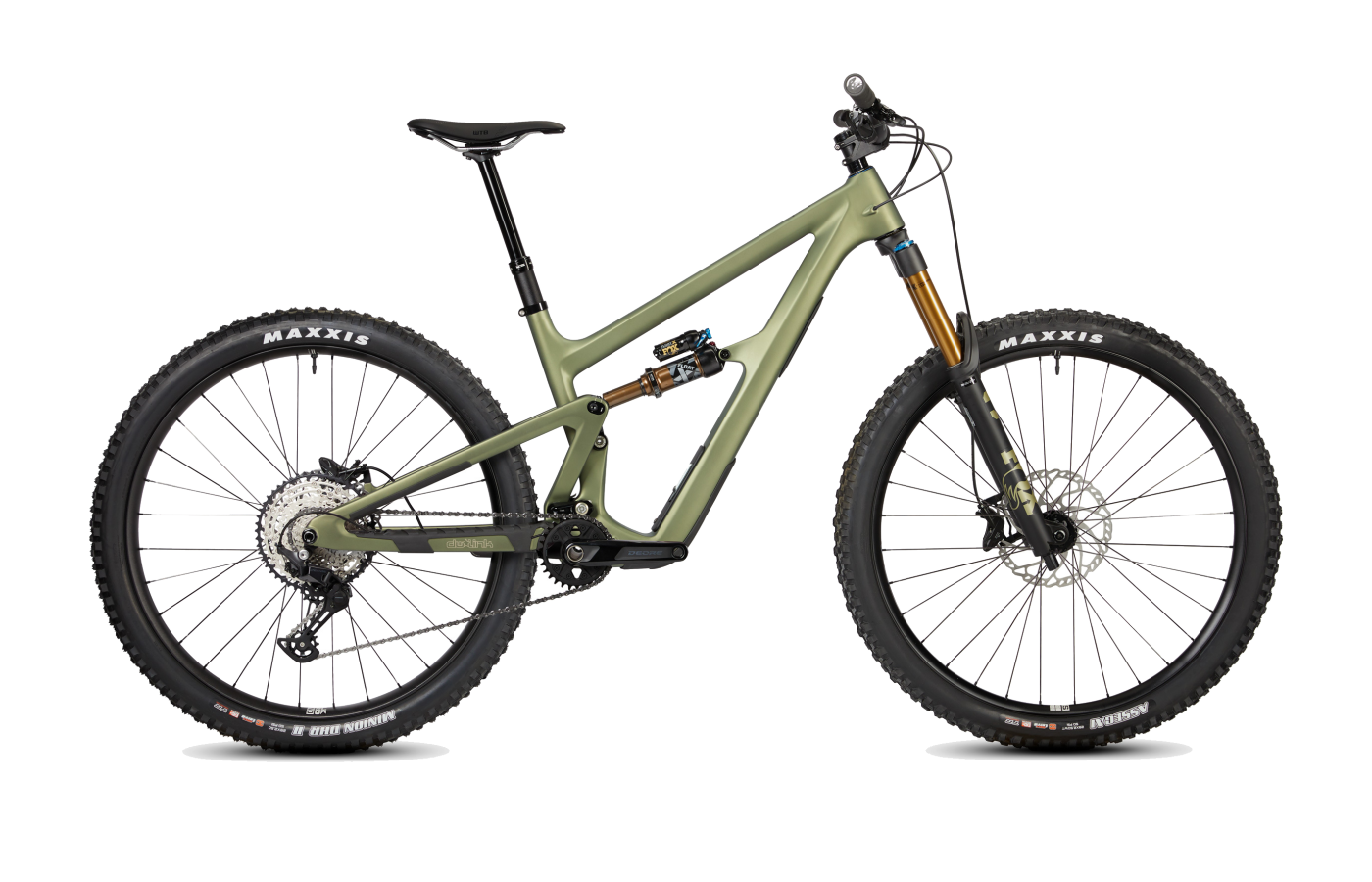
Ripmo
If the Offering's jibby suspension tune isn't for you and you'd rather have a 150 mm bike that plows, the Ripmo is the industry-standard answer with more conventional pedaling manners.
Compare →