V4Rs
vsFilante SLR
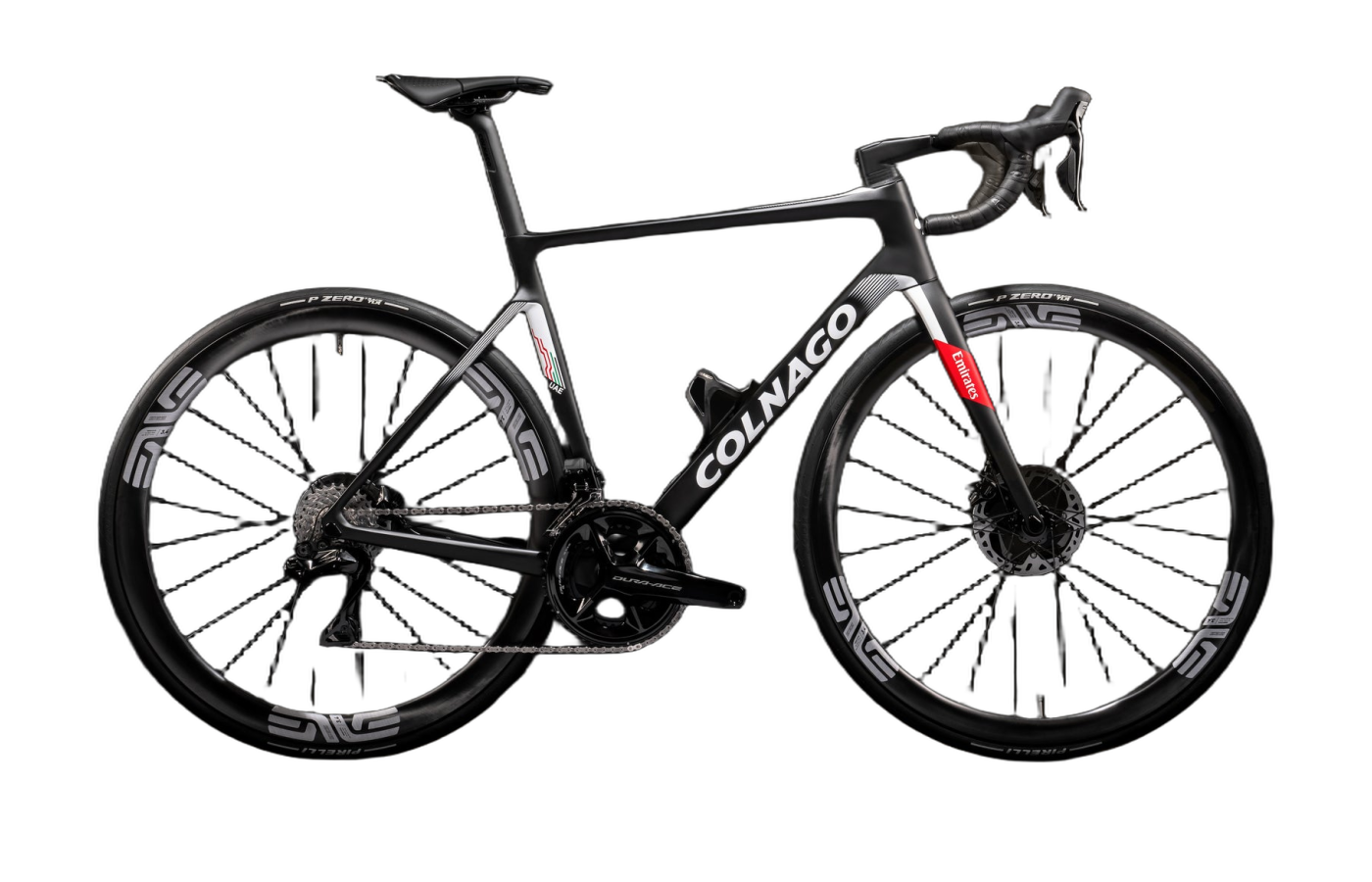
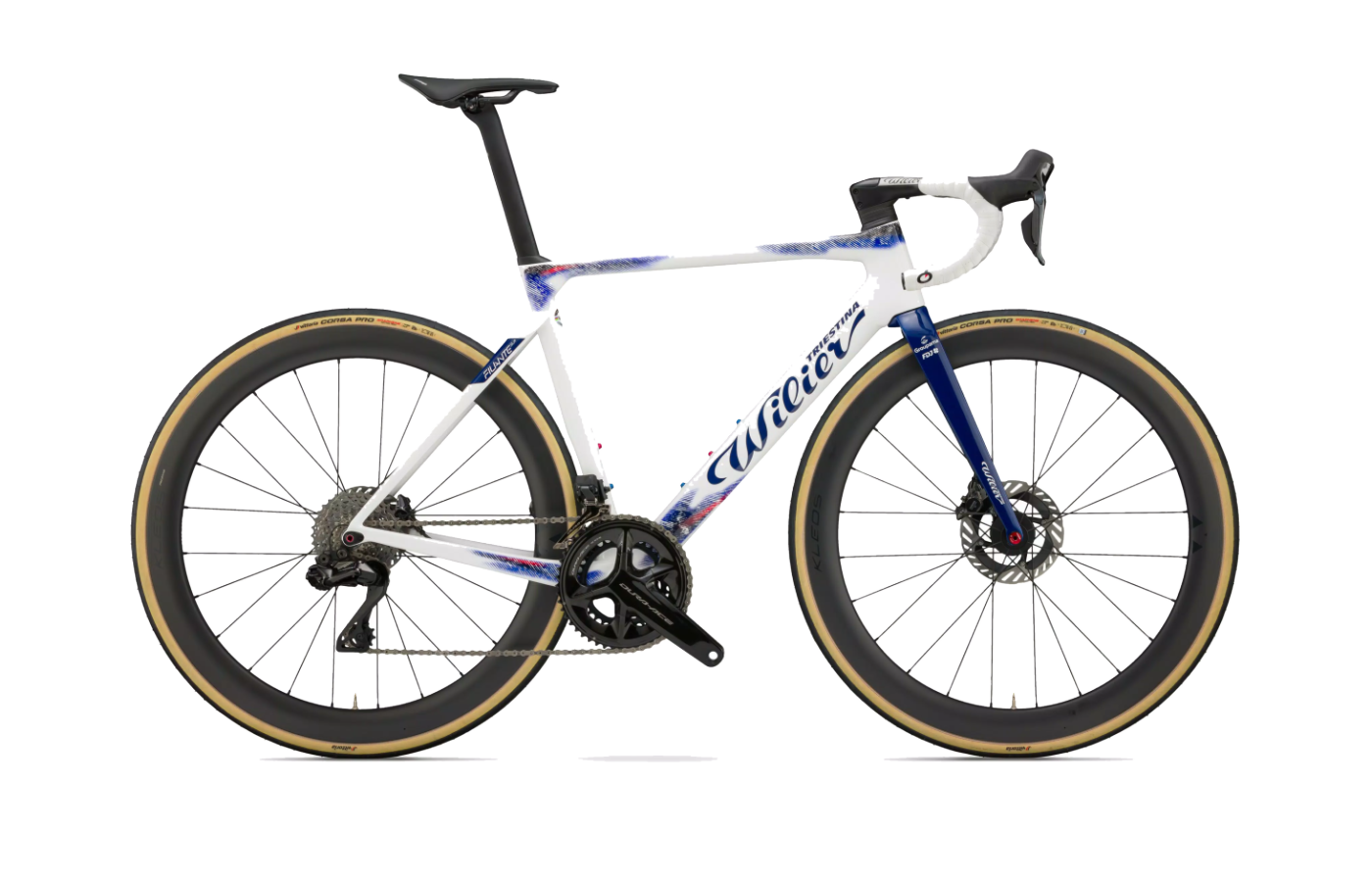
Two Italian race weapons, two ideas of fast.
The V4Rs is a Pogacar-honed scalpel that rewards explosive power. The Filante SLR ID2 is a composed aero system built to hold 45 km/h all day.
V4Rs
- Most reactive race bike in class — 4% sprint / 5% seated stiffness gain over V3Rs, immediate power transfer.
- T47 threaded bottom bracket — easier to service than press-fit, no creaking issues.
- Surefooted descender — a slacker 71.5 deg head tube on the 485 stabilizes the front at speed.
- Reviewers say it needs to be ridden at race pace to feel rewarding — flat at sportive speeds.
- No dedicated aero tube shapes — gives up watts to true aero rivals on flat roads.
Filante SLR
- Wind-tunnel-validated aero — Cycling News measured 24.5 W saved vs. baseline alloy with rider on board.
- Composed at speed — lengthened wheelbase and 72.5 deg HTA make it planted in crosswinds and on fast descents.
- Aerokit bottle system — claimed 3–4 W of additional savings at 40–50 km/h, included.
- Aerokit bottles are fiddly day-to-day — they don't stand upright and rattle in the cages.
- Cockpit and seatpost are proprietary — you're locked into Wilier's ecosystem for fit changes.
Editor’s analysis
This isn't lightweight vs. aero — both bikes are race-bred and tire-clearance-matched at 30 mm. It's reactive vs. composed.
On paper the Colnago V4Rs and Wilier Filante SLR sit in the same WorldTour-proven, ~$12k aero-leaning bracket. Both run modern Shimano and SRAM electronic groupsets, both ship integrated cockpits, both clear a 30 mm tire. But spend any time with the geometry sheets and the meta-reviews and the design intent splits cleanly in two.
The Colnago V4Rs is the rarer animal in 2026: a stiffness-first race bike that didn't chase radical aero shapes. Colnago claims it's 4% stiffer in the sprint and 5% stiffer seated than the V3Rs, and reviewers from BikeRadar to Just Ride Bikes describe it as the most reactive race bike they've tried. The catch — repeated by Cycling News and Cycling Weekly — is that it really only comes alive when ridden hard. At sportive pace it can feel inert.
The Wilier Filante SLR ID2 is the opposite trade-off. Wilier explicitly lengthened the wheelbase versus the previous Filante to settle the bike at speed, and reviewers consistently call it "grown-up," "deeply reassuring," and "planted." Cycling News' wind-tunnel testing put it third among top-tier aero bikes (24.5 W saved over a baseline alloy bike), and Wilier's own Aerokit bottle system claims another 3–4 W at 40–50 km/h. It's an aero system, not a sprinter's frame.
Put another way: the Colnago V4Rs is the bike you buy if you race crits and KOM hunts and want every watt to feel immediate. The Wilier Filante SLR is the bike you buy if you do solo breakaways and long fast group rides and want a bike that holds the speed you put into it without demanding constant attention.
Where the builds differ.
Comparing our editor's-pick builds side-by-side. Winners highlighted row-by-row — lower price and weight, and the better-spec component, each mark a point.
Build variants & pricing
The V4Rs starts $3,500 cheaper and tops out lower; the Filante SLR's lineup runs $10.5k–$15.5k with no entry-level option.
Prices are current US MSRP. Both editor's picks are tier-matched at Shimano Dura-Ace Di2 — the cleanest apples-to-apples comparison Colnago and Wilier offer. SRAM Force AXS exists on both platforms if that's your preference.
How they fit, how they steer.
Compared at the fit-picked size for a 5'8" rider. The Filante SLR M sits 1 mm lower with 5 mm more reach and a 1 deg steeper head tube than the V4Rs 485 — a more stretched, more aero front end.
Which size should I buy?
Sizing recommendations based on stack, reach, and effective top tube. Colnago uses numeric labels (420–570); Wilier uses XS–XXL.
→These are starting points. Flexibility, riding style, and preferred position all shift the answer — if you’re between sizes, a professional fit beats a chart.
What the magazines said.
Published reviews from trusted cycling outlets. Click through for the full write-up.
Which one should you buy?
If you race crits and chase climbs, get the V4Rs. If you hunt solo breakaways and long flat efforts, get the Filante SLR.
V4Rs
If you sprint, attack climbs, and want a frame that returns every watt instantly — the V4Rs is the more reactive tool. It's the right pick for riders who race or train at race intensity and want a bike that rewards aggressive inputs over composure.
Filante SLR
If most of your fast riding is solo or rolling group efforts above 35 km/h, the Filante SLR's wind-tunnel-validated aero and lengthened wheelbase will hold pace with less mental tax. It's the calmer bike at speed — by design.
Questions buyers actually ask.
Short answers to the things we get emailed about most often.
01Which is faster on flat roads?
The Wilier Filante SLR ID2, by a measurable margin. Cycling News' independent wind-tunnel testing placed the Filante SLR ID2 third among top-tier aero bikes, saving 24.5 W versus a baseline alloy bike with a rider on board. Wilier's own Aerokit bottle system claims another 3–4 W at 40–50 km/h.
The Colnago V4Rs is not a dedicated aero bike — Colnago focused on stiffness and refused radical tube shapes. On flat tempo above ~40 km/h, the Filante's drag advantage is real.
02Which climbs better?
The V4Rs is the more reactive climber, but the weights are closer than you'd expect. Reviewer-measured V4Rs Dura-Ace builds came in at 7.15–7.24 kg; the Filante SLR ID2 in flagship trim comes in around 7.24–7.3 kg. Frame-only weights are nearly identical (V4Rs unpainted frame 798 g in size 485, Filante SLR claimed 870 g).
The difference is feel. Colnago claims a 4% sprint / 5% seated stiffness improvement over the V3Rs, and reviewers consistently describe the V4Rs as launching out of the saddle on short kicks. The Filante climbs eagerly but is tuned for composure, not explosiveness.
03What's the maximum tire clearance?
Both are spec'd at 30 mm in our database, with stock tires of 28 mm. Reviewers note the V4Rs accepts up to 32 mm in practice; Wilier officially lists clearance up to 34 mm on the new ID2. Either bike will run a 30 mm tire comfortably, which is most of what current race fitment demands.
Neither is a gravel bike. For mixed-surface riding, look at the Wilier Rave SLR or a dedicated all-road frame.
04Why pick the Dura-Ace Di2 builds for the comparison?
Both platforms offer a Dura-Ace Di2 build at the top of the Shimano lineup ($12,000 V4Rs / $13,500 Filante SLR), which makes the spec table apples-to-apples — same shifters, same brakes, same cassette, same crank tier. Comparing the V4Rs Ultegra against the Filante Red, for example, would let component-tier differences masquerade as platform differences. They both also offer Force AXS / Red AXS on the SRAM side, and Campagnolo Super Record WRL at the very top.
05How serviceable are the cockpits and bottom brackets?
The V4Rs uses a T47 threaded bottom bracket — reviewers from Road.cc and Just Ride Bikes call it a smart move that eliminates press-fit creaking. It also includes a CeramicSpeed SLT "lifetime" headset designed to extend service intervals on the integrated cockpit.
The Filante SLR ID2 uses a Miche-designed press-fit bottom bracket with CeramicSpeed bearings in the wheels. Wilier moved the Di2 battery to a dedicated port behind the BB (out of the seatpost), which simplifies seatpost service. Both bikes' integrated cockpits are proprietary and locked to their respective brands for swaps.
06Are both bikes wireless / electronic only?
Both flagship builds reviewed here are electronic (Shimano Di2 or SRAM AXS). Both frames are designed around modern integrated routing — there's no real path back to mechanical shifting. If you want cable-shift, you're outside this conversation.
07Is the Aerokit bottle system worth the hassle?
It saves a claimed 3–4 W at 40–50 km/h according to Wilier, validated indirectly by Cycling News' wind-tunnel data showing the Filante actually performs better with a rider than in bike-only tests — the bottles smooth airflow between the rider's legs.
But multiple reviewers (Granfondo, Escape Collective, Road.cc) call out real-world annoyances: the bottles can't stand upright on a table, they're fiddly to dock back into the cages, and they can rattle. The cages do accept standard round bottles, just "awkwardly." If marginal aero gains matter to you, it's a meaningful free upgrade. If practicality matters more, plan to swap them out.
08Which has the better resale value?
Both are heritage Italian brands with relatively small production runs compared to Specialized or Trek, which historically helps resale. The V4Rs has the larger ongoing pro pedigree (Pogacar / UAE Team Emirates, Tour de France wins), which buoys demand in the used market. The Filante SLR ID2 is newer (2026 model) so resale data is limited.
Both depreciate fastest in year one, like all flagship bikes. Buying a one-season-old example second-hand is the most cost-effective way into either platform.
Similar bikes
If your priorities don’t map cleanly onto either of these, one of these adjacent bikes probably fits better.
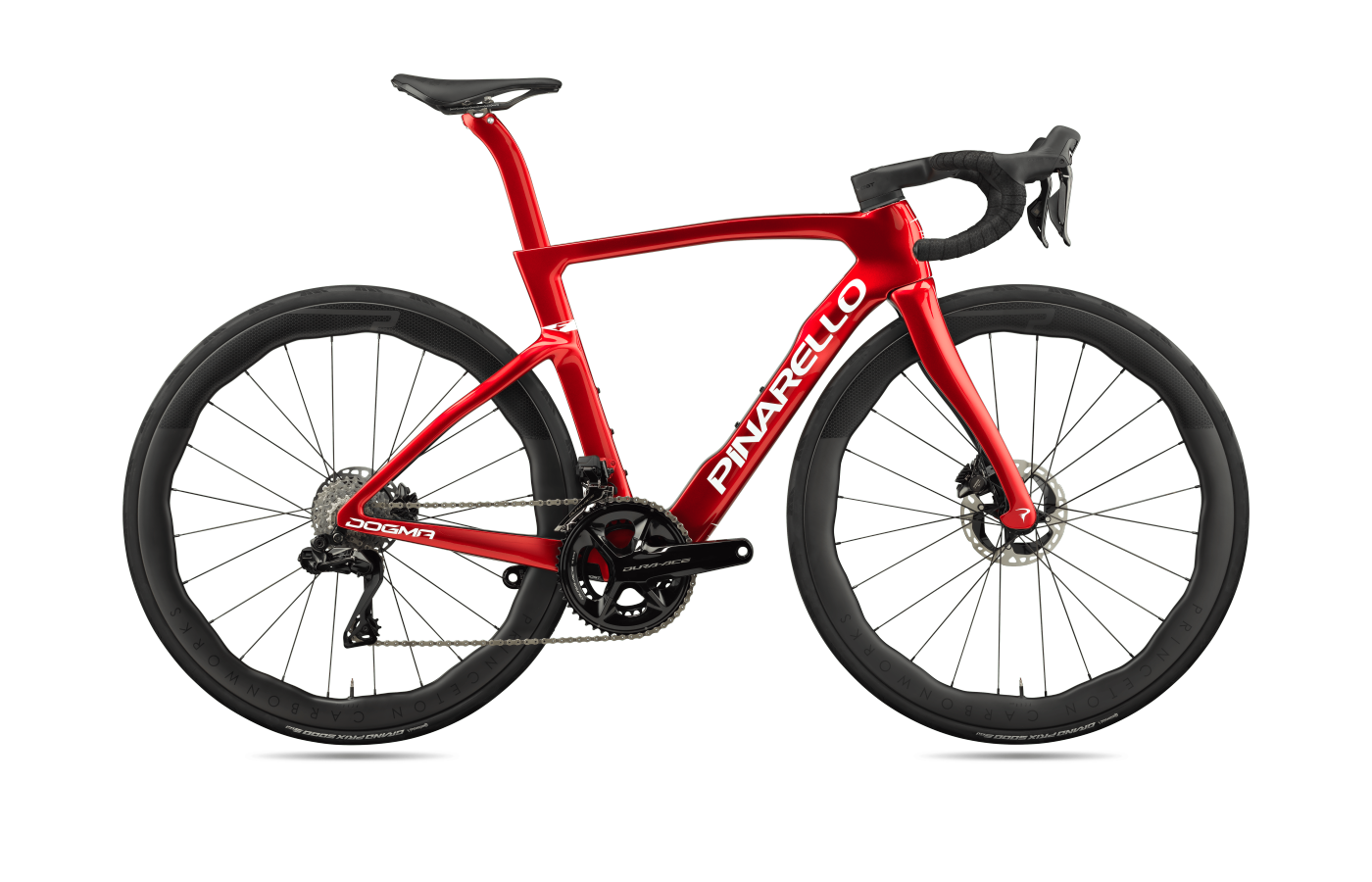
Dogma F
The other Italian thoroughbred. Pinarello's all-rounder splits the difference between the V4Rs's stiffness focus and the Filante's aero focus, with more radical tube shapes and a similarly hefty price tag.
Compare →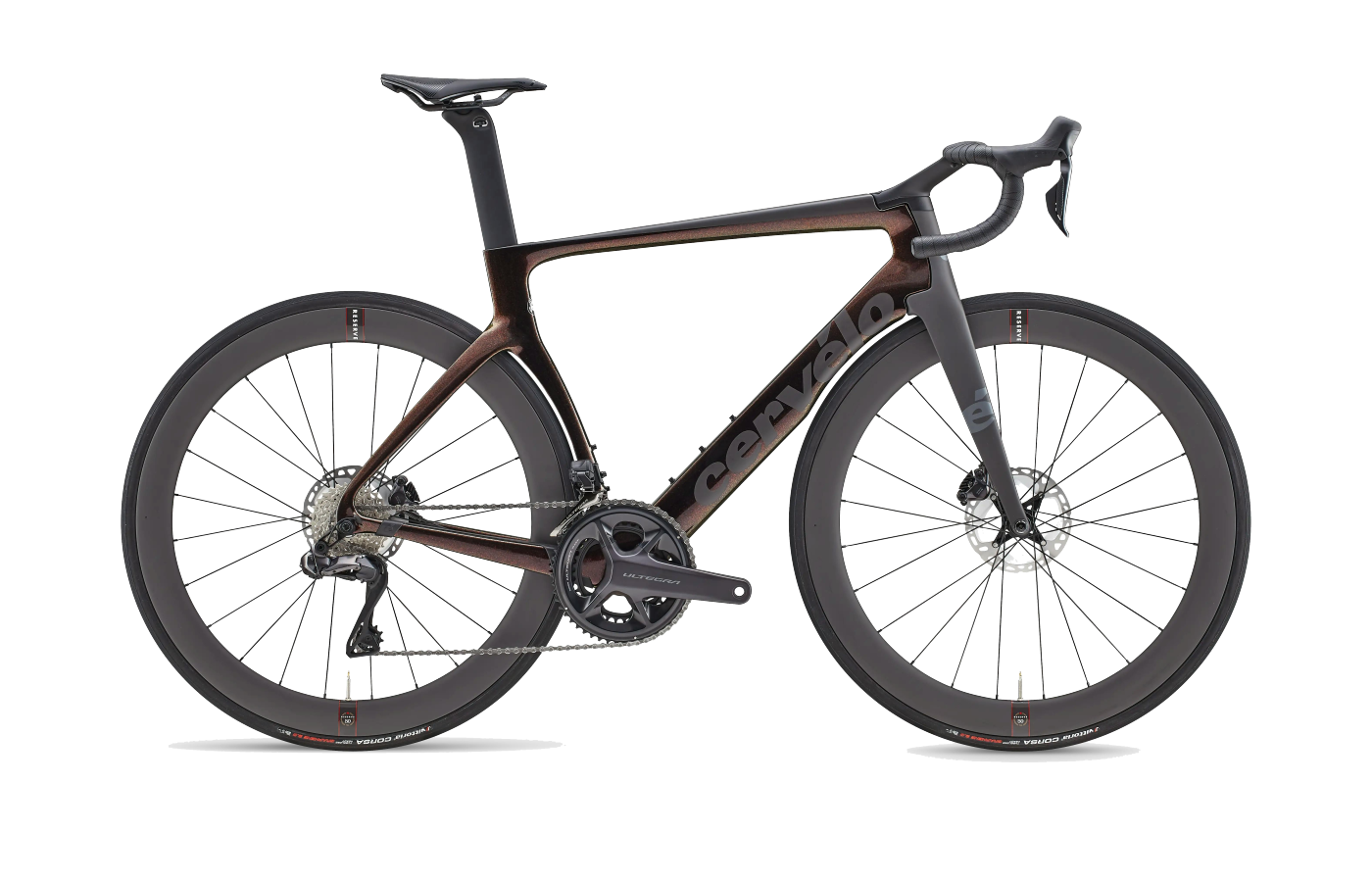
S5
If the Wilier doesn't go far enough on aero, the Cervelo S5 is the most committed option in the segment — split-nose cockpit, the deepest tube shapes, and a real reputation for sailing in crosswinds.
Compare →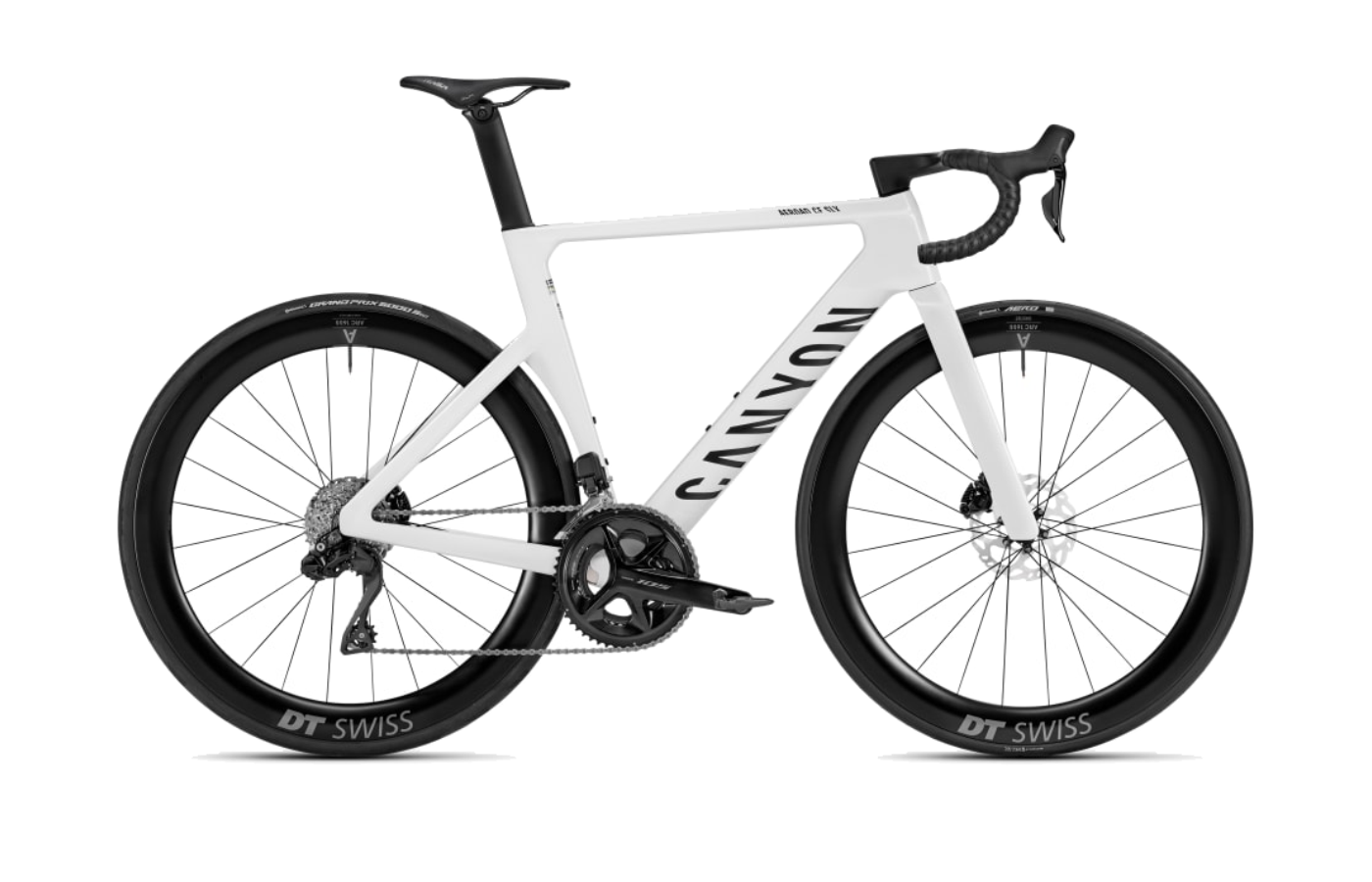
Aeroad
Same aero-flagship philosophy as the Filante, roughly 30% less money. The catch is direct-to-consumer fitment — no demos, no local dealer. Best if you already know your fit numbers.
Compare →