Synapse
vsAllez
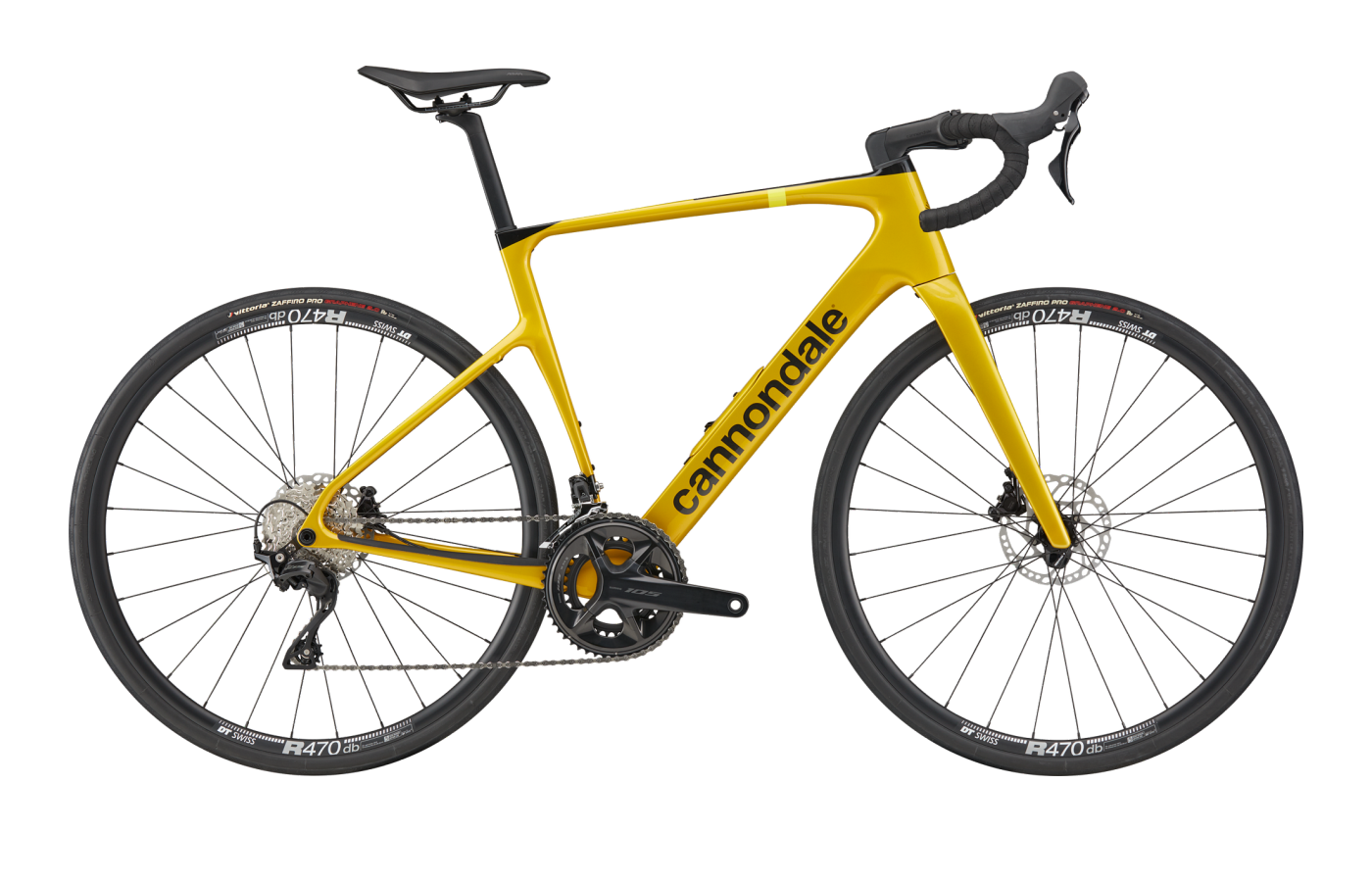
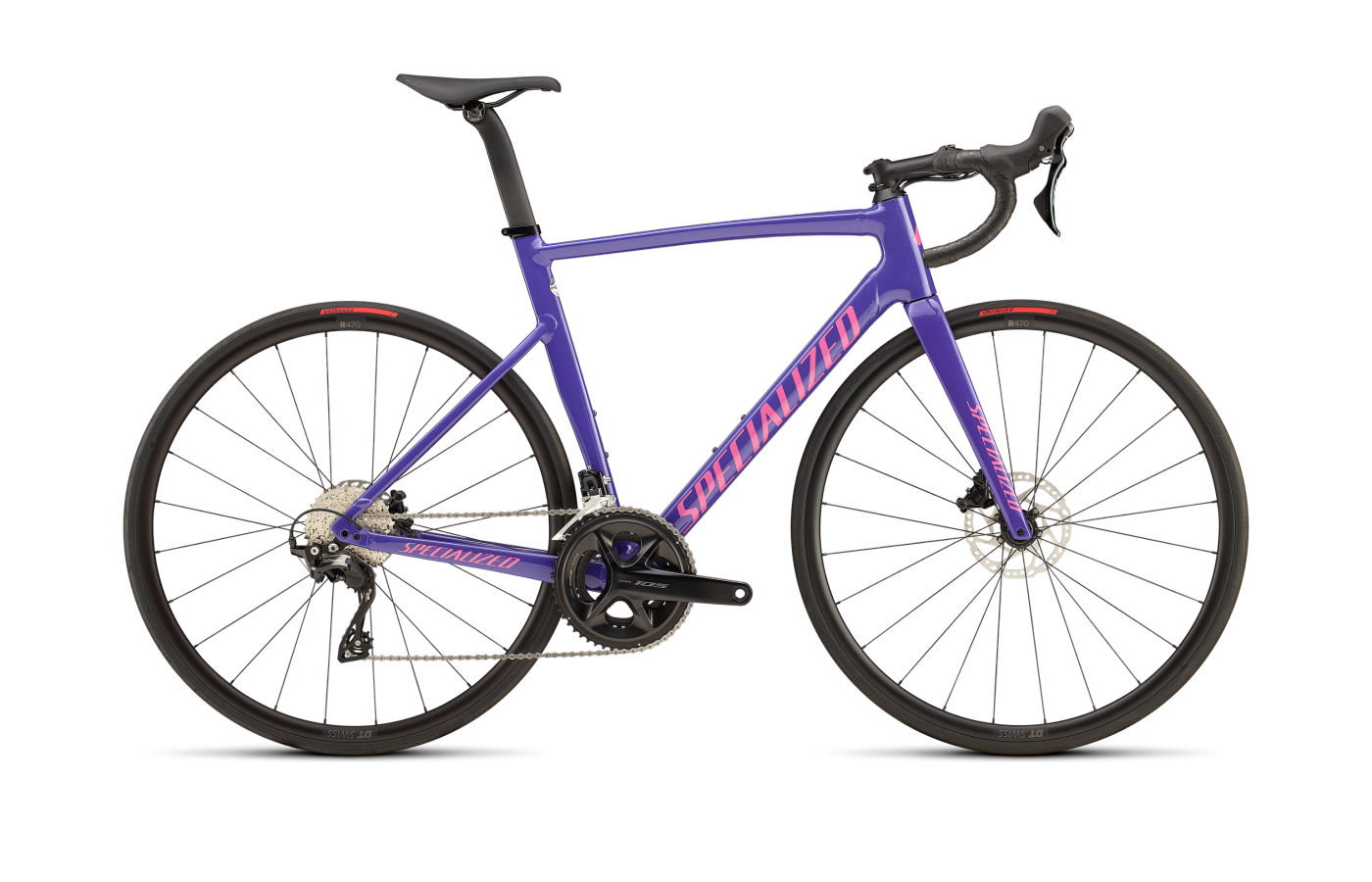
Carbon endurance flagship vs alloy entry-level workhorse.
The Synapse is a tech-loaded mile-eater that scales to $16k. The Allez is the gateway road bike, capped at $2,599 and built to be upgraded.
Synapse
- Class-leading 42 mm tire clearance — blurs the line into light-gravel territory; the Allez stops at 35 mm.
- SmartSense integration — a single down-tube battery powers lights, Garmin radar, and SRAM AXS shifting on equipped models.
- Race-bike handling, endurance geometry — reviewers say it carries SuperSix Evo speed without the stiff-back position.
- Lab71 flagship is $16,499 — most of the range still runs $4k–$8k.
- One reviewer found the long wheelbase "sedate" and short on the "fizz of excitement" of sharper rivals.
Allez
- Lowest-friction entry to road cycling — $1,199 starting price, threaded BB, and external cockpit cabling keep service costs low.
- Frame is genuinely upgrade-worthy — claimed 1,375 g at size 56 and a full FACT carbon fork rewards a wheel/tire upgrade.
- Rack and fender mounts — takes 32 mm tires with full-length mudguards, making it a real year-round commuter.
- Stock Axis Sport wheels and Roadsport tires hold the frame back — multiple reviewers suggest immediate upgrade.
- Aluminum frame can't match a carbon endurance bike's vibration damping over chip seal and broken tarmac.
Editor’s analysis
These two share a category on paper and almost nothing else in practice — one is a finished article, the other is a starting point.
The Cannondale Synapse and Specialized Allez both wear the endurance-road badge, but they live on opposite sides of a $14,000 price gap. The Synapse is Cannondale's modern endurance template — a carbon platform that runs from $1,299 up to a $16,499 Lab71 with integrated radar, lights, and a single battery feeding the SRAM AXS shifters. The Allez tops out at $2,599 and is, fundamentally, an aluminum frame with a carbon fork that exists to get people into road cycling.
Reviewers have been emphatic about the Synapse Carbon 2 SmartSense — BikeRadar called it "the new gold standard for endurance bikes" and named it a Bike of the Year finalist. Cannondale claims a 20% bump in compliance over the previous generation, the frame takes up to 42 mm tires, and the geometry borrows enough from the SuperSix Evo that Warren Rossiter said it "easily feels as quick as my SuperSix Evo in a straight line." It's an endurance bike that doesn't punish you for wanting to ride fast.
The Specialized Allez plays a different game. Its E5 Premium aluminum frame with a full FACT carbon fork has been universally praised as a frame worth upgrading — Bicycling said swapping the stock wheels made it "feel like a bike that should cost double its price." Out of the box, the heavy Axis Sport wheels and dead-feeling Roadsport tires hold it back, but the underlying frame is light for the class (claimed 1,375 g at size 56), takes up to 35 mm tires, and has rack and fender mounts. It's a five-year bike that gets faster as you spend.
Put plainly: the Cannondale Synapse is the bike you buy when you want the finished thing — integrated tech, carbon ride quality, all-day comfort on chip seal. The Specialized Allez is the bike you buy when $2,000 is the budget and you'd rather start with a great frame than a fully built compromise. Cross-shopping them only makes sense if your budget hasn't settled — once it has, the choice makes itself.
Where the builds differ.
Comparing our editor's-pick builds side-by-side. Winners highlighted row-by-row — lower price and weight, and the better-spec component, each mark a point.
Build variants & pricing
We tier-matched at Shimano 105 12-speed mechanical — the only drivetrain both platforms share. The Synapse's 12 other build options scale up to $16,499; the Allez stops at $2,599.
Apples-to-apples is hard here: the Synapse is fundamentally a $4k–$16k carbon platform with one alloy and one entry-carbon build, while the Allez is alloy-only. We picked the Synapse Carbon 5 ($3,199) and Allez Sprint Comp ($2,599) because they share the same groupset and wheel tier — which highlights what an extra $600 buys you (a carbon frame). For a true budget cross-shop, look at the Synapse 1 alloy ($2,099) instead.
How they fit, how they steer.
These are the fit-picked sizes for a 5'8" rider on each bike. The Allez sits 2 mm taller in stack with 12 mm less reach — a more upright posture. The Synapse has a slacker 71.3° head tube vs the Allez's 71° but identical 61 mm trail, and runs 1.8 cm more wheelbase from longer chainstays.
Which size should I buy?
Sizing recommendations are derived from stack, reach, and effective top tube. Both bikes overlap most of the middle range; the Allez splits the small end finer with a 49 cm option.
→These are starting points. Flexibility, riding style, and preferred position all shift the answer — if you’re between sizes, a professional fit beats a chart.
What the magazines said.
Published reviews from trusted cycling outlets. Click through for the full write-up.
Which one should you buy?
If you want a finished, tech-forward, do-it-all carbon endurance bike, get the Synapse. If $2k is the budget and you're willing to upgrade as you go, get the Allez.
Synapse
If your weekends are 4-hour rides over imperfect tarmac and you want one bike to handle everything from chip seal to light gravel without thinking about it, the Synapse is the bike. Buy at the Carbon 4 trim ($4,199) and you've got the same frame, comfort, and clearance as the flagship.
Allez
If this is your first proper road bike or you need a bombproof commuter that can also do the Sunday club ride, the Allez is the smart choice. The frame is good enough to grow with — start with the stock Sprint Comp, swap the wheels and tires when you're hooked, and you'll have a bike that punches well above its price.
Questions buyers actually ask.
Short answers to the things we get emailed about most often.
01Are these even competing in the same category?
Loosely. Both are road bikes designed for non-racers, but the price ranges barely overlap — the Cannondale Synapse runs $1,299 to $16,499, the Specialized Allez stops at $2,599. The only real cross-shop is between the alloy-framed Synapse 1 ($2,099) and the top-end Allez Sprint Comp ($2,599).
For the rest of the Synapse range — the carbon Carbon 4 ($4,199) and up — the Allez isn't on the same shopping list.
02Which has better tire clearance?
The Synapse, by a meaningful margin. Cannondale's frame fits up to 42 mm tires in the rear and 48 mm in the fork — close to gravel-bike territory. The Allez maxes out at 35 mm tires (or 32 mm with full-length fenders).
For riders who want to mix in a little hardpack or chip seal, the Synapse buys you real headroom. The Allez is plenty for paved roads and the occasional broken-tarmac shortcut.
03Carbon Synapse vs aluminum Allez — does the frame material matter?
It matters for ride quality, less so for durability. The Synapse's carbon frame has a claimed 20% compliance increase over its predecessor, and reviewers consistently call it "sublime" over chip seal and broken tarmac.
The Allez's E5 Premium aluminum frame is genuinely well-built (claimed 1,375 g at size 56) and reviewers praise its road feel for the price — but it can't match a tuned carbon frame on high-frequency vibration damping. Both come with full carbon forks, which evens out the front end somewhat.
Durability is essentially a wash — both use threaded BSA bottom brackets and standard parts, and both are designed for years of use.
04What does the Synapse's SmartSense system actually do?
On SmartSense-equipped Synapse builds, a single battery housed in the down tube powers an 800-lumen front light, a Garmin Varia rear radar/light, and the SRAM AXS derailleurs. One USB-C port charges the whole system.
If the battery drops below 5%, it dims or kills the lights to preserve shifting. It adds about 460 g to the bike, but reviewers consistently call it "worth every penny" for everyday riders. The Allez has nothing comparable — it's a mechanical bike, by design.
05How service-friendly are they?
Allez: intentionally easy. Cables route into the down tube but stay external at the cockpit, the bottom bracket is threaded BSA, the seatpost is a standard 27.2 mm round, and the bar/stem are non-proprietary. One reviewer noted a cable replacement runs about $25 versus $200 on a fully integrated bike.
Synapse: more integrated. The higher-end Carbon 1, Carbon 2, and Lab71 builds use the SystemBar R-One full-carbon integrated cockpit with internal routing through the headset, which makes hose work and stem swaps a real job. The lower carbon and alloy builds use a conventional alloy stem and bar.
06How much do I need to spend on the Allez to make it good?
The frame is the good part — multiple reviewers note that wheel and tire upgrades transform the bike. Bicycling tested the Allez with Roval Alpinist SLX wheels (about 500 g lighter than stock) and said it "instantly felt like a bike that should cost double its price."
Budget another $400–$800 for lighter wheels and a set of supple tires (GP5000s, Vittoria Corsa, etc.) and the Allez Sport is competitive with bikes well above its $1,800 sticker.
07Which one fits a 5'8" (173 cm) rider better?
Both fit, in different sizes. The fit algorithm picks a size 51 Synapse (550 mm stack, 376 mm reach) and a size 52 Allez (552 mm stack, 364 mm reach) for a 173 cm rider.
Stack is essentially identical, but the Allez has 12 mm less reach — a more upright cockpit. If you're long-armed for your height, the Synapse will feel more natural; if you're short-torsoed, the Allez will.
08Which holds resale value better?
Neither has a strong used-market premium, but for different reasons. The Allez depreciates slowly in absolute dollars because it's already cheap — a three-year-old Sport sells for $700–$900. The Synapse, especially in carbon trims, follows the typical carbon-road depreciation curve (roughly 30–40% over three years).
A one-year-old Synapse Carbon 4 second-hand is one of the better ways to get into a modern endurance carbon bike at sub-$3k pricing.
Similar bikes
If your priorities don’t map cleanly onto either of these, one of these adjacent bikes probably fits better.
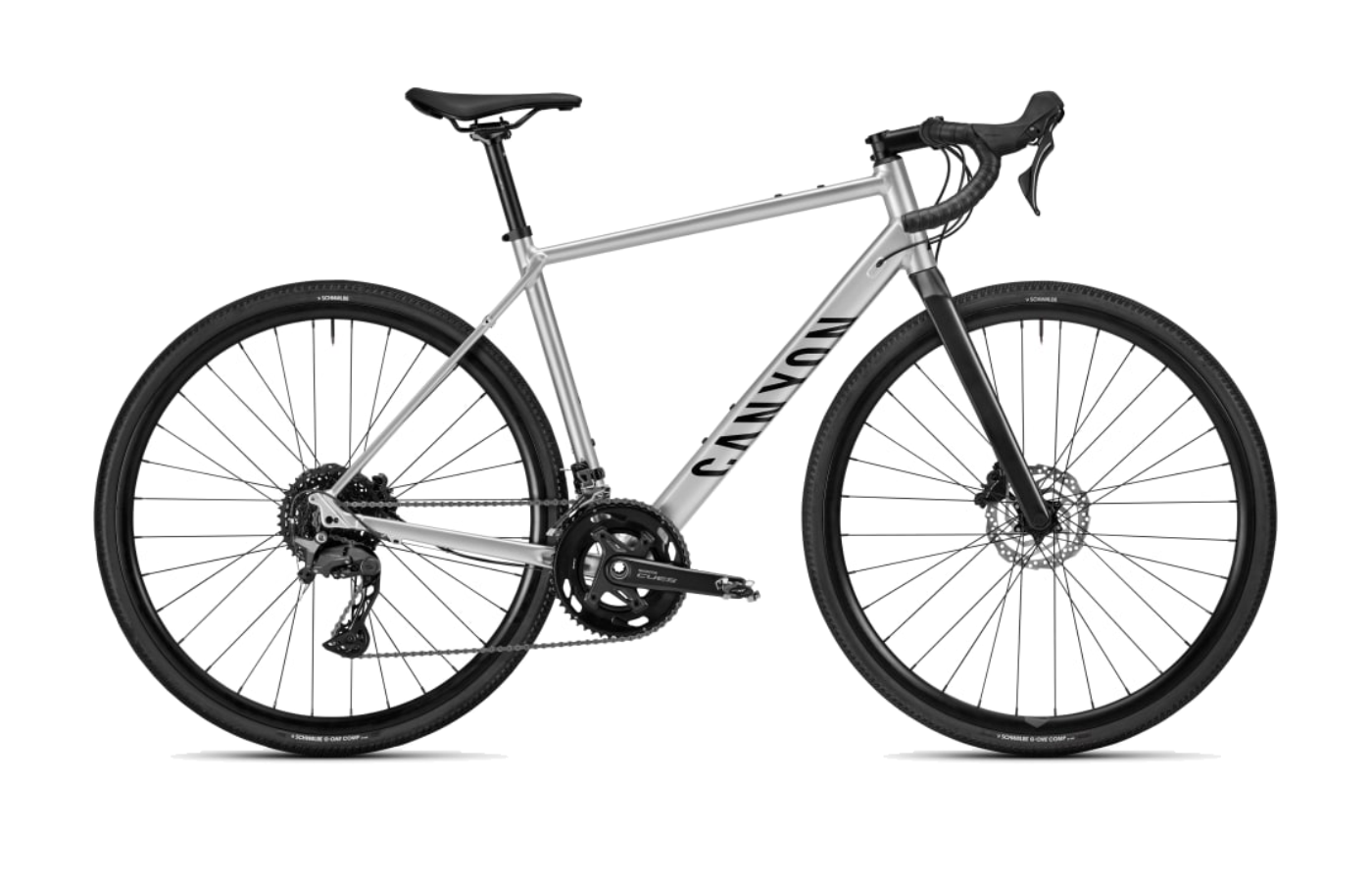
Endurace
The direct-to-consumer answer to the Allez — the Canyon Endurace routinely beats Specialized on spec-per-dollar, with Shimano 105 builds where the Allez gets Tiagra. The catch is no local dealer, so you're on your own for fit and assembly.
Compare →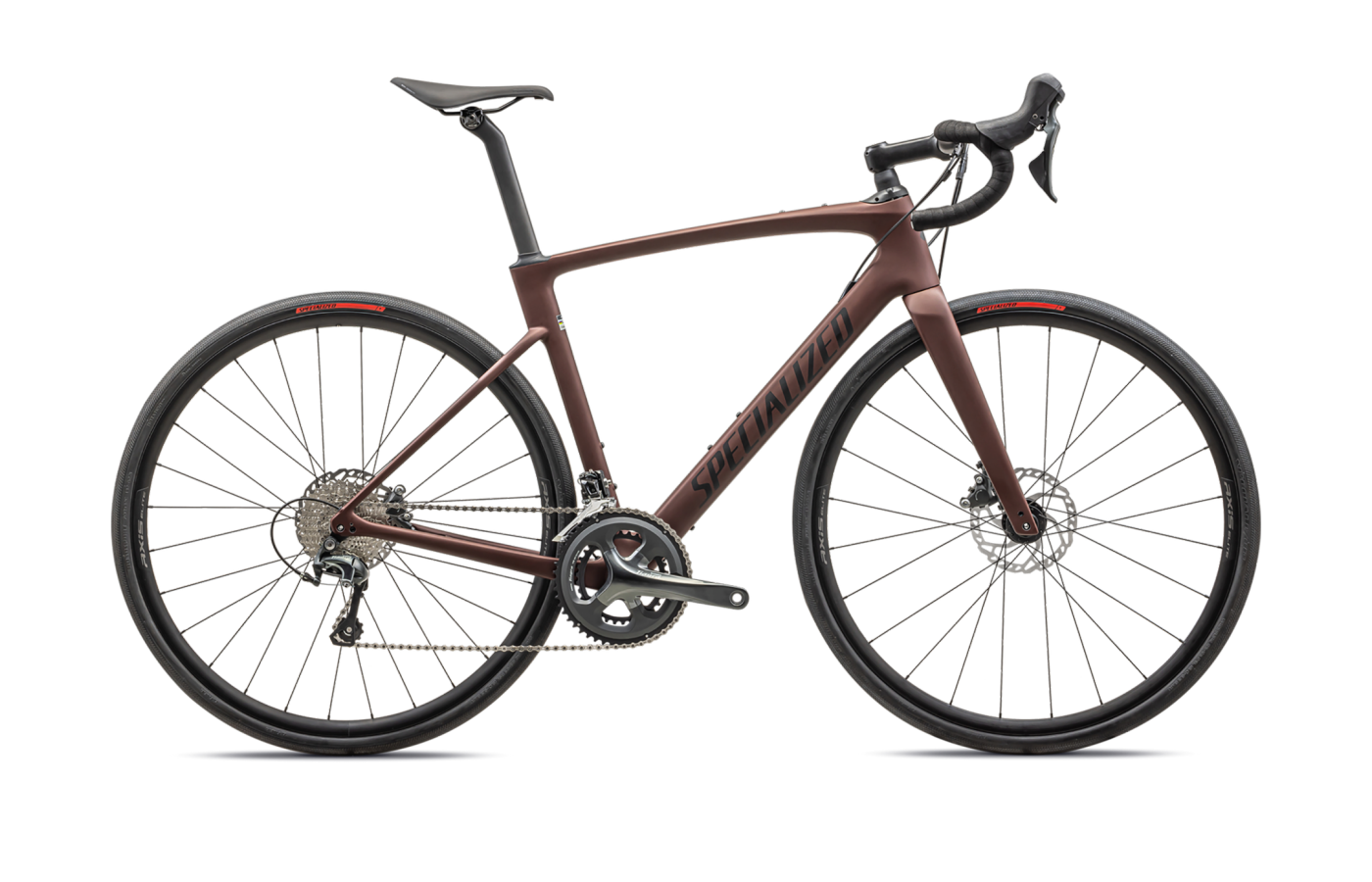
Roubaix
Specialized's actual Synapse competitor. The Roubaix is a carbon endurance bike with the Future Shock head-tube damper for genuinely more front-end comfort than the Synapse, but it lacks SmartSense and starts higher in the range.
Compare →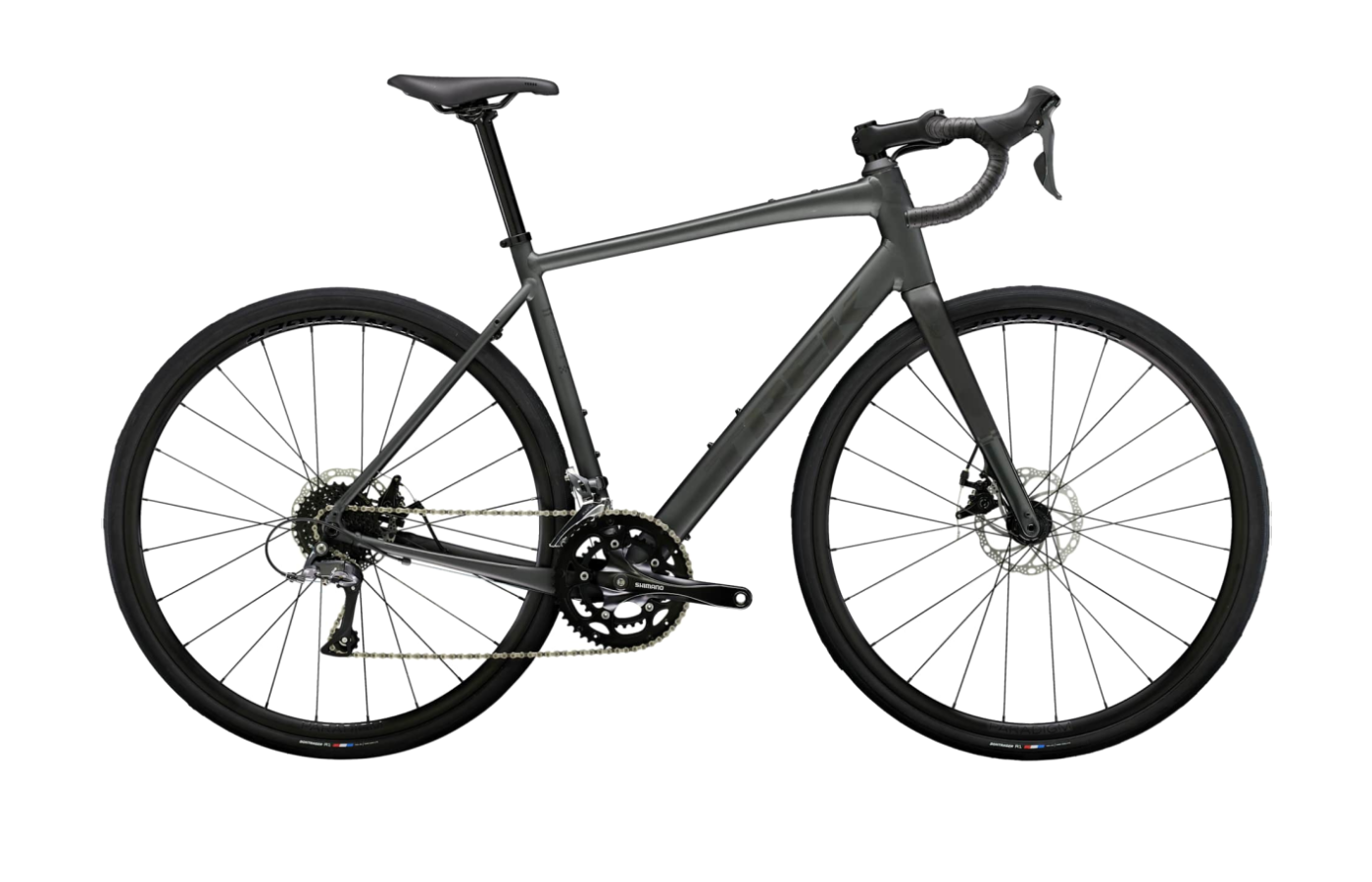
Domane
The closest cross-shop to the Synapse. The Trek Domane offers comparable internal down-tube storage, 38 mm tire clearance, and the IsoSpeed decoupler to smooth out rough roads — different mechanism for the same goal.
Compare →