Scalpel HT
vsEpic
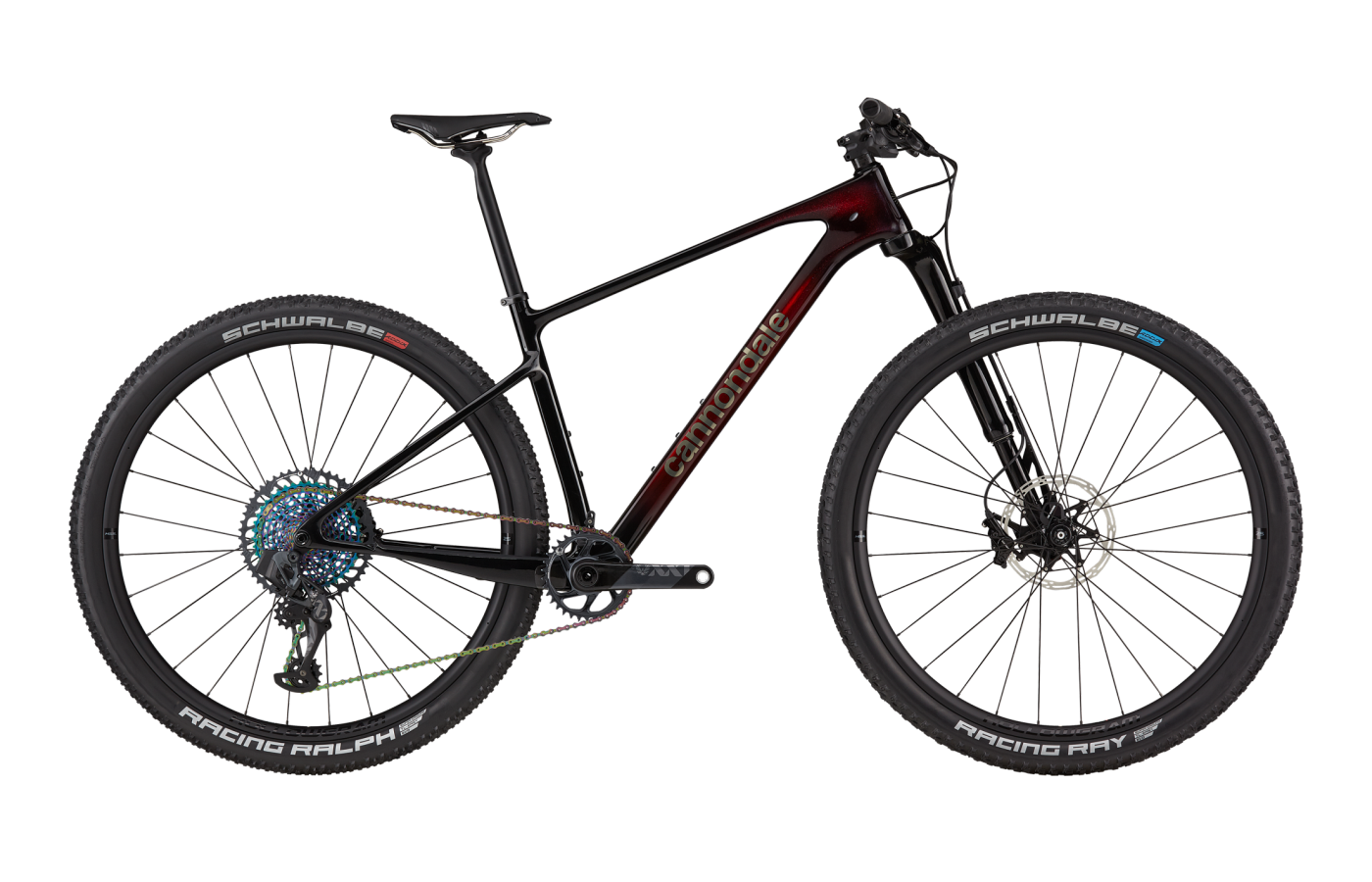
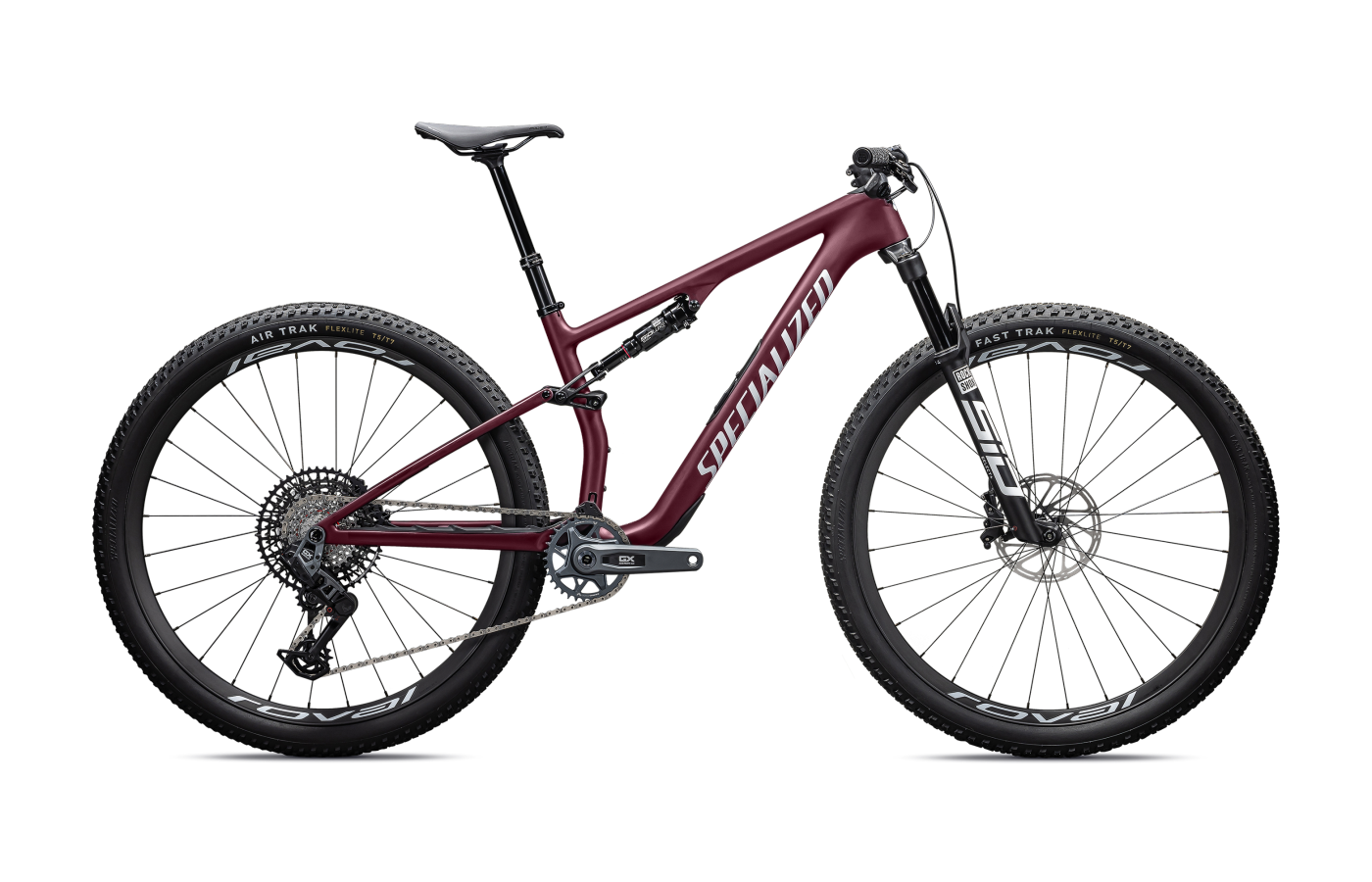
Hardtail purist vs full-suspension benchmark.
The Scalpel HT bets that a tuned carbon rear triangle is enough. The Epic 8 throws 120 mm of rear travel and modern trail-bike geometry at the same problem.
Scalpel HT
- Lower-maintenance race platform — no rear shock, no linkage bearings, no service interval to track between marathons.
- Engineered frame compliance — dropped seatstays and a 27.2 mm seatpost smooth chatter without the weight of suspension.
- 25-year carbon frame warranty — one of the longest in the segment, a real factor for a long-term ownership horizon.
- Only two builds — a $6,999 flagship and a $2,399 entry-level, with nothing in the middle.
- Body absorbs everything the rear of the bike can't on long technical descents.
Epic
- 120 mm of rear travel with the 'Magic Middle' shock tune — efficient pedaling platform that opens up on real impacts.
- Eight builds across $4,499–$14,999 — a real entry tier and a true flagship, with carbon wheels appearing as low as the Expert.
- SWAT downtube storage and threaded BB — production-grade conveniences competitors are still chasing.
- Heavier than the Scalpel HT at every comparable build tier — penalty you pay on long climbs.
- Fixed 435 mm chainstays across all sizes — XL riders may find the front-to-rear balance off.
Editor’s analysis
Same race category, opposite engineering thesis — can a hardtail still win when the full-suspension benchmark grew teeth?
On the modern UCI World Cup XC circuit, courses got rowdier and the Specialized Epic responded by becoming, essentially, a short-travel trail bike. 120 mm front and rear, a 65.9 deg head angle, a 1,179 mm wheelbase on the medium — these are numbers that would have read 'enduro' a decade ago. The Cannondale Scalpel HT picks the other lane: keep the rear rigid, tune compliance into the carbon itself, and stay loyal to the hardtail privateer.
The Scalpel HT is the more focused tool. Cannondale's Proportional Response Design uses size-specific 430–445 mm chainstays and engineered flex through dropped seatstays plus a slender 27.2 mm seatpost — reviewers consistently describe a hardtail that 'tracks smoothly without pin-balling' over rocks. The 66.5 deg head angle on the 110 mm-fork Hi-MOD trim is genuinely radical for the category, and Cannondale backs the carbon frame with a 25-year warranty. But it remains a hardtail: case a jump, hit a square edge, ride a long technical descent, and your body absorbs what the bike can't.
The Specialized Epic 8 is the harder-to-categorize bike. The 'Magic Middle' shock tune gives the rear suspension a firm pedaling platform that 'pops open' on impact, so the climbing penalty of all that travel is smaller than the spec sheet implies. Reviewers across PinkBike, BikeRadar, and Flow Mountain Bike call it 'outrageously stable' on descents and a 'PR-destroying' multiplier of rider skill. The cost: more weight, more system complexity (especially in the Flight Attendant flagship), and a price floor that sits above the cheapest Scalpel HT by nearly 2x.
Put plainly: the Scalpel HT is the bike for a privateer who races marathon and XCO and counts every gram. The Epic 8 is the bike for a rider whose home trails got chunkier and who wants one bike that's still legal at the start line. The Scalpel HT has the lighter chassis, the simpler maintenance story, and the deeper budget on-ramp. The Epic 8 has the broader operating range — and that's why the World Cup peloton has largely moved on from hardtails.
Where the builds differ.
Comparing our editor's-pick builds side-by-side. Winners highlighted row-by-row — lower price and weight, and the better-spec component, each mark a point.
Build variants & pricing
Cannondale offers just two Scalpel HT builds; Specialized offers eight Epic 8s spanning $4,499 to $14,999.
Editor's-pick pairing is asymmetric on price — the Scalpel HT lineup skips the mid-tier entirely, so we pair the $6,999 Hi-MOD Ultimate against the $7,199 Epic 8 Expert (GX AXS Transmission). Both run wireless SRAM Eagle electronic shifting and carbon wheels, making the spec comparison apples-to-apples even though the Specialized is a full-suspension bike.
How they fit, how they steer.
Compared at the fit-picked sizes for each platform — Cannondale L (444 mm reach, 629 mm stack, 66.5 deg HTA) vs Specialized M (450 mm reach, 598 mm stack, 65.9 deg HTA). The Epic sits lower and slacker; the Scalpel sits taller and steeper, classic hardtail-vs-FS posture difference.
Which size should I buy?
Both ranges cover XS–XL on the Specialized side and S–XL on the Cannondale; size-by-size reach overlaps, stack does not.
→These are starting points. Flexibility, riding style, and preferred position all shift the answer — if you’re between sizes, a professional fit beats a chart.
What the magazines said.
Published reviews from trusted cycling outlets. Click through for the full write-up.
Which one should you buy?
If you race XC or marathon and value a low-maintenance, lighter platform, get the Scalpel HT. If your trails are technical and you want one bike that descends like a trail rig but still climbs like a race bike, get the Epic 8.
Scalpel HT
If you race marathon or XCO, do your own wrenching, and want a frame that disappears under you on long efforts — this is the modern hardtail to beat. The Hi-MOD trim with the Lefty Ocho is genuinely capable on descents that would've buried hardtails five years ago.
Epic
If your home trails got rowdier and you want one bike that wins XCO weekends and survives technical trail rides on Sunday, the Epic 8 is currently the segment benchmark. The Expert build is the value sweet spot — you get the same 'Magic Middle' shock tune as the S-Works for less than half the price.
Questions buyers actually ask.
Short answers to the things we get emailed about most often.
01Is a hardtail still competitive against the Epic 8 on modern XC courses?
On smooth, climb-heavy World Cup courses — yes, a Scalpel HT-class hardtail remains competitive on pure efficiency. On the rocky, rooted, jump-laden tracks the UCI has moved toward in recent years, the Epic 8's 120 mm of rear travel is a measurable advantage on descending and technical climbing.
Reviewers explicitly contrasted the two: BikeRadar called the Scalpel HT 'far more composed' than the previous Epic Hardtail on rough descents, but no review tested it head-to-head against the Epic 8 full-suspension and called it the faster bike on rough courses.
02How much weight does the Specialized Epic give up to the Scalpel HT?
The Scalpel HT Hi-MOD frame is a claimed 895 g; the standard Scalpel HT carbon frame is around 1,075 g. The S-Works Epic 8 frame is roughly 1,683 g (per Bike-test.cc) — and a complete S-Works Epic 8 is around 10.0 kg in size MD vs sub-9 kg achievable on the Scalpel HT Hi-MOD with light wheels.
At the more price-comparable Expert tier, an Epic 8 Expert weighs around 11.15 kg in size MD. The Scalpel HT Carbon 3 is around 10.6 kg. So the Epic carries roughly 500–700 g of penalty for the rear shock, linkage, and shock-extension hardware.
03What's the maximum tire clearance on each?
Scalpel HT: roughly 57 mm (a true 2.25 in stock; reviewers confirm 2.4 in fits cleanly and is widely recommended).
Epic 8: roughly 60 mm (ships with 2.35 in Fast Trak / Renegade and has room to go wider).
Neither is short on rubber room, but the Epic edges it — and given how much wider tires improve hardtail comfort, the Scalpel HT really does want the upgrade to 2.4 in.
04How do the head angles compare and what does it mean on the trail?
The Cannondale Scalpel HT Hi-MOD runs a 66.5 deg head tube angle (the 110 mm Lefty Ocho fork slackens it from the 100 mm-fork models' 67 deg). The Specialized Epic 8 sits at 65.9 deg in the low flip-chip setting.
On trail, that 0.6 deg difference plus the Epic's longer wheelbase (1,179 mm in M vs 1,151 mm on the Scalpel HT M) means the Epic feels more planted at speed and on steep descents; the Scalpel HT feels slightly more agile and easier to pivot on tight, low-speed switchbacks.
05Do both bikes come with dropper posts?
Epic 8: yes, dropper posts are standard across the range. Scalpel HT: no — neither the Carbon 3 nor the Hi-MOD Ultimate ships with a dropper, and the slim 27.2 mm seatpost diameter that gives the Scalpel HT its compliance also restricts the aftermarket dropper options available.
Reviewers cite this as one of the Scalpel's most-asked-for upgrades, and at least one tester noted that a 125 mm dropper fouled the bottle boss on insertion — worth checking sizing carefully before buying one.
06How do the warranties compare?
Cannondale offers a 25-year warranty on the Scalpel HT carbon frame to the original owner — one of the longest in the industry. Specialized offers a lifetime warranty on the Epic 8 frame to the original owner. Both cover manufacturing defects, not crash damage; both brands offer crash-replacement programs at reduced pricing.
In practice, both warranties are strong enough that frame durability shouldn't be the deciding factor between the two.
07What makes the Epic 8's 'Magic Middle' suspension setting different from a normal lockout?
It's a custom digressive compression tune in the rear shock (RockShox SIDLuxe) that resists low-speed inputs — pedal bob, body sway — but 'pops open' instantaneously on real trail impacts. So you get a firm pedaling platform without sacrificing bump absorption.
On the S-Works build, the Flight Attendant system automates switching between Magic Middle, Wide Open, and Sprint-On-Lock based on sensor data. On the Expert and Comp builds, you still get the same Magic Middle tune in the shock — you just toggle modes manually with the TwistLoc remote. That's why reviewers consistently call the Expert the value sweet spot: same shock tune, cable-actuated.
08What's the maintenance picture on each over a season?
The Scalpel HT is the simpler bike to live with — no rear shock service interval, no linkage bearings to replace, no flex-stay pivots to inspect. The PF30 bottom bracket is a known wear item that can creak, and reviewers flagged the headset bearings as wearing faster than expected.
The Epic 8 adds the rear shock, the flex-stay rear triangle, and (on the S-Works) up to nine batteries to manage. The threaded BSA bottom bracket is a clear win over older Specialized BB30 designs. For a privateer wrenching their own bike, the Scalpel HT is meaningfully less work; for a rider with a good shop relationship, the difference is small.
Similar bikes
If your priorities don’t map cleanly onto either of these, one of these adjacent bikes probably fits better.
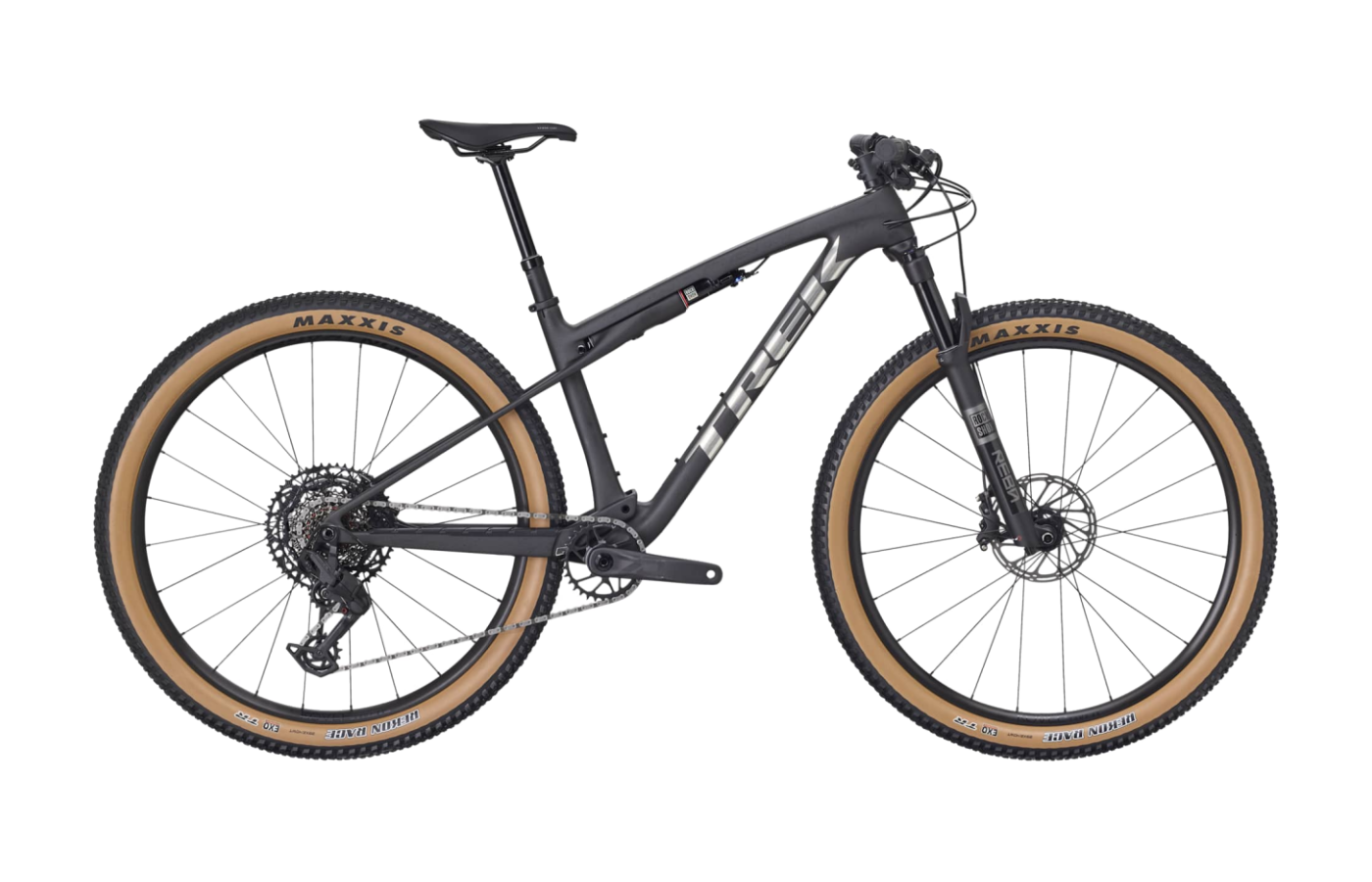
Supercaliber
Trek's split-the-difference XC racer — 80 mm of rear travel through the IsoStrut shock makes it efficient like a hardtail but compliant on rough sections in a way the Scalpel HT can't match. The right pick if you want some give without committing to a full 120 mm platform.
Compare →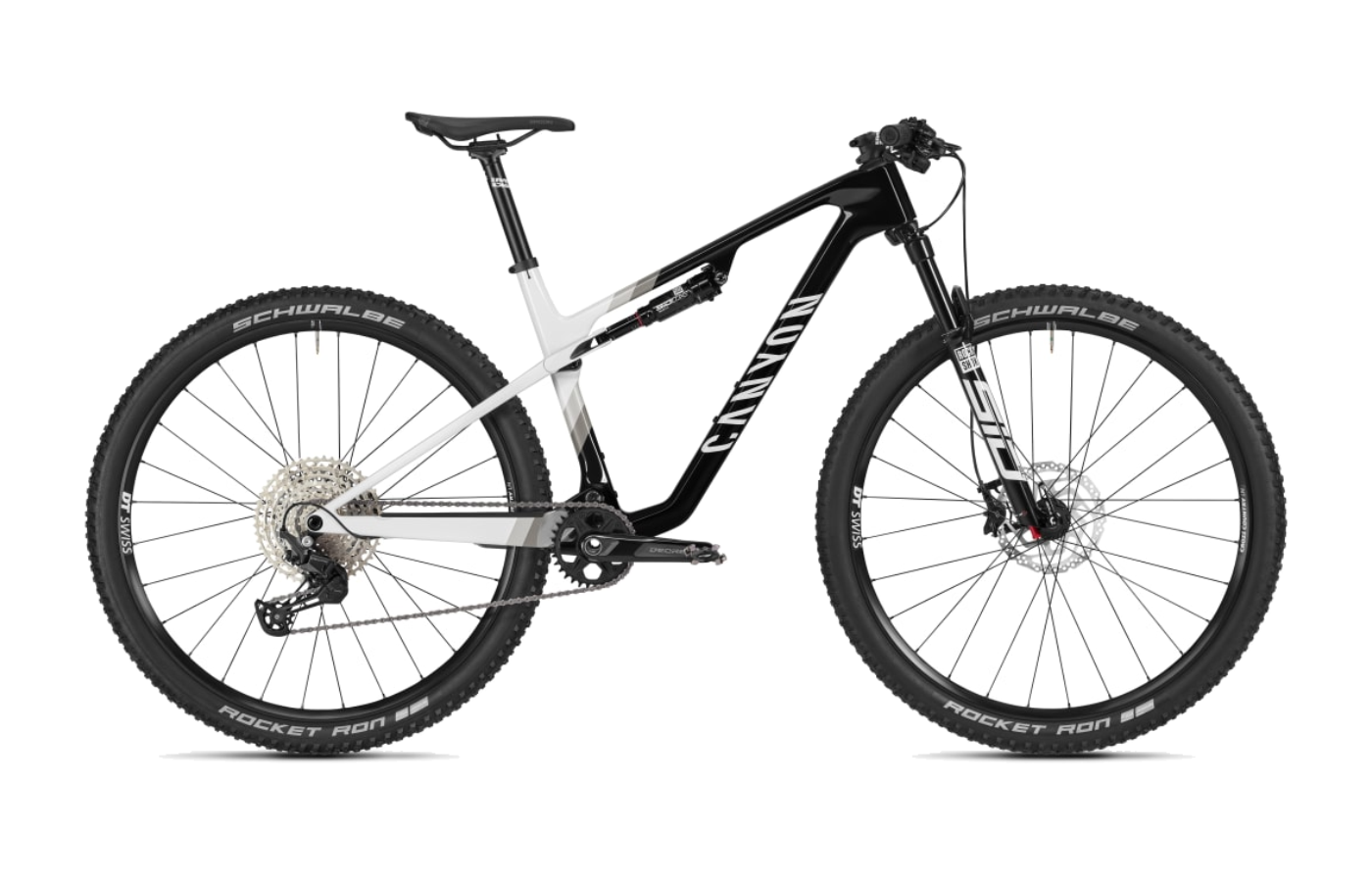
Lux World Cup
Canyon's traditional 100 mm race whippet, sold direct-to-consumer at meaningfully lower prices than the Epic 8. The catch: no local dealer support and no demos. Best if you know your fit and value light, explosive climbing over the Epic 8's slack downhill geometry.
Compare →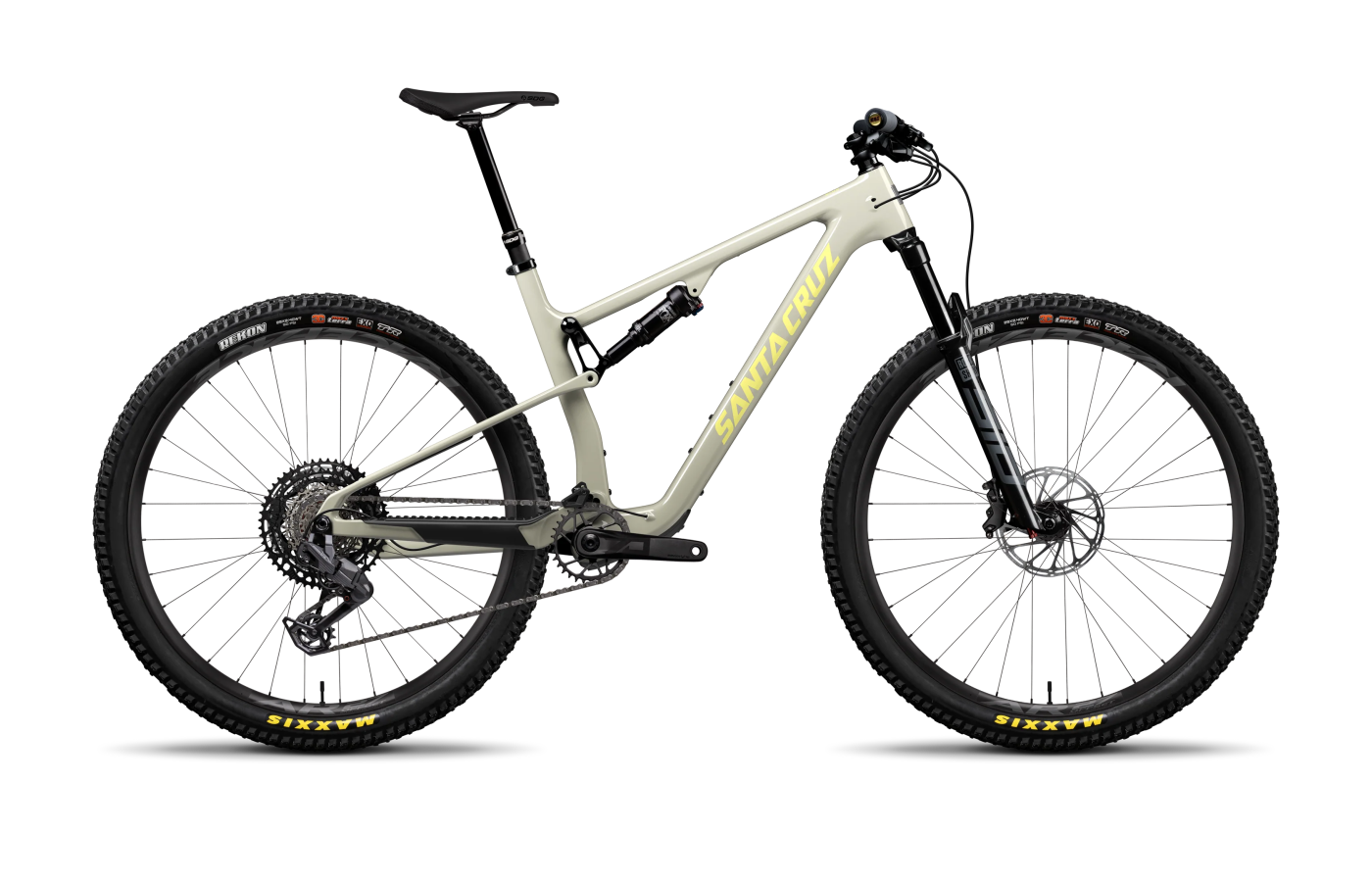
Blur
Santa Cruz's 120 mm race-trail crossover, also using a flex-stay rear triangle — comparable travel to the Epic 8 with a different suspension feel and Santa Cruz's lifetime bearing warranty. The pick for riders who want the Epic 8's capability with a more boutique brand experience.
Compare →