Cannondale
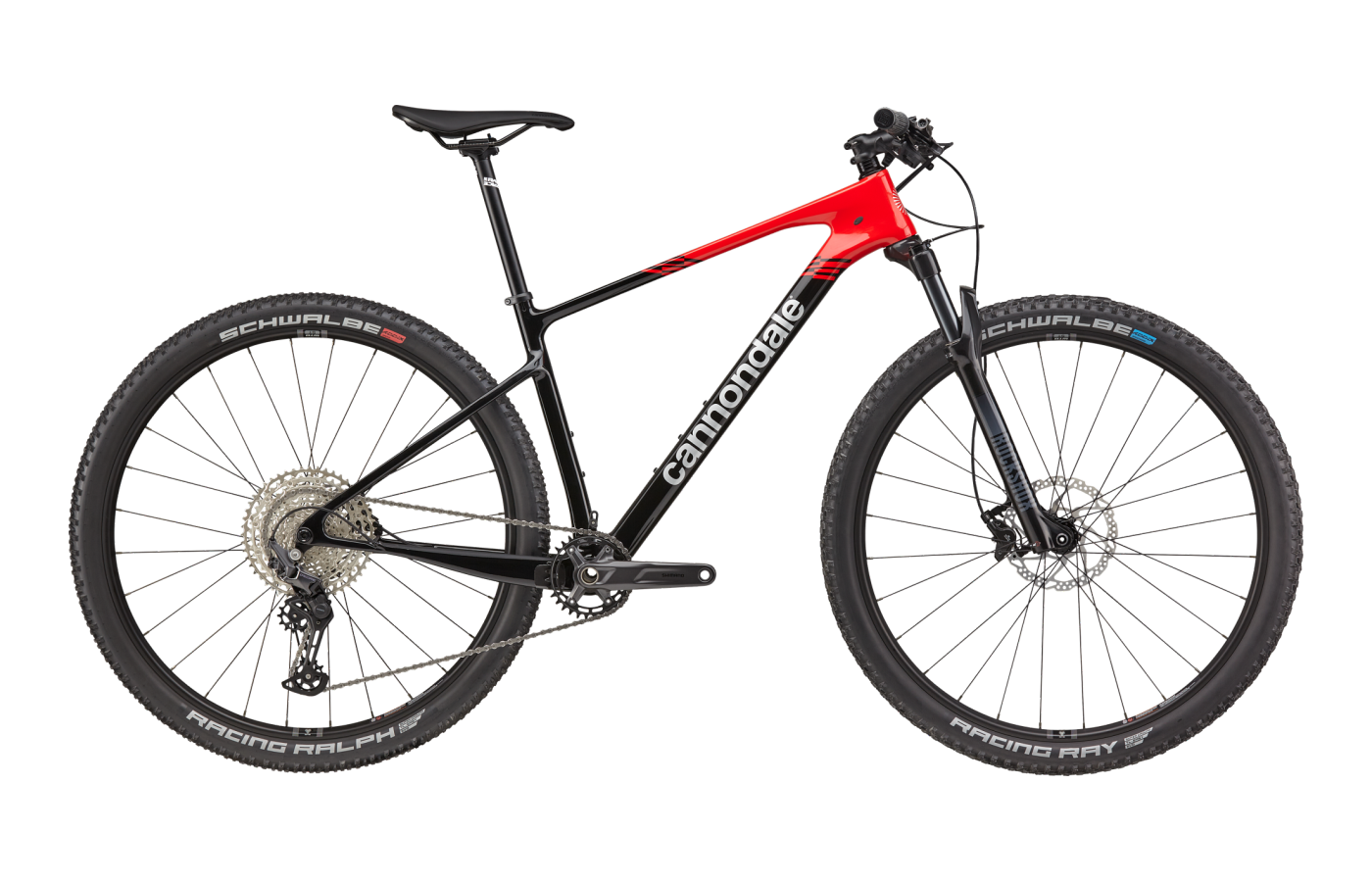
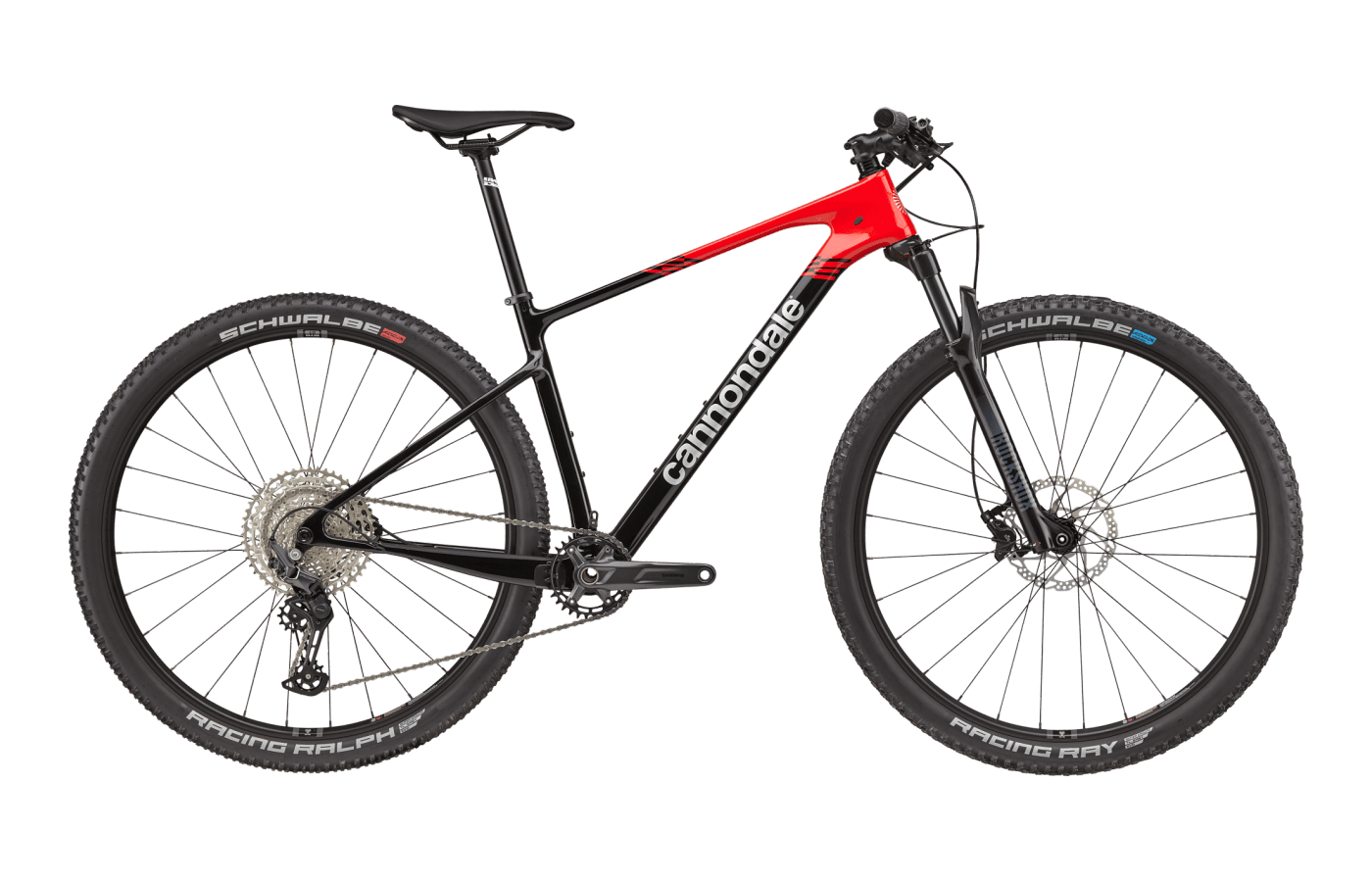
Scalpel HTCarbon 3
The Cannondale Scalpel HT marked a clear break from the company’s previous F-Si hardtail and from the traditional cross-country hardtail formula more broadly. Introduced for 2022, it is a carbon XC race hardtail built around unusually progressive geometry for the category, with a 66.5° head angle on the longer-travel setup, a steep effective seat angle, and size-specific rear-center lengths through Cannondale’s Proportional Response design. That combination gives it a more balanced, composed character than the steep, nervous handling that defined many older race hardtails, while still keeping the direct power transfer and low weight expected of an XC platform.
What makes this generation distinctive is that Cannondale did not simply slacken the front end and stop there. The frame is designed with dropped seatstays and engineered flex zones to add rear-end compliance, and it uses size-specific chainstay lengths to preserve weight balance across the size range. It is also built to work with both 100mm and 110mm forks depending on build, including Lefty Ocho-equipped versions, effectively giving the same frame a slightly broader performance envelope. In the market, the Scalpel HT sits as a modern race hardtail for riders who want XC efficiency but increasingly ride technical courses and rougher trail networks, rather than a pure smooth-course specialist.
Spec sheet.
Every component shipped with this build.
Geometry & fit.
4 sizes published.
The geometry is what most clearly separates the Scalpel HT from a conventional XC hardtail. In the provided chart, every size uses a 66.5° head tube angle and a 59mm bottom bracket drop, while chainstay length grows from 430mm on the S to 445mm on the XL. Reach figures are moderate rather than extreme by modern trail-bike standards—404mm on S, 423mm on M, 444mm on L, 465mm on XL—but the long rear centers and wheelbases of 1123mm to 1212mm give the bike a notably stable footprint for its category. In practice, that points to calmer steering, better high-speed composure and less of the nervous, over-the-front feeling common to older XC race bikes.
Fit is slightly more nuanced. The seat tube angle varies by size from 72.7° on the S to 74.6° on the XL, which means taller riders get a more forward pedaling position, while smaller sizes are less steep on paper. Combined with stack numbers from 607mm to 641mm, the bike should suit riders who want an efficient XC position but not an ultra-low front end. The proportional chainstay concept is important here: by lengthening the rear center with frame size, Cannondale aims to keep rider weight distribution more consistent across the range, which should help climbing traction and preserve front-wheel control for taller riders rather than making bigger sizes feel disproportionately rear-heavy.
Where the handlebar sits relative to the bottom bracket — the single most important fit pair.
01Fit geometry6 values
03Handling geometry9 values
Which size should I buy?
Slide your height to see the recommended size. GearWise's fit algorithm works from the published stack, reach, and ETT — the brand's own recommendation may differ.
→Calculated from GearWise's own stack / reach / ETT algorithm — the brand's size chart may recommend a different size, and a proper bike fit beats any calculator.
The lineup.
2 builds, ranging $2,399 – $6,999.
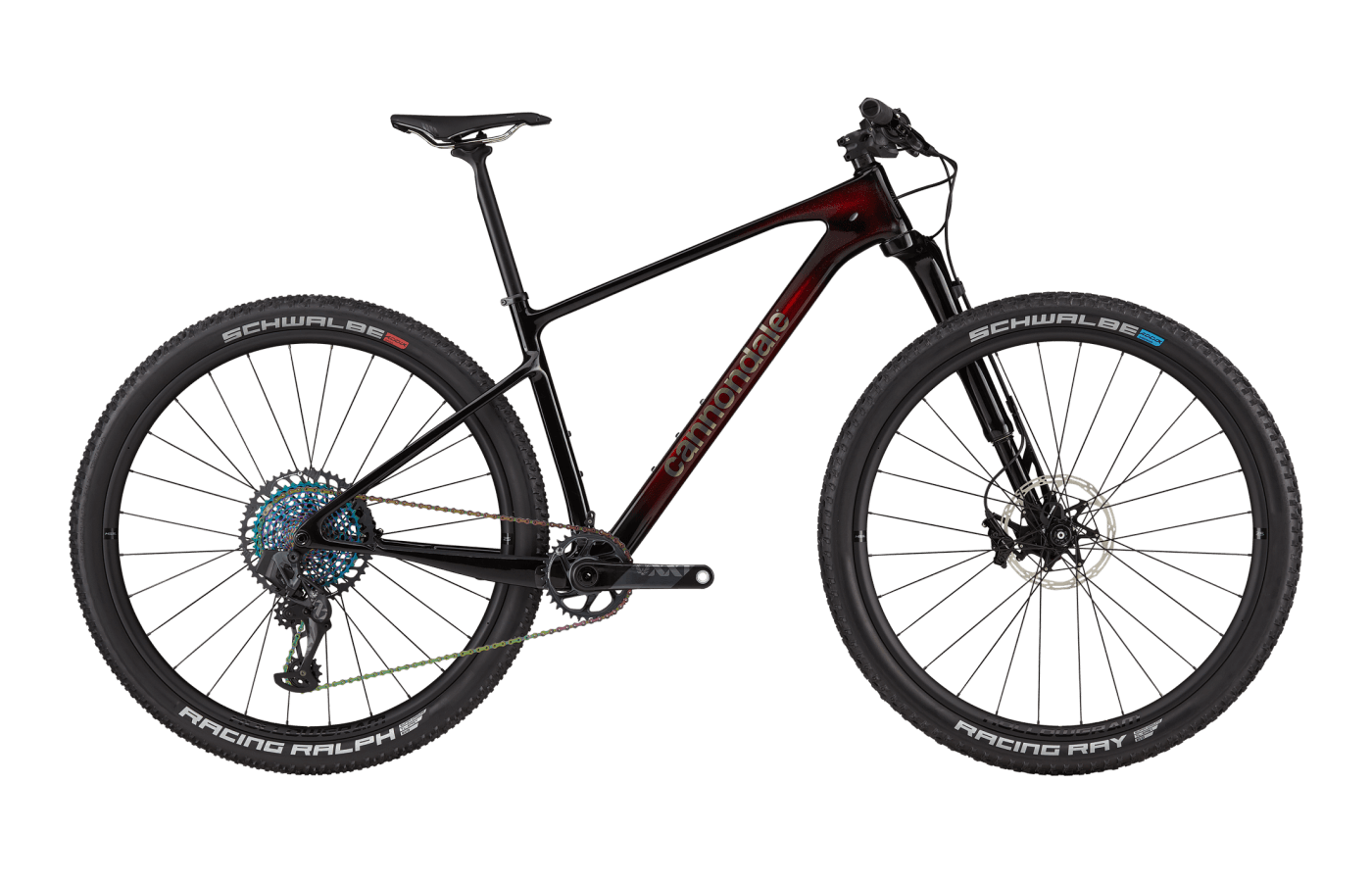
The available build information here is limited, but the range shown spans from the Carbon 3 to the top-end Hi-MOD Ultimate. That suggests Cannondale is using the same core Scalpel HT platform to cover both a more attainable carbon race hardtail and a lighter, premium flagship version. Review material around this generation consistently frames the Hi-MOD models as the lighter, more exclusive option, while the Carbon models carry the same geometry and core frame concept at a lower price point.
Where reviewers drew distinctions was less about the frame itself and more about how much of its potential each build unlocked out of the box. Carbon-level builds were generally seen as strong on frame quality and overall ride performance, but often held back by heavier wheels, narrow 2.25in tires and conservative cockpit choices. Higher-end builds, especially those with the Lefty Ocho front end, were more often singled out for sharper control and a more complete ride package. Without a full spec sheet for each listed build, a detailed comparison is not possible, but the broad takeaway is that the underlying chassis is the main selling point across the range, with the premium models doing more to match the frame’s capability.
From the press.
12 reviews from the cycling press.
Reviewers were broadly aligned in seeing the Scalpel HT as one of the more convincing modern XC hardtails, especially for riders who want race-bike efficiency without old-school hardtail harshness. Multiple tests praised the frame’s tuned compliance, with reviewers pointing to the dropped seatstays, sculpted rear triangle and 27.2mm seatpost as reasons it feels noticeably smoother than many rivals. Flow Mountain Bike described it as one of the best-handling hardtails they had tested, while other reviewers repeatedly noted that it remains seated and composed over rough climbs and rocky trail sections instead of deflecting or “pin-balling” around.
Its handling drew the strongest praise. The slack 66.5-67° front end, low bottom bracket and size-specific chainstays were repeatedly credited for giving the bike unusual descending confidence for an XC hardtail. Reviewers said it felt planted at speed and predictable through rough sections, though not everyone found it instantly agile in tight terrain. Several noted that the long stock 80mm stem made the cockpit feel overly stretched or too hand-heavy, and some found a shorter stem transformative for downhill control and cornering. The stock 2.25in Schwalbe Racing Ray/Ralph tires were also a common criticism, with many testers saying they limited grip, damping and confidence compared with what the frame itself could support.
On the build side, the frame and fork package were generally rated more highly than some of the stock finishing choices. The RockShox SID SL Select+ was considered light and effective, while Lefty Ocho-equipped versions received especially strong praise for front-end sensitivity and control. But reviewers frequently called out heavy stock wheels, narrow tires, and the lack of a dropper post as missed opportunities on such a capable chassis. There were also smaller long-term concerns noted in testing, including headset sealing quality on at least one bike, chain noise from the 55mm chainline in the largest cog, and limited dropper insertion because of the frame layout.

Cannondale Scalpel HT Carbon 4 Review
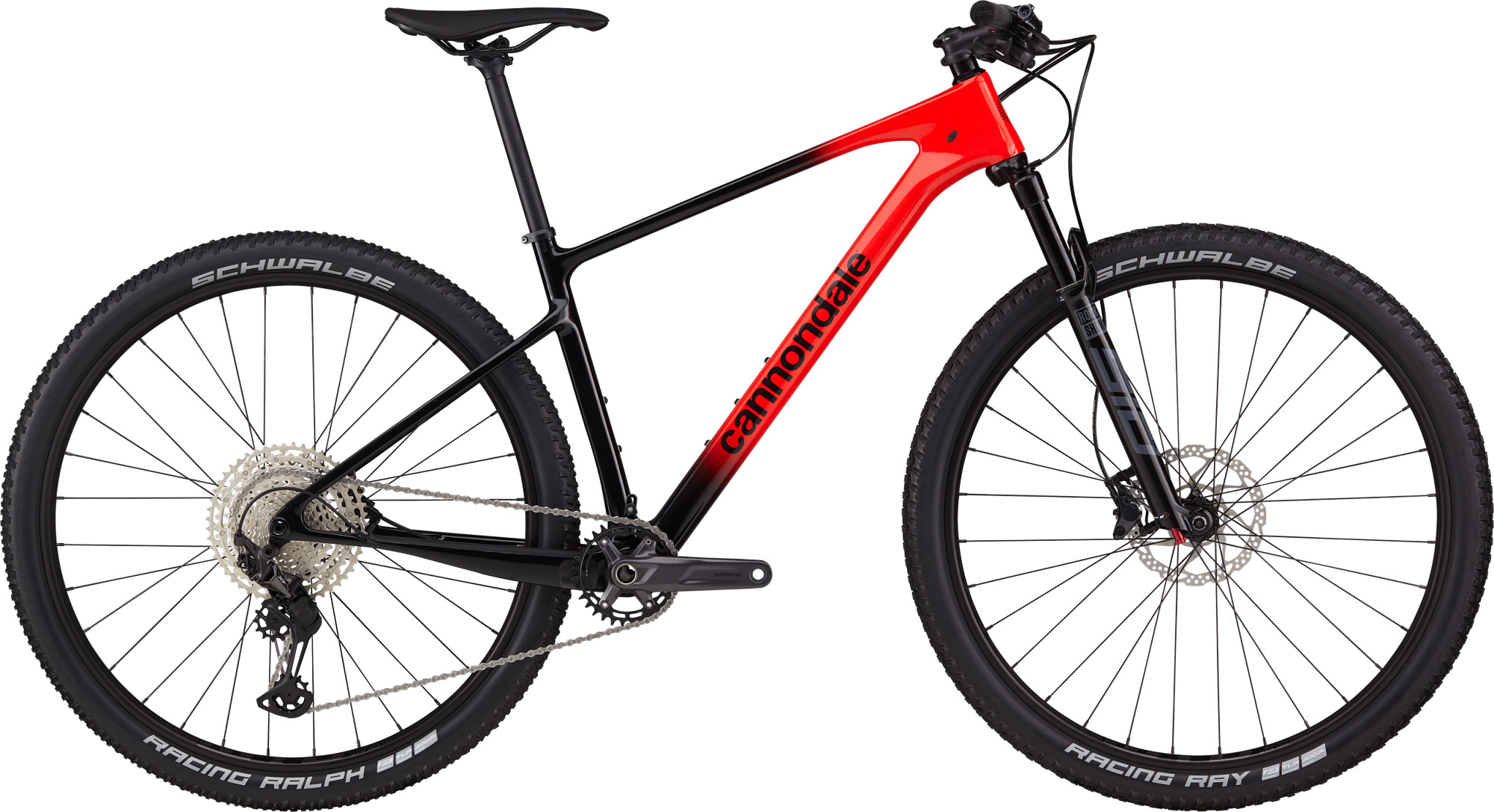
Cannondale Scalpel HT Carbon 4 2024 Review
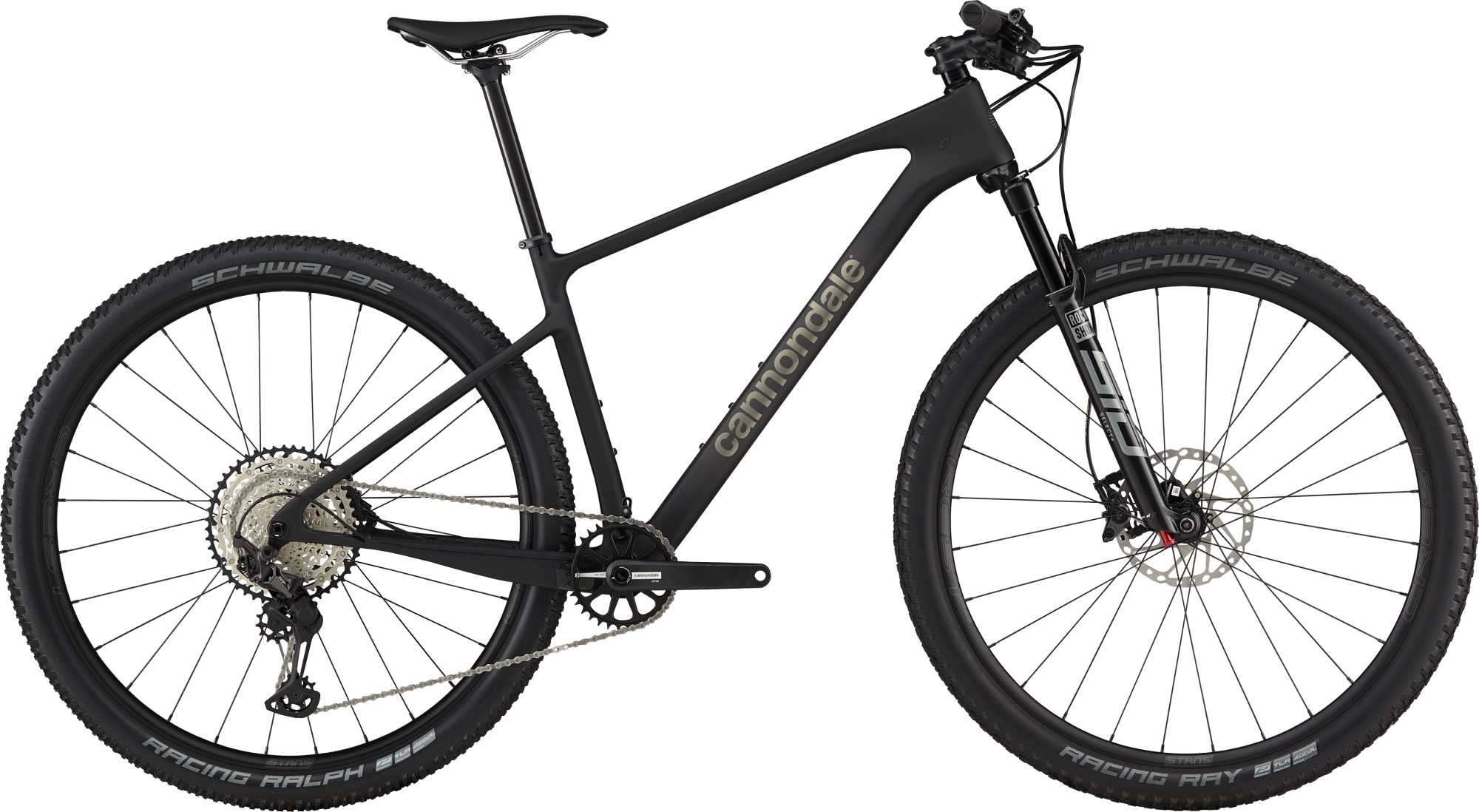
Cannondale Scalpel HT Carbon 3 2024 Review
Cannondale Scalpel HT Carbon 4 review | Guangzhou Pink Rose Group
Cannondale Scalpel HT 3 test - a visitor from the future - Bike Magazine

Cannondale Scalpel HT Review

The Lightest Hardtail I've Reviewed - The 2022 Cannondale ...

2022 Cannondale Scalpel HT Review | A Mostly ...
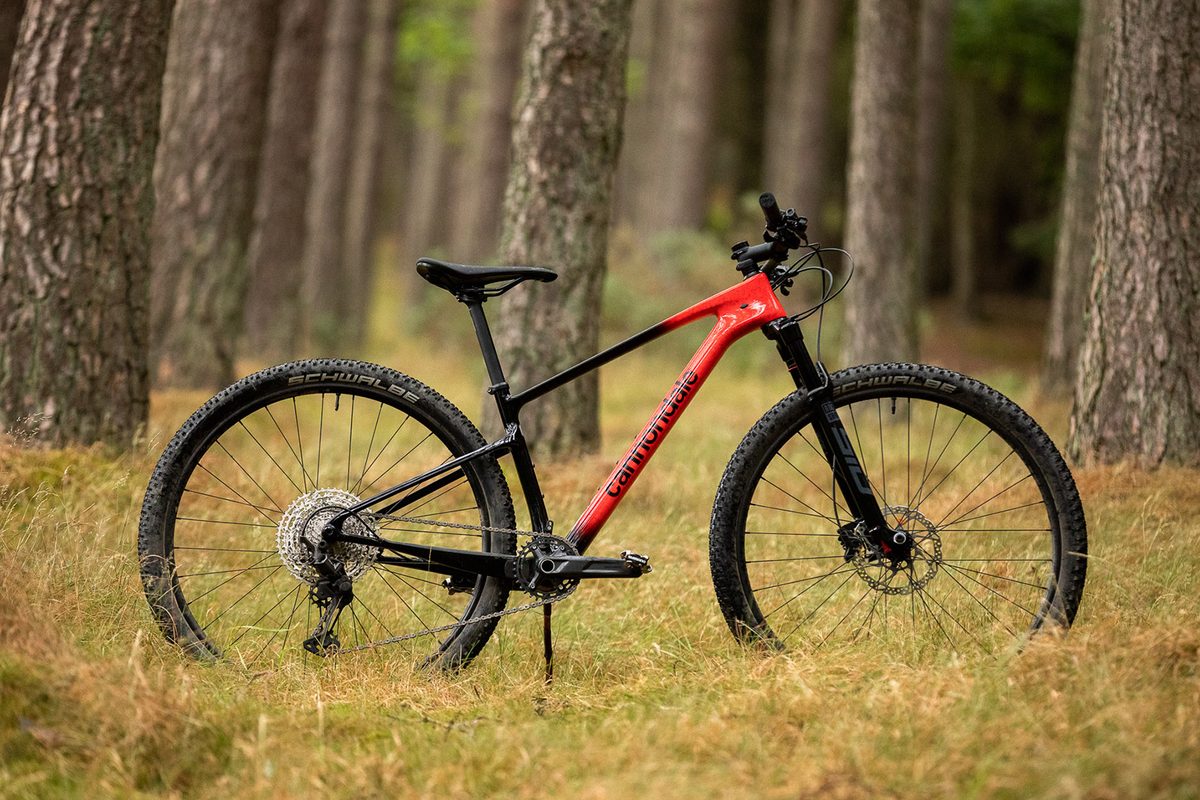
Cannondale Scalpel HT Carbon 4 review | BikeRadar

We test the Cannondale Scalpel HT, the first new generation hardtail
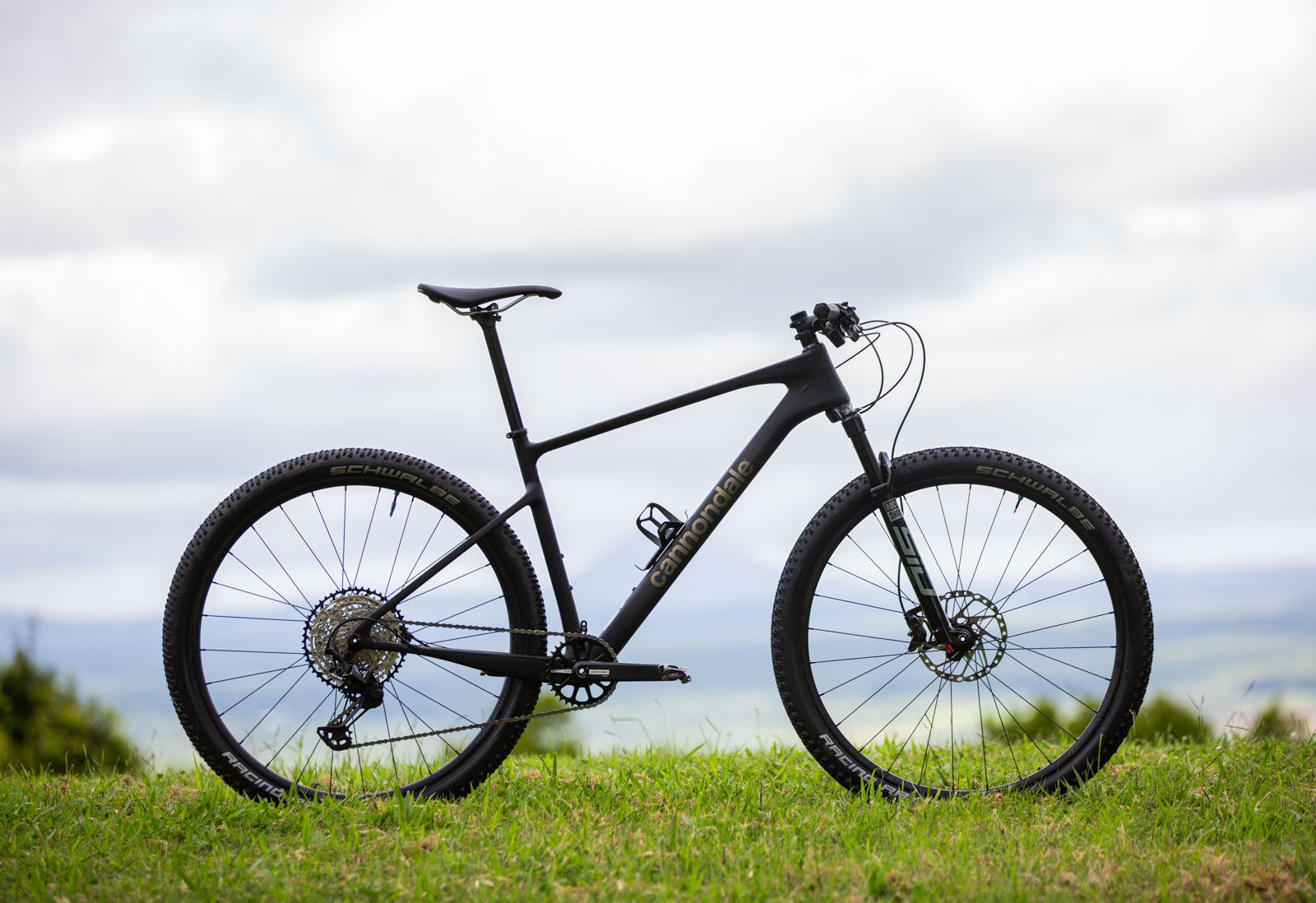
TESTED: Cannondale Scalpel HT Carbon 3 - Australian Mountain Bike
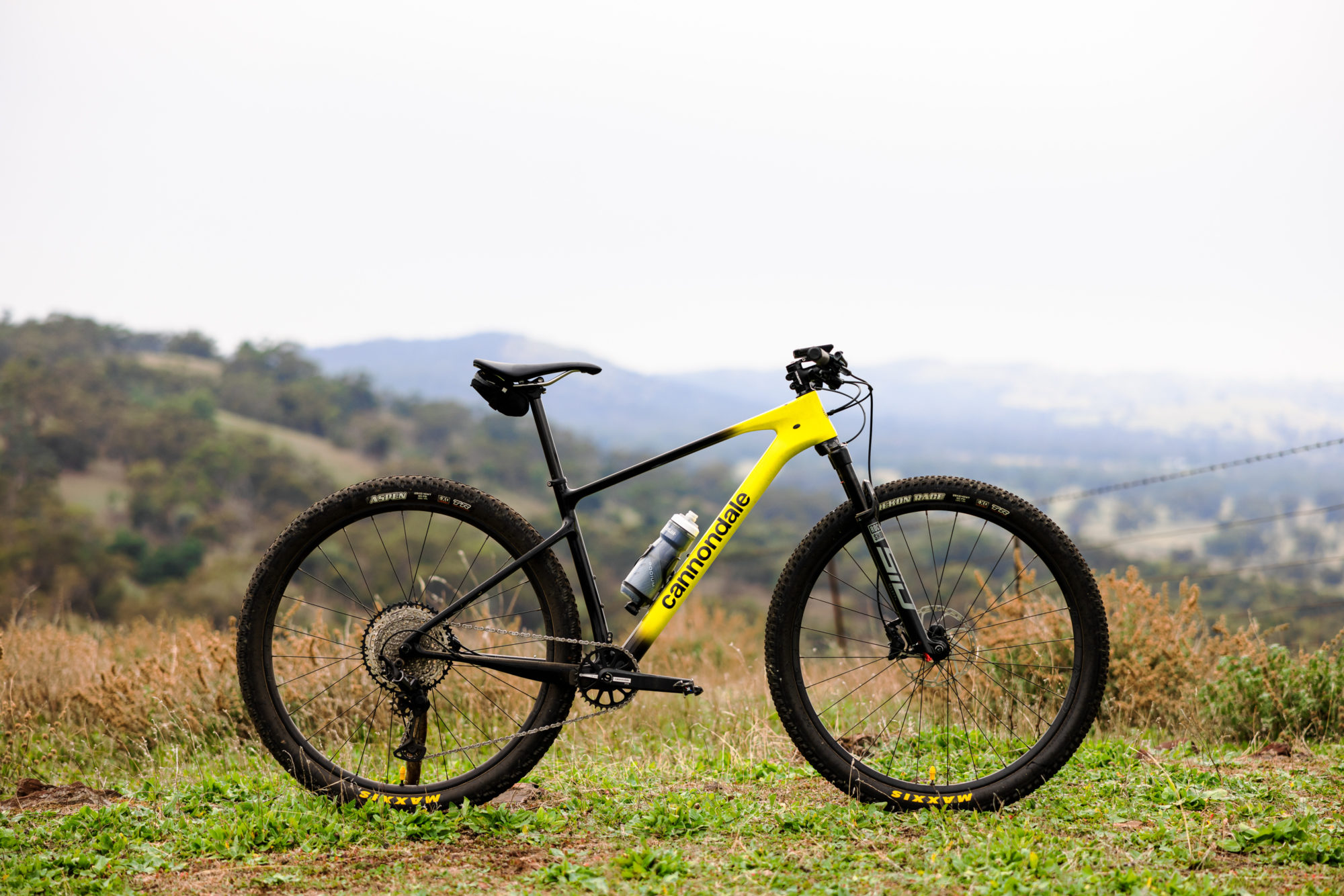
Cannondale Scalpel HT Review | A mostly contemporary ...
Compared to.
Most-viewed comparisons.