Lux World Cup
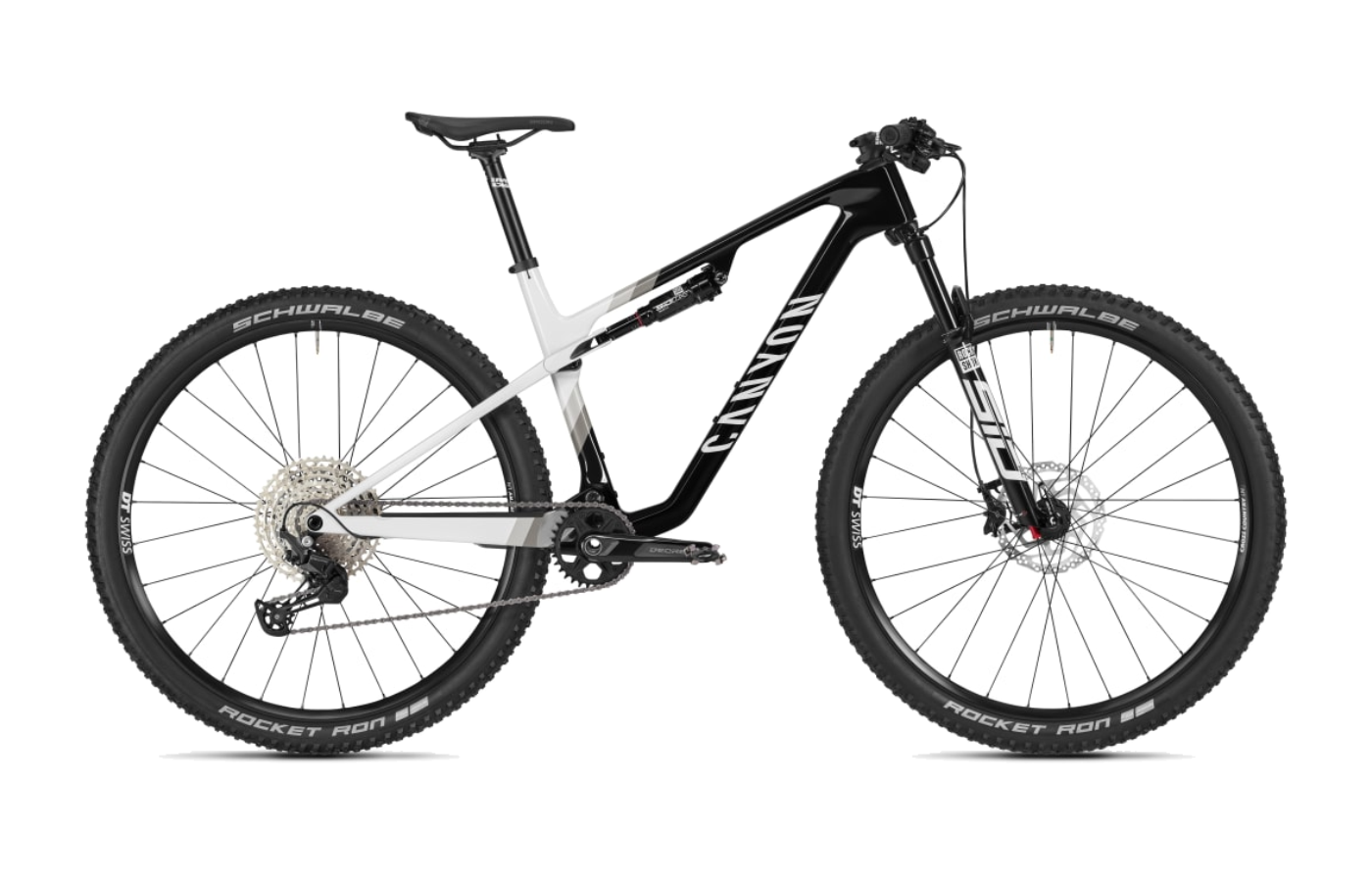
The Canyon Lux World Cup is a dedicated cross-country race platform engineered for pure speed and pedaling efficiency. Introduced as a major update to the previous Lux, this generation focuses heavily on reducing frame weight while modernizing the chassis for contemporary race courses. It remains a specialized tool, prioritizing immediate power transfer and forward momentum over plush comfort or trail versatility. Canyon designed the bike specifically for competitive cross-country and marathon racers who need a firm, responsive pedaling platform to maximize their output. By keeping the rear suspension travel short and the overall weight exceptionally low, the Lux World Cup caters to riders who measure their rides in watts and podium finishes rather than casual trail exploration.
Geometry & fit.
5 sizes published.
The geometry of the Lux World Cup represents a modernization of Canyon’s cross-country approach, though it remains conservative compared to the broader trend of aggressively slack short-travel bikes. A slacker head angle and increased reach provide a longer wheelbase, which improves high-speed stability over the previous generation. Meanwhile, the chainstays were shortened slightly to maintain quick, responsive handling through tight switchbacks.
Rider posture is decidedly aggressive and forward-biased. A steepened seat tube angle centers the rider over the bottom bracket, optimizing power delivery and keeping the front wheel planted on steep gradients. The cockpit setup encourages a low, stretched-out position suited for aerodynamic efficiency on fast fire roads and flat sprints. Canyon also moved the cable routing through the headset, creating a clean visual profile at the front end, though this integration can complicate maintenance if riders choose to retrofit a dropper post later.
Where the handlebar sits relative to the bottom bracket — the single most important fit pair.
01Fit geometry6 values
03Handling geometry4 values
Which size should I buy?
Slide your height to see the recommended size. GearWise's fit algorithm works from the published stack, reach, and ETT — the brand's own recommendation may differ.
→Calculated from GearWise's own stack / reach / ETT algorithm — the brand's size chart may recommend a different size, and a proper bike fit beats any calculator.
The lineup.
1 build, ranging $3,399.
The Lux World Cup lineup is anchored by the CF carbon frame, which utilizes a slightly heavier layup than the top-tier CFR models but maintains the same suspension design and geometry. The available CF 7 build focuses on reliable, workhorse components to keep the price accessible while delivering race-ready performance.
This specific build pairs the frame with a RockShox SID SL 3P fork offering 110mm of travel—slightly more than the 100mm found on the rear—alongside a matching SIDLuxe Select+ rear shock. Both feature remote lockouts for sprinting. The drivetrain relies on Shimano's dependable Deore 12-speed system, while braking is handled by two-piston Shimano SLX calipers.
Rolling stock consists of aluminum DT Swiss XC LN wheels wrapped in Schwalbe Rocket Ron tires, providing a predictable balance of rolling speed and grip. In keeping with the bike's strict weight-saving ethos, the CF 7 is specced with a rigid Race Face aluminum seatpost rather than a dropper, a choice that reinforces its singular focus on cross-country efficiency.

From the press.
8 reviews from the cycling press.
Reviewers consistently characterize the Lux World Cup as an uncompromising race machine that excels under hard pedaling. The suspension kinematics and stiff carbon chassis create a highly supportive platform, leading testers to note that the bike is "ruthlessly efficient at covering ground" (Singletrackworld). Acceleration is a standout trait, with the bike responding instantly to rider input; one reviewer observed that it "takes off like a scorched cat" (Flow Mountain Bike) when pushed on climbs and flat sections.
However, this firm, race-tuned suspension comes with distinct tradeoffs on rougher terrain. While the bike handles smooth, fast descents well, multiple testers found it less forgiving when the trail turns steep and technical. The rigid ride quality means the bike can feel "skittish on steep downhill tech" (BikeRadar), requiring a skilled pilot to maintain momentum through chunky rock gardens and root sections.
The most frequent criticism across reviews is the absence of a stock dropper post. While omitting it saves weight, testers widely viewed the rigid seatpost as a limitation on modern cross-country courses, noting that it forces the rider's weight forward and restricts maneuverability on challenging descents.
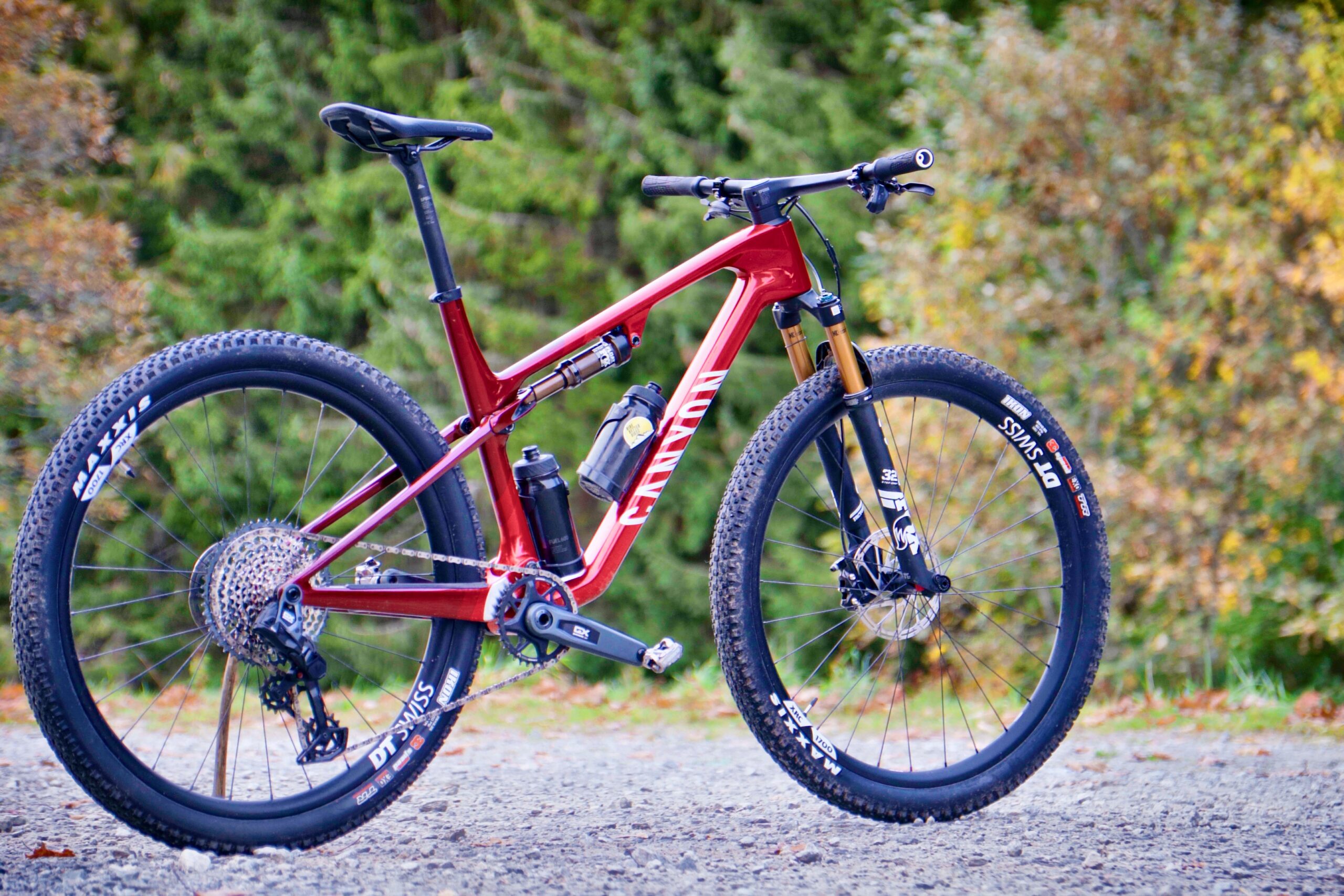
Canyon Lux Worldcup Review
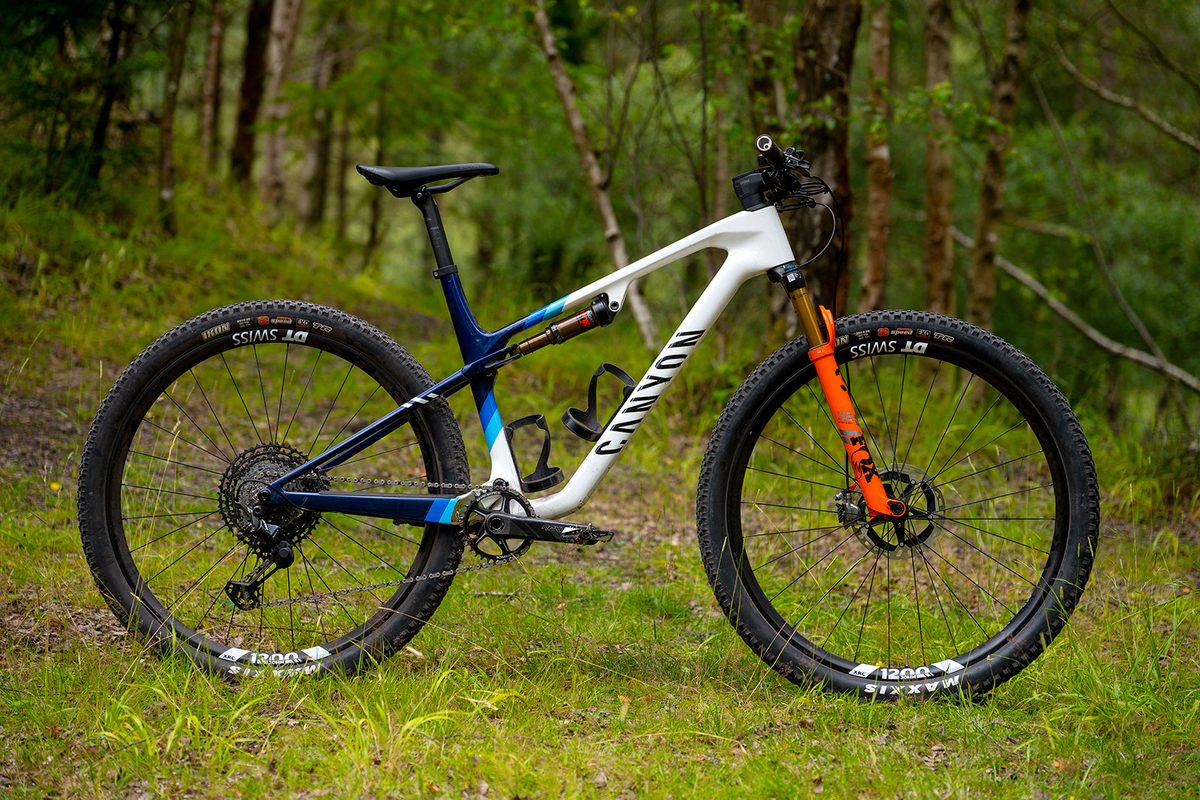
Canyon Lux World Cup CFR Team review - Full-Suspension - Mountain Bikes
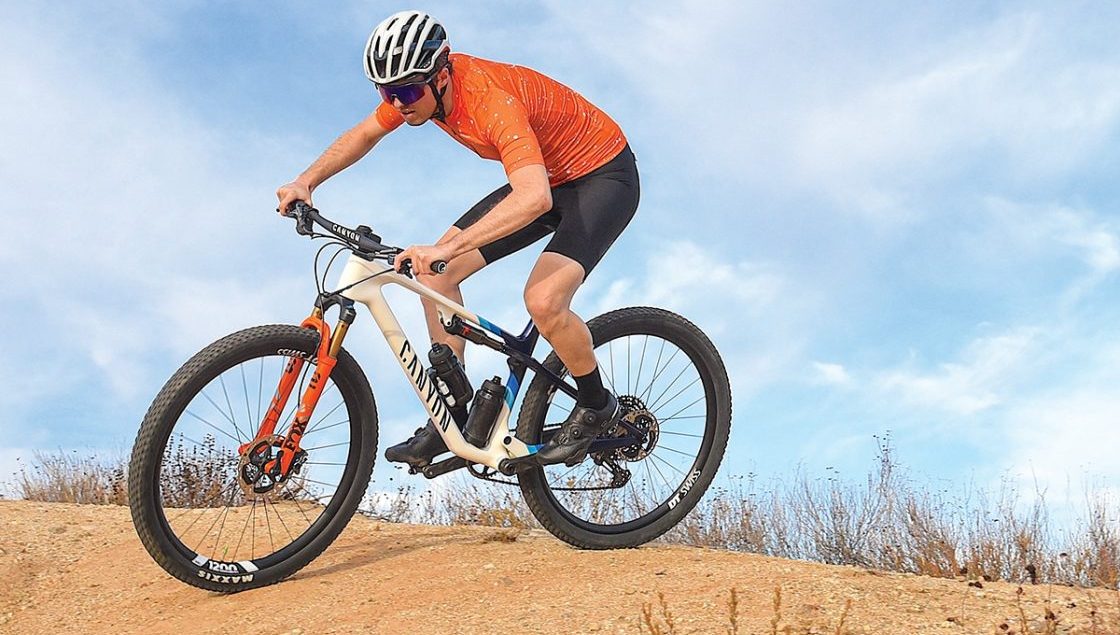
CANYON LUX WORLD CUP CROSS COUNTRY RACE BIKE REVIEW – WORLD CUP RACE PEDIGREE
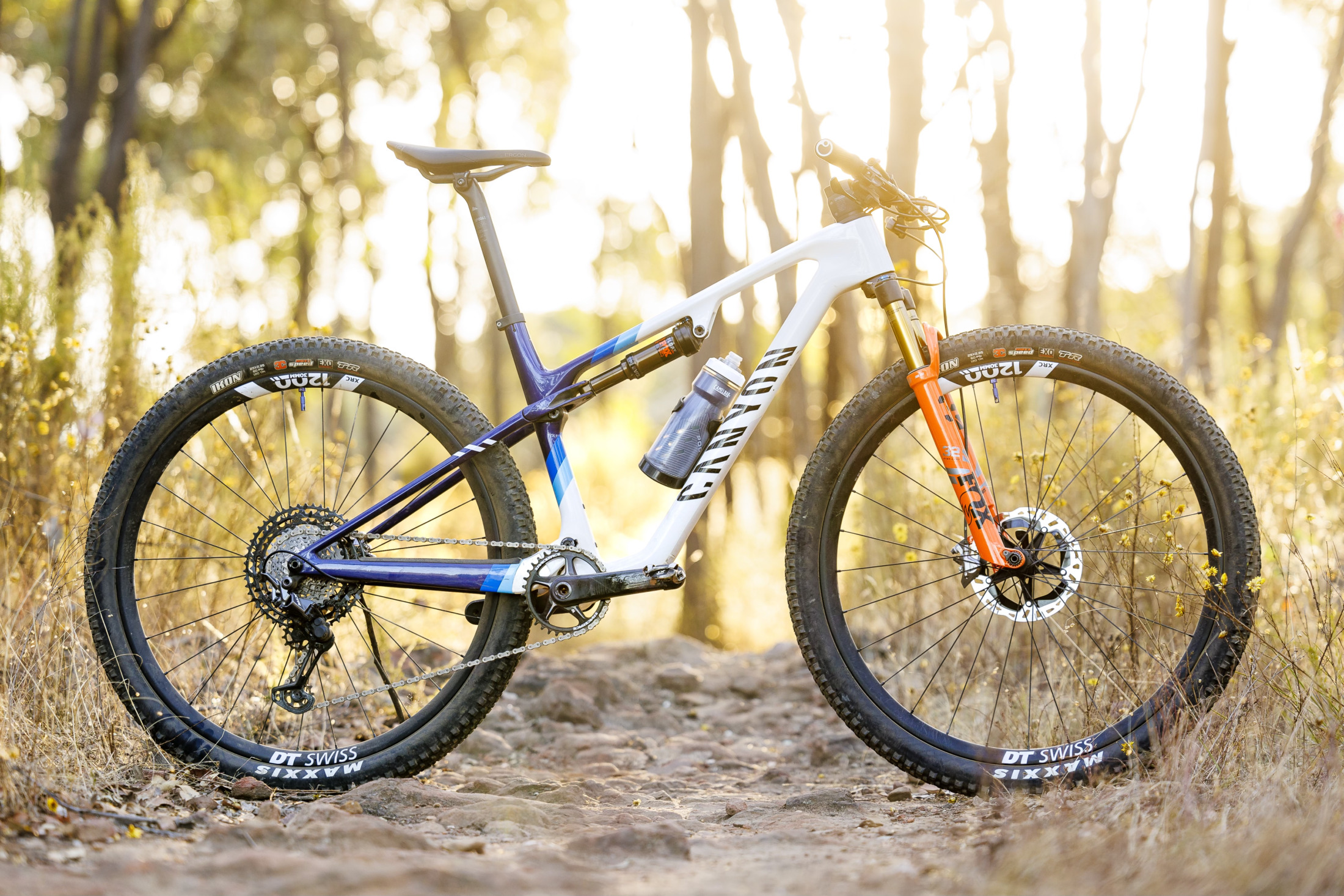
2023 Canyon Lux World Cup Review | A scorchingly fast XC bike that’s built for racing
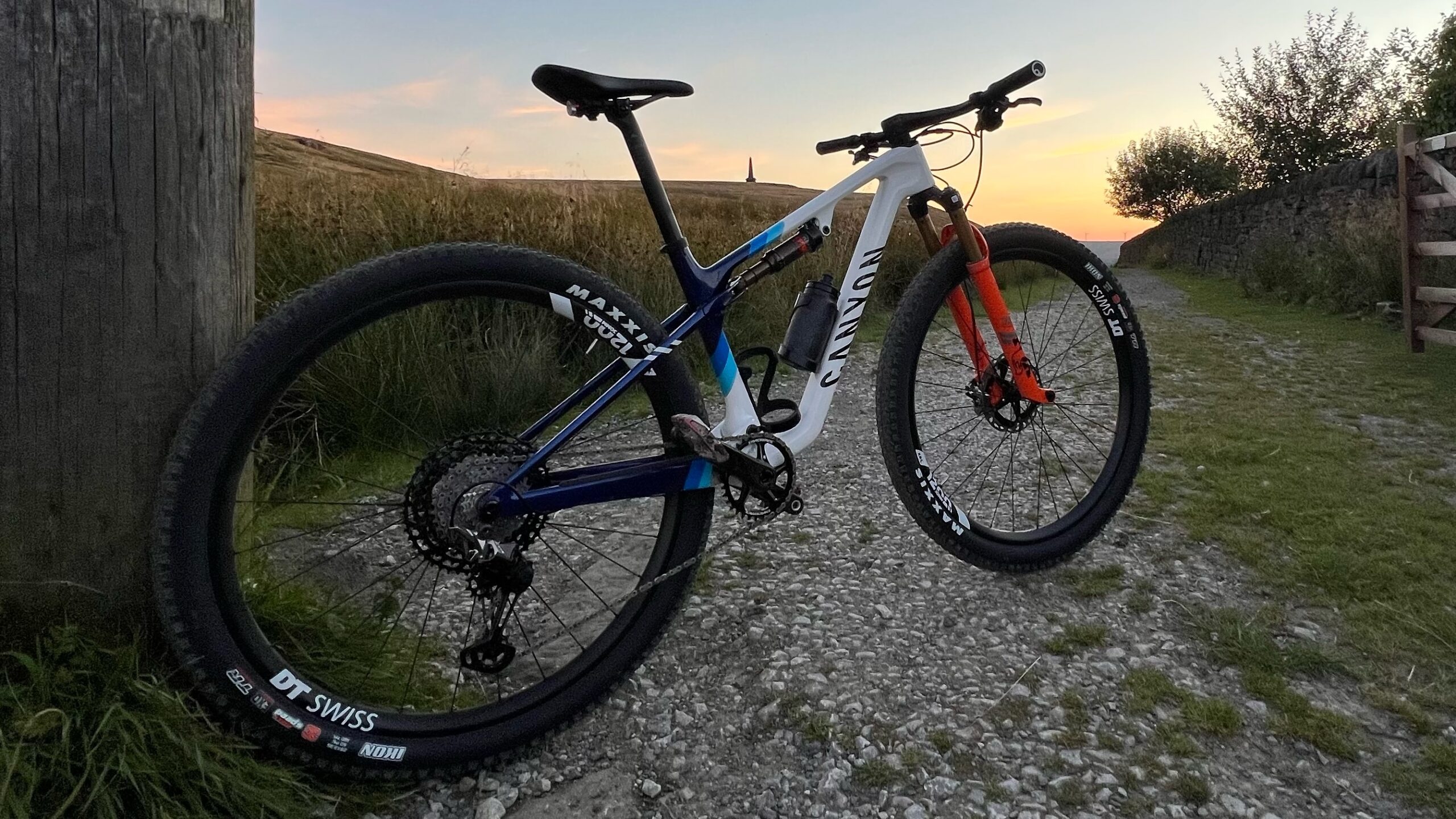
Canyon Lux World Cup CFR Team review

Canyon Lux World Cup CF 7 test evolution instead of revolution - Bike Magazine
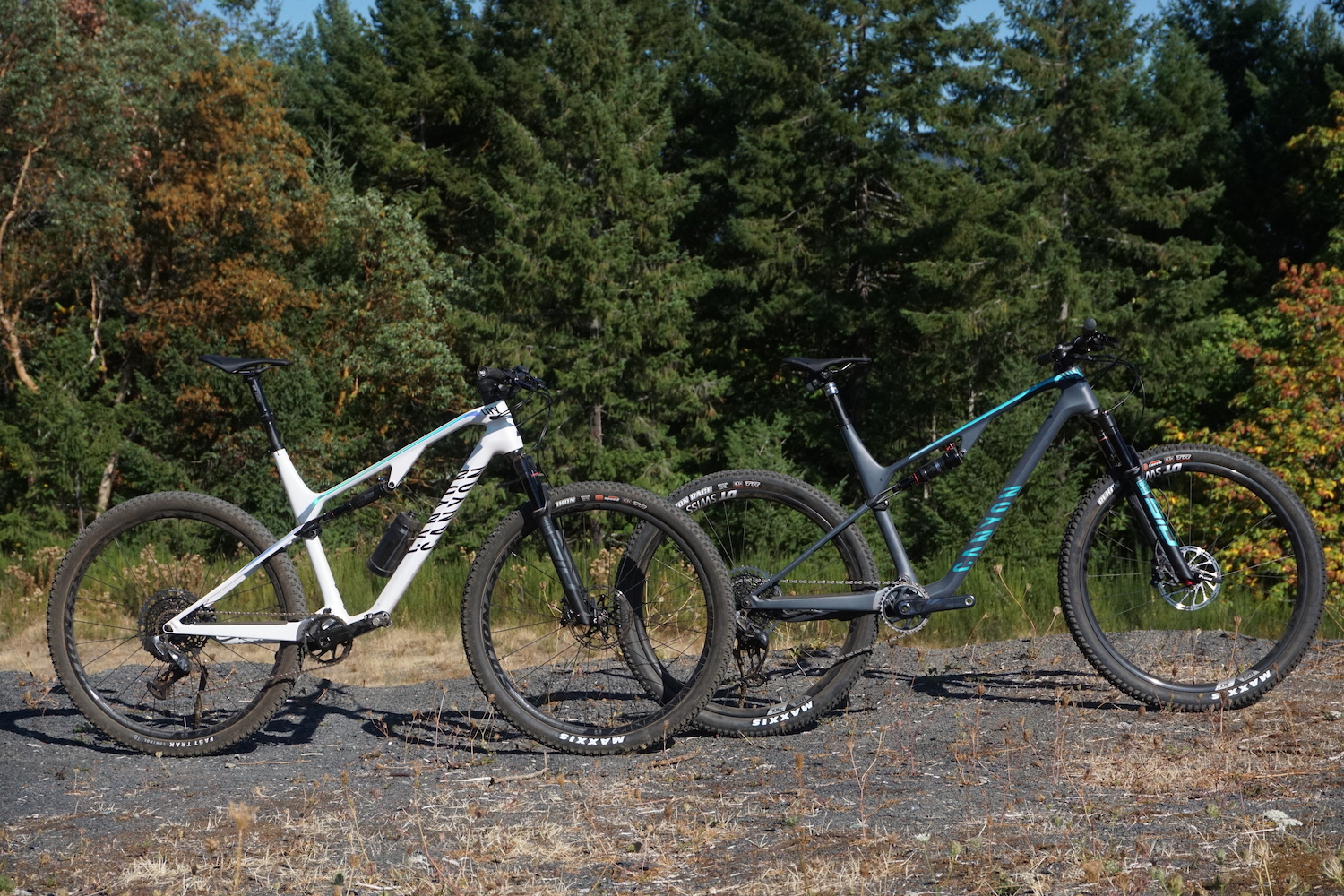
Lux vs. Lux: How different are Canyon’s new XC bikes?
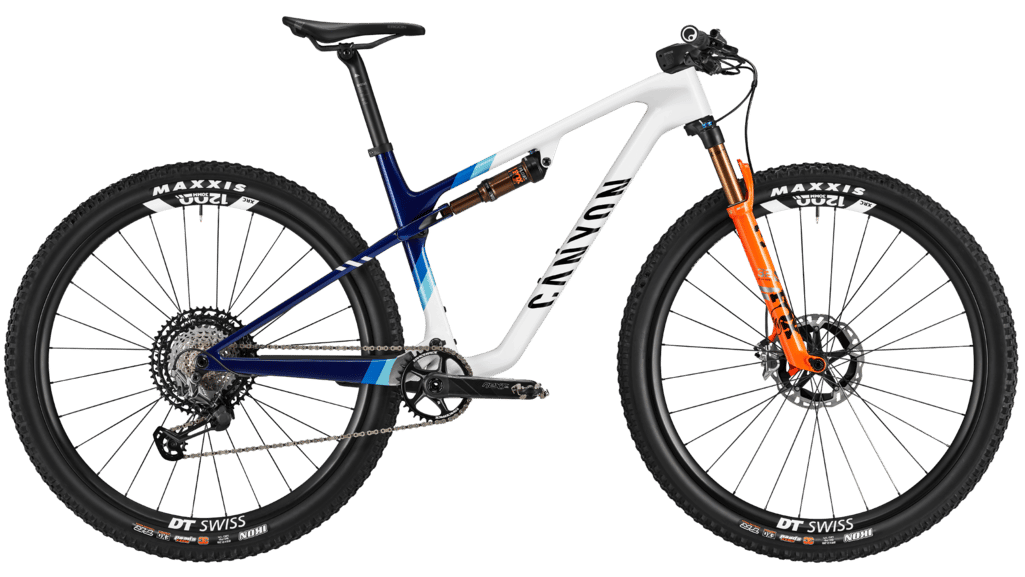
FIRST RIDE IMPRESSIONS: CANYON’S ALL-NEW UTRALIGHT LUX WORLD CUP
Compared to.
Most-viewed comparisons.