Teammachine
vsMadone
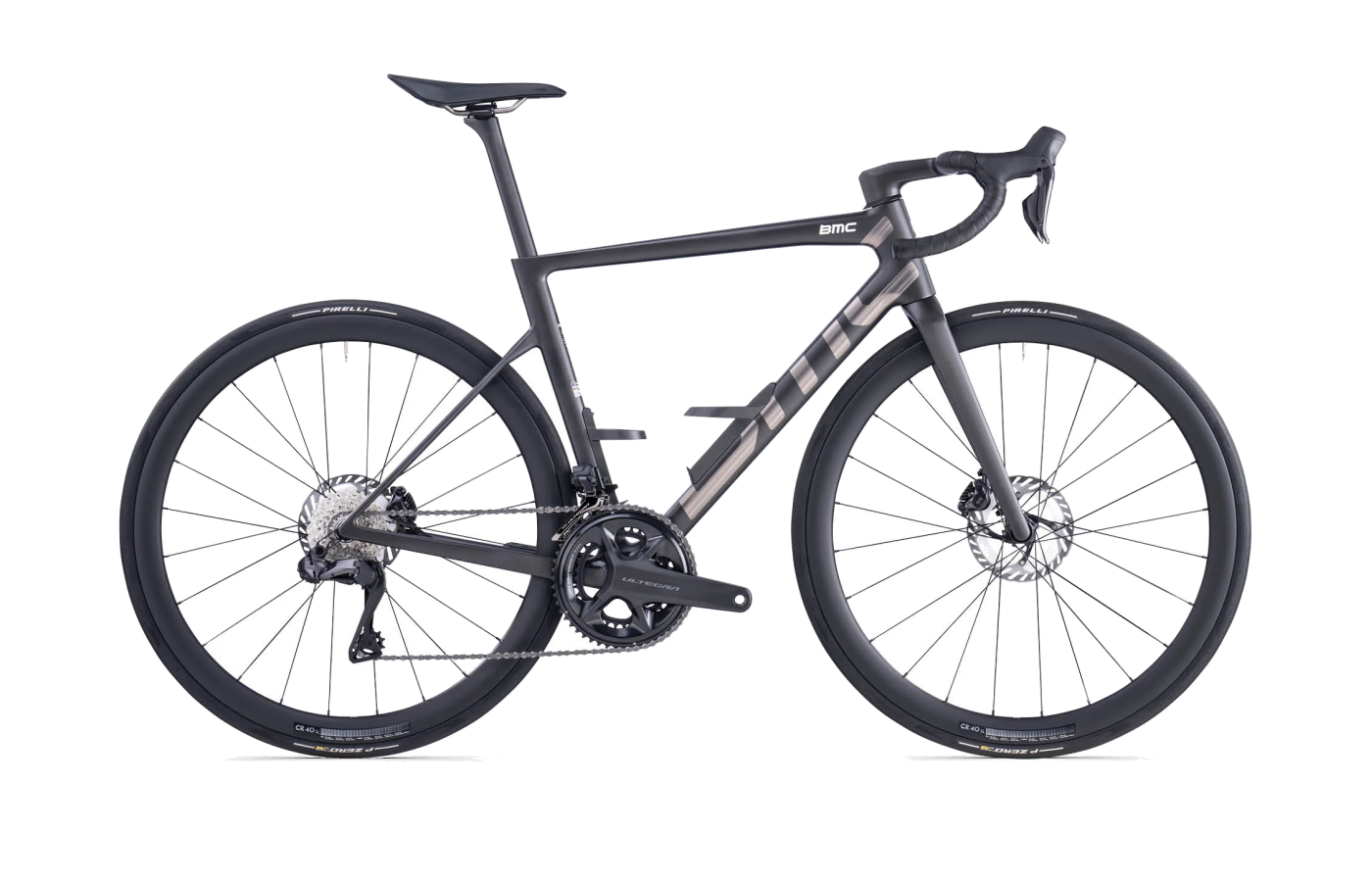
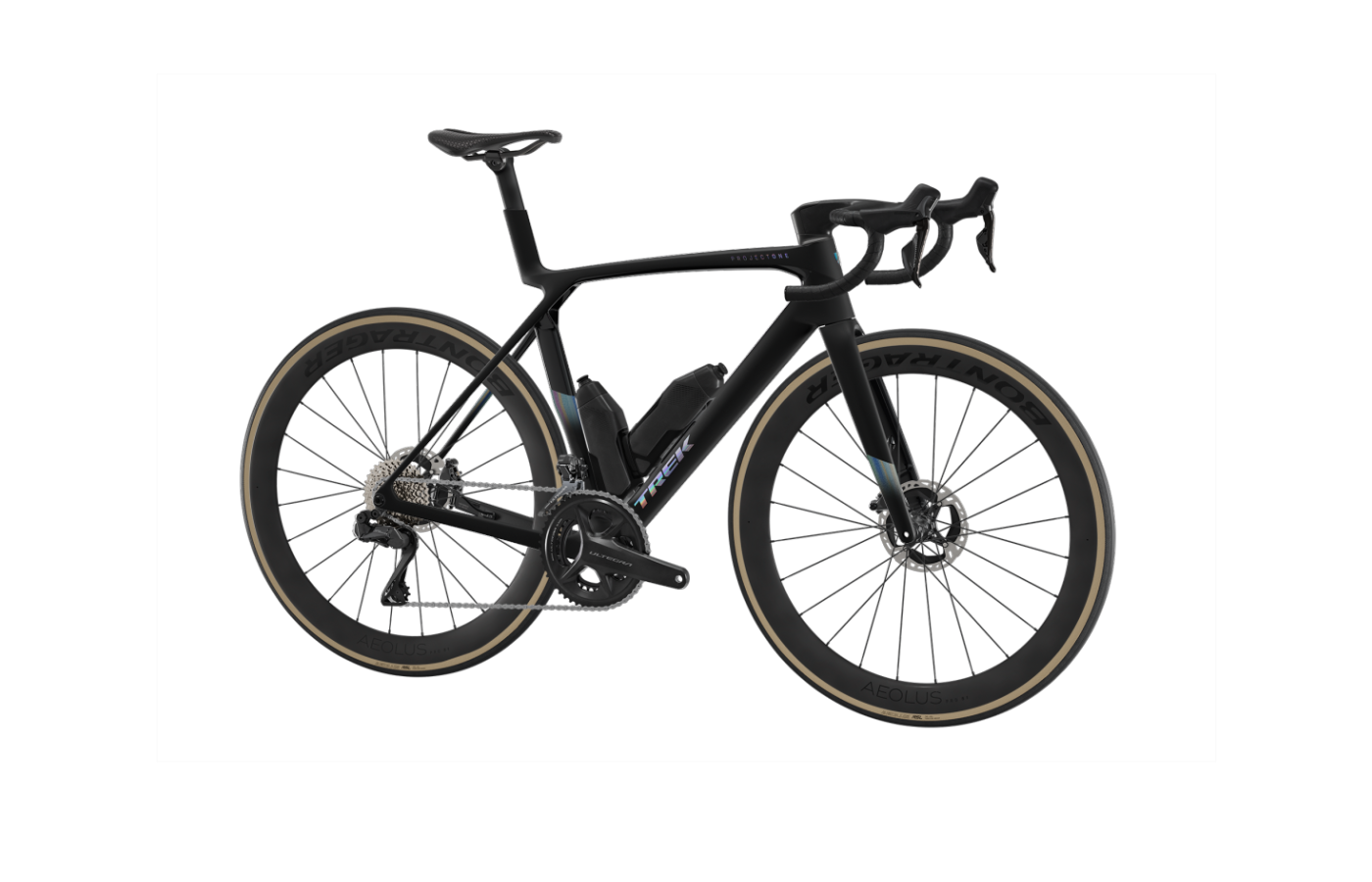
Two race bikes, two takes on what 'one bike' means.
BMC keeps its lightweight climber and aero racer separate. Trek killed the Emonda and built one Madone to do both.
Teammachine
- Genuinely light — claimed 700 g frame at size 54, with a 16% chassis-weight reduction over the Gen 4.
- Pinpoint descender — a deliberately long 63 mm trail across every size makes it 'planted' at speed.
- Tighter front end — stiff bottom bracket and aggressive position reward out-of-saddle climbing attacks.
- Handling is officially optimized for 26 mm tires — odd in 2026, even though the frame clears 32 mm.
- No mechanical or sub-$5k entry point — the SLR 01 line starts at $8,499.
Madone
- True one-bike platform — matches the old Emonda's 765 g frame weight while retaining the previous Madone's aero numbers.
- Most compliant aero bike on offer — IsoFlow seat tube delivers a claimed 80% vertical-compliance gain over the Gen 7.
- Long-term-friendly standards — T47 threaded BB, UDH derailleur hanger, lifetime frame warranty.
- Aero RSL cockpit is widely flagged as too stiff — hand numbness on rides past 80 miles.
- Documented toe overlap on smaller and mid sizes; aero bottles are polarizing and easily replaced.
Editor’s analysis
This isn't really a race-bike fight — it's a philosophy fight about whether one frame can do every job, or whether the best tool stays specialized.
The BMC Teammachine SLR 01 Gen 5 and the Trek Madone Gen 8 sit in the same WorldTour-podium price bracket and both top out around $13.5k. Both run flagship Dura-Ace and Red AXS builds, both have integrated cockpits, both clear 32 mm tires. But spend an afternoon with the spec sheets and you realize they're answering completely different design questions.
BMC's answer is purist: keep the lightweight Teammachine SLR 01 sharp, and build a separate aero bike (the Teammachine R 01) for riders who'd rather buy two. The Gen 5 SLR shed 222 g from frame-fork-seatpost — a 16% chassis-weight reduction, down to a claimed 700 g for a painted size-54 frame. The geometry didn't change. The 63 mm trail held across all sizes. It is, deliberately, a mountain specialist that gives you more room to fit modern rubber and not much else.
Trek went the opposite direction. The Madone Gen 8 swallows the discontinued Emonda — same 765 g frame weight as that climber, with the previous Madone's aero numbers intact. The IsoFlow seat-tube cutout claims an 80% jump in vertical compliance over Gen 7 and reviewers consistently called the rear end the most planted aero-bike experience they've had. The cost: a stiff one-piece Aero RSL cockpit that several testers blamed for hand numbness past 80 miles, and well-documented toe overlap on smaller sizes.
Put another way: the BMC Teammachine SLR is the bike you buy when you already accept that climbing and aero want different frames. The Trek Madone is the bike you buy when you want one frame to stop arguing and just do both.
Where the builds differ.
Comparing our editor's-pick builds side-by-side. Winners highlighted row-by-row — lower price and weight, and the better-spec component, each mark a point.
Build variants & pricing
Both lineups span ~$8k. Trek opens at $3,499 with mechanical 105; BMC's SLR 01 carbon line doesn't begin until $8,499.
Prices are current US MSRP. The Teammachine generation also includes the aero-focused R 01 sub-line and an alloy-cockpit SLR Two ($4,799) on a lower-grade carbon frame — but if you want the headline 'lightweight climber' character reviewers describe, the SLR 01 frameset is the entry point.
How they fit, how they steer.
BMC size 54 vs Trek size M — the fit-picked sizes for a 5'8" rider on each bike. The Madone sits 4 mm lower in stack with 2 mm less reach; trail is 5 mm shorter (58 vs 63) and the head tube is 0.6° steeper, which translates directly to the BMC's planted descending vs the Trek's livelier turn-in.
Which size should I buy?
Size recommendations based on stack, reach, and effective top tube. BMC ships in six numeric sizes (47–61); Trek's Gen 8 moved to a six-size XS–XL convention.
→These are starting points. Flexibility, riding style, and preferred position all shift the answer — if you’re between sizes, a professional fit beats a chart.
What the magazines said.
Published reviews from trusted cycling outlets. Click through for the full write-up.
Which one should you buy?
If you live in the mountains and want the sharpest climbing tool, get the BMC. If you want one bike that handles flats, climbs, and rough pavement equally, get the Trek.
Teammachine
If your riding centers on long alpine days where you climb for an hour and descend for ten minutes at terrifying speed, this is the sharper tool. The 700 g frame and unwavering 63 mm trail were tuned for exactly that mission and very little else.
Madone
If you want one race bike for crits, gran fondos, rolling century routes, and broken pavement — without owning a second climbing bike — the Madone Gen 8 is the more honest answer. The IsoFlow rear end and 32 mm clearance make it the rare aero bike you can ride all day.
Questions buyers actually ask.
Short answers to the things we get emailed about most often.
01Which is lighter?
The BMC Teammachine SLR 01, by a useful margin. BMC claims a 700 g painted frame at size 54 and the SLR 01 One flagship hits 6.6 kg complete with SRAM Red AXS and DT Swiss ARC 1100 wheels. The Trek Madone SLR's 765 g frame is genuinely impressive for an aero bike — within 40 g of the discontinued Emonda — but the SLR 9 still measures around 7.0 kg complete.
At the Ultegra Di2 build level, the gap widens to roughly 400 g (BMC SLR 01 Four at 7.1 kg vs Trek SLR 7 at 7.52 kg).
02Which is faster on flat roads?
The Trek Madone, almost certainly. Trek matched the previous-generation aero Madone's drag numbers while shedding 332 g of frame weight, and the Full System Foil tube shaping plus deeper Bontrager Aeolus RSL 51 stock wheels favor sustained flat-ground efficiency.
BMC publishes a more modest claim: the SLR 01 is 2.2% more aero than its predecessor and roughly 4% slower than its own aero sibling, the Teammachine R 01. If aero is the priority and you're cross-shopping the BMC range, you'd pick the R 01, not this bike.
03Which descends better?
Both descend well, but for different reasons. The BMC uses a deliberately long 63 mm trail across every size, which reviewers consistently called 'planted' and 'pinpoint-accurate' — it lets you brake later and carry more speed through high-speed corners.
The Trek uses tighter steering geometry (58 mm trail at size M, 4 mm shorter rake than rivals like the Tarmac SL8) which makes it more agile mid-corner. One Velo tester called it 'the most rideable race bike' but BikeRadar warned the steering may feel 'too sharp' for non-racers.
04What's the maximum tire clearance?
Both officially clear 32 mm tires.
BMC adds a caveat: the Teammachine SLR 01's geometry is 'optimized around a 26 mm tyre,' which several reviewers (Velo, Escape Collective, Just Ride Bike) found odd in 2026. Wider tires fit, but BMC says you're moving away from the intended handling.
Trek makes no such claim, and several long-term reviewers have squeezed 35 mm and even 38 mm 'all-road' rubber into the Madone's stays — though Trek doesn't officially endorse that.
05How serviceable are these frames long-term?
The Trek wins here, clearly. The Madone uses a T47 threaded bottom bracket (no press-fit creak), a Universal Derailleur Hanger (UDH — any shop, anywhere, will have a replacement), and Trek's lifetime frame warranty is widely cited as 'best in the business.'
The BMC still uses a PF86 press-fit bottom bracket, which historically has been a source of creaking across many brands. BMC also uses a proprietary stealth dropout, so a bent hanger on tour means waiting on a specific BMC part.
One Madone caveat: the integrated Aero RSL cockpit is expensive to swap (think four-figure mistake) if your initial fit is wrong. Get the fit dialed at purchase.
06Which builds offer the best value?
On the Trek side, the SL 6 Gen 8 ($5,299, Shimano 105 Di2 on 500 Series carbon) is the consensus 'smart money' pick — multiple reviewers argued the SL frame delivers 90% of the SLR's performance at a fraction of the cost. The 105 Di2 SL 6 is also viewed as better value than the Ultegra SL 7 since the carbon grade is the same.
On the BMC side, value is harder to find — the SLR 01 line opens at $8,499 and the cheaper SLR (sub-line) builds drop to lower-tier carbon. The most balanced SLR 01 build is the SLR 01 Four ($8,999, Ultegra Di2), which is the editor's pick here.
07Are the integrated cockpits comfortable?
The Trek Aero RSL cockpit is a known compromise — narrow at the hoods (typically 39 cm) and flared 3 cm wider at the drops, which encourages an aerodynamic tuck but is widely flagged as 'stiff as a brick' on rides past 80 miles. Several testers reported hand numbness.
BMC's ICS Carbon Evo cockpit on the SLR 01 (127 mm drop, 70 mm reach, 8° flare) drew a different complaint: Velo's small-frame tester felt the bar size 'didn't feel appropriate to the bike' on a 51 cm frame. Both are one-piece units that require partial disassembly to bleed brakes.
08What warranty do they come with?
Both frames carry a lifetime frame warranty to the original owner against manufacturing defects. Trek's warranty service has been singled out by reviewers — Cyclefit documented a cracked Gen 6 frame replaced with a brand-new Gen 8 SLR. BMC's warranty is solid but doesn't have the same documented track record in the press.
Similar bikes
If your priorities don’t map cleanly onto either of these, one of these adjacent bikes probably fits better.
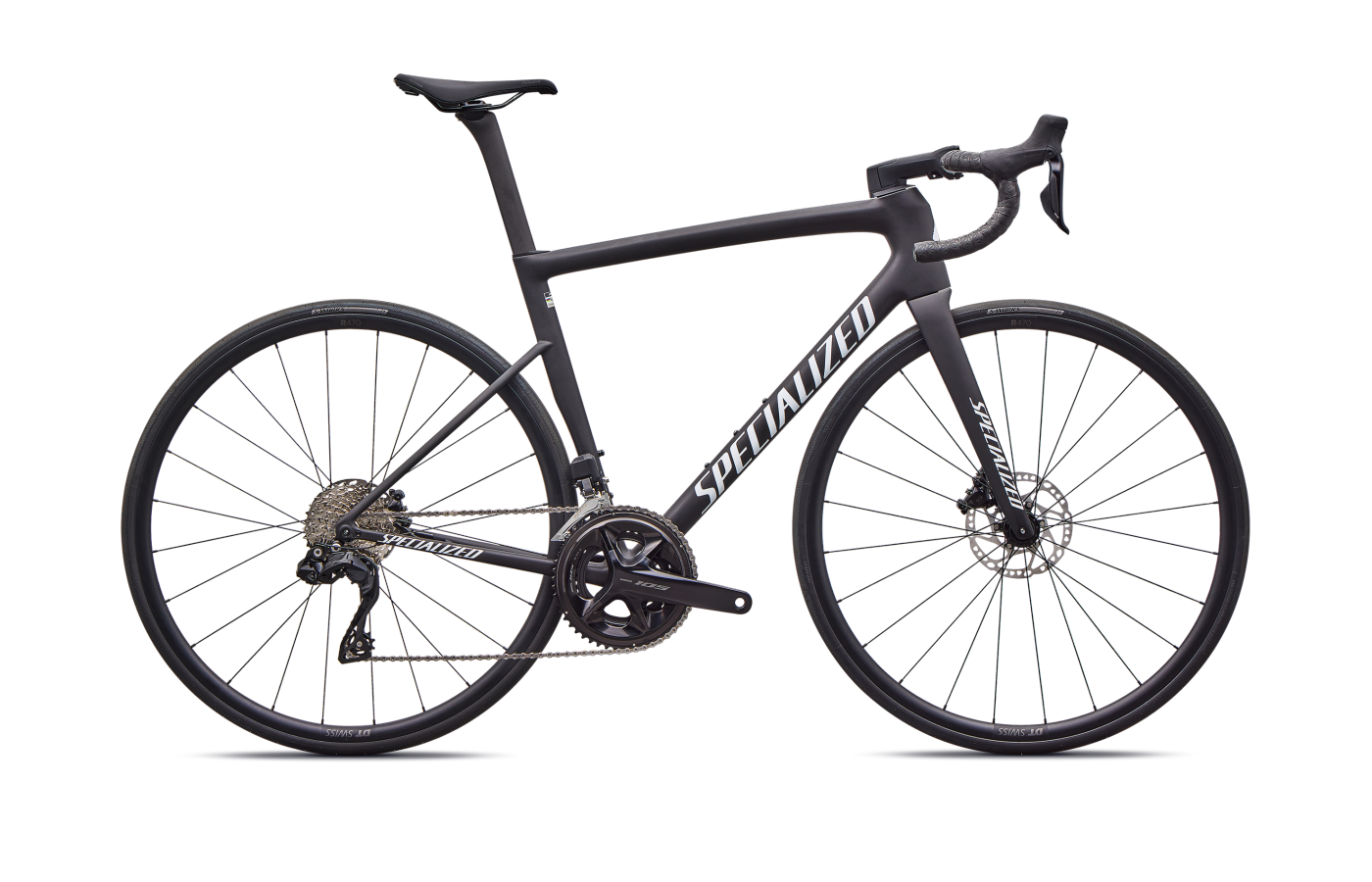
Tarmac
The Tarmac is the bike that did 'one frame for everything' first — significantly lighter than the Madone in painted form, with a more dialed integrated cockpit. The closest direct rival to both bikes here.
Compare →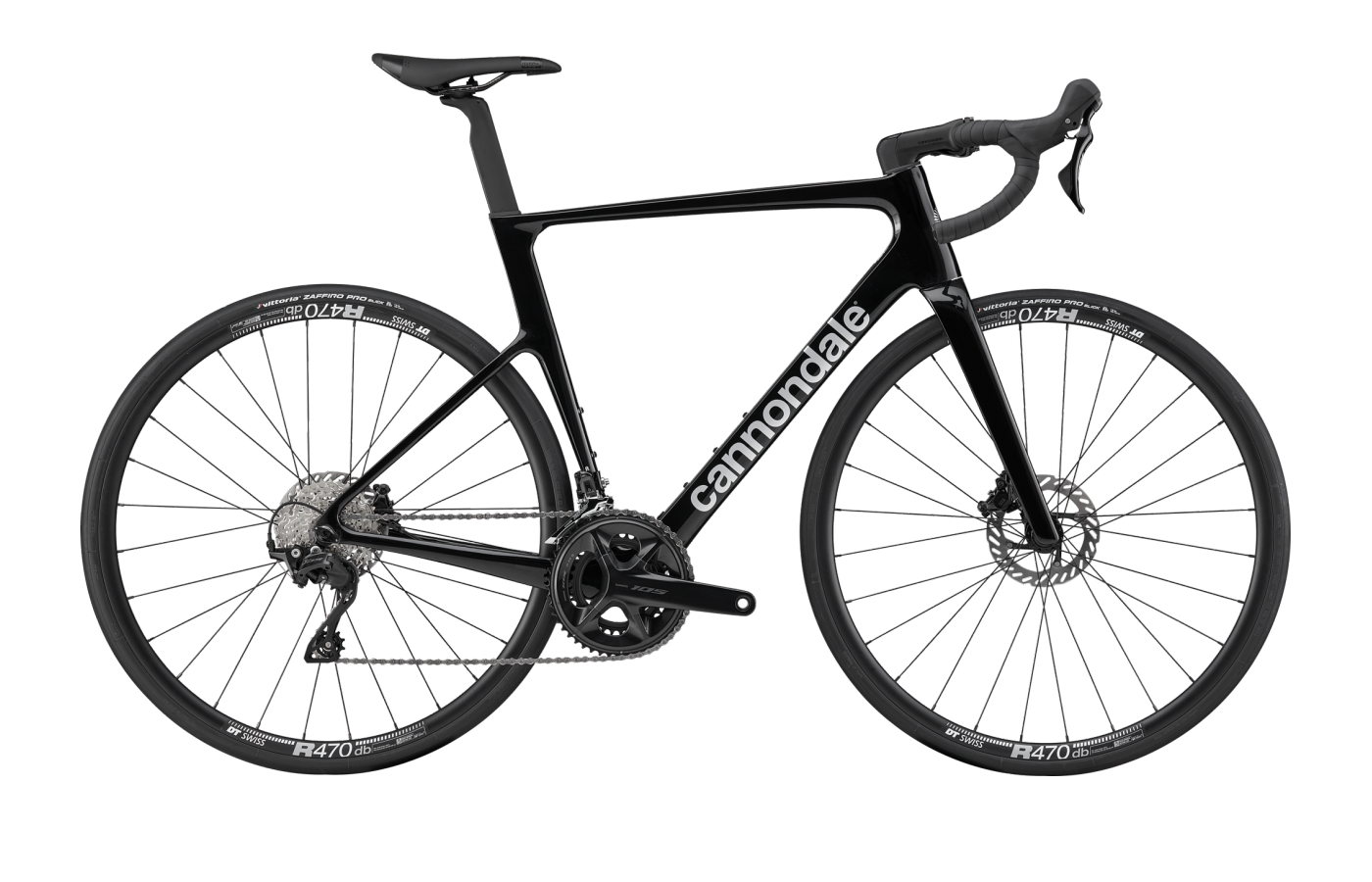
SuperSix EVO
Cannondale's take on the same one-bike philosophy, with handling reviewers consistently describe as the most balanced in the segment — and an aero bottle system that's notably more practical than Trek's polarizing RSL cages.
Compare →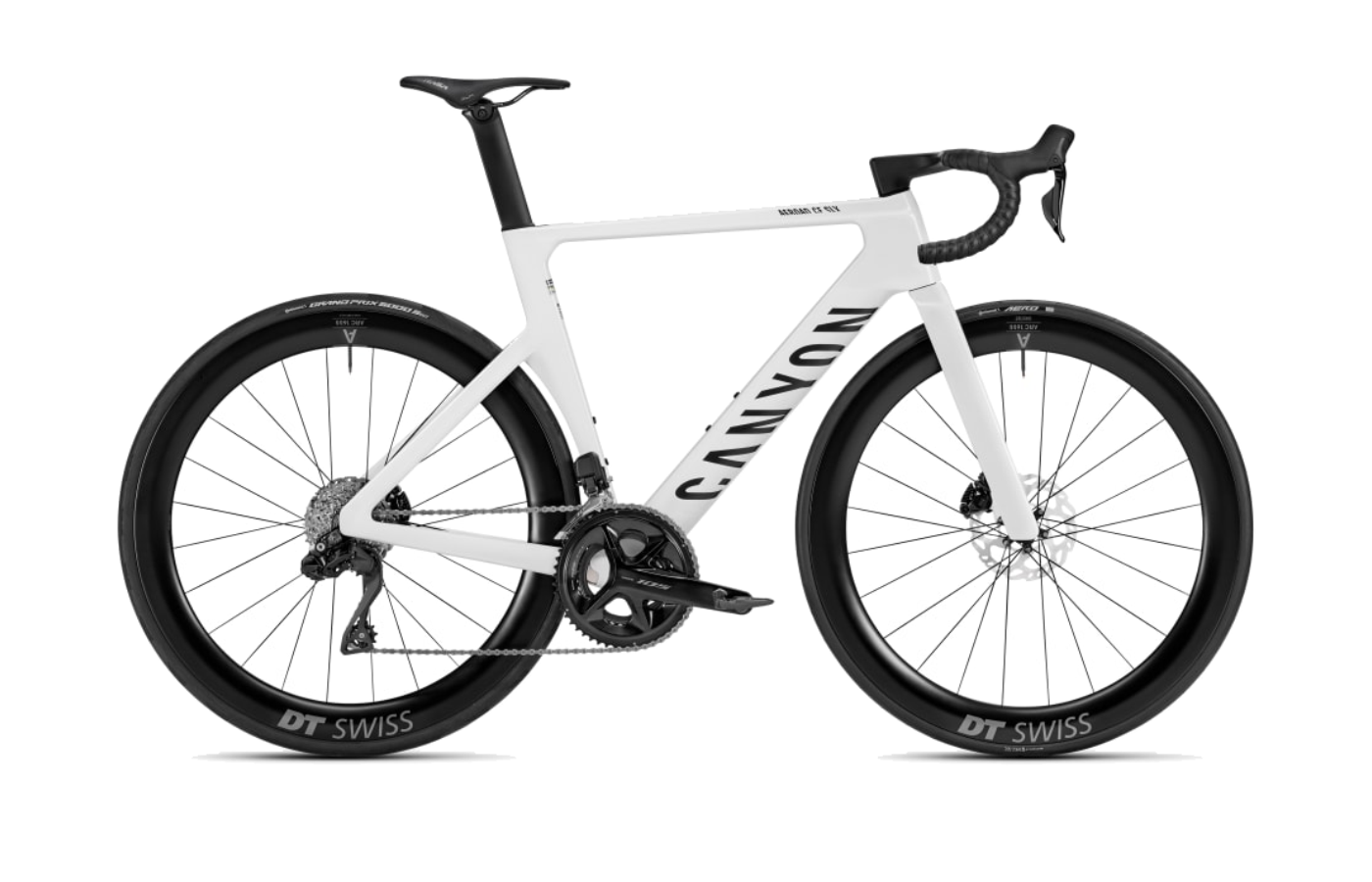
Aeroad
Direct-to-consumer aero alternative for riders who want flat-ground speed without the five-figure ticket. The catch: no dealer network, no demos — best when you already know your fit.
Compare →