Teammachine
vsTarmac
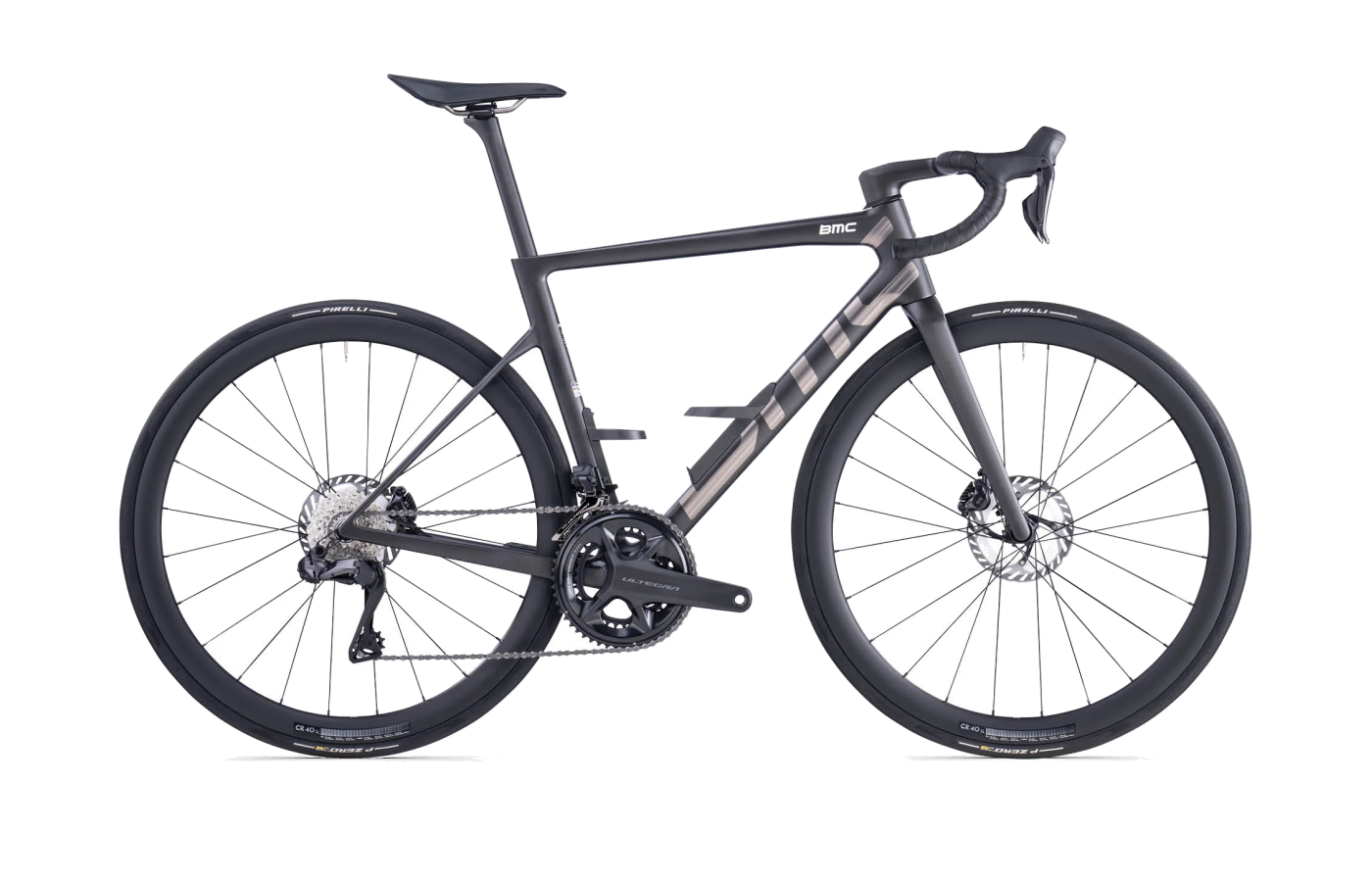
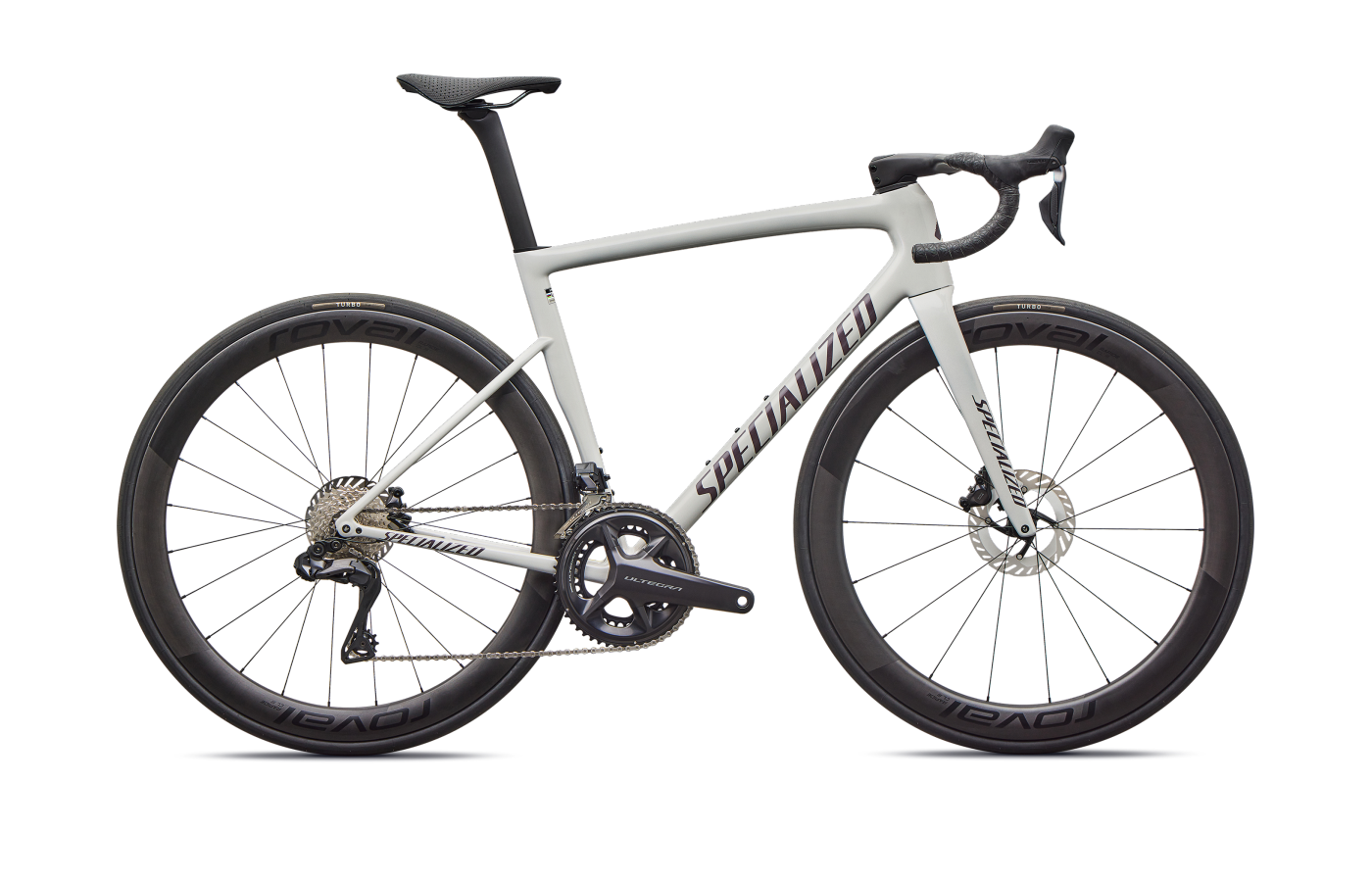
Two race bikes, two answers to the same question.
The Teammachine SLR 01 is a Swiss climbing specialist that descends like it's on rails. The Tarmac SL8 is the do-everything all-rounder that treats aero as a free upgrade.
Teammachine
- Best-in-class descender — a 63 mm trail figure (vs. the Tarmac's 58 mm at size 54) makes the front end feel locked at speed.
- 16% lighter chassis than Gen 4 — claimed 6.6 kg complete on the SLR 01 builds with carbon wheels.
- Power meter standard on every build — Quarq on SRAM, 4iiii on Shimano, all the way down the lineup.
- Frame handling is BMC-confirmed optimized for 26 mm tires — modern 30 mm preferences are a slight compromise.
- Lineup starts at $4,799 (SLR), but the SLR 01 Premium Carbon frame doesn't appear below $8,999.
Tarmac
- Sharper, more reactive front end — 73° HTA and 58 mm trail give it telepathic steering that climbs and crits both reward.
- Threaded BSA bottom bracket — a real serviceability win against BMC's PF86 press-fit shell.
- Widest price ladder in the segment — from a $4,699 SL8 Comp on Rival AXS to a $13,499 S-Works on Red.
- Stock 26 mm S-Works Turbo tires are universally panned as 'lifeless' — plan to replace.
- Pro and S-Works integrated cockpits are expensive to swap if your stock fit is wrong (~$600 plus labor).
Editor’s analysis
Both want to be your one race bike — but only one of them is actually trying to do everything.
On the surface, the BMC Teammachine and Specialized Tarmac line up in the same WorldTour-grade slot: lightweight carbon, integrated cockpits, deep wheels, top-shelf groupsets, identical 32 mm tire clearance. Both have won at the highest level. But the design briefs diverge the moment you look past the spec sheet — BMC built a climbing specialist that quietly added aero; Specialized built an all-rounder that quietly added everything.
The Teammachine SLR 01 (Gen 5) is unmistakably mountain-bred. BMC chopped 222 g — a 16% reduction — out of the chassis without losing stiffness, then matched it with a 63 mm trail figure that's held constant across every size. That's roughly 5 mm more trail than most race bikes, and it's why every reviewer reaches for the same word: planted. Climbs feel springy; descents feel like they were sketched in CAD specifically for you. The cost is a frame BMC openly says is optimized for 26 mm tires, even though it'll clear 32.
The Tarmac SL8 picks a different lane entirely — it doesn't pick one. Specialized merged Venge aero cues into a sub-700 g Aethos-derived frame and called it the one bike to rule them all. The 73° head angle on a size 54, the shorter 58 mm trail, and the stiff Roval-fronted cockpit make it sharper into corners and quicker to respond mid-sprint. It also starts $2,300 cheaper, runs FACT 10r carbon down to $4,699, and has a threaded BSA bottom bracket — the BMC sticks with PF86 press-fit, which has historically been a creak risk across the industry.
The cleanest way to think about it: the Teammachine is the bike you buy when half your year happens above 1,500 m elevation. The Tarmac is the bike you buy when you have one weekend group ride, one Tuesday crit, and one century on the calendar.
Where the builds differ.
Comparing our editor's-pick builds side-by-side. Winners highlighted row-by-row — lower price and weight, and the better-spec component, each mark a point.
Build variants & pricing
Both platforms cap out near $13.5k, but the Tarmac drops nearly $4k lower — and the BMC's premium-carbon frame doesn't appear under $8,999.
Prices are current US MSRP. The Teammachine generation includes both the SLR 01 (climbing) and R 01 (aero) platforms at the same price tiers — make sure you're comparing the right one. The picks above are both Shimano Ultegra Di2 to keep the spec table apples-to-apples.
How they fit, how they steer.
Both at size 54 — the fit-picked size on each. The Teammachine sits 6 mm taller in stack and 2 mm longer in reach, with a top tube 11 mm longer. The Tarmac runs a 0.7° steeper head angle and 5 mm less trail — sharper into corners, more nervous at descending speed.
Which size should I buy?
Both ranges cover 47–61 cm in 6 sizes. The Tarmac's 44 cm extends one notch smaller; the BMC tops out a touch taller in stack.
→These are starting points. Flexibility, riding style, and preferred position all shift the answer — if you’re between sizes, a professional fit beats a chart.
What the magazines said.
Published reviews from trusted cycling outlets. Click through for the full write-up.
Which one should you buy?
If you live for big-mountain days and value a planted descender, get the Teammachine. If you want one bike for crits, climbs, and Sunday centuries, get the Tarmac.
Teammachine
If your favorite ride day is a 3,000 m vertical loop with a technical descent, the Teammachine is the better tool. The 63 mm trail makes it feel calm tucked at 80 km/h, the 222 g weight loss helps on the way up, and the stiff chassis rewards out-of-saddle attacks.
Tarmac
If you want one race bike that handles a Tuesday crit, a Saturday gravel-shortcut group ride, and a Sunday century, the Tarmac is still the benchmark. Sharper steering, lower entry price, easier service — and a frame Specialized claims is only marginally slower than its dedicated aero rivals.
Questions buyers actually ask.
Short answers to the things we get emailed about most often.
01Which is the better climber?
By the numbers, it's close. The BMC Teammachine SLR 01 flagship comes in around 6.6 kg complete with SRAM Red and DT Swiss ARC 1100 wheels; the Tarmac S-Works SL8 lands at 6.67 kg in size 56 with the same Red AXS treatment. So a near tie at the top.
The difference is tier-for-tier. The Tarmac's FACT 10r Pro/Expert frames are roughly 100 g heavier than the S-Works 12r — meaning at $7–9k builds, the BMC SLR 01 Premium Carbon frame holds the weight edge. BMC also gives every SLR 01 build a power meter as standard, which the Tarmac matches at most tiers.
02Which is faster on the flats?
The Tarmac SL8, modestly. Specialized claims the SL8 needs 209 W to hold 45 km/h, putting it within a watt or two of dedicated aero bikes like the Cervélo S5 (205 W) and Canyon Aeroad (208 W). The integrated Roval cockpit alone is claimed to save 4 W.
BMC's own figures put the new Teammachine SLR 01 about 4% slower than the aero-dedicated Teammachine R, but only marginally improved over the Gen 4. If pure flat-road speed is your priority, BMC's own answer is its other bike — the R 01 — not this one.
03What's the maximum tire clearance?
Both: 32 mm officially. That's a meaningful step up for the Teammachine (the Gen 4 capped at 30 mm), but BMC openly notes the SLR 01's handling is optimized around 26 mm tires. Reviewers consistently recommend running 28–30 mm for real-world comfort despite that.
The Tarmac SL8 also ships on 26 mm S-Works Turbos that nearly every review calls too narrow. Both bikes wake up on 28–30 mm tubeless rubber. Neither is a gravel bike.
04How does the bottom bracket spec affect long-term ownership?
The Tarmac uses a BSA threaded bottom bracket — the standard most home mechanics and shop wrenches prefer for ease of service and lower creak risk over time.
The BMC Teammachine SLR 01 sticks with PF86 press-fit. Press-fit shells aren't a death sentence, but they have a longer history of creaking issues across the industry when not perfectly installed. None of the Gen 5 reviews flagged this as a current problem, but it's a structural difference worth knowing.
05How much do the integrated cockpits limit fit changes?
Both bikes use one-piece integrated bar/stem units on their upper builds — the Tarmac's Roval Rapide cockpit and the Teammachine's ICS Carbon Evo (or Carbon Aero on the R 01).
Neither offers pre-purchase customization. Changing stem length or bar width post-purchase means buying a new one-piece unit (typically $400–600) plus a partial hose re-routing — a couple hours at a shop. The Tarmac Expert at $6,999 ships with a two-piece cockpit, which is the easier path if you anticipate wanting to dial in your fit.
06Are the editor's-pick builds (both Ultegra Di2) really apples-to-apples?
Yes — both are Shimano Ultegra Di2 (the one-down tier from Dura-Ace), both are electronic, both come with a 4iiii power meter, and both run mid-tier carbon wheels (BMC CR 40 SL on the SLR 01 Four; Roval Rapide CLX on the SL8 Pro).
The Teammachine SLR 01 Four is $500 more ($8,999 vs. $8,499) but uses the SLR 01's top-tier Premium Carbon frame; the SL8 Pro is FACT 10r — Specialized's second-tier carbon, ~100 g heavier than S-Works 12r. That's the cleanest comparison the lineups allow without forcing one platform into a different drivetrain class.
07Is the BMC really worth $2,000+ more at the same drivetrain tier?
It depends on what you're paying for. The Teammachine SLR 01 Four uses BMC's top Premium Carbon frame (the same one as the $13,649 flagship), while the Tarmac SL8 Pro at $8,499 uses Specialized's second-tier FACT 10r layup (the S-Works frame is reserved for the $13,499 build).
So the BMC premium buys you the platform's best frame; the Specialized lets you keep the change. Both are excellent platforms — the right answer depends on whether you'd rather spend the $2,000 on the frame or on tires, wheels, and a bike fit.
08What about warranty and crash replacement?
Both brands offer a lifetime frame warranty to the original owner against manufacturing defects, and both offer crash-replacement pricing (typically a steep discount off a new frame) for damage outside warranty.
Specialized's dealer network in North America is meaningfully larger than BMC's, which can matter for warranty claims and post-sale service. BMC's dealer presence is stronger in Europe, where the brand is headquartered.
Similar bikes
If your priorities don’t map cleanly onto either of these, one of these adjacent bikes probably fits better.
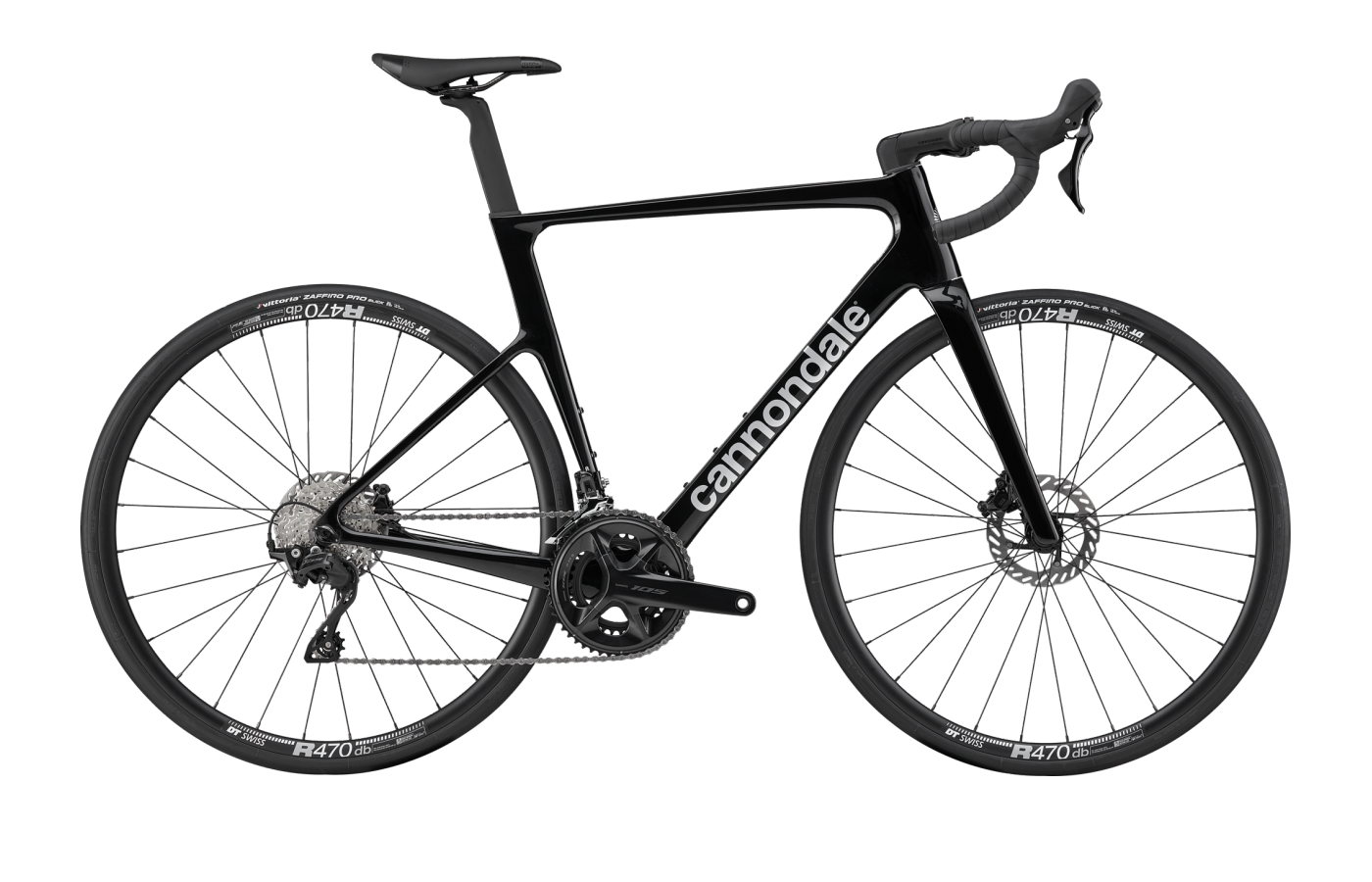
SuperSix EVO
The other quintessential 'one bike to rule them all' — often praised for even more balanced handling than the Tarmac and a cleaner aesthetic than the BMC. The natural third option for this exact shopping list.
Compare →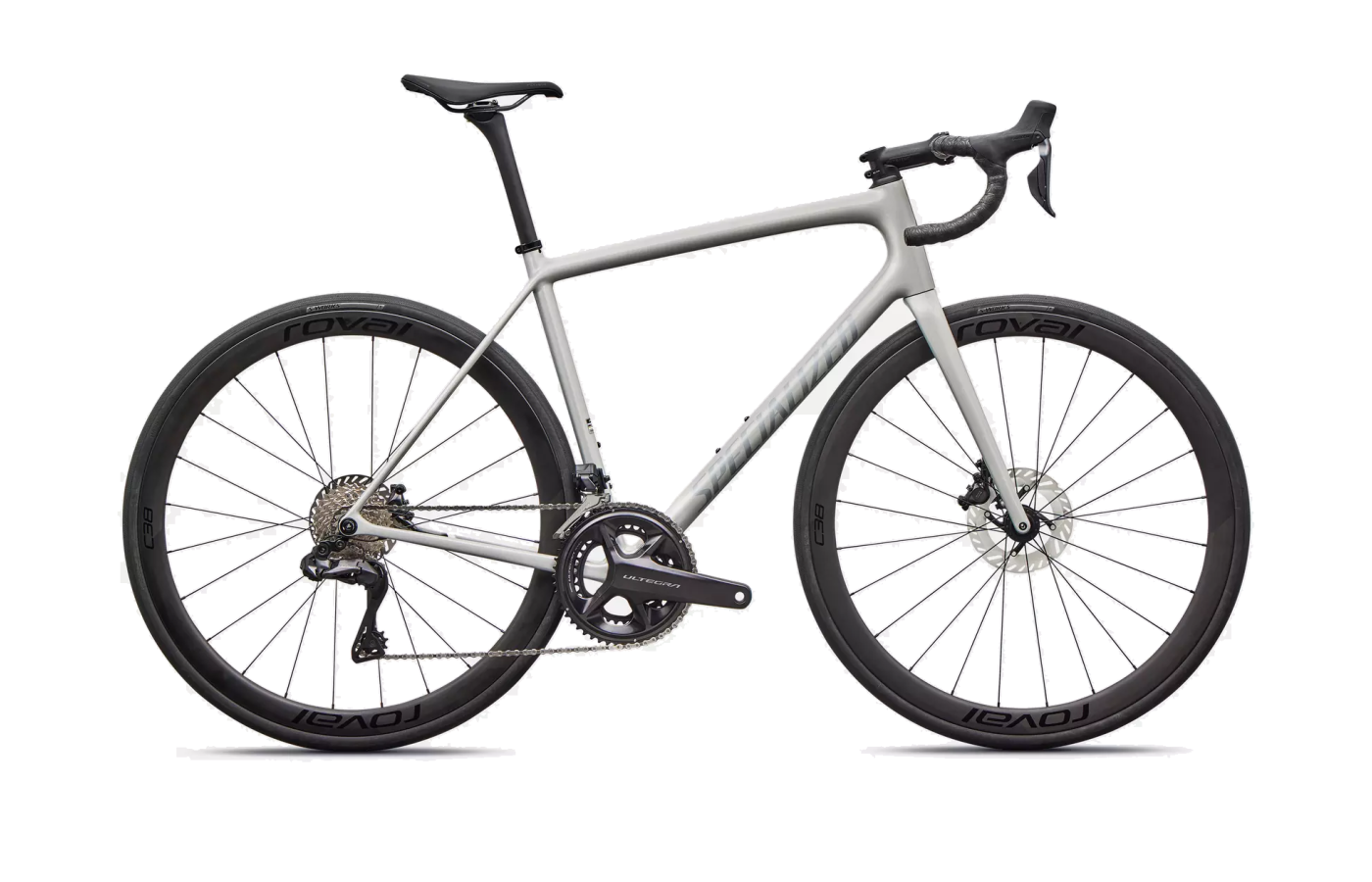
Aethos
Same Tarmac geometry, none of the aero pretense — round tubes, no integration, sub-6 kg. If you'd rather save grams than watts and most of your riding goes uphill, the Aethos is the move.
Compare →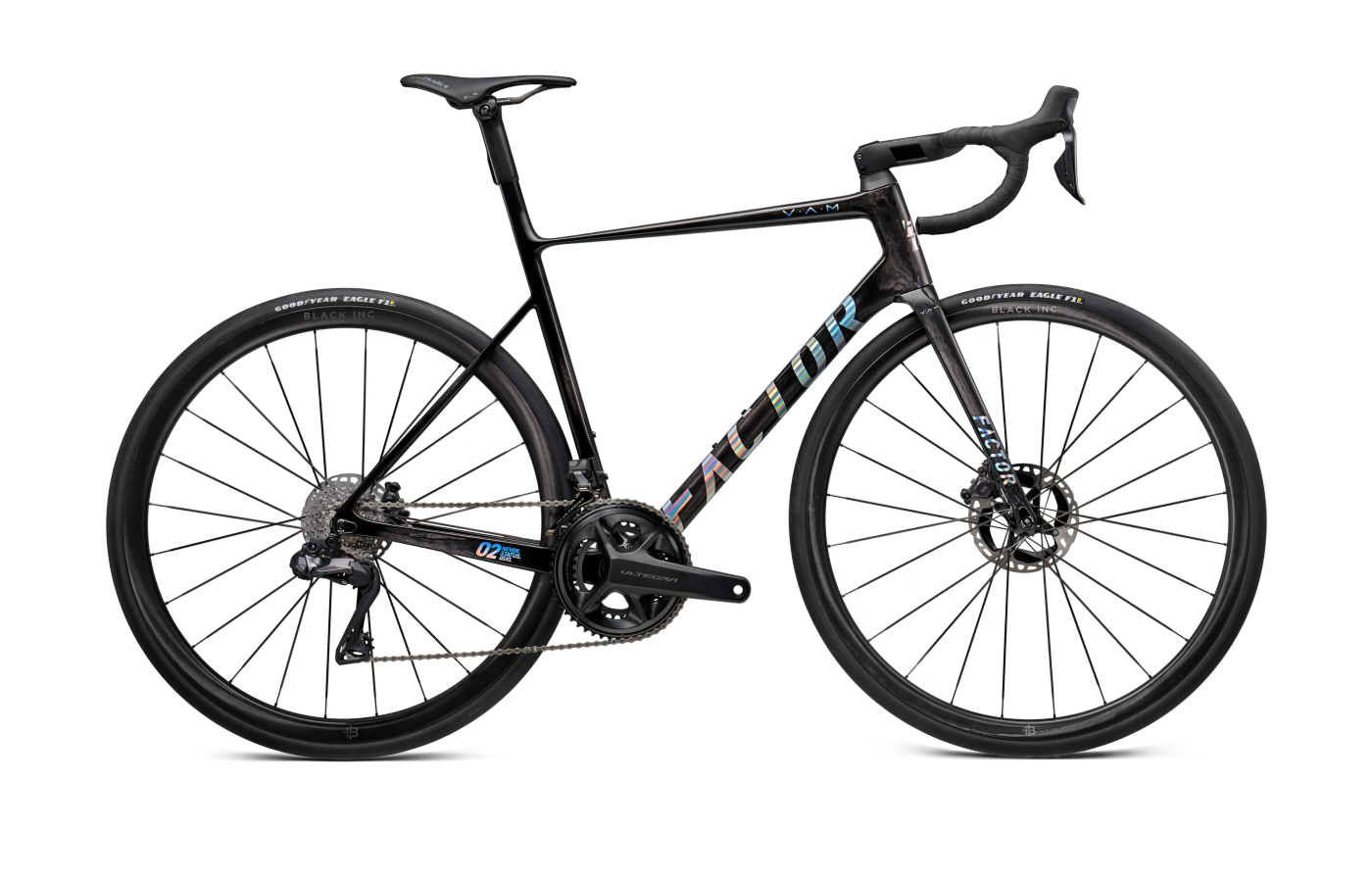
O2 VAM
For the rider who finds even the BMC and Tarmac too heavy — Factor's pure climbing specialist pushes lightweight engineering into territory neither of these two will follow.
Compare →