Mondraker
PodiumS
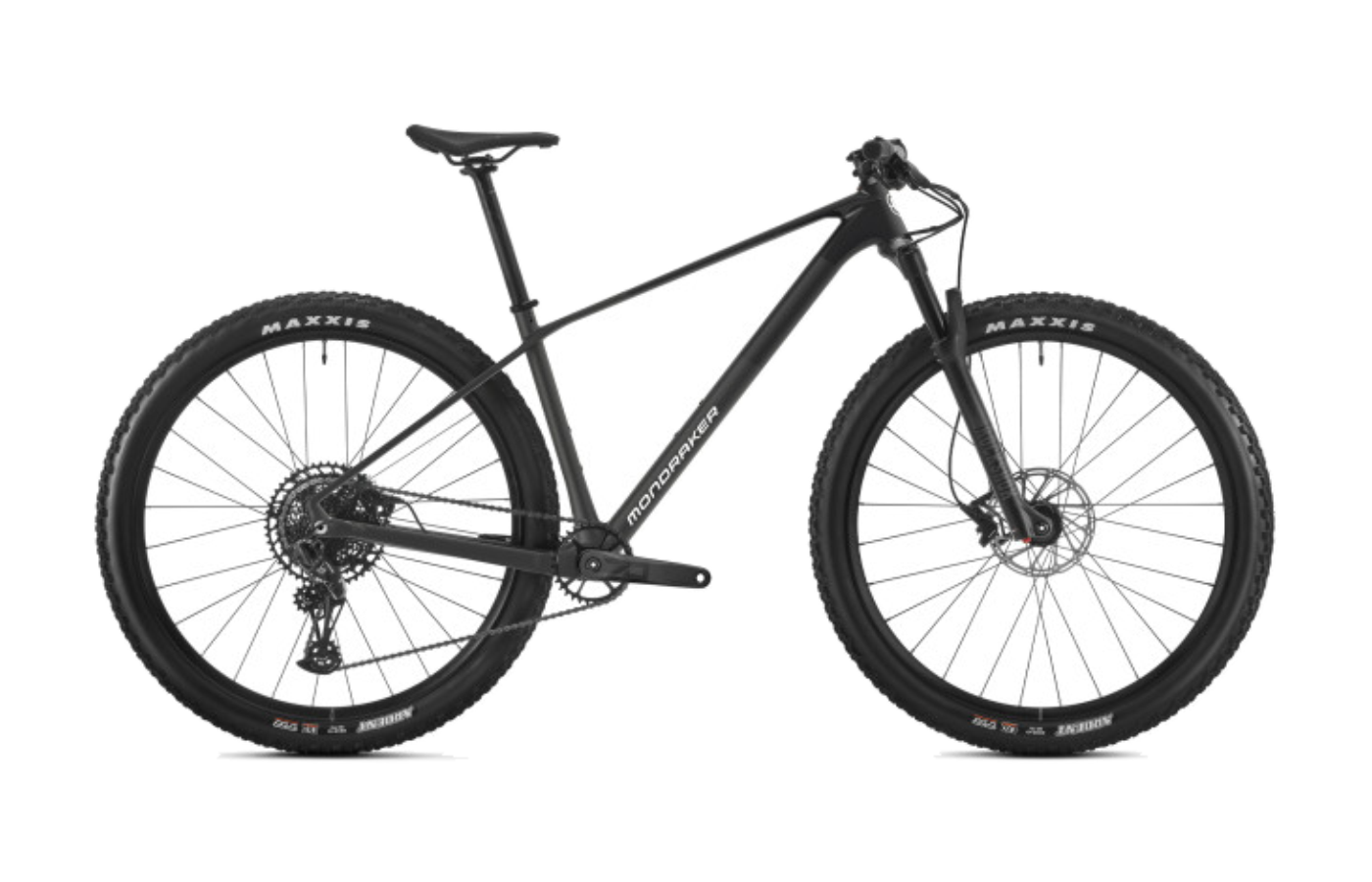
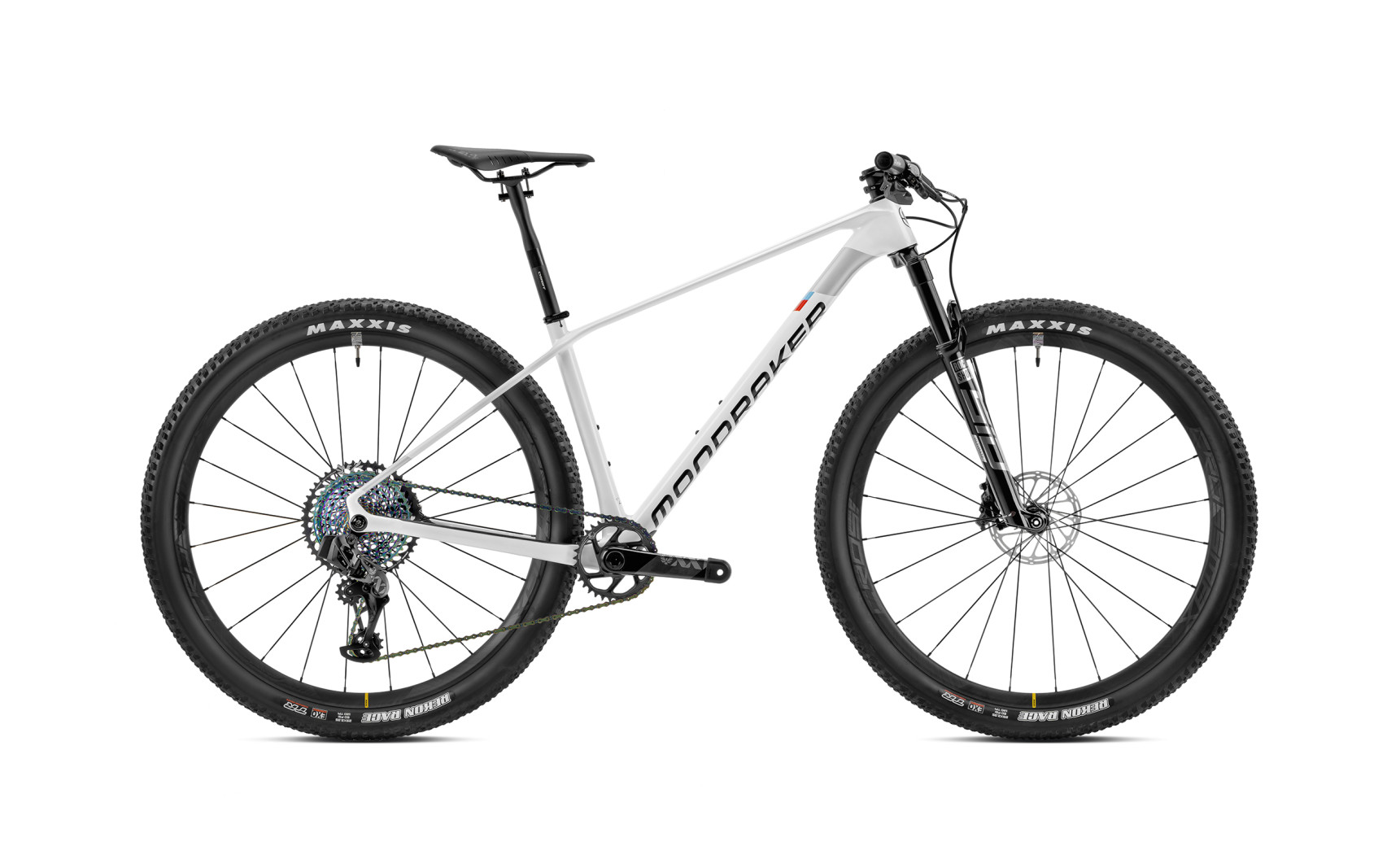
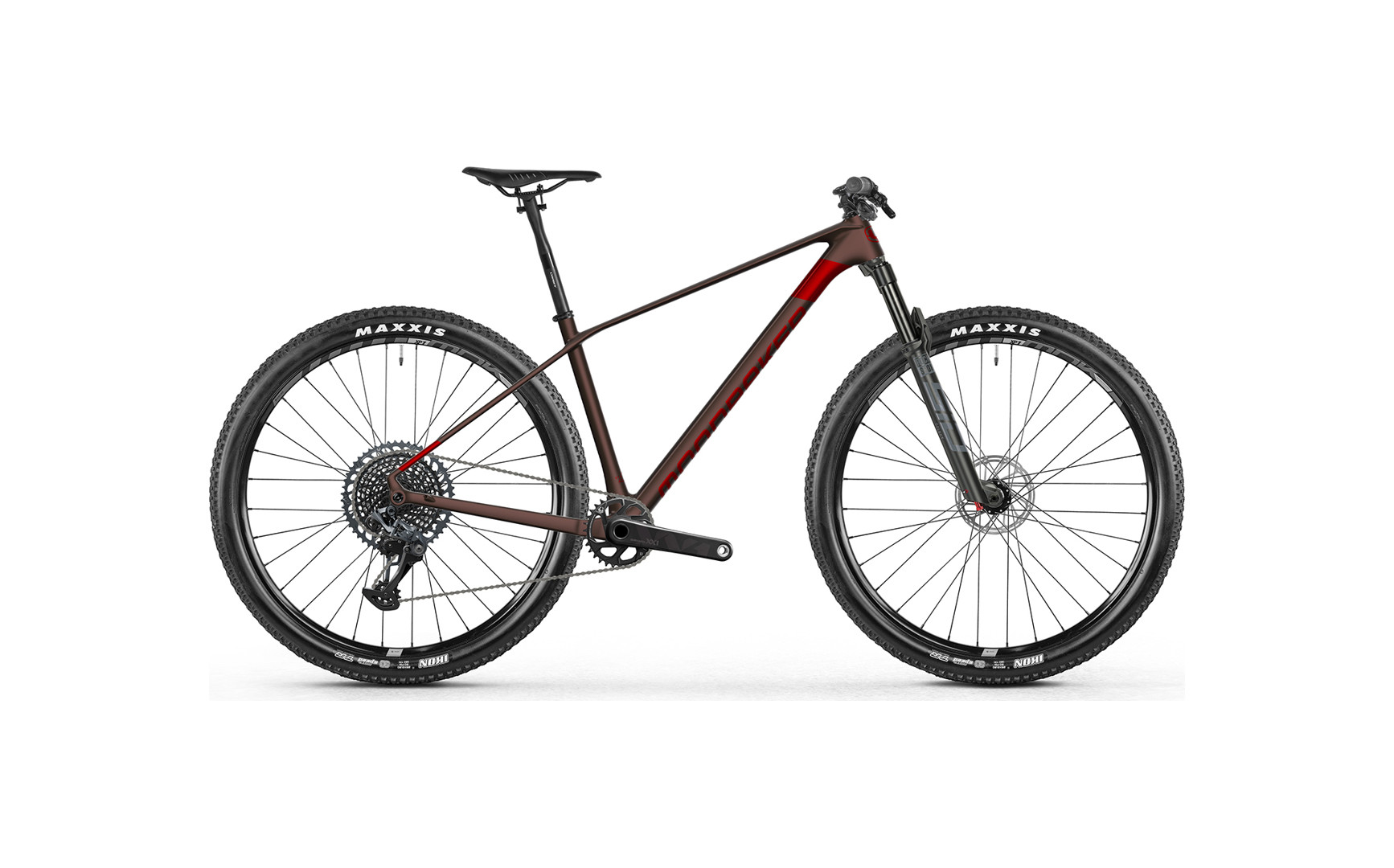
The current generation of the Mondraker Podium is a dedicated cross-country race hardtail built around an exceptionally light carbon chassis. Debuting for the 2021 model year, the platform was redesigned from the ground up to pair a sub-800-gram frame weight with progressive geometry. It is aimed squarely at competitive XC racers and marathon riders who want maximum pedaling efficiency without reverting to the steep, nervous handling of traditional race bikes.
Mondraker utilizes their Stealth Air carbon layup to achieve the low weight, while standardizing around modern race essentials like 29-inch wheels, 100mm forks, and dedicated 1x drivetrains. The frame also features a threaded bottom bracket and flat-mount rear brake compatibility. The resulting bike is a highly focused climbing tool that relies on frame engineering and component selection to mitigate the harshness typically associated with rigid rear ends.
Spec sheet.
Every component shipped with this build.
Geometry & fit.
4 sizes published.
The Podium is defined by Mondraker’s Forward Geometry concept, which applies longer, slacker proportions to the XC hardtail category. The frame features a 68.5-degree head tube angle paired with a 74.5-degree effective seat tube angle. This combination places the rider in a forward, aggressive pedaling stance that maximizes power transfer on steep gradients while keeping the front wheel tracking predictably.
To balance the slack head angle, Mondraker uses a notably long reach—measuring 444mm on a size medium—and pairs it with a short 60mm stem. This setup centers the rider's weight between the wheels, improving front-end traction and steering directness without making the bike feel overly stretched. The 430mm chainstays keep the rear wheel tucked in for efficient power delivery and traction during seated climbs. Overall, the geometry creates a stable, composed posture that helps riders maintain control and momentum on technical tracks, avoiding the twitchy steering often found on older cross-country designs.
Where the handlebar sits relative to the bottom bracket — the single most important fit pair.
01Fit geometry5 values
02Component geometry4 values
03Handling geometry7 values
Which size should I buy?
Slide your height to see the recommended size. GearWise's fit algorithm works from the published stack, reach, and ETT — the brand's own recommendation may differ.
→Calculated from GearWise's own stack / reach / ETT algorithm — the brand's size chart may recommend a different size, and a proper bike fit beats any calculator.
The lineup.
5 builds, ranging $3,999 – $10,499.
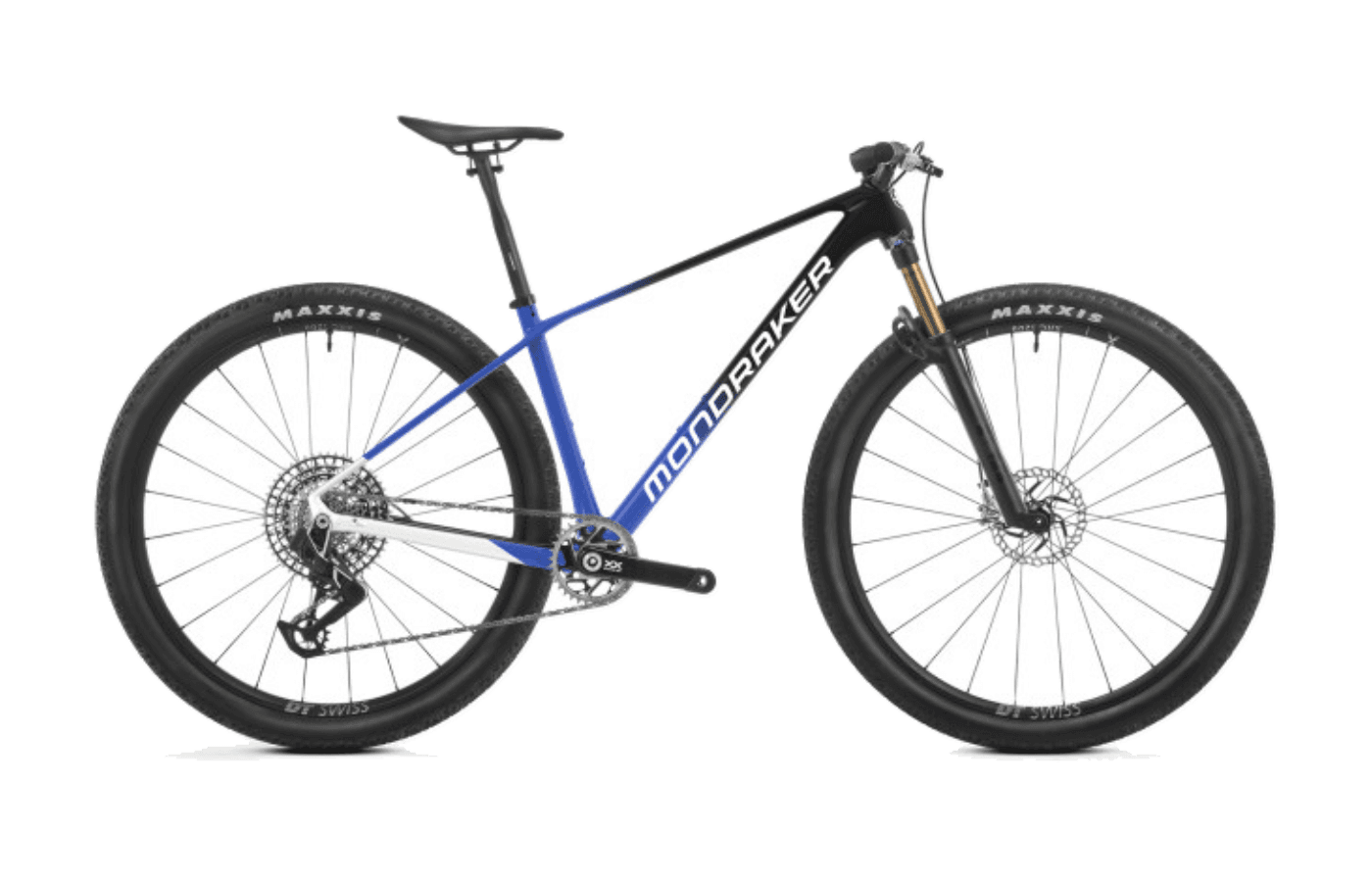
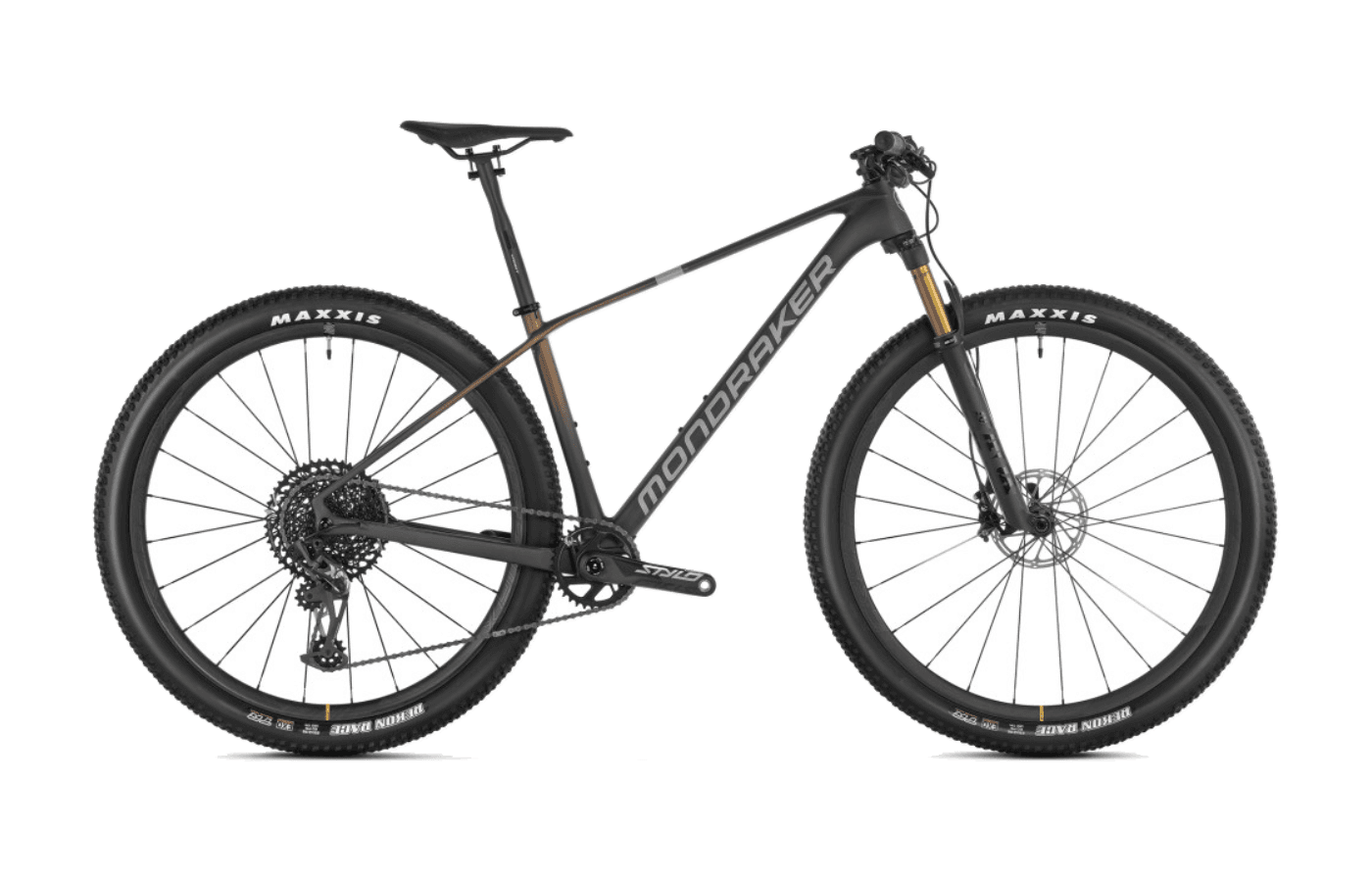
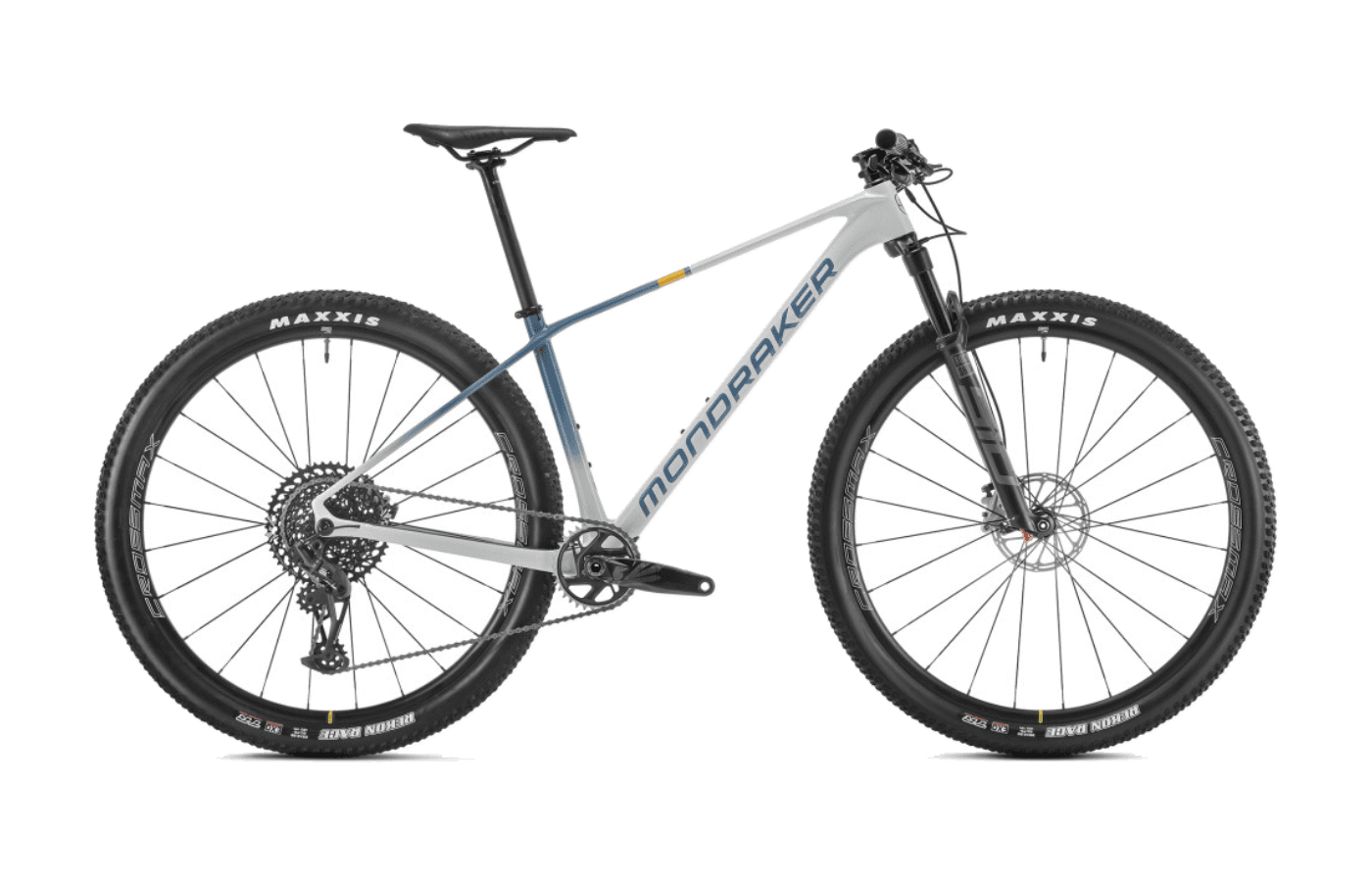
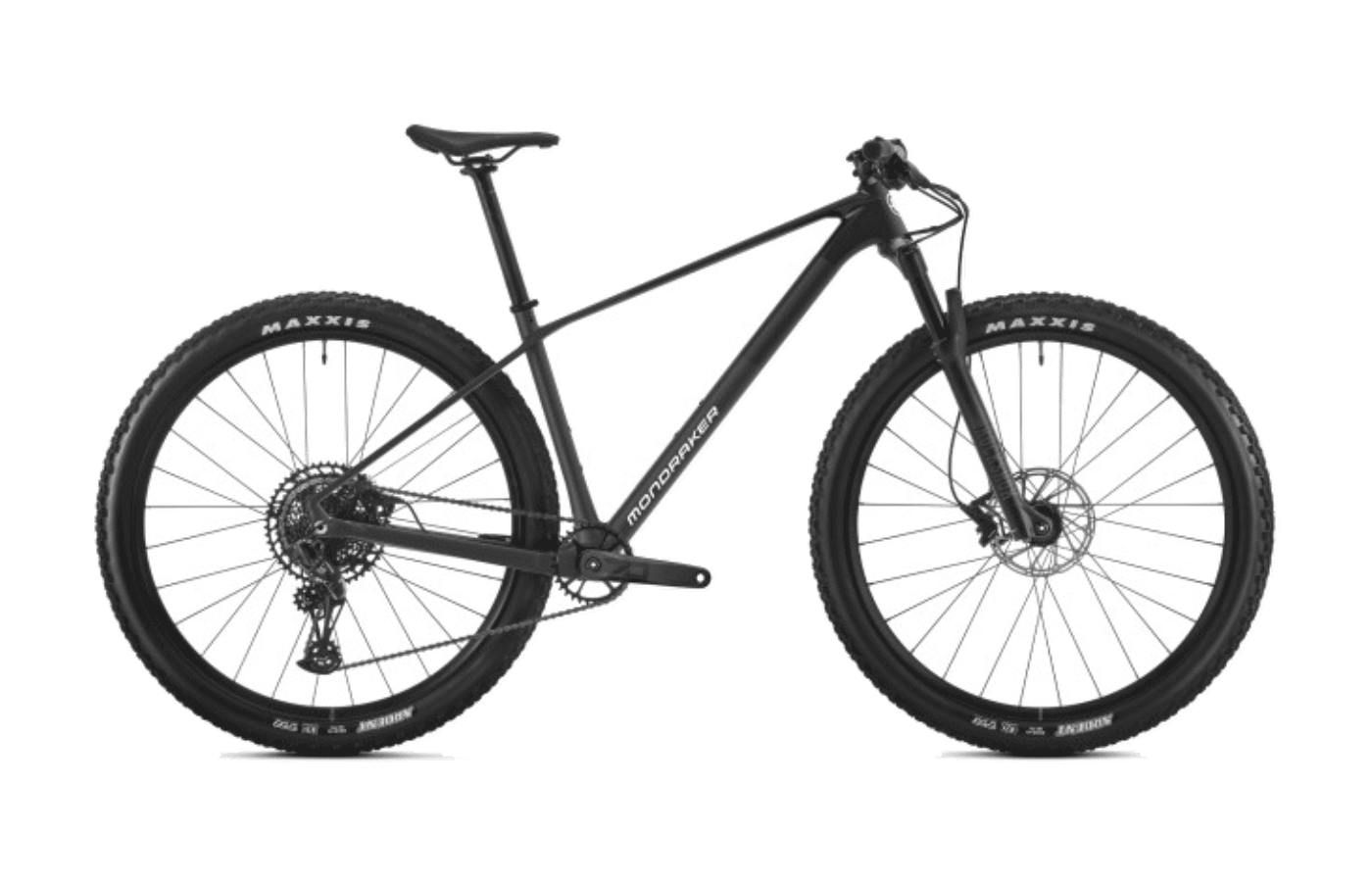
The Podium lineup spans five builds, ranging from the entry-level S to the flagship RR SL, all utilizing the same Stealth Air carbon frame. The primary differences across the ladder lie in the suspension, drivetrain, and wheel materials, which dictate the bike's final weight and race readiness.
Suspension is handled by 100mm forks across the board, with the top RR SL featuring a RockShox SID SL Ultimate Flight Attendant. Mid-tier models like the R and Base use Fox 32 Step Cast Factory or standard RockShox SID SL forks, while the S build relies on a RockShox Recon Gold. All forks include remote lockouts for sprinting and smooth climbs.
Drivetrains transition from mechanical SRAM Eagle on the lower builds to wireless SRAM AXS T-Type transmissions on the RR and RR SL. The RR SL also includes a crank-based power meter. Wheelsets are a major differentiator: the RR SL, RR, and R models roll on Mavic Crossmax carbon rims, which significantly reduce rotational weight, whereas the Base and S builds use alloy Mavic wheels. Upper builds further enhance ride quality with carbon handlebars and carbon 27.2mm seatposts, while the lower tiers use alloy cockpit components.

From the press.
5 reviews from the cycling press.
Reviewers consistently praise the Podium for its climbing prowess and unexpected compliance over rough terrain. Despite the inherent stiffness of a race hardtail, the frame and component choices effectively mute trail chatter. One rider noted that the bike "rides surprisingly well, it's still a hardtail but it's very smooth on bumps" (YouTube). This comfort is frequently attributed to the slim tube profiles, generous carbon seatpost extension, and large-volume tires, which work together to reduce fatigue during extended marathon efforts.
On the trail, the bike's minimal mass translates directly to rapid acceleration and effortless ascending. Testers highlight how eager the bike feels under power, with one reviewer remarking that the low weight "made me fly as if on wings" (Magazinebike) on steep climbs. The handling profile leans toward stability rather than nervous agility. The progressive geometry is credited as a "proven combination to calm the bike down, but not to make it sluggish" (Magazinebike) on technical descents.
However, opinions on its absolute downhill capability vary depending on the build and the rider's baseline. While the premium models are often lauded for their descending composure, some testers of the mid-tier versions felt that "competitors ride better in the downhills" (Bike-test). Overall, the consensus points to a highly efficient, predictable race machine that excels on climbs and maintains its composure when the trail points down.
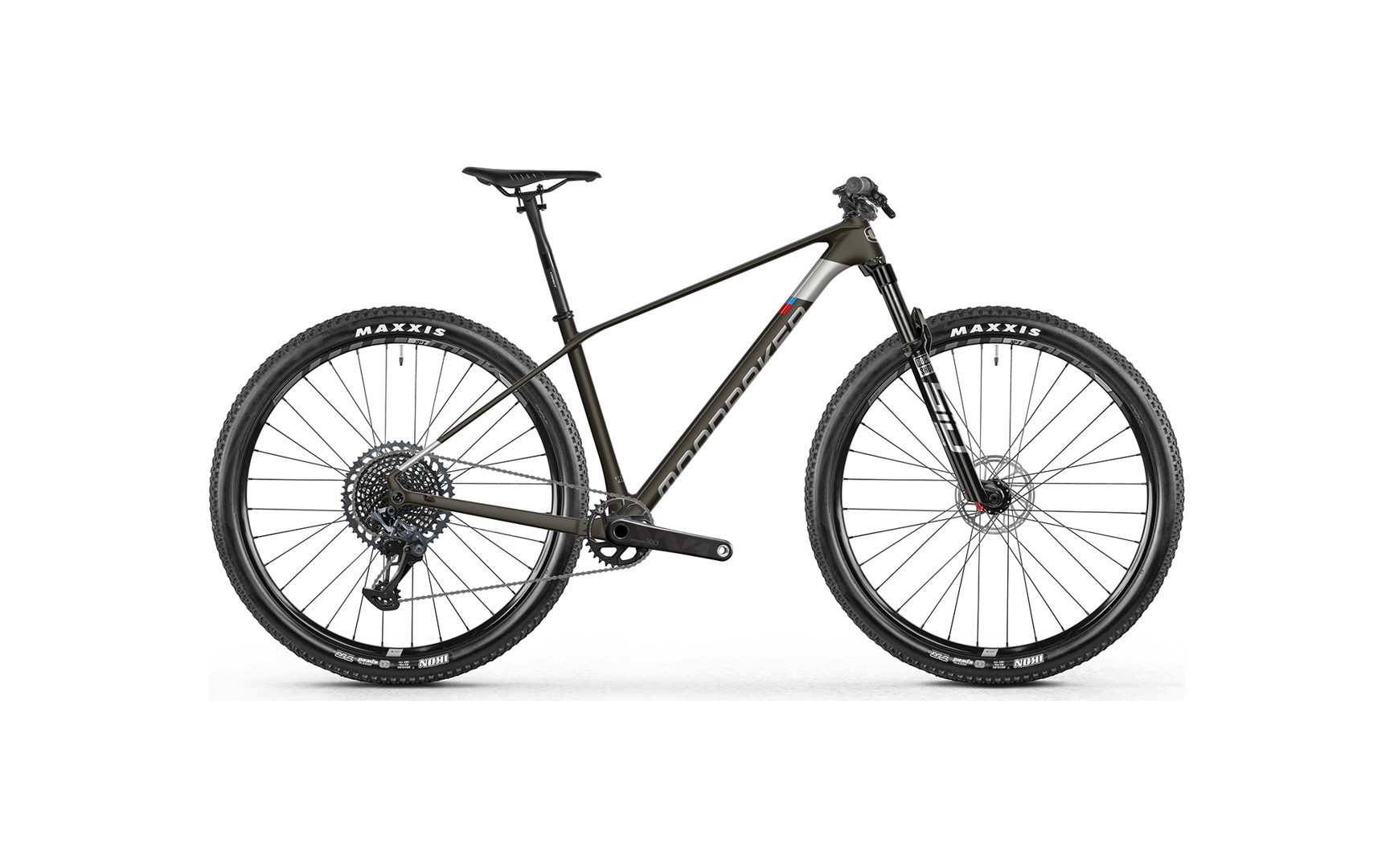
Mondraker PODIUM CARBON RR SL 2022 Review
Mondraker PODIUM CARBON RR SL 2024 Review
Mondraker PODIUM CARBON 2022 Review
Mondraker Podium 2021 review - just over 22 pounds ...
First Ride: Mondraker Podium Carbon R - BIKE Magazine
Compared to.
Most-viewed comparisons.