Marin
San Quentin3
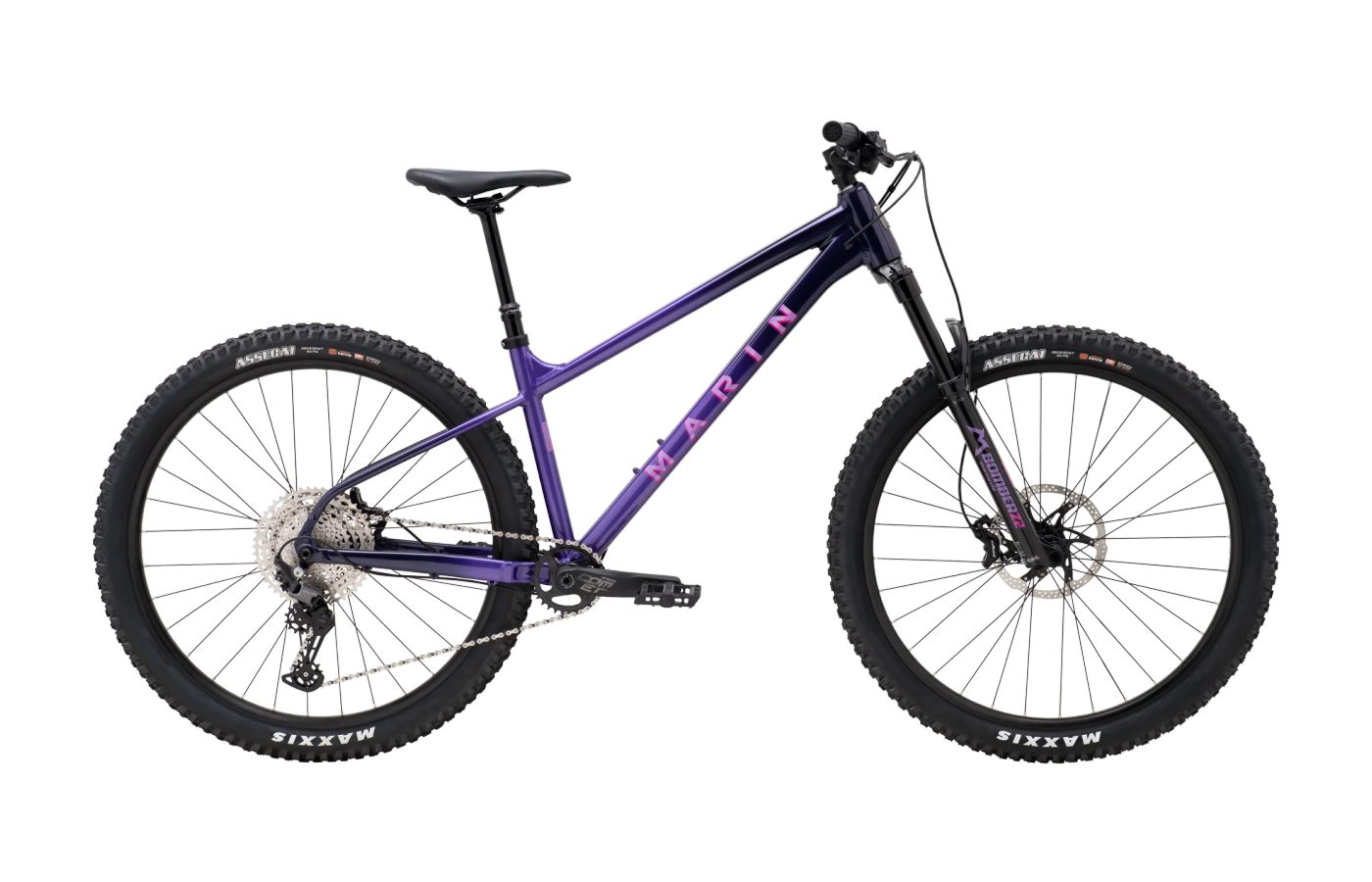
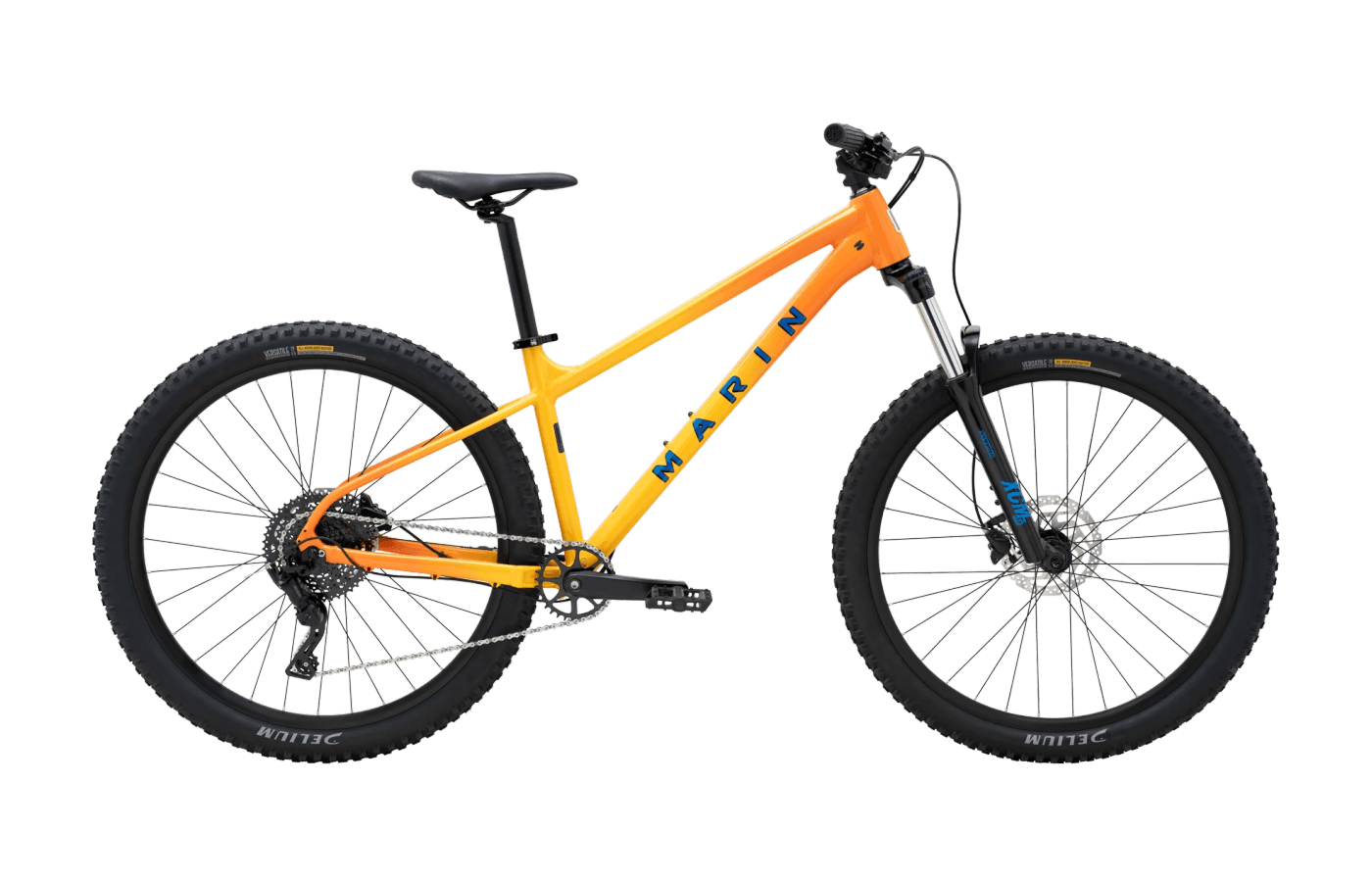
The Marin San Quentin is an aggressive aluminum hardtail designed for riders who want the simplicity of a rigid rear end without sacrificing downhill capability. Redesigned with a significantly slacker front end and a steeper seat tube, this generation pushes the platform firmly into hardcore hardtail territory. Marin now offers the bike with either 27.5-inch or 29-inch wheels, allowing buyers to choose between a more playful, jump-oriented character and a faster-rolling trail setup. Built around a 140mm fork on most complete models, the frame is intended for steep descents, technical trails, and aggressive cornering. It suits riders looking for a capable second bike to sharpen their skills, as well as newer mountain bikers who want a modern, progressive geometry platform that can handle rough terrain without the maintenance overhead of full suspension.
Spec sheet.
Every component shipped with this build.
Geometry & fit.
4 sizes published.
The San Quentin’s geometry pairs a very slack 64-degree head tube angle with a steep 77-degree seat tube angle. This combination places the rider in a centralized, upright position for seated pedaling, preventing the front wheel from wandering excessively on steep climbs despite the relaxed steering axis. Reach numbers are thoroughly modern, stretching to 470mm on a size large, which Marin pairs with a short 35mm stem across all builds to keep handling responsive.
Out back, the chainstays are kept short at 425mm on smaller sizes and 430mm on larger frames, preserving the bike’s ability to snap through tight corners and lift the front wheel easily. The frame also features exceptionally short seat tubes—just 410mm on a size large—which maximizes standover clearance and allows riders to run long-travel dropper posts. This low-slung top tube design gives the rider plenty of room to move the bike around underneath them on descents and jumps, reinforcing its aggressive trail intentions.
Where the handlebar sits relative to the bottom bracket — the single most important fit pair.
01Fit geometry6 values
02Component geometry4 values
03Handling geometry7 values
Which size should I buy?
Slide your height to see the recommended size. GearWise's fit algorithm works from the published stack, reach, and ETT — the brand's own recommendation may differ.
→Calculated from GearWise's own stack / reach / ETT algorithm — the brand's size chart may recommend a different size, and a proper bike fit beats any calculator.
The lineup.
3 builds, ranging $1,049 – $1,999.
The San Quentin lineup spans three aluminum builds, with a significant structural difference at the entry level. The flagship San Quentin 3 and mid-tier San Quentin 2 utilize Marin’s Series 3 frame, which features 12x148mm Boost thru-axle rear spacing. The base San Quentin 1 uses a Series 2 frame with a 141mm quick-release rear end, which complicates future wheel upgrades.
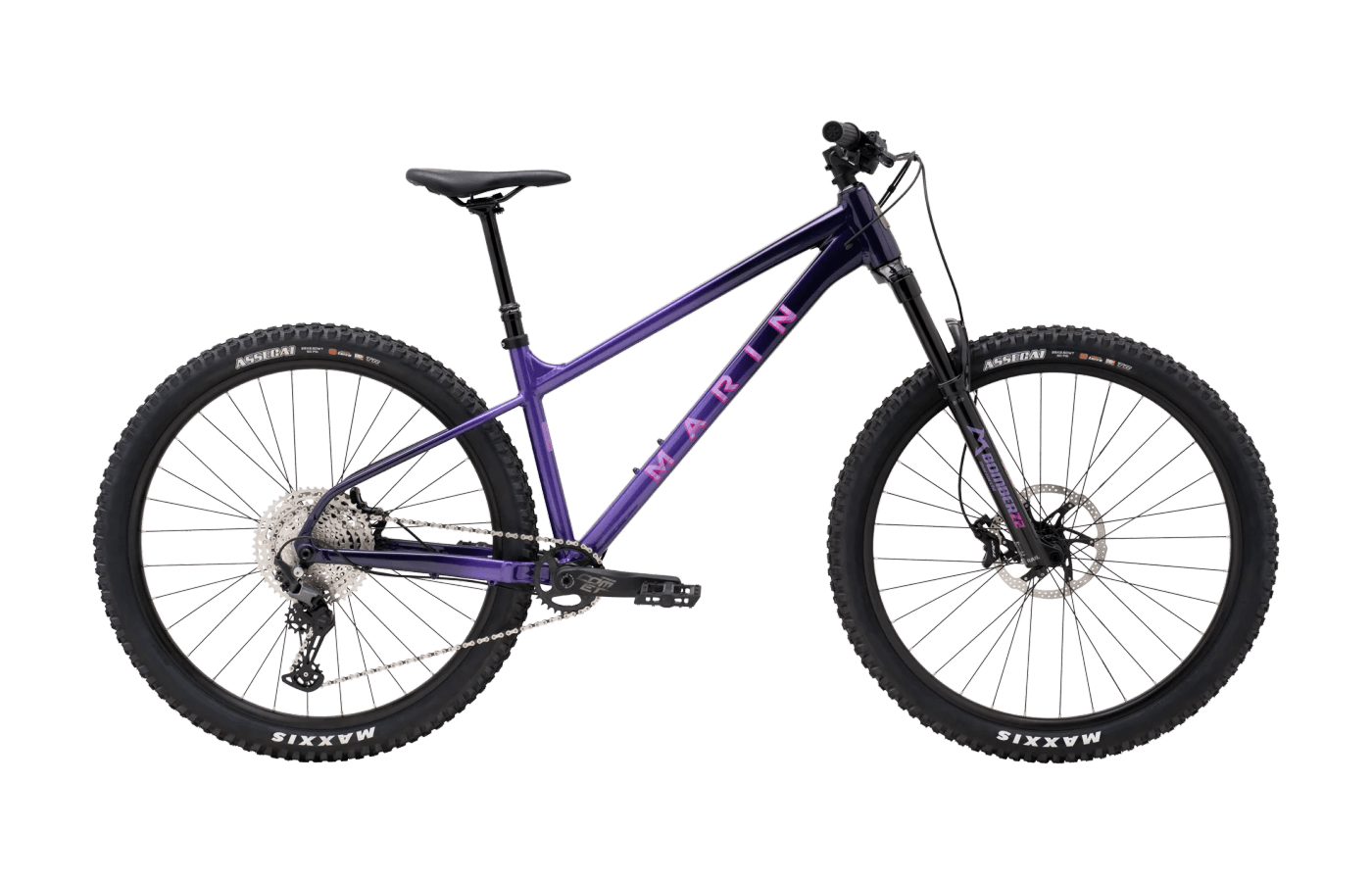
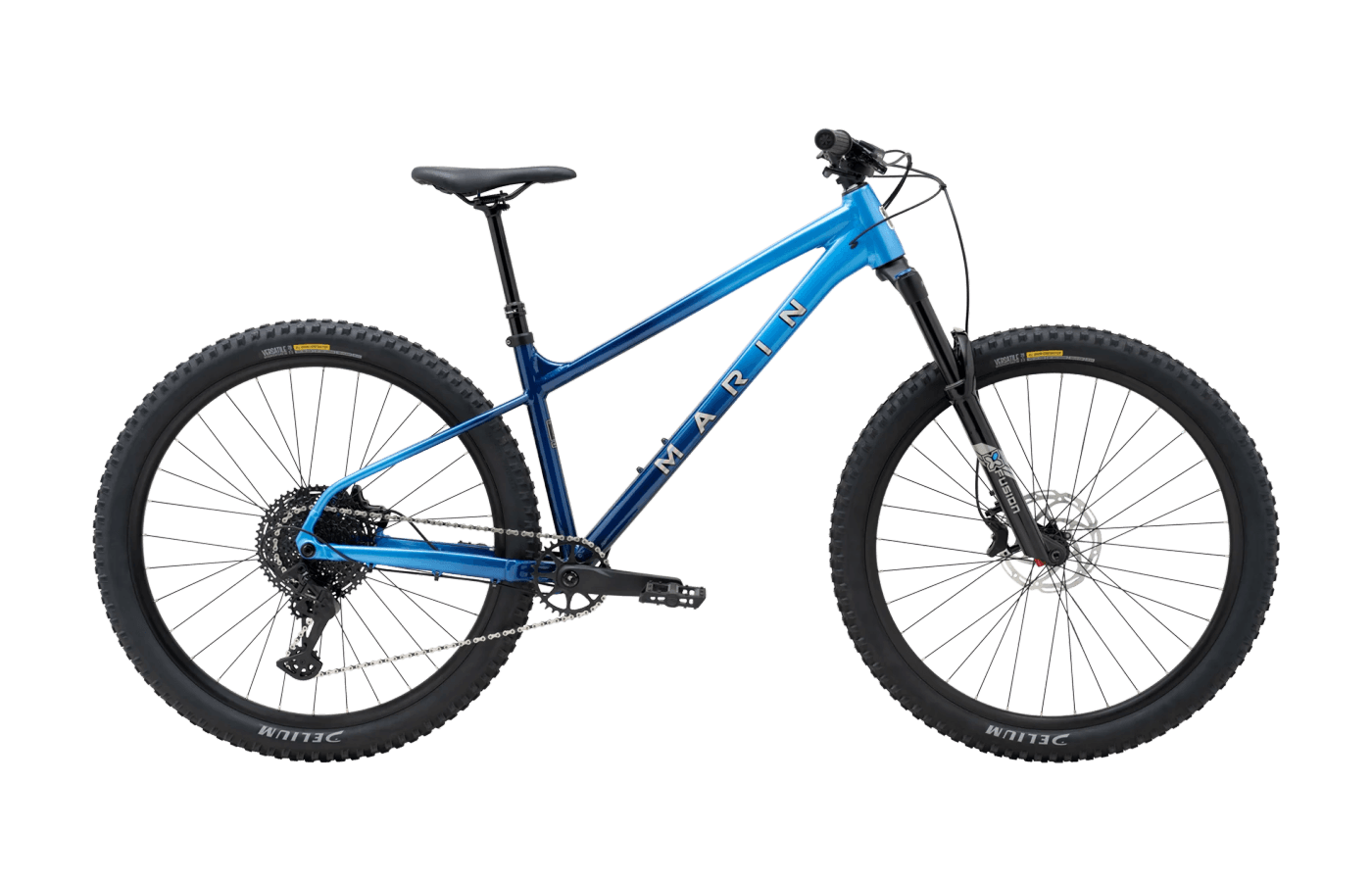
The San Quentin 3 sits at the top of the ladder, equipped with a 140mm Marzocchi Bomber Z2 air fork, a 12-speed Shimano Deore drivetrain, and four-piston Tektro brakes. It includes a TranzX dropper post with up to 170mm of travel on larger sizes. The San Quentin 2 drops to an X-Fusion 140mm air fork, an 11-speed Deore drivetrain, and two-piston Shimano brakes, while retaining the dropper post.
The budget-focused San Quentin 1 makes heavy compromises to hit its price. It steps down to a 130mm SR Suntour coil fork, a 9-speed MicroShift drivetrain with a square-taper bottom bracket, and a rigid alloy seatpost. While the frame geometry remains highly capable, the base model's components limit its out-of-the-box performance on demanding trails.
From the press.
6 reviews from the cycling press.
Reviewers consistently praise the San Quentin for balancing high-speed stability with an eager, jump-friendly character. A major point of consensus is the frame’s surprising comfort. Multiple testers noted that the aluminum chassis manages to "take the edge off" (PinkBike) square-edge hits, making it feel noticeably smoother than many competing alloy hardtails. On descents, the slack front end provides excellent control, while the short rear center keeps the bike easy to manual and hop over obstacles.
Climbing performance draws mixed reactions depending on the terrain and build. The steep seat tube creates a comfortable, upright posture for winching up steep grades, but can put excess weight on the rider's hands during flat, prolonged pedaling. Additionally, the aggressive Maxxis Assegai tires specced on higher-end models generate immense cornering grip but roll slowly, with one reviewer noting they felt like "tar on my tires" (YouTube) on flat sections and pump tracks.
Assessments of the bike's out-of-the-box performance split sharply by price point. While the top-tier models are celebrated for their reliable suspension and brakes, the entry-level build faced heavy criticism. Testers found its coil fork "clunky" (Mountain Bike Rider) and reported significant drivetrain reliability issues, suggesting the cheapest model requires immediate upgrades for serious trail use.
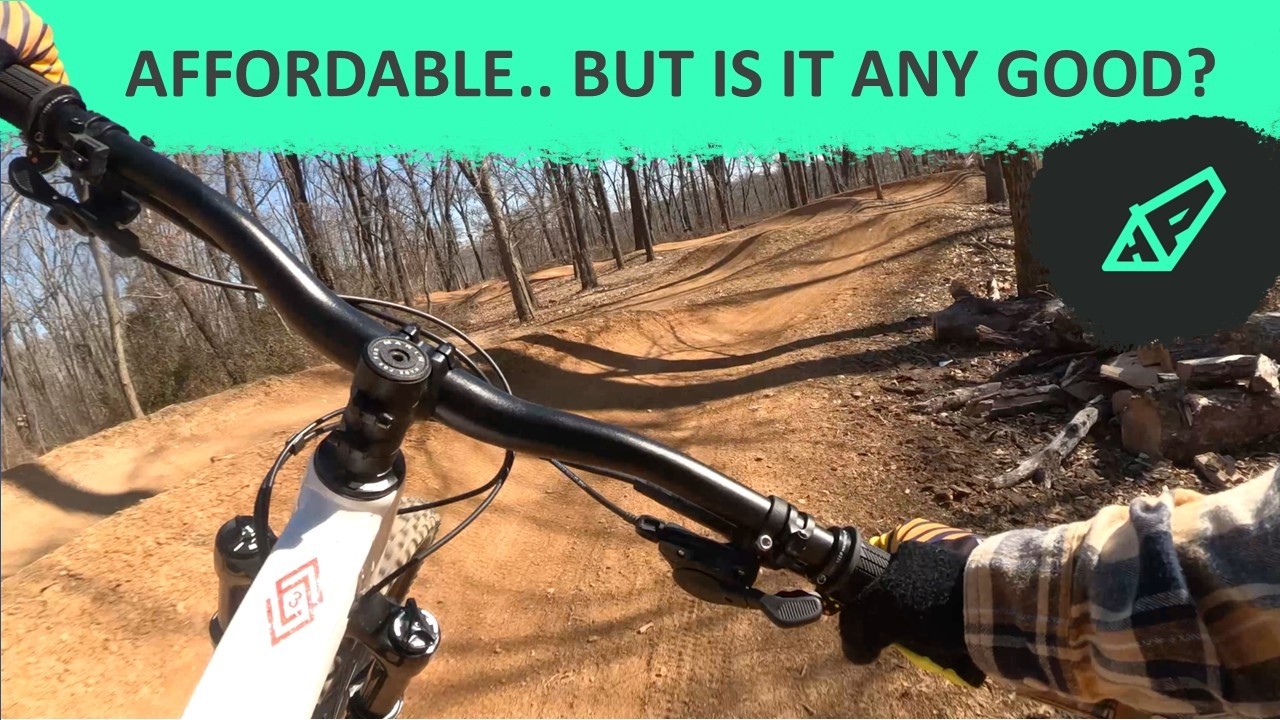
HIT OR MISS? Reviewing the Marin San Quentin 29 3 - An ...
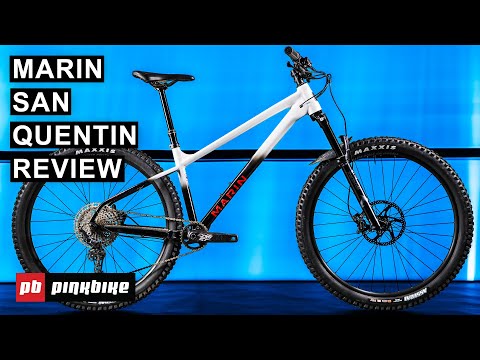
Marin San Quentin Hardtail Review: The Good Life Behind ...
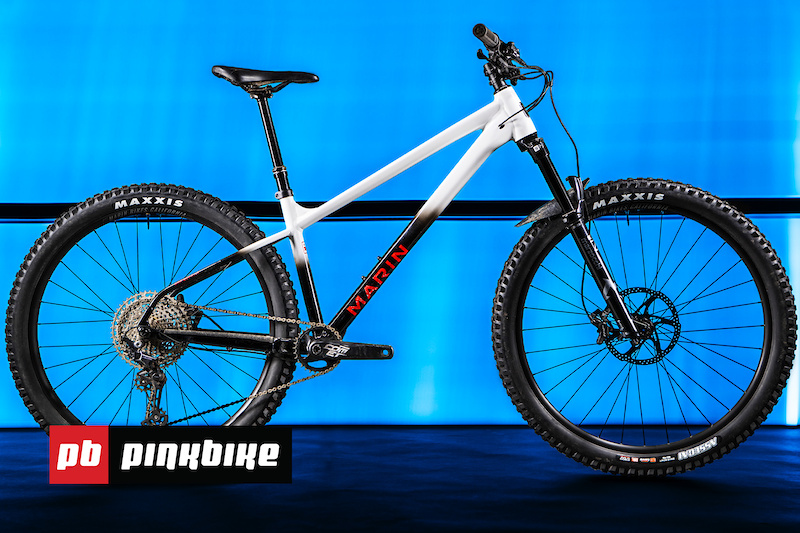
Value Field Test: Marin San Quentin 3 - The Good Life ...
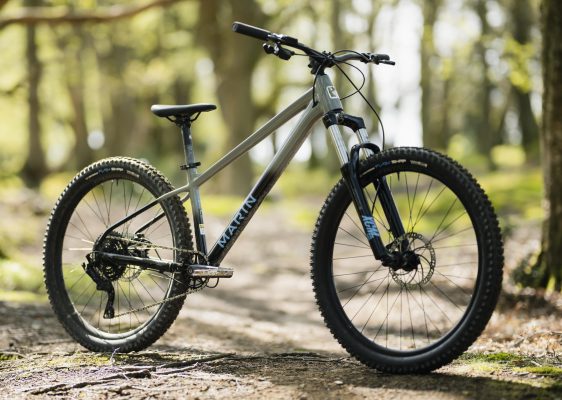
The Marin San Quentin 1 is the most progressive hardtail I've ...
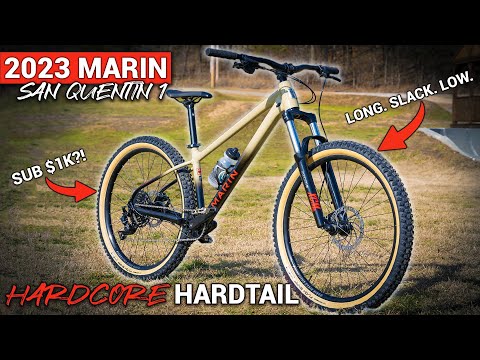
Is The 2023 Marin San Quentin 1 The Ultimate Budget Hardtail?
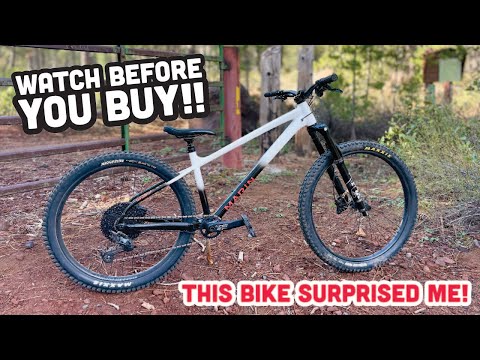
2023 Marin San Quentin 3 Long Term Review
Compared to.
Most-viewed comparisons.
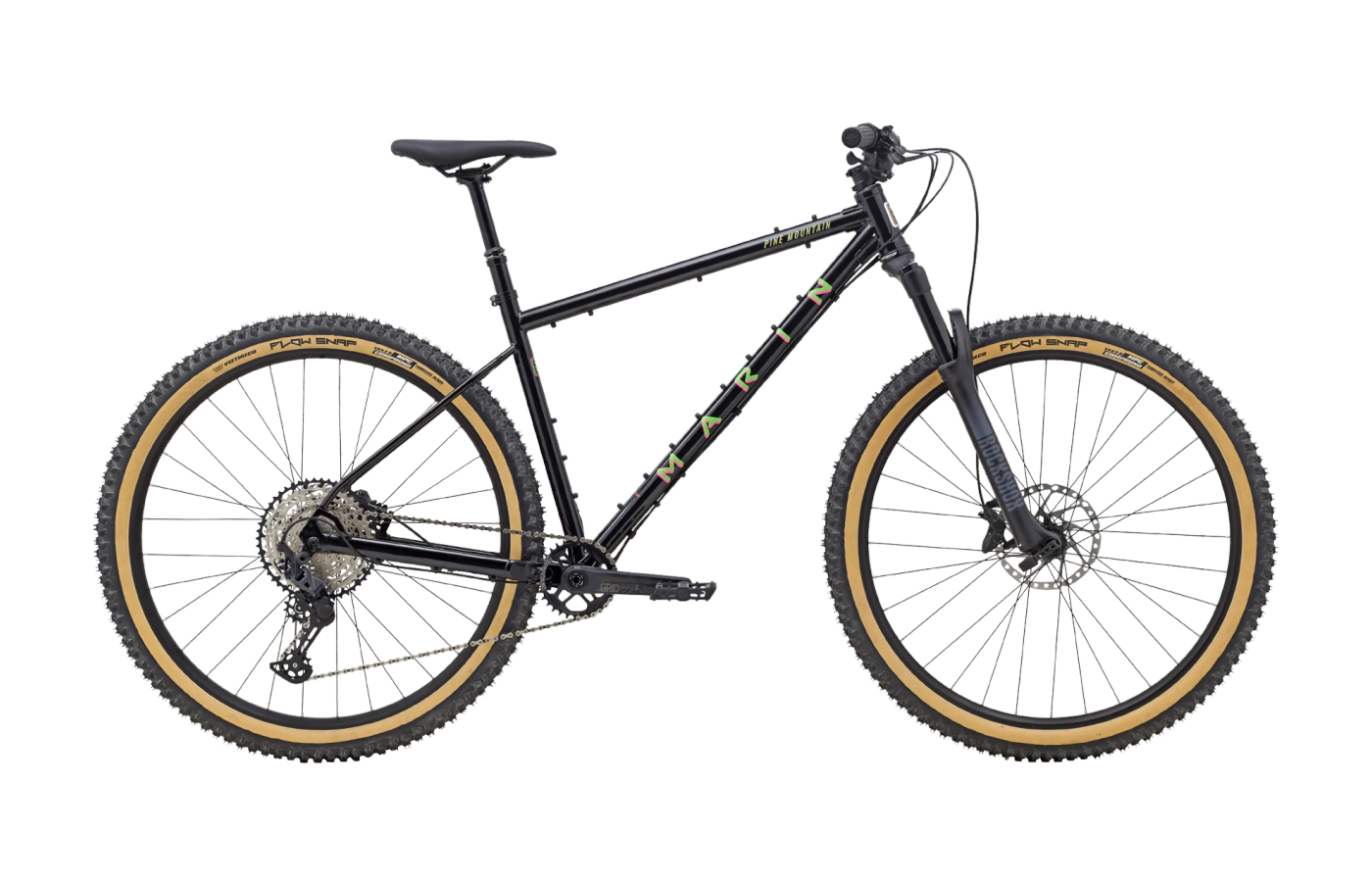
Marin Pine Mountain vs San Quentin
Read comparison→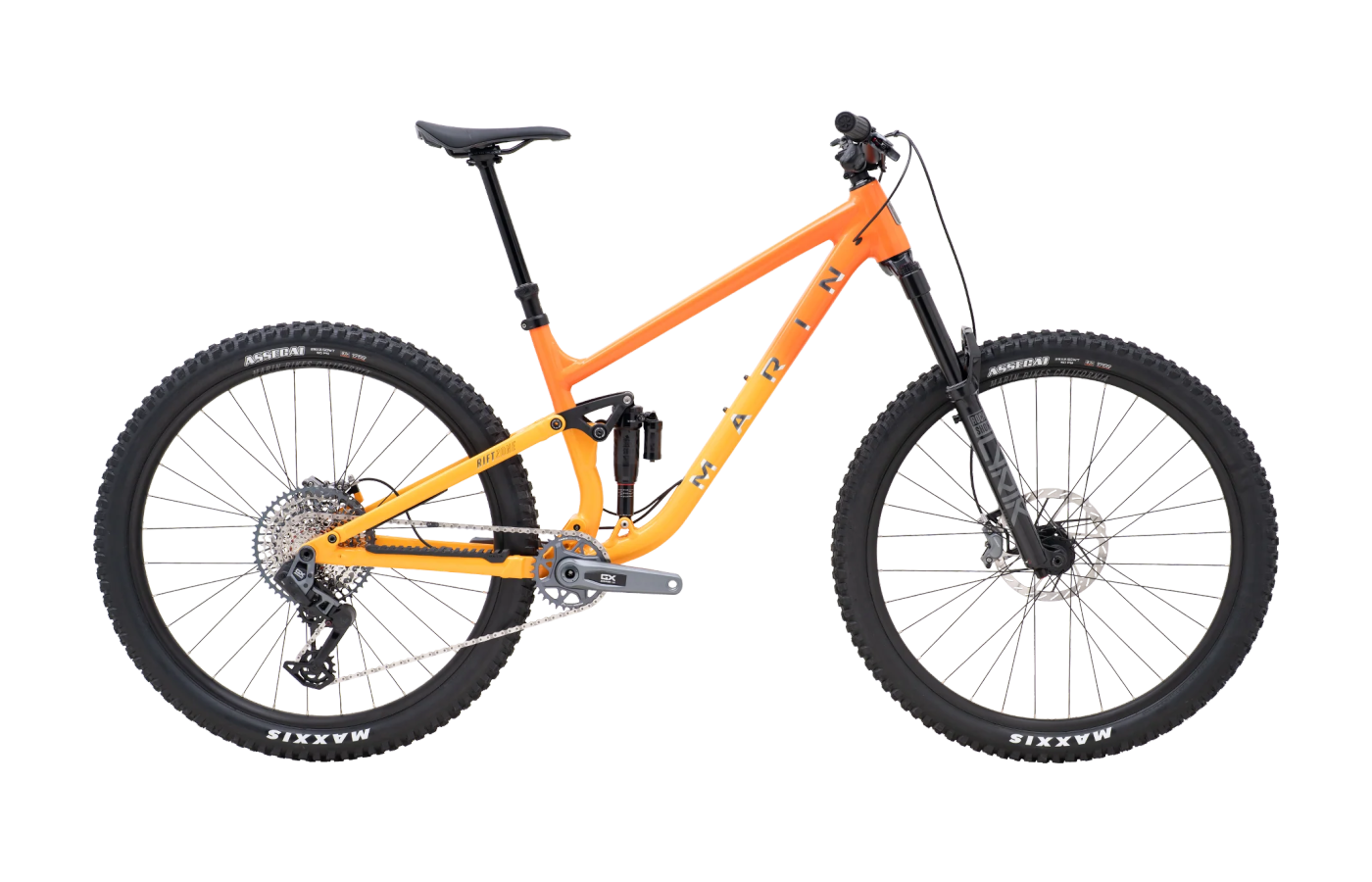
Marin Rift Zone vs San Quentin
Read comparison→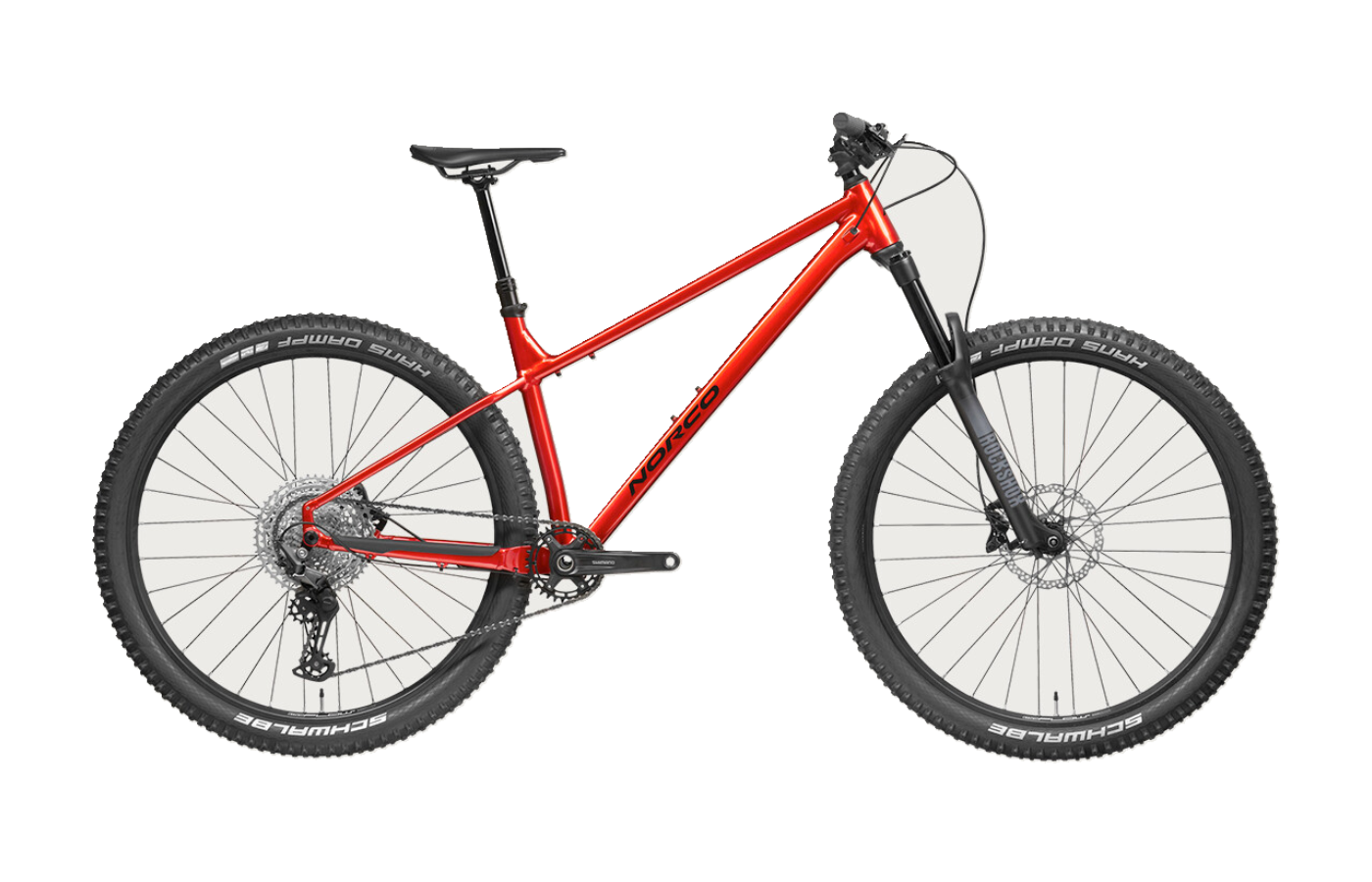
Marin San Quentin vs Norco Torrent
Read comparison→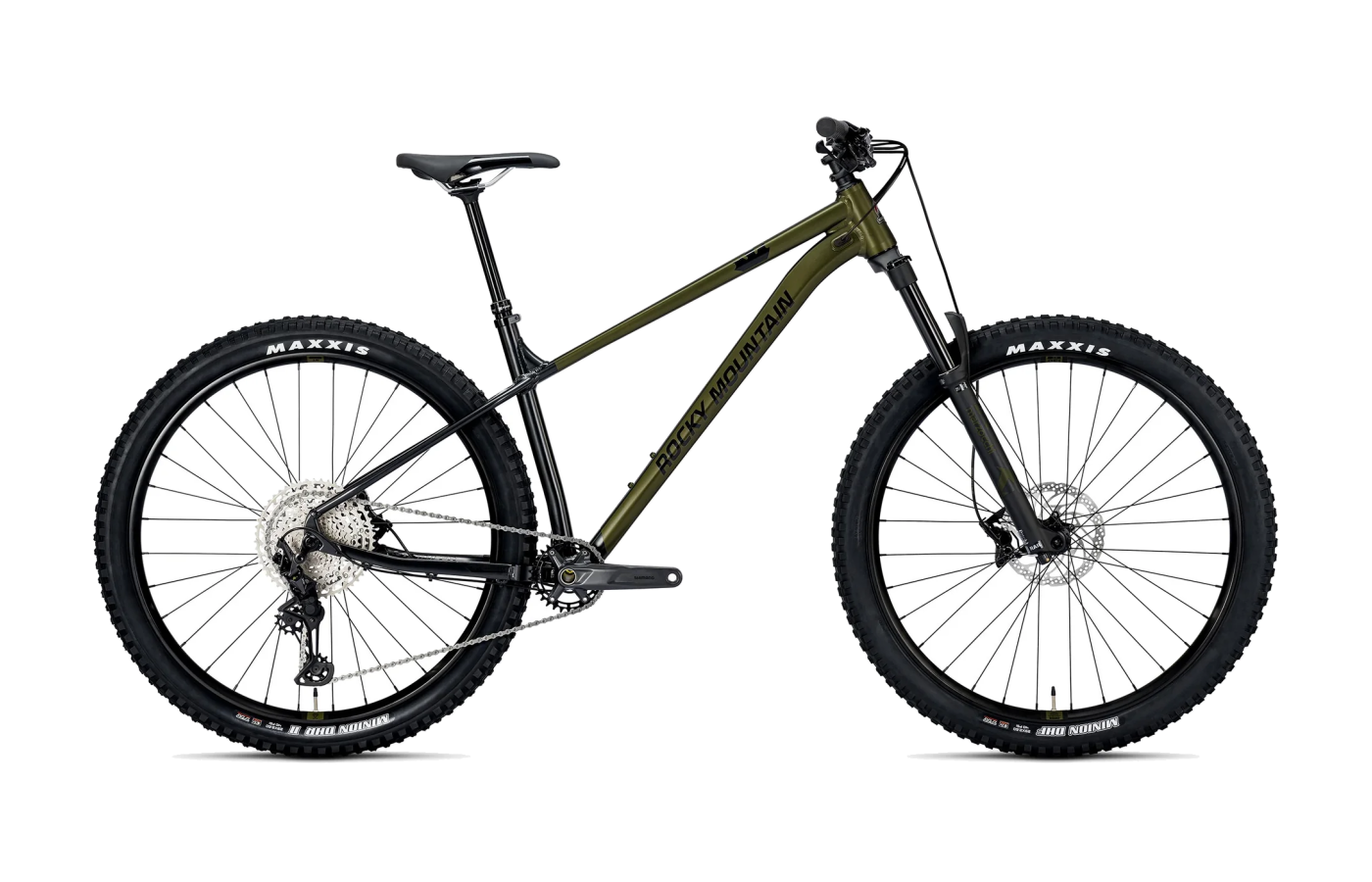
Marin San Quentin vs Rocky Mountain Growler
Read comparison→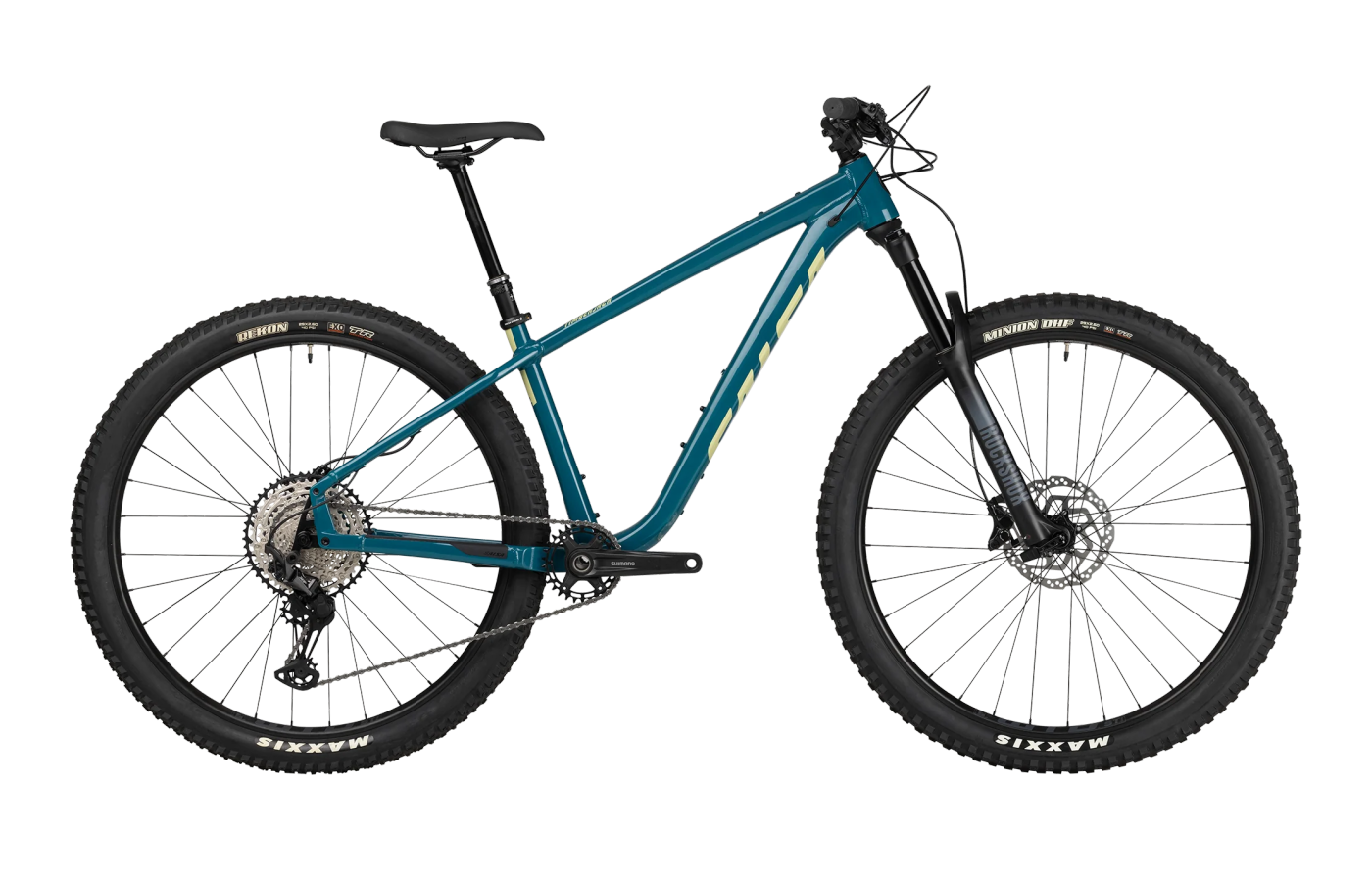
Marin San Quentin vs Salsa Timberjack
Read comparison→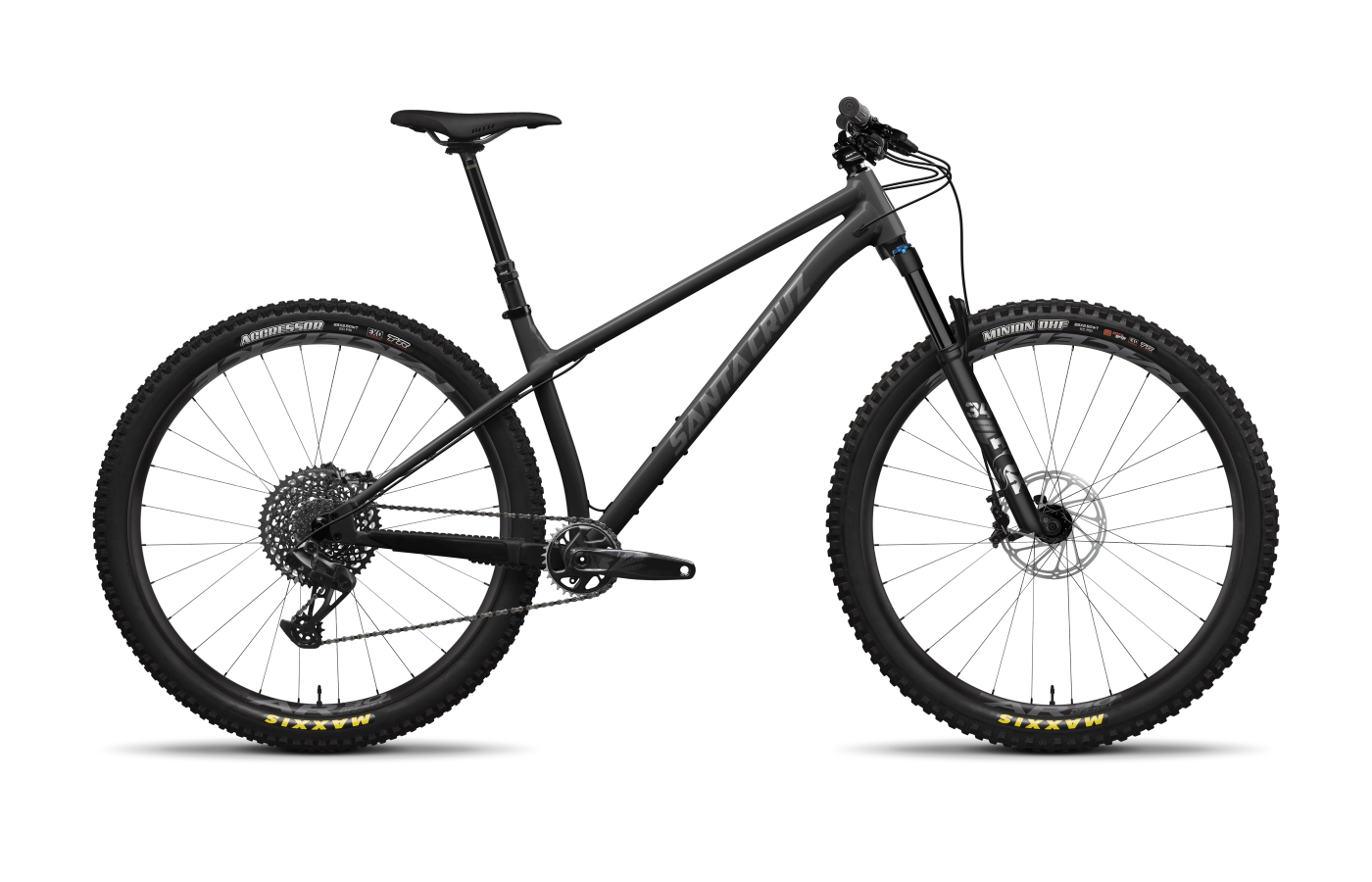
Marin San Quentin vs Santa Cruz Chameleon
Read comparison→