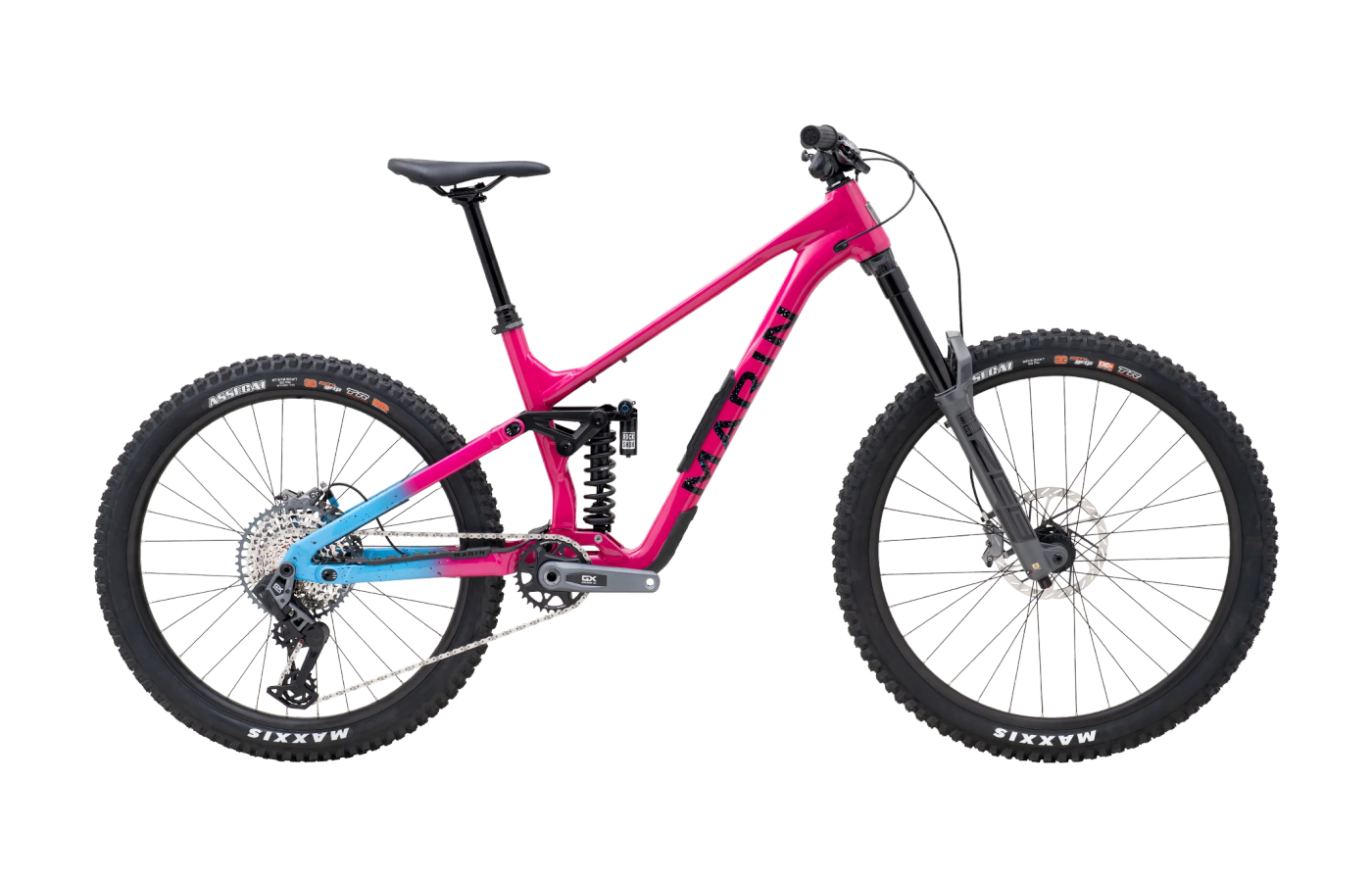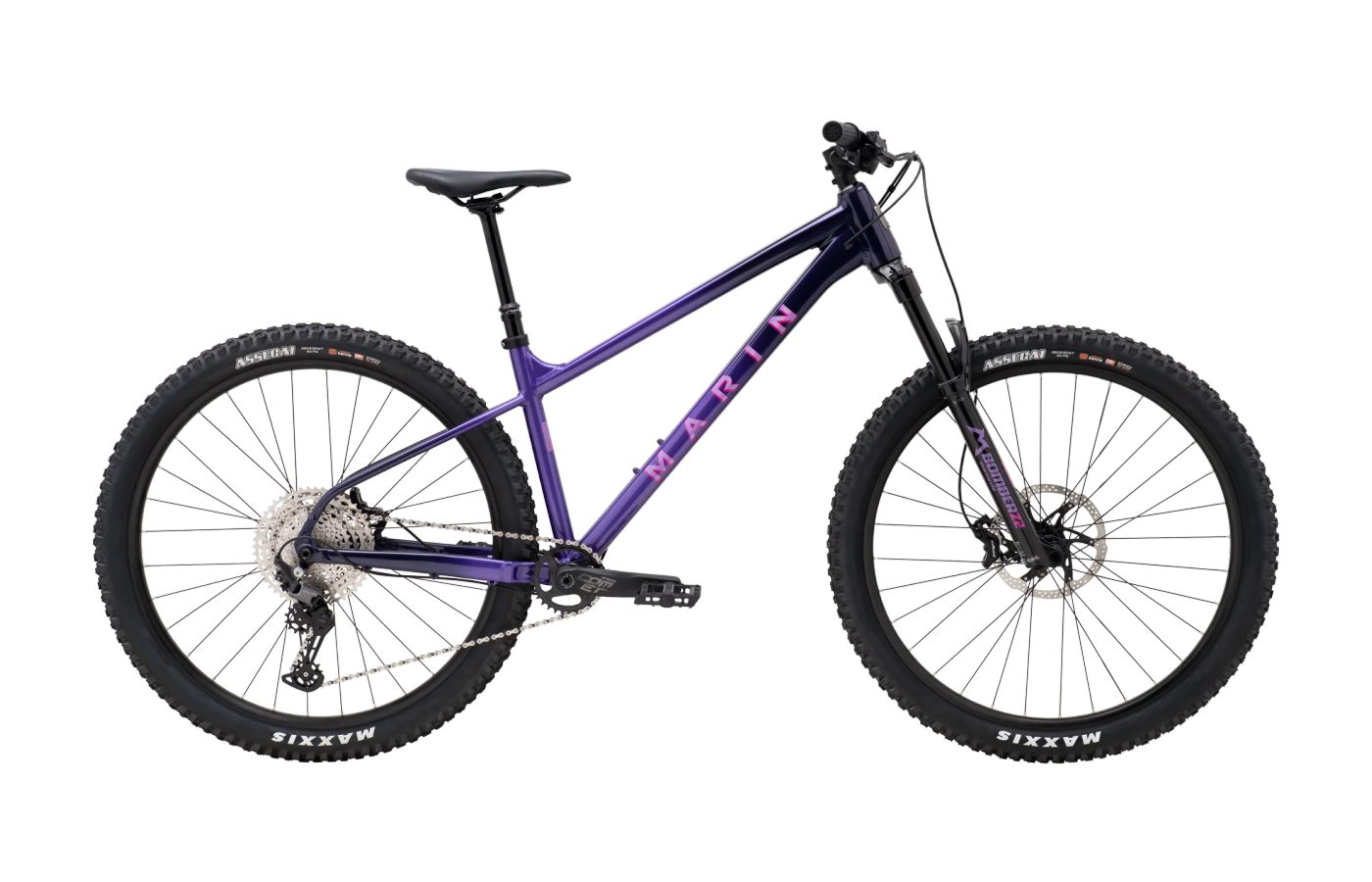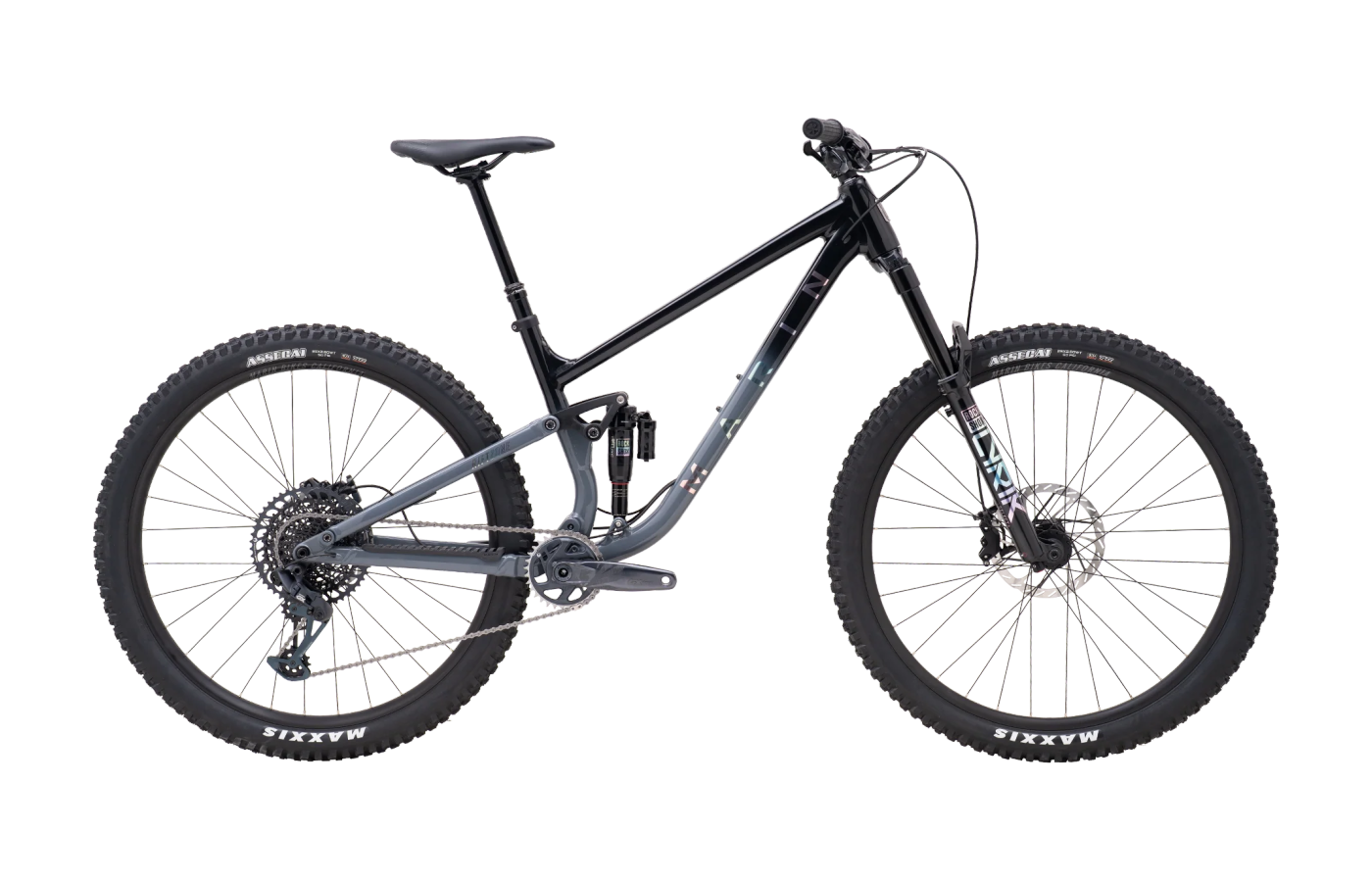
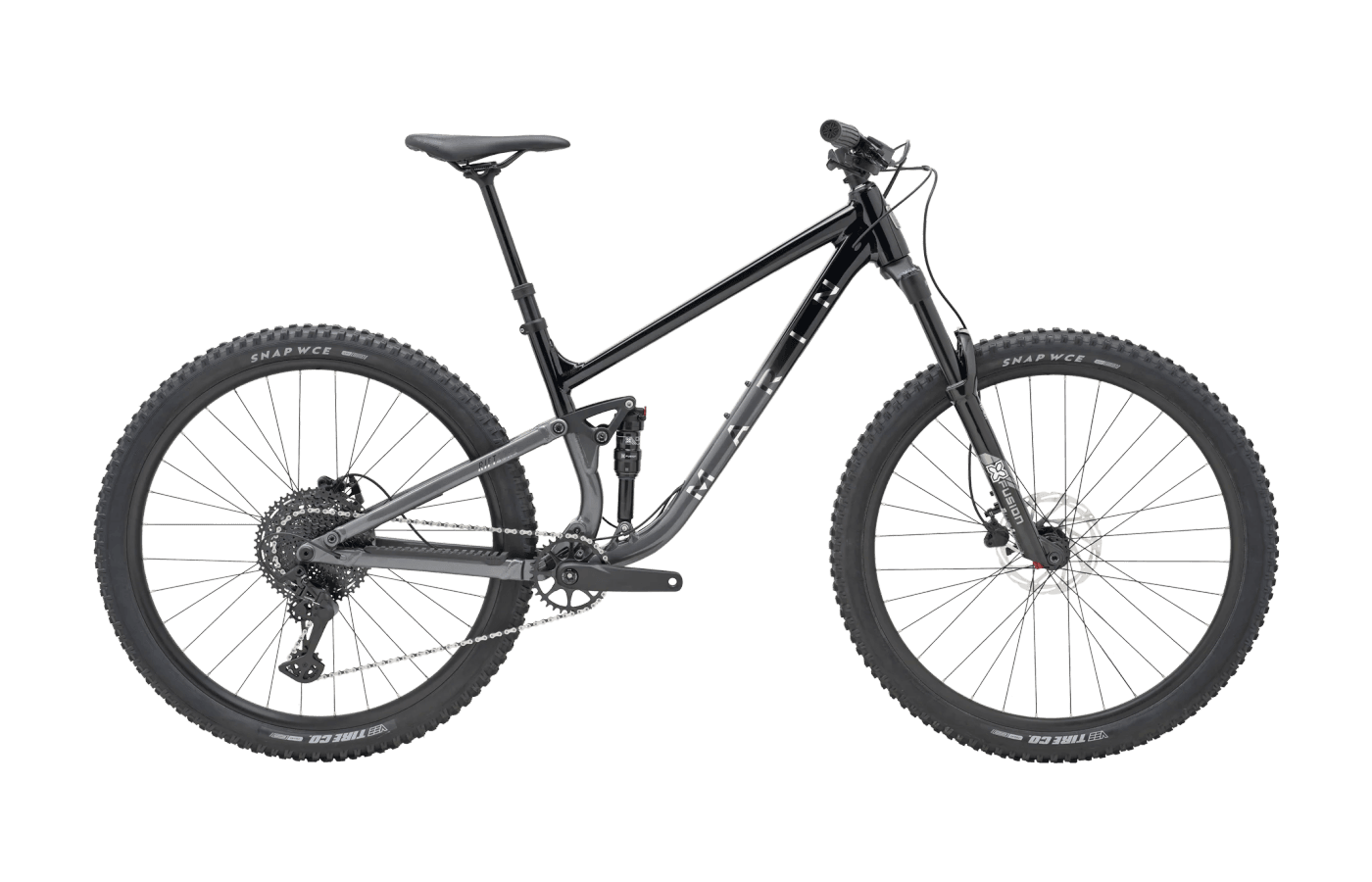
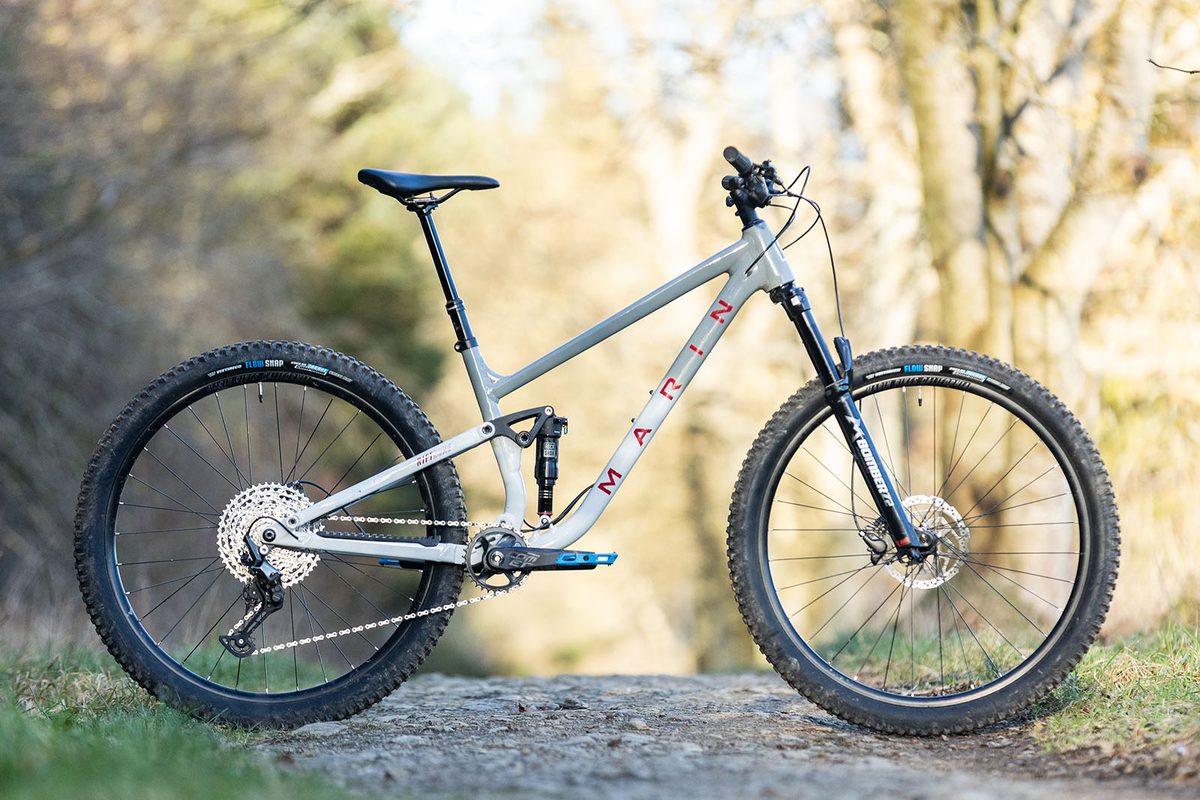
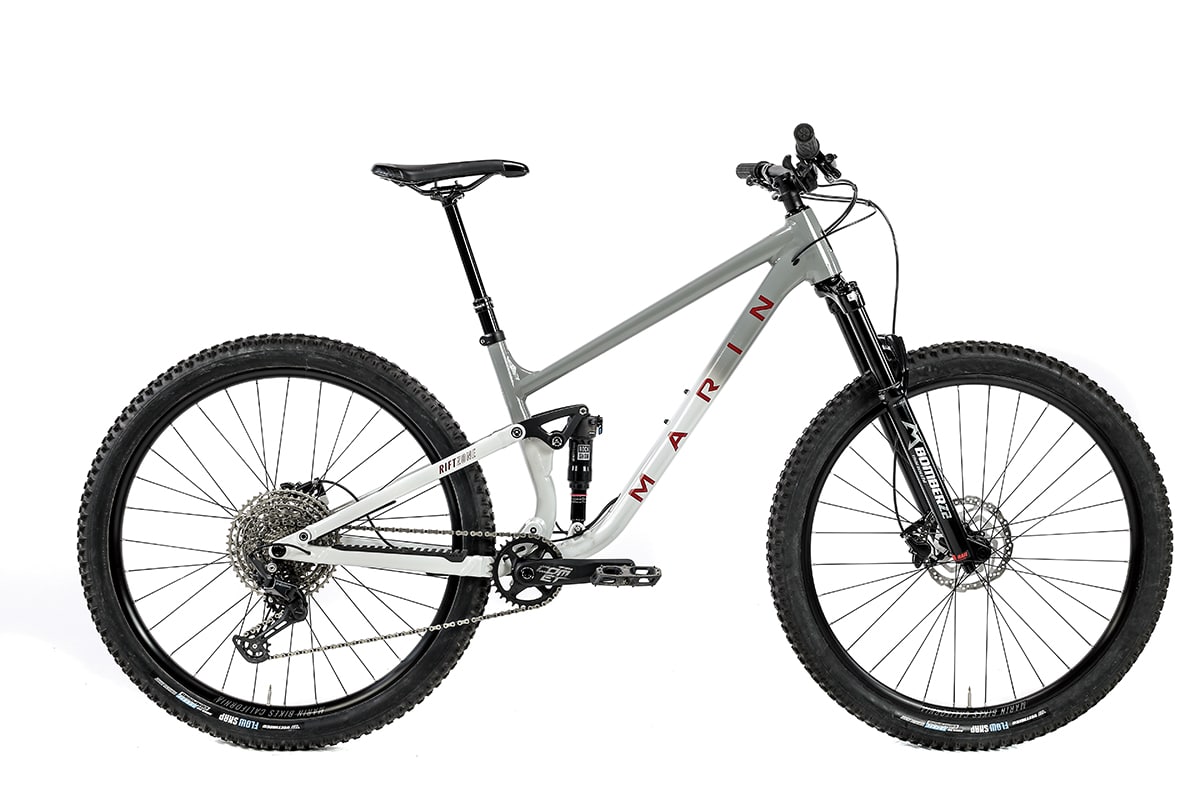
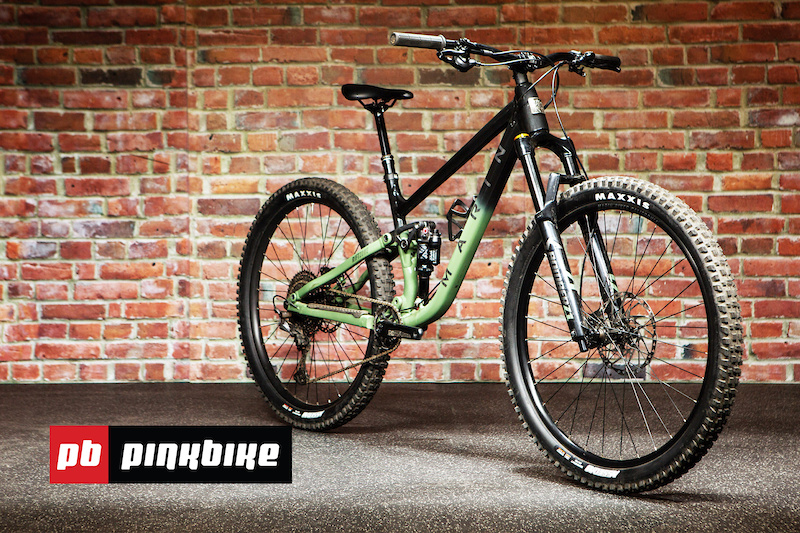
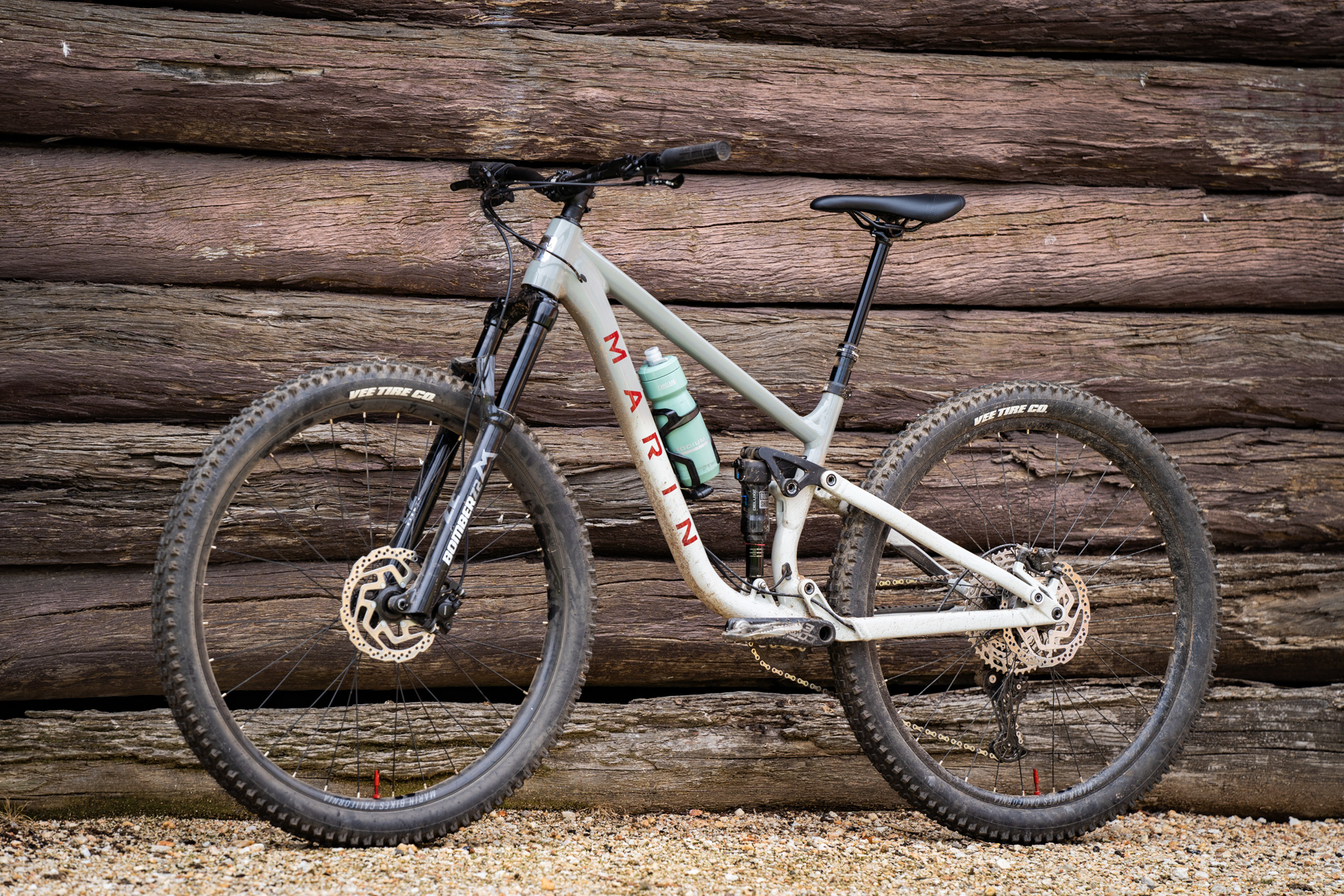
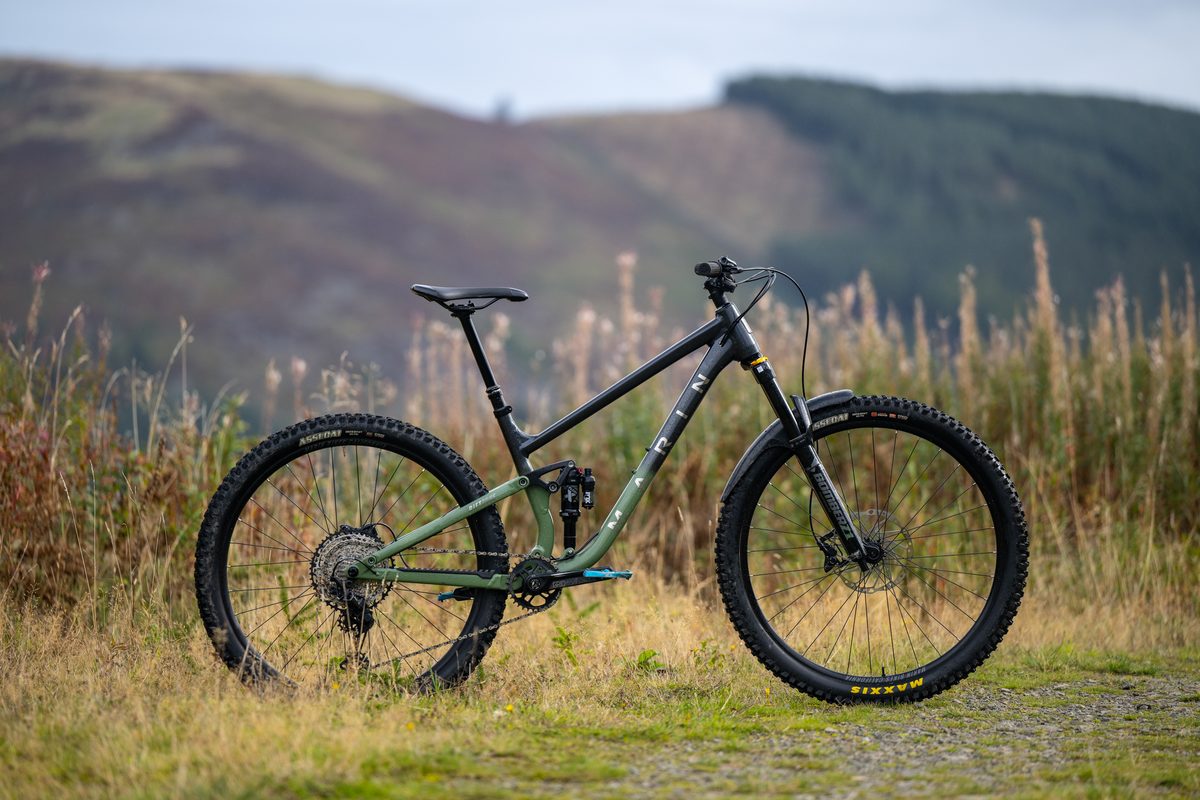
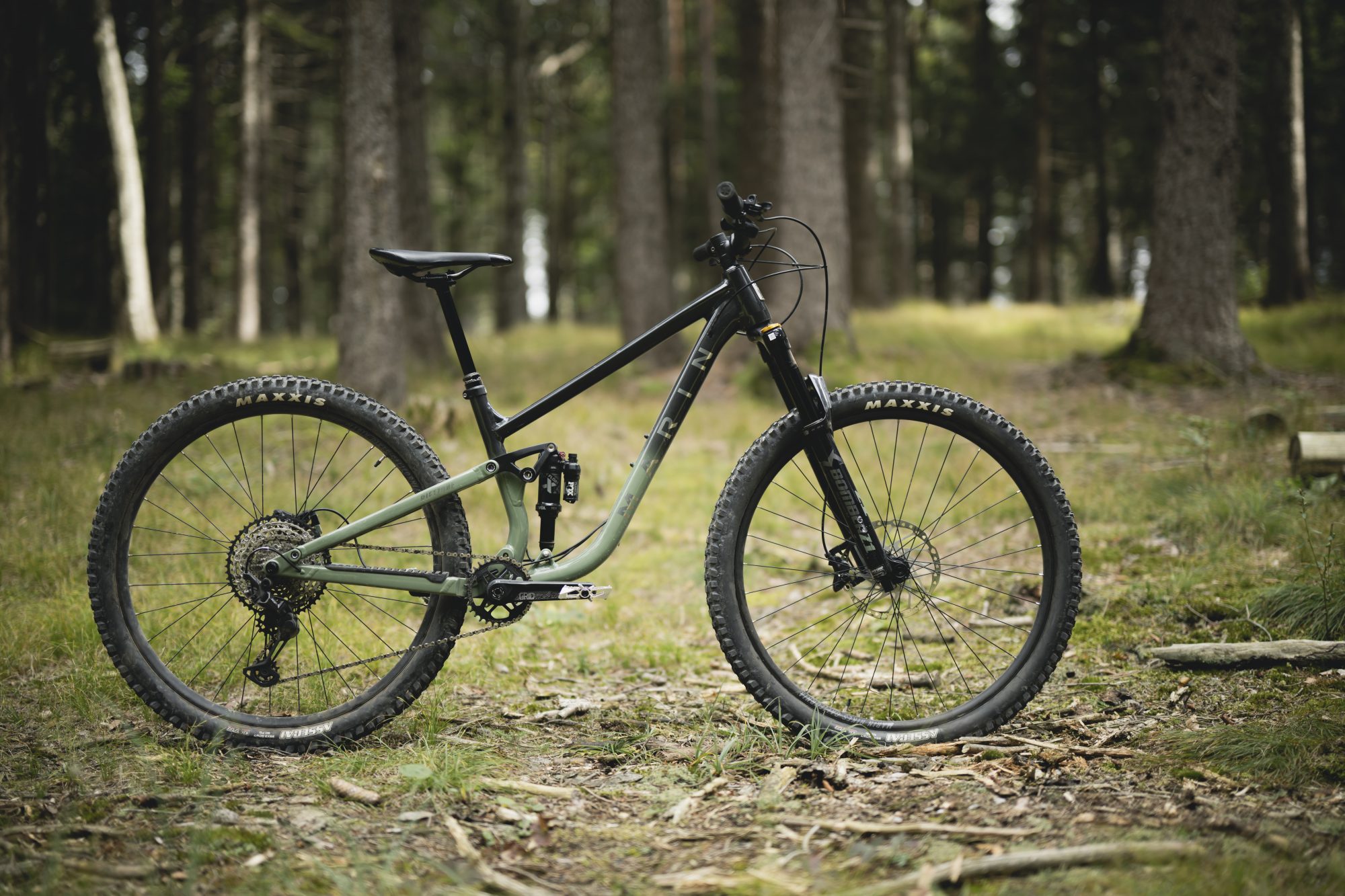
The 2023 Marin Rift Zone represents a thoughtful refinement of the brand’s aluminum trail platform, standardizing rear travel at 130mm across all adult wheel sizes. Rather than reinventing the bike's aggressive, do-it-all intent, Marin focused on modernizing the chassis. The Series 3 alloy frame now features a SRAM Universal Derailleur Hanger, improved chainstay protection, and reworked internal routing that passes cleanly through the forged main-pivot yoke to minimize cable movement.
Positioned as an accessible mid-travel option, the Rift Zone caters to riders who prioritize downhill capability and durability over cross-country efficiency. With its updated MultiTrac suspension kinematics designed to offer more progression and better support for modern air shocks, the bike is built to handle rougher terrain than its travel numbers might suggest. It serves as a robust foundation for aggressive trail riding, appealing to budget-conscious buyers who want a dependable frame that can grow with their skills.
Where to get it.
4 retailers · size M.
Spec sheet.
Every component shipped with this build.
Geometry & fit.
4 sizes published.
The Rift Zone’s geometry heavily influences its aggressive trail character, blending a slack front end with a compact rear. A 65.5-degree head tube angle and a generous reach push the front wheel far forward, creating a stable platform for steep descents. To balance this, Marin utilizes short 430mm chainstays across all frame sizes. This tight rear center makes the bike eager to change direction and easy to manual, though it requires the rider to maintain an active, forward-biased posture to keep the front tire gripping in flat or sweeping corners.
For climbing, the steep 77-degree seat tube angle places the rider in an upright, centered position over the bottom bracket. This forward seating arrangement helps maintain power transfer and keeps the front wheel planted on most ascents, though the high stack and short chainstays can still lead to some front-end wander on the steepest pitches. A low bottom bracket further integrates the rider into the bike, contributing to a secure, centered feel when navigating technical terrain.
Where the handlebar sits relative to the bottom bracket — the single most important fit pair.
01Fit geometry6 values
02Component geometry4 values
03Handling geometry7 values
Which size should I buy?
Slide your height to see the recommended size. GearWise's fit algorithm works from the published stack, reach, and ETT — the brand's own recommendation may differ.
→Calculated from GearWise's own stack / reach / ETT algorithm — the brand's size chart may recommend a different size, and a proper bike fit beats any calculator.
The lineup.
4 builds, ranging $1,899 – $4,699.
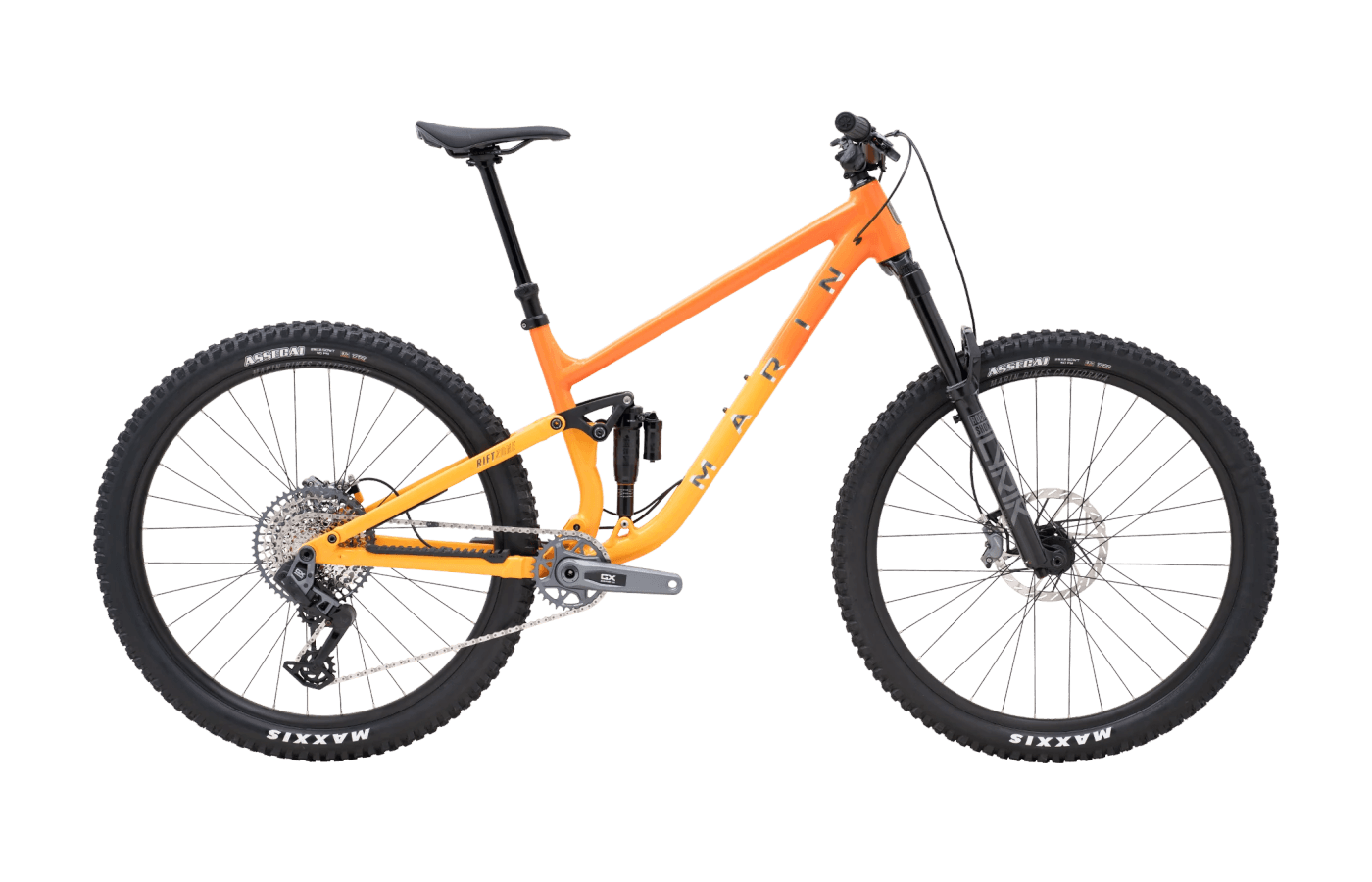
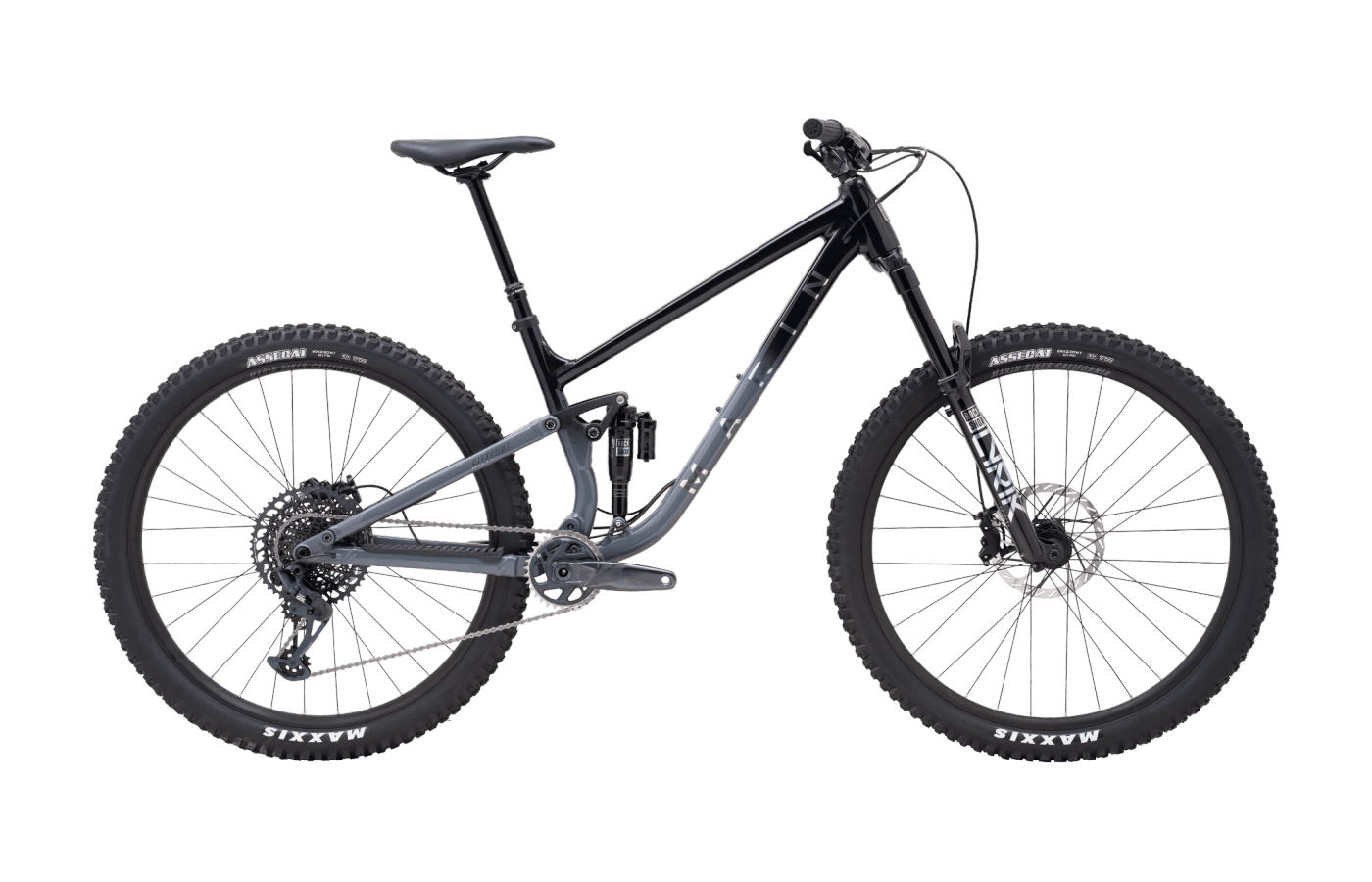
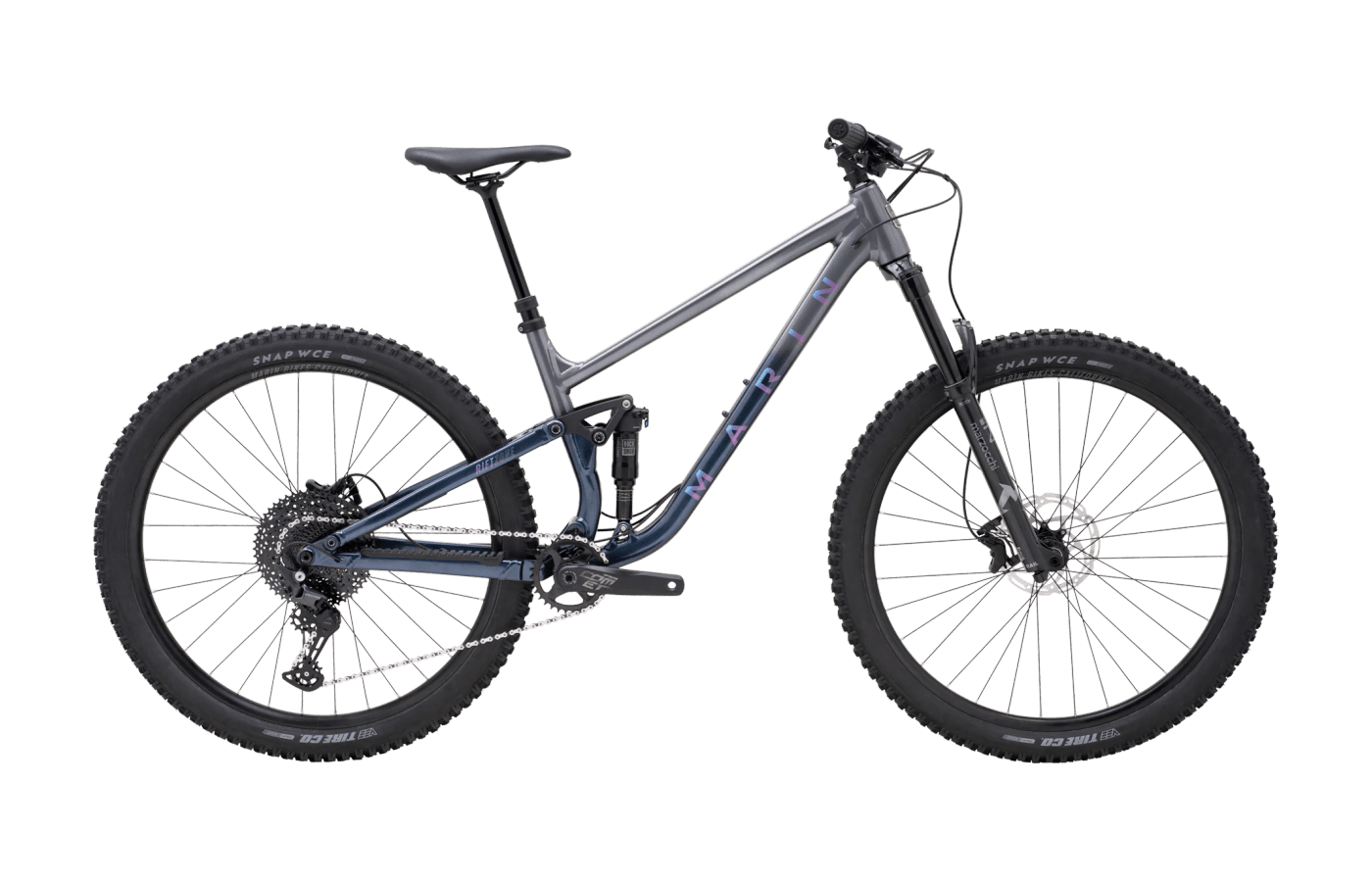
The Rift Zone lineup spans four aluminum builds, ranging from the entry-level 1 to the premium XR AXS. The lower-tier 1 and 2 models offer an accessible entry point but come with notable component compromises. Reviewers frequently criticized the Shimano MT200 two-piston brakes found on the Rift Zone 2 as underpowered for the bike's capabilities, and the stock Vee tires were often cited for their heavy drag and unpredictable wet grip.
Stepping up to the XR and XR AXS builds materially changes the bike's performance ceiling. These models upgrade to longer 150mm forks—such as the Marzocchi Bomber Z1 or RockShox Lyrik Select+—and feature piggyback rear shocks that better handle sustained, rough descents. The XR builds also introduce four-piston brakes, which testers found essential for managing the bike's downhill speed.
Across all price points, the Series 3 frame remains identical, making the lower-tier models viable platforms for gradual upgrades. While the base builds require some immediate component swaps to maximize the frame's capabilities, the XR models are widely regarded as offering a complete, trail-ready package with reliable drivetrains and robust suspension.
From the press.
13 reviews from the cycling press.
Reviewers consistently characterize the Rift Zone as a highly capable descender that requires some extra effort on the climbs. The updated MultiTrac suspension earns praise for its progressive nature, providing excellent small-bump sensitivity while ramping up to handle larger impacts. This supportive kinematic leads many testers to note that the bike feels like a "mini-enduro rig" (Flow Mountain Bike) when pointed downhill.
However, that aggressive attitude comes with a noticeable penalty in rolling speed. Across the build range, the bike's overall weight and sticky stock tires make it sluggish on flat terrain and ascents. Testers frequently pointed out that the aggressive rubber puts a "serious dent into rolling speed" (Flow Mountain Bike), with several recommending a faster-rolling rear tire as an immediate upgrade for longer rides.
While the suspension tracks well through rough sections, a few reviewers observed that the rear end stiffens slightly under heavy braking, causing the rear wheel to skip over braking bumps. Despite this, the overall descending composure remains a highlight. The bike's handling is generally praised, though the short rear center means that on fast, flat turns, riders must "actively weight the front wheel to prevent washing out" (Theloamwolf). Ultimately, the consensus points to a fun, durable trail bike that trades some uphill efficiency for downhill stability.
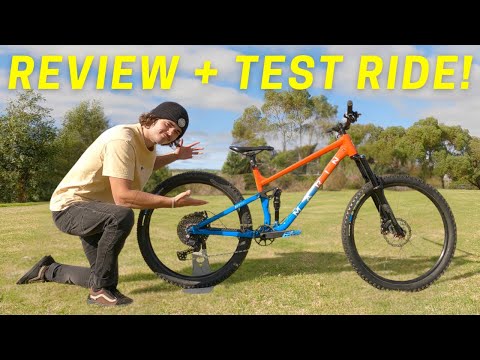
2023 Marin Rift Zone 1 Review and Test Ride! The Best ...
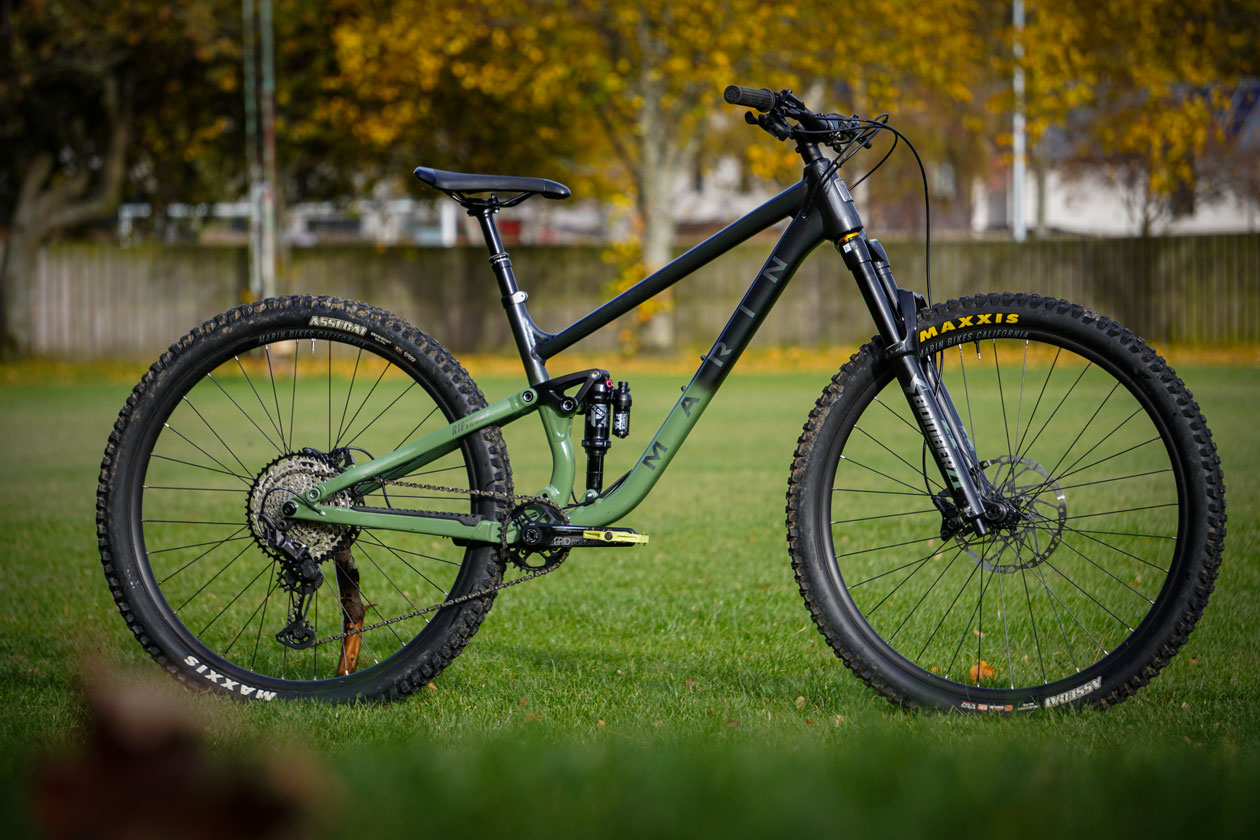
Reviewed: The New Marin Rift Zone Alloy | Made For Fun

Marin Rift Zone 29 XR review | Trail Bike of the Year ...
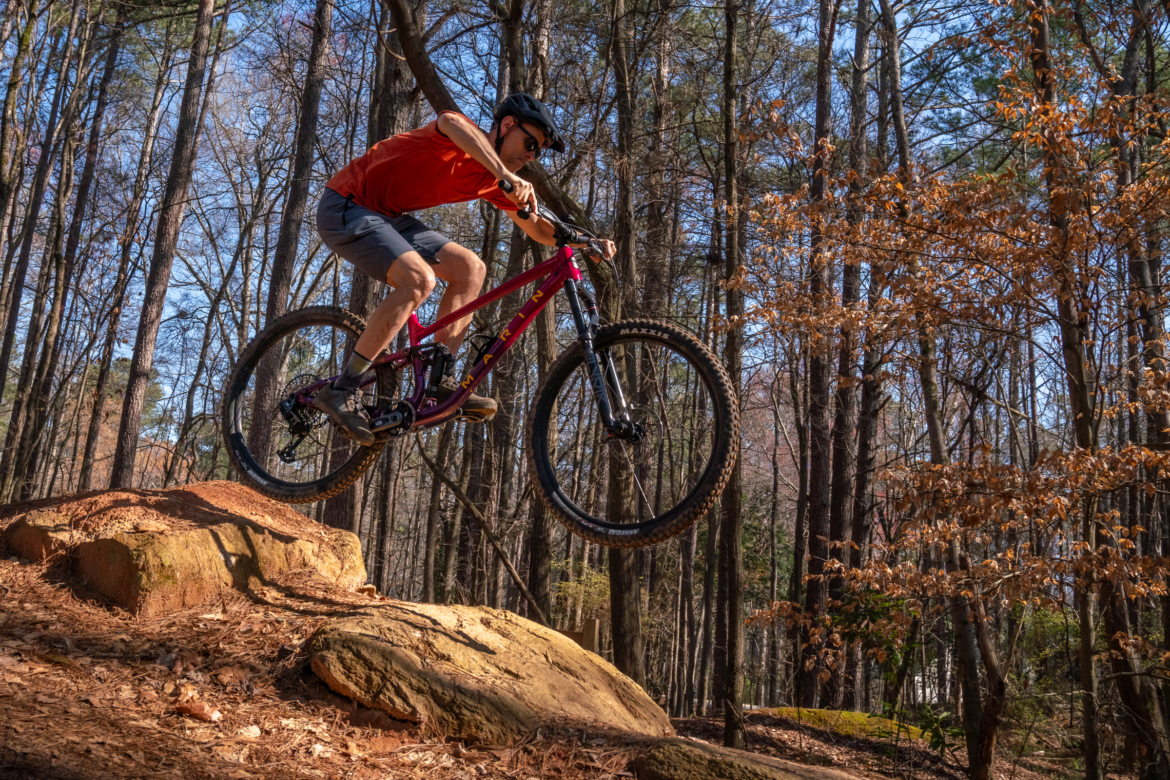
Marin Rift Zone XR Review - Mountain bikes
Marin Rift Zone 29 2 review

2023 Marin Rift Zone Review | A Heavy-Duty Trail Bike For ...
MARIN RIFT ZONE 29" 2 REVIEW - AN EARTH SHAKING ...
Value Field Test: Marin Rift Zone

Review: Marin Rift Zone 2
2023 Marin Rift Zone Review | A burly trail shredder on a ...

2023 Marin Rift Zone Review | Made for Fun...Successfully ...
Tested : Pete's 2023 Marin Rift Zone 29 XR Review.
Compared to.
Most-viewed comparisons.