Devinci
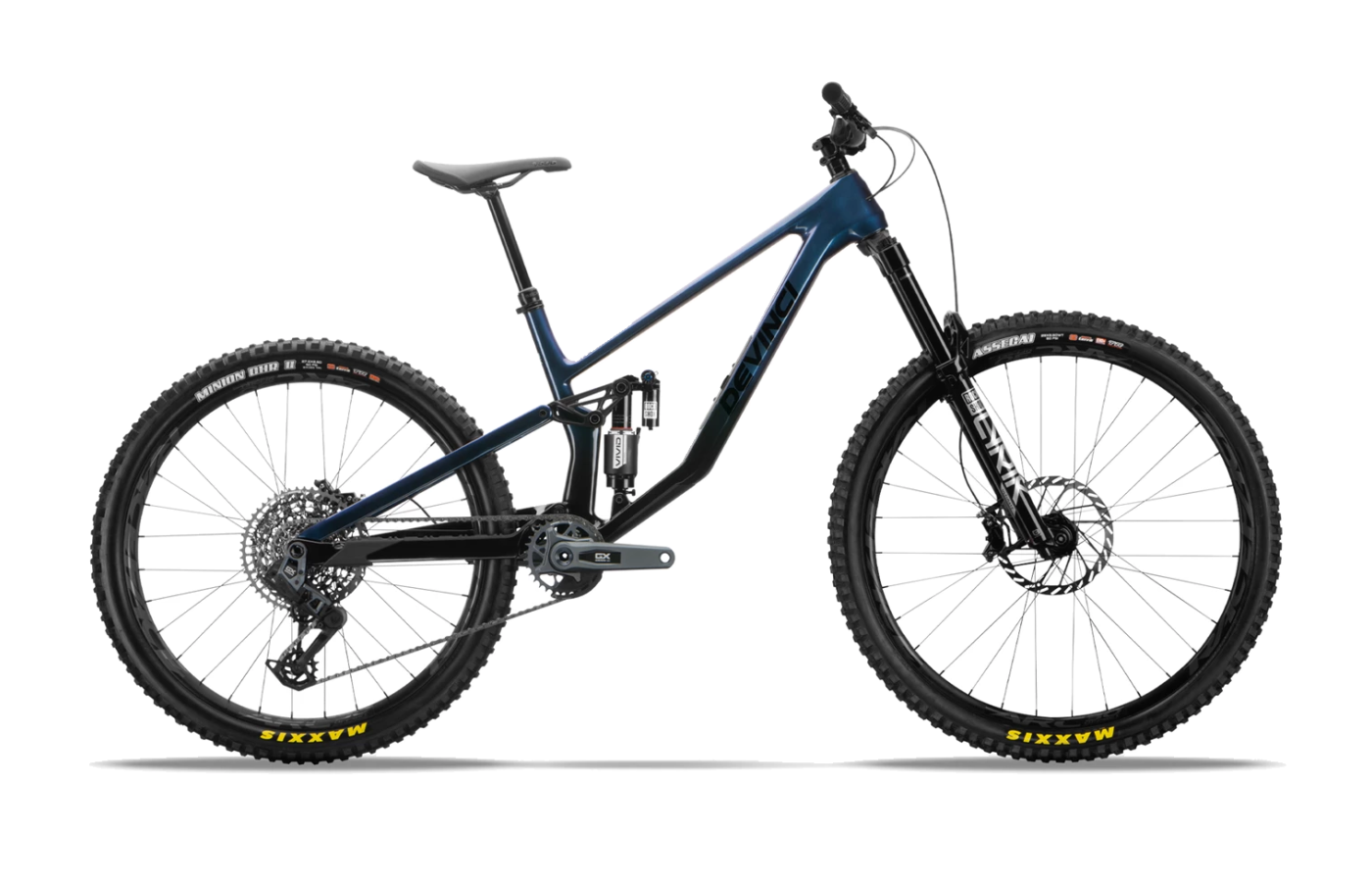
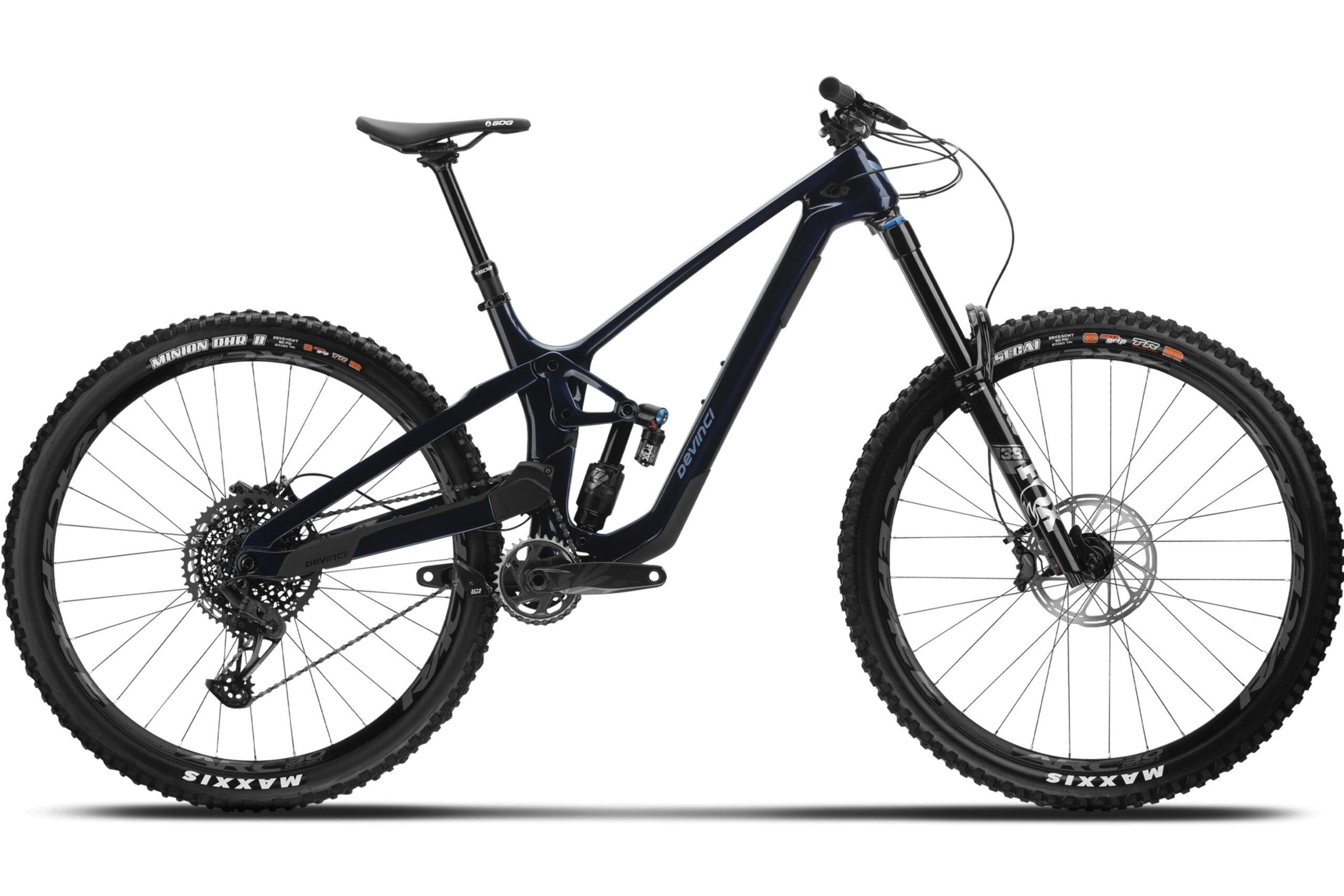
SpartanCarbon XT 12sp LTD
The Spartan HP is the current Devinci Spartan platform, introduced for 2022 as a substantial rethink of the brand’s enduro bike around a high-pivot Split Pivot suspension layout. Its defining features are the elevated main pivot, an idler pulley, and a rearward axle path intended to improve momentum and composure through square-edge impacts and sustained rough terrain, while preserving one of Split Pivot’s traditional strengths: active suspension behavior under braking. Devinci paired that suspension concept with 160mm of rear travel, a metric 205x65 trunnion shock, 29-inch wheels only, and a carbon-only chassis, making it a focused modern enduro race bike rather than a do-everything trail bike.
What distinguishes this generation is how deliberately it has been packaged around gravity use without ignoring practical ownership details. The frame is built around Super Boost 157 spacing, aggressive 29er tire clearance, bottle accommodation, and geometry adjustment via a Hi/Lo setting. Devinci also uses size-adjusted chainstay lengths to keep weight distribution more consistent across the size range, an especially relevant choice on a high-pivot bike where the rear center grows under compression. In the market, the Spartan HP sits firmly in the camp of aggressive enduro and bike-park machines: a bike aimed at riders who prioritize stability, traction, and speed in rough terrain over low weight, snappy acceleration, or all-day trail-bike versatility.
Spec sheet.
Every component shipped with this build.
Geometry & fit.
4 sizes published.
The Spartan HP’s geometry is modern but not extreme on paper, and its numbers suggest a bike designed to balance high-speed stability with more maneuverability than many high-pivot enduro bikes. In size L, the reach is 485mm, stack is 639mm, head angle is 64.5 degrees, chainstay length is 430mm, and wheelbase is 1261mm. That same pattern scales sensibly through the range, with 425mm stays on S and M, 430mm on L, and 435mm on XL. The size-specific rear center is an important detail here because a high-pivot layout naturally adds rear-center growth as the suspension compresses; starting with relatively moderate static chainstay lengths helps keep the bike from feeling excessively long or cumbersome at slower speeds.
On trail, those figures point to a stable but not excessively lazy ride. The 64.5-degree head angle is slack enough for steep descending, while the long front center and roomy reach support an aggressive standing position. At the same time, the chainstays are short by enduro-bike standards, which helps explain why several reviewers found the bike easier to place and corner than expected. Seat tube angles range from 77.1 degrees on S to 76 degrees on XL, which are respectable nominal figures, but multiple reviewers noted that the effective seated position can feel slacker in practice, especially on steep climbs. In fit terms, the bike favors descending posture and centered control at speed more than an especially forward, efficient climbing position.
Where the handlebar sits relative to the bottom bracket — the single most important fit pair.
01Fit geometry6 values
03Handling geometry5 values
Which size should I buy?
Slide your height to see the recommended size. GearWise's fit algorithm works from the published stack, reach, and ETT — the brand's own recommendation may differ.
→Calculated from GearWise's own stack / reach / ETT algorithm — the brand's size chart may recommend a different size, and a proper bike fit beats any calculator.
The lineup.
3 builds, ranging $6,199 – $8,399.
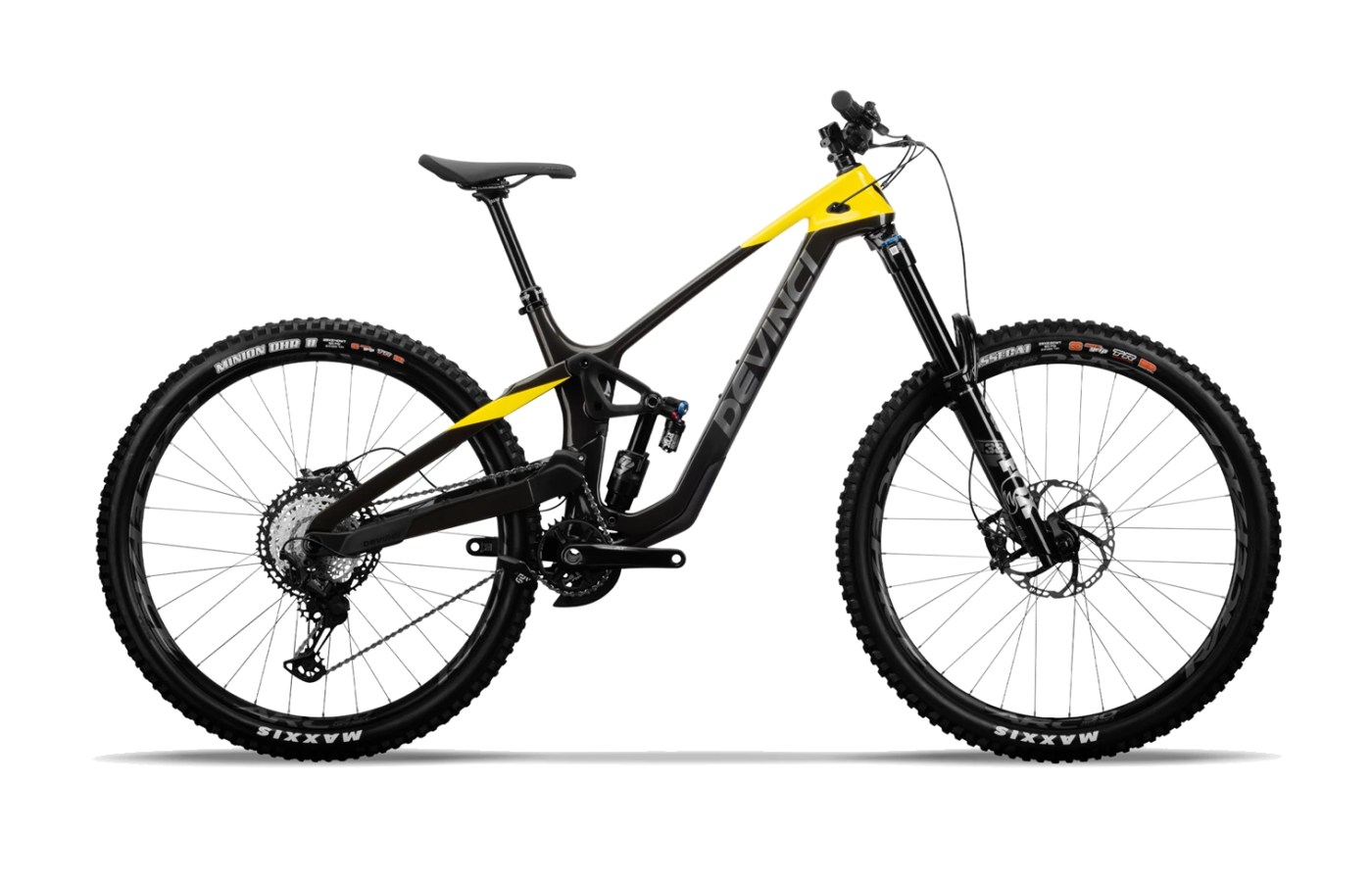
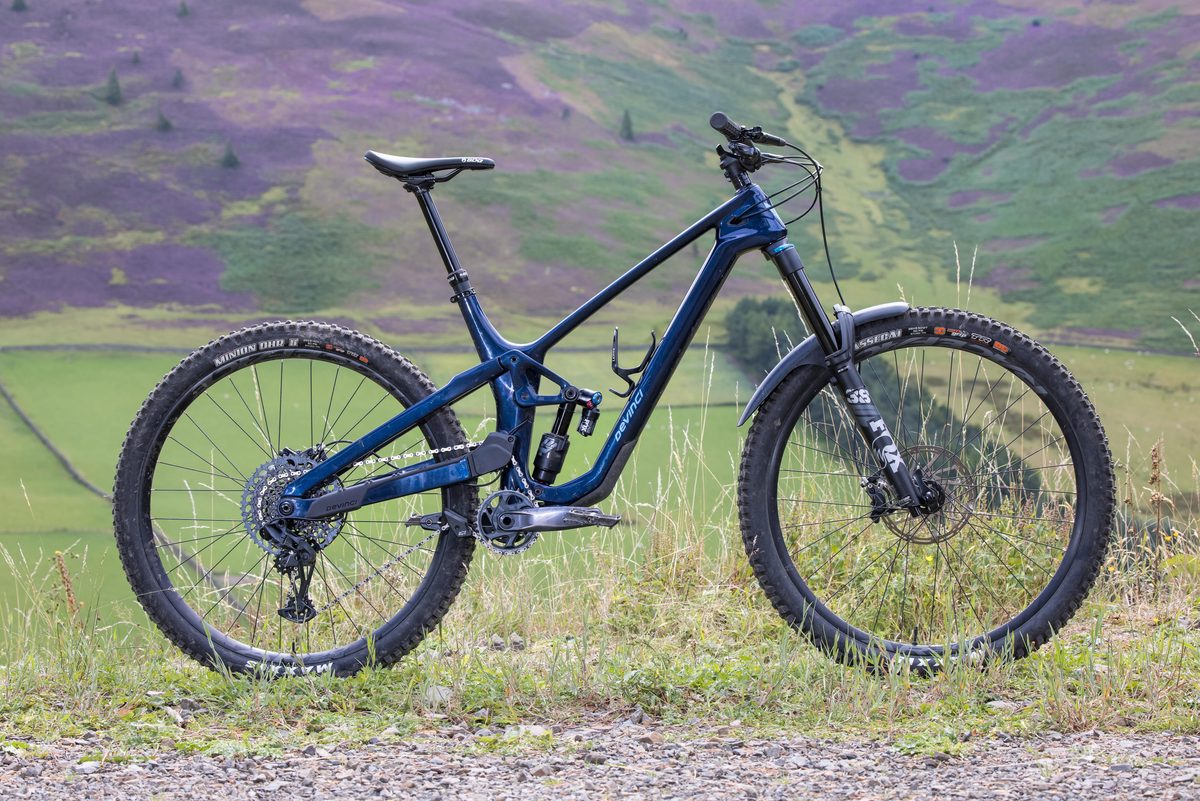
Available builds listed for this generation include the Carbon GX 12sp / GX12S and the Carbon XT 12sp LTD. Review coverage focuses primarily on the Carbon GX model, priced at $6,149 USD or €6,249, which places it in the competitive middle of the carbon enduro market rather than at the top end. That GX build uses a Fox Float X2 Performance Elite shock, a Fox 38 Performance fork with 170mm travel, SRAM Code R brakes, and a SRAM GX 12-speed drivetrain. Pinkbike notes that LTD models use a 180mm fork, marking a meaningful distinction for riders who want a slightly more gravity-biased front end.
The standout spec choice across reviews was Devinci’s decision to fit proper aggressive tires from the outset: a Maxxis Assegai / DHR II combo in DoubleDown casing with MaxxGrip rubber. Reviewers repeatedly highlighted that as a race-ready choice many brands avoid at this price. More broadly, the GX build was considered strong value because the important parts match the bike’s intent: stout suspension, powerful brakes, and burly tires rather than lightweight compromises. Reviewers did note a few places where riders might eventually upgrade—such as moving beyond the Fox GRIP damper or improving brake lever feel—but the consensus was that the stock bike is ready for serious enduro riding without immediate changes.


From the press.
4 reviews from the cycling press.
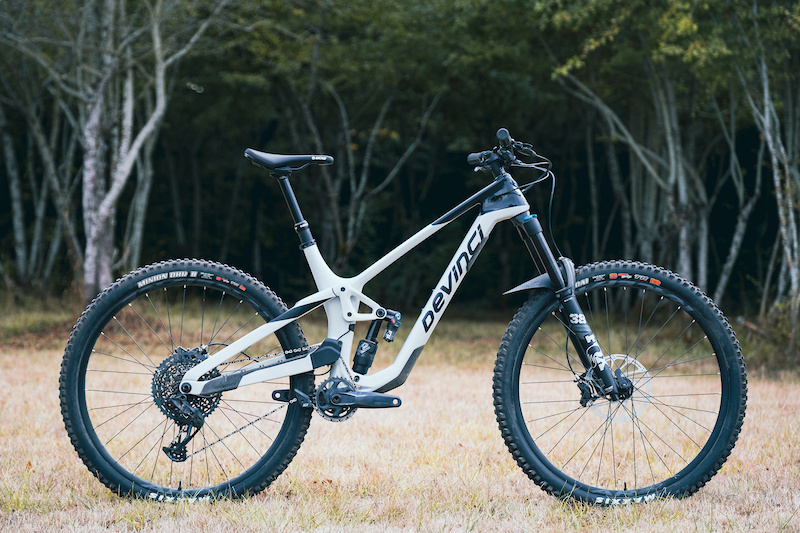
Reviewers were largely aligned on the Spartan HP’s core character: it is exceptionally composed when trails get fast, rough, and physically demanding. Pinkbike said “the chunkier the trail the better,” describing a glued-to-the-ground feel and strong confidence on hard landings. BikeRadar similarly found it “extremely smooth, composed and controlled” in rough descending, with suspension performance that combined small-bump sensitivity, mid-stroke support, and deep-stroke control. Freehub also praised its plushness and noted that, despite its stout build, it could still feel lively and surprisingly manageable in tighter terrain.
The more nuanced discussion centered on agility, climbing, and setup. Pinkbike felt the bike could seem sluggish on flatter or rolling trails and took more effort to pump or jump, while BikeRadar and Freehub both argued it was more maneuverable than many high-pivot bikes, with BikeRadar specifically noting it was easy to change direction quickly. On climbs, reviewers agreed it is not especially light or eager, with its roughly 36 lb weight and very aggressive DoubleDown MaxxGrip tires making themselves known. BikeRadar also criticized the effective seated position, saying the seat angle could feel too slack on steeper climbs, and suggested a smaller chainring would help. Suspension setup mattered as well: BikeRadar found the stock damping overdamped and preferred running adjusters fully open with more sag, whereas Freehub was impressed by the plush stock tune. The overall verdict was consistent: a highly capable, race-ready enduro bike with standout descending performance, but one that rewards aggressive riding and careful setup more than casual trail use.
Devinci Spartan Carbon GX 12S 2023 Review

Devinci Spartan Carbon GX 12s Bike Review
Devinci Spartan HP GX 12s review
Review: 2022 Devinci Spartan HP - The Sturdy Trail Smasher
Compared to.
Most-viewed comparisons.