Spire
vsCapra
Two enduro 170s, two attitudes.
The Transition Spire is a long, ultra-slack mini-DH bike. The YT Capra Mk III is a poppier, shorter-wheelbase enduro that pedals like it has 140 mm.
Spire
- Best-in-class high-speed stability — a 63-degree head angle and long wheelbase make the chassis disappear on fall-line descents.
- Steep 78.8-degree effective seat angle puts you neutral over the BB and lets the bike winch up technical climbs without front-wheel wander.
- Lifetime frame warranty and a Bellingham-based brand with a strong support reputation.
- Long wheelbase and slack head angle make tight, low-speed switchbacks a chore.
- Feels sluggish and over-biked on mellow, flatter local trails — it really wants to go fast.
Capra
- Direct-to-consumer pricing — $6,299 buys FOX Factory suspension and SRAM AXS Transmission; the equivalent Spire is $1,400 more.
- Poppy, lively V4L suspension stays high in its stroke, riding more like a 140 mm trail bike until you actually need the full 170.
- Shorter, more agile geometry (464 mm reach, 1243 mm wheelbase in L) makes it easy to throw around in tight terrain.
- Stock Continental Kryptotal tires and budget dropper posts get flagged in nearly every review as the first things to upgrade.
- DTC service model means warranty turnaround can be slow, and cracked-frame reports have surfaced in long-term tests.
Editor’s analysis
Both have 170 mm of travel. Beyond that, they're solving completely different problems — plow at speed, or play through everything.
The Transition Spire and YT Capra both run 170 mm forks and rear ends, both sit in the long-travel enduro bracket, and both have stacked Pinkbike Field Test wins. But put them side by side and the design philosophies pull apart immediately. The Transition Spire is the longer, slacker, more singularly-purposed of the two — a 63-degree head angle, a 1257 mm wheelbase in MD, and a chassis tuned to feel composed at speeds where most enduro bikes start to flutter. The YT Capra is shorter and steeper-headed at 64 degrees, with a 1243 mm wheelbase in L despite the larger fit-picked size — the geometry of a bike built to change direction rather than smooth out a fall-line plunge.
The Transition Spire is the speed bike. Reviewers consistently describe a chassis that wants to go faster — "insane stability" on steep, chunky, fall-line terrain, a riding pocket so big the bike feels calm dropping into lines that resemble "elevator shafts." Transition's GiddyUp suspension stays poppy enough to leave the ground, but the trade-off is honest: at low speeds and on mellow trails the Spire feels portly, sluggish, over-biked. It rewards aggressive PNW-style riding and punishes casual pedaling. If your weekly menu is steep, raw, and gravity-fed, the Spire is the sharper tool.
The YT Capra is the everyday enduro bike. The Virtual Four Link suspension stays high in the stroke, giving it the response and pop of a 140 mm trail bike for most of the ride — with the final third of travel held in reserve for the bigger hits. Reviewers repeatedly call it "speedy," "intuitive," "eerily quiet," the kind of bike that's easy to jump on and ride fast immediately. Pinkbike's timed runs actually had the Capra clocking the fastest descent times of its cohort, beating longer, slacker rivals. The reach (464 mm in L) is shorter than the modern enduro arms race, which keeps it agile through tight, repetitive terrain where the Spire feels like a freight train.
Then there's the price. The Spire is a Bellingham boutique brand sold through dealers; the Capra is direct-to-consumer out of Germany. The Spire's flagship Carbon Eagle 90 is $7,699; YT's flagship Capra 29 Core 4 CF is $6,299 — $1,400 less for a bike with FOX Factory suspension, GX AXS Transmission, and Renthal cockpit. YT's range bottoms out at $2,999 for an alloy Core 1 build; Transition starts at $4,199. If you're comparing on dollars-per-spec, YT wins clearly. If you're comparing on geometry character and lifetime warranty, the question gets harder.
Where the builds differ.
Comparing our editor's-pick builds side-by-side. Winners highlighted row-by-row — lower price and weight, and the better-spec component, each mark a point.
Build variants & pricing
Three Spire builds ($4,199–$7,699, one carbon and two alloy). Six Capra builds ($2,999–$6,299, mixing carbon and alloy, full-29 only).
Prices are current US MSRP and do not include YT's shipping and box fees, which several UK reviewers flagged as material on the final invoice. Transition sells through dealers; YT is direct-to-consumer.
How they fit, how they steer.
Spire MD vs Capra L — the fit algorithm's picks for a 5'8" rider on each bike. The Spire MD runs 460 mm reach, 63-degree HTA, 1257 mm wheelbase. The Capra L is shorter at 464 mm reach (despite the larger size label), a steeper 64-degree HTA, and a 14 mm shorter wheelbase. The Spire is the longer, slacker chassis even at the smaller fit-picked size.
Which size should I buy?
Both ranges run S–XXL with size-specific chainstays at the top end. The Spire has wider per-size reach jumps (25 mm steps on average) than the Capra (~20 mm).
→These are starting points. Flexibility, riding style, and preferred position all shift the answer — if you’re between sizes, a professional fit beats a chart.
What the magazines said.
Published reviews from trusted cycling outlets. Click through for the full write-up.
Which one should you buy?
If your weekly riding is steep, fast, and fall-line, get the Spire. If it's varied, technical, and you want a poppy bike that pedals well, get the Capra.
Spire
If you live near steep, raw, double-black descents and want the chassis to feel calm at speeds where everything else gets nervous, the Spire is the bike. It pays for that with a reluctance to come alive on mellow local laps — but on the right trail, nothing in this category is more confidence-inspiring.
Capra
If your trails mix flow, jank, and the occasional huck-to-flat, and you want a long-travel bike that doesn't punish you on the easier days, the Capra is the smarter buy. It's $1,400 cheaper than the equivalent Spire, pedals more eagerly, and is genuinely fast — Pinkbike's timed runs put it ahead of bikes with much more aggressive geometry.
Questions buyers actually ask.
Short answers to the things we get emailed about most often.
01Which bike is faster on steep, technical descents?
It depends on what you mean by fast. The Transition Spire has the more confidence-inspiring chassis on truly steep, fall-line terrain — the 63-degree head angle, long wheelbase, and size-specific 446–452 mm chainstays create what reviewers consistently call a "pocket" the rider can live in.
But timed testing tells a more interesting story. In Pinkbike's Field Test runs, the YT Capra clocked the fastest downhill times of its cohort, despite reviewers describing the Spire as the more obviously "capable" bike. The Capra's lighter feel and ability to pump and generate speed out of corners adds up over a course — even if any individual section feels less calm.
02Which one climbs better?
Both punch above their travel category, but for different reasons. The Spire has the steeper effective seat tube angle (78.8 degrees in MD) and a more neutral, upright climbing position — reviewers repeatedly described it as a "mountain goat" on steep grinds.
The Capra is the more efficient pedaler thanks to its V4L suspension's ~100% anti-squat at sag and lighter mid-stroke. It also weighs a bit less (~15.9 kg for the Core 4 CF vs 15.84 kg for the Spire Carbon Eagle 90 in MD — basically a wash). The Spire is better at steep technical climbs; the Capra is better at long undulating ones.
03How different is the geometry, really?
Significant. Comparing the fit-picked sizes (Spire MD vs Capra L), the Spire is 1 degree slacker at the head (63° vs 64°) and the Capra is 14 mm shorter in the wheelbase (1243 vs 1257 mm). The reach is nearly identical (460 vs 464 mm) — the Capra just achieves it in a longer-named size.
Seat tube angles diverge too: Spire MD is 78.8°, Capra L is 77.4°. That 1.4° difference is why Spire reviewers consistently call out the climbing position and Capra reviewers don't.
04What's the deal with wheel sizes?
Both bikes are full 29ers in their stock configurations as compared here. The Spire is officially flip-chip-compatible with a 27.5" rear wheel for an MX setup (high setting only), but isn't sold that way.
The Capra is sold in two distinct configurations — the full 29er (compared here) and a separate MX (29F/27.5R) variant with a wheel-size-specific rear triangle and shorter chainstays. The MX version is more of a pure park playfulness build; the 29er is the climber and the speed bike.
05Is direct-to-consumer worth the savings on the YT?
Mostly yes, with caveats. The price gap is real: Capra 29 Core 4 CF at $6,299 vs Spire Carbon Eagle 90 at $7,699. That's $1,400 for very similar tier components.
The trade-offs are: no in-person test ride, you assemble the bike from a box, and YT's warranty turnaround has a reputation for being slow — Pinkbike commenters have reported 3–6 month waits on frame replacements. Transition's lifetime frame warranty and dealer network are tangible benefits if you'd rather not deal with that.
06Which one needs the most spec upgrades after purchase?
The Capra, by consensus. Nearly every review flags two stock items: the Continental Kryptotal tires in EXO+ casing ("have no place on a 170 mm enduro bike," per MBR) and the YT Postman dropper post (often only 125–150 mm on M/L frames). Plan ~$200–400 in immediate upgrades to get the bike where it should be.
The Spire ships with mostly final-form components — Schwalbe Magic Mary / Albert in heavier Trail Pro / Gravity Pro casings, OneUp dropper. The most-upgraded item is the alloy NX builds' fork and drivetrain, but those aren't in the picks compared here.
07Which is more durable long-term?
Both have caveats. Transition owners report soft alloy linkage bolts that strip if over-torqued, thinner paint that wears through at heel-rub spots, and pivot bearings that develop play around the one-year mark.
YT has had more serious frame-quality reports: a few high-profile cracked-chainstay incidents in long-term reviews, and one Loam Wolf reviewer cracked a top tube simply leaning on it. YT attributed this to localized layup wrinkles rather than systemic weakness. Both companies have warranty programs, but Transition's lifetime coverage and faster turnaround give it the edge for buyers who plan to keep the bike a long time.
08Is the Spire too much bike for a normal rider?
For a lot of riders, yes. Multiple reviewers explicitly said the Spire only "comes alive" past the 20 mph mark, and feels "boring" or "over-biked" on mellower trails. If your local riding is rolling singletrack, flow trail, or anything resembling all-mountain rather than enduro, the Capra (or the Spire's smaller sibling, the Transition Sentinel) is the smarter fit.
The Spire makes sense if you frequently ride trails where you'd otherwise be on a downhill bike — fall-line PNW chunder, bike park laps you have to pedal up to, or backcountry double-blacks. Anywhere else, it's overkill.
Similar bikes
If your priorities don’t map cleanly onto either of these, one of these adjacent bikes probably fits better.
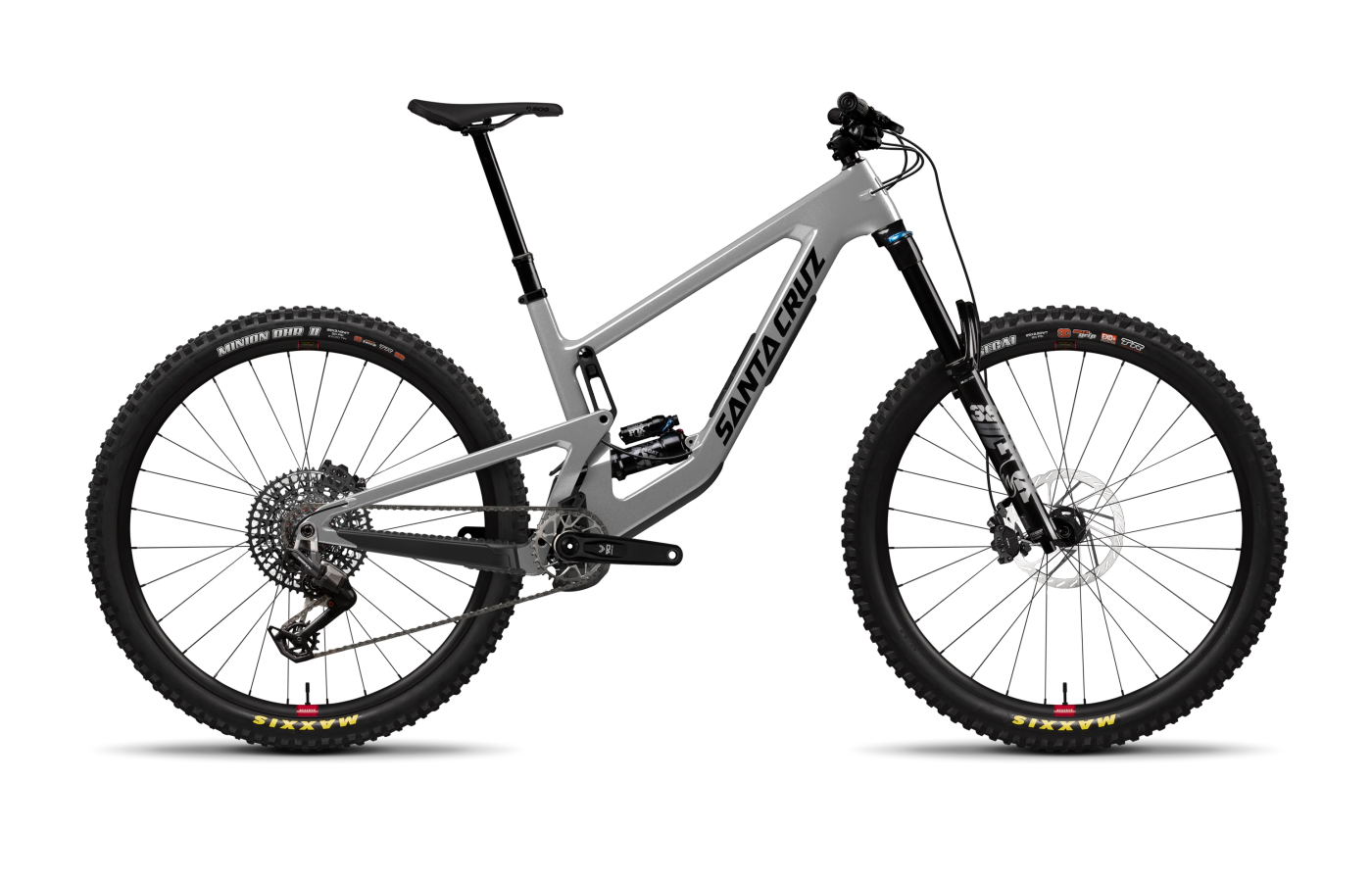
Megatower
Santa Cruz's enduro flagship splits the difference — more high-speed composure than the Capra, less over-biked on mellow trails than the Spire. The VPP suspension is the most refined in the segment.
Compare →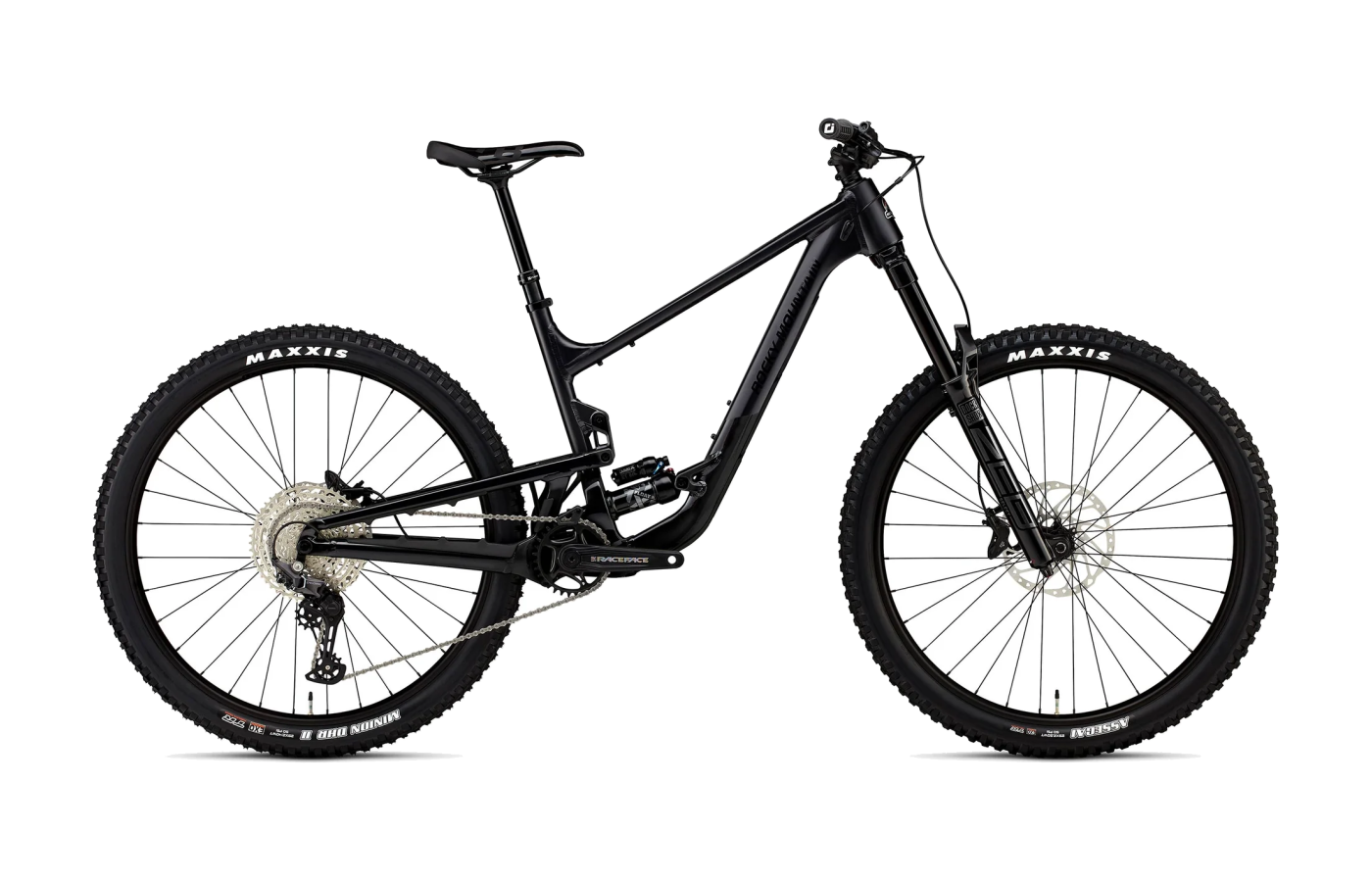
Altitude
If you race enduro and want the suspension to track the ground rather than skip across it, the Altitude is the pick. The Ride-9 chip lets you tune geometry and shock progression to match the course.
Compare →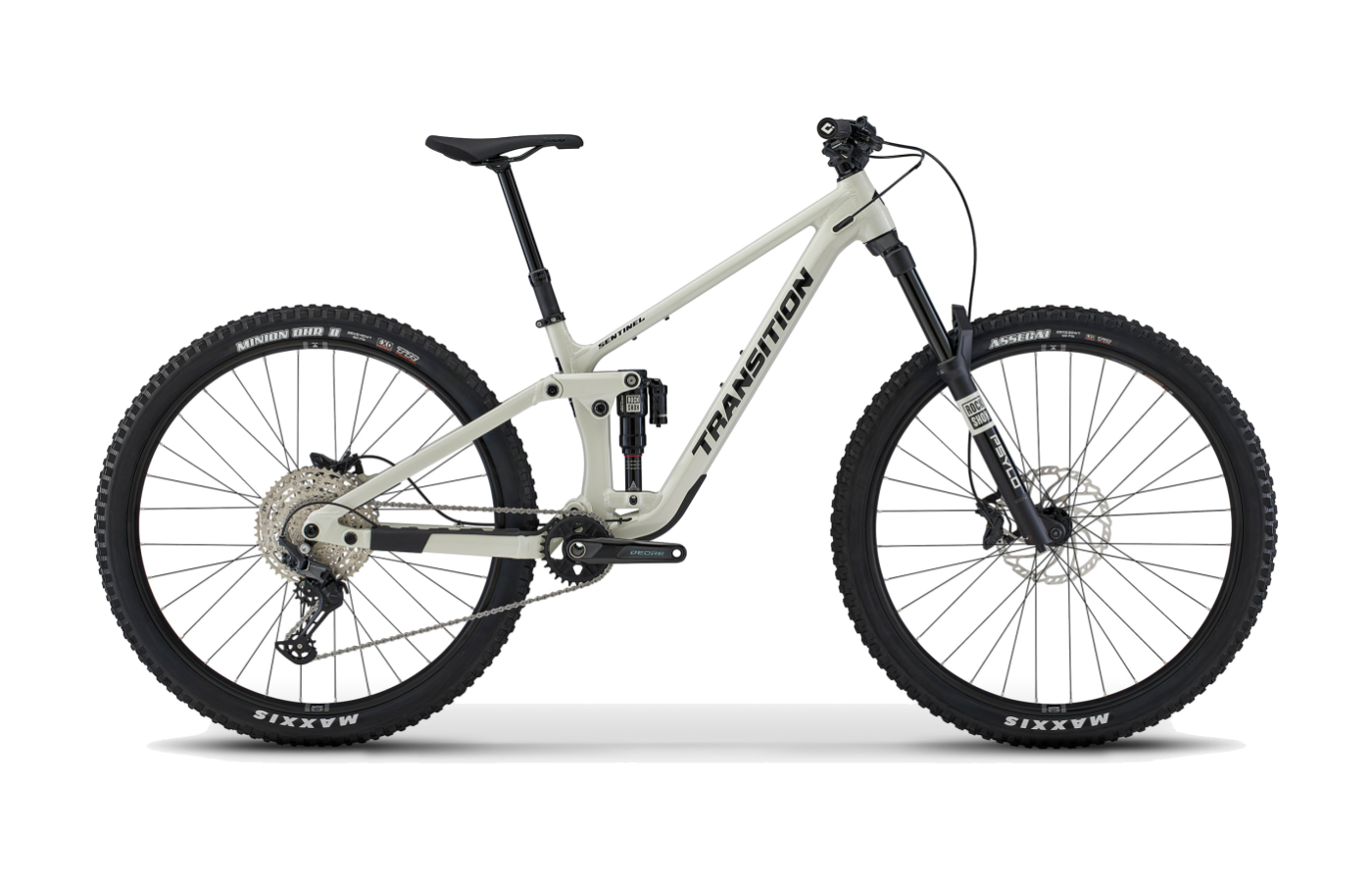
Sentinel
If the Spire feels like too much bike — which it often is — Transition's own Sentinel is the logical step down. Same poppy GiddyUp suspension feel with 150 mm of travel and geometry that doesn't punish casual riding.
Compare →