Stumpjumper
vsSentinel
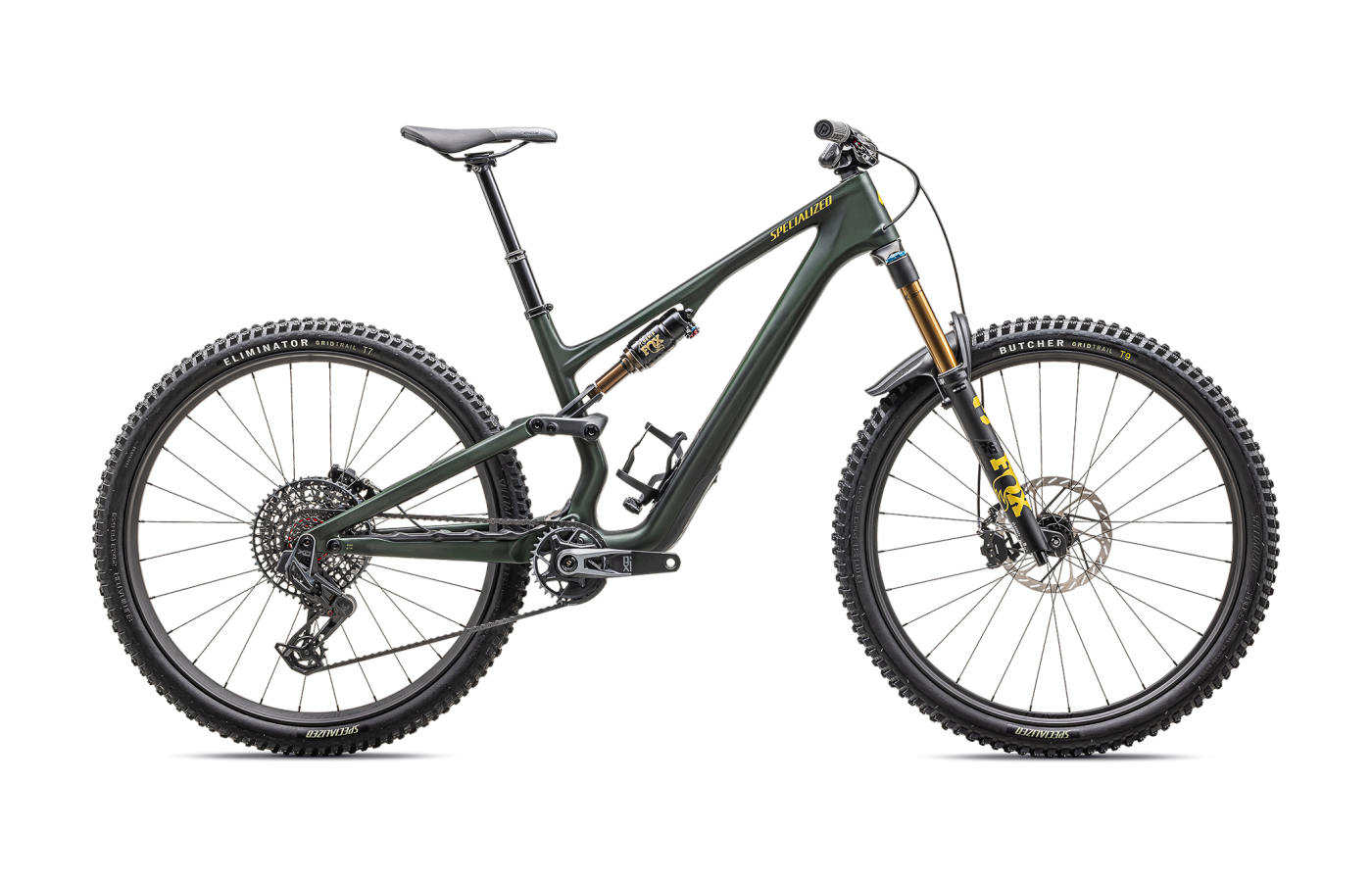
Two 145 mm trail bikes, two engineering philosophies.
The Stumpjumper 15 leans on proprietary tech — the GENIE shock, wireless-only carbon. The Sentinel V3 doubles down on standard parts and a stiffer chassis.
Stumpjumper
- GENIE shock — supple first 70%, near-impossible bottom-out. Reviewers consistently call it the best-feeling rear end in the segment.
- Three-position HTA adjustment via swappable headset cups (63 / 64.5 / 65.5 deg) lets one frame be a flow bike or a bike-park ripper.
- SWAT 4.0 downtube storage with a refined hatch and improved sealing — universally praised, and the bottle stays mounted.
- Carbon frames are wireless-only — no Shimano mechanical, no cable droppers, no exceptions.
- Proprietary GENIE shock raises long-term serviceability and resale concerns flagged in reviews.
Sentinel
- Standard everything — 205x60 mm shock, threaded 73 mm BB, UDH, mechanical-friendly routing on every frame material.
- Stiffer chassis from the new one-piece rocker link — multiple reviewers call out sharper cornering and less squirm at speed.
- Higher BB (~350 mm) and size-specific 442–448 mm chainstays make it the better tool for chunky, ledge-y, technical terrain.
- Stock RockShox Super Deluxe Ultimate tune is widely panned as too light — budget for a re-tune.
- Mid-tier wheels (DT Swiss M 1900, 18-tooth ratchet) drag on technical climbs per Blister and Vital.
Editor’s analysis
Both want to be your one trail bike. One does it with a clever air spring; the other does it with a sharper, more honest chassis.
On paper these two land in the same bracket — 145 mm of rear travel, a 160 mm fork option, 64-ish degree head tube angles, and price ranges that overlap from about $5k to $10k. Both promise to be the do-everything trail bike. But spend a few minutes in the spec sheets and the engineering philosophies diverge sharply.
Specialized's pitch with the Stumpjumper is technology. The GENIE shock — a dual-chamber air spring co-developed with Fox — gives a coil-like first 70% of stroke and a hard ramp at the end. Reviewers (Flow, Loam Wolf, Mountain Bike Action) describe it as 'hyper-sensitive' on small chatter and effectively impossible to bottom out. The carbon frame is wireless-only — no mechanical drivetrain routing on any FACT 11m model — and the headset cups give you 63 / 64.5 / 65.5 deg HTA settings. It's a sandbox for tinkerers willing to live on SRAM AXS.
The Transition Sentinel goes the other way. New one-piece rocker link for chassis stiffness, size-specific chainstays (442 mm on MD, 448 mm on L+), 64 deg head angle, and a refusal to put anything proprietary on the bike. Threaded BB, UDH, standard 205x60 mm shock, mechanical or electronic drivetrain on every frame material. Reviewers (Blister, NSMB, Pinkbike) consistently called it 'sportier' and 'BMX-ish' compared to the V2 — and consistently flagged the stock RockShox Super Deluxe Ultimate tune as too soft, needing a re-tune to match the frame.
Geometrically the two are closer than they look. At our compared sizes, the Specialized Stumpjumper has a 450 mm reach and 1213 mm wheelbase; the Transition Sentinel runs 455 mm reach and 1237 mm wheelbase. The big functional gap is the bottom bracket — the Sentinel sits noticeably taller (~350 mm BB height per reviewer measurements) versus the Stumpjumper's lower stance, and the Sentinel's chainstays are 7 mm longer. Translation: the Stumpy is the more flickable, planted carver; the Sentinel is the more stable, ledge-clearing freight train.
Put another way: the Stumpjumper is the bike you buy if you want suspension that flatters your line choice. The Sentinel is the bike you buy if you want a chassis that rewards a hard, deliberate riding style — and you don't mind dropping $300 at the suspension shop to get the rear shock right.
Where the builds differ.
Comparing our editor's-pick builds side-by-side. Winners highlighted row-by-row — lower price and weight, and the better-spec component, each mark a point.
Build variants & pricing
Both ranges run from sub-$5k to ~$10k carbon flagships, plus a $12k S-Works on the Specialized side. Tier-match by drivetrain — both platforms offer SRAM X0 Transmission at $7,999.
Prices are current US MSRP. Specialized stretches further at the top with an $11,999 S-Works LTD running Live Valve Neo electronic suspension; Transition caps out at $9,999 with the Carbon XTR Di2. Both offer alloy frames in the $3–5k range, but only Transition lets you run a mechanical drivetrain on the carbon frame.
How they fit, how they steer.
S3 Stumpjumper vs. MD Sentinel — both fit-picked for a 5'8" rider. Reach is within 5 mm (450 vs 455), but the Sentinel runs a 24 mm longer wheelbase, 7 mm longer chainstays, and a notably higher BB. The Stumpjumper is the more compact, lower-slung carver.
Which size should I buy?
Size recommendations based on stack, reach, and effective top tube. Specialized uses S-sizing; Transition uses XS–XXL. The Stumpjumper extends one size smaller (S1 = 400 mm reach) than the Sentinel.
→These are starting points. Flexibility, riding style, and preferred position all shift the answer — if you’re between sizes, a professional fit beats a chart.
What the magazines said.
Published reviews from trusted cycling outlets. Click through for the full write-up.
Which one should you buy?
If you want suspension tech that flatters every line, get the Stumpjumper. If you want a stiffer chassis and standard parts you'll never have to chase, get the Sentinel.
Stumpjumper
If you'll actually use the headset cups, the volume-band tuning on the GENIE shock, and the SWAT box — and you don't mind committing to SRAM AXS — the Stumpjumper rewards engagement. It's the more refined, more adaptable trail bike out of the box.
Sentinel
If your local trails are chunky, your component preferences are opinionated, and you want a bike you can wrench on without fighting proprietary parts — the Sentinel is built for you. Just plan on a shock re-tune to unlock its real ceiling.
Questions buyers actually ask.
Short answers to the things we get emailed about most often.
01Which has more travel?
Both run 145–150 mm rear and a 160 mm fork at the editor's-pick spec.
The Stumpjumper 15 has 145 mm of rear travel paired with a 150 mm fork on most carbon builds (and a 160 mm fork on the Coil/Alloy variant). The Sentinel V3 runs 150 mm rear and a 160 mm fork across the entire lineup. The Sentinel can also be 'long-stroked' to 160 mm rear by swapping to a 65 mm stroke shock — the Stumpjumper has no such option.
02Which climbs better?
It's close, but the Stumpjumper edges it on most counts. The GENIE shock's supple initial stroke generates remarkable rear-wheel traction on technical, root-littered climbs — Specialized claims a 57% traction increase, and reviewers from Loam Wolf and Flow Mountain Bike confirm the bike 'hugs the ground' on steep techy stuff.
The Sentinel pedals well too — the 78.3 deg effective seat tube angle puts you in a strong position — but the stock shock's light compression damping means it can settle into its travel under pedaling, and several reviewers suggested using the climb switch on long fire-road grinds. On smooth fire roads, the two are roughly even. On technical climbs, the Stumpy wins.
03Which descends better?
Different strengths. The Sentinel is the stiffer, more composed chassis at speed in chunky terrain — reviewers describe it as 'nigh-unflappable' once you've sorted the shock tune, and the higher BB (~350 mm) makes it the better tool for ledge-y, rocky, desert-style descending.
The Stumpjumper is the more 'integrated' descender — its lower stance and shorter wheelbase make it more flickable in tight, twisty terrain, and the GENIE shock's progressive end-stroke means you can throw it at big hits without ever finding the bottom. If you ride bike park or steep PNW chunder, the Stumpjumper's adjustable HTA (down to 63 deg) closes the gap further.
04Can I run a Shimano drivetrain on either?
Stumpjumper carbon: no. Specialized eliminated mechanical cable routing on the FACT 11m frame, so you're locked into SRAM AXS Transmission. The alloy Stumpjumpers retain mechanical routing and ship with Shimano SLX or Deore.
Sentinel: yes, on every frame material. Transition offers Shimano XTR Di2, XT Di2, XT, and Deore builds on both carbon and alloy frames, alongside the SRAM Transmission options. If you have a strong drivetrain preference, the Sentinel is the more flexible platform.
05What about in-frame storage?
Both have it on the carbon frames.
The Stumpjumper's SWAT 4.0 door is the more polished execution by reviewer consensus — refined hatch design, improved weather sealing, and a high-quality latch. The bottle cage mounts directly to the door.
The Sentinel's BOOM Box decouples the storage hatch from the bottle cage, which Bicycling and Awesome MTB called out as a real ergonomic win — the bottle stays in place and the hatch sits lower for a better center of gravity. Both work; pick the one whose access pattern you prefer.
06How much suspension tuning do they need out of the box?
Stumpjumper: mostly fork-side. Multiple reviewers found the stock Fox 36 settings under-damped relative to the GENIE shock's plushness — adding volume spacers or running lower pressures was a common adjustment to keep the bike balanced.
Sentinel: the rear shock is the issue. Blister, Pinkbike, and NSMB all flagged the stock RockShox Super Deluxe Ultimate's compression tune as 'bizarrely light' — heavier or more aggressive riders were blowing through the mid-stroke. A re-tune (or swap to a Manitou Mara Pro) was repeatedly described as 'transformative.' Budget $200–400 if you ride hard.
07Which is better for one-bike-quiver duty?
Both genuinely qualify, but they answer the question differently. The Stumpjumper uses adjustable geometry (three HTA positions, flip chip, GENIE air-volume bands) to span flow trails to bike-park duty without changing parts. The Sentinel uses standard parts (swappable shock for +10 mm rear travel, mullet flip chip, lifetime warranty extending to second-hand crash replacement) to evolve as your riding does.
If you want one bike that adapts via setup tweaks, Stumpjumper. If you want one bike that adapts via component swaps, Sentinel.
08What warranty do they come with?
Both offer lifetime frame warranties to the original owner. Specialized adds lifetime pivot bearing replacement and a lifetime warranty on Roval wheels for the original owner. Transition is notable for offering crash-replacement pricing that extends to second-hand owners — unusual in the industry and a real value-add if you ever sell or buy used.
Similar bikes
If your priorities don’t map cleanly onto either of these, one of these adjacent bikes probably fits better.
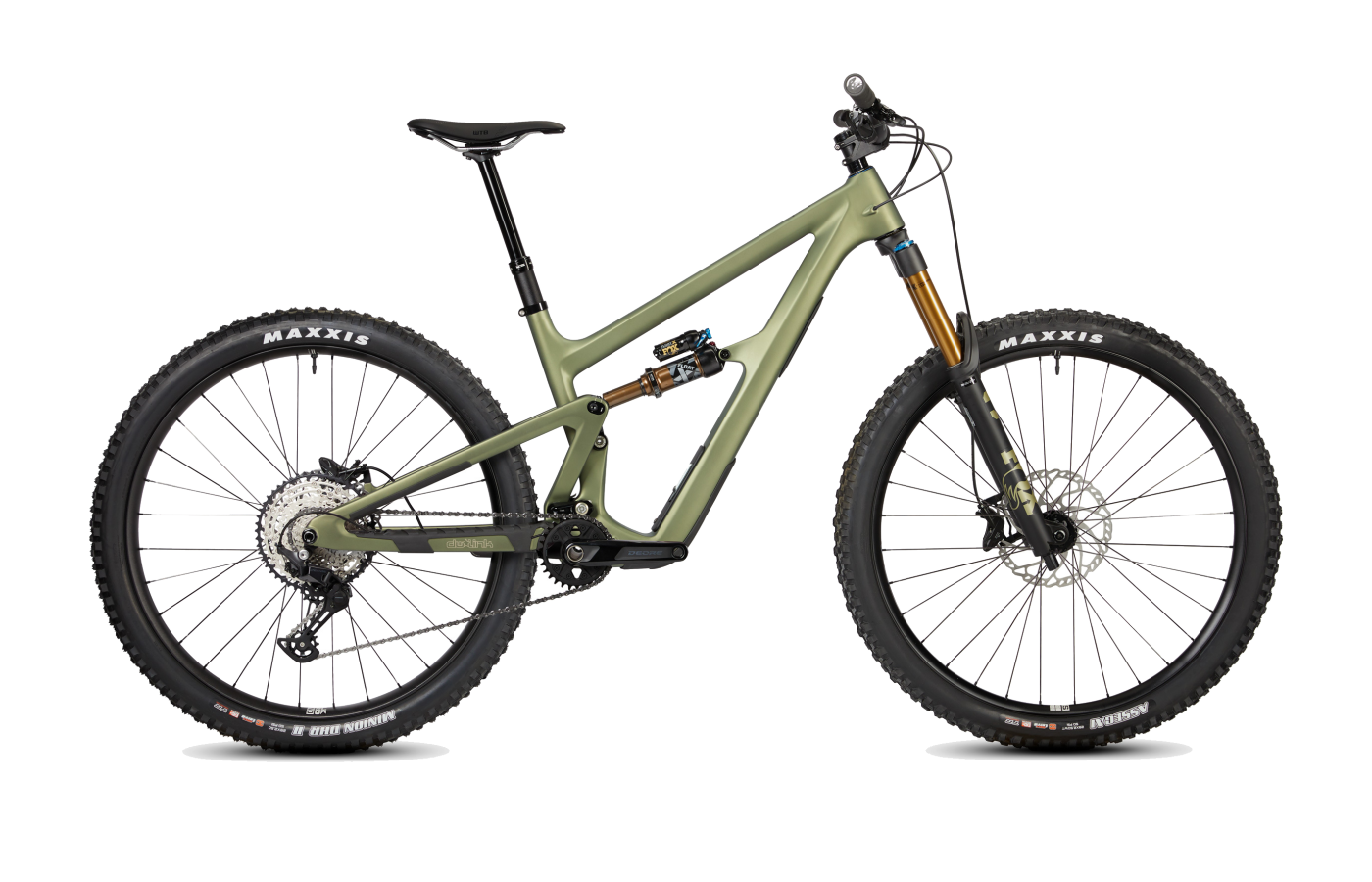
Ripmo
The DW-link rival to both — many riders find it more efficient under pedaling than the Horst-link designs here. If climbing traction is your top priority, the Ibis Ripmo earns its reputation.
Compare →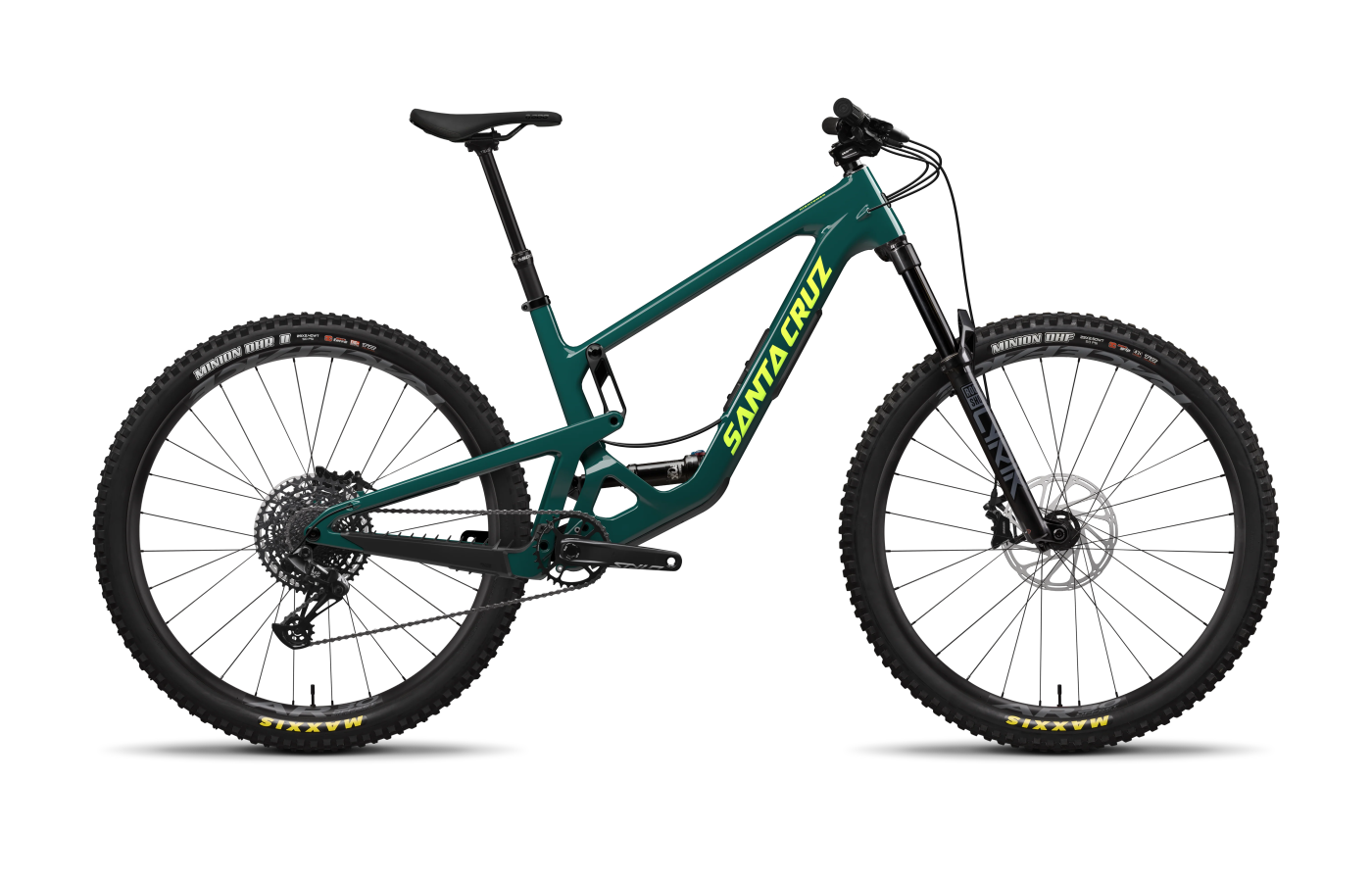
Hightower
Matches the Stumpjumper's 145 mm of rear travel exactly, but with VPP suspension that has a more 'tractor-like' feel some riders prefer for technical climbing. The Santa Cruz Hightower is the conservative pick of the three.
Compare →
Fuel EX
Trek Fuel EX gives you Stumpjumper-level geo adjustability without the wireless-only restriction — full mechanical routing on the carbon frame, and a similar travel package.
Compare →