Epic Evo
vsSpur
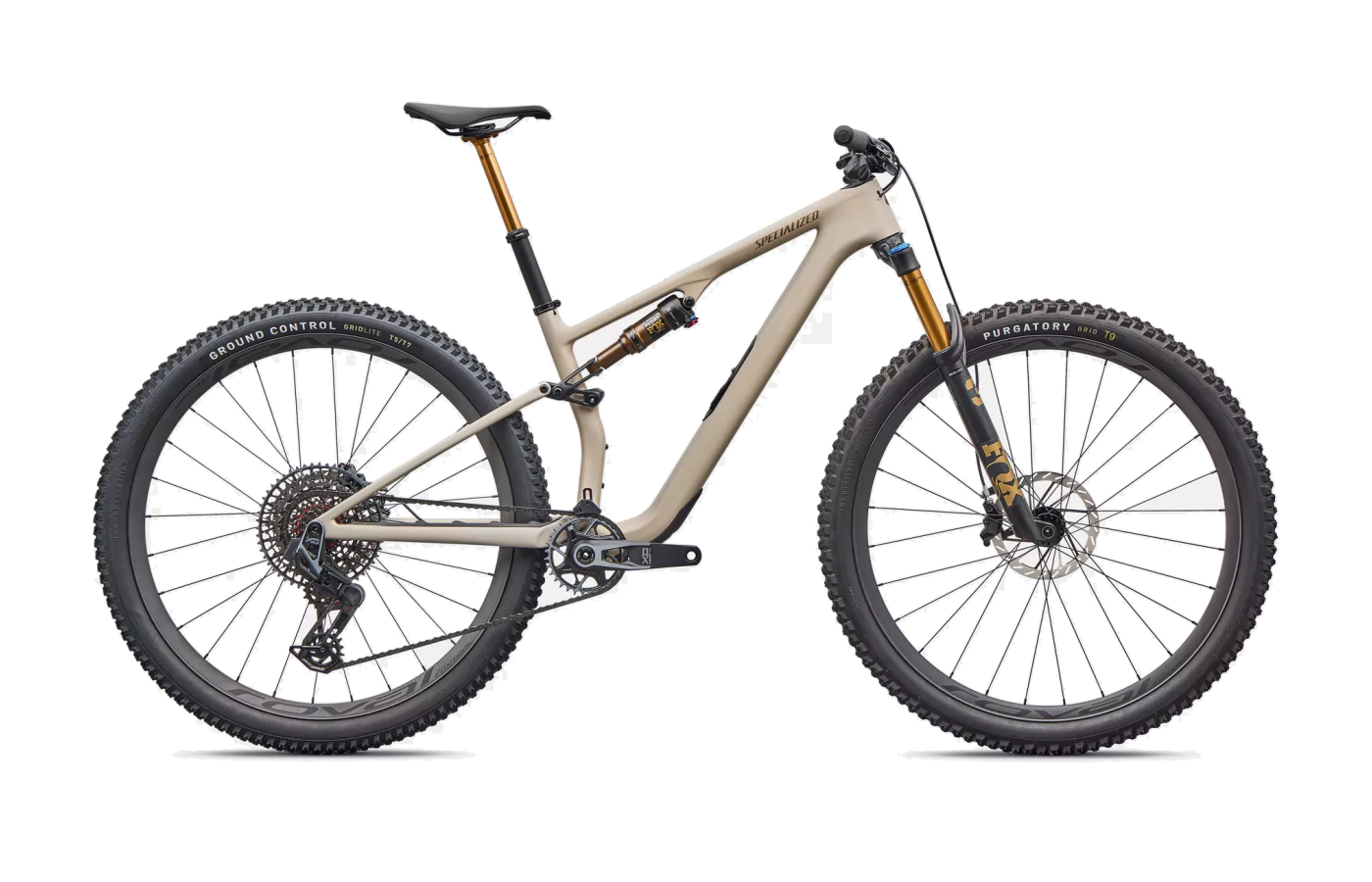
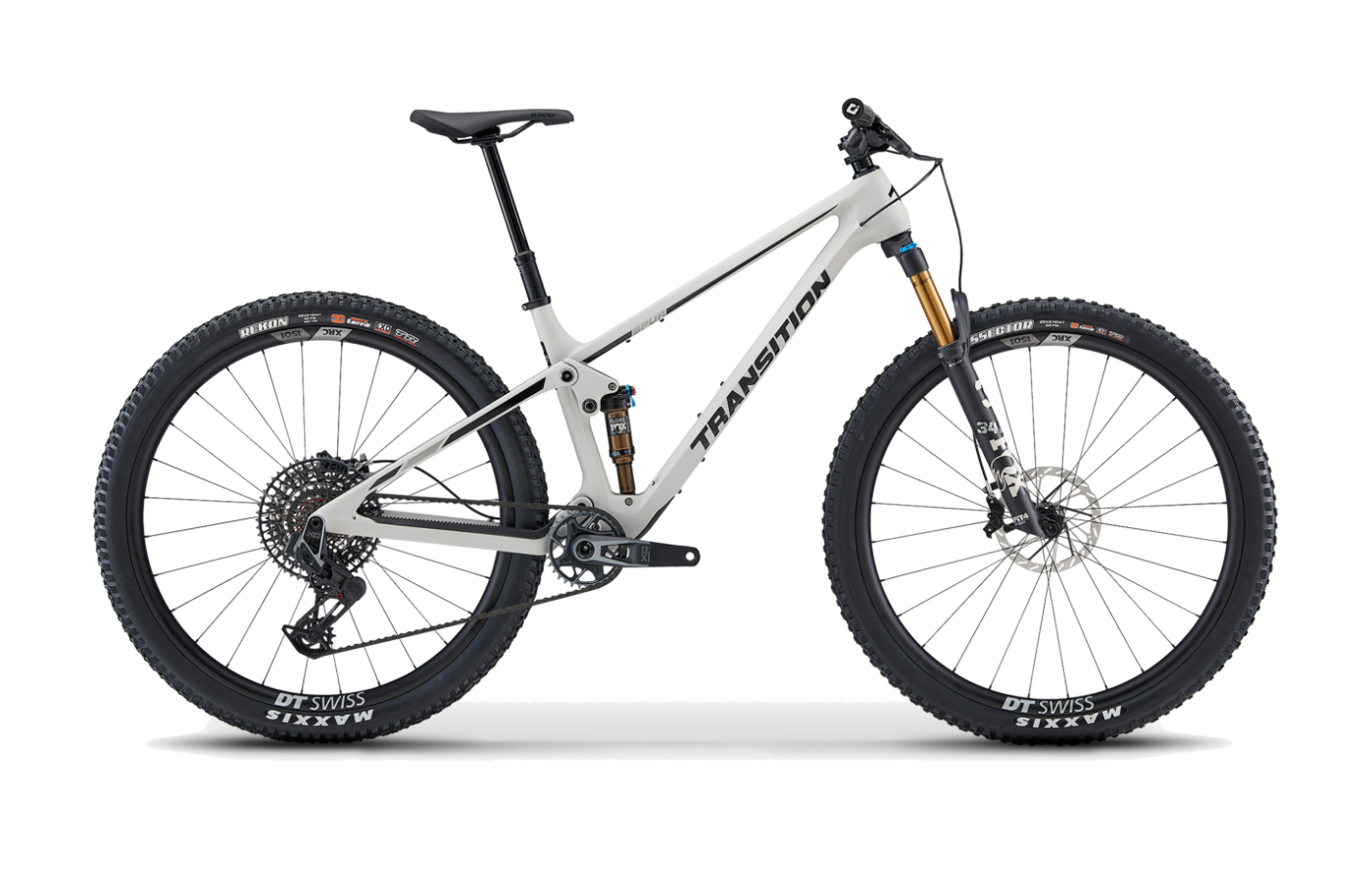
Two 120 mm bikes, two ways to be fast.
The Epic Evo is a World Cup XC frame given trail-bike teeth. The Spur is a trail-bike geometry stuffed into an XC weight.
Epic Evo
- Best-in-class pedaling efficiency — the Ride Dynamics tune is unapologetically firm, mainlining every watt to the rear wheel.
- SWAT downtube storage — a tube, plug, and food fit inside the frame; no other bike here has it.
- 25-year frame warranty and a deeper US dealer network than Transition for service support.
- Suspension feels harsh on chattery terrain and can hang up on roots — demands an active, present rider.
- Headset and integrated steering stop are creak-prone in wet climates and need regular grease.
Spur
- Most capable descender in the 120 mm class — 66° head angle and 455 mm reach make it feel like a mini-enduro.
- Suppler, more composed suspension — the flex-stay rear gives real small-bump compliance the Epic Evo lacks.
- Lower-maintenance chassis — pivot-less rear triangle, threaded BB, external rear-brake routing.
- No internal frame storage — a real miss next to the Epic Evo's SWAT.
- Heavier than the Epic Evo at every comparable tier; the lightweight SID forks have a known bushing-wear issue.
Editor’s analysis
Same travel number, opposite design briefs — one was built to win climbs and learned to descend, the other was built to descend and learned to climb.
On paper the Specialized Epic Evo and Transition Spur look like the same bike: 120 mm rear, ~130 mm front, carbon frame, ~12 kg in mid-tier trim, 29" wheels, 435 mm chainstays. Spend any time on the geometry charts and the philosophies split fast. The Epic Evo descends from the World Cup race frame — Specialized bumped the fork to 130 mm and bolted on Code brakes to make it trail-capable. The Spur was built the other way around: long reach, 66° head angle, a flex-stay rear designed from scratch as a 'mini-enduro' that happened to weigh less than 27 lb.
The Epic Evo's defining trait is its Ride Dynamics suspension tune. It's deliberately firm off the top — what reviewers consistently call 'regressive' or 'digressive' — providing a rock-solid pedaling platform that mainlines watts to the rear wheel. The cost is real: Singletracks reported a 'hardtail feeling' on technical climbs where the rear tire hangs up on roots unless the rider actively presses into the shock. Blister called it 'a fairly tiring bike to ride' precisely because 'it doesn't want to do anything slowly.' If you race XC and your engine is the limiter, this is the bike that translates fitness into speed most efficiently.
The Spur's GiddyUp suspension is more conventional in feel — supportive, 30% progression, but with a meaningfully suppler initial stroke. BikeRadar and Vital both noted it isn't quite as 'dead neutral' under power as a DW-link Ripley, but it pays you back with traction and small-bump compliance the Epic Evo doesn't have. Pair that with the longest reach in the segment (455 mm at MD vs the Epic Evo's 445 mm at M) and the slacker 66° head angle, and you get a bike multiple reviewers described as 'on rails' at speed and capable of 'rallying' down black-diamond trails the Epic Evo would prefer you hop through.
The other meaningful split is utility. The Epic Evo carries Specialized's SWAT downtube storage — a tube, plug, and a snack live inside the frame, and reviewers love it. The Spur has no internal storage, period. Transition's stance is that the saved grams matter more than the convenience. If you ride backcountry epics and would otherwise wear a hip pack, this is a real choice; if you ride from your driveway, less so.
Where the builds differ.
Comparing our editor's-pick builds side-by-side. Winners highlighted row-by-row — lower price and weight, and the better-spec component, each mark a point.
Build variants & pricing
Both ranges top out around $8.2k–$8.3k with X0 AXS Transmission. The Epic Evo extends much deeper, down to a $4,399 GX-AXS Comp; the Spur's cheapest build is a $4,799 mechanical Deore.
Prices are current US MSRP. The Epic Evo's S-Works build ($13,999) adds FACT 12m carbon, XTR Di2, and Roval Control SL VI carbon wheels — there is no Spur equivalent at that tier. The S-Works model also routes cables through the headset, which several reviewers flagged as a service negative versus the 11m frames.
How they fit, how they steer.
Specialized M vs Transition MD — the fit-picked sizes for a 5'8" rider on each bike. The Spur sits 9 mm taller in stack, runs 10 mm more reach, has a 1.2° steeper seat tube, and a slightly slacker head angle (66° vs ~65.4–65.9° on the Epic Evo, depending on flip-chip). Chainstays are identical at 435 mm.
Which size should I buy?
Both bikes use four-letter sizing with overlapping ranges. Pick on reach and stack — the Spur tends to ride one size 'up' in feel due to its longer wheelbase across all sizes.
→These are starting points. Flexibility, riding style, and preferred position all shift the answer — if you’re between sizes, a professional fit beats a chart.
What the magazines said.
Published reviews from trusted cycling outlets. Click through for the full write-up.
Which one should you buy?
If you race the climbs and treat descents as commute, get the Epic Evo. If you live for the descent and want one bike that pedals well enough to earn it, get the Spur.
Epic Evo
If you train with a power meter, your rides are timed, and you'd choose 200 grams over an extra inch of reach every time, the Epic Evo is the sharper tool. The firm suspension hurts on the way up only as much as it pays off in PRs at the top, and the SWAT storage means you can leave the hip pack at home on long days.
Spur
If your favorite part of any ride is the descent and you'd rather have geometry than a podium, the Spur is the obvious pick. It pedals well enough for all-day backcountry epics but gives you a head angle, reach, and small-bump suppleness that let you ride trails the Epic Evo would punish you on.
Questions buyers actually ask.
Short answers to the things we get emailed about most often.
01Which is faster on technical climbs?
The Specialized Epic Evo, but with a caveat. Its firmer Ride Dynamics tune turns rider effort into forward motion more efficiently than the Spur's GiddyUp platform — Mountain Bike Action called it a 'thoroughbred racer' that 'lunges forward with every pedal stroke.' On smooth fire roads or non-technical singletrack, that translates to measurable PR gains.
Where it loses time is on rooty, ledgy climbs. Singletracks specifically noted the rear tire 'hangs up on roots' unless the rider learns to actively press into the shock. The Spur's suppler initial stroke maintains traction better in those moments — so for a rider whose climbs are mostly technical, the gap narrows or even reverses.
02Which descends better?
The Transition Spur, clearly. Its 66° head angle (vs ~65.4–65.9° on the Epic Evo depending on flip-chip), 10 mm longer reach at the compared size, and longer wheelbase make it noticeably more composed at speed. Multiple reviewers used the phrase 'on rails' and noted it 'slows down the trail' in a way the Epic Evo doesn't.
The Epic Evo can be ridden on the same terrain — it has the same 130 mm fork and Code brakes — but reviewers consistently described it as demanding a 'locked-in' and 'present' pilot. The Spur lets you make mistakes; the Epic Evo punishes them.
03How do the suspension designs differ?
Both bikes use a pivot-less flex-stay rear triangle — the rear axle has no bearing pivot; the carbon stays flex linearly as the shock cycles. That saves ~200 g and eliminates a high-wear bearing.
The tunes are different. The Epic Evo's Ride Dynamics is digressive/regressive: very firm off the top, then 'blows off' once you've pushed into the mid-stroke. The Spur's GiddyUp is more conventional — supportive but suppler initially, with 30% progression. The Epic Evo wins efficiency tests; the Spur wins traction and comfort.
04What about frame storage?
Specialized's SWAT 4.0 downtube storage is one of the Epic Evo's signature features. It fits a tube, CO2, plug, and a snack inside the downtube; the lever is aluminum and the rubber seal keeps grit out even in 'grim' conditions.
The Transition Spur has no internal storage. Transition's position is that the weight savings matter more, and the threaded BB and external rear-brake routing keep service simple. If you regularly ride backcountry without a pack, this is a real factor in the Epic Evo's favor.
05How serviceable are they?
The Spur is the more service-friendly bike on balance. Threaded BB, external rear-brake routing (NSMB called this 'a hill to die on'), tube-in-tube derailleur routing, no rear-pivot bearings to replace, and Enduro Max sealed bearings with extra shields throughout.
The Epic Evo also has a threaded BB and the 11m carbon frames keep cables out of the headset (only the S-Works 12m frame routes through the headset, which Mountain Bike Action criticized). Reviewers consistently flagged the Epic Evo's plastic headset and integrated steering stop as creak-prone — they need regular grease in wet climates.
06What's the weight difference?
At equivalent X0 AXS Transmission tier, the Epic Evo 8 EVO Pro is ~550 g lighter: 11.74 kg vs 12.29 kg for the Spur Carbon XO AXS, both at size MD. At the flagship S-Works tier, the gap widens — the Epic Evo S-Works comes in at 11.17 kg with FACT 12m carbon and Roval Control SL VI wheels, with no Spur equivalent above the XO AXS build.
In practical terms 550 g is about 1% of system weight — noticeable on long sustained climbs, mostly invisible on rolling terrain.
07Are tires and clearance comparable?
Both ship with 2.4" front, 2.35–2.4" rear tires on 29" wheels. The Epic Evo runs Specialized Purgatory/Ground Control; the Spur runs Maxxis Dissector/Rekon. Tire clearance is roughly equivalent — both sit around 60 mm of clearance, comfortably accommodating up to a 2.4" trail tire.
Several Epic Evo reviewers suggested upgrading from the stock GRID-casing tires to GRID Trail for more sidewall durability if you ride rocky terrain — the lighter casings can feel 'flimsy' at descending speeds the geometry encourages.
08Which is the better long-term ownership?
Both are designed for low-maintenance ownership: pivot-less rear triangles, threaded BBs, UDH derailleur hangers. The Epic Evo carries Specialized's 25-year frame warranty — best in the segment — but reviewers consistently flagged headset/steering-stop creaks as recurring annoyances.
The Spur has the simpler chassis but historically had two flagged issues: bushing wear in the SID Ultimate fork (RockShox warranty has been responsive) and undersized 160 mm rear rotors on early builds. Both are fixed on current models — 180 mm rotors are now stock, and Transition has continued to refine the fork spec.
Similar bikes
If your priorities don’t map cleanly onto either of these, one of these adjacent bikes probably fits better.
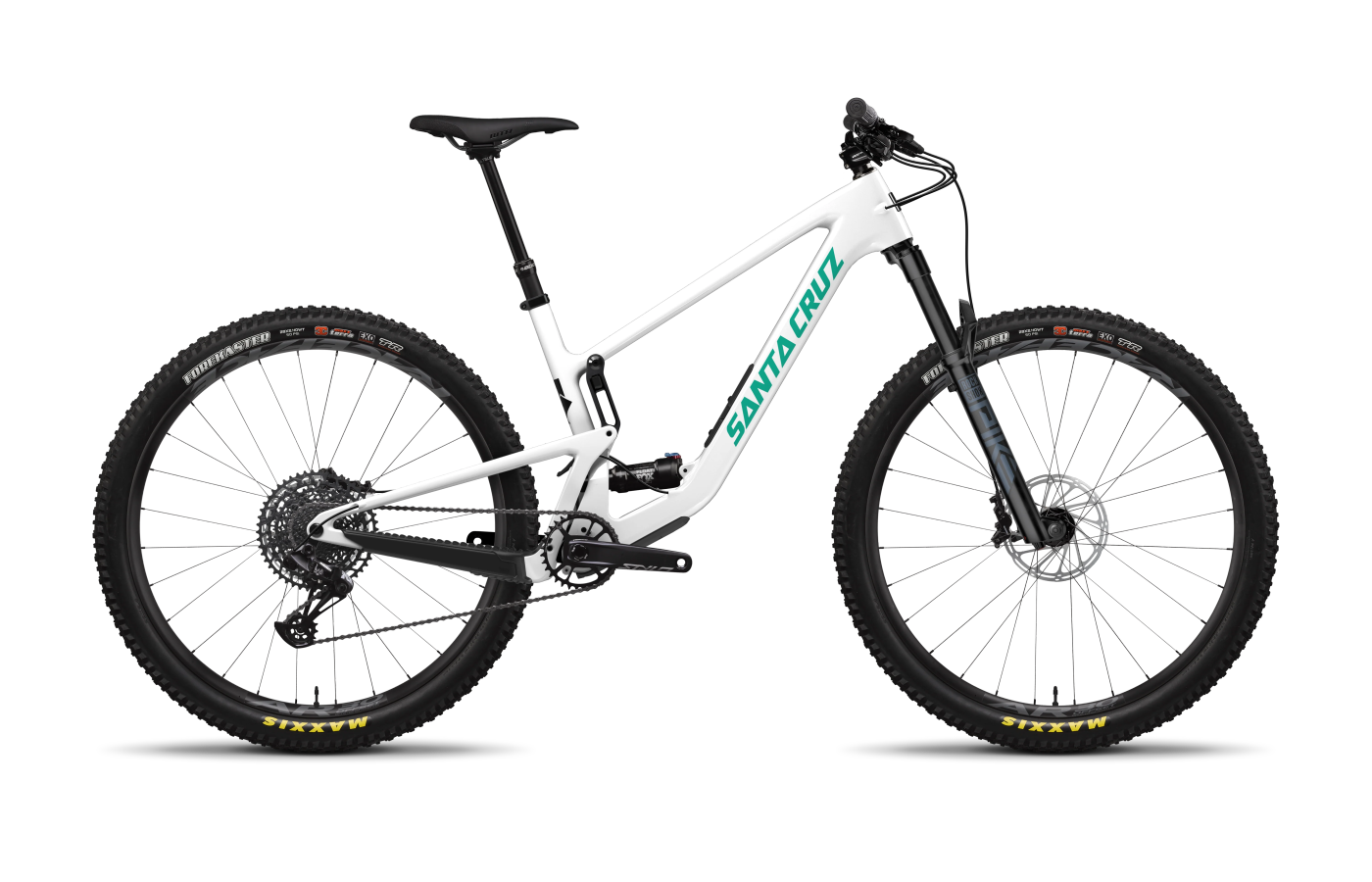
Tallboy
Stiffer and more 'glued' than the Spur thanks to the lower-link VPP rear end. If the Spur's flex-stay feels too springy or the Epic Evo's tune feels too harsh, the Tallboy splits the difference.
Compare →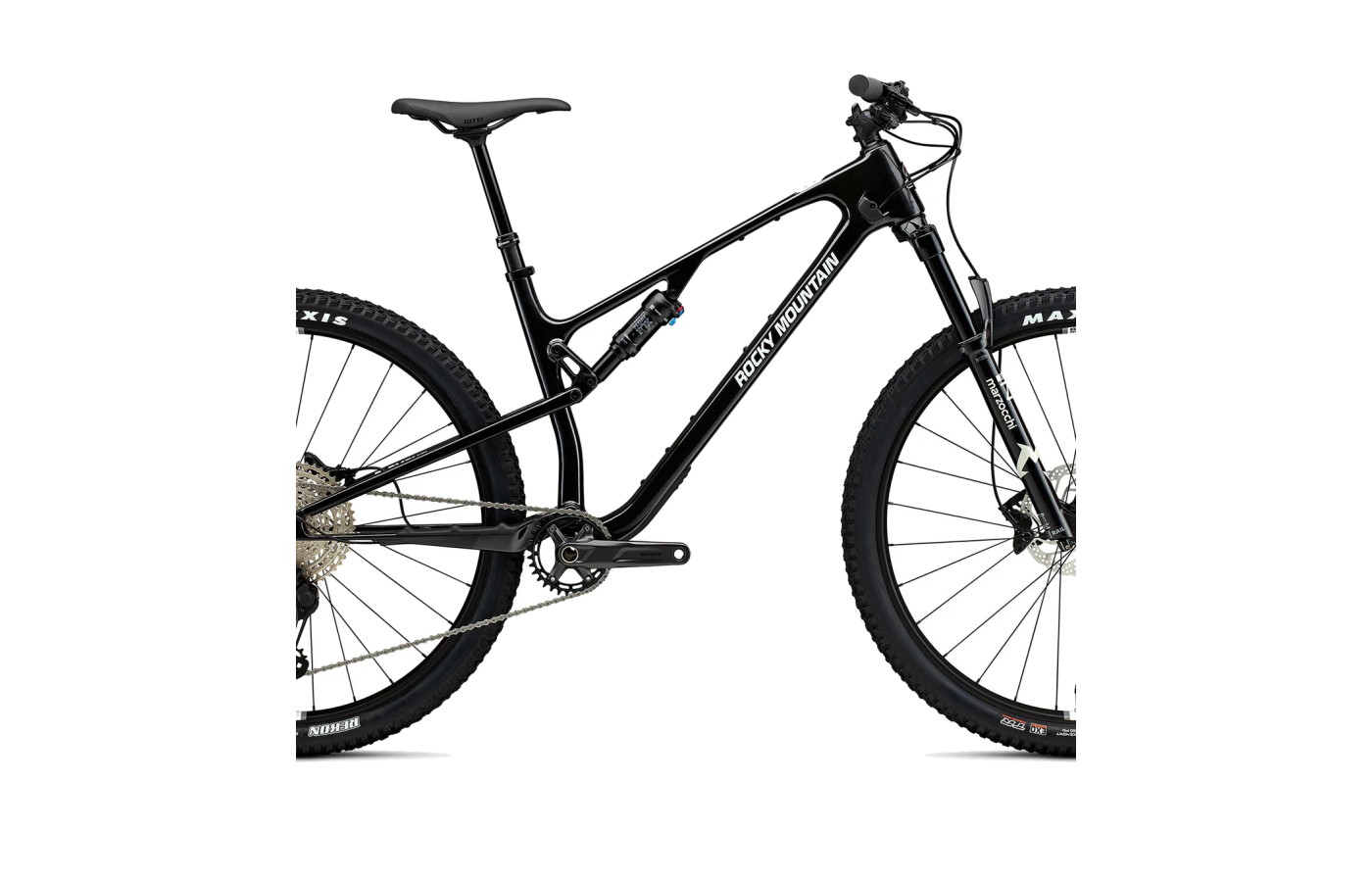
Element
The most direct rival to the Epic Evo — similar rowdy XC geometry but with a more active suspension platform that handles technical climbing better than Specialized's regressive tune.
Compare →
Ripley
Shorter wheelbase and DW-Link suspension make this the maneuverable pick. Where the Spur feels long in tight switchbacks, the Ripley is the mountain-goat alternative.
Compare →