Diverge
vsRoubaix
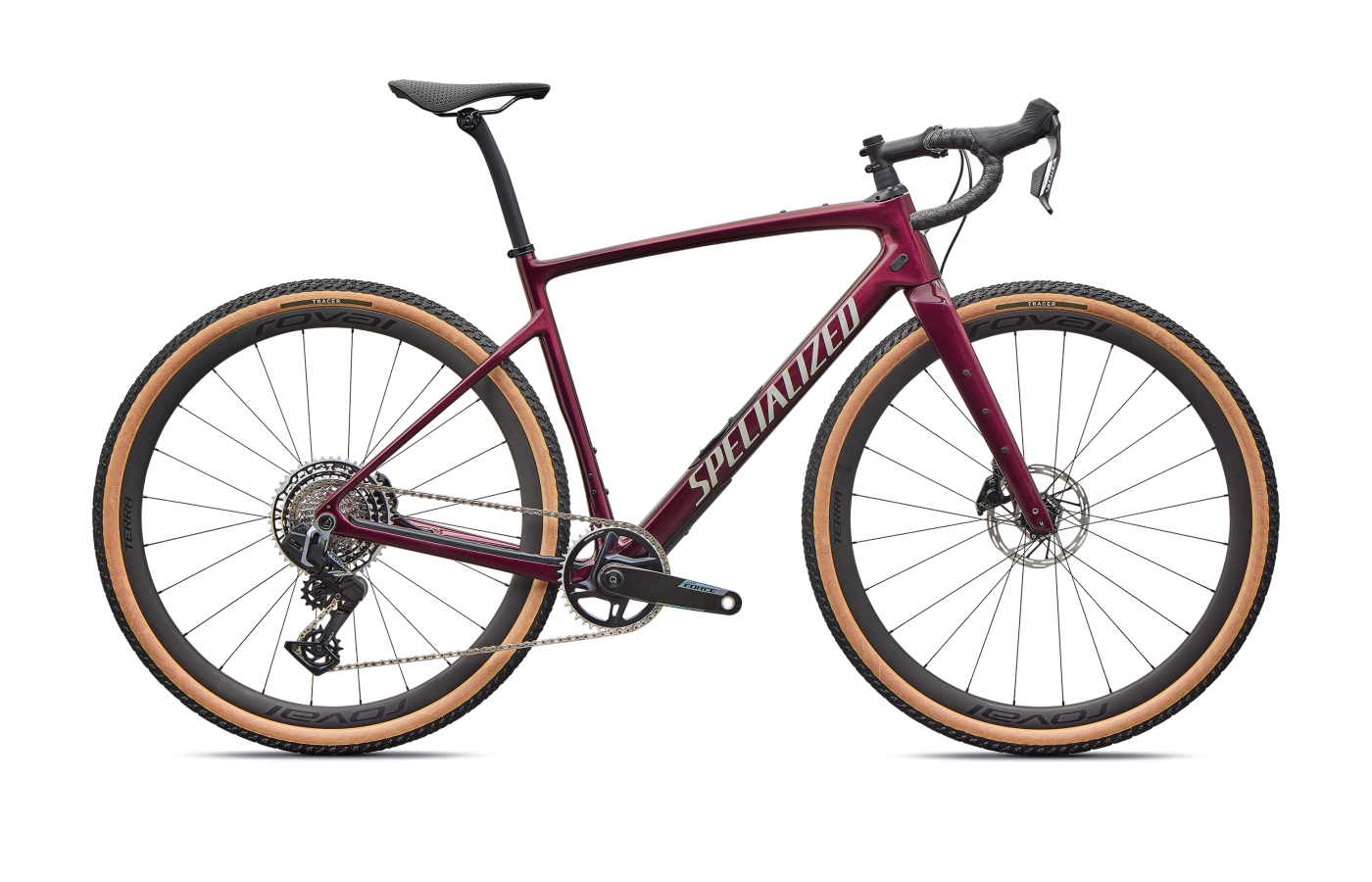
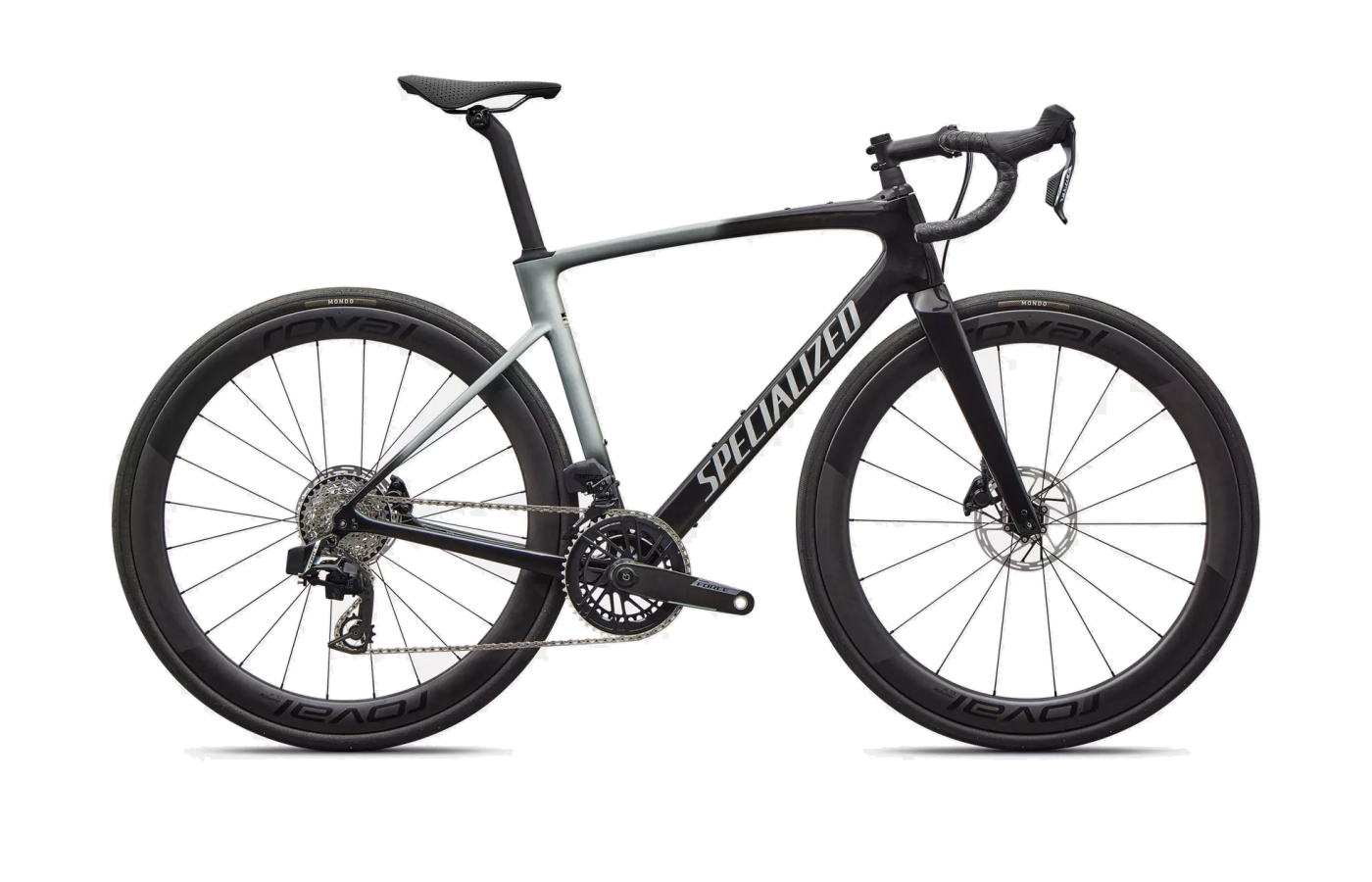
Same Future Shock, two different worlds.
The Diverge 4 is a gravel-first freight train. The Roubaix SL8 is an endurance road bike that no longer flinches at light gravel.
Diverge
- Massive tire clearance — 50 mm road or 2.2-inch MTB. Future-proof for wherever gravel goes next.
- SWAT 4.0 in-frame storage across every build, including alloy. Few rivals match this on bikepacking trips.
- Confidence-inspiring stability — long wheelbase, slack 71° head angle, planted on chunky descents.
- Stock 45 mm tires plus 85 mm BB drop = pedal strikes on even mellow trails. Budget for a tire swap.
- Long, low geometry feels unwieldy at slow speeds in tight singletrack.
Roubaix
- Class-leading road comfort — Future Shock 3.0 plus the Pavé seatpost erase the kind of road buzz that ends rides early.
- 40 mm tire clearance — a major bump that legitimately handles light gravel without a second bike.
- Stable but quick on tarmac — 73° head angle (size 56) and Tarmac-derived aero tubes keep it sharp on group rides.
- Future Shock 3.2 (on Expert and below) lacks the on-the-fly lockout of the 3.3 — some bob when stomping out of the saddle.
- Tall stack and Future Shock cap how low you can get the front end. Not a race-bike fit.
Editor’s analysis
Specialized sells you the same 20 mm of front-end travel on both bikes — the question is which surface you want it pointed at.
Both share the FACT carbon platform, the Future Shock cartridge under the stem, the threaded BB, and the SWAT-ish design language. From there, every meaningful number splits. The Specialized Diverge clears 50 mm tires (or a 2.2-inch MTB tire with 4 mm to spare). The Specialized Roubaix tops out at 38 mm — enough for light gravel, not enough for a serious off-road bike.
Geometry tells the same story even louder. At size 54, the Diverge sits 7 mm taller, 6 mm longer in reach, and uses a slacker 71° head tube with 65 mm of trail and 430 mm chainstays — pulled directly from modern XC playbooks. The Roubaix at 54 runs a 72.3° head angle, 61 mm trail, and 420 mm chainstays. The wheelbase gap (1041 mm vs. 1012 mm) shows up the moment you point either bike downhill on something rough.
Bottom bracket drop is the tell. The Diverge sits 85 mm down — low and stable, but reviewers across BikeRadar, Cycling Weekly, and Velo all flagged frequent pedal strikes on the stock 45 mm tires with 172.5 mm cranks. The fix is well known: throw on the 50 mm tires the frame was actually designed for. The Roubaix's 78 mm drop is normal endurance-road territory and pedals through corners without drama.
Pricing reflects the focus. Diverge starts at $2,099 (alloy Sport) and tops out at $10,499; Roubaix runs $2,799 to $12,499 with deeper carbon-grade tiering at the top (FACT 12R S-Works). If you ride mostly dirt and want one bike, get the Diverge. If you ride mostly tarmac and want the rough-road option without buying a second bike, get the Roubaix.
Where the builds differ.
Comparing our editor's-pick builds side-by-side. Winners highlighted row-by-row — lower price and weight, and the better-spec component, each mark a point.
Build variants & pricing
Both ranges span ~$8k — alloy/Tiagra at the bottom, S-Works/RED AXS at the top. Editor's picks land at the matched Force AXS tier.
Prices are current US MSRP. The Diverge 4 Pro and Roubaix SL8 Pro both run SRAM Force AXS on FACT carbon — the cleanest apples-to-apples comparison in the lineup. The Roubaix Pro uses 2x road gearing (46/33t) with a power meter; the Diverge Pro uses 1x XPLR (40t, 10–46t cassette) with a Quarq power meter.
How they fit, how they steer.
Both at size 54 — the fit-picked size for a 5'8" rider on each bike. The Diverge sits 7 mm taller in stack, 6 mm longer in reach, with a 1.3° slacker head angle, 4 mm more trail, and 10 mm more chainstay than the Roubaix.
Which size should I buy?
Size recommendations based on stack, reach, and effective top tube. Both ranges overlap closely in the middle — the Roubaix extends one size smaller (44) for very short riders.
→These are starting points. Flexibility, riding style, and preferred position all shift the answer — if you’re between sizes, a professional fit beats a chart.
What the magazines said.
Published reviews from trusted cycling outlets. Click through for the full write-up.
Which one should you buy?
If most of your riding is on dirt, get the Diverge. If most of it's on pavement with the occasional rough road, get the Roubaix.
Diverge
If you spend most weekends on fire roads, gravel races, and the occasional bit of singletrack — and you want one bike that can also haul gear for a multi-day trip — the Diverge is the obvious answer. Plan to swap to 50 mm tires from day one.
Roubaix
If your riding is 90% pavement and you want comfort that lets you finish a 100-miler fresh — with enough tire clearance to take a dirt detour without flinching — the Roubaix delivers. Faster on tarmac, plush on broken roads, and comfortable in a way no race bike can match.
Questions buyers actually ask.
Short answers to the things we get emailed about most often.
01Can the Roubaix do gravel?
Light gravel, yes. The Roubaix SL8 clears 38 mm tires (Specialized officially advertises 40 mm with measured fit on the wide Roval rims), and the Future Shock plus Pavé seatpost handle washboard and chip-seal that would beat up a pure race bike. Reviewers at Cycling Weekly and Road.cc explicitly call it a viable light-gravel option.
What it can't do is technical gravel, chunky doubletrack, or anything you'd want a 2.0-inch tire for. Geometry is road-bike — short wheelbase, steeper head angle, no provision for big rubber. If your weekend rides include rocks and roots, get the Diverge.
02Can the Diverge do road?
It can, but it's not what it's built for. The Diverge feels fast on pavement, but reviewers consistently note the 45 mm gravel tires generate a slight hum and the long, slack geometry isn't as sharp as a road bike on tarmac. As BikeRumor put it, the Diverge is a "gravel-first machine" — purposefully, not accidentally.
If your week is 80%+ road and you want one bike, the Roubaix is the better choice. If you'll only ever ride pavement to get to the gravel, the Diverge is fine.
03What's the difference in tire clearance?
Diverge 4: Officially 50 mm with 8 mm of mud clearance, or a 2.2-inch MTB tire with the ISO-standard 4 mm clearance. This is one of the widest clearances in the gravel category.
Roubaix SL8: Officially 38 mm in the database; Specialized advertises up to 40 mm measured, with reviewers fitting that comfortably on the wide Roval rims. Add fenders and you're looking at ~35 mm max.
04Are the Future Shock systems the same?
Same family, different versions tuned for the bike. Both run the Future Shock 3.0 platform with 20 mm of axial travel under the stem. Higher-end builds get the 3.3 with on-the-fly adjustable damping; mid-tier builds (Diverge 4 Expert, Roubaix SL8 Expert and Comp) get the 3.2 with fixed hydraulic damping; entry-level builds get the undamped 3.1.
Both bikes can be upgraded to the 3.3 cartridge aftermarket for around $400–$450. Specialized claims serviceability is now four-year intervals.
05Which has better geometry for descending?
Different kinds of descending. The Diverge is a freight train on rough gravel — long 1041 mm wheelbase (size 54), slack 71° head angle, 430 mm chainstays. Reviewers describe it as "planted" and confidence-inspiring on loose, fast descents.
The Roubaix is the sharper road descender — 73° head angle (size 56), 1031 mm wheelbase, and the Future Shock keeps the front wheel "vacuumed to the asphalt" through corners. Pick by surface, not by which has "better" geometry.
06What about pedal strikes on the Diverge?
Real and well-documented. The Diverge 4 has an aggressive 85 mm bottom bracket drop designed to lower the center of gravity when running 50 mm tires. Stock builds ship with 45 mm tires and (on size 54/56) 172.5 mm cranks, which leaves you striking pedals on what BikeRadar called "even pretty mellow trails." Cycling Weekly's reviewer broke a Garmin Rally pedal from repeated strikes.
The fix is straightforward: run the 50 mm tires the frame was actually designed for, and the issue largely disappears. The Roubaix's 78 mm BB drop and 32 mm tires don't have this problem.
07Both have SWAT storage, right?
Only the Diverge does. All Diverge 4 models — including the alloy ones, a notable first — get the updated SWAT 4.0 in-frame storage with a larger door and more usable space. Reviewers consistently flag this as a real advantage for long rides and bikepacking.
The Roubaix SL8 does not have SWAT storage, though it does have mudguard mounts, a top tube bag mount, and an extra bottle cage mount for accessory carrying.
08Which is the better value at the mid-tier?
The Diverge 4 Pro at $7,999 and the Roubaix SL8 Pro at $8,299 both run SRAM Force AXS on FACT carbon frames with carbon Roval wheels and the Future Shock 3.3 — closely matched on spec and price. At the Expert tier ($5,999 each), reviewers were more critical: BikeRadar called the Diverge Expert "a relatively expensive proposition" against rivals like the Canyon Grail, and Road.cc made the same complaint about the Roubaix Expert versus the Trek Domane SL 7 and Liv Avail Advanced Pro 0. Specialized doesn't lead on raw spec-for-dollar — you're paying for the Future Shock and the dealer network.
Similar bikes
If your priorities don’t map cleanly onto either of these, one of these adjacent bikes probably fits better.
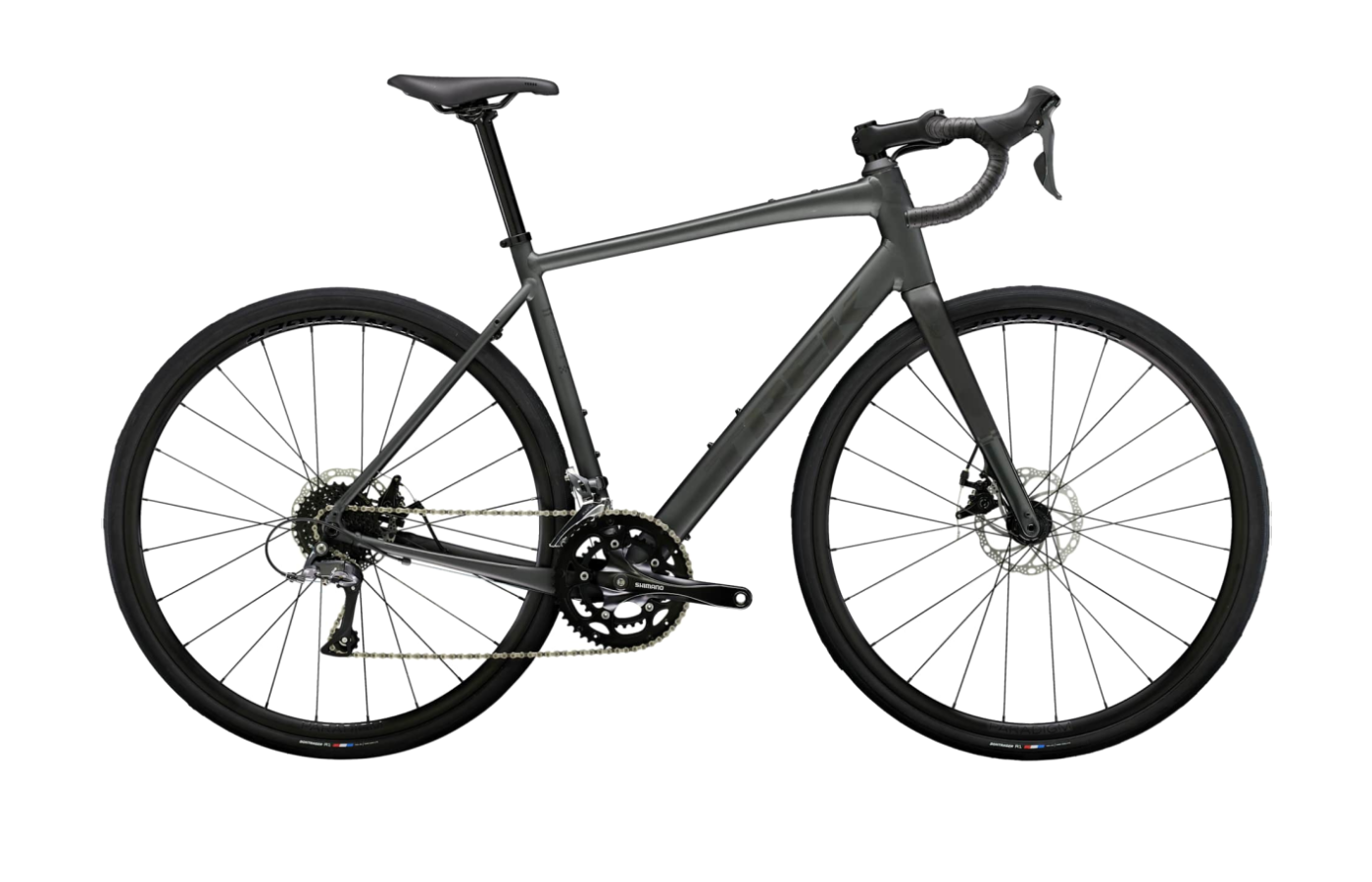
Domane
Trek's endurance road answer to the Roubaix — IsoSpeed decoupler at the seat tube does the rear-comfort job that Specialized hands to the Pavé seatpost. Similar all-road clearance, no front suspension to maintain.
Compare →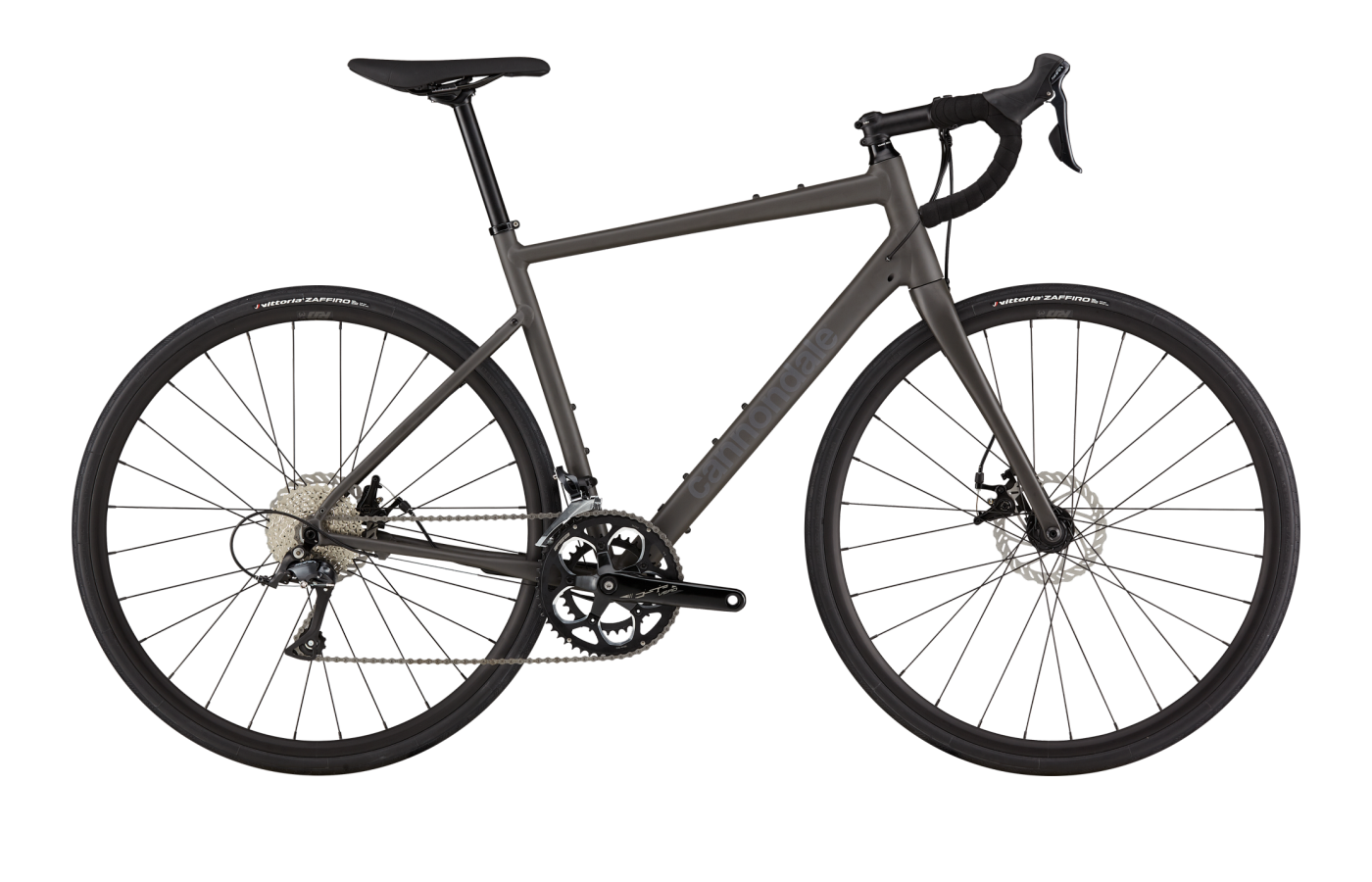
Synapse
Cannondale's endurance bike with SmartSense integrated lighting and radar plus generous tire clearance. A clean, integrated package if you ride a lot in traffic and want safety tech baked in.
Compare →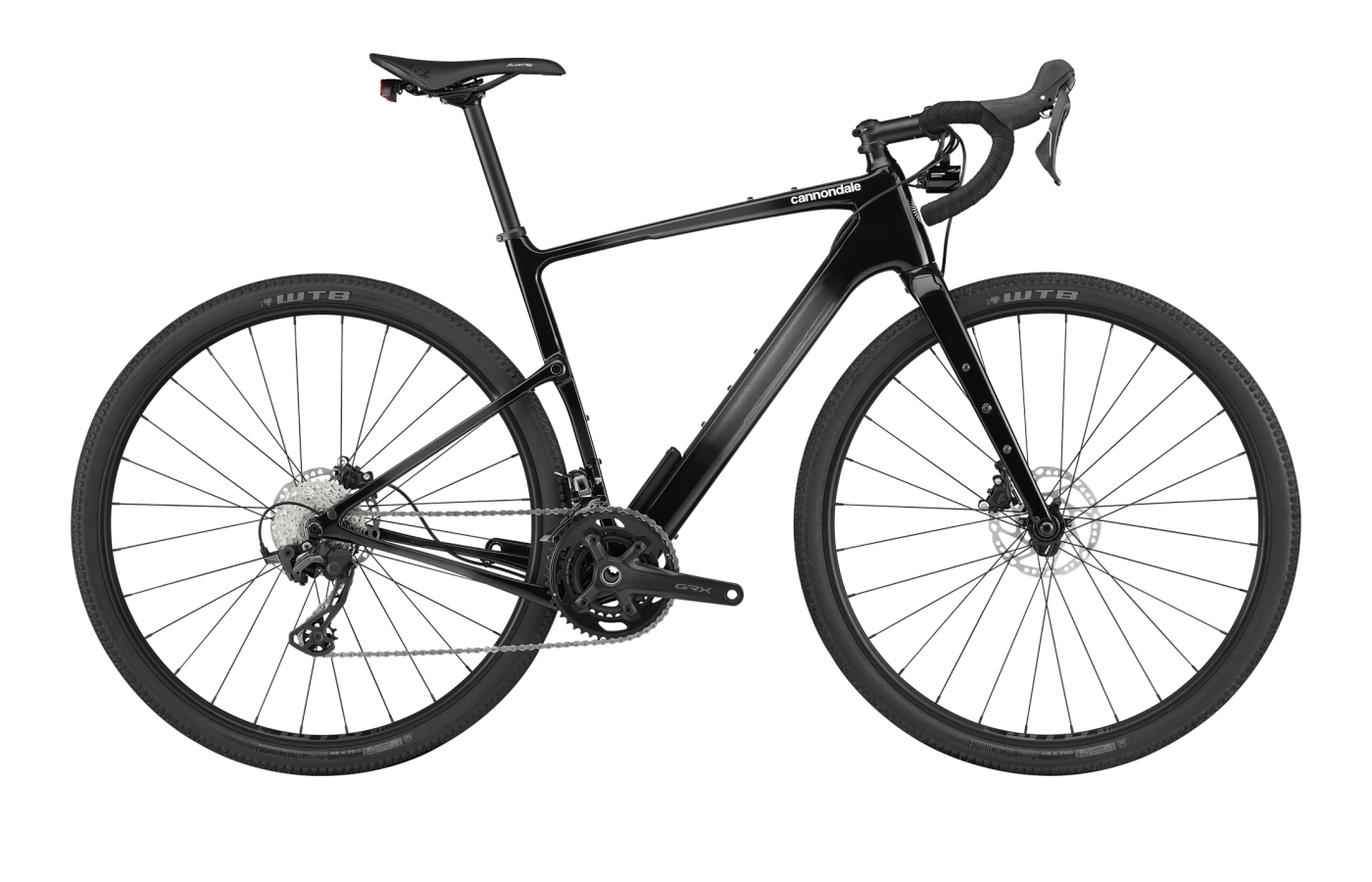
Topstone Carbon
If the Diverge appeals but you'd rather have rear suspension than front, the Topstone Carbon's Kingpin pivot delivers ~30 mm of rear travel without a shock. Adventure-focused, with similar tire clearance and bikepacking mounts.
Compare →