Allez
vsDomane
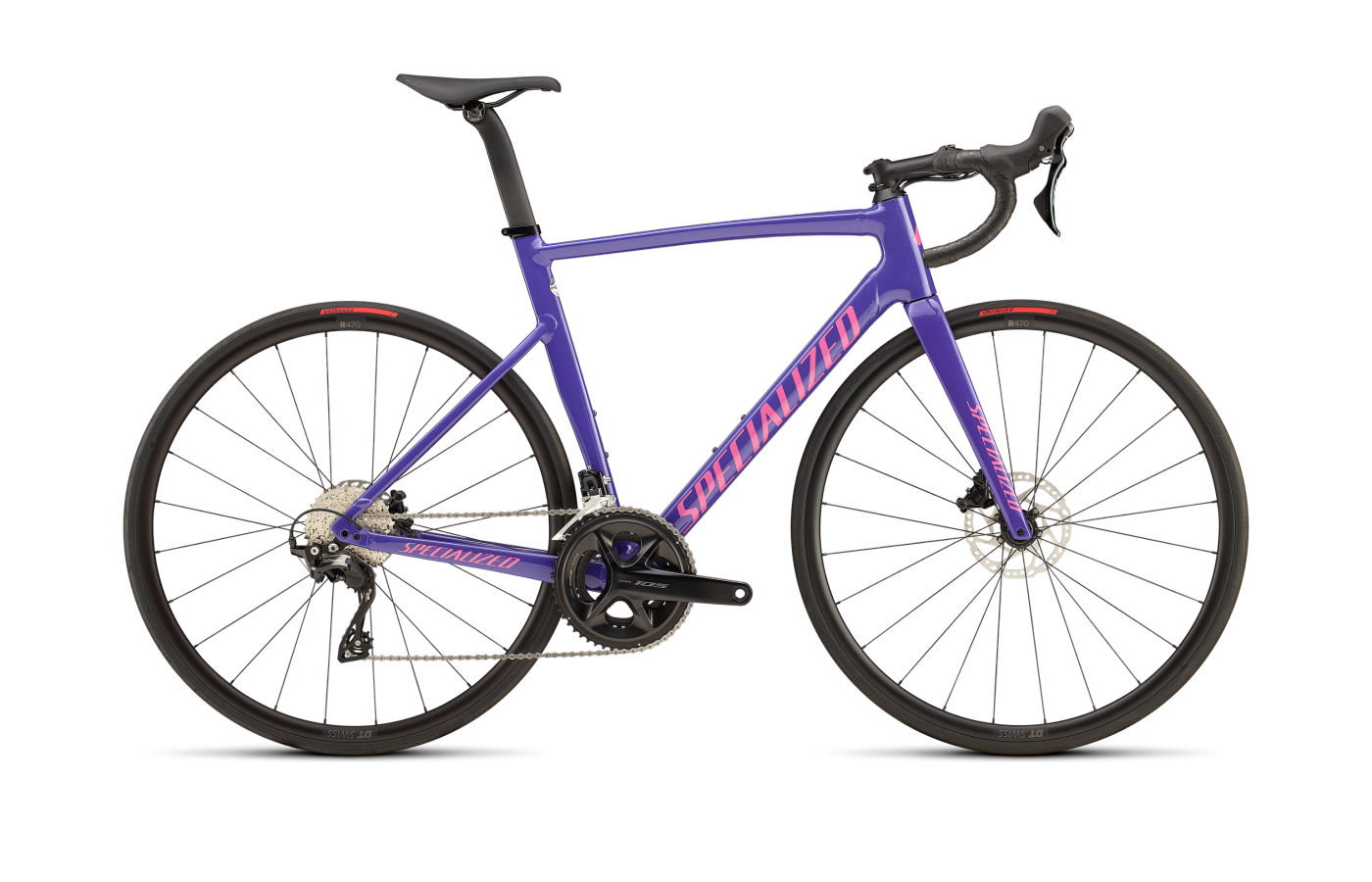
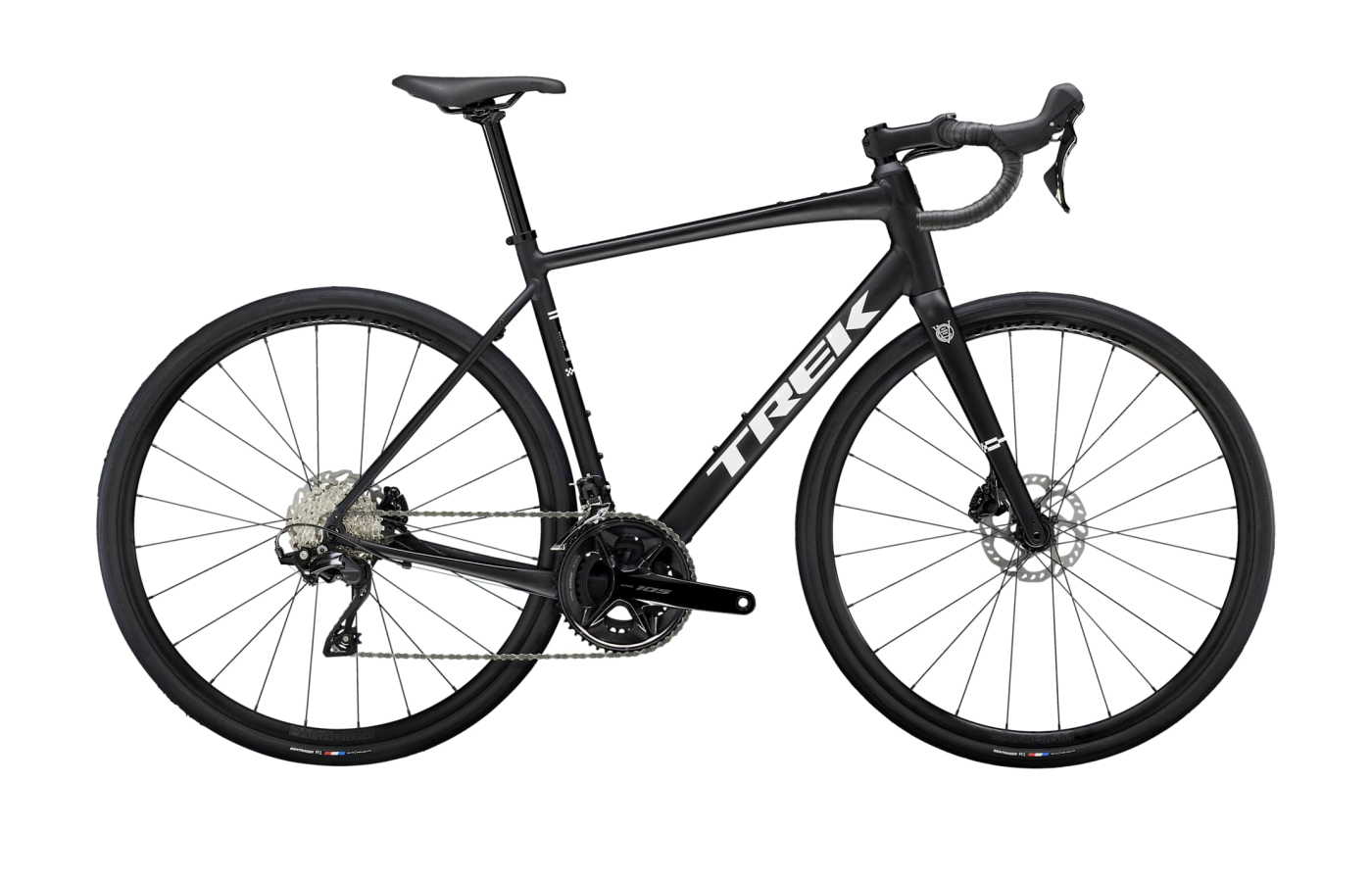
Two aluminum all-rounders, two different missions.
The Allez is the lightweight alloy frame you upgrade into. The Domane is the all-road bike that already ships ready for broken pavement.
Allez
- Lightest-in-class alloy frame — a claimed 1,375 g (56 cm) and 8.68 kg complete at the Sprint Comp build.
- Strong upgrade ceiling — reviewers consistently say lighter wheels and tires transform the ride.
- Tidy ownership economics — threaded BB, 27.2 mm seatpost, external cockpit routing keep service simple.
- Tops out at Shimano 105 mechanical — no Di2 or carbon option in the Allez range.
- Stock Axis Sport wheels and Roadsport tires are the weakest link; reviewers call them "dead."
Domane
- 38 mm tire clearance — genuine all-road capability that the Allez (35 mm) can't quite match.
- Huge build range — $1,199 Claris AL 2 all the way to a $12,499 SRAM Red AXS SLR 9, carbon or alloy.
- Planted, confidence-inspiring geometry — an 80 mm BB drop and a long wheelbase make it rock-solid on descents.
- AL 5 comes in at 9.85 kg — heavier than the Allez Sprint Comp by over a kilo.
- Stock Bontrager R1 Hard-Case Lite tires and heavy Paradigm wheels dull the ride in stock trim.
Editor’s analysis
Both sit in the same $1,200–$2,600 entry-road bracket, but they were designed for different kinds of first road bike.
On paper the Specialized Allez and the Trek Domane AL look like twins — aluminum frame, carbon fork, 12-speed Shimano 105 at the top of the alloy range, 700x32 tires, threaded bottom bracket. Ride them back-to-back and the philosophies separate fast. The Allez is the lighter, tidier frameset; the Domane is the more versatile platform with more tire room and more built-in features.
The Allez leans on its frame. Specialized's E5 Premium Aluminum is marketed as the lightest in its class — a claimed 1,375 g for a 56 — and the Sprint Comp build lands at 8.68 kg with 105 R7100 12-speed mechanical. Geometry is endurance-flavored (Roubaix-inspired, per Specialized), stack is tall, HTA is 71° on the 52, and clearance tops out at 35 mm. Reviewers routinely describe the frame as "prime for upgrading" — the wheels and tires are the first thing to swap, and the bike transforms when you do.
The Domane plays a different game. Clearance jumps to 38 mm (with real-world fits up to 40 mm reported), the bottom bracket drop is a deep 80 mm for dead-steady descents, and every build ships with 32 mm tubeless-ready rubber. Trek's alloy frame is heavier — the AL 5 build is 9.85 kg — but you're paying for versatility: fender mounts, full rack mounts, UDH rear dropout, and a longer wheelbase that stays planted on chip-seal and light gravel.
Put another way: the Allez is the bike you buy knowing you'll upgrade wheels in year two. The Domane is the bike you buy because you already know you want one bike that handles tarmac, commutes, and the occasional dirt detour without swapping anything.
Where the builds differ.
Comparing our editor's-pick builds side-by-side. Winners highlighted row-by-row — lower price and weight, and the better-spec component, each mark a point.
Build variants & pricing
Two-aluminum comparison at the 12-speed 105 tier. The Allez tops out here; the Domane keeps going into carbon and Di2.
Prices are current US MSRP. The Allez range ends at the Sprint Comp at $2,599 — if you want Di2, a carbon frame, or a flagship build, Trek is the only brand offering that in this lineup.
How they fit, how they steer.
Allez 52 vs Domane 50 — the fit-picked sizes on each. The Domane sits 6 mm lower in stack with 4 mm more reach, runs a 4 mm tighter trail, and drops its BB dramatically lower for straight-line stability.
Which size should I buy?
Size recommendations based on stack, reach, and effective top tube; the Domane's size labels run one step smaller than the Specialized's for the same rider.
→These are starting points. Flexibility, riding style, and preferred position all shift the answer — if you’re between sizes, a professional fit beats a chart.
What the magazines said.
Published reviews from trusted cycling outlets. Click through for the full write-up.
Which one should you buy?
If you want a light, upgrade-friendly alloy frame to grow into, get the Allez. If you want one bike that already handles tarmac, commutes, and light gravel, get the Domane.
Allez
If you're buying your first "real" road bike and plan to own it for five years — swapping wheels in year two, maybe tires before then — the Allez rewards that path. The frame is better than the build, and that's the point.
Domane
If your routes mix good tarmac, bad tarmac, a gravel shortcut, and a weekday commute — and you'd rather not own two bikes — the Domane's 38 mm clearance and deep BB drop handle all of it out of the box.
Questions buyers actually ask.
Short answers to the things we get emailed about most often.
01Which is lighter?
The Allez, meaningfully. At the top of each alloy range, the Sprint Comp lands at 8.68 kg while the Domane AL 5 is 9.85 kg — a 1.17 kg gap at roughly the same price. The Allez frame alone is claimed at 1,375 g (56 cm), and Specialized markets it as the lightest-in-class alloy frame in this segment.
On flat roads that weight gap is small; on repeated climbs it adds up, which is why reviewers consistently describe the Allez as the "sprightlier" of the two at stock trim.
02What's the tire clearance on each?
Allez: 35 mm officially, or 32 mm with full-length mudguards fitted. Stock tires are 30 mm on most builds.
Domane Gen 4: 38 mm officially, with several reviewers fitting 40 mm or even wider in testing. Stock tires are 32 mm tubeless-ready on every build.
The Domane is genuinely all-road; the Allez is a road bike with unusually generous clearance for its class.
03Can either bike handle light gravel?
Both can, but the Domane is built for it. Trek's 38 mm clearance, 80 mm BB drop, long wheelbase, and stock tubeless-ready rubber make it a competent light-gravel bike out of the box — reviewers describe the handling on dirt as "rally-car" composed.
The Allez handles hard-pack and the occasional dirt detour, per reviewers, but 35 mm clearance and road-profile tires make it clearly a road bike first. If dirt is more than occasional, the Domane is the right answer.
04Are these good for commuting and winter riding?
Yes — both are built with that in mind. Each frame has full-length fender mounts and rear rack mounts, threaded bottom brackets for easy service, and carbon forks paired to aluminum frames for comfort.
The carbon Domane models add internal routing through the headset, which reviewers flag as a long-term servicing concern (exposed upper headset bearing, higher labor to replace). The AL models keep their routing simpler, and the Allez keeps its cockpit routing external — easier to live with if you're in wet conditions year-round.
05How do the geometries compare?
Both are relaxed, endurance-oriented road geometries — no aggressive race slam on either. At the fit-picked sizes, the Allez 52 has a 552 mm stack / 364 mm reach, while the Domane 50 has a 546 mm stack / 368 mm reach. Head tube angles are nearly identical (71° vs 71.1°).
The biggest difference is bottom bracket drop: the Domane sits the rider much lower between the axles, which is why it feels more planted at speed. The Allez is a more neutral, "heads-up" endurance geometry in the Roubaix vein.
06What's the groupset story at each price tier?
Both start with Shimano Claris 8-speed at their entry price (~$1,200) — mechanical disc brakes, budget-grade shifting.
Both step up to Tiagra 10-speed with hydraulic brakes around $1,800 (Allez Sport / Domane AL 4). Both reach Shimano 105 R7120 12-speed mechanical at the top of their alloy ranges (~$2,100–$2,600).
The Domane continues upward into carbon (SL 5 at $3,799, 105 Di2 from $5,099, SRAM Red AXS flagships over $12,000). The Allez stops at the 12-speed 105 mechanical Sprint Comp — if you want electronic shifting or a carbon frame, you're looking at the Roubaix or Tarmac, not the Allez.
07Which holds up better long-term?
Both are durable alloy platforms with 10-plus-year frame track records. The Allez frame gets consistent praise for robust welds and a trouble-free ownership record — simple external cockpit routing, threaded BB, non-proprietary 27.2 mm seatpost.
The Domane Gen 4 has two specific known issues reviewers have flagged on the carbon models: a creaking/slipping IsoSpeed seatpost wedge (Trek has shipped updated parts), and exposed upper headset bearings on the integrated routing that shorten service intervals. Neither affects the AL frames directly, but they're worth knowing about if you're shopping across the range.
08Is one a better first road bike?
It depends on what you want to do with it.
Buy the Allez if you want the lightest, tidiest frame in this segment and you're happy to upgrade wheels and tires in a year or two to unlock the frame's potential. It's a cleaner upgrade path.
Buy the Domane if you want one bike that already does commuting, road rides, and light gravel without changing anything. Trek's tire clearance and standard 32 mm tubeless setup mean you're ready to go on day one.
Similar bikes
If your priorities don’t map cleanly onto either of these, one of these adjacent bikes probably fits better.
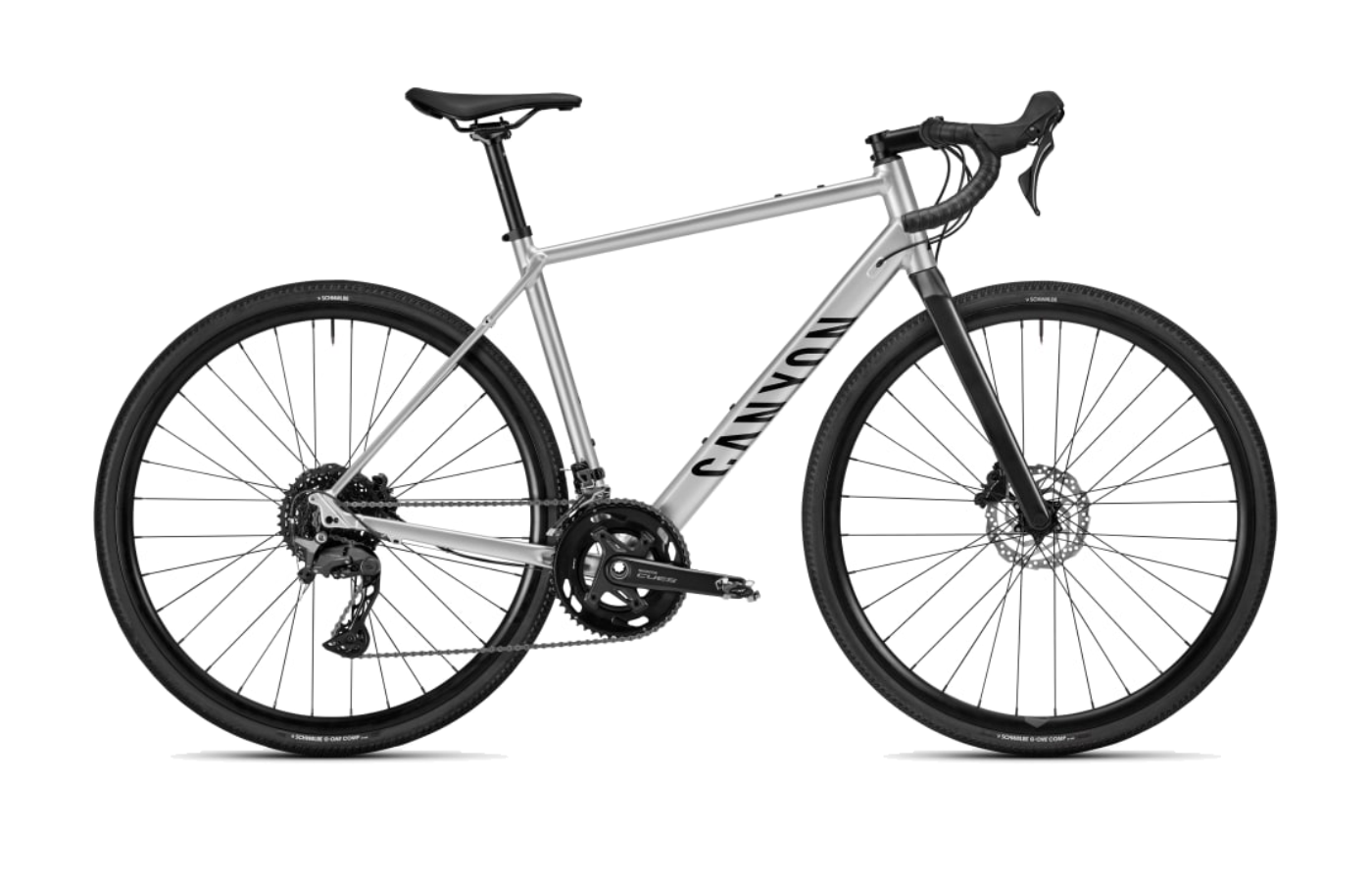
Endurace
The direct-to-consumer value play — Canyon's Endurace typically ships a groupset tier up for the same money as the Allez or Domane AL. The catch is no local dealer for fit, warranty, and service.
Compare →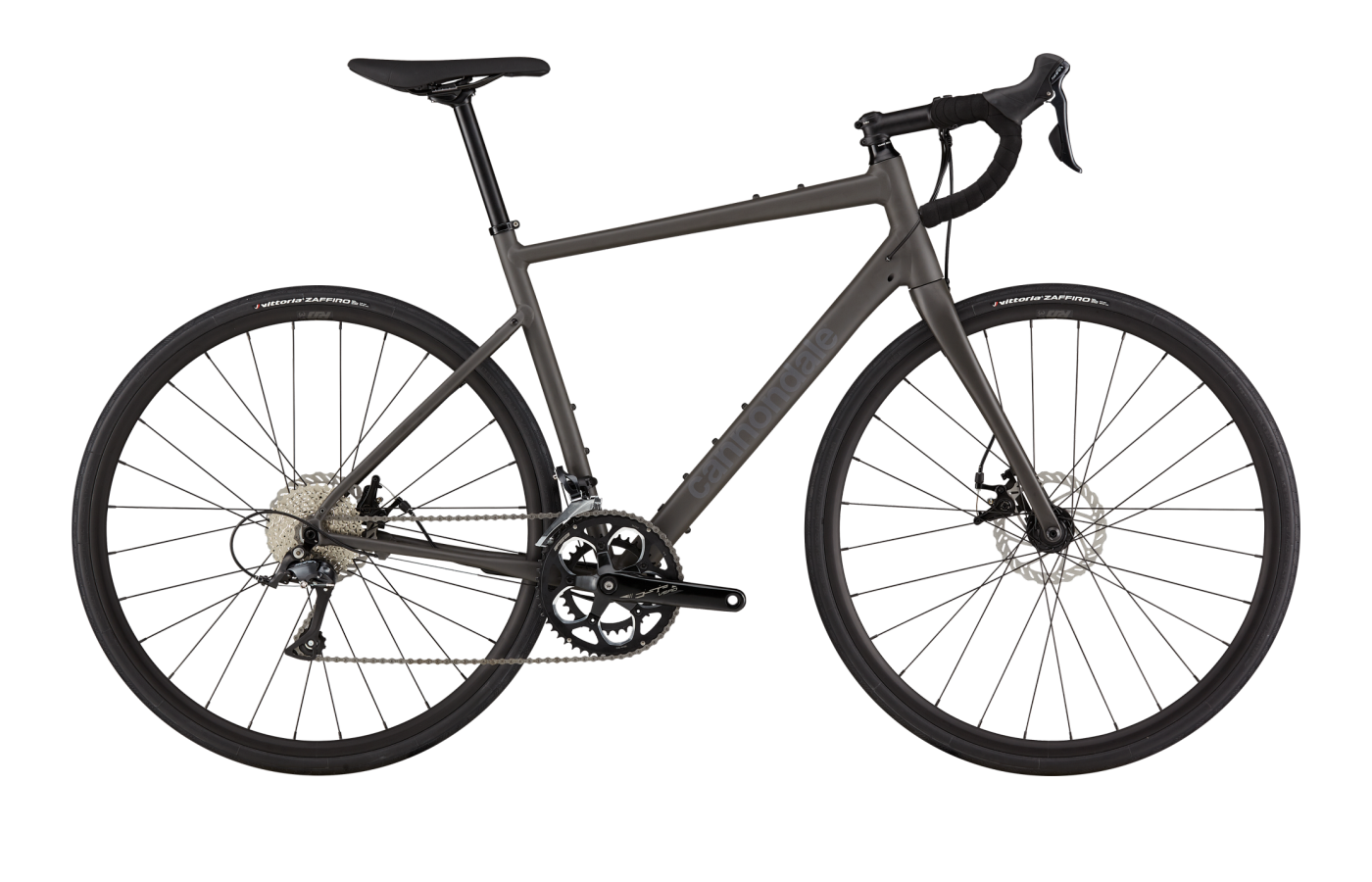
Synapse
The Domane's closest philosophical twin — endurance geometry, generous tire clearance, rack and fender mounts, and a carbon option with integrated electronics. Worth a cross-shop if the Trek's fit profile speaks to you.
Compare →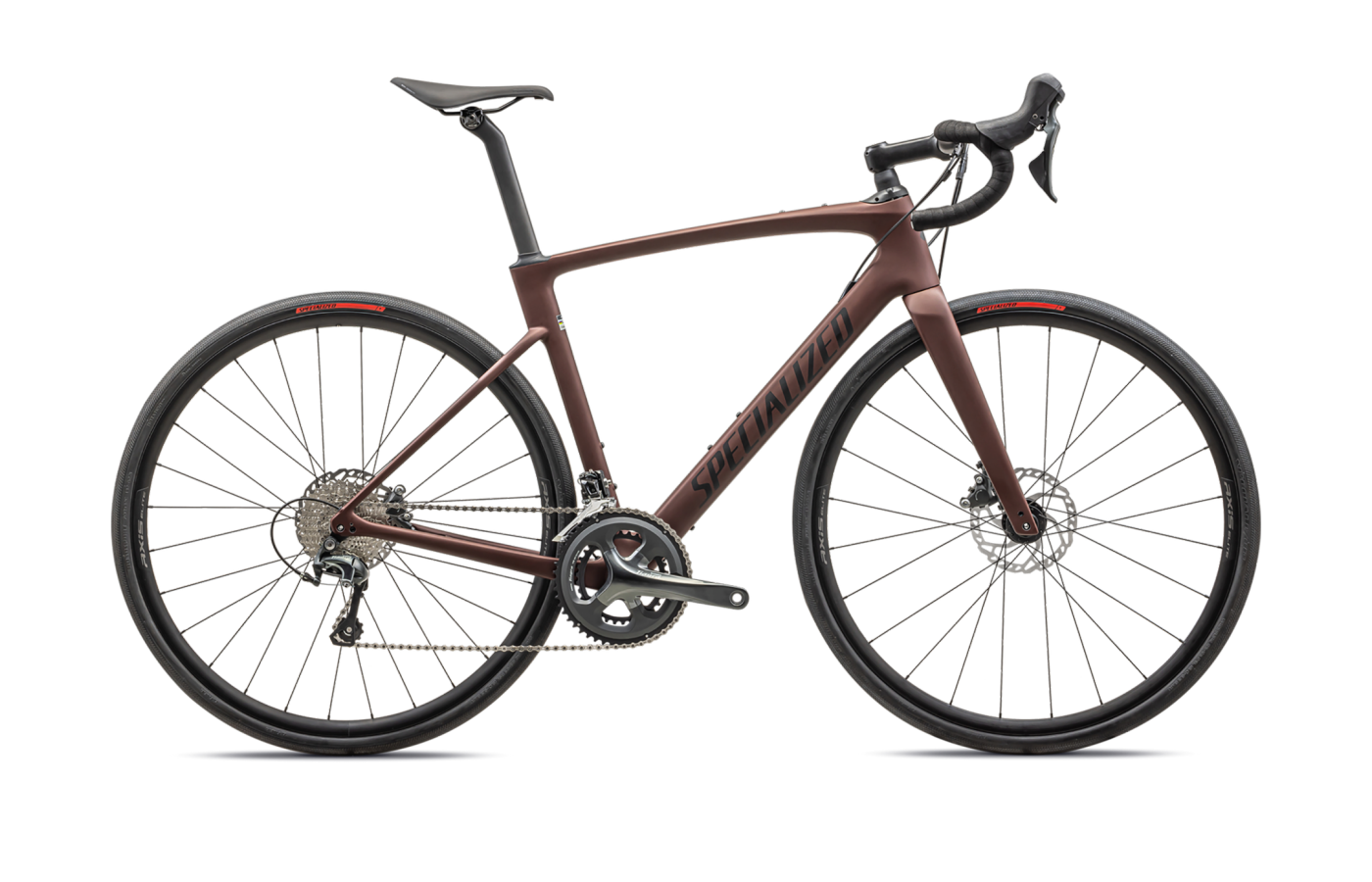
Roubaix
The Allez in carbon, basically — same endurance-leaning geometry, but with Specialized's Future Shock cartridge up front for 20 mm of front-end travel. The answer when "upgrade the Allez" isn't enough.
Compare →