Warroad
vsDomane
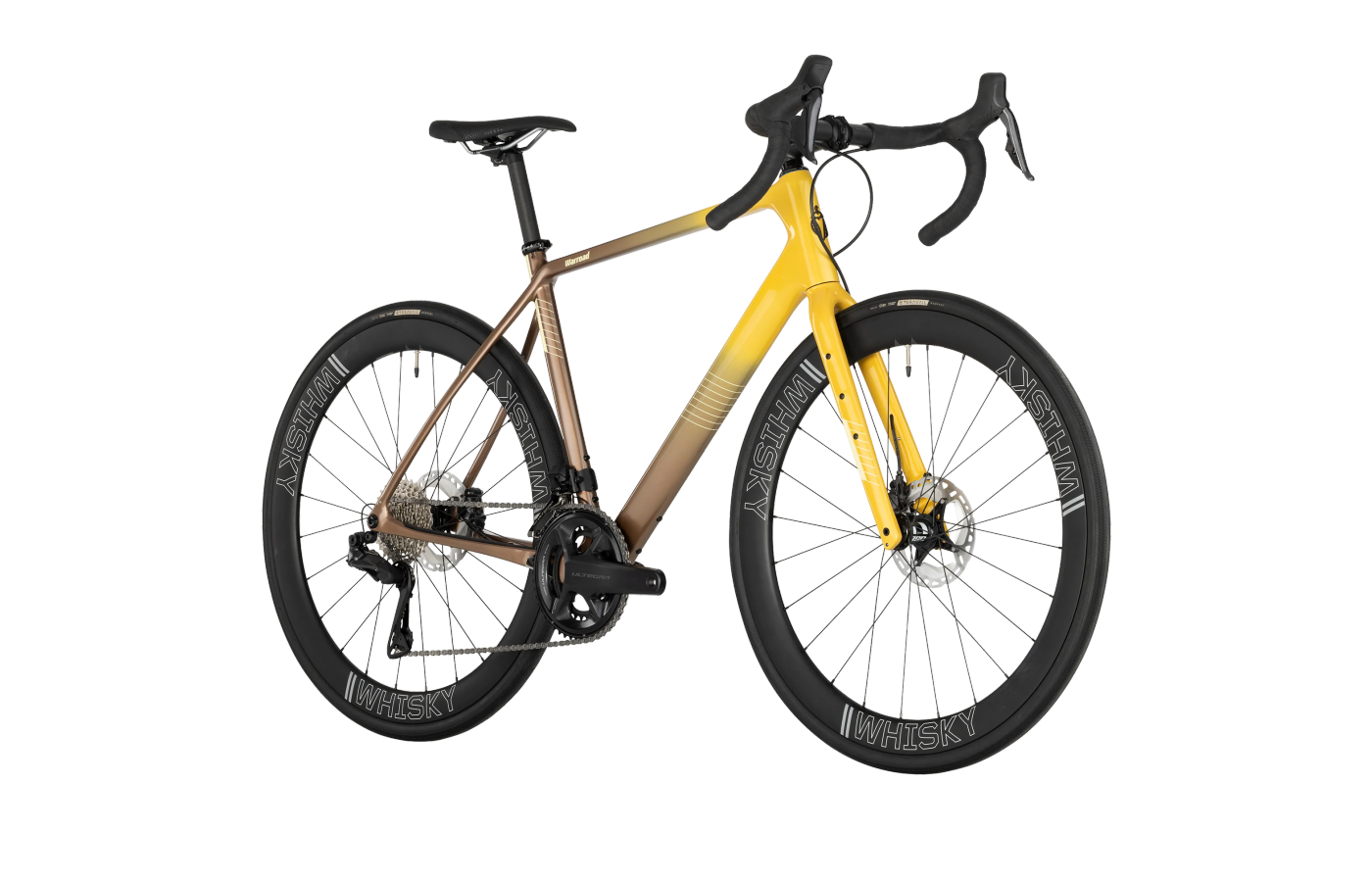
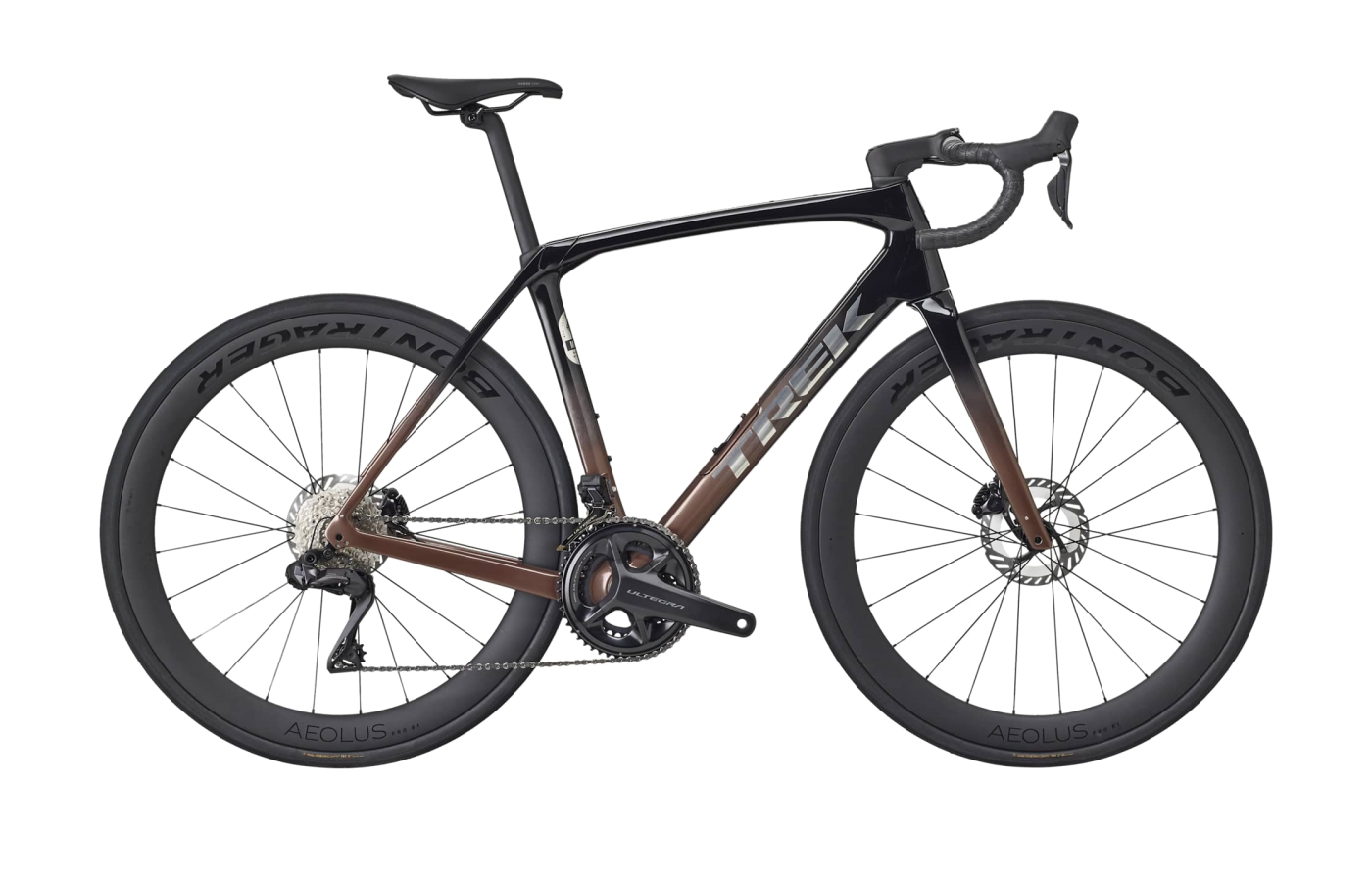
Two endurance road bikes, two different ceilings.
The Warroad is Salsa's all-road specialist with a 650b party trick. The Domane is Trek's flagship endurance platform with IsoSpeed and a $1,199-to-$12,499 build ladder.
Warroad
- Two bikes in one wheelset swap — 700c up to 35 mm for road, 650b up to 47 mm for gravel; reviewers say the 650b setup is where the Warroad shines.
- Class 5 VRS compliance — exaggerated bow seatstays flex outward for vertical compliance without making the bike feel like "a damp noodle when you put the power down."
- Adventure-ready mounts — three to four bottle cages, top-tube bag, full fender compatibility, and fork mounts for anything-cages or low-rider racks.
- Build ceiling stops at $4,619 — no Dura-Ace, Red AXS, or carbon-wheel SLR-tier option from the factory.
- Trail isn't published; the short 415 mm chainstays and 71° head angle reward an active rider but feel "skittish" to some testers on rough, technical descents.
Domane
- Wider 38 mm tire clearance — officially 38 mm (some reviewers fit 40 mm), more headroom for true all-road use than the Warroad's 35 mm 700c spec.
- Rear IsoSpeed decoupler — tuned to the most compliant setting of Gen 3 by default; reviewers call it "astonishingly comfortable" on broken tarmac.
- Build range from $1,199 to $12,499 — the only platform here with a flagship Dura-Ace Di2 and Red AXS option, plus internal downtube storage and a T47 threaded BB across the lineup.
- Heavy stock wheels and Bontrager R3 tires consistently called "sluggish" by reviewers — the frame wakes up only after a wheel/tire upgrade.
- Recurring creaking/slipping seatpost wedge on early Gen 4 frames; Trek has revised the part twice but the issue is well documented in long-term reviews.
Editor’s analysis
Both promise comfort over the long haul — but one is a swappable two-bikes-in-one, and the other is a polished, deeper-pocketed system bike.
On paper the Salsa Warroad and Trek Domane sit in the same endurance-all-road bracket. Both run 32 mm tires stock, both offer fender mounts, both court the rider who values composure over a 6 kg climbing weapon. But spend any real time on the numbers and the philosophies pull in opposite directions almost immediately.
The Salsa Warroad is the smaller, sharper, more swappable bike. Its frame is built around Salsa's Class 5 VRS damping — exaggerated bow seatstays that flex outward to take the sting out of square-edge hits. Tire clearance officially tops out at 35 mm on 700c, but the Warroad will also swallow 47 mm 650b rubber, and reviewers consistently single out the 650b setup as where this bike comes alive — "a nimble, playful, go-anywhere sporty SUV." Chainstays are a short 415 mm and don't grow with frame size, so it stays agile in every fit.
The Trek Domane is the bigger, calmer, more engineered bike. Gen 4 dropped the front IsoSpeed and tuned the rear decoupler to a fixed compliant setting, shaving roughly 300 g and leaning on 32 mm tires for front-end damping. Tire clearance jumps to 38 mm officially (some testers fit 40 mm), and the geometry is built around an unusually low bottom bracket and a long ~1,010 mm wheelbase — the Domane tracks straight through cobbles and pothole carpets in a way the shorter, livelier Salsa doesn't try to.
Put another way: the Salsa Warroad is the bike you buy when one set of wheels won't be enough — when you want a road bike on Tuesday and a 650b gravel rig on Saturday. The Trek Domane is the bike you buy when you want one carefully integrated platform that scales from a $1,199 alloy commuter to a $12,499 SLR 9 AXS, with internal storage, T47 bottom bracket, and a dealer on every corner.
Where the builds differ.
Comparing our editor's-pick builds side-by-side. Winners highlighted row-by-row — lower price and weight, and the better-spec component, each mark a point.
Build variants & pricing
The Warroad tops out at $4,619 with Ultegra Di2 and carbon wheels. The Domane keeps climbing — through Ultegra Di2, Force AXS, Dura-Ace Di2, all the way to a $12,499 Red AXS flagship.
Editor's picks are tier-matched at Ultegra Di2: the Warroad C Ultegra Di2 ($4,619) and the Trek Domane SL 7 Gen 4 ($6,799). The Domane's higher price reflects its 500 Series OCLV carbon frame and Bontrager Aeolus Pro 51 carbon wheelset versus the Warroad's single-tier carbon construction. If you want Dura-Ace or Red AXS, the Domane is the only platform here that sells one.
How they fit, how they steer.
Sized for fit, not label — a 5'8" rider lands on the Warroad in a 56 cm and the Domane in a 50. Reach lands within 13 mm; the Domane sits 38 mm shorter at the stack but rides on a 24 mm shorter wheelbase, with a steeper 74.6° seat tube angle.
Which size should I buy?
Use the picker to see how each platform's stack and reach scale across sizes — the Domane runs an unusually wide 47–62 cm range, the Warroad a tighter 49–61 cm spread.
→These are starting points. Flexibility, riding style, and preferred position all shift the answer — if you’re between sizes, a professional fit beats a chart.
What the magazines said.
Published reviews from trusted cycling outlets. Click through for the full write-up.
Which one should you buy?
If you want one frame that splits time between road and 650b gravel, get the Warroad. If you want a deeper build ladder, IsoSpeed compliance, and dealer support on every corner, get the Domane.
Warroad
If you'll keep two wheelsets in the garage and bounce between road group rides and 650b gravel adventures, the Warroad is the more transformable bike. The mounts, the Class 5 VRS rear, and the short chainstays make it feel honest as both road bike and light off-roader.
Domane
If most of your miles are tarmac with the occasional broken pavement or light gravel detour, the Domane's IsoSpeed rear and 38 mm tire clearance keep you composed for hours longer than a pure race frame. The build ladder also gives you somewhere to grow — from $1,199 alloy to $12,499 Red AXS.
Questions buyers actually ask.
Short answers to the things we get emailed about most often.
01Which one is more comfortable on long road rides?
Both are tuned for comfort, but they get there differently.
The Trek Domane uses a mechanical rear IsoSpeed decoupler that lets the seat tube pivot independently of the top tube — reviewers consistently call it "astonishingly comfortable" on broken pavement, and Gen 4 is tuned to match the most compliant setting of the previous generation.
The Salsa Warroad relies on Salsa's Class 5 VRS — exaggerated bow seatstays that flex outward to absorb impacts, paired with 32 mm stock tires. Reviewers call the result "plusher than many carbon bikes" and "all-day comfortable," though it's a passive system rather than a mechanical decoupler.
02What's the maximum tire clearance on each?
Salsa Warroad: 35 mm officially on 700c, or 47 mm on 650b — and reviewers note one of the best things about this frame is that wheel-size swap. One tester fit a 38 mm 700c rear, but the fork is the limiting factor up front.
Trek Domane Gen 4: 38 mm officially, with several reviewers fitting 40 mm and one squeezing in 43 mm tires. There's no 650b option from the factory.
For true gravel use, the Warroad on 650b is the more capable platform; for fast all-road on 700c, the Domane has more room.
03Which has the wider build range?
The Trek Domane by a wide margin. It runs from a $1,199 aluminum AL 2 with Shimano Claris up through a $12,499 SLR 9 AXS with SRAM Red AXS, including 105 Di2, Ultegra Di2, Force AXS, and Dura-Ace Di2 builds along the way.
The Salsa Warroad is a tighter four-build carbon-only lineup from $1,999 (105 mechanical) to $4,619 (Ultegra Di2). There is no flagship-tier Warroad — if you want Dura-Ace or Red AXS as a stock build, the Domane is the only platform here that sells one.
04How does the geometry compare for a 5'8" rider?
The fit algorithm puts a 173 cm rider on a 56 cm Warroad and a 50 Domane — different labels, same intended fit.
Reach lands within 13 mm (Warroad 381, Domane 368), but the Warroad sits 38 mm taller at the stack and rides on a 24 mm longer wheelbase. Both have a 71° head angle in those sizes; the Domane runs a noticeably steeper 74.6° seat tube angle versus the Warroad's 73°, which puts the rider further forward over the bottom bracket on the Trek.
05Are either of these a real gravel bike?
Neither is a dedicated gravel race bike — both are endurance road bikes that can handle light-to-moderate gravel.
The Warroad comes closest, particularly with a 650b wheelset and 47 mm tires; reviewers describe it as "as competent as any gravel bike" on tame singletrack in that setup. Salsa's own dedicated gravel bike is the Warbird, which has more relaxed geometry and bigger 700c clearance.
The Domane is more clearly road-first; reviewers describe its off-road manners as having a "rally car feel" on smooth gravel but caution that the geometry stays "road-first" when terrain gets technical.
06Are there any known mechanical issues to watch for?
Yes — the Trek Domane Gen 4 has a well-documented creaking and slipping seatpost wedge issue, particularly on early production frames and for riders over 80 kg. Trek has issued two revised wedges (Revision 2 and Revision 4) to address it, and a generous amount of carbon paste plus the updated part typically resolves it. Worth verifying which revision is installed on a used or older-stock Gen 4.
The Salsa Warroad uses a press-fit BB86 bottom bracket, which some reviewers prefer to see threaded for longevity. No widespread reliability issues have been flagged in long-term reviews.
Both use fully internal cable routing, which adds labor cost and complexity for hose bleeds and headset service.
07Which is the better value?
At the entry level, the Domane wins outright. The AL 2 ($1,199) and AL 4 ($1,799) have no equivalent in the Warroad lineup, which starts at $1,999.
At the Ultegra Di2 tier, the Warroad is significantly cheaper — $4,619 versus $6,799 for the Domane SL 7 Gen 4 — though the Domane builds use a higher-grade Trek 500 Series OCLV frame and Bontrager Aeolus Pro 51 carbon wheels, while the Warroad C Ultegra Di2 pairs Salsa's single-tier carbon frame with Whisky No.9 50D carbon wheels.
At the very top, only the Domane offers a Dura-Ace or Red AXS build.
08What kind of rider is each one really for?
The Warroad is for the all-road tinkerer — the rider with a second wheelset, a bikepacking trip on the calendar, and a willingness to accept a tighter build ceiling in exchange for a single frame that genuinely transforms between road and gravel personalities.
The Domane is for the long-distance road rider who values composure, dealer support, and the ability to start with a $1,199 commuter and upgrade up the same platform over time — or who simply wants the most refined IsoSpeed-equipped endurance road bike Trek has built so far.
Similar bikes
If your priorities don’t map cleanly onto either of these, one of these adjacent bikes probably fits better.
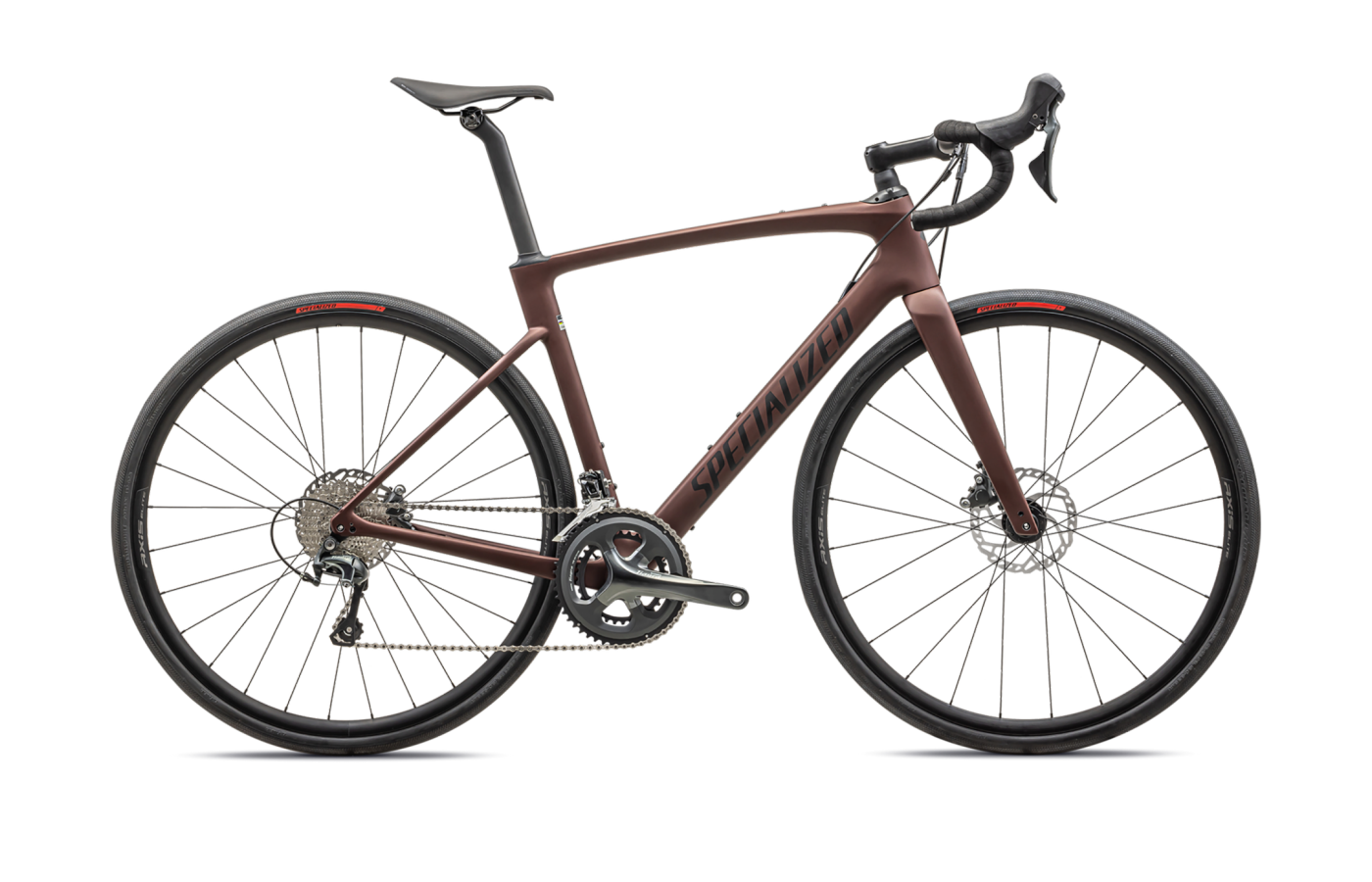
Roubaix
The Domane's most direct rival — Specialized's Future Shock 3.0 cartridge gives you 20 mm of front-end suspension travel where the Domane uses a fixed front and IsoSpeed rear. Wider 40 mm tire clearance, same endurance brief, different compliance philosophy.
Compare →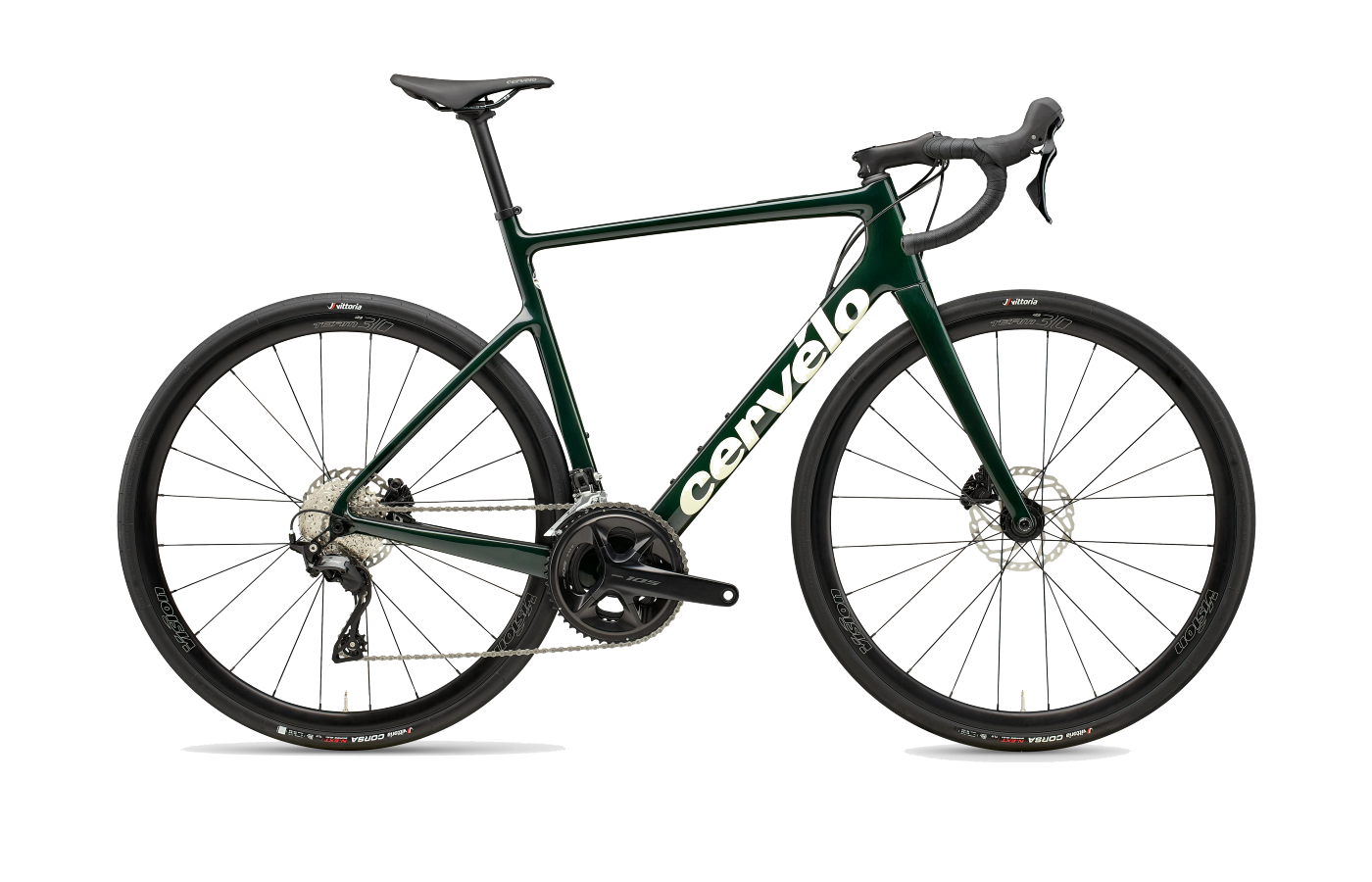
Caledonia
Cervélo's all-road answer — sharper than the Domane, more road-biased than the Warroad, with 35 mm tire clearance and aero tube shaping borrowed from the S5. The bike for the rider who wants endurance comfort without the IsoSpeed weight penalty.
Compare →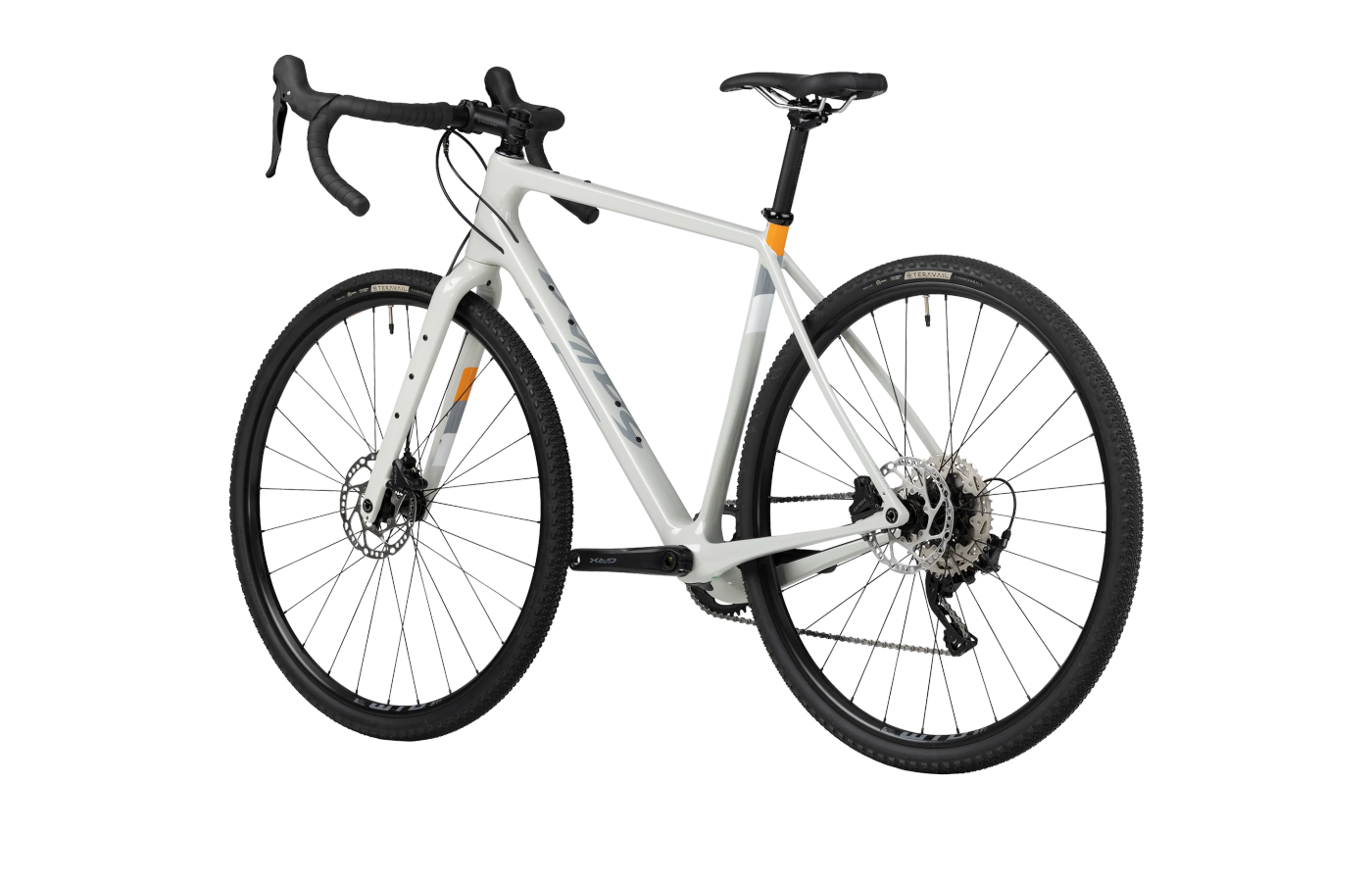
Warbird
Salsa's dedicated gravel race machine — longer wheelbase, slacker geometry, and clearance for fat 700c gravel rubber. If the Warroad's 650b party trick has you tempted but you ride more dirt than tarmac, the Warbird is the bike that's already pointed at gravel.
Compare →