Journeyer
vsWarroad
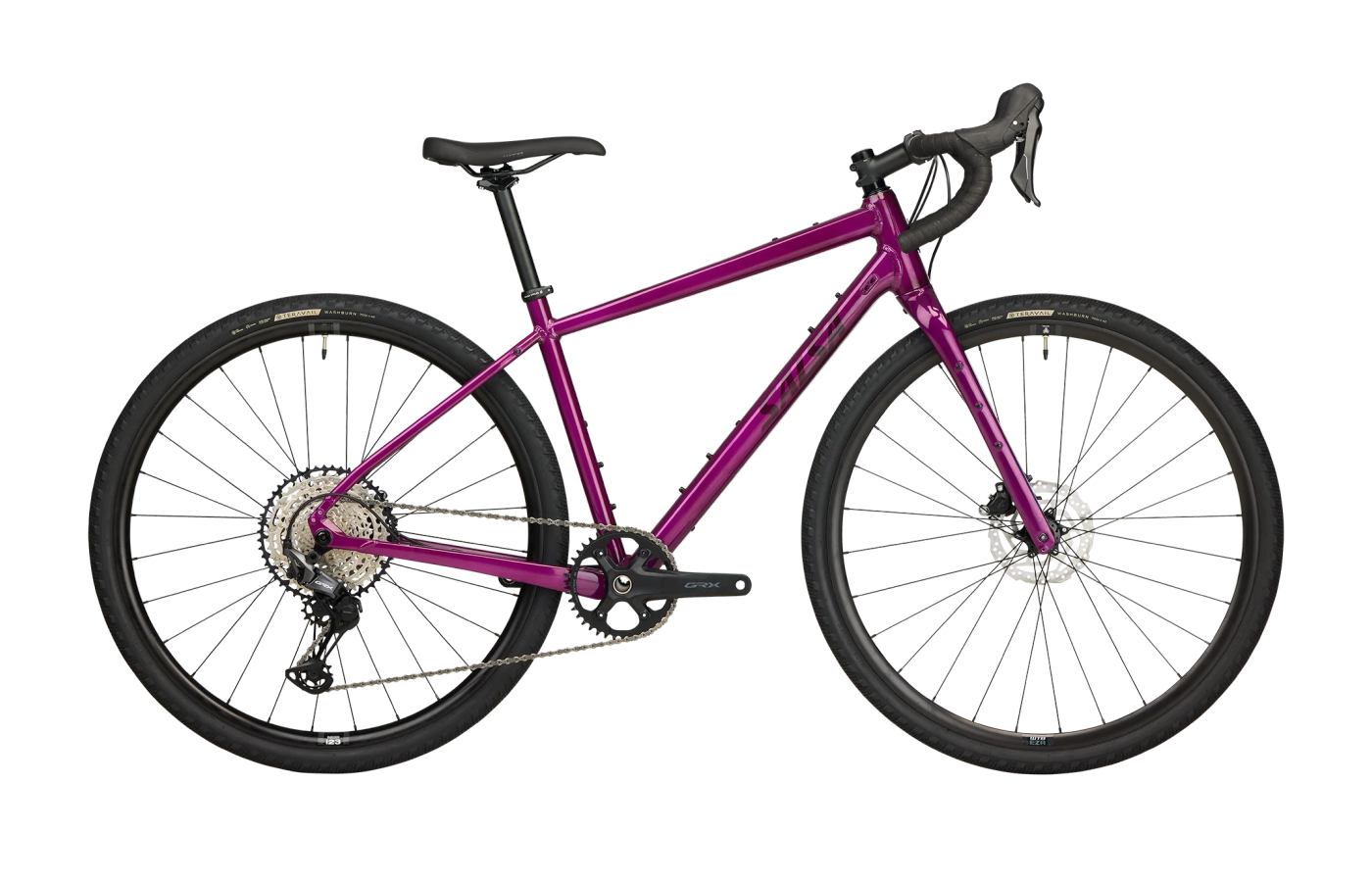
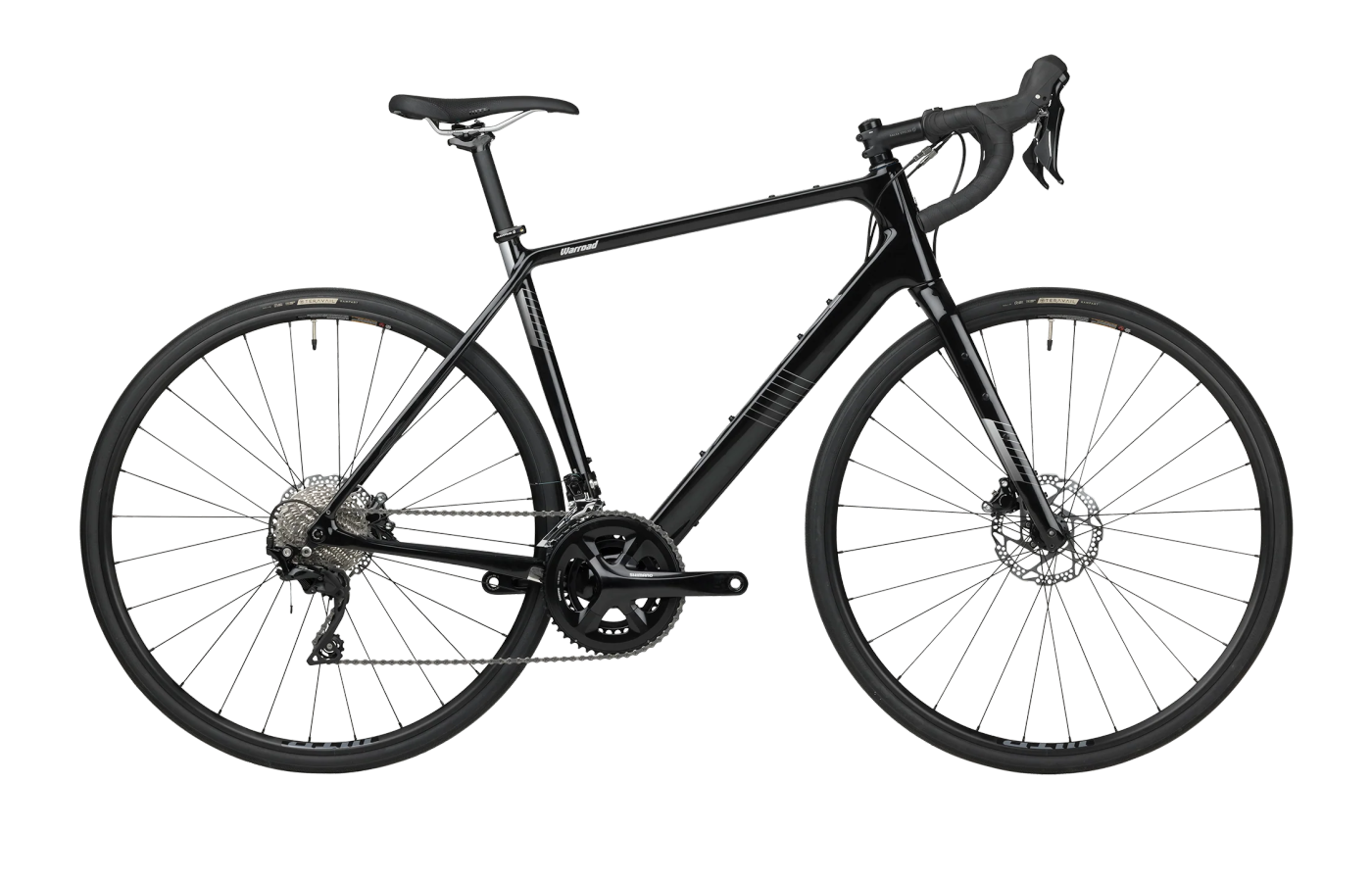
Same brand, two very different jobs.
The Journeyer is Salsa's aluminum do-everything workhorse. The Warroad is its carbon endurance road bike with a gravel party trick.
Journeyer
- Massive build range — 15 specs from $629 to $2,499, including drop bar, flat bar, 700c, and 650b.
- 50 mm tire clearance — enough for genuine off-road exploration, not just gravel-light use.
- Mounts everywhere — triple bosses on the fork, top tube, downtube; threaded BB and dropper-post routing for easy long-term upgrades.
- Aluminum frame at ~10 kg dropbar weight; reviewers noted it 'detracts a little on the climbs' (Road.cc).
- Long wheelbase and 69.5-degree head angle make it stable, not sharp — it 'requires more input from the rider to get it to turn' (Velo).
Warroad
- Carbon frame with VRS compliance — Salsa's bow-shaped seatstays add vertical give without softening the pedaling response.
- Lively road geometry — 415 mm chainstays and a 71-degree head angle make it 'crisp out of the saddle' (Bicycling) in a way the Journeyer never tries to be.
- True dual personality — 700c up to 35 mm for road, 650b up to 47 mm for gravel; one bike, two wheelsets, two jobs.
- $1,999 floor and only 4 builds — no budget entry point.
- 35 mm 700c clearance is tight by modern all-road standards; 700c riders are locked into road-biased rubber.
Editor’s analysis
Both wear the Salsa badge, but one is built to wander and the other is built to go — and neither pretends to be the other.
Salsa makes both, but they barely overlap. The Salsa Journeyer is a 6061-T6 aluminum gravel platform that starts at $629 and tops out at $2,499 — a deliberate workhorse with a slack 69.5-degree head angle, 1051 mm wheelbase, 440 mm chainstays, and clearance for 50 mm tires. The Salsa Warroad is a carbon endurance road bike that starts at $1,999 and goes to $4,619, runs a 71-degree head angle, 415 mm chainstays, and an official 35 mm clearance with a 47 mm 650b option. They share a logo and a love of bottle mounts; almost nothing else.
The Journeyer is the bike for the rider who wants one machine for everything from the bike path to a multi-day bikepacking loop. Reviewers nicknamed it 'The Happy Bike' for a reason — the long chainstays plant it on loose dirt, the carbon Waxwing fork (on Apex 1 builds and up) takes the edge off chatter, and the 50 mm tire ceiling means you can throw real rubber at it. It's not fast in the racing sense, and the stock 38 mm Teravails 'feel overwhelmed on speedy descents' (Cycling Weekly), but it's the bike you grow into rather than out of.
The Warroad picks a lane and sharpens it. Salsa's Class 5 VRS seatstays bow outward to add vertical compliance without killing power transfer, and the 415 mm chainstays plus 71-degree head angle give it road-bike acceleration — Path Less Pedaled called the seated and standing climbing 'probably my favorite thing about this bike.' Spec it 700c and it's an endurance road bike that will still cope with hardpack; spec it 650b at 47 mm and you get most of the gravel range a Warbird offers. What you don't get is a budget entry — even the cheapest Warroad costs $1,999, the same as a mid-range Journeyer.
Put another way: the Journeyer is the bike you buy when gravel is the destination. The Warroad is the bike you buy when gravel is just the worst part of an otherwise paved ride.
Where the builds differ.
Comparing our editor's-pick builds side-by-side. Winners highlighted row-by-row — lower price and weight, and the better-spec component, each mark a point.
Build variants & pricing
The Journeyer spans 15 builds from $629 to $2,499. The Warroad runs just 4, from $1,999 to $4,619 — entirely above where the Journeyer maxes out.
Prices are current US MSRP. The lineups barely overlap: a fully decked Journeyer GRX 610 ($2,499) costs more than the cheapest Warroad ($1,999, the 105 build picked here). If you want a Salsa under $2k, the Journeyer is your only option; if you want carbon and a 71-degree head angle, the Warroad is the only door in.
How they fit, how they steer.
Compared at the fit-picked size for each bike (55cm Journeyer, 56cm Warroad). The Warroad sits 14 mm taller in stack and 5 mm longer in reach — but the real story is handling: 1.5° steeper head tube, 25 mm shorter chainstays, 31 mm shorter wheelbase. The Warroad steers like a road bike; the Journeyer steers like an adventurer.
Which size should I buy?
Size guidance based on stack, reach, and effective top tube. The Journeyer offers a smaller bottom-end size (49cm) that the Warroad doesn't quite cover.
→These are starting points. Flexibility, riding style, and preferred position all shift the answer — if you’re between sizes, a professional fit beats a chart.
What the magazines said.
Published reviews from trusted cycling outlets. Click through for the full write-up.
Which one should you buy?
If you want one affordable bike that goes everywhere mostly off-pavement, get the Journeyer. If you want a carbon endurance road bike that still handles a gravel detour, get the Warroad.
Journeyer
If gravel, bikepacking, commuting, and the occasional pavement loop are all on your menu — and you want to keep the price honest — the Journeyer is the right tool. It's not fast, but it's planted, comfortable, and endlessly upgradeable.
Warroad
If most of your rides are on tarmac and the occasional gravel road is a bonus rather than the point, the Warroad delivers an actual road bike's quickness with enough clearance to keep you honest. Buy a second 650b wheelset and you've got two bikes for the price of one and a half.
Questions buyers actually ask.
Short answers to the things we get emailed about most often.
01Which is faster on pavement?
The Salsa Warroad, by a comfortable margin. The carbon frame is roughly 1.5–2 kg lighter than the aluminum Journeyer (Velomotion measured the Warroad at 8.63 kg complete; Velo measured the 53cm Apex 1 Journeyer at 10.17 kg), the chainstays are 25 mm shorter, and the head tube angle is 1.5 degrees steeper.
Reviewers consistently called the Warroad 'crisp out of the saddle' (Bicycling) and 'really efficient seated while climbing and also standing while climbing' (Path Less Pedaled). The Journeyer was rated 7/10 for acceleration and sprinting by Road.cc, with weight cited as the limiting factor.
02Which handles rougher terrain better?
The Salsa Journeyer. Its 50 mm tire clearance, 1051 mm wheelbase, 440 mm chainstays, and 69.5-degree head angle are all dialed for stable off-road riding. Velo described it as 'far more playful than the long wheelbase figures had led us to expect' and 'a mountain bike with drop bars.'
The Warroad maxes out at 35 mm clearance with 700c wheels and 47 mm with 650b — capable on hardpack and light gravel, but Path Less Pedaled found it 'really skittish and sketchy going down dry, dusty, and rocky descents.' For genuinely chunky terrain, the Journeyer is the right call.
03What's the maximum tire clearance on each?
Journeyer: 50 mm with 700c wheels, 55 mm (and reportedly 2.4 inches per one reviewer) with 650b. Stock builds typically come with 38 mm or 47 mm Teravail Washburns.
Warroad: 35 mm officially with 700c, 47 mm with 650b. Blackwater Cyclist managed to fit a 38c on the front but warned the fork is the limiting factor and 'it would just take a little bit of flex there and it would rub.' Stick to spec.
04Can I bikepack on either?
Yes — both are exceptionally well-mounted for adventure use. The Journeyer carries triple bosses on the fork legs, top tube mounts, and full rack and fender provision. Cycling Weekly noted that even fully loaded it 'always felt stable and in control.'
The Warroad has 3–4 bottle mounts inside the main triangle, top tube bag fittings, fork low-rider mounts, full mudguard compatibility, and rear rack mounts (with an optional clamp). It's lighter and faster loaded, but it's a touring-light tool, not a deep-backcountry rig.
05How much does aluminum vs. carbon really matter here?
Functionally: about 1.5–2 kg of complete-bike weight, plus a noticeable difference in vibration character. The Journeyer's 6061-T6 aluminum frame plus carbon Waxwing fork (standard on Apex 1 and up) is praised for being 'incredibly smooth ride quality that's super compliant and nicely muted' (Velo) — it isn't the harsh aluminum cliché.
The Warroad's carbon frame plus Salsa's Class 5 VRS seatstays add a measurable bump in compliance, and the lighter weight is felt immediately on climbs. For most riders, the bigger functional difference is the geometry, not the material.
06Are the editor's-pick builds tier-matched?
Roughly. The Journeyer pick is the GRX 610 1x12 at $2,499 — the top of the lineup, with hydraulic disc brakes and a 10-51T cassette. The Warroad pick is the C 105 mechanical 2x11 at $1,999 — the entry-level Warroad. Both are mid-tier mechanical Shimano (GRX 610 sits roughly at 105 level), both hydraulic disc, both alloy WTB wheels.
This is as apples-to-apples as the lineups allow — the Warroad simply doesn't sell anything cheaper, and the Journeyer doesn't sell anything more expensive.
07Which has more upgrade headroom?
The Warroad, by a wide margin. The carbon frameset is sold separately (around $1,999) and reviewers have built it with Ultegra Di2, SRAM Red, and carbon wheels into sub-18-pound complete bikes. Salsa's own Ultegra Di2 build at $4,619 sits at 18 lb 6 oz with deep WTB carbon wheels.
The Journeyer caps out at the GRX 610 build — there's no carbon frameset, no electronic groupset on offer. You can swap wheels and tires, but the aluminum frame and ~10 kg floor are what they are.
08Which holds up better long-term?
Both have proven track records. The Journeyer's heat-treated 6061-T6 frame, English threaded BB, and SRAM Universal Direct Mount derailleur hanger are all designed for easy field service. One reviewer raised a single note of caution: the short seat tubes mean a lot of exposed seatpost on taller riders, with potential 'long-term durability of the frame at the seat cluster given all that leverage.'
The Warroad's carbon frame survived a heavily-loaded Wales bikepacking trip per Advntr with no issues. Its press-fit BB86 bottom bracket is the only mild long-term watchpoint — Advntr expressed a preference for threaded but reported no issues in testing.
Similar bikes
If your priorities don’t map cleanly onto either of these, one of these adjacent bikes probably fits better.
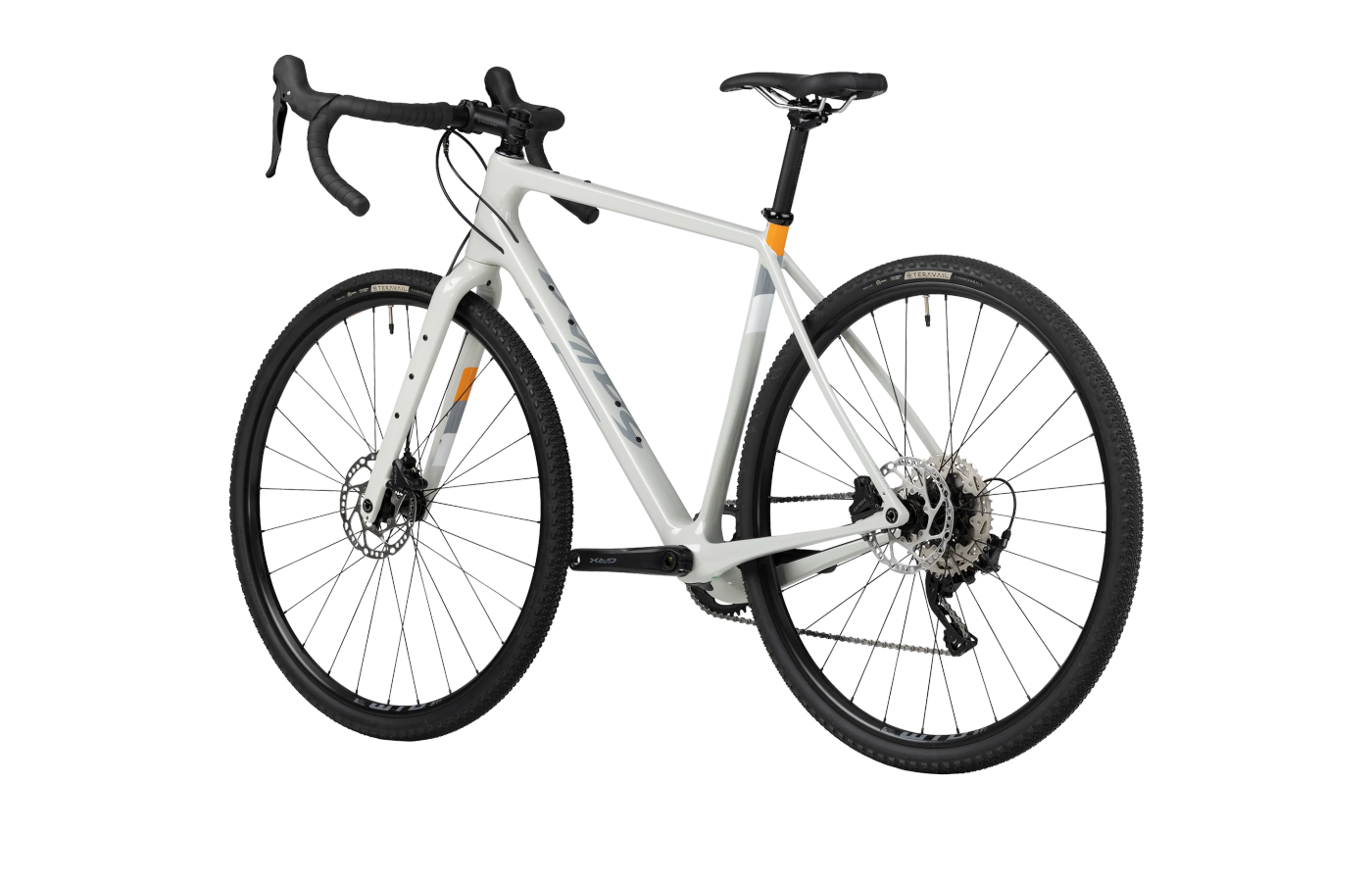
Warbird
Salsa's dedicated carbon gravel race bike — more relaxed than the Warroad, more clearance than either, and the obvious next stop if the Warroad's 35 mm 700c ceiling feels limiting. Same VRS frame language, gravel-specific geometry.
Compare →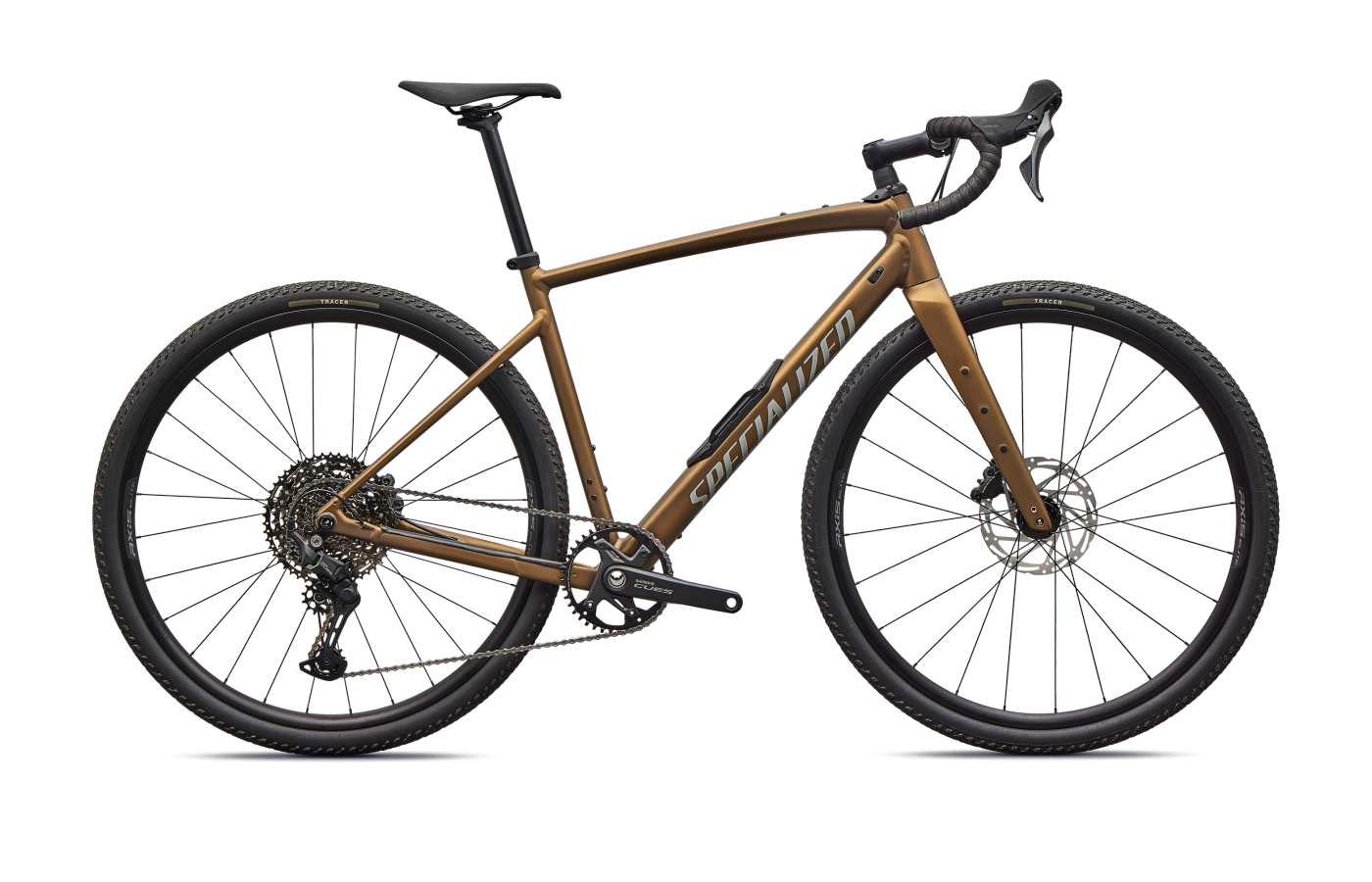
Diverge
Specialized's broadest gravel platform, in carbon or alloy — Future Shock head-tube damping and clearance up to 47 mm. Competes with the Journeyer at the entry end and the Warroad at the carbon end.
Compare →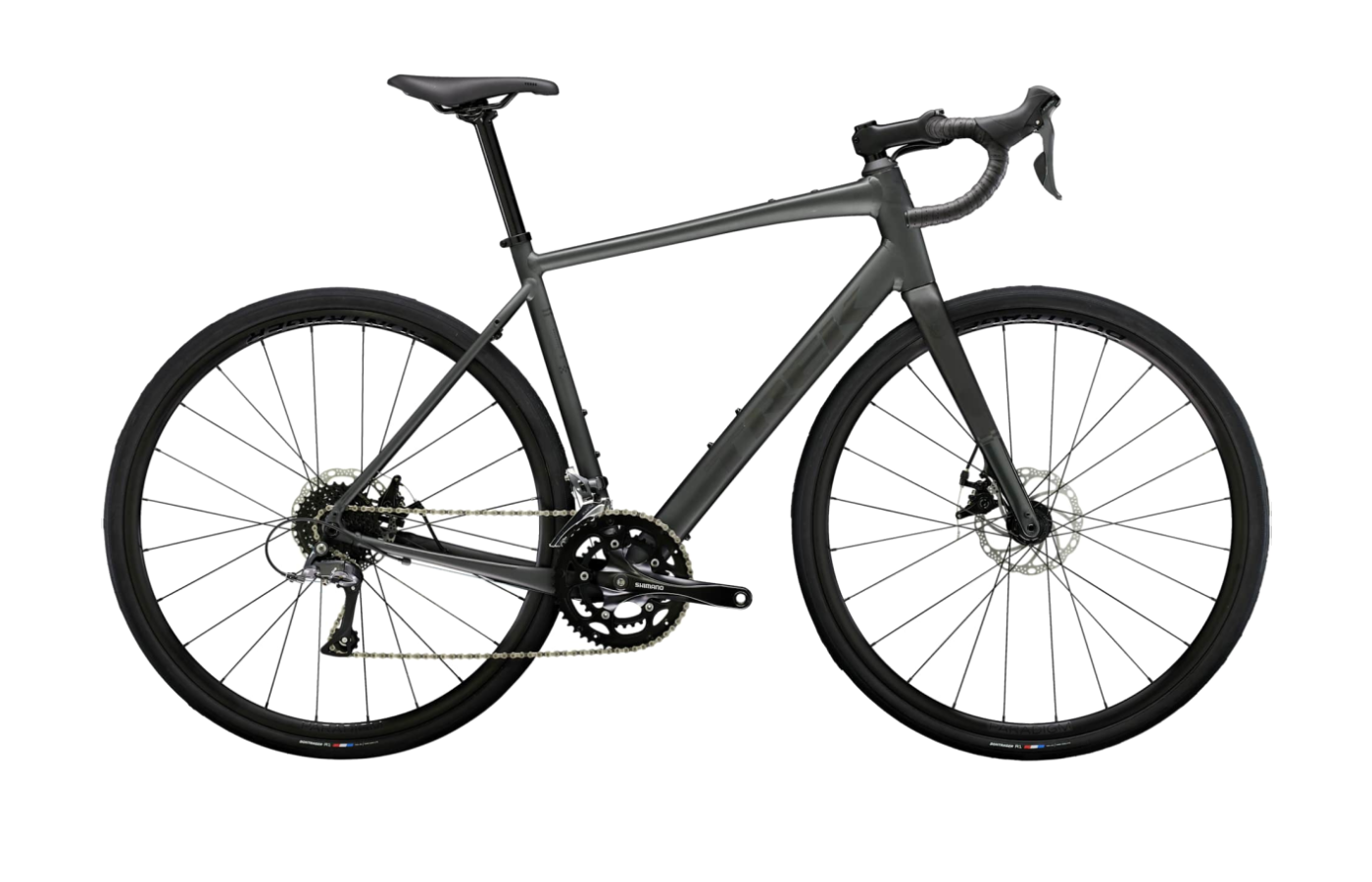
Domane
The Warroad's most direct cross-shop — a carbon endurance road bike with IsoSpeed decoupler compliance and enough tire room for light gravel. Pick it if you prefer the Trek dealer network and a slightly more conservative ride.
Compare →