Horsethief
vsRustler
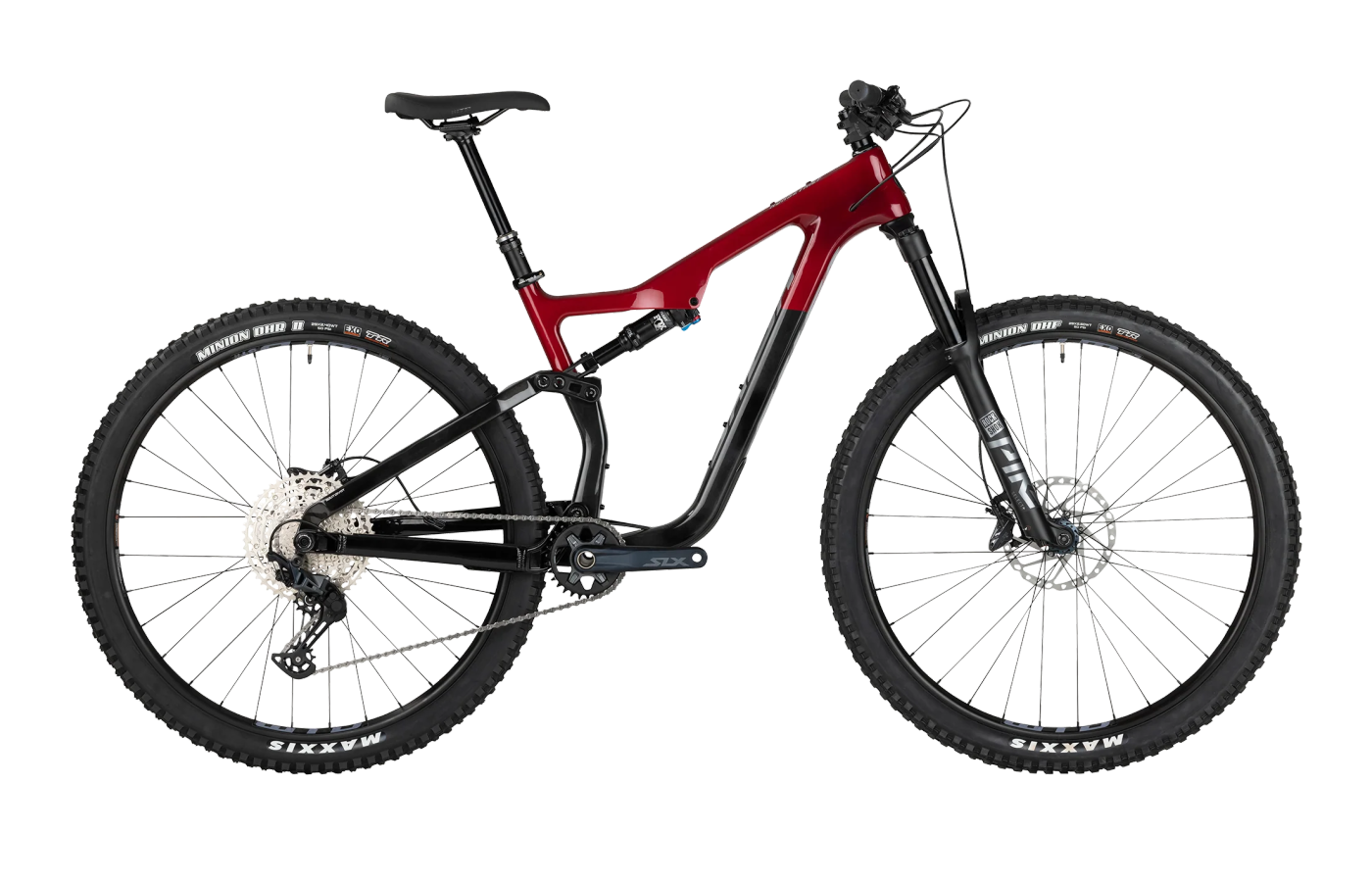
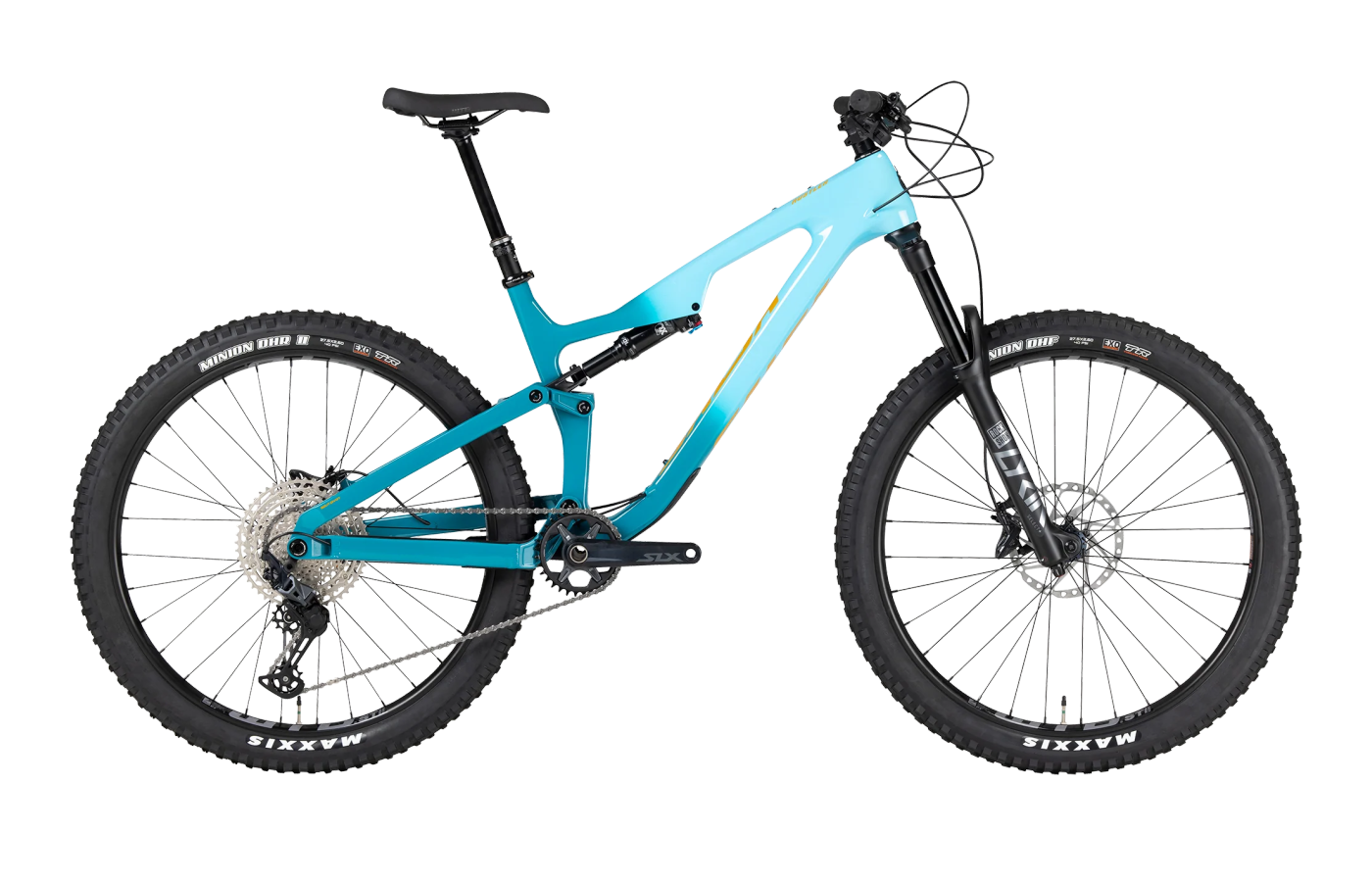
Same Split Pivot, two different trails.
The Horsethief is the 29er mile-eater. The Rustler is the 27.5 party machine. Same brand, same suspension, opposite intentions.
Horsethief
- 29er momentum — holds speed across rolling chunder with less rider input than 27.5.
- Composed seated climber — Split Pivot stays supportive in the saddle; 432 mm chainstays plant the rear wheel.
- Wider build range — starts $200 cheaper at $1,999 and offers the same C SLX carbon build for $300 more than the Rustler's.
- Geometry is conservative for a 2025 trail bike — slack 73.4-degree seat tube, 66.8-degree head angle.
- Super Boost 157 mm rear hub limits aftermarket wheel options versus the Rustler's standard 148.
Rustler
- Playful descender — 65.8-degree head angle and 426 mm stays make the bike pump, jump, and jib.
- More travel where it counts — 150 mm Lyrik and 130 mm rear give you a real margin on chunkier descents.
- Standard Boost rear (148 mm) — wider aftermarket wheel selection than the Horsethief's Super Boost.
- Slower on flat or rolling links — 27.5 wheels and 2.6" tires don't carry speed like a 29er.
- No alloy build under $2,200; the cheapest entry is $200 above the Horsethief's.
Editor’s analysis
Salsa built both bikes around the same Dave Weagle linkage and aimed them at opposite ends of the trail spectrum.
On the floor of the shop they look like siblings — same Split Pivot rocker, same cable routing, even the same cockpit. Get them on a trail and the resemblance ends. The Horsethief rolls 29-inch wheels with 120 mm rear / 140 mm front and a 66.8-degree head angle. The Rustler runs 27.5-inch hoops, 130 mm / 150 mm of travel, and a full degree slacker at 65.8. Salsa is selling you two characters under one platform.
The Horsethief is the steady mile-eater. Outdoorgearlab calls it 'predictable, mild-mannered, and even-tempered' — code for a bike that won't punish you on a five-hour day in the desert. The 29-inch contact patch and 432 mm chainstays make seated technical climbing feel composed; reviewers consistently noted it 'holds speed' rather than scrambles for it. The trade-off is a geometry that one tester literally called 'somewhat conservative by today's standards' — it's not the bike you grab when the trail gets steep and rude.
The Rustler is the opposite hire. Theradavist's reviewer described it as a 'neon dragon' that turned rock gardens with one possible line into 'a plethora of options.' The shorter 426 mm chainstays and 150 mm Lyrik beg you to manual, jib, and pop off side hits. Bike Rumor's tester railed corners and complimented the lateral stiffness; Bikepacking.com noted descents are 'when the grins really started.' The catch — flat-ground roll speed suffers next to the 29er, and the stock 2.6" Maxxis tires can feel 'hulky' on cross-country links.
Put plainly: pick the Horsethief if your rides are long, rolling, and you measure success in vertical feet covered. Pick the Rustler if your rides are short, twisty, and you measure success in how many things you sent. Neither is wrong — Salsa just refuses to make you compromise on either.
Where the builds differ.
Comparing our editor's-pick builds side-by-side. Winners highlighted row-by-row — lower price and weight, and the better-spec component, each mark a point.
Build variants & pricing
Identical four-build ladders on both bikes — XT carbon flagship, SLX carbon mid, alloy SLX, alloy Deore.
We picked the C SLX on both sides for the spec table — same drivetrain, same carbon grade, $300 apart. The Rustler's C SLX is the cheapest carbon Salsa trail bike at $2,999; the Horsethief C SLX runs $3,299 for the longer-travel platform pairing.
How they fit, how they steer.
Both at Medium — the fit-picked size for a 5'8" rider on each. The Rustler is 20 mm lower in stack with 7 mm more reach, a degree slacker up front, and 6 mm shorter chainstays. The Horsethief sits taller and more upright — the Rustler stretches you out and drops you in.
Which size should I buy?
The Rustler offers an X-Small the Horsethief doesn't; otherwise the size ranges line up across both bikes.
→These are starting points. Flexibility, riding style, and preferred position all shift the answer — if you’re between sizes, a professional fit beats a chart.
What the magazines said.
Published reviews from trusted cycling outlets. Click through for the full write-up.
Which one should you buy?
If your rides are long and rolling, get the Horsethief. If your rides are short, twisty, and full of side hits, get the Rustler.
Horsethief
If your home trails are rolling, your rides are measured in hours rather than minutes, and you'd rather hold speed than chase it — this is the right tool. The 29er platform and Split Pivot reward steady, seated efforts, and the dual bottle mounts and adventure-bike DNA show up on long days.
Rustler
If your trails are tight, your favorite line is the side hit, and you'd rather pop off a root than roll through it — the Rustler is built for you. The smaller wheels, shorter rear end, and extra travel make it the one you'll grab when the ride is more about how it feels than how far you went.
Questions buyers actually ask.
Short answers to the things we get emailed about most often.
01Which one climbs better?
The Horsethief, by a meaningful margin on long or technical climbs. Mountainflyer's tester credited the 29-inch wheels and Split Pivot platform for clearing 'technical climbs I have never done before.' The 432 mm chainstays plant the rear wheel and the larger hoops smooth out punchy step-ups.
The Rustler is no slouch — Bike Rumor found the 73.6-degree seat tube angle 'steep enough to keep me sitting up over the pedals' — but its 27.5 wheels lose contact more easily on chunky climbs, and the stock 2.6" tires add roll resistance you'll feel on long fire-road grinds.
02Which is more fun on descents?
The Rustler. With a 65.8-degree head angle (a full degree slacker than the Horsethief), 130 mm of rear travel, and 426 mm chainstays, it pushes you to manual, pop, and find air. Theradavist's reviewer said rock gardens that 'only yielded a single line' on a hardtail 'suddenly became a plethora of options.'
The Horsethief descends competently — Mountainflyer called it 'rock-solid' — but its 66.8-degree HTA and 120 mm rear feel composed rather than playful. It rolls over things; the Rustler invites you to launch off them.
03Why 27.5 wheels on the Rustler in 2025?
Salsa designed the Rustler around 27.5 deliberately — it's not a parts-bin holdover. The smaller wheels enabled the 426 mm chainstays (versus 432 on the Horsethief), the higher bottom bracket option via flip chip, and tire clearance up to 2.8".
The stock builds run Maxxis Minion DHF/DHR II in 2.6", which is closer in air volume to a 29x2.4 than the spec sheet suggests. If you ride the Rustler thinking it should feel quicker than the 29er Horsethief on flats, you'll be disappointed — that's not what 27.5 does well. It's there for agility, not speed.
04What's the geometry adjustment for?
Both bikes ship with a flip chip that adjusts bottom bracket height by roughly 3-4 mm. On the Rustler, Bike Rumor noted it's a useful tool for tire choice — drop the BB for narrower tires, raise it for big 2.8" rubber. The Horsethief's flip chip works the same way.
Most reviewers tested both bikes in the 'low' setting for the slackest geometry. If your local trails are rocky enough that pedal strikes are a problem, the high setting buys back clearance without dramatic handling changes.
05What's the deal with Super Boost on the Horsethief?
The Horsethief uses 157 mm Super Boost rear hub spacing; the Rustler uses standard 148 mm Boost. Super Boost gives you a stiffer rear wheel and more chainstay clearance for big 29er tires — useful for the Horsethief's 2.5" Maxxis DHF / 2.4" DHR II spec.
The trade-off is upgrade flexibility. Wheels and hubs in 148 mm are everywhere; 157 mm is the minority spec, so aftermarket and used wheel options are thinner. If you plan to swap wheels often, the Rustler is the friendlier platform.
06Are the alloy builds worth it, or should I save up for carbon?
Both alloy SLX builds (Horsethief at $2,299, Rustler at $2,299) hit the same price and use the same Shimano SLX M7100 12-speed drivetrain as the carbon C SLX builds. The frame is the main difference — alloy adds about a pound and a half on each side.
Outdoorgearlab reviewed the alloy Horsethief Deore and called it 'compelling' under $2,500. For most trail riders who aren't racing, the alloy SLX is the value sweet spot. The carbon C SLX is the smart upgrade if you do a lot of climbing or want the lighter, snappier frame feel.
07How does the Horsethief compare to the Salsa Spearfish?
The Spearfish is Salsa's shorter-travel 29er — 120 mm front, 100 mm rear — built for marathon XC and bikepacking. Same Split Pivot platform, but tuned for efficiency over capability.
If you find the Horsethief 'mild-mannered' (Outdoorgearlab's word) but want even more pedaling efficiency for long days, the Spearfish is the call. If you want more capability than the Horsethief, look outside Salsa's full-suspension lineup — they don't make a longer-travel 29er trail bike above 120 mm rear.
08What about a true enduro bike instead?
If you're looking at the Rustler primarily for its descending chops, consider whether you actually want a 150 mm-travel 27.5 trail bike or a 160-plus mm enduro bike. The Rustler descends well for its travel, but it's not a Megatower or a Slash. It's a trail bike that descends playfully — it'll get punished on bike-park laps it isn't built for.
The Horsethief is even more clearly a trail bike, not an enduro contender. If you live for the descent and don't mind a less efficient climber, look at the Specialized Stumpjumper EVO or similar.
Similar bikes
If your priorities don’t map cleanly onto either of these, one of these adjacent bikes probably fits better.
Ripley
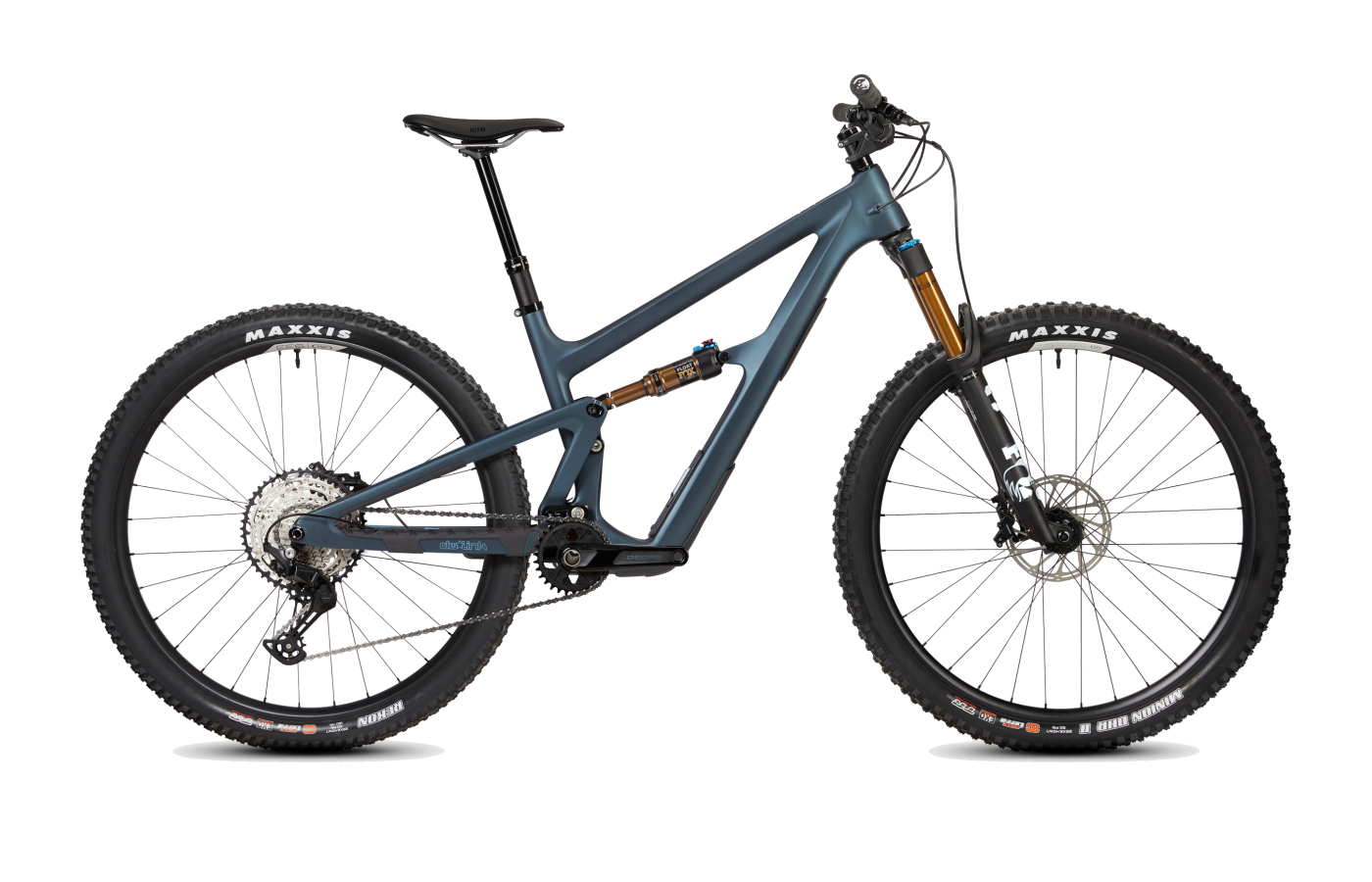
If the Horsethief feels too 'mild-mannered' and you want a 29er with more snap on the climbs, the Ibis Ripley is the racier option — same trail-bike intent, more energy through the pedals.
Compare →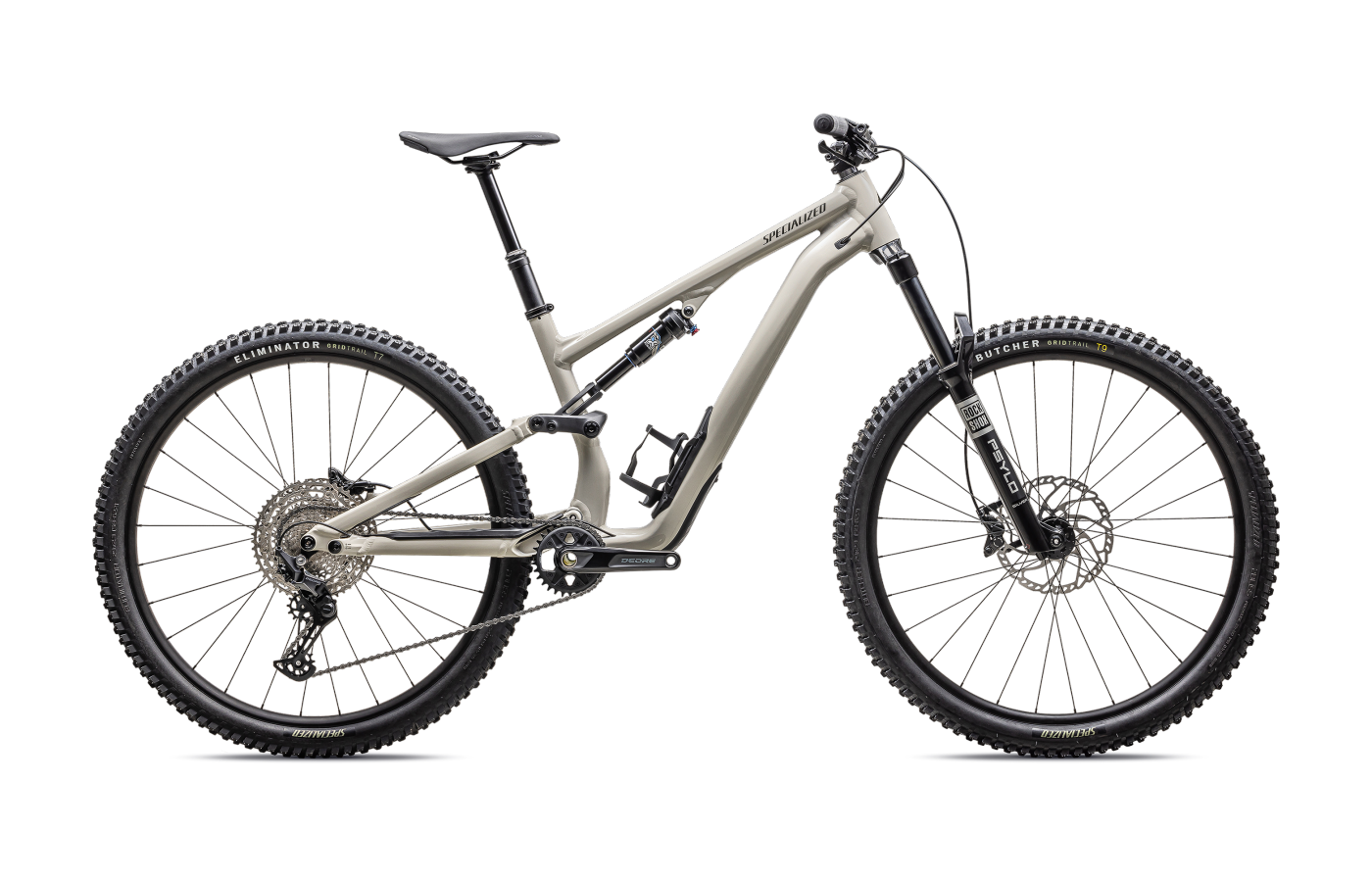
Stumpjumper
Specialized's Stumpjumper offers more progressive geometry — slacker, longer, lower — than either Salsa, with a wider build range from alloy to S-Works. The benchmark trail bike if you want the modern numbers.
Compare →Spearfish
Salsa's own shorter-travel sibling — same Split Pivot, same 29er format, but tuned for marathon XC and bikepacking miles. Pick the Spearfish if the Horsethief sounds right but you ride longer than you ride harder.
Compare →