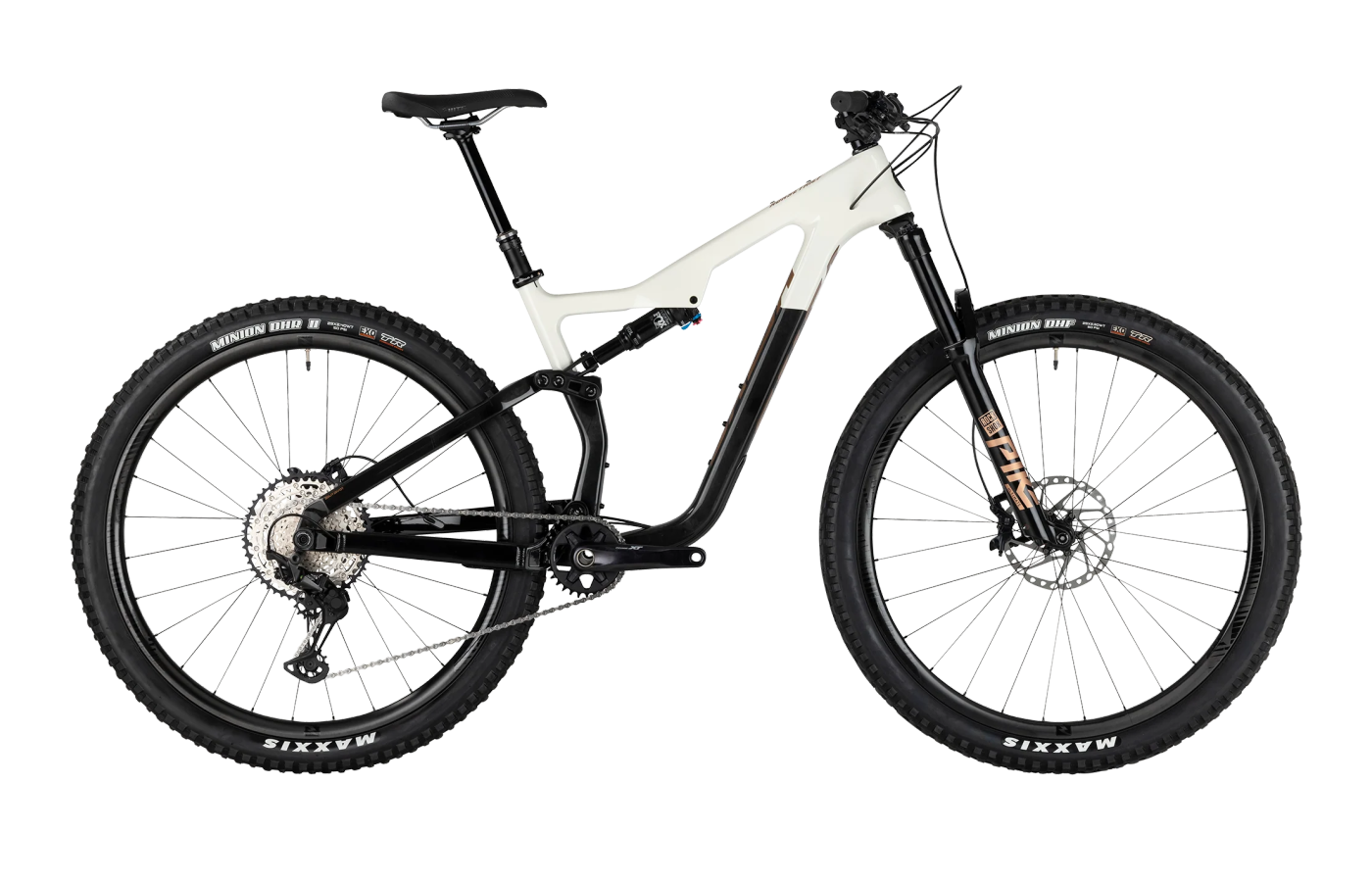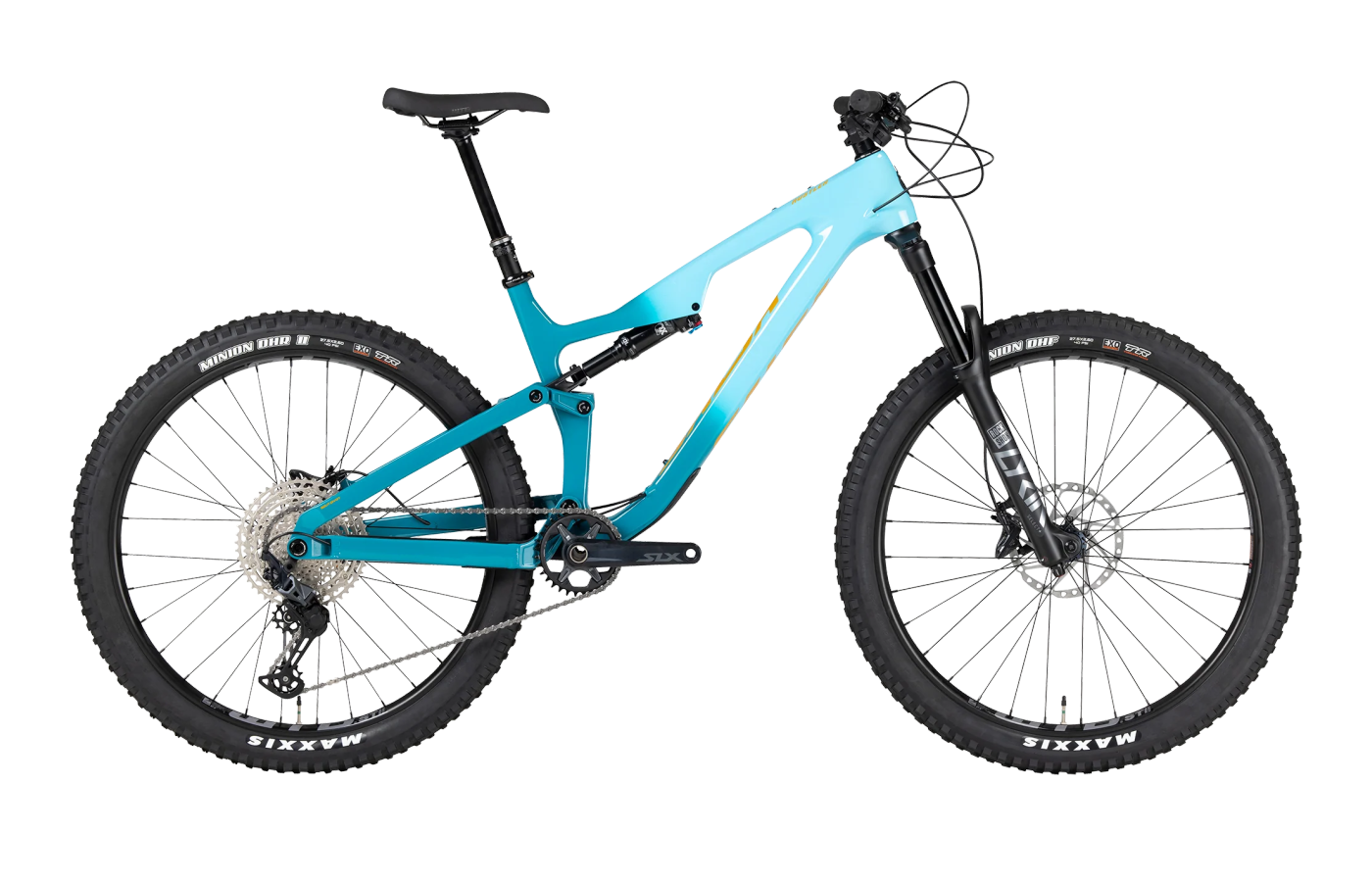
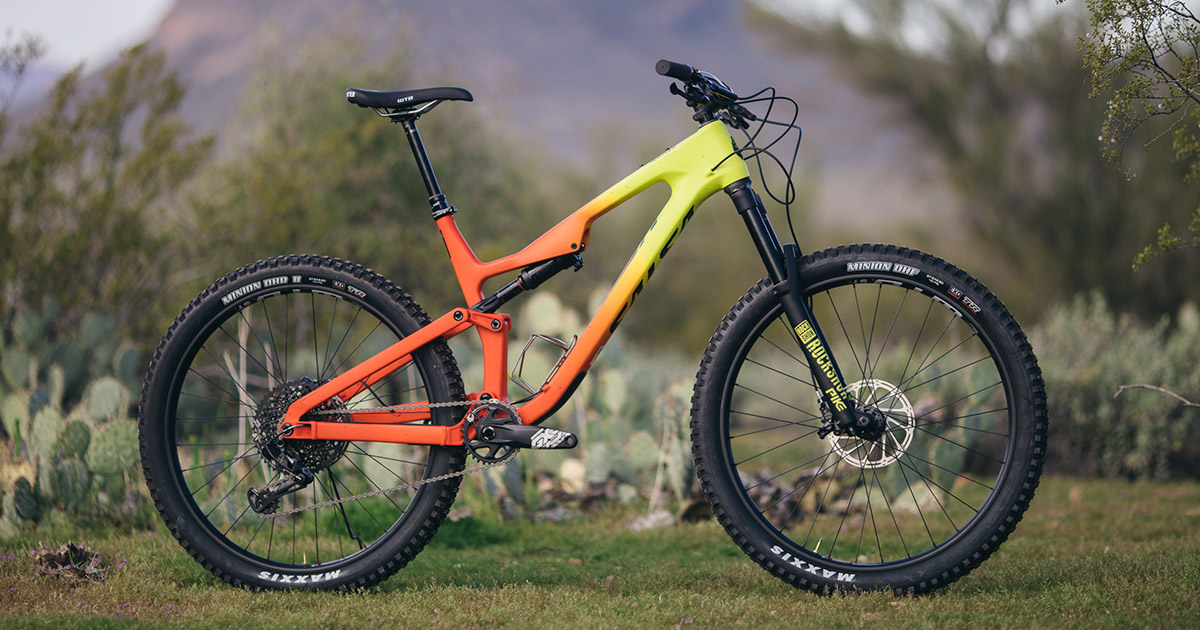
The first-generation Salsa Rustler is a dedicated 27.5-inch trail bike built for riders who prioritize agility and airtime over outright plowing speed. Stepping away from the plus-tire touring focus of the older Pony Rustler, this platform pairs 130 millimeters of rear travel with a 150-millimeter fork to create a highly active, jump-friendly ride. Salsa designed the frame specifically around 2.6-inch tires, utilizing the smaller wheel diameter to drastically shorten the rear end and keep the handling quick. Driven by an updated Split Pivot suspension layout, the Rustler is positioned as a highly capable mid-travel option that pedals efficiently but truly comes alive when pumped through rollers or pushed into tight corners. It suits mountain bikers looking for a playful, highly maneuverable machine for varied singletrack, rather than a long-travel enduro sled or a pure cross-country race bike.
Where to get it.
No retailers stocking size Medium.
No retailers carrying size Medium right now.
Spec sheet.
Every component shipped with this build.
Geometry & fit.
5 sizes published.
The Rustler’s geometry is defined by its exceptionally short 426-millimeter chainstays, which are the primary driver of its agile, manual-friendly handling. By committing strictly to 27.5-inch wheels, Salsa was able to tuck the rear wheel tightly under the rider, making it remarkably easy to lift the front end or pivot the bike through tight switchbacks.
Up front, a 65.8-degree head tube angle provides enough stability for steep descents without making the steering feel sluggish at lower speeds. The reach is modern but moderate—measuring 439 millimeters on a size medium—which keeps the rider centered and balanced rather than stretched out. A flip chip at the shock mount allows for a subtle geometry adjustment, altering the bottom bracket height by a few millimeters and shifting the head angle slightly to accommodate different tire volumes or rider preferences.
The seat tube angle sits at roughly 73.7 degrees. While adequate for general trail riding, it is noticeably slacker than the ultra-steep seat tubes found on some contemporary mountain bikes, placing the rider slightly further back over the rear axle during seated climbs.
Where the handlebar sits relative to the bottom bracket — the single most important fit pair.
01Fit geometry6 values
02Component geometry5 values
03Handling geometry6 values
Which size should I buy?
Slide your height to see the recommended size. GearWise's fit algorithm works from the published stack, reach, and ETT — the brand's own recommendation may differ.
→Calculated from GearWise's own stack / reach / ETT algorithm — the brand's size chart may recommend a different size, and a proper bike fit beats any calculator.
The lineup.
4 builds, ranging $2,200 – $4,500.
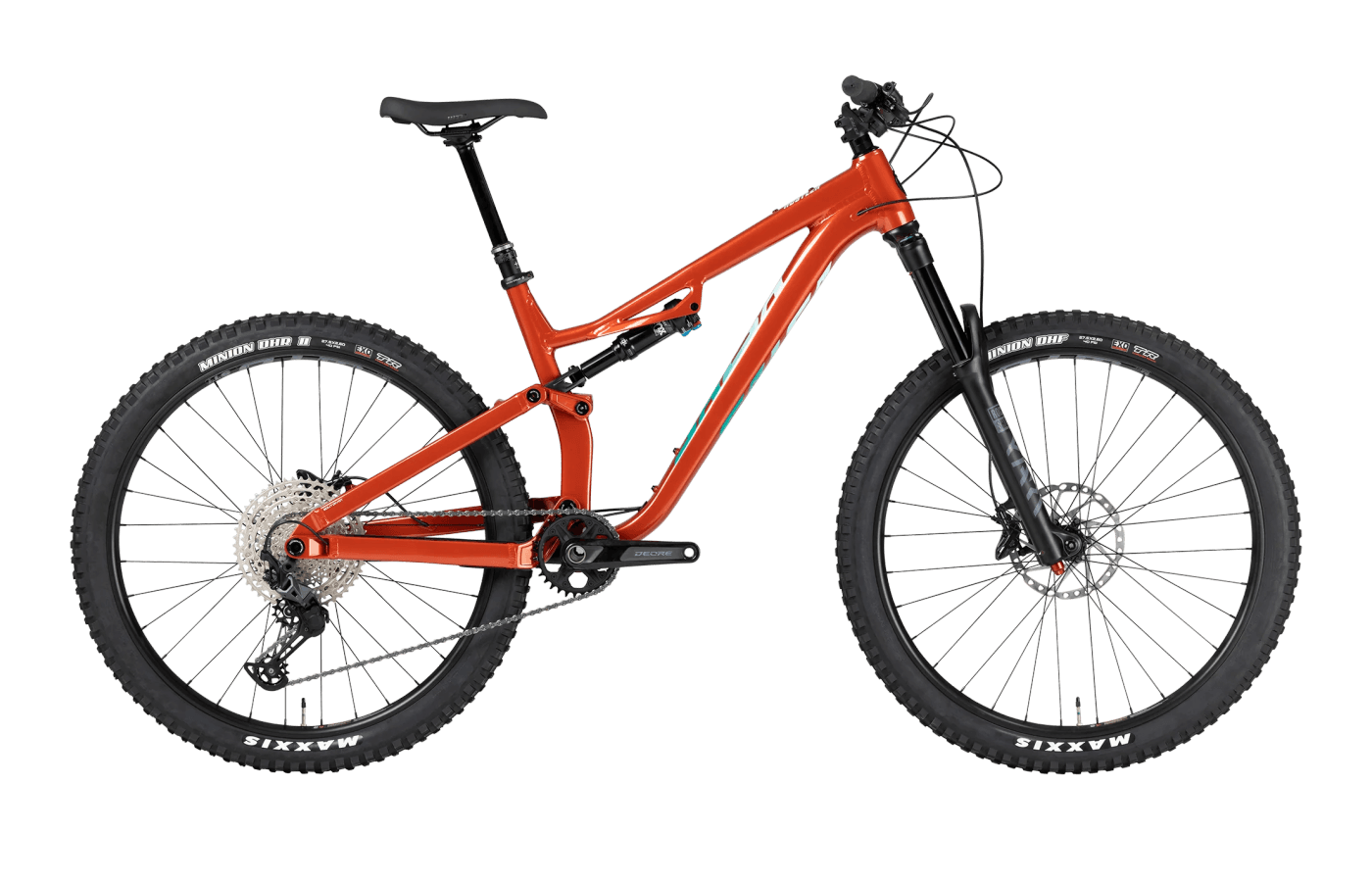
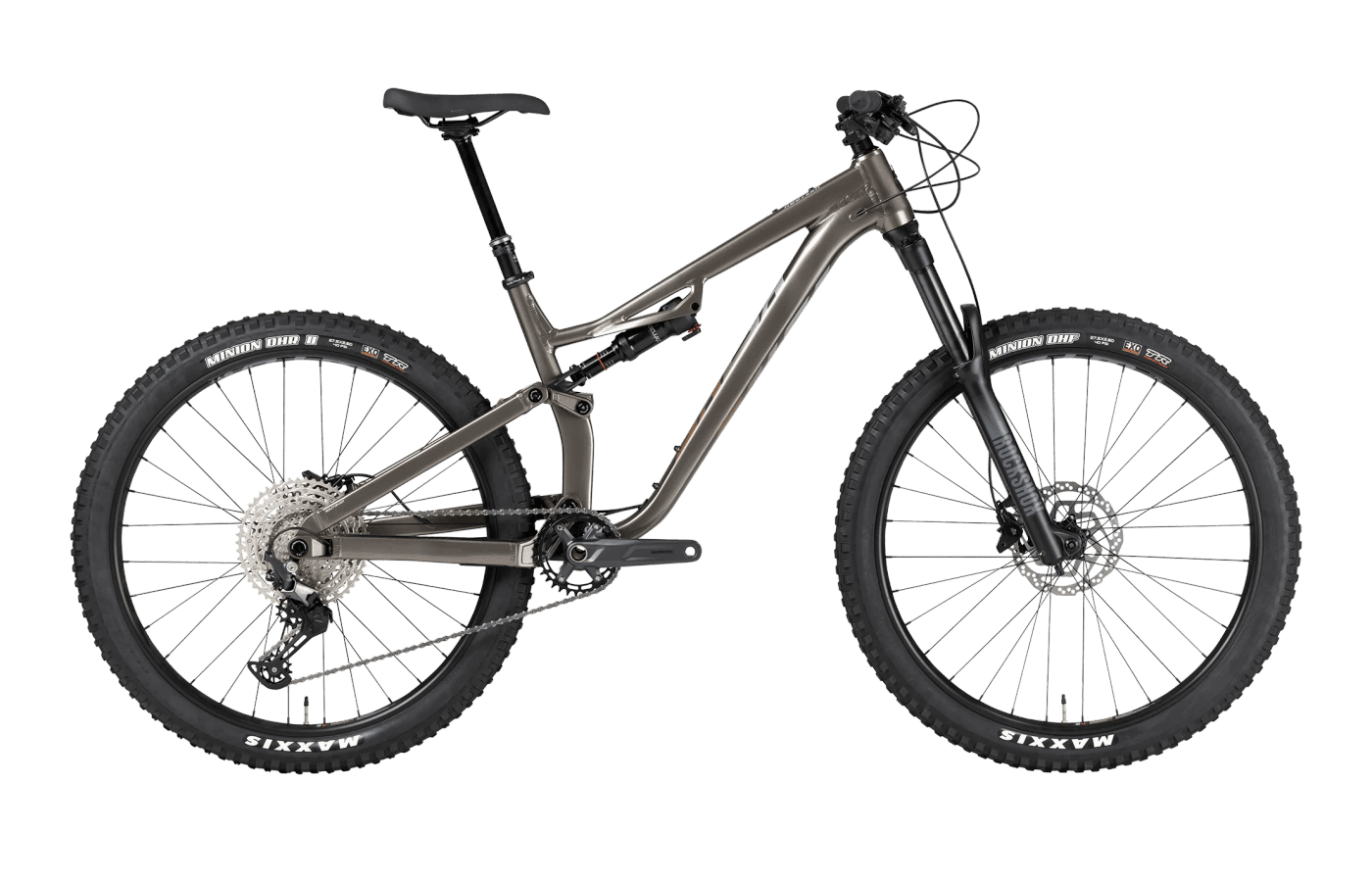
The Rustler lineup is split between two carbon and two aluminum frame options, all utilizing the same 130-millimeter Split Pivot suspension and 150-millimeter fork travel. The range tops out with the C XT build, which pairs the carbon frame with a premium RockShox Lyrik Ultimate RC2 fork, a Fox Float DPS Performance Elite shock, and a full Shimano XT 12-speed drivetrain. This flagship model also features Reynolds carbon wheels and four-piston SLX brakes.
The C SLX build offers the same carbon frame but steps down to a Lyrik Select+ fork, a standard Fox Float DPS Performance shock, and aluminum WTB rims on SLX hubs, making it a strong value for riders who want the lighter chassis without the premium component tax.
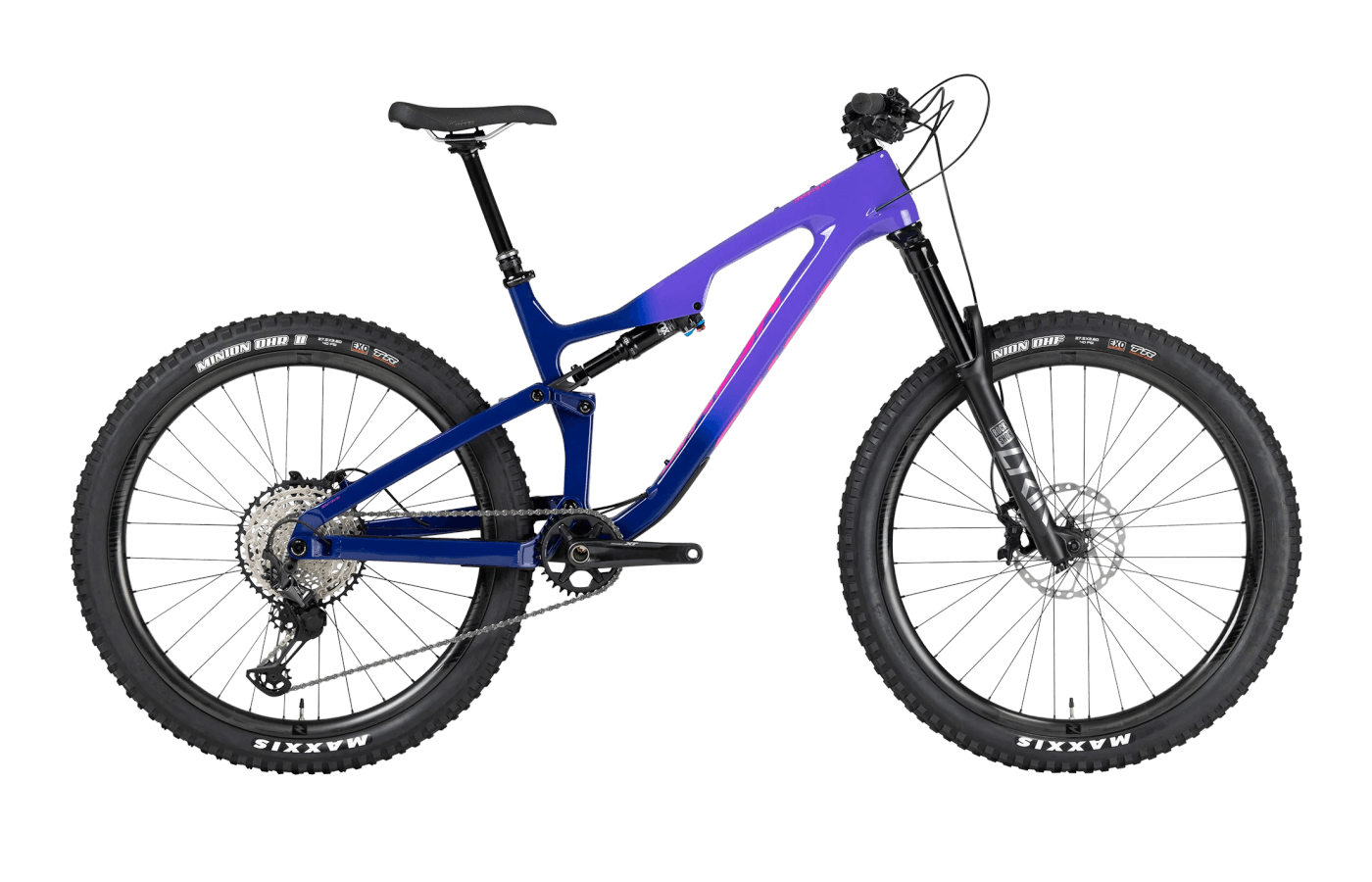
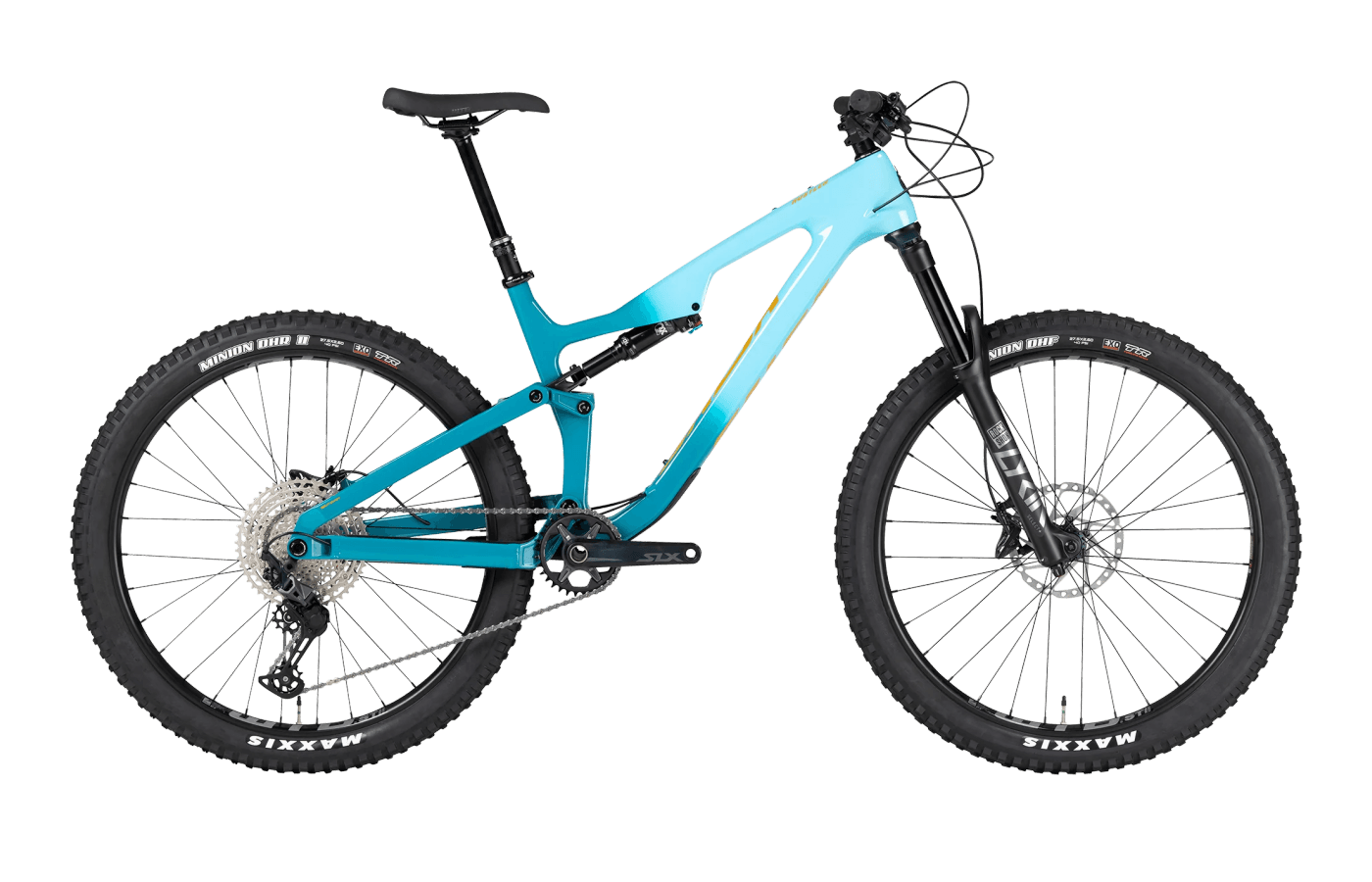
For tighter budgets, the alloy-framed SLX and Deore builds provide the same geometry and suspension kinematics in a heavier package. The alloy SLX model utilizes a RockShox Yari RC fork and four-piston Deore brakes, while the entry-level Deore build drops to a RockShox 35 Silver TK fork, a RockShox Deluxe Select+ shock, and two-piston Shimano MT4100 brakes. All builds across the range include size-specific TranzX dropper posts and are equipped with 2.6-inch Maxxis Minion DHF and DHR II tires.
From the press.
3 reviews from the cycling press.
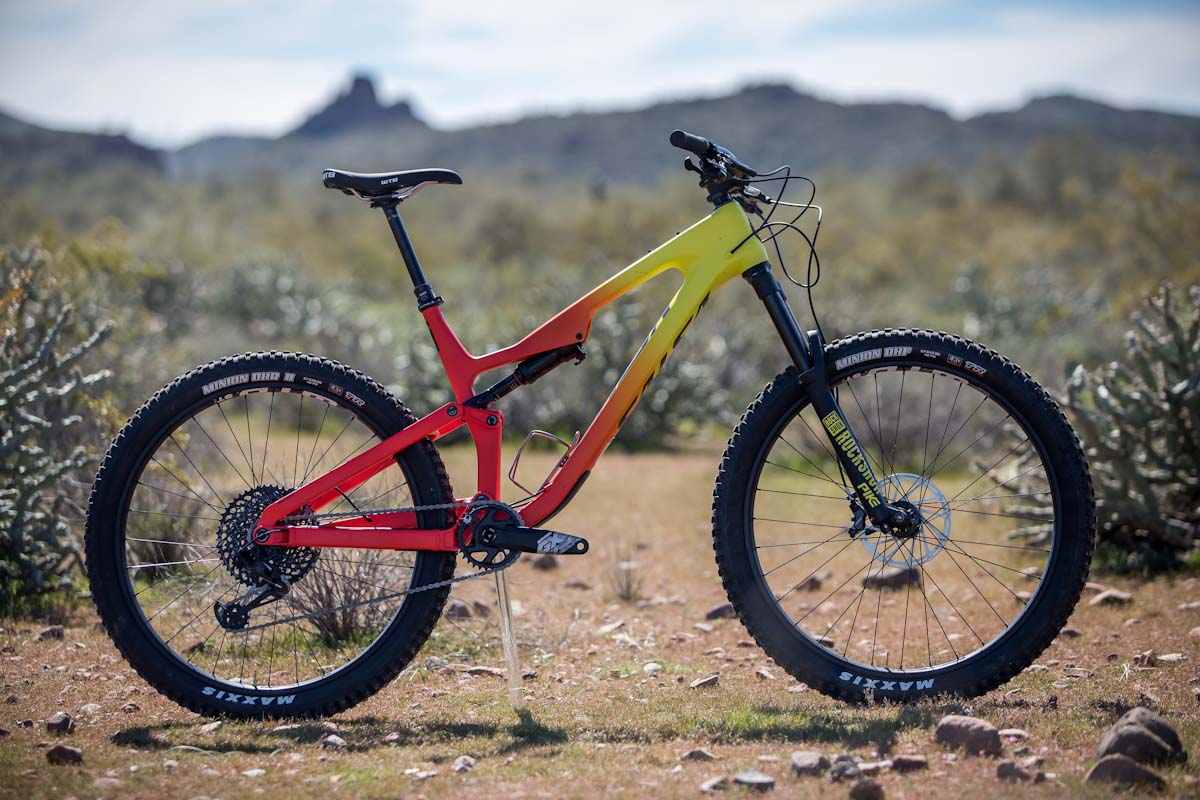
Reviewers consistently highlight the Rustler’s highly active and engaging trail manners, noting that the suspension tune strikes a careful balance between small-bump compliance and mid-stroke support. The updated Split Pivot design earns praise for its efficiency under power, with testers finding an "excellent pedaling platform" (Bike Rumor) that resists bobbing even when the shock is left fully open. This supportive rear end encourages a dynamic riding style, allowing riders to easily pump the terrain for speed.
When pointed downhill, the bike’s short rear center and stiff carbon frame translate into precise, eager cornering. One tester noted that the bike "went in fast, reacted fast, and shot out the other side without hesitation" (Bikepacking) when pushed hard into tight turns. The suspension ramps up predictably, preventing harsh bottom-outs on larger hits and making the bike feel highly capable for its travel bracket.
While the overall reception is highly positive, a few testers noted minor tradeoffs depending on the terrain. The stock 2.6-inch tires provide massive grip but can feel sluggish on flat, hardpacked trails, and one reviewer riding in sharp desert rock experienced a "large sidewall tear quickly" (Theradavist), suggesting riders in highly abrasive environments might need tougher casings. Additionally, while the bike climbs well, the slightly relaxed seat tube angle means keeping the front wheel weighted on the steepest pitches requires a bit more deliberate body English.
Compared to.
Most-viewed comparisons.