Element
vsSpur
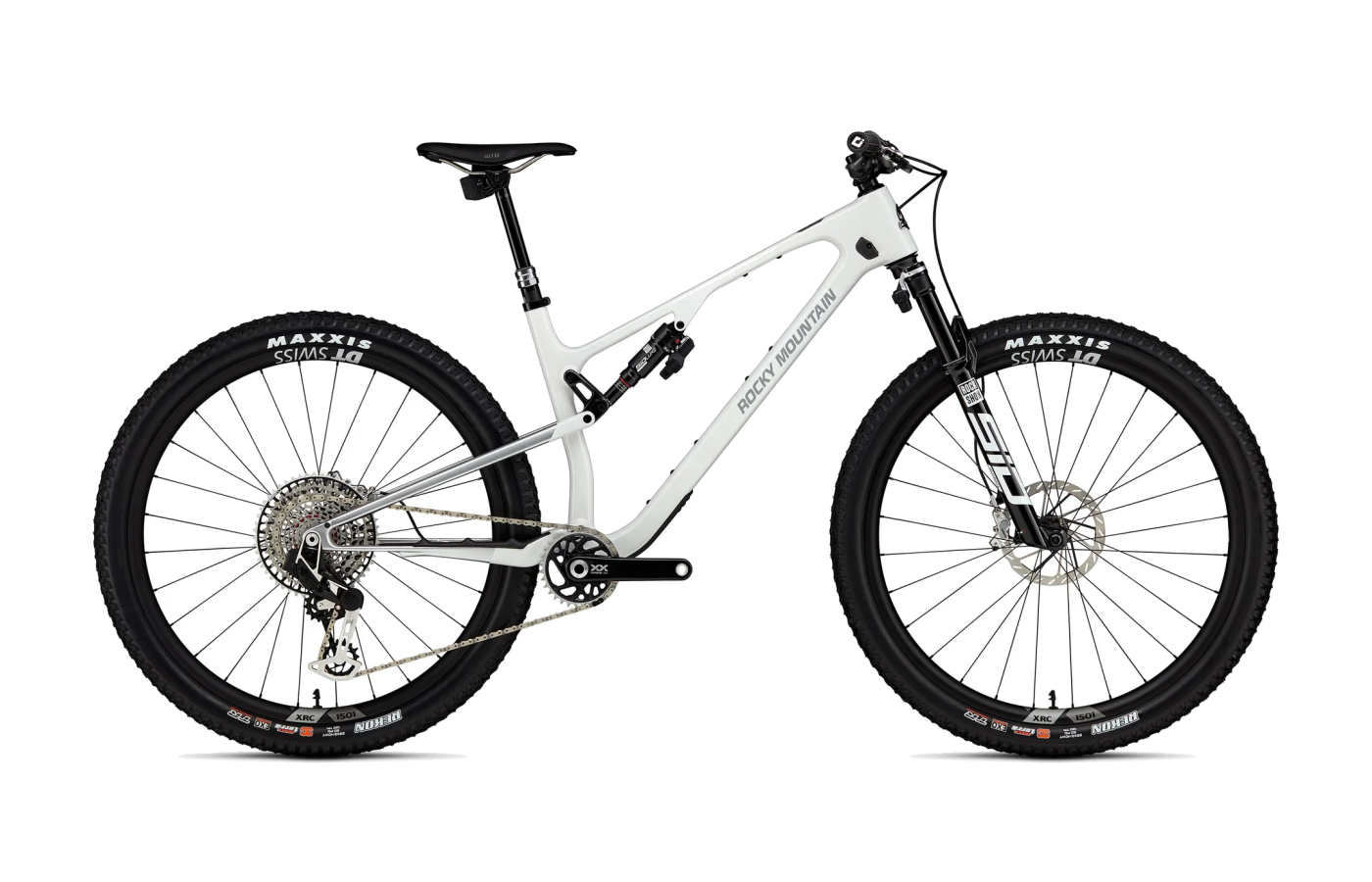
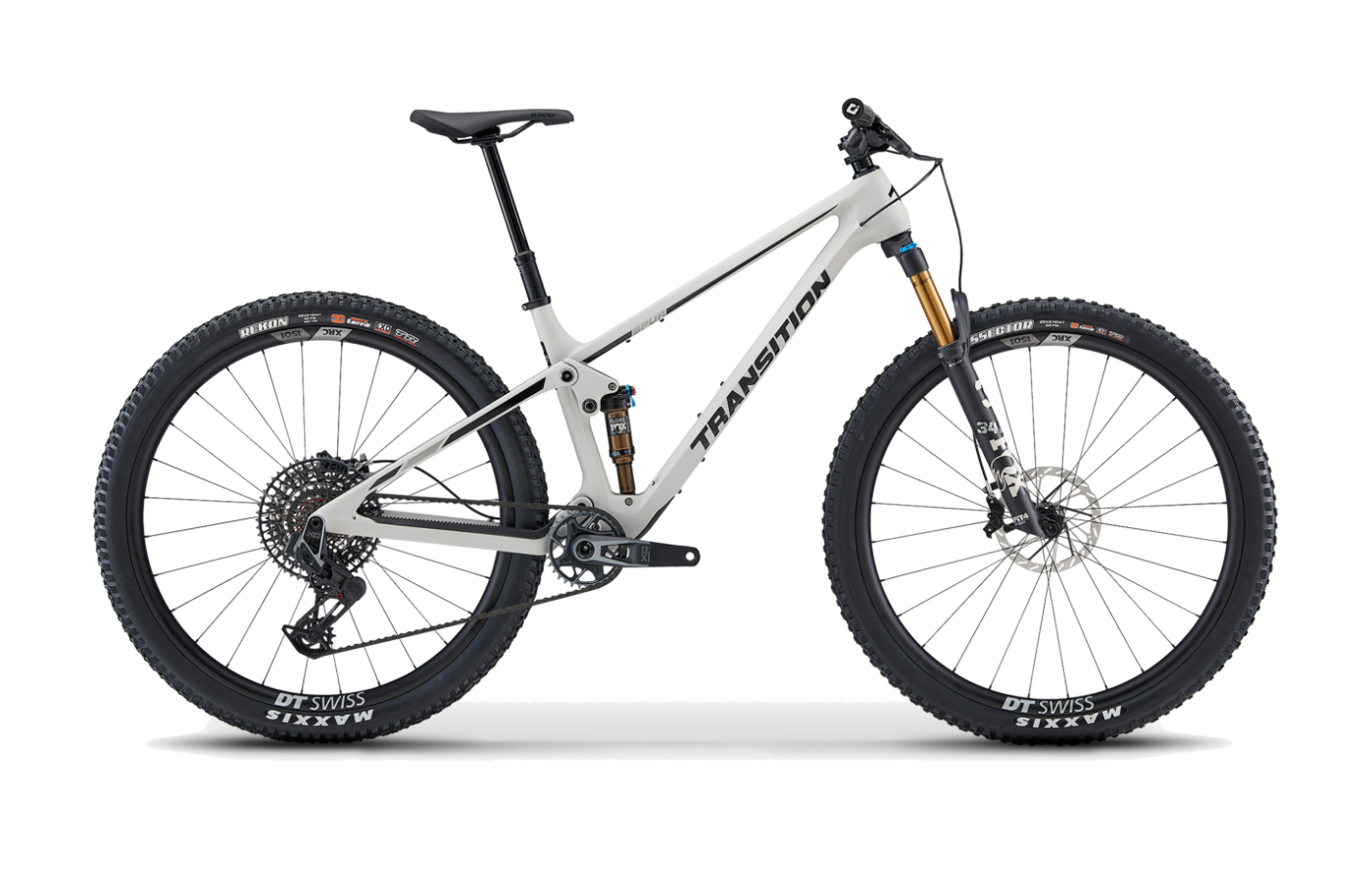
Two flex-stay downcountry bikes, two attitudes.
The Rocky Mountain Element is the precision XC tool with a Ride-4 chip and Flight Attendant on tap. The Transition Spur is the mini-enduro that pedals.
Element
- Adjustable Ride-4 geometry — flip the chip to tune head angle, seat angle, and progression for the day's trail.
- Flight Attendant on the C99 automates climb/descend suspension tuning; reviewers call it genuinely useful, not a gimmick.
- Updated flex-stay frame shaved ~350 g and added rear-triangle stiffness over the prior generation.
- Carbon-only — no alloy frame option means a high $4,499 entry price.
- Press-fit bottom bracket is a recurring complaint for long-term creak risk.
Spur
- Mini-enduro geometry — long reach (455 mm at MD), 66° HTA, and a stretched cockpit make it stable well above XC pace.
- Threaded BB and external rear brake routing — mechanic-friendly choices that age better than press-fit, integrated alternatives.
- Benchmark downcountry pedigree — five years of reviews calling it the category's reference point, with minimal changes needed.
- No geometry adjustability — what you see on the chart is what you get.
- Stock SRAM brakes are repeatedly flagged as underpowered for the bike's descending capability.
Editor’s analysis
Same travel, same wheel size, same flex-stay rear end — and yet two completely different bikes once the trail tilts.
On paper the Rocky Mountain Element and Transition Spur look like twins. Both run 120 mm rear / 130 mm front (the Spur sticks to 120/120 on its top build), both use a pivot-less flex-stay rear triangle to save weight, both come carbon-only, and both sit squarely in the downcountry pocket reviewers have been arguing about for five years. The differences live in geometry and intent.
The Rocky Mountain Element is the more XC-leaning of the two. Head tube angle is 65 degrees in the neutral Ride-4 setting — actually a degree slacker than the Spur — but reach in size MD is 450 mm versus the Spur's 455 mm at MD, and the chainstays are a hair longer (436 vs 435 mm). The catch: the Element's Ride-4 chip lets you swing the head angle and seat tube angle around to suit the day's terrain, and the top-tier Carbon 99 ships with RockShox Flight Attendant — an electronically-managed suspension system that firms the shock and fork on climbs and opens them on descents without you touching a lever. Reviewers (Enduro MTB, Pinkbike) consistently describe the result as a bike that pedals like an XC race rig and descends well above its travel.
The Transition Spur picks a lane and stays in it. The 66-degree head angle is steeper, but the long reach (455 mm at MD, 480 mm at LG) and tunes pulled from Transition's Speed Balanced Geometry playbook give it a stretched-out, mini-enduro cockpit. There's no electronic suspension and no geometry chip — just a supportive 30%-progression shock tune that reviewers (BikeRadar, Vital MTB, NSMB) keep calling a "speed-generating machine." It rewards an active rider who pumps and pops through terrain, and it stays composed at speeds that would have a traditional XC bike screaming.
Put another way: the Element is the bike you buy if you want one short-travel rig that adapts to whatever the day hands you — flick the chip, let Flight Attendant manage the shock, go ride a marathon or a chunky descent. The Spur is the bike you buy if you already know you want the geometry of a trail bike with the weight of an XC bike, and you don't need anything to adapt because the geometry is already the answer.
Where the builds differ.
Comparing our editor's-pick builds side-by-side. Winners highlighted row-by-row — lower price and weight, and the better-spec component, each mark a point.
Build variants & pricing
Both lineups span ~$3.5–5k, all carbon, no alloy option on either side. The Element runs higher at the top thanks to Flight Attendant; the Spur tops out lower and starts higher.
Prices are current US MSRP. The Element Carbon 99 ($9,599) is the only build in either lineup with electronic suspension management. The Spur's mid-tier Eagle 90 build is mechanical, while the Element Carbon 70 at the same price point uses SRAM's wireless GX AXS Transmission — note the platform philosophies diverge in the middle of the range.
How they fit, how they steer.
Both at size MD. The Spur sits 12 mm lower in stack with 5 mm more reach and a degree-steeper head angle — a longer, lower, sharper cockpit. The Element gives that back via the Ride-4 chip, which can pull the head angle to ~65.5° in the neutral setting.
Which size should I buy?
Size recommendations based on stack, reach, and effective top tube. Both ranges run XS–XL with closely overlapping reach numbers in the middle sizes.
→These are starting points. Flexibility, riding style, and preferred position all shift the answer — if you’re between sizes, a professional fit beats a chart.
What the magazines said.
Published reviews from trusted cycling outlets. Click through for the full write-up.
Which one should you buy?
If you want one short-travel bike that adapts (and you'll use Flight Attendant), get the Element. If you want a fixed-geometry mini-enduro that pedals, get the Spur.
Element
Riders who want a single short-travel bike for marathon races, all-day backcountry epics, and the occasional rowdy descent. The Ride-4 chip gives you real geometry tuning, and at the C99 level Flight Attendant takes the suspension lever decision off your hands.
Spur
Riders coming from a trail or enduro background who want a lighter bike for the climb but refuse to compromise on descending geometry. The long reach, 66° head angle, and supportive flex-stay rear keep the Spur composed at speeds that overwhelm most 120 mm bikes.
Questions buyers actually ask.
Short answers to the things we get emailed about most often.
01Which is the better climber?
It depends on the build. The Rocky Mountain Element Carbon 99 with RockShox Flight Attendant is the more efficient climber on paper — the system automatically firms the suspension on smooth climbs and opens it on rough ones, eliminating bob without you touching a lever. Reviewers at Enduro MTB called it "highly efficient especially on climbs."
The Transition Spur has no electronic suspension assist but pedals well on its own thanks to a supportive 30%-progression rear tune and a steep effective seat angle. On smooth fire-road grinds the Element's automation gives it a real edge; on technical climbs where active suspension matters more than lockout, the gap narrows significantly.
02Which descends better?
The Spur, in most reviewers' assessments — and not by a small margin. The 66° head angle paired with 455 mm of reach at MD (vs the Element's 450 mm) and Transition's Speed Balanced Geometry give it a stretched, stable cockpit that handles enduro-style lines on 120 mm of travel. NSMB and BikeRadar both describe it as feeling like a mini-enduro.
The Element counters with the Ride-4 chip — flip it to the slackest setting and the head angle drops toward 65°, narrowing the gap. But the Spur's geometry is fixed-aggressive out of the box; the Element only matches it in one of its three Ride-4 positions.
03What's the suspension travel on each?
Rocky Mountain Element: 120 mm rear / 130 mm front (the XS gets a 120 mm fork). Both use the new flex-stay rear triangle that saves ~350 g over the prior generation.
Transition Spur: 120 mm rear / 120 mm front across all builds. Also a flex-stay design, which Transition has been refining since the Spur's 2020 launch.
04How do the bottom brackets compare?
The Element uses a press-fit BB, which multiple reviewers (Bike-test, Singletracks, Bikepacking) flag as a long-term creak risk. The Spur uses a threaded BB — historically more reliable and easier to service.
This is one of the cleaner differentiators between the two: if you've had bad luck with press-fit bottom brackets in the past, the Spur removes that variable.
05What about brakes? Are the stock brakes good enough?
On the Element, SRAM Level brakes (4-piston on higher builds) get mixed marks — Mountain Bike Action and Singletracks noted a "mushy bite-point" and brake fade on extended descents.
On the Spur, the SRAM brake spec is one of the most consistent criticisms across five years of reviews. Earlier models shipped with 160 mm rear rotors that reviewers reported "cooked and discolored" within days. The 2024 update bumped to 180 mm rotors front and rear, but multiple testers still recommend a 4-piston brake upgrade if you ride aggressive descents.
06Is there an aluminum-frame option for either bike?
No — both the Element and Spur are carbon-only. For the Element, the new flex-stay rear triangle requires carbon's specific flex characteristics; Rocky Mountain has explicitly said an alloy version isn't coming. The Spur has been carbon-only since launch.
This pushes the price floor up on both: $4,499 for the Element Carbon 30, $4,799 for the Spur Carbon Deore. If you need an alloy downcountry bike, look at a Yeti SB120 alloy or a Trek Top Fuel.
07Which has better tire clearance?
Both clear a 2.4" tire comfortably (the stock spec on both is a Maxxis Rekon 2.4 EXO front and rear, with the Spur's flagship build running a Maxxis Dissector up front).
Neither is a plus-tire bike — for anything wider than a true 2.5", you're shopping a different category.
08What about long-term ownership and warranty?
Rocky Mountain offers a 5-year frame warranty. The bigger question for prospective Element owners is the brand's recent bankruptcy-protection filing, which NSMB and Singletracks have flagged as introducing real uncertainty about long-term parts availability and warranty support. Worth weighing if you plan to keep the bike for many years.
Transition offers a lifetime frame warranty to the original owner. The brand is privately held and in a stable position. Reviewers consistently praise the Spur's hardware and finish quality, with NSMB reporting paint and pivot hardware that held up after a season of "smashing" in BC.
Similar bikes
If your priorities don’t map cleanly onto either of these, one of these adjacent bikes probably fits better.
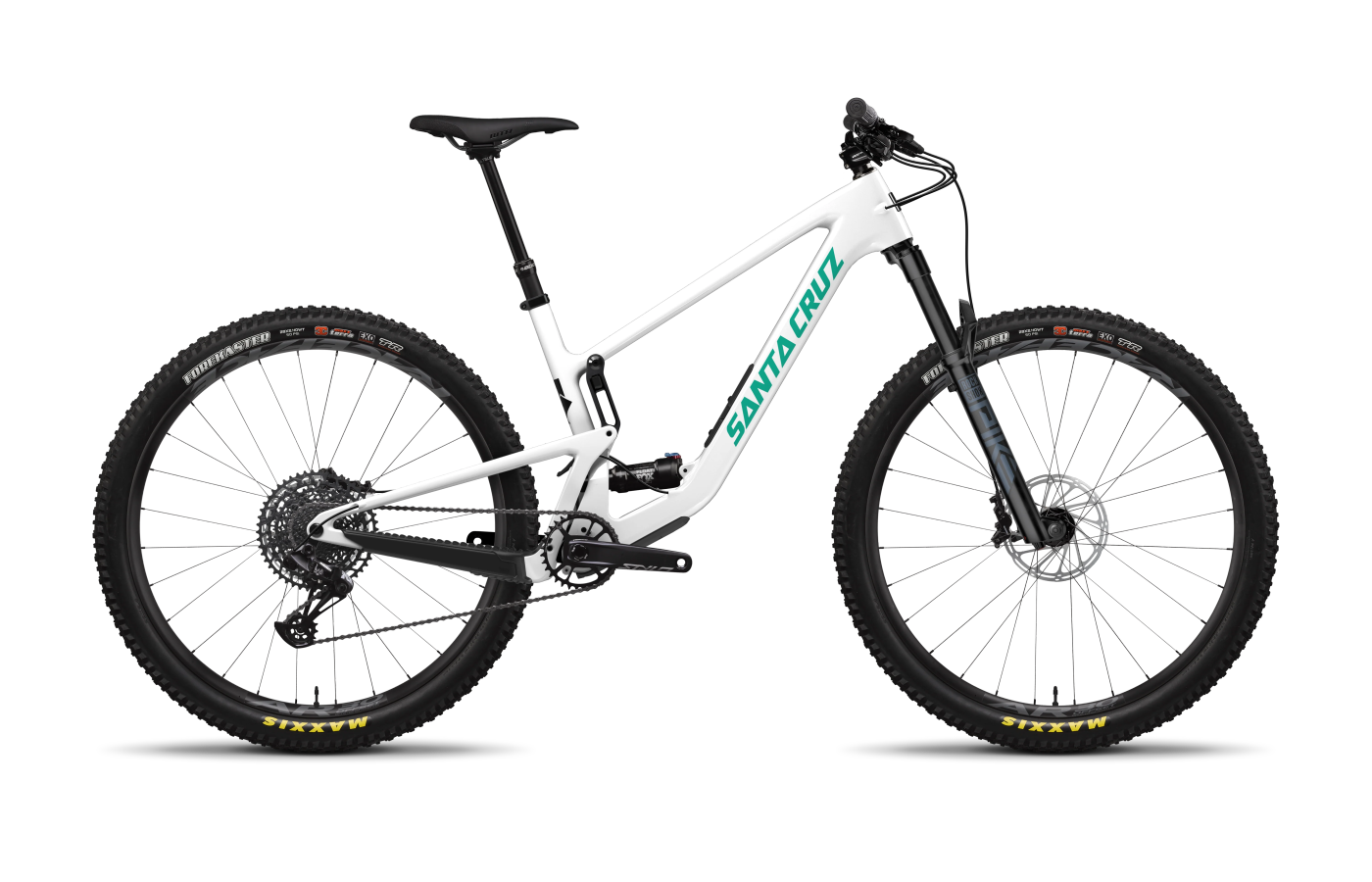
Tallboy
The Tallboy is the burlier, plusher take on the same downcountry idea — a VPP "traction factory" rear end that reviewers consistently call more glued-down than the Spur's flex-stay. Heavier, less poppy, but more forgiving at the limit.
Compare →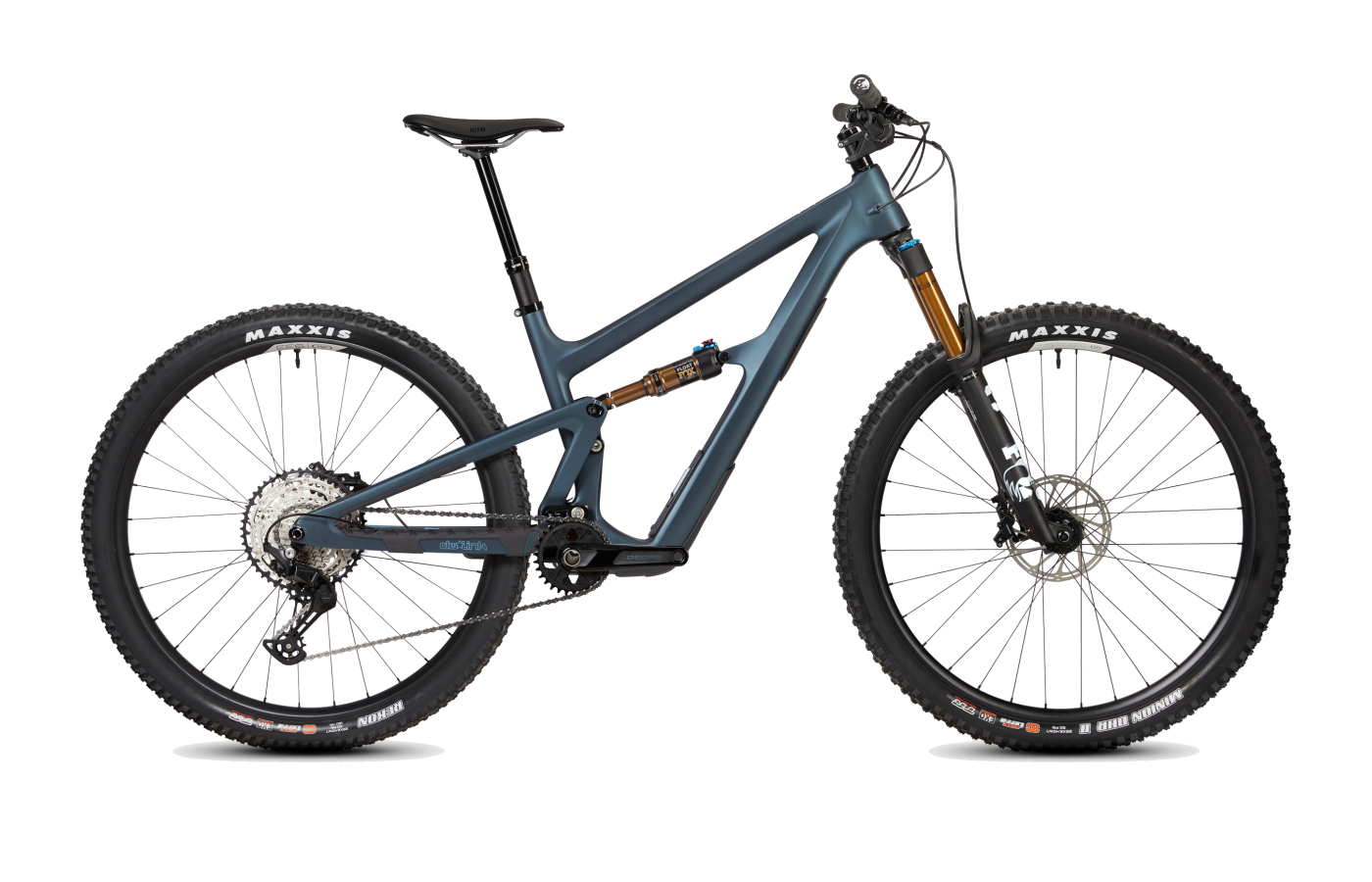
Ripley
Ibis's DW-Link Ripley is the smoother climber of the bunch — quieter under power, more active on technical climbs, but lighter on the geometry-aggression scale than either the Spur or the Element.
Compare →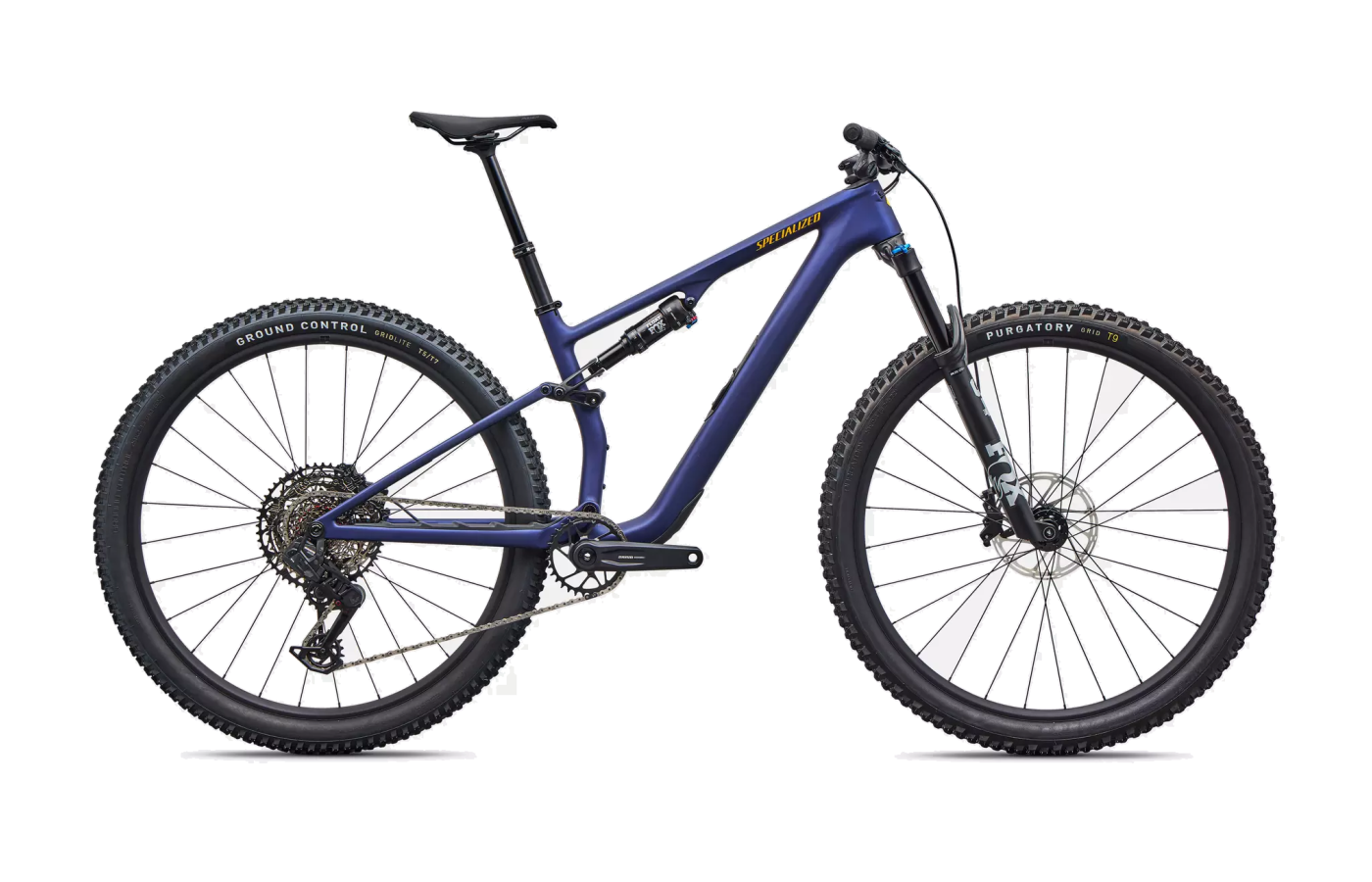
Epic Evo
Specialized's Epic Evo is the closest direct rival — a similar pivot-light flex-stay layout, comparable travel, with a Brain shock option that takes a different swing at the same climb-vs-descend automation problem the Element solves with Flight Attendant.
Compare →