Ranger
vsSpur
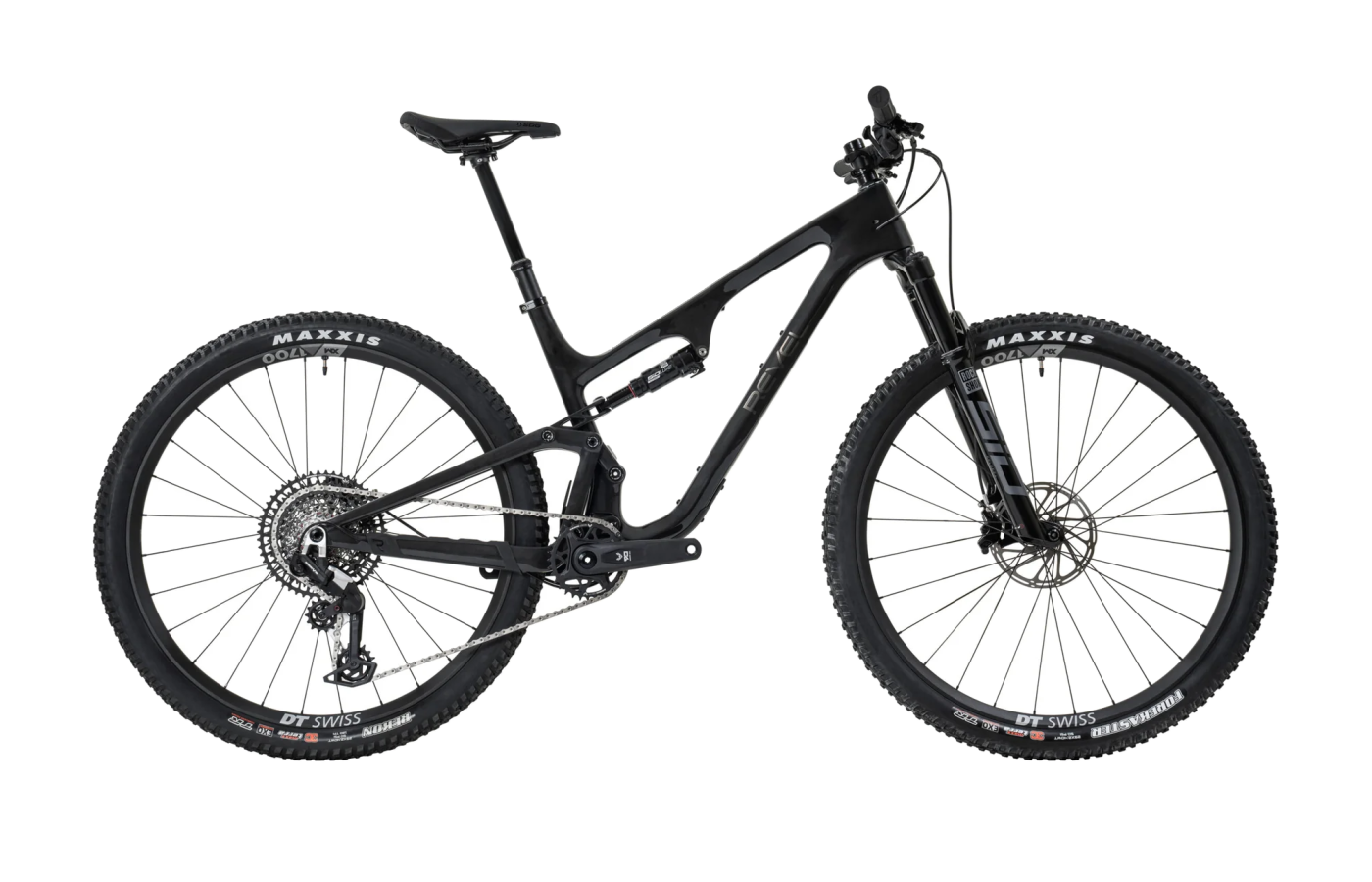
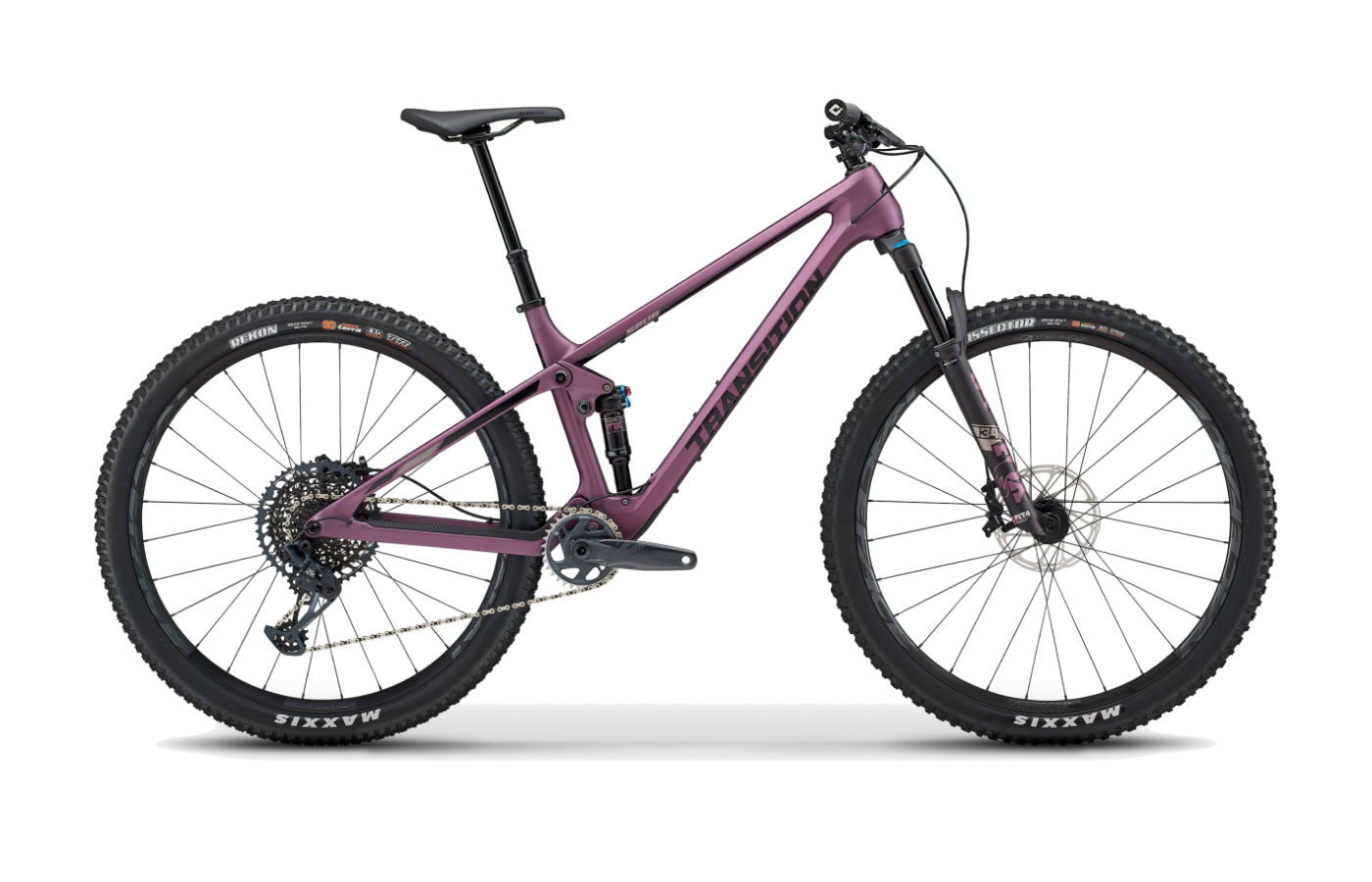
Two downcountry bikes, two personalities.
The Revel Ranger is a stoic momentum machine for technical endurance miles. The Transition Spur is a feisty speed-generator that wants to be jumped.
Ranger
- CBF suspension is a momentum machine — rear wheel stays planted under braking, suspension ramps without bottoming, lockout almost never needed.
- Better technical climber — steeper front end and short-offset fork carve tight switchbacks the Spur muscles through.
- Mechanic-friendly frame — threaded BB, fully guided internal routing, one-tool linkage with larger bearings on the V2.
- Heavier frame and a firmer, less playful character — reviewers note it 'lacks pop' and prefers to cover ground over jib.
- Only two builds, both at $4,499 — no flagship option for buyers chasing AXS Transmission or carbon wheels.
Spur
- Class-leading descending geometry — 66-degree HTA and 1190 mm wheelbase make it feel like a mini-enduro at speed.
- Lighter, snappier chassis — flex-stay rear saves ~200 g; high-end builds hit 27 lbs and accelerate accordingly.
- Wider build range — $4,799 Deore through $8,199 X0 AXS, including a flagship Transmission spec.
- Long wheelbase and slack front feel like 'a handful' in tight, low-speed switchbacks.
- Heavier or more aggressive riders report frame wind-up in big G-outs; SID fork bushing wear is a known long-term issue.
Editor’s analysis
Both run 120 mm of fork and barely more than that out back — but they answer the downcountry question in opposite ways.
On paper, the Revel Ranger and Transition Spur read like siblings: 29ers, full carbon, 120 mm front, ~115–120 mm rear, four sizes, UDH-ready. Both target the rider who wants one bike for big backcountry days that climbs like an XC race rig and descends like something with twice the travel. The way each gets there, though, is different enough that they barely compete for the same shopping cart.
The Ranger is the composed one. Revel's Canfield Balance Formula linkage is the loudest thing about the bike — reviewers describe it as a near-bottomless platform that 'pushes' you over square edges, glues the rear wheel to the dirt under braking, and barely flinches when you forget to flip the climb switch. The 67.5-degree head tube angle and 436 mm chainstays are conservative by 2025 standards. Pair that with a stiff-but-not-light frame and the Ranger reads as a stoic instrument of speed: it carries momentum, it doesn't beg to be jumped.
The Spur picked the other lane. A 66-degree head tube angle, a 1190 mm wheelbase at MD (20 mm longer than the Ranger Medium), and a pivot-less flex-stay rear end give it mini-enduro confidence on descents and a snappy, energetic feel everywhere else. The flex-stay design saves ~200 g over a Horst link, and reviewers consistently call out the 'pop' it generates off jump faces and berms. The trade is real: the suspension is firmer and the chassis can wind up under heavier riders in high-speed G-outs, but on a 25-pound bike that's the deal you signed up for.
Put another way: the Ranger is the bike you choose when your local rides are long, chunky, and self-supported — Arizona Trail loops, all-day high-country grinds, places where 'compose' is the highest virtue. The Transition Spur is the bike you choose when you wear knee pads on every ride and want a 25-pound bike that descends like a 140 mm trail bike.
Where the builds differ.
Comparing our editor's-pick builds side-by-side. Winners highlighted row-by-row — lower price and weight, and the better-spec component, each mark a point.
Build variants & pricing
Tier-matched on SRAM Eagle 90 Transmission. The Spur's lineup spans roughly $3.4k of range; the Ranger ships in only two trims, both at the same price.
Prices are current US MSRP. The Ranger is sold through dealers; the Spur is also dealer-distributed. Revel does not currently offer a flagship AXS or carbon-wheel build on the Ranger — if that's the spec you want, the Spur Carbon X0 AXS at $8,199 is the only side of this comparison that gets you there.
How they fit, how they steer.
Medium on each side. Stack lands within 1 mm; reach is 2 mm longer on the Spur (455 vs 453). The real spread is at the front end — the Spur's HTA is 1.5 degrees slacker, its wheelbase 20 mm longer, and its seat tube angle nearly a full degree steeper.
Which size should I buy?
Sizes are picked from stack, reach, and effective top tube. The two ranges overlap closely through Medium and Large; the Spur's XL extends 12 mm further in reach for taller riders.
→These are starting points. Flexibility, riding style, and preferred position all shift the answer — if you’re between sizes, a professional fit beats a chart.
What the magazines said.
Published reviews from trusted cycling outlets. Click through for the full write-up.
Which one should you buy?
If you ride long, chunky backcountry days and value composure, get the Revel Ranger. If you live for the descent and want a featherweight bike that pops, get the Transition Spur.
Ranger
If your rides are 30+ miles of mixed terrain, your local trails are a minefield of square edges, or you spend summers on bikepacking routes like the AZT, the Ranger's CBF suspension and predictable composure make it the smarter tool. It rewards riders who want the bike to do the work in the chunder.
Spur
If you wear knee pads on every ride, treat every root as a kicker, and still want a bike that PRs the local climb, the Spur is the benchmark. It's the lighter, snappier, more aggressively shaped of the two — a 25-pound bike that descends like a trail bike with twice the travel.
Questions buyers actually ask.
Short answers to the things we get emailed about most often.
01Which descends more confidently?
The Transition Spur. Its 66-degree head tube angle is a full 1.5 degrees slacker than the Ranger's 67.5, and the wheelbase is 20 mm longer at Medium (1190 mm vs 1170 mm). Reviewers consistently describe it as a 'mini-enduro' that 'slows down the trail' at speed.
The Ranger isn't slow on descents — its CBF suspension and stiff rear triangle keep it composed — but its geometry and shorter wheelbase favor agility over pure stability. On a black-diamond chunder fest, the Spur is the bike most reviewers would pick.
02Which climbs better on technical terrain?
It depends on the kind of technical. The Ranger wins on tight, slow-speed switchbacks — its steeper head tube angle and shorter wheelbase make it easier to thread through pinch turns. The CBF rear end also stays planted on chunky pitches, with reviewers noting the rear wheel 'staying in close contact with the ground' on rock gardens.
The Spur's steeper 76.2-degree seat tube angle (vs. the Ranger's 75.3) keeps the front wheel weighted on long sustained climbs. But its flex-stay rear can 'get hung up' on square-edged ledges where a more active multi-link design would track better. On a long fire-road grind, the Spur is fast. On a tech-y trail climb, the Ranger has the edge.
03How much do they weigh?
Spur Carbon X0 AXS: 27.1 lbs / 12.3 kg at size MD (manufacturer claim).
Ranger: Revel doesn't publish a complete-bike weight, but reviewers measured the SRAM-equipped Ranger V2 builds at roughly 26.25–27.75 lbs across sizes. Frame-only, the Ranger is about 2,470 g (with shock omitted) — heavier than pure XC frames like the Specialized Epic Evo (~1,757 g), but in line with bikes built for the 'downcountry' brief.
In practice, the two bikes are within a pound of each other when spec-matched, and the difference is dwarfed by tire and wheel choices.
04What's the maximum tire clearance?
Ranger V2: Officially 29 x 2.6". Reviewers running 2.6" Vittoria Mezcals in deep mud reported occasional rub, so plan around a true 2.5" if you ride wet conditions often.
Spur: 2.4" is the safe practical max — the rear triangle is built tight to keep the chainstay length down. Both ship stock with 2.4" Maxxis Dissector / Rekon combos, which is the sweet spot for the category.
If wide-tire flexibility matters to your trails, the Ranger has more headroom.
05Are both compatible with SRAM Transmission?
Yes. Both frames use the SRAM Universal Derailleur Hanger (UDH), which is the prerequisite for direct-mount Transmission derailleurs (X0, GX, Eagle 90 T-Type). The editor's-pick build on each side ships with SRAM Eagle 90 Transmission as stock; both platforms also offer higher-tier Transmission builds (or, in the Spur's case, the Carbon X0 AXS at $8,199).
06How does suspension serviceability compare?
The Ranger uses Revel's CBF short-dual-link layout — more pivots and hardware than a simple single-pivot or flex-stay design, but the V2 update added larger cartridge bearings, titanium shock hardware, and a one-tool linkage system. Reviewers report long-term reliability has been a non-issue.
The Spur uses a pivot-less flex-stay rear triangle: fewer parts, less to service, less to creak. The trade is that the carbon stays themselves are a wear item over many years and miles. The most cited long-term issue isn't the frame — it's premature bushing wear in the lightweight RockShox SID fork on hard-ridden examples (Fox 34 on the editor's-pick build sidesteps this).
07Which is better for bikepacking?
The Ranger, by a clear margin. Reviewers and the brand both lean into bikepacking as a use case — multiple bottle and accessory mounts on M and up, a composed and predictable ride character that stays manageable when loaded, and the CBF's ability to 'plant the bike on both descents and climbs' with gear strapped on.
The Spur isn't bad at it, but its more aggressive geometry and firmer, snappier ride are tuned for unloaded rowdiness, not for hauling 15 lbs of frame bag and bivy gear up a forest service road for the third hour in a row.
08Which holds up better for heavier or more aggressive riders?
The Ranger. Its V2 rear triangle is 20% stiffer than V1 without a weight penalty, and the chassis doesn't exhibit the windup that some Spur reviewers (200 lb+ testers especially) reported in high-speed G-outs.
The Spur's flex-stay design and lightweight construction are part of why it feels so good — but the same characteristics mean the chassis can feel less locked-down for big riders pushing it into enduro-adjacent terrain. If you're heavy, ride hard, or both, the Ranger's character will hold up better over a season of abuse.
Similar bikes
If your priorities don’t map cleanly onto either of these, one of these adjacent bikes probably fits better.
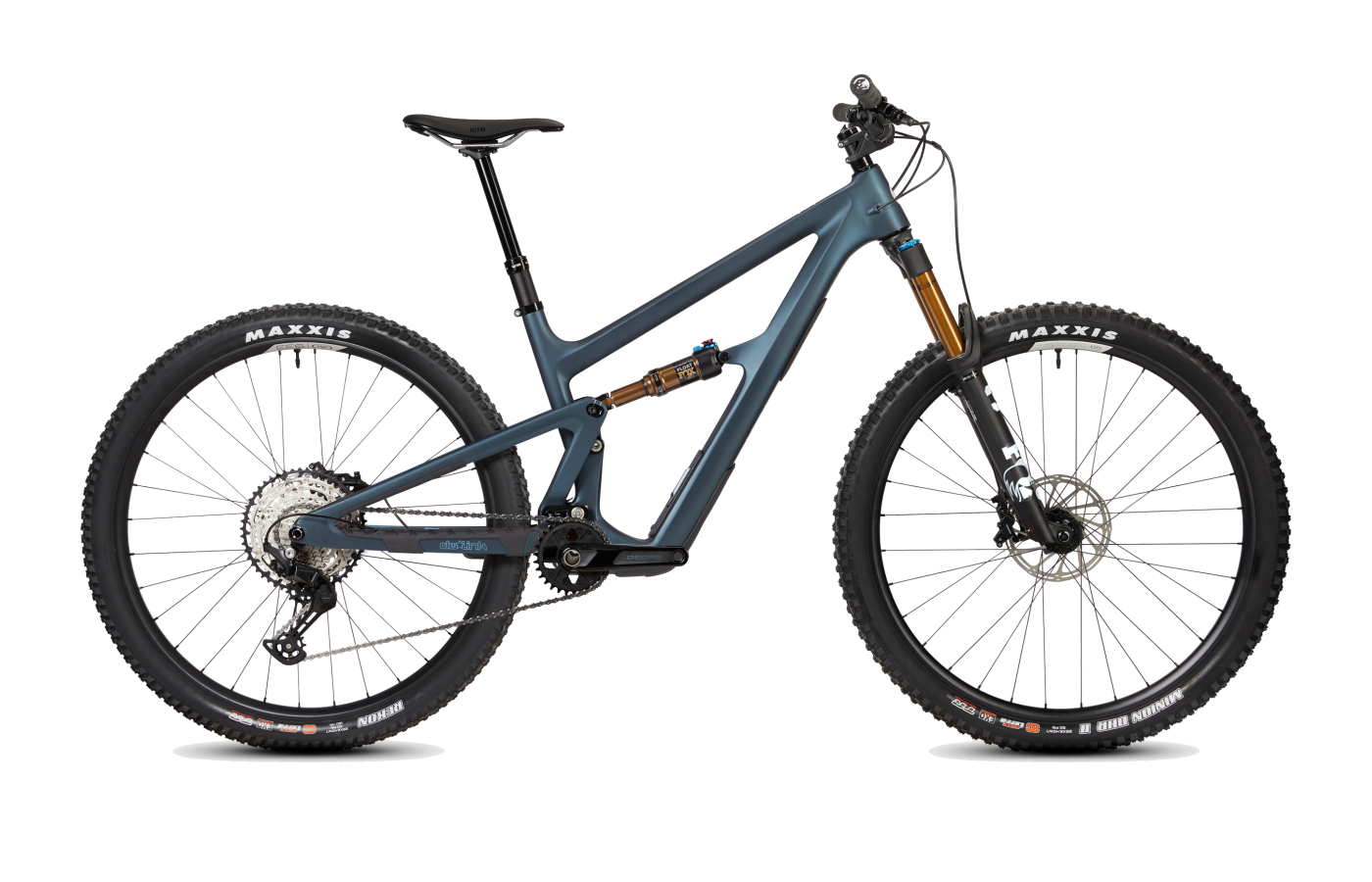
Ripley
The Ibis Ripley splits the difference between these two — DW-Link suspension that climbs like the Ranger and a livelier, more agile feel than the Spur. The choice if you want responsive XC-leaning steering without giving up real descending chops.
Compare →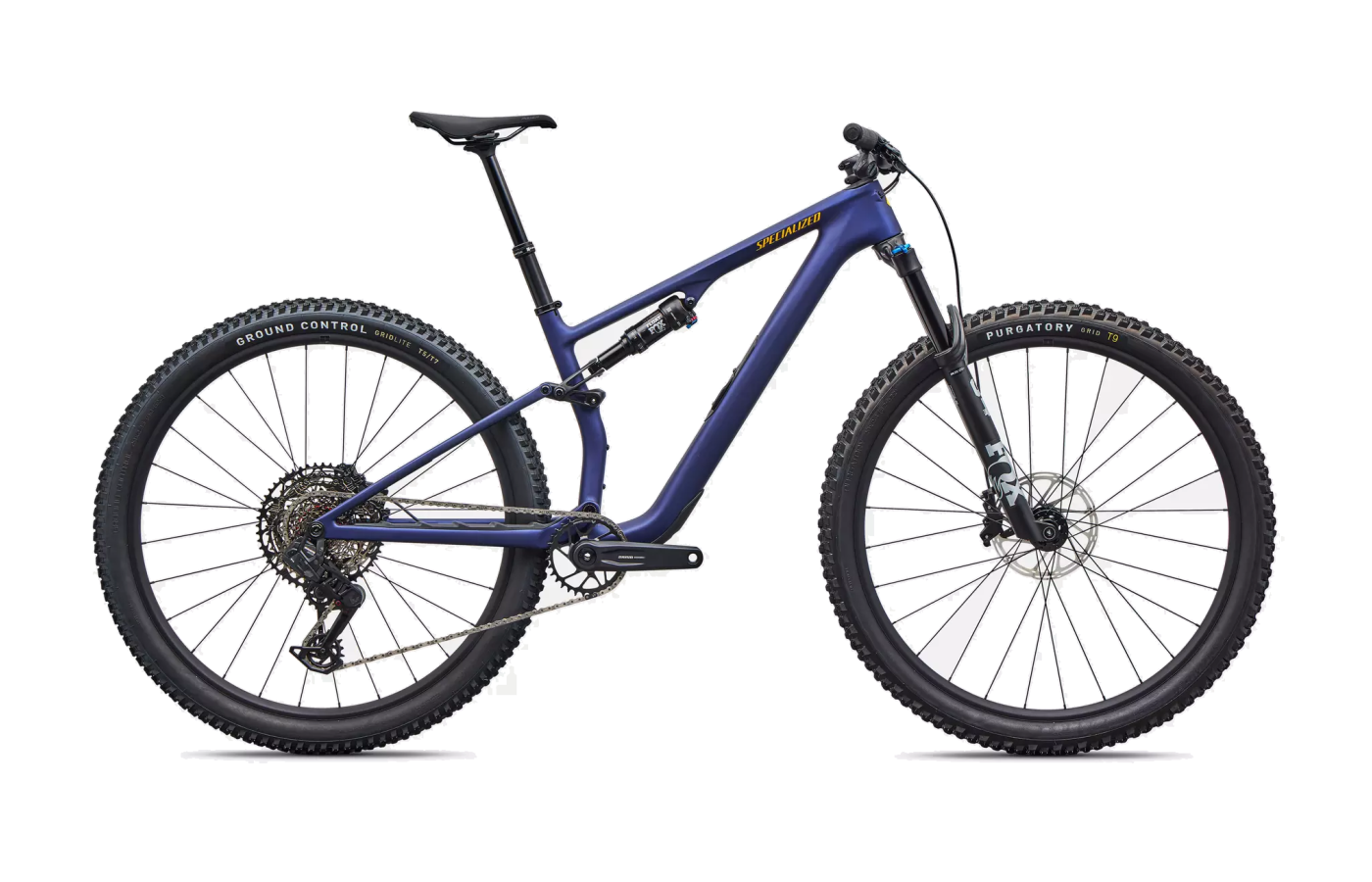
Epic Evo
Specialized's Epic Evo is the lightest frame in the category by a wide margin (~700 g lighter than the Ranger) and the most race-pedigreed of the four. Get this if your downcountry leans more 'XC bike with safety net' than 'short-travel trail bike.'
Compare →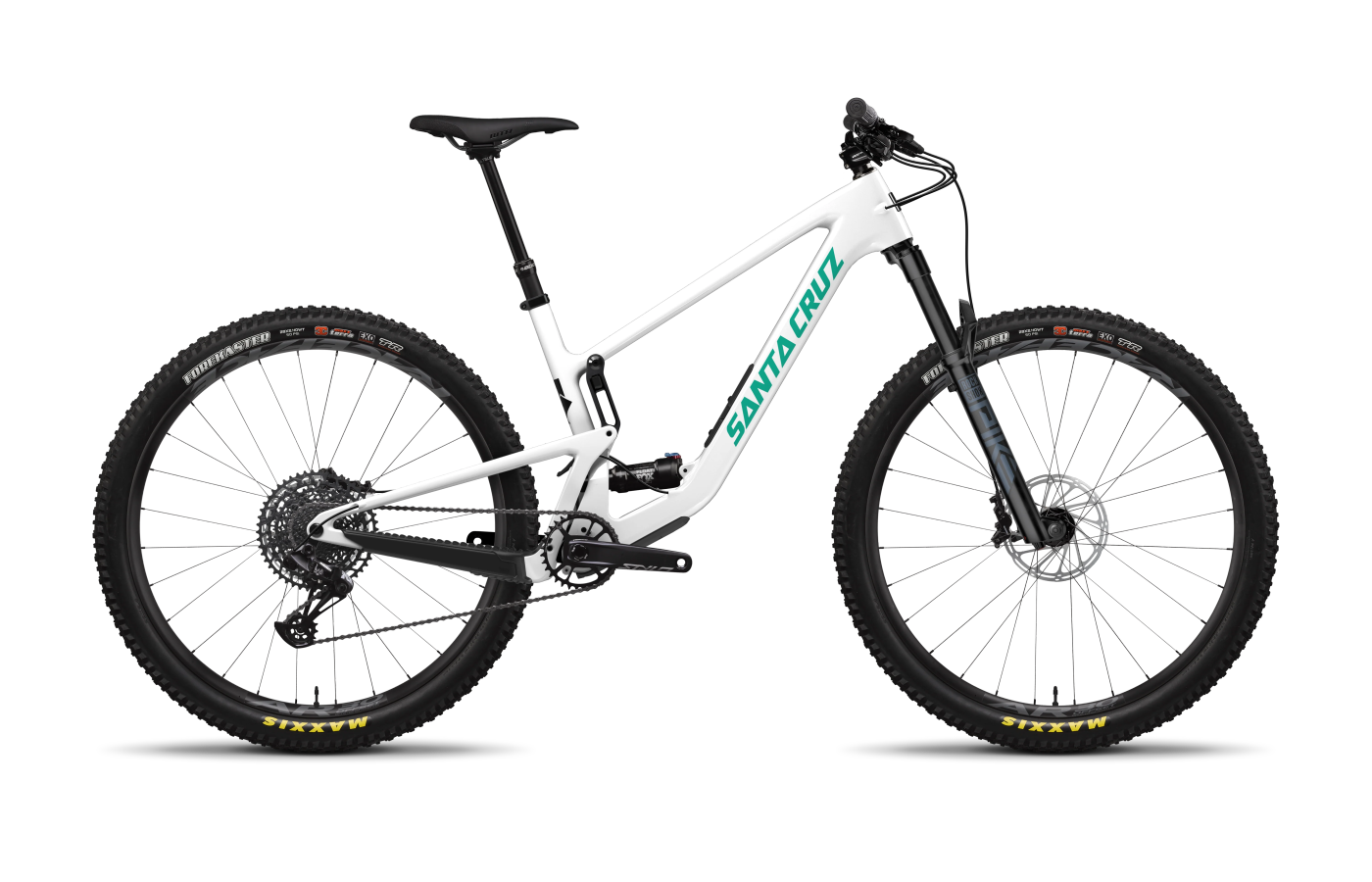
Tallboy
The Santa Cruz Tallboy is the burlier sibling — VPP suspension that feels more 'glued' to the trail, a stiffer chassis for heavier riders, and a more bottomless feel on descents. The pick if the Spur's flex-stay character feels too active for your terrain.
Compare →