Vault
vsCrux
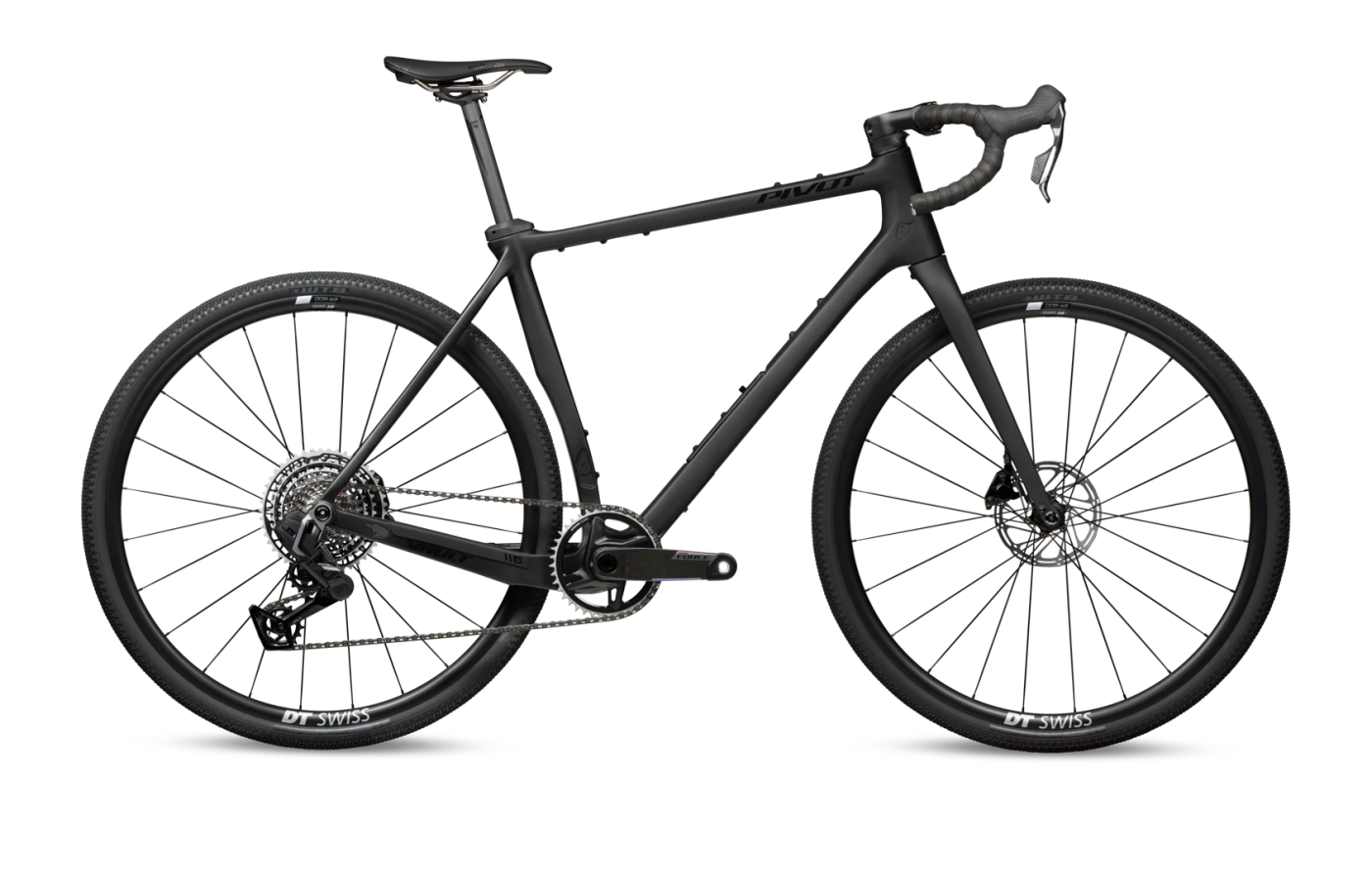
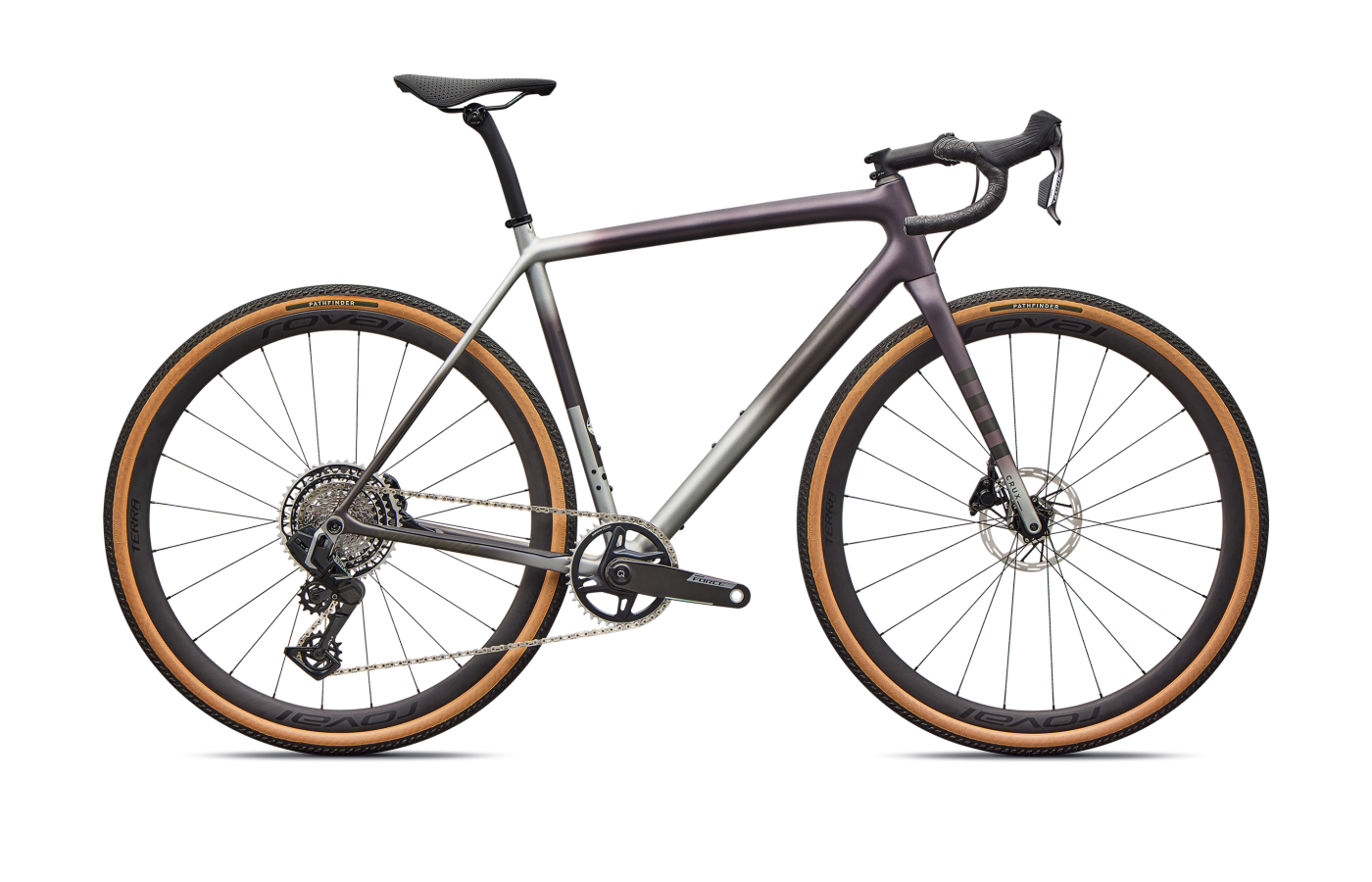
Two carbon gravel bikes pulling in opposite directions.
The Pivot Vault is the comfort-first adventure machine built around 50 mm tires. The Specialized Crux is a sub-1-kg race weapon that doubles as a road bike with knobs.
Vault
- 50 mm tire clearance — the widest in the segment, and reviewers are unanimous that running 45–50 mm rubber transforms the bike.
- Iso Flex elastomer seatpost takes the edge off chatter without the height changes of a true suspension post.
- Mounts and storage everywhere — four bottles even on a size SM, ToolShed in-frame compartment, fender mounts.
- Stock WTB Vulpine 40 mm tires are widely panned — budget for an immediate tire swap.
- Slightly less dynamic on smooth, fast paved descents than a dedicated road-leaning gravel bike.
Crux
- Sub-1-kg frame — S-Works is a claimed 725 g, FACT 10r is 825 g; both produce some of the lightest complete builds in gravel.
- Race-bred geometry with a 72-degree head angle and 64 mm trail on the 56 — snappy, flickable, born for tight cyclocross-style turns.
- Doubles as a road bike — swap to slick 32 mm tires and the Crux keeps up with roadies on the group ride.
- Almost no mounts — no rack, no fenders, no in-frame storage; bikepacking means strap-on bags only.
- Front end can feel harsh on chunky terrain; reviewers consistently mention hand fatigue on rougher gravel.
Editor’s analysis
Both bikes wear a carbon gravel badge, but they're answering completely different questions — how far versus how fast.
The Pivot Vault is the rare gravel bike that finally lets go of its cyclocross past. Gen 4 added a longer front center, a 70.4-degree head angle, 50 mm tire clearance, and Pivot's redesigned Iso Flex elastomer seatpost damper — the bike sits the rider inside the frame rather than over the top. Reviewers across Velo, Bike Rumor, and Nminus1bikes converge on the same word: stable. It's a bike for people whose weekend is Unbound or three nights of bikepacking, not Tuesday-night CX practice.
The Specialized Crux goes the other direction, hard. The S-Works frame is a claimed 725 g — lighter than most flagship aero road bikes — and the geometry is unapologetically race-cut: 72-degree head angle on the 56, 64 mm of trail, no Iso Flex, no in-frame storage, almost no mounts. Reviewers describe it as "snappy," "flickable," "a rocket on smooth gravel," and at the same time "a hair nervous" at speed on chunder. It's the gravel bike that climbs like a road bike because it basically is one.
The component philosophies diverge to match. Pivot leans into versatility: 1x or 2x, mechanical or electronic, internal or partially external cable routing, four bottle mounts on a size SM, a ToolShed in-frame compartment. The Crux strips most of that away — single-side cable routing, no front-derailleur compatibility, no rack or fender mounts beyond a third bottle cage — in service of weight. Both stick with sane standards (threaded BB, 27.2 mm round seatpost) so neither punishes you on service day.
Tire clearance tells the story in one number. The Vault swallows 50 mm, and reviewers from Bike Rumor and Grava Adventure Co. say going wider than the stock 40 mm Vulpines is the single biggest improvement you can make. The Crux tops out at 47 mm and ships 38–40 mm Pathfinder Pros optimized for tarmac speed. Pick the surface your riding actually lives on, and the right answer reveals itself.
Where the builds differ.
Comparing our editor's-pick builds side-by-side. Winners highlighted row-by-row — lower price and weight, and the better-spec component, each mark a point.
Build variants & pricing
The Vault tops out at $5,999 with no flagship Red AXS option. The Crux runs from a $2,799 alloy DSW Comp all the way to a $11,999 S-Works.
Prices are current US MSRP. Pivot has no Red AXS Vault build; if you want a true flagship 1x electronic gravel bike from these two, the Crux S-Works is your only option.
How they fit, how they steer.
Pivot SM vs Specialized 54 — the fit-picked sizes for a 5'8" rider on each platform. The Crux sits 8 mm taller in stack at this size, with a 1.1-degree steeper head angle and 5 mm shorter chainstays. Different bikes for different priorities, even at the same rider height.
Which size should I buy?
Both ranges cover most adult riders. The Vault uses S/M/L labels and goes one size smaller (XXS) than the Crux's smallest 49.
→These are starting points. Flexibility, riding style, and preferred position all shift the answer — if you’re between sizes, a professional fit beats a chart.
What the magazines said.
Published reviews from trusted cycling outlets. Click through for the full write-up.
Which one should you buy?
If your rides are long, mixed, and tire-pressure-curious, get the Vault. If your rides are races, climbs, and group hammerfests on smooth gravel, get the Crux.
Vault
If your typical day is four to eight hours, you want the option to run 50 mm tires, and you'd rather have an in-frame storage compartment than save 200 grams — this is the bike. The Vault is happy at Unbound, happier on a multi-day route, and still quick enough to enjoy on a Saturday group ride.
Crux
If you're targeting BWR, SBT GRVL, or your local cyclocross series — and you also want a bike that can play road understudy when your road bike is in the shop — the Crux is hard to beat. Featherweight, sharp, no-nonsense, with the spec-sheet weight of a flagship climbing bike.
Questions buyers actually ask.
Short answers to the things we get emailed about most often.
01Which is faster on smooth gravel and pavement?
The Specialized Crux, by a clear margin. The S-Works frame is a claimed 725 g and the FACT 10r Pro/Expert frames are 825 g — both significantly lighter than the Vault's sub-1-kg frame plus its heavier component spec. Real-world built weights bear this out: a 56 cm S-Works Crux hits roughly 7.15–7.3 kg with pedals off, where the Vault Team Force XPLR AXS is closer to 8.3 kg.
On a flat, fast-paced group ride or a smooth gravel race, that weight gap plus the Crux's narrower, faster-rolling stock Pathfinder tires translates into a noticeably easier time holding the wheel.
02Which is more comfortable on long rides?
The Pivot Vault, decisively. The Iso Flex elastomer seatpost damper is the headline feature — Bike Rumor's Zach Overholt described it as taking "the edge off bumps and vibrations" without ever feeling like a suspension post. Combined with 50 mm tire clearance and a longer-wheelbase progressive geometry, the Vault is built for hours in the saddle.
The Crux, by contrast, leans on a Roval 27.2 mm seatpost for compliance and asks the rider's tires and arms to do the rest. BikeRadar called the front end "slightly harsh on bigger hits," and Cycling Weekly noted hand fatigue on extended rough terrain.
03What's the maximum tire clearance?
Pivot Vault: 700c x 50 mm officially. Pivot's suspension-corrected fork (415 mm axle-to-crown) was designed around running wide, and reviewers consistently recommend going to 45 or 50 mm tires immediately — the difference in ride quality is described as "dramatic."
Specialized Crux: 700c x 47 mm or 650b x 2.1". Specialized's design priority was weight and aero shaping, not maximum tire volume. The stock 38–40 mm Pathfinder Pro tires are fast on smooth surfaces and limiting on anything looser.
04Can I bikepack on either?
On the Vault, yes — it's designed for it. Up to four bottle mounts even on a size SM, top tube bag mounts, fender mounts, and the ToolShed in-frame storage compartment with included canvas bags. Reviewers do note the ToolShed is a "tight squeeze" and the bottle bolt isn't sealed against rain, but the bike is unambiguously bikepack-ready.
On the Crux, with effort. Specialized stripped most mounts to save weight — there's a third bottle cage mount under the down tube and not much else. You can run strap-on frame bags and seat packs, but it's a workaround, not a feature.
05What about drivetrain options?
The Vault offers the most flexibility: Shimano GRX 1x12 mechanical at $4,499, SRAM Force XPLR AXS 13-speed electronic at $5,599, or SRAM Force/X0 Eagle AXS Transmission mullet for the widest range at $5,999. There's also an entry-level SRAM Apex 1x at $4,199. The frame supports 1x or 2x, mechanical or electronic.
The Crux is mostly 1x SRAM XPLR — Rival, Force, or Red — across its carbon builds, plus Shimano GRX options on the Comp and Expert tiers. Note that the Crux cannot run a 2x mechanical front derailleur because of the cable routing; electronic 2x works, mechanical does not.
06How does Pivot's Iso Flex compare to Specialized's Future Shock?
They're solving similar problems differently. Iso Flex is a passive elastomer sleeve around the seatpost that subtly damps bumps and vibrations through the saddle — Pivot's founder Chris Cocalis chose a single elastomer durometer after testing across rider weights. It's invisible in use and serviceable with Allen keys.
Specialized's Future Shock is a 20 mm steerer-tube spring that isolates the bars from the road — but it's a Diverge feature, not on the Crux. The Crux is fully rigid by design; Specialized treats it as the racy counterpart to the comfort-tuned Diverge.
07Are the frames easy to live with?
Both score well on serviceability — neither uses a press-fit BB or a fully integrated cockpit. The Vault runs a BB386EVO press-fit (Pivot has a long track record of executing press-fit cleanly), a 27.2 mm round seatpost, and your choice of fully internal or partially external cable routing. UDH dropout for easy hanger replacement.
The Crux uses a threaded English BSA bottom bracket (universally praised by reviewers), a 27.2 mm round seatpost with external clamp, and a conventional two-piece cockpit on a tapered steerer. UDH dropout as well. Specialized went out of its way to avoid proprietary parts here.
08Which has more upgrade potential?
Both are designed to be upgraded, with one important asterisk on the Vault. Reviewers across Velo, Bike Rumor, Gravelcyclist, and Grava Adventure Co. unanimously flag the Vault's stock DT Swiss ER 1600 alloy wheels and WTB Vulpine 40 mm tires as the weak link — JOM at Gravelcyclist explicitly says the bike "is screaming out for a wheel upgrade."
The Crux's lower-end builds (Comp, Expert) get similar criticism: reviewers feel the SRAM Rival 1x mechanical and DT Swiss G540 alloy wheels "don't match the price tag" of the carbon frame. Both bikes reward upgrading wheels and tires before anything else.
Similar bikes
If your priorities don’t map cleanly onto either of these, one of these adjacent bikes probably fits better.
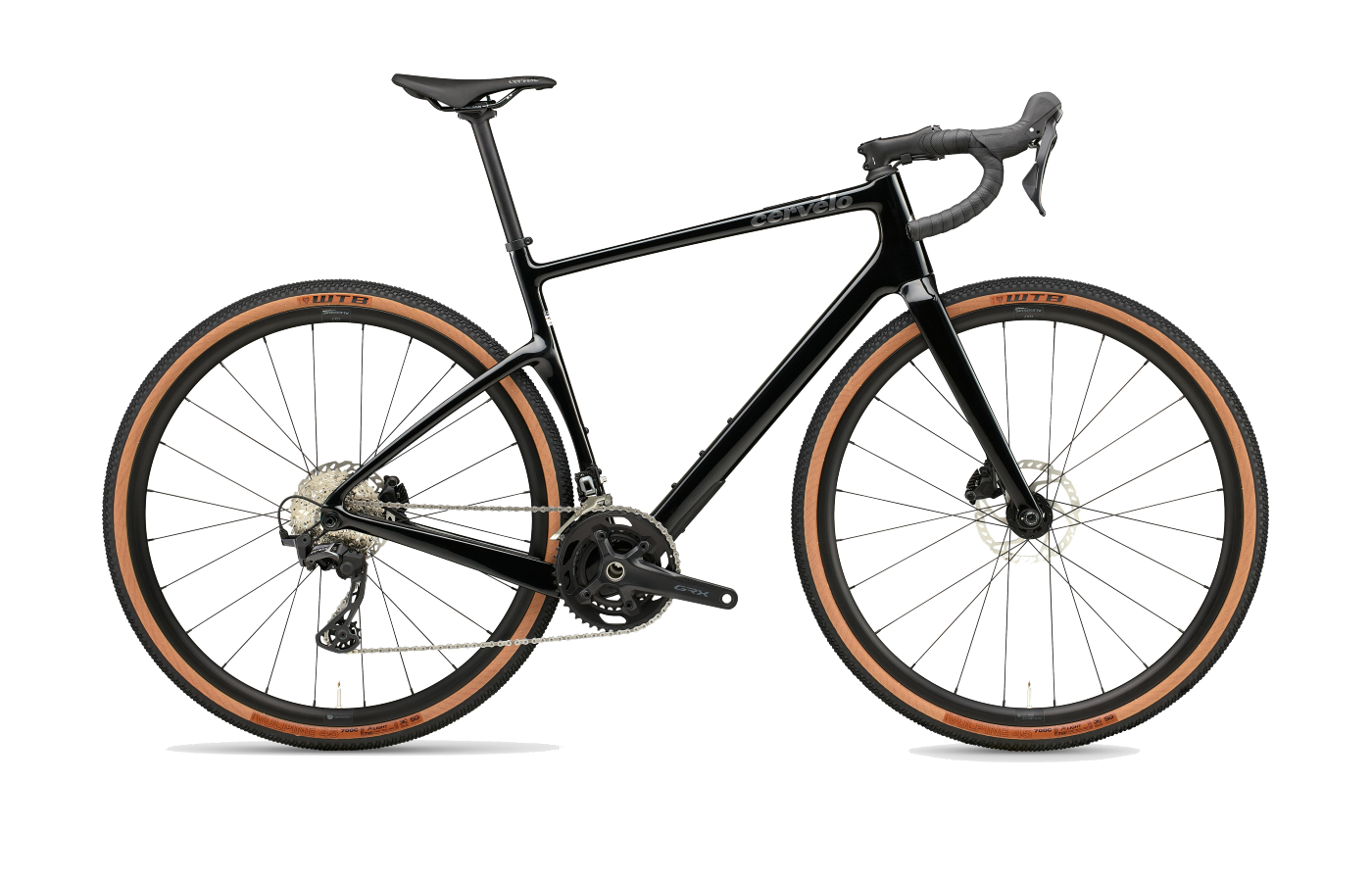
Aspero
The Cervélo Aspero is the closest direct rival to the Crux's race-day mission — aggressive geometry, sub-8-kg builds, and the same single-minded focus on speed over storage.
Compare →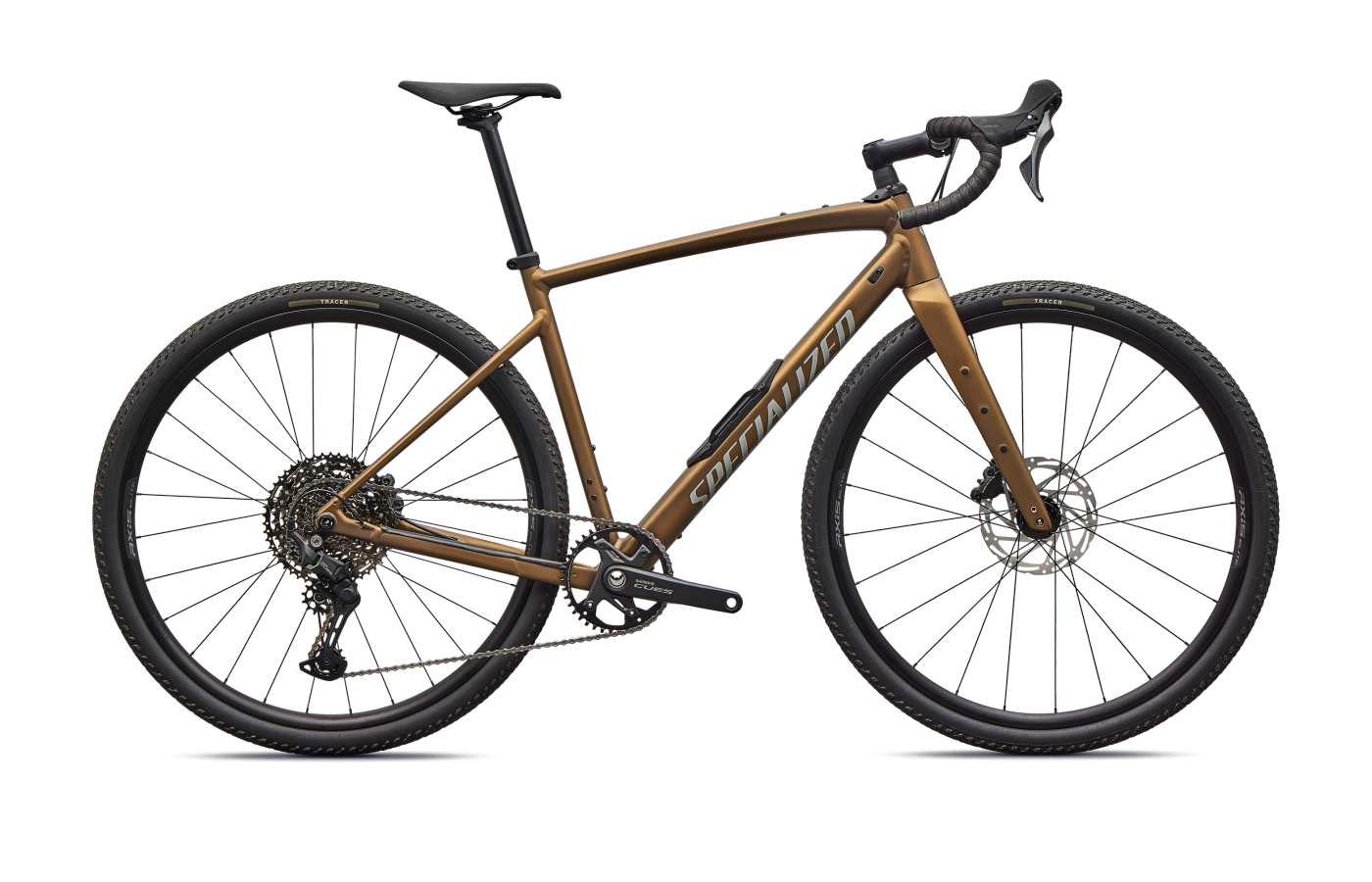
Diverge
Specialized's own Diverge is the in-house counterpoint to the Crux: Future Shock 20 mm steerer suspension, mounts everywhere, geometry tuned for stability. Effectively a Vault from a different brand.
Compare →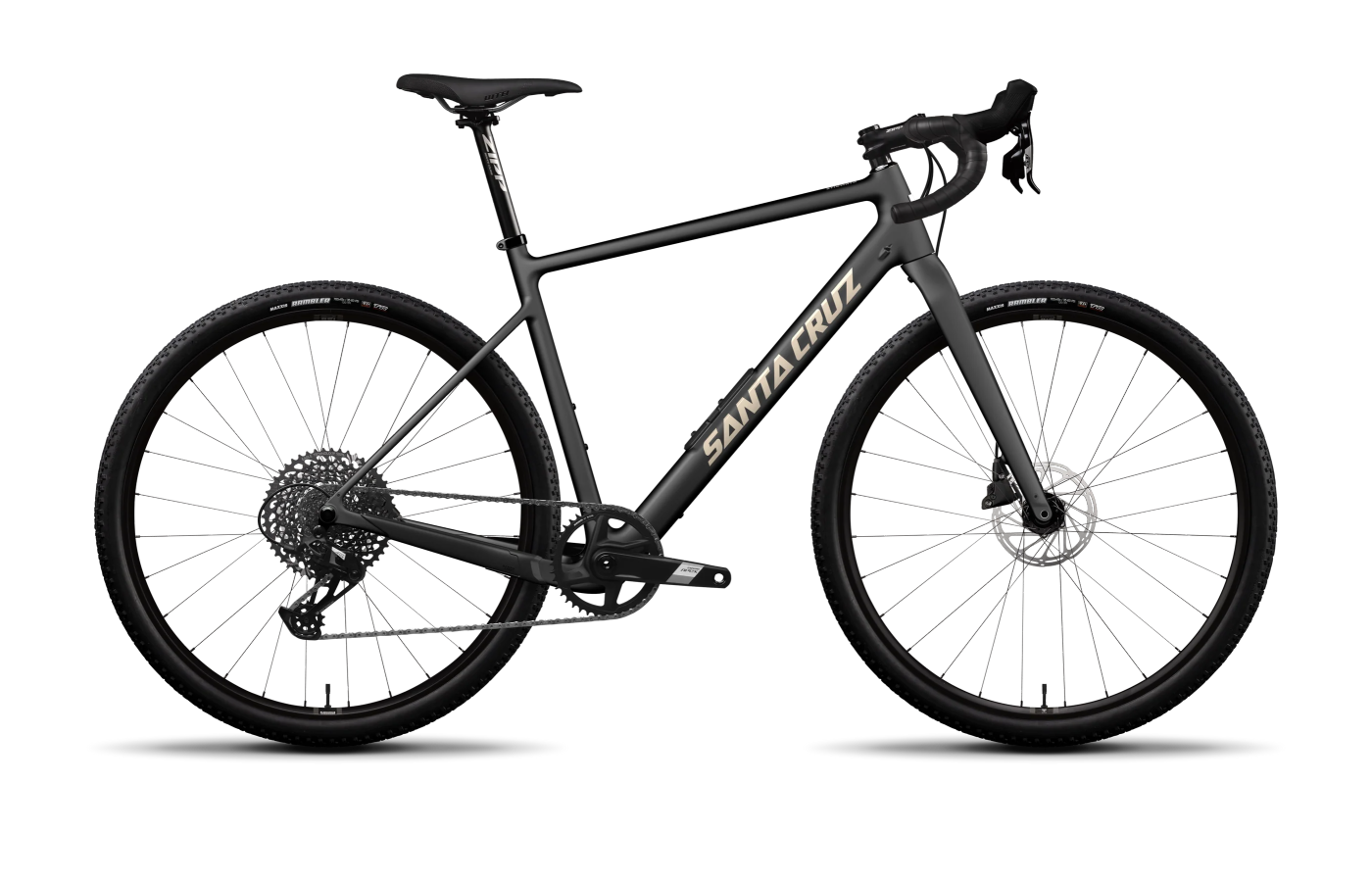
Stigmata
The Santa Cruz Stigmata brings the same MTB-brand-makes-a-gravel-bike pedigree as Pivot, with a more race-leaning geometry than the Vault and a similarly robust frame feel.
Compare →