Hei Hei
vsProcess 134
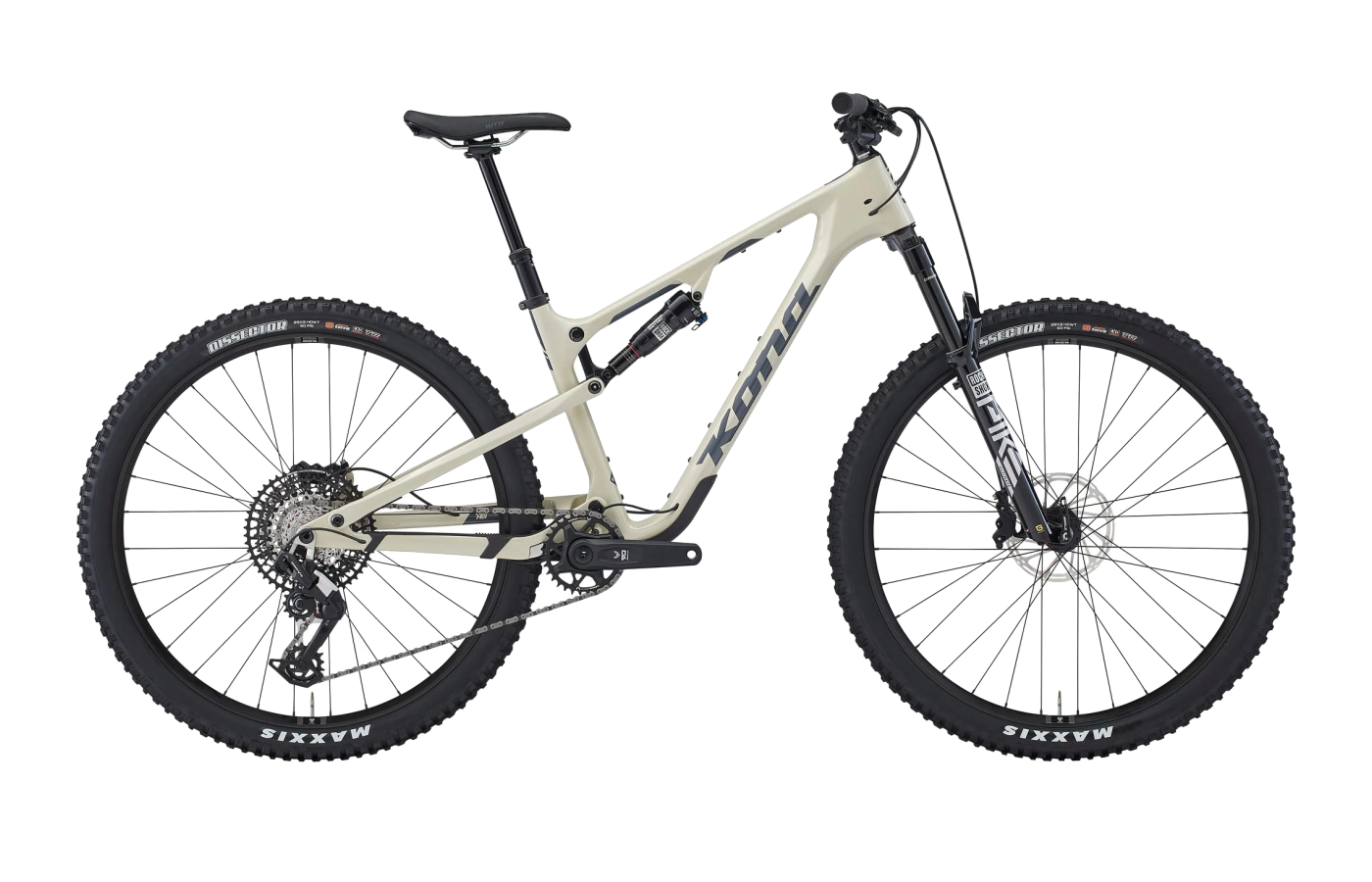
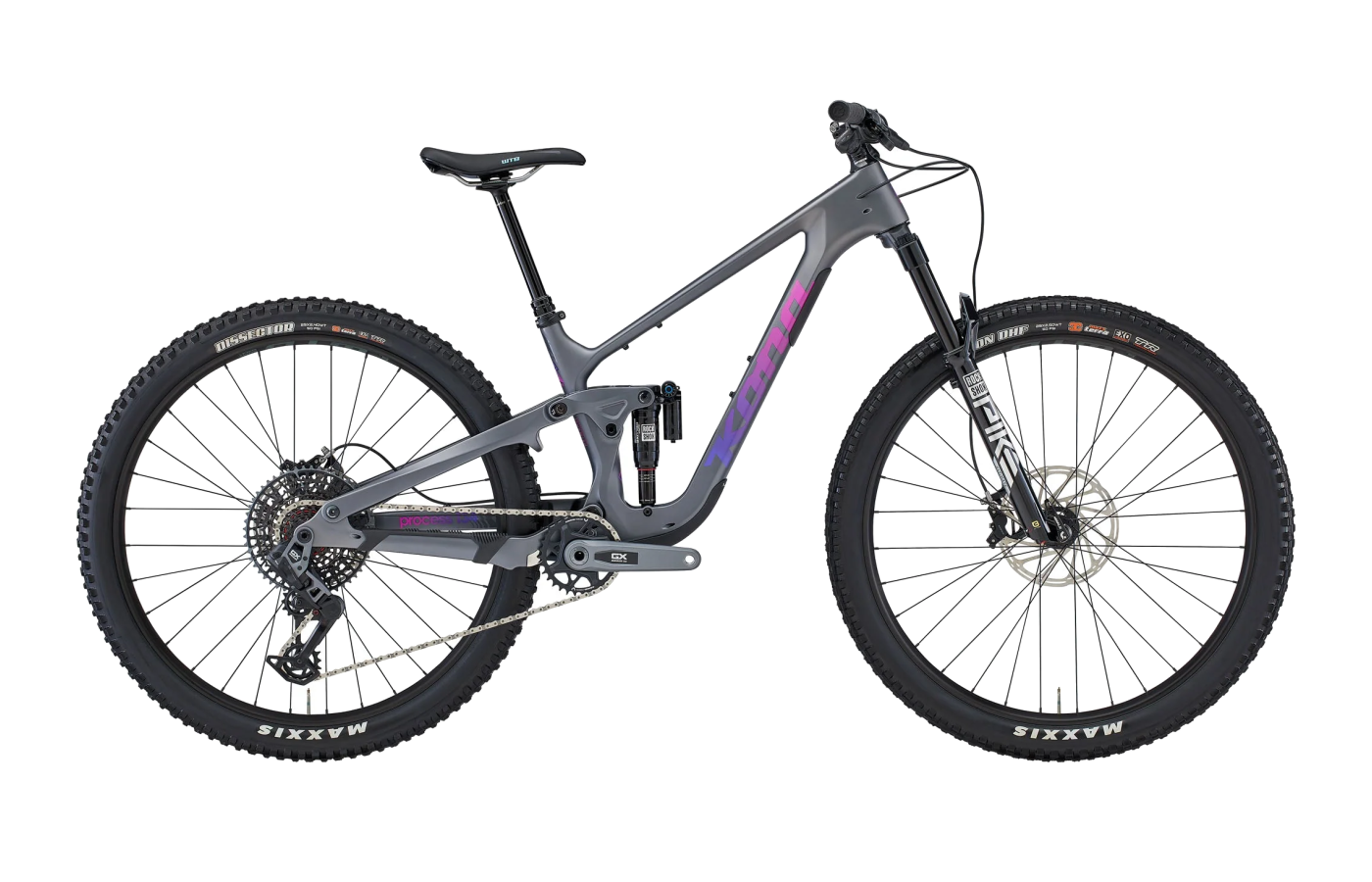
Same brand, two very different mountain bikes.
The Hei Hei is Kona's all-day downcountry ripper. The Process 134 is its short-travel bruiser — a trail bike that thinks it's an enduro.
Hei Hei
- All-day comfort — supportive Swinger suspension and a relaxed seated position that Blister and Bikepacking.com both flag as fatigue-reducing on long efforts.
- Premium suspension package — Pike Ultimate fork and Deluxe Ultimate shock on the only carbon build, no half-measures.
- Bikepacking-ready frame with nine bottle and accessory mounts on the front triangle alone.
- Single carbon build at $6,299 — no electronic-shifting upgrade and no mid-range carbon option.
- Reaches its limit on truly steep, high-speed technical terrain — not an enduro substitute.
Process 134
- Punches above its travel class on descents — Blister found it as composed in rough chunk as bikes with significantly more travel.
- Four builds from $1,999 to $4,899 — including two alloy options, the cheapest of which Pinkbike called 'undeniably excellent value in 2025.'
- Mullet-capable via integrated flip-chip — switch between full 29er and 29/27.5 without changing the bottom bracket height.
- Heavier and firmer off the top than the Hei Hei — climbs feel more like work.
- Stock components on the carbon builds (WTB rims, RockShox Reverb dropper) drew durability complaints from multiple reviewers.
Editor’s analysis
Both wear the Kona logo and roll on 29ers — but pick the wrong one and you'll either be dragging an over-built sled up your local XC loop, or hanging on for dear life when the trail tilts down.
On paper they look adjacent. The Kona Hei Hei runs 120 mm rear / 130 mm fork; the Kona Process 134 runs 134 mm rear / 140 mm fork. Fourteen millimeters of rear travel and a degree of head angle don't sound like much. In practice the bikes are aimed at completely different riders.
The Kona Hei Hei is the long-day machine. A 66-degree head angle, a 120 mm RockShox Deluxe Ultimate out back, a stiff carbon chassis, nine bottle bosses on the front triangle, and the new Swinger linkage that NSMB calls a meaningful upgrade over the old flex-stay — it's a bike Bikepacking.com happily took on multi-day routes and Blister would pick over a pure XC race bike for a 125-mile backcountry race. It pedals well, climbs better than its 30.2 lb weight suggests, and earns its 'downcountry' label without feeling overbiked on mellow flow.
The Kona Process 134 picks a fight with the descents. A 65.5-degree head angle, a 140 mm Pike Ultimate, a flip-chip for mullet conversion, and the same linkage-driven single-pivot platform Kona uses on the Process 153 and the Process X enduro bike. Blister calls it 'the Trail bike for people who kind of want an Enduro bike but don't quite have the terrain to justify it.' It rides firm off the top, rewards an aggressive style, and pumps berms like a much bigger bike. It's not as spritely on the climbs — Pinkbike clocked the carbon CR at 30.8 lb in a size small — but that's the cost of admission.
The Kona Hei Hei is the bike for the rider who logs four-hour weekends with real climbing. The Kona Process 134 is the bike for the rider who shuttles, sessions jumps, and wants one bike that can also pedal home. Same brand, same wheel size, very different intent.
Where the builds differ.
Comparing our editor's-pick builds side-by-side. Winners highlighted row-by-row — lower price and weight, and the better-spec component, each mark a point.
Build variants & pricing
Kona sells the Hei Hei in just one carbon build; the Process 134 spans four builds across carbon and aluminum.
Prices are current US MSRP. The Hei Hei is carbon-only, single-spec — there is no alloy or electronic-shifting option. The Process 134 starts $4,300 below the Hei Hei in alloy trim and tops out $1,400 below it in carbon. If your budget is under $4,000, the Process 134 is effectively the only option in this matchup.
How they fit, how they steer.
Both at size M — the fit-picked size for a 5'8" rider on each bike. The Process 134 sits half a degree slacker up front (65.5 vs 66), 6 mm longer in reach (455 vs 449), and 5 mm lower in stack. Chainstays are identical at 435 mm; the Process is roughly 6 mm longer in wheelbase. Effective seat tube angle is steeper on the Process (76.9 vs 76.0), nudging the rider forward for steep climbs.
Which size should I buy?
Size recommendations from stack, reach, and effective top tube. Both bikes run S–XL with closely matched cockpit dimensions; reach jumps are slightly larger on the Process at 25 mm per size.
→These are starting points. Flexibility, riding style, and preferred position all shift the answer — if you’re between sizes, a professional fit beats a chart.
What the magazines said.
Published reviews from trusted cycling outlets. Click through for the full write-up.
Which one should you buy?
If you want one bike for backcountry days and after-work XC laps, get the Kona Hei Hei. If you want one bike for jumps, steeps, and the occasional shuttle lap, get the Kona Process 134.
Hei Hei
If you log long days, mix in real climbing, and want the bike to disappear underneath you on hour four — the Hei Hei is built for it. The Pike Ultimate and Deluxe Ultimate package punches well above the bike's XC heritage, and nine bottle mounts make it an obvious bikepacking platform. Just budget for the $6,299 ticket — there's no cheaper way in.
Process 134
If most of your riding is descending-focused, you session jumps, and you want a bike that rewards getting low and pumping the trail — the Process 134 delivers. It's firmer off the top and heavier than the Hei Hei, but it holds a line in steep chunk that the Hei Hei would politely ask you to slow down for. The four-build lineup also means there's a real entry point under $2k.
Questions buyers actually ask.
Short answers to the things we get emailed about most often.
01Which one climbs better?
The Kona Hei Hei, comfortably. It's lighter (Blister measured 30.2 lb on a size L Hei Hei CR vs. 30.8 lb on a size S Process 134 CR/DL — meaning the Process is heavier despite being a smaller frame), the suspension is more pedaling-friendly, and the 76° seat tube angle on a size M paired with the supportive Swinger linkage makes long fire-road grinds feel efficient even with the shock fully open.
The Process 134 is no slouch on the ups — Pinkbike noted its anti-squat sits north of 100% around sag — but the firmer initial stroke breaks traction more easily on rooty, technical climbs, and the heavier carbon layup is honest about its priorities.
02Which one descends better?
The Kona Process 134. The 65.5° head tube angle (half a degree slacker than the Hei Hei), the 140 mm Pike Ultimate fork, and the linkage-driven single-pivot platform shared with the Process 153 and Process X enduro bike give it composure on steep, fast, chunky terrain that the Hei Hei explicitly admits is its 'upper limit.'
The Hei Hei is genuinely capable for a 120 mm bike — multiple reviewers compared it to longer-travel trail bikes — but it tops out earlier. NSMB and Blister both noted it reaches its speed limit when blasting through rock gardens at aggressive paces.
03What's the maximum tire clearance?
Both frames clear up to roughly 2.4–2.5" tires. The Hei Hei CR ships with Maxxis Dissector 29x2.4 front and rear — Bikepacking.com called this 'far burlier than what most bikes in this category receive.'
The Process 134 CR/DL ships with a more aggressive Maxxis Minion DHF 29x2.5 front / Dissector 29x2.4 rear combo (size S runs a 27.5x2.4 rear out of the box for the mullet setup). Neither bike is a plus-tire platform — if you want 2.6+ rubber, look elsewhere.
04Can I run the Process 134 as a mullet?
Yes. The Process 134 has an integrated flip-chip designed specifically for switching between a full 29" wheelset and a 29" front / 27.5" rear (mullet) configuration without changing the bottom bracket height or significantly altering the head angle. Size S actually ships in mullet trim by default.
The Hei Hei is 29-only — no mullet option, no flip-chip, no factory-supported mixed-wheel setup.
05Which has the better warranty?
It's complicated. Reviewers cite different numbers across the lineup. Bike-test reports a 25-year frame warranty on both aluminum and carbon Process 134 builds; Pinkbike's review of the carbon CR/DL cites a 3-year warranty, with the aluminum builds covered for a lifetime; one Hei Hei review calls the Hei Hei frame a lifetime warranty.
Given the conflicting numbers across publications, verify warranty terms directly with Kona or your local dealer at point of purchase.
06Which is better for bikepacking?
The Hei Hei, by a wide margin. It has nine water bottle and accessory mounts on the front triangle alone, a stiff but compliant carbon chassis, and reviewers from Bikepacking.com to The Radavist consistently praised its low-fatigue ride character on multi-day efforts. It's been ridden on routes well into the 100+ km range and praised for staying composed loaded with gear.
The Process 134 has fewer mounts and a firmer ride that's optimized for descents rather than long miles. It can be loaded for an overnighter, but it's not the bike's design intent.
07Are both compatible with electronic shifting?
Both frames have UDH-compatible dropouts, so any SRAM Transmission (mechanical or AXS) bolts on without an adapter. The Process 134 CR/DL ships with SRAM GX Eagle AXS Transmission stock; the Hei Hei CR ships with SRAM Eagle 90 mechanical Transmission — the new cable-actuated Transmission groupset.
NSMB and The Radavist both praised the mechanical spec on the Hei Hei: faster shifting under load than AXS, no batteries to charge, lower replacement cost when something breaks.
08Is there an alloy version of either?
Process 134, yes — the DL ($2,999) and Base ($1,999) builds use a Kona 6061 aluminum frame. Pinkbike singled out the aluminum lineup as 'undeniably excellent value in 2025.'
Hei Hei, no. The G10 generation is carbon-only at one price point ($6,299 in CR trim, $3,999 for the alloy G10 build with Fox Rhythm suspension and Eagle 70 — note that the alloy Hei Hei does exist as a lower build but it's a very different machine from the carbon CR). Bikepacking.com called out the absence of a true mid-tier carbon Hei Hei as the main barrier to entry for the platform.
Similar bikes
If your priorities don’t map cleanly onto either of these, one of these adjacent bikes probably fits better.
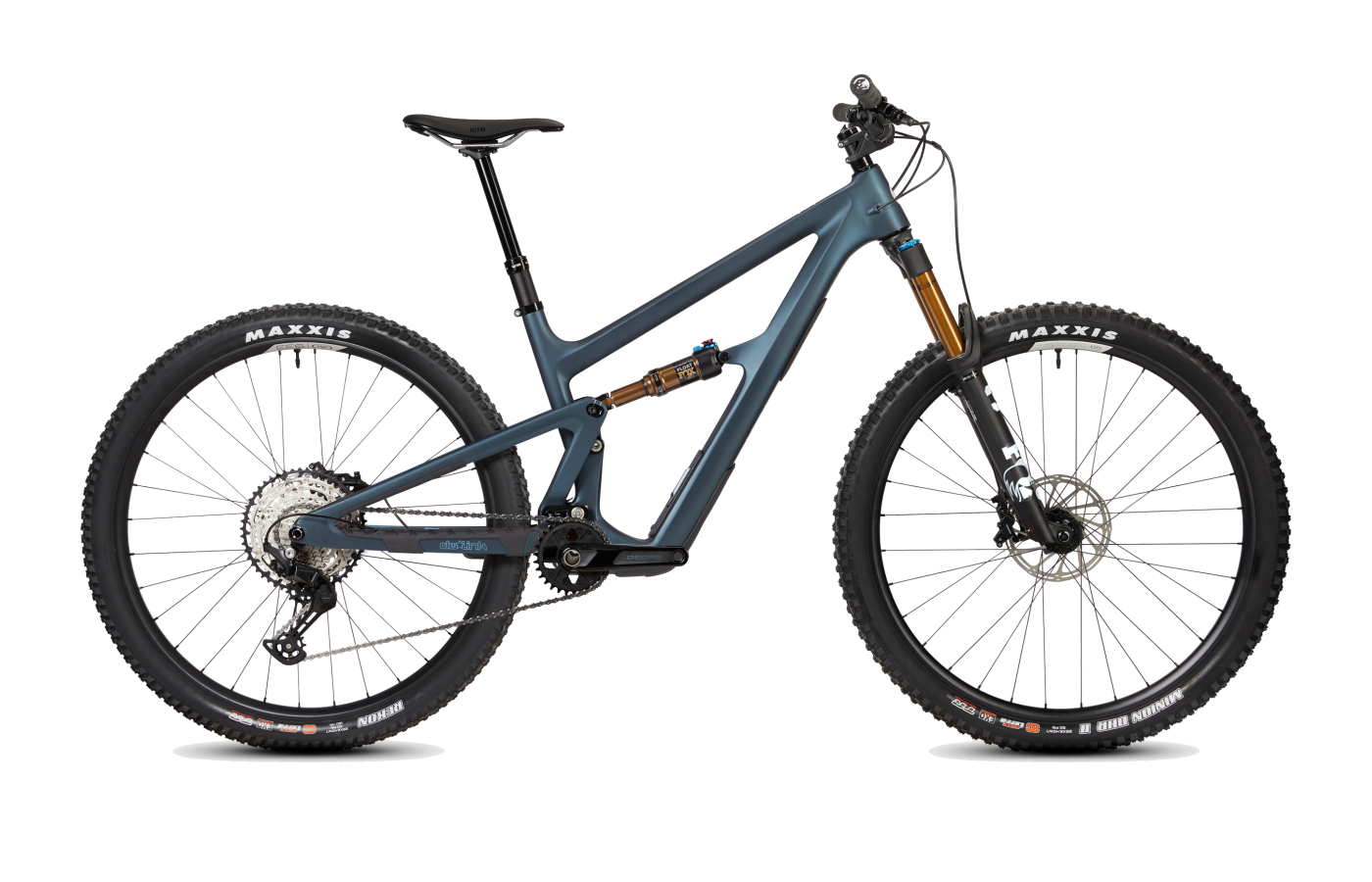
Ripley
The Ibis Ripley sits in the same downcountry slot as the Hei Hei — 120 mm rear, playful DW-link suspension, lighter and more efficient than most trail bikes in its travel class. Worth a look if the Hei Hei's bikepacking-heavy frame layout doesn't match how you ride.
Compare →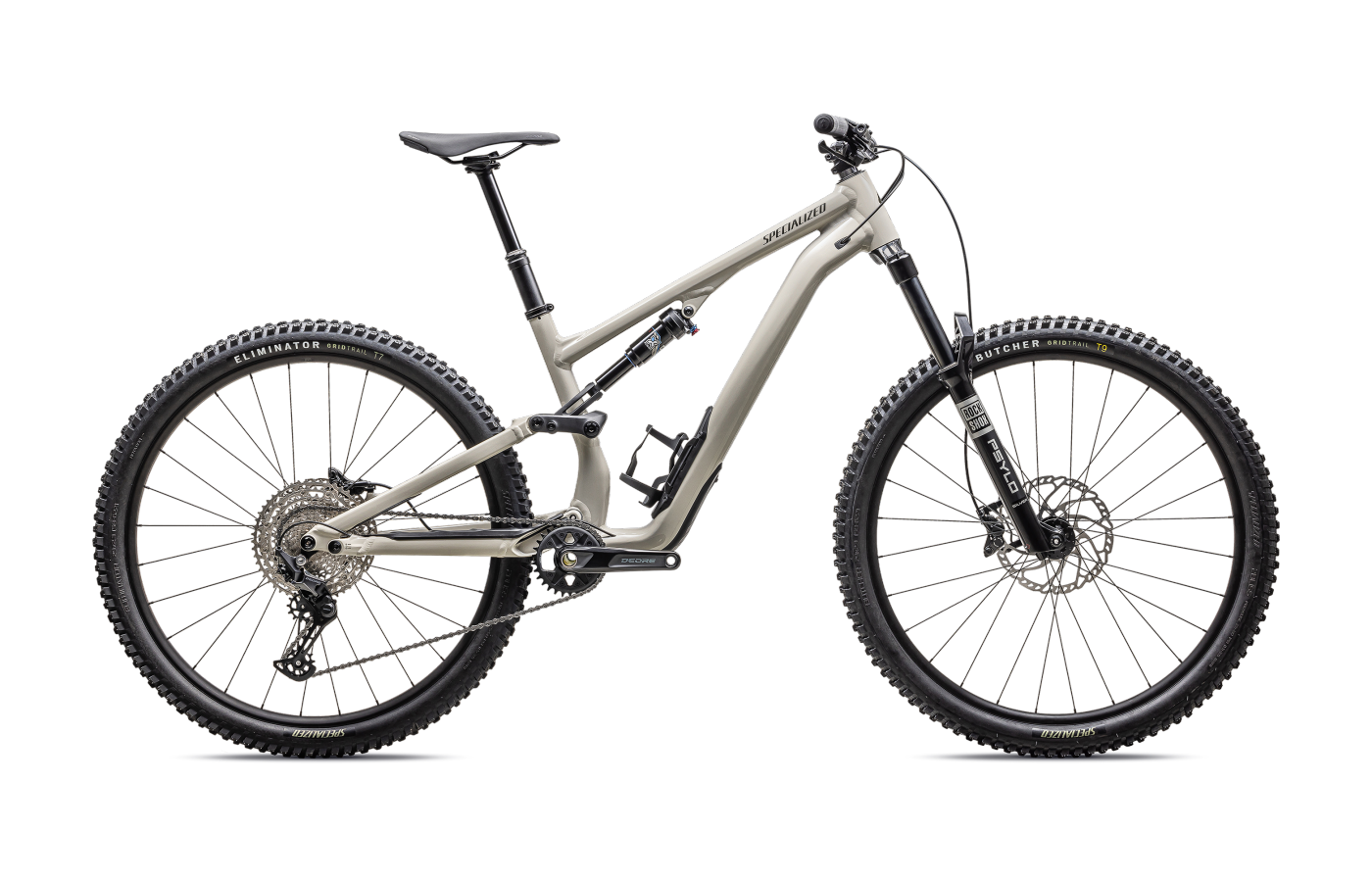
Stumpjumper
The Specialized Stumpjumper splits the difference between the Hei Hei and Process 134 — typically 130 mm rear / 140 mm front with a more refined damping platform, a Genie shock with on-the-fly tuning, and a build range that goes deep on both ends. The benchmark trail bike if you want one machine that does both jobs.
Compare →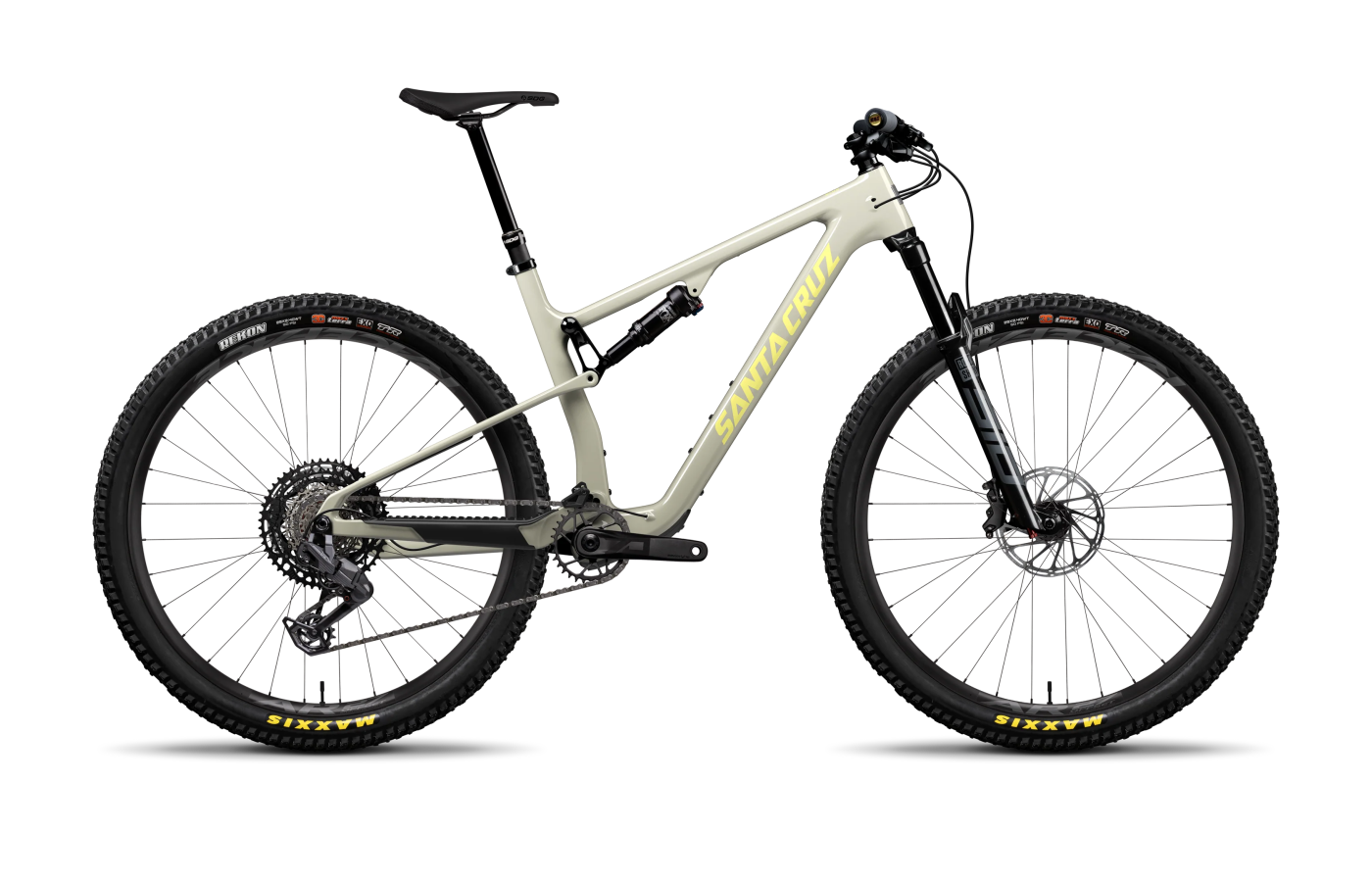
Blur
The Santa Cruz Blur strips the brief down to pure XC — 100 mm rear, sub-26 lb in flagship trim, and lower-link VPP suspension that snaps off the pedals. If you actually race or chase XC speed and the Hei Hei feels overbuilt, this is the move.
Compare →