Ripley
vsTallboy
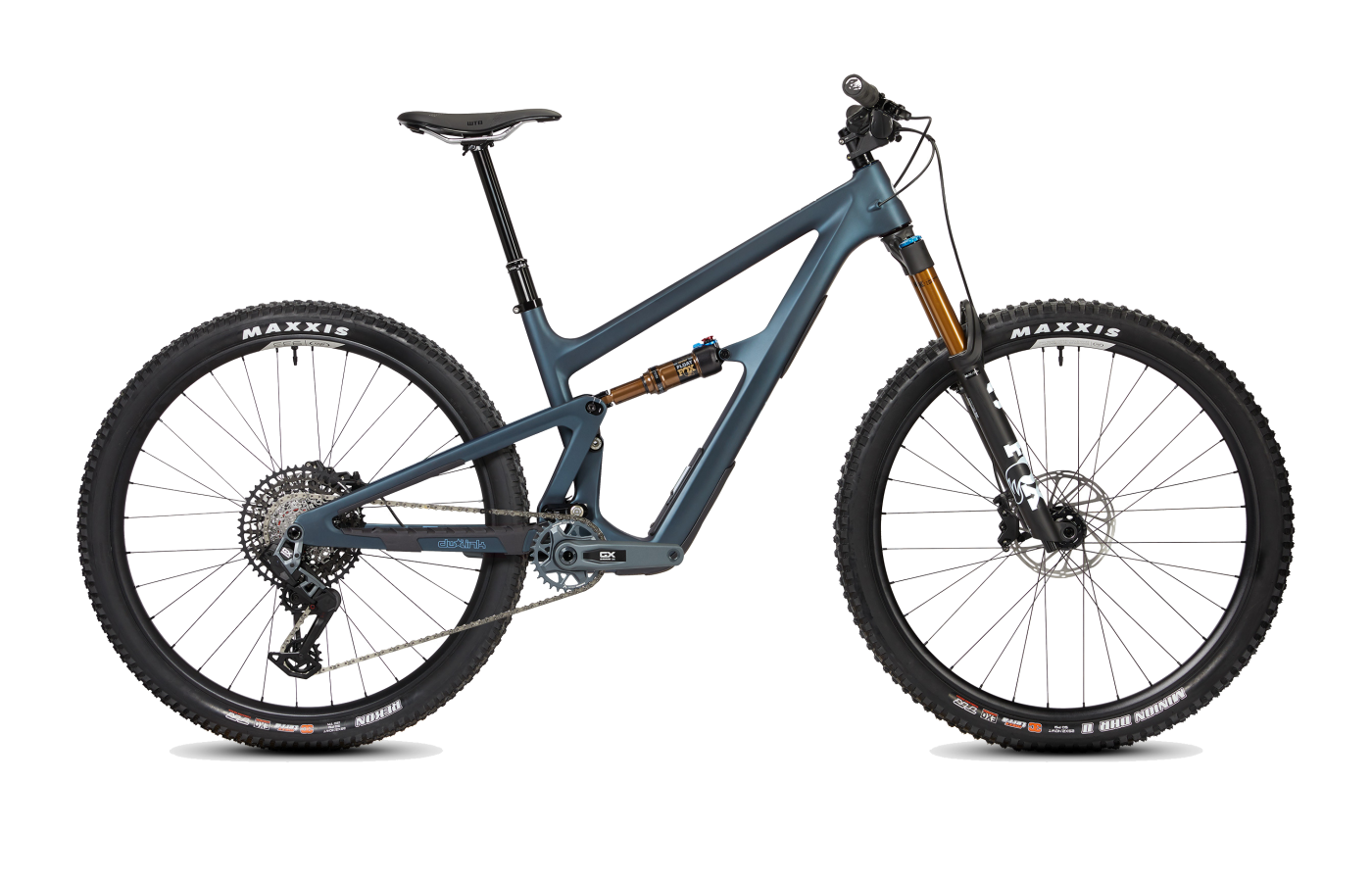
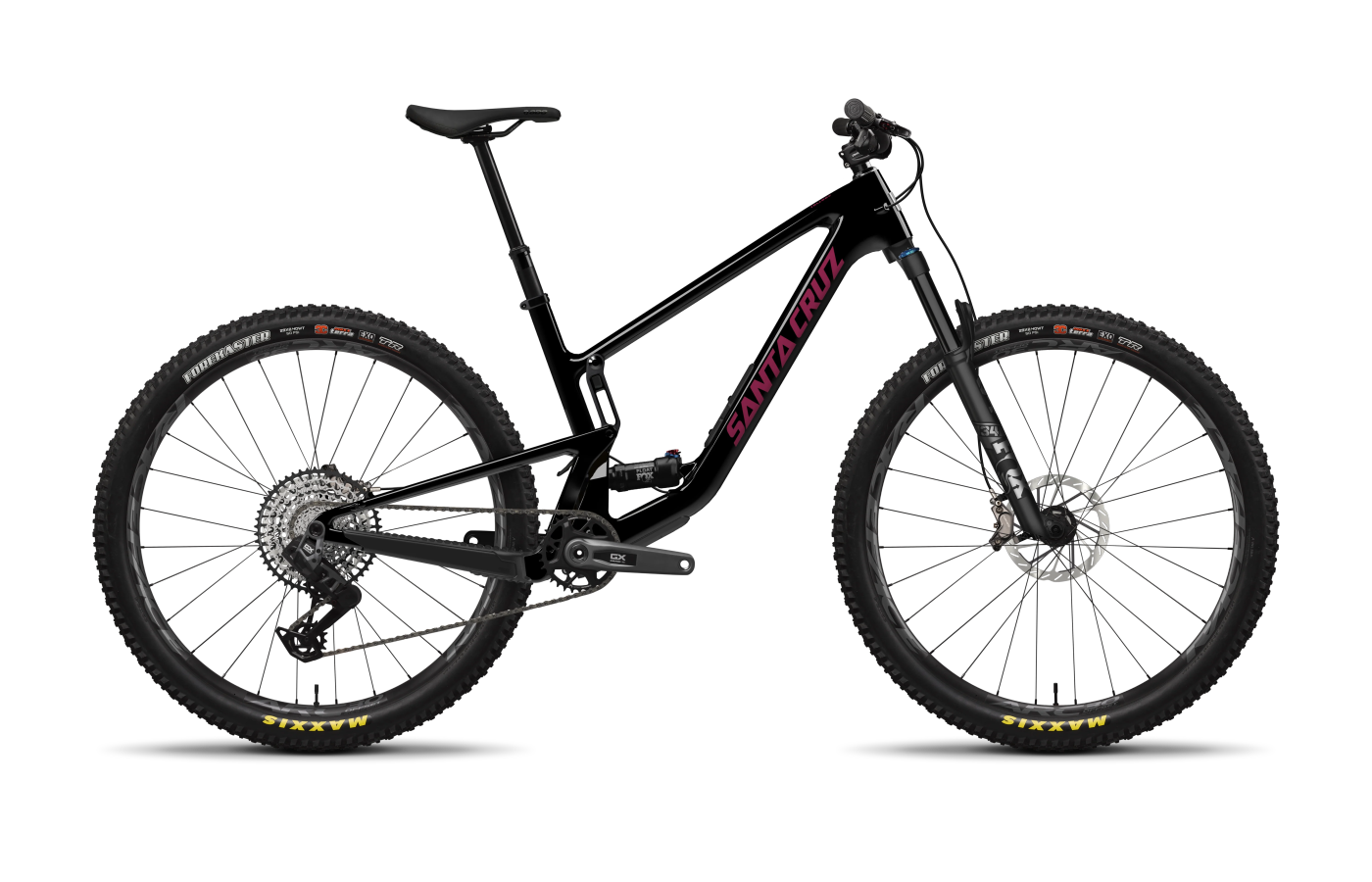
Two short-travel trail bikes moving in opposite directions.
The Ripley V5 bulks up on a shared Ripmo chassis. The Tallboy V5 stays the poppy, stiff precision tool it has always been.
Ripley
- More travel — 140/130 mm front and rear, 10 mm more than the Tallboy on both ends.
- Slacker, more planted at 64.9-degree head angle and a 12 mm longer wheelbase at the compared size.
- Upgradeable to Ripmo — the shared front triangle and swingarm mean a shock, fork, and linkage swap converts it to a 160 mm bike.
- Fox 34 fork can feel flexy for bigger or more aggressive riders; some reviewers wanted a Fox 36.
- Slightly heavier and less 'zippy' than the V4 on smoother climbs.
Tallboy
- Stiffer chassis — size-specific carbon layup and a 'steroidally hench' frame that stays locked under hard cornering.
- Pops and pumps better — refined VPP kinematics slingshot through berms and generate free speed on undulating trail.
- Lifetime support — frame warranty plus free bearings and a Reserve-wheel lifetime warranty on RSV builds.
- SRAM Level brakes on mid-to-high builds are widely criticized as underpowered for the bike's downhill ambitions.
- Less travel (120 mm rear) means more feedback through the bars on big hits; precise lines matter more.
Editor’s analysis
Both claim the 'downhiller's XC' mantle — but one got there by borrowing an enduro frame, and the other by refining the same idea for a fifth straight generation.
On paper the Ibis Ripley and Santa Cruz Tallboy look like near-twins. Both are carbon, 29er, short-travel trail bikes with steep seat tubes, size-specific chainstays, and internal downtube storage. Both land between $4,800 and $11,400. Both are consistently described by reviewers as capable of punching well above their travel numbers. The interesting part is how differently they get there.
The Ripley V5 is the larger bike in every dimension that matters. It carries 140 mm up front and 130 mm out back — 10 mm more suspension than the Tallboy at each end — and its front triangle and swingarm are literally shared with the 160 mm-travel Ripmo. Head angle is 64.9 degrees, almost a full degree slacker than the Tallboy's 65.7. Wheelbase on the compared sizes is 12 mm longer. The DW-link suspension is tuned soft off the top and firm through the middle, which reviewers describe as plush on repeated hits but still poppy for jumps.
The Tallboy V5 is the stiffer, sharper, more precise instrument. Santa Cruz's lower-link VPP was refined, not overhauled: a lower starting leverage ratio and reduced anti-squat make the 120 mm feel bottomless and supple, but the 'steroidally hench' carbon chassis keeps the frame locked up under hard cornering. Reviewers at Bike Perfect and PinkBike describe it as a bike that slingshots through berms and pumps rollers for free speed — but one that demands a precise hand when you point it down something rough.
Put another way: the Ibis Ripley is the bike you buy when you want one trail bike that can be talked into Ripmo territory later. The Santa Cruz Tallboy is the bike you buy when you already own a long-travel rig and want a stiff, surgical short-travel partner for days you want to pedal.
Where the builds differ.
Comparing our editor's-pick builds side-by-side. Winners highlighted row-by-row — lower price and weight, and the better-spec component, each mark a point.
Build variants & pricing
Both platforms run from roughly $4,800 entry to $10k-plus flagships. The Tallboy's entry 'R' is slightly cheaper; the Tallboy's top 'XX AXS RSV' is roughly $1,400 more than the Ripley's flagship XTR.
Prices are current US MSRP. Editor's picks are tier-matched at GX AXS Transmission — the Ripley GX Transmission at $7,249 and the Tallboy GX AXS at $7,149 sit within $100 of each other, both on lower-tier carbon frames (Ibis frame, Tallboy C). The Ripley uses a Fox 36 fork at this tier; the Tallboy uses a Fox 34.
How they fit, how they steer.
Ripley MD vs Tallboy m share the same 619 mm stack. The Ripley runs 5 mm more reach (460 vs 455), a nearly 1-degree slacker head angle (64.9 vs 65.7), a 3 mm longer chainstay, and a 12 mm longer wheelbase — more planted; the Tallboy is the tighter, quicker-steering bike.
Which size should I buy?
Size recommendations use stack, reach, and effective top tube. The Tallboy offers six sizes (XS–XXL); the Ripley adds an Extra-Medium (XM) to bridge the gap between MD and LG.
→These are starting points. Flexibility, riding style, and preferred position all shift the answer — if you’re between sizes, a professional fit beats a chart.
What the magazines said.
Published reviews from trusted cycling outlets. Click through for the full write-up.
Which one should you buy?
If you want one trail bike that can grow into an enduro rig later, get the Ripley. If you want a stiff, precise short-travel partner to a bigger bike, get the Tallboy.
Ripley
If you want a bike that pedals efficiently on all-day loops but has the slack geometry and travel to stay composed on aggressive descents — and you like the idea of converting to a 160 mm Ripmo later — the Ripley V5 is the more versatile choice. It's the closer thing to a one-bike quiver.
Tallboy
If you already own a bigger bike and want a stiff, precise, pedal-friendly companion for local singletrack and technical climbs — one that rewards a clean line and punishes a sloppy one — the Tallboy V5 is the sharper tool. The component spec on mid-tier builds needs some work, but the frame and support are among the best in the industry.
Questions buyers actually ask.
Short answers to the things we get emailed about most often.
01Which has more suspension travel?
The Ibis Ripley — by 10 mm at each end. It runs 140 mm up front and 130 mm rear. The Santa Cruz Tallboy runs 130 mm up front and 120 mm rear.
In practice, both bikes punch above their travel numbers because of how the suspension is tuned, but the Ripley has a clearer margin when the trail gets genuinely chunky.
02Which climbs better?
Both are strong climbers. The Ripley's DW-link platform is consistently praised for firming up under pedaling input, and its steep 76.9-degree seat tube angle (at size MD) keeps the front wheel planted on steep pitches.
The Tallboy's refined VPP has a similar forward-seated pedaling position (76.7° at size m) and a lower starting leverage ratio that keeps it riding high in its travel. Reviewers specifically single out the Tallboy for traction on square-edge technical climbs thanks to reduced anti-squat.
On smooth fire-road climbs, both bikes sit around 29–31 lb for mid-tier builds — don't expect XC-race acceleration from either.
03What's the maximum tire clearance?
Ripley V5: 61 mm (roughly 2.4 inches). Both ship with Maxxis 2.4 WT tires and there isn't meaningful headroom beyond that.
Tallboy V5: 63.5 mm (roughly 2.5 inches). Slightly more room at the chainstays, though the stock spec is still a 2.4 Forekaster front and rear.
Neither is designed to run a true 2.6-inch plus tire.
04Which has better stock brakes?
The Ripley. Ibis specs four-piston Shimano XT or SRAM Eagle 90/Transmission-tier brakes across the range.
Santa Cruz's decision to spec SRAM Level brakes on the Tallboy's mid-to-high builds is the most consistent criticism in published reviews — Bike Perfect and The Loam Wolf both called them underpowered for the bike's descending ambitions. Most serious riders will want to swap to SRAM Codes or 200 mm rotors.
05Can the Ripley really be converted to a Ripmo?
Yes — and Ibis designed it that way. The Ripley V5 and Ripmo V3 share the same front triangle and rear swingarm. Swapping the rear shock, fork, and rocker linkage converts a 130 mm Ripley into a 160 mm Ripmo (or vice versa).
It's not a 10-minute job — you're replacing three expensive components — but it does mean a single frame can support two very different bikes over its lifetime. The Tallboy is not designed to be converted this way.
06How does the downtube storage compare?
Both bikes have internal frame storage and both are well-reviewed.
The Ripley's STOW system uses a large lever-actuated faceplate and ships with two Cotopaxi bags made from fabric scraps; reviewers consistently highlight the rattle-free feel.
The Tallboy's Glovebox uses a smaller latch and included tool wallets. Long-term reviewers report two complaints: the door can loosen up after hard use, and a full water bottle mounted on the door can induce a creak under load.
Functionally both work; the Ripley's implementation is slightly more polished.
07Which frame is stiffer?
The Tallboy, clearly. Reviewers describe the V5 chassis as 'steroidally hench' and 'relentlessly rigid,' with Santa Cruz tuning the carbon layup per frame size so larger riders don't get unwanted flex.
The Ripley V5's frame is stiffer than previous Ripleys — it shares its front triangle with the Ripmo — but multiple reviewers noted the Fox 34 fork, specifically, flexes under hard cornering loads, prompting some to wish for a Fox 36 or RockShox Pike. The Tallboy ships with a Fox 34 too, so the difference is mostly at the frame.
08Which has better long-term support?
Both brands offer lifetime frame warranties to the original owner. Santa Cruz is the industry benchmark for long-term support: they include free bearing replacement for life on the frame and a lifetime warranty on Reserve wheels (shipped on all RSV-tier builds).
Ibis also offers a lifetime frame warranty and has a strong reputation for customer service. Reserve-tier wheel warranty coverage is the one clear Tallboy advantage.
Similar bikes
If your priorities don’t map cleanly onto either of these, one of these adjacent bikes probably fits better.
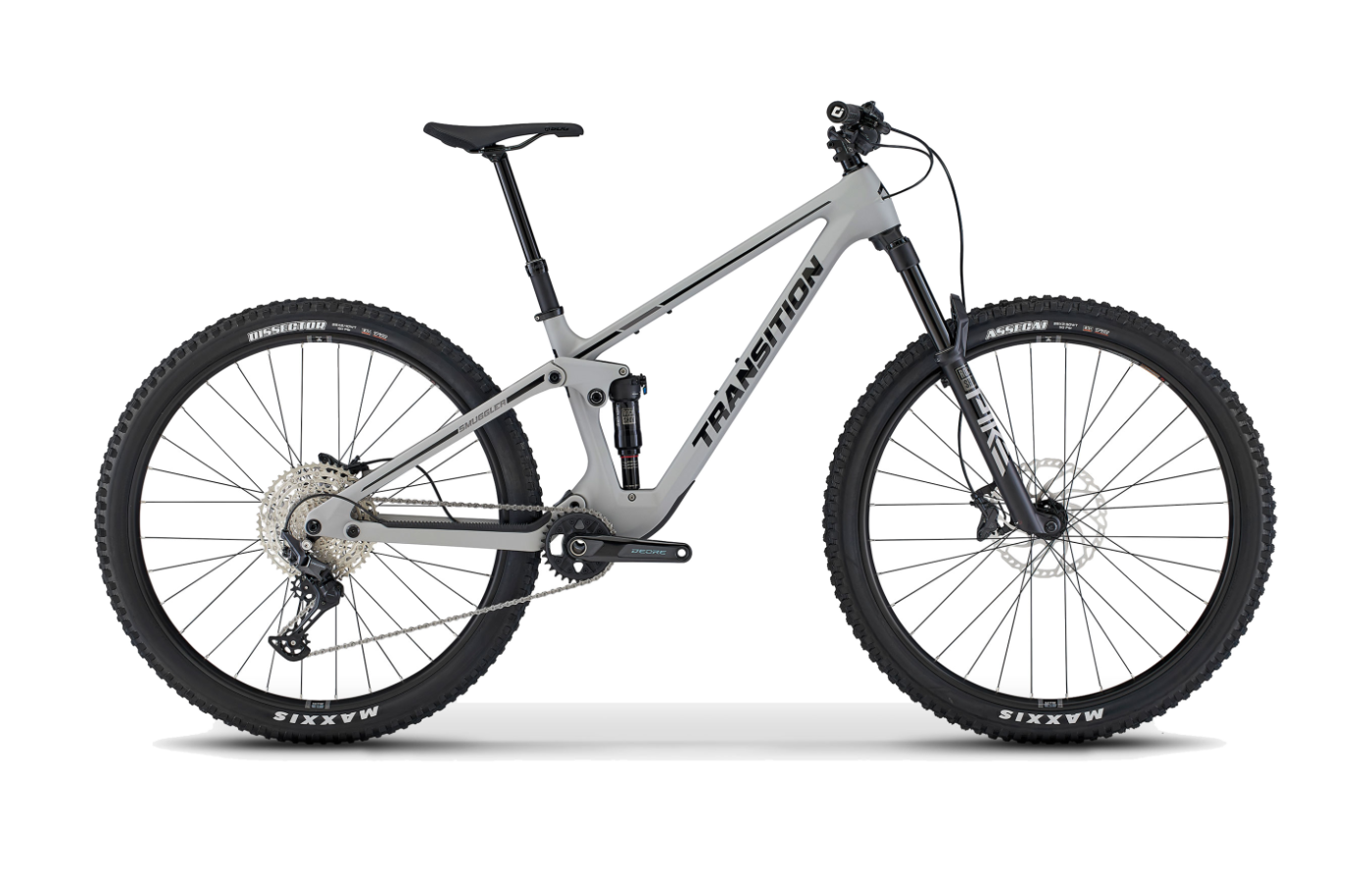
Smuggler
Transition's mini-enduro take on the 130/140 mm formula — more planted and composed than either the Ripley or Tallboy, and a natural alternative if you want the slacker geometry without committing to a full Ripmo.
Compare →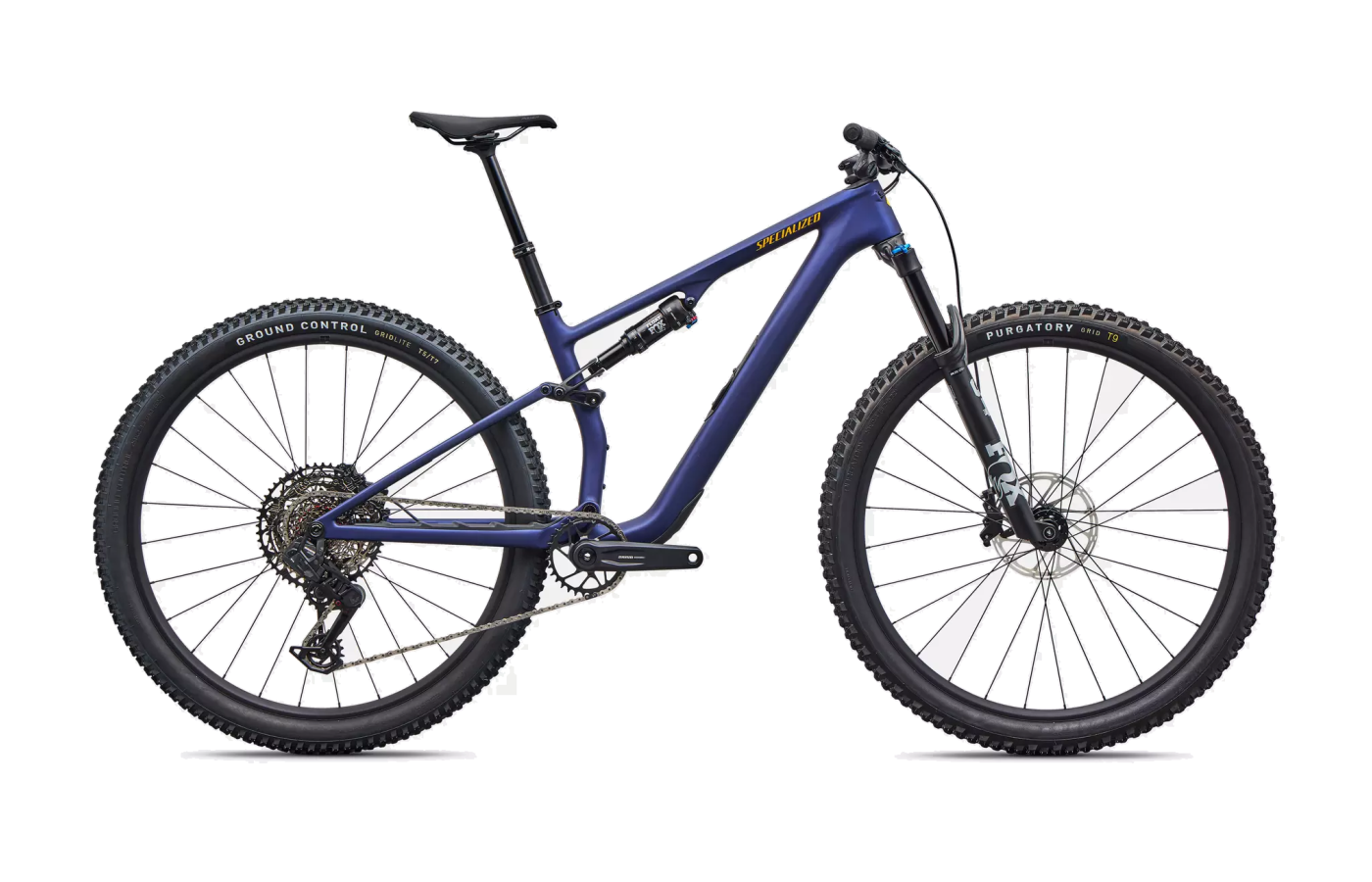
Epic Evo
If the ~30-pound weights of the V5 Ripley and Tallboy feel like too much bike, the Epic Evo is still the reference for lightweight downcountry speed. Closer to XC, farther from trail.
Compare →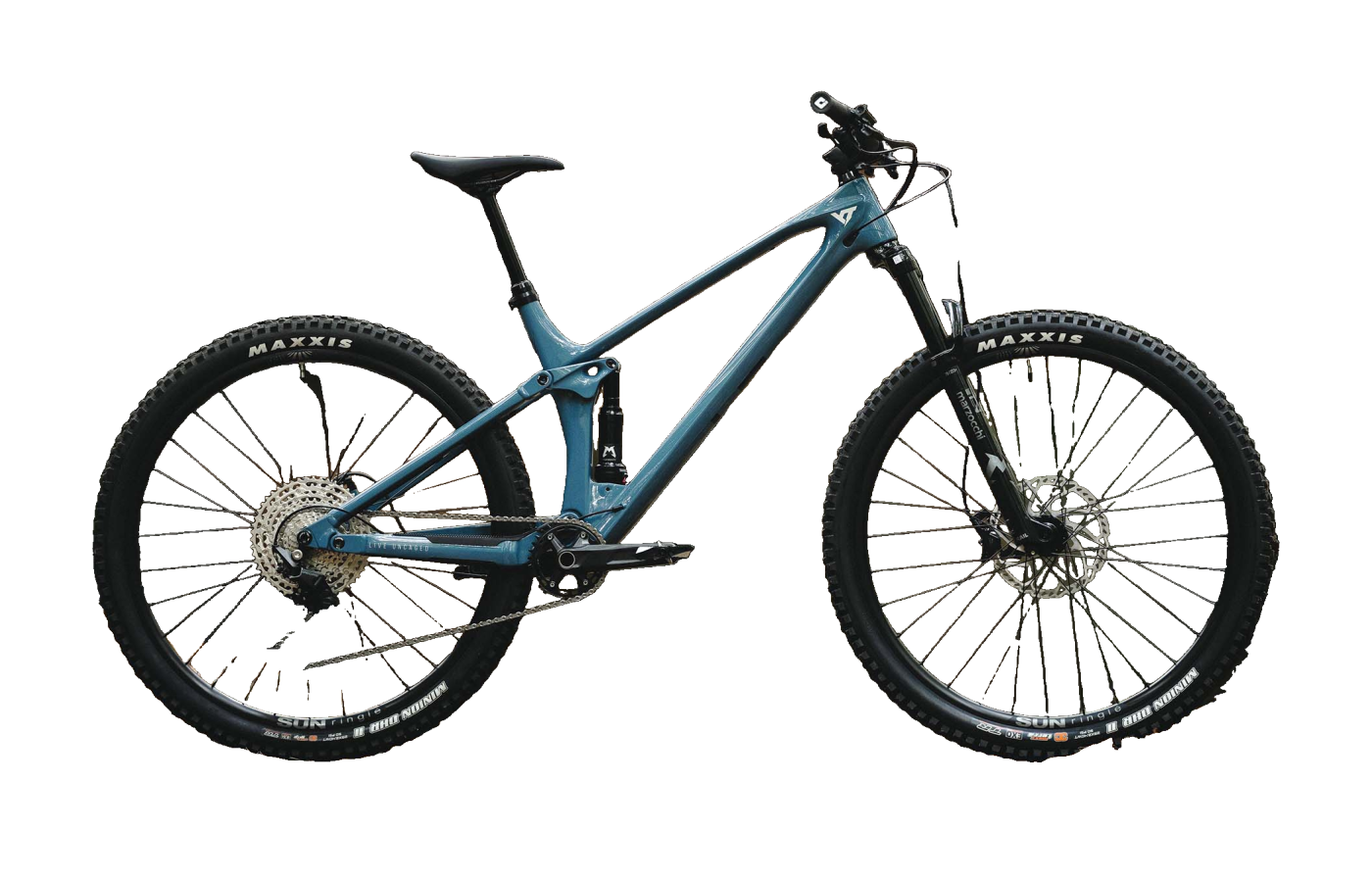
Izzo
YT's direct-to-consumer 130 mm trail bike delivers a similarly playful platform for meaningfully less money than either boutique option. The catch is the usual DTC one — no local dealer, no demo.
Compare →