AR
vsMadone
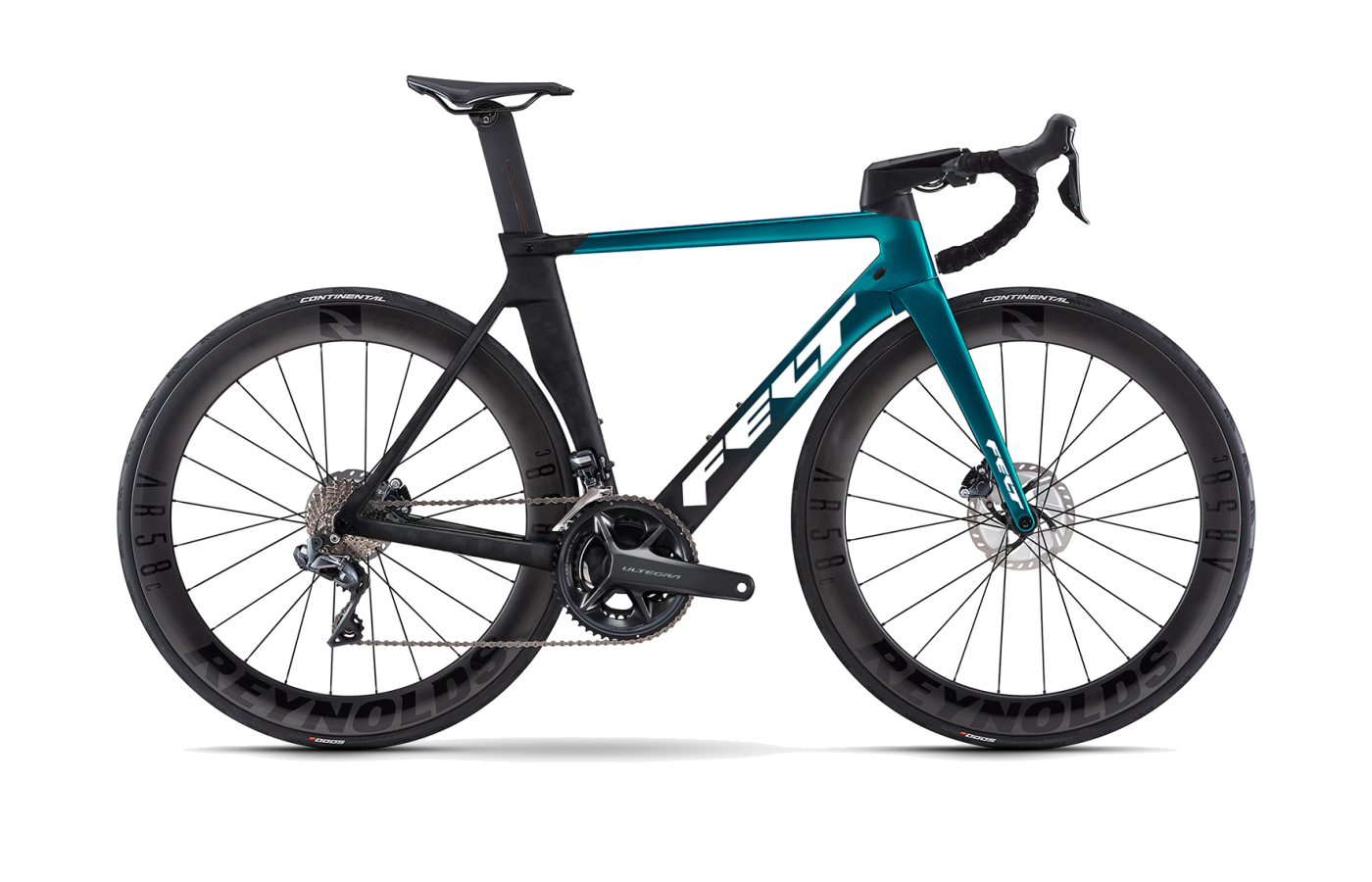
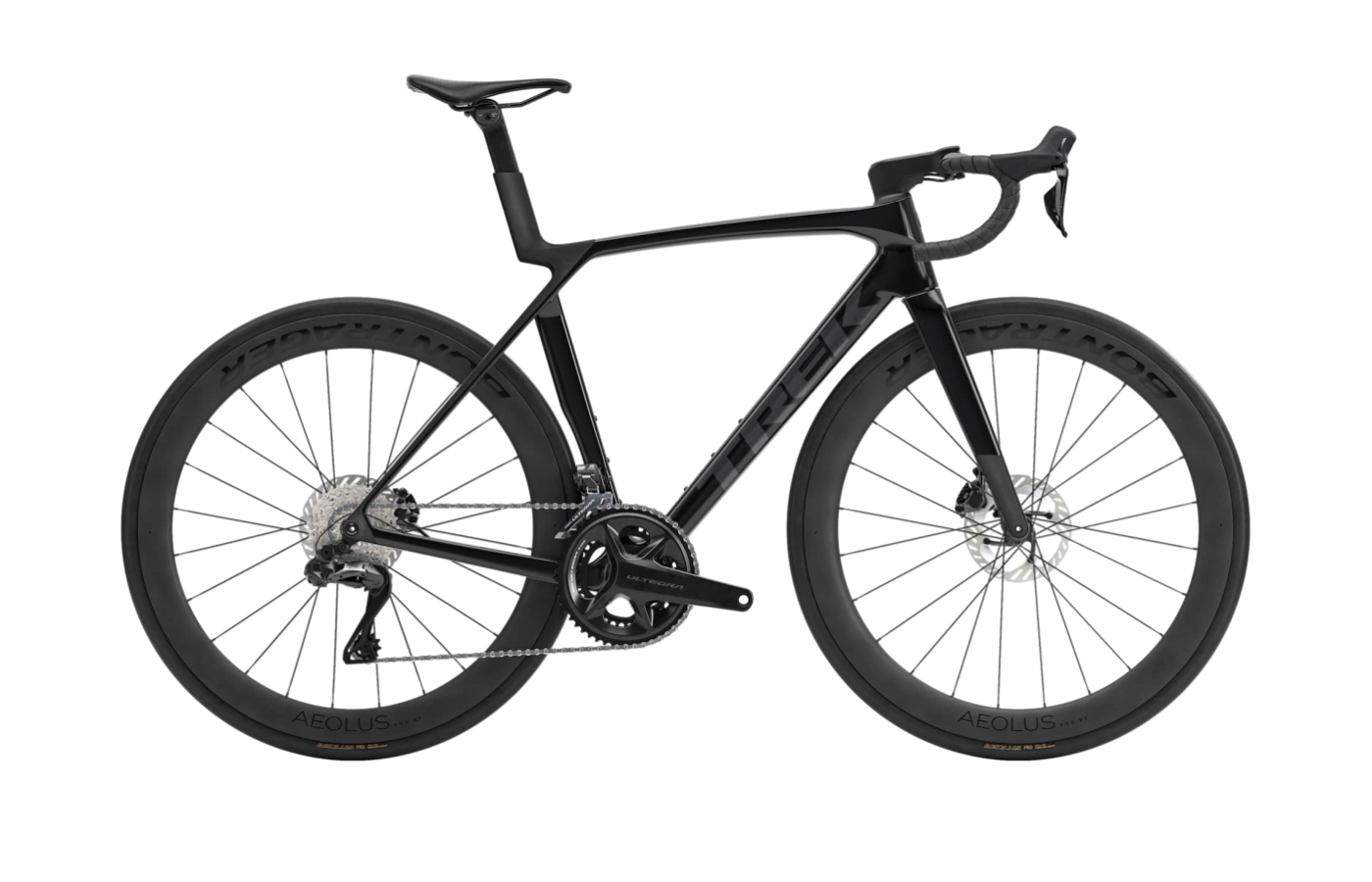
An aero specialist meets a one-bike-quiver.
The Felt AR is a focused aero tool with a friendly entry price. The Madone Gen 8 is Trek's Émonda-and-Madone-in-one bet.
AR
- Aggressive entry price — $3,499 for the 105 build, $6,499 for Ultegra Di2; one of the cheaper modern aero platforms.
- Split seatpost compliance — Felt claims 112% more vertical compliance than the previous AR, and reviewers feel it.
- Mechanic-friendly cockpit — stem swaps without re-routing hoses; standard 1 1/8" steerer for aftermarket fit changes.
- Heavy for the category — 8.3–8.6 kg in test builds; noticeable on long, steep climbs.
- No power meter on Shimano builds, even at the $11,999 Dura-Ace tier.
Madone
- Climbs like the Émonda it absorbed — sub-800 g SLR frame, 7.0 kg complete at the top trim; plays in the climbing-bike league.
- IsoFlow rear compliance — claimed 80% more vertical give than Gen 7; testers report endurance-bike comfort over 100-mile days.
- Power meter on every SRAM AXS build — from Rival up; no immediate aftermarket tax.
- Premium pricing — the Ultegra Di2 SL 7 is $6,599; the SLR Ultegra is $8,999.
- Stiff integrated cockpit and reported toe overlap on smaller sizes; fit homework matters.
Editor’s analysis
Same category on the spec sheet, two very different ideas of what an aero bike should do in 2025.
On paper the Felt AR and Trek Madone Gen 8 look like the same thing — disc-brake aero road bikes with integrated cockpits, both starting at $3,499 and topping out around $13k. Pull the threads and the philosophies diverge fast. The Felt AR is a focused 2020-vintage aero platform with a split seatpost and 30 mm tire clearance. The Madone Gen 8 is Trek's all-or-nothing wager — they killed the Émonda and folded its weight into the Madone's aero shape, claiming a sub-800 g frame in size M.
Weight is where you feel it first. Reviewers measured the Felt AR Ultegra Di2 build between 8.28 and 8.6 kg in the test sizes — heavy for a modern race bike, and consistently flagged as the AR's Achilles heel on long climbs. The Madone SLR 9 hits 7.0 kg with the SRAM Red build at the same size; even the mid-tier SL 7 Trek lists at 7.87 kg. The Madone is the one that lets you forget you're on an aero bike when the road tilts up.
Where the Felt AR fights back is on price-per-aero-watt. Felt claims a 9.4% drag improvement over the previous AR with a 10-watt saving at 48 km/h, and the Reynolds AR58 wheels do real work at speed. Wind-tunnel marketing is wind-tunnel marketing — but the on-road consensus is that the AR genuinely "holds speed for fun" once you're above 35 km/h. For a flat-and-rolling rider chasing KOMs on an Ultegra Di2 budget, the AR's Advanced build at $6,499 is hard to argue with.
The Madone's other trick is comfort. Trek's IsoFlow seat tube — the "Madonut hole" — claims an 80% jump in vertical compliance over the Gen 7, and reviewers logging 100-mile rides backed it up. The catch: the front end is unforgiving, with multiple testers calling the integrated Aero RSL cockpit "stiff as a brick." If the Felt AR is the budget aero bike that climbs adequately, the Madone is the premium do-everything bike that asks you to swallow a higher floor and pickier fit.
Where the builds differ.
Comparing our editor's-pick builds side-by-side. Winners highlighted row-by-row — lower price and weight, and the better-spec component, each mark a point.
Build variants & pricing
Both ranges span ~$3.5k to ~$13k. Felt offers a cleaner progression on a single frame; Trek splits into 500-Series (SL) and 900-Series (SLR) carbon at the mid-tier.
Prices are current US MSRP. The editor's-pick column compares Felt's mid-tier Advanced carbon to Trek's mid-tier SL frame — the Trek SLR (top-tier 900 Series carbon, ~700 g lighter frame) starts at $8,999 with Ultegra Di2.
How they fit, how they steer.
Fit-picked sizes: Felt 54, Madone M. Stack and reach land within 7 mm of each other (539/383 vs 546/384), but the Madone's slacker 72.9° head tube and 1 mm extra wheelbase point to slightly calmer steering than the Felt's 73° front end.
Which size should I buy?
The Felt offers six numeric sizes (48–61); the Madone uses six T-shirt sizes (XS–XL) — a deliberately tighter ladder that some reviewers found forces compromises at the size boundaries.
→These are starting points. Flexibility, riding style, and preferred position all shift the answer — if you’re between sizes, a professional fit beats a chart.
What the magazines said.
Published reviews from trusted cycling outlets. Click through for the full write-up.
Which one should you buy?
If you want the cheapest path to a serious aero bike and you ride mostly flat-and-rolling, get the Felt AR. If you want one bike that climbs and cuts wind without compromise, get the Madone Gen 8.
AR
If your weekly ride is flat crits, fast group rides, and rolling roads — and you'd rather spend $6,500 than $9,000 — the Felt AR Advanced is a lot of aero bike for the money. You'll feel the weight on the steepest climbs, but you'll feel the speed everywhere else.
Madone
If you climb as much as you sprint and you want one bike that genuinely doesn't compromise — and you can stretch to the SLR tier — the Madone Gen 8 is the most complete race bike Trek has built. The IsoFlow rear keeps you fresh on long days; the 900 Series carbon keeps you with the climbers.
Questions buyers actually ask.
Short answers to the things we get emailed about most often.
01Which is lighter?
The Trek Madone Gen 8, by a wide margin at the top end. Trek lists the SLR 9 AXS at 7.00 kg and the SLR 9 AXS 1x at 6.40 kg in size ML. Reviewers measured the Felt AR Ultegra Di2 build between 8.28 and 8.6 kg in test sizes — close to a kilogram heavier than the SLR.
At the mid-tier, the gap narrows: the Madone SL 7 lists at 7.87 kg vs the Felt Advanced Ultegra Di2 (no published claimed weight, but reviewer measurements put the platform around 8.3 kg). The Madone is consistently lighter at every comparable price point.
02Which is faster on flat roads?
Both make strong aero claims, and neither has been independently tested head-to-head in a wind tunnel. Felt cites a 9.4% drag improvement over the previous AR — about 10 watts saved at 48 km/h. Trek's Gen 8 SLR claims to exceed the aero performance of the previous Madone (itself a benchmark aero bike) by a slim 0.1 watt at 22 mph, while being lighter.
Real-world reviewer consensus: both "hold speed for fun" once you're above 35 km/h. The Madone's Bontrager Aeolus RSL 51 wheels were broadly preferred over the Felt's Reynolds AR58 in crosswinds.
03What's the maximum tire clearance?
Felt AR: 30 mm officially. Reviewers wished for 28 mm tires as standard rather than the spec'd 25 mm.
Trek Madone Gen 8: 32 mm officially, with several reviewers reporting they successfully fit 35–38 mm "all-road" tires. The Madone is the more versatile platform if you want to run wider rubber.
04Are power meters included?
Felt AR: No power meter on any Shimano build, including the $11,999 FRD Ultimate Dura-Ace Di2. Only the top-tier $12,999 FRD Ultimate Red eTap AXS ships with one (SRAM RED AXS spider). Reviewers consistently called this out as a value gap — buyers should budget for an aftermarket unit.
Trek Madone Gen 8: Power meter included on every SRAM AXS build (Rival, Force, and Red). Shimano builds (105 Di2, Ultegra Di2, Dura-Ace Di2) ship without one. If a power meter matters, the Madone SRAM builds are the cleaner buy.
05How comfortable is each over long rides?
Both use a flexing seatpost design — but with different execution.
The Felt AR uses a split seatpost (the post itself is divided lengthwise to flex like a leaf spring) with an internal rubber damping sleeve. Felt claims 112% more vertical compliance than the previous AR, and reviewers describe the ride as "smooth and planted" on good roads. Rougher pavement still chatters through the firm front end.
The Madone Gen 8 uses Trek's IsoFlow — a hole through the seat tube that lets the seat mast itself flex. Trek claims 80% more vertical compliance than Gen 7. Reviewers consistently called the rear end "endurance-bike comfortable," but flagged the integrated Aero RSL cockpit as "stiff as a brick," with some experiencing hand numbness on 80-mile-plus rides.
06How serviceable are the integrated cockpits?
The Felt AR uses a semi-integrated setup — Felt Sprint stem and aero bar with cables routed under the stem. You can swap stems and bars without re-routing hoses, and the standard 1 1/8" steerer accepts aftermarket stems. This is one of the friendlier integrated cockpits on the market.
The Madone SLR uses a one-piece Aero RSL bar/stem — clean and aero, but a fixed unit. Changing stem length or bar width means buying a new combined cockpit. Trek's Project One program lets you spec the right size at purchase, but post-purchase fit changes are expensive. The Madone SL trims (the editor's pick on this page) use a conventional two-piece RCS Pro stem and Bontrager Aero Pro bar, which is much friendlier to fit changes.
07Which is the better climber?
The Madone Gen 8, especially in SLR trim. Reviewers say Trek successfully merged the discontinued Émonda's climbing weight into the Madone's aero shape — the SLR 9 hits 7.0 kg (within ~40 g of the previous Émonda) and "positively loves a climb." One tester said the Gen 8 "skipped up hills with a nimbleness that flattered climbing abilities."
The Felt AR is the opposite trade-off. Reviewers flagged its weight as the bike's main weakness on extended climbs — Cycling News noted that "if the road regularly points up where you live, you might find preference elsewhere." The AR is built for flat speed, not climbing prowess.
08Which has the better warranty?
Both brands offer a lifetime frame warranty to the original owner against manufacturing defects. Trek's warranty support is widely praised — Cyclefit called it "best in the business," describing a Gen 6 Madone frame replaced under warranty with a brand-new Gen 8 SLR frame.
Trek also benefits from a much larger US dealer network, which matters more than the warranty paperwork itself for crash repair, fit work, and routine service. Felt's dealer footprint shrank significantly after the Rossignol acquisition in 2017.
Similar bikes
If your priorities don’t map cleanly onto either of these, one of these adjacent bikes probably fits better.
Tarmac
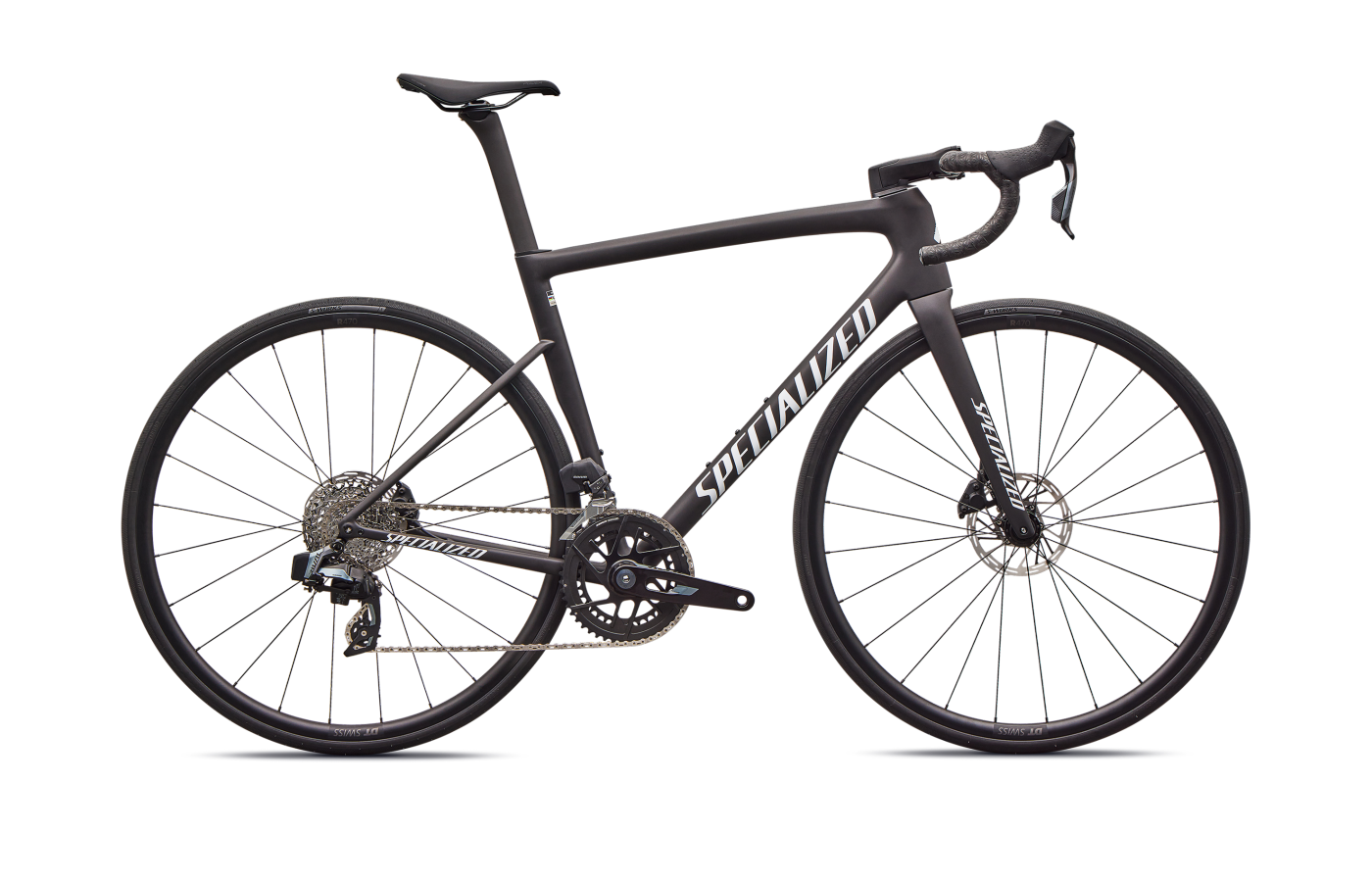
The Specialized Tarmac SL8 is the closest spiritual sibling to the Madone Gen 8 — same aero-and-light merger philosophy, same WorldTour pedigree, slightly lighter at the flagship end. The natural cross-shop if you're considering the Madone.
Compare →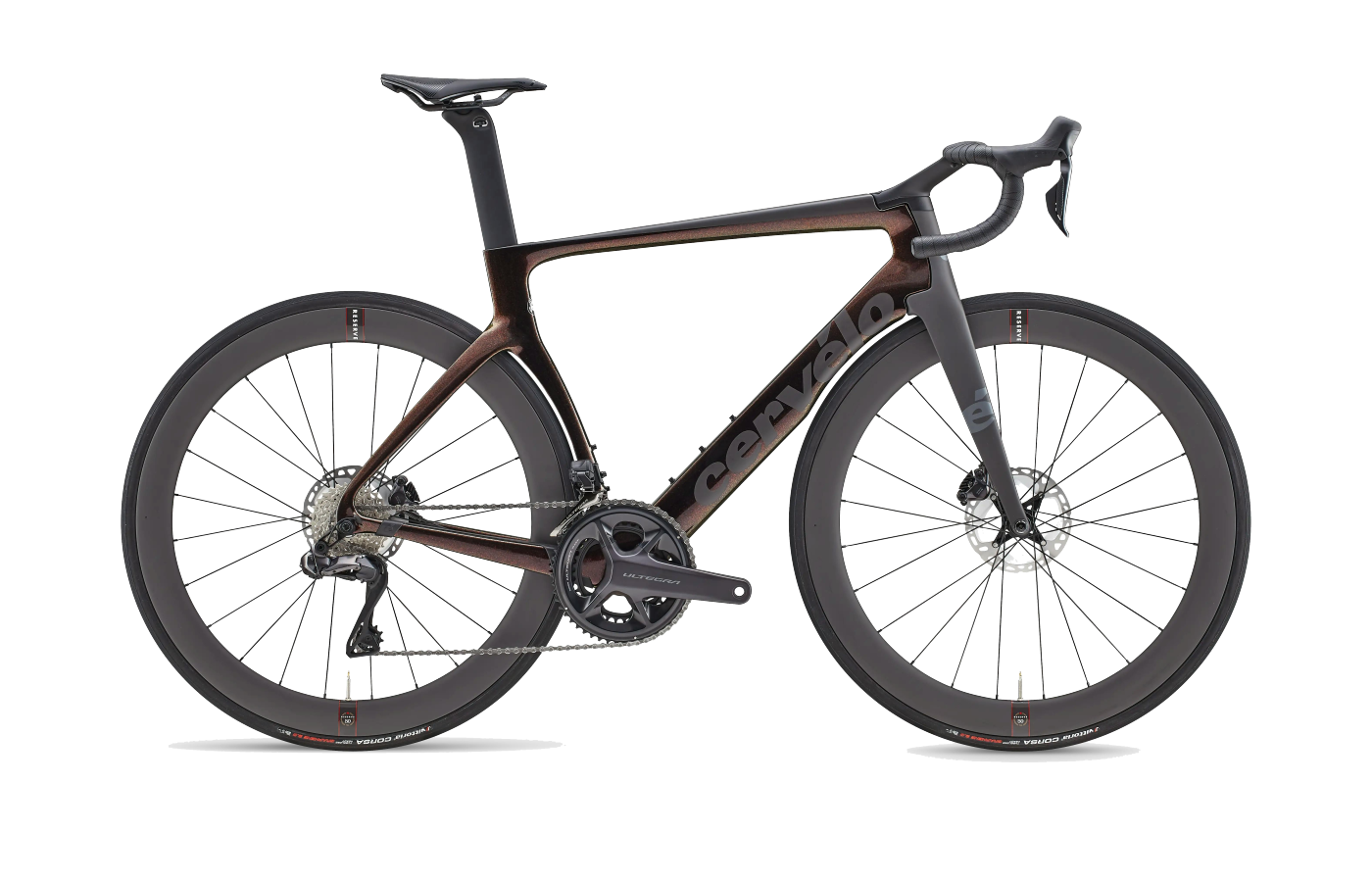
S5
The Cervélo S5 is what the Felt AR aspires to be — a no-compromise pure aero platform that benchmarks the segment for flat-out speed. It's heavier and pricier than the Madone, but if straight-line wind cheating is the only metric, the S5 still leads.
Compare →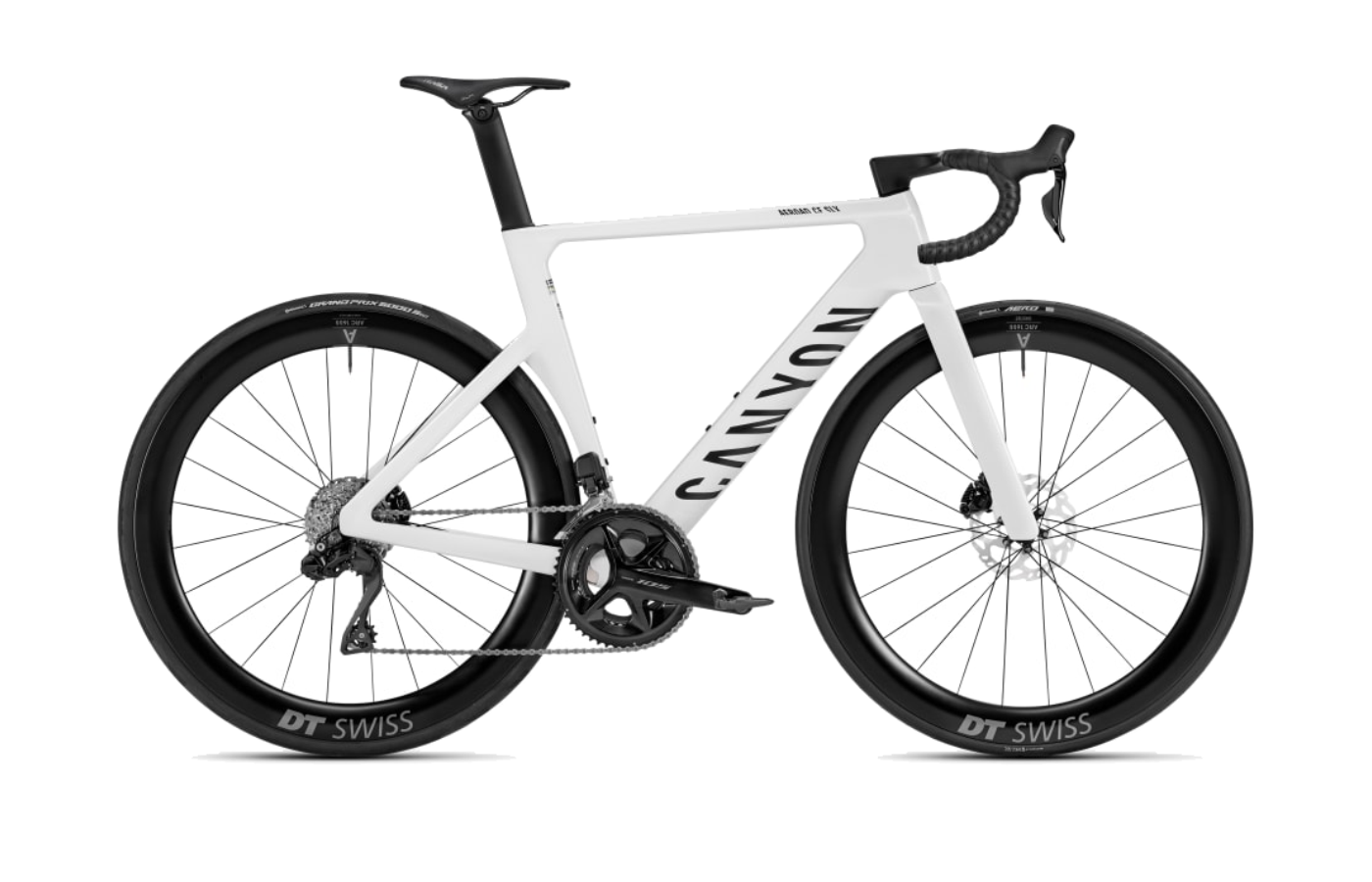
Aeroad
The Canyon Aeroad delivers most of the Madone's aero performance at direct-to-consumer pricing — typically $2,000+ less for comparable spec. The catch: no local dealer for fit and service, so know your size before you click buy.
Compare →