Ostro Gravel
vsCrux
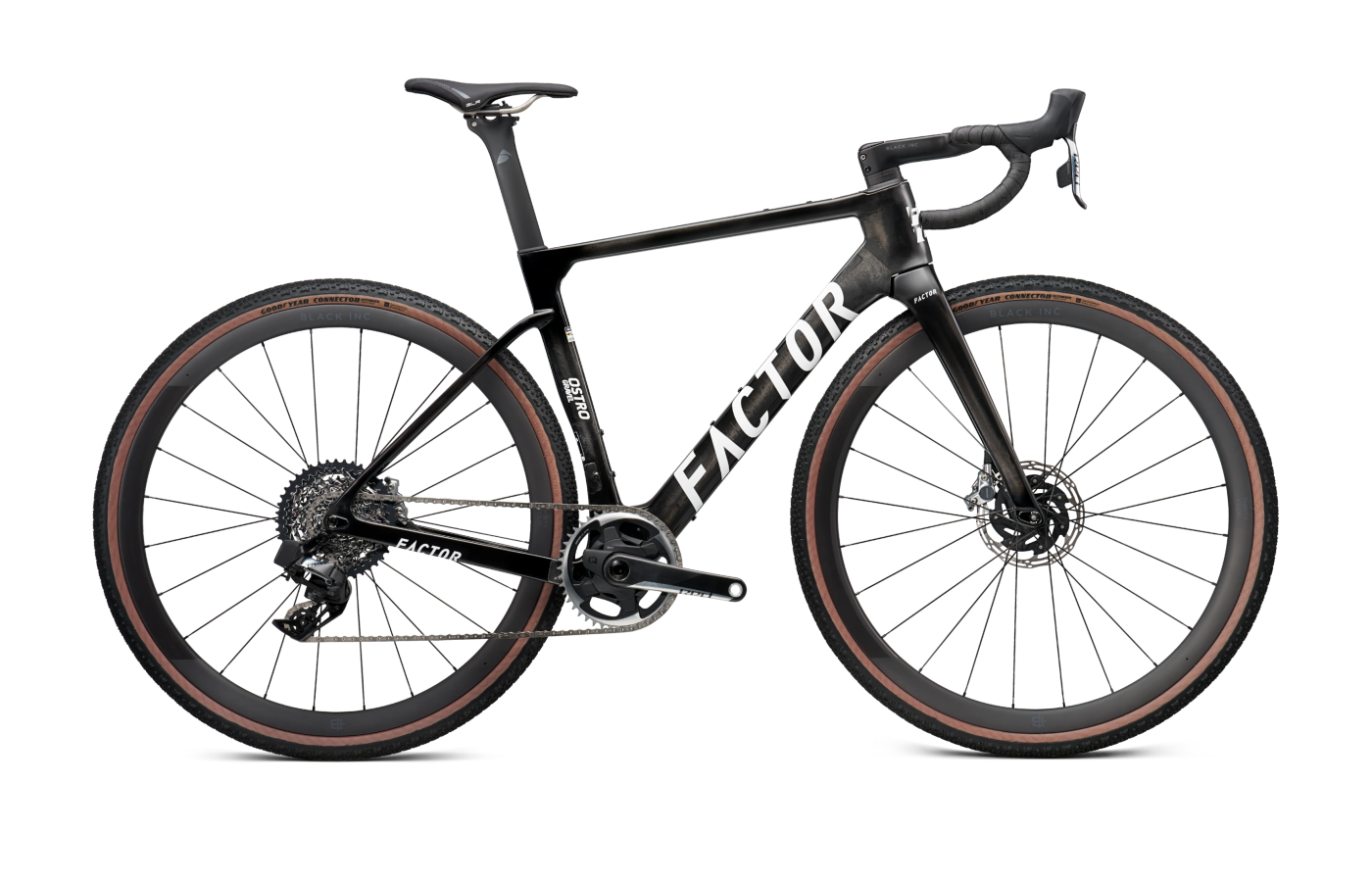
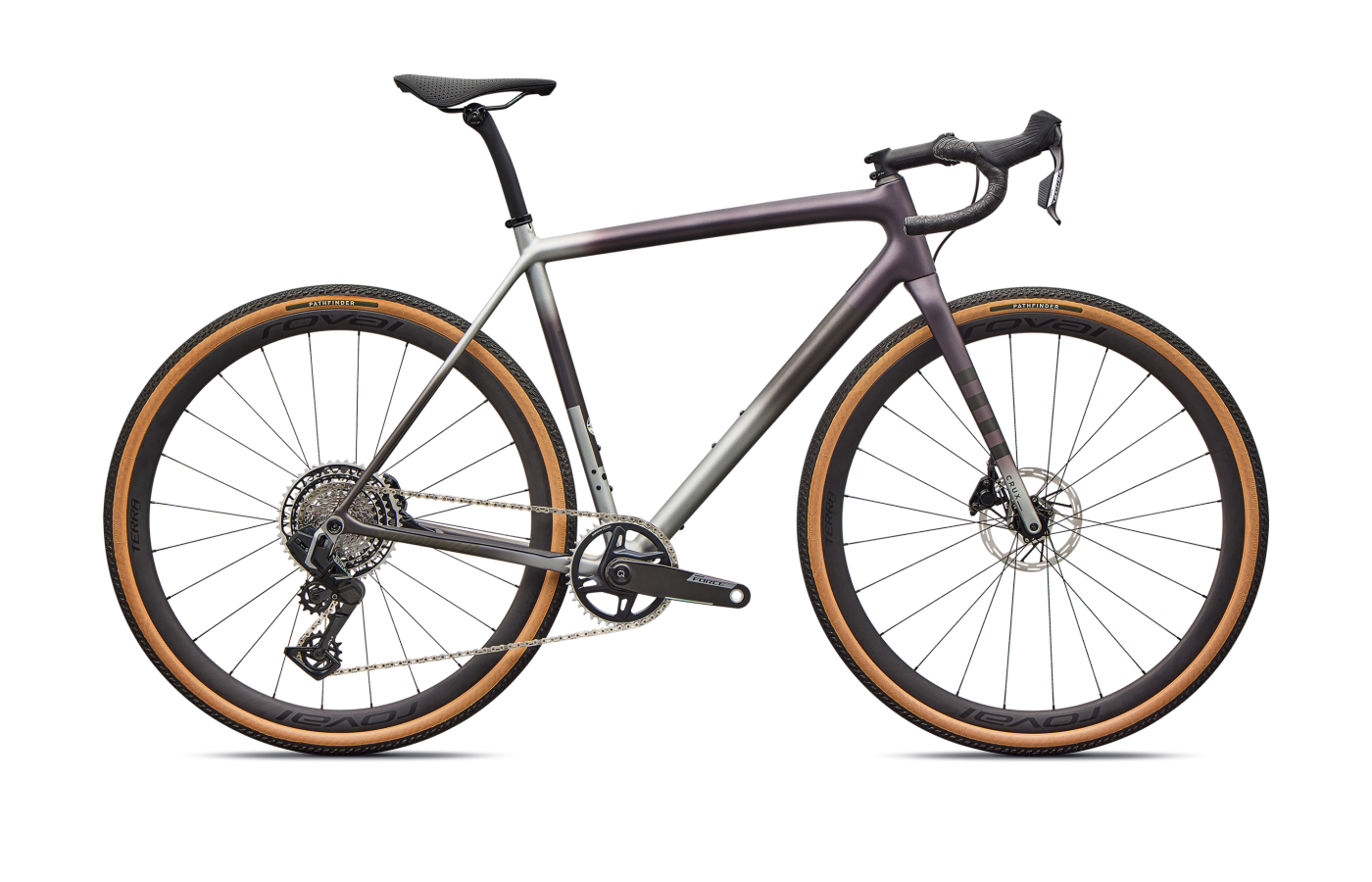
Two race-gravel philosophies, one segment.
The Ostro Gravel is an aero road bike with 45 mm tires. The Crux is an ultralight cyclocross-bred climber that happens to clear 47 mm.
Ostro Gravel
- Genuine aero gains — Factor claims 9 watts from the Black Inc HB02 cockpit alone, and the truncated airfoil tubes follow through.
- CeramicSpeed throughout — SLT headset, T47a bottom bracket, hub bearings, all with lifetime warranty. Long-term ownership cost matters.
- UCI road-race certified — with a tire swap, this is a credible aero road bike too.
- Unforgiving rear end — the proprietary aero seatpost can't be replaced with a compliant aftermarket option.
- Floor price of $9,299 — there is no Rival or Apex Ostro Gravel for the budget-conscious buyer.
Crux
- Astonishingly light — 725 g S-Works frame, complete builds from 7.25 kg. Lighter than most road bikes.
- 47 mm tire clearance — widest in this matchup, with 650b x 2.1" as a second option for rougher terrain.
- Non-proprietary everything — threaded BSA bottom bracket, round 27.2 mm post, two-piece cockpit. A mechanic's bike.
- No 2x mechanical option — frame routing precludes a front derailleur on cable-shift builds.
- Comp-tier builds get criticized for spec — Rival 1x mechanical and alloy wheels on a $4k carbon frame.
Editor’s analysis
Both bikes refuse the modern gravel cliche of compliance and bag mounts — but they refuse it in opposite directions.
Strip away the marketing and these two bikes are arguing about what "fast gravel" actually means. The Factor Ostro Gravel says fast means aero — deep-section truncated airfoils, an integrated Black Inc bar/stem Factor claims is worth nine watts, and a frame so stiff that engineering director Graham Shrive openly tells reviewers the comfort is supposed to come from the tires. The Specialized Crux says fast means light — a 725 g S-Works frame (825 g on the FACT 10r tier) borrowed wholesale from the Aethos road bike, round tube cross-sections, an exposed 27.2 mm seatpost that flexes visibly when you sit on it.
On smooth, open American-style gravel — the Unbound and SBT GRVL kind — the Factor Ostro Gravel is the more singular weapon. Cycling News described it as "like being shot out of a cannon." The aero cockpit is real, the Black Inc Thirty-Four wheels (claimed 1,489 g) are tubeless-hookless and 25 mm internal, and the package holds 35+ km/h on flat dirt with less effort than anything in the segment short of a 3T RaceMax. The catch is that it is, in BikeRadar's words, "quite a handful" the moment terrain gets rough. The aero seatpost can't be swapped, and reviewers who pushed it onto rooty UK trails or technical singletrack consistently said the same thing: the rear end punishes you.
The Specialized Crux inverts that trade. With a complete S-Works build under 7.3 kg and even the FACT 10r Pro coming in around 7.6 kg, it climbs "like a mountain goat" (Cycling News) and accelerates out of corners with a snappiness no aero gravel bike can match. The 47 mm tire clearance — 2 mm wider than the Factor — plus a 27.2 mm round seatpost you can replace with anything compliant means the Crux can be tuned for terrain in a way the Factor cannot. The trade is straight-line speed at sustained gravel-race pace, where the Factor's tube shapes and integrated cockpit pull away.
Put plainly: the Ostro Gravel is the bike for the Lifetime Grand Prix podium hunter who lives in a 250 W flat-headwind world. The Crux is the bike for the rider who races CX in fall, lines up at gravel events all summer, and wants the same machine to feel light and lively for a Sunday road ride. Different jobs, both done well.
Where the builds differ.
Comparing our editor's-pick builds side-by-side. Winners highlighted row-by-row — lower price and weight, and the better-spec component, each mark a point.
Build variants & pricing
The Crux spans $2,799 alloy to $11,999 S-Works. The Factor lineup starts where the Crux stops climbing — at $9,299 — and tops out at $11,399.
Prices are current US MSRP. Both editor's picks run SRAM Force XPLR AXS 13-speed for an apples-to-apples drivetrain comparison; the Factor costs $1,300 more and gets the integrated cockpit and CeramicSpeed bearings for the difference.
How they fit, how they steer.
Different size labels, same fit-picked frame. The Factor's 52 puts the rider 25 mm lower in stack with 3 mm less reach than the Crux's 54, plus a 5 mm shorter chainstay and 7 mm tighter trail — measurably more aggressive, road-bike geometry.
Which size should I buy?
Sizing conventions differ between the two — pick by stack and reach, not by the number on the seat tube.
→These are starting points. Flexibility, riding style, and preferred position all shift the answer — if you’re between sizes, a professional fit beats a chart.
What the magazines said.
Published reviews from trusted cycling outlets. Click through for the full write-up.
Which one should you buy?
If you race flat, fast, smooth gravel and want every aero advantage, get the Factor. If you want one light bike for CX, gravel, and quick road duty, get the Crux.
Ostro Gravel
If your event calendar is Unbound, SBT GRVL, BWR — the long, fast, mostly-smooth American races where 35 km/h average is the pointy end — the Ostro Gravel is the most committed weapon in the segment. You will pay for it in comfort on rough days, and you will pay for it in dollars. The aero is real.
Crux
If you want a bike that climbs like an Aethos, races CX in November, handles a Sunday road ride with a tire swap, and still clears 47 mm tires for the rougher gravel days — the Crux is the most versatile race-gravel platform on sale. Wider build range, simpler maintenance, lower entry price.
Questions buyers actually ask.
Short answers to the things we get emailed about most often.
01Which is faster on smooth, open gravel?
The Factor Ostro Gravel, at sustained race pace. Factor's claimed 9-watt saving from the Black Inc HB02 integrated cockpit is the headline number, but the deep-section truncated airfoil tubes and the 34 mm Black Inc wheels compound it. Reviewers describe holding higher speeds with less effort on flat or rolling terrain — Cycling News called it "being shot out of a cannon."
Below ~25 km/h or in stop-start technical riding, that aero advantage shrinks to something you won't feel.
02Which climbs better?
The Specialized Crux, comfortably. The S-Works frame is a claimed 725 g; the FACT 10r tier (Pro/Expert/Comp) is around 825 g. Complete S-Works builds come in around 7.25 kg and the Pro around 7.6 kg, both lighter than any complete Ostro Gravel build (~7.9 kg at best for a 56 cm).
That's roughly 300–600 g of system weight on a typical setup — meaningful on long climbs and felt instantly when you stand up to attack. Cycling News described the Crux as climbing "like a mountain goat."
03What's the maximum tire clearance?
Factor Ostro Gravel: 700 x 45 mm. Factor-sponsored athletes reportedly run 45s almost exclusively to claw back ride comfort the frame won't give.
Specialized Crux: 700 x 47 mm, or 650b x 2.1". The wider clearance plus the option to drop to 650b makes the Crux materially more adaptable to rough or muddy conditions.
Neither is a bikepacking bike — both are minimalist on mounts.
04Can I swap the seatpost for something more compliant?
On the Crux, yes — it uses a standard round 27.2 mm post with an external clamp, so a Redshift ShockStop, Cane Creek eeSilk, or any other compliant 27.2 post drops in.
On the Factor, no. The Ostro Gravel uses a proprietary D-shaped aero seatpost that locks you into Factor's part. Cycling News explicitly flagged this as a problem given the bike's already-firm rear end.
05How serviceable are the integrated cockpits?
The Factor's Black Inc Aero Barstem is a one-piece integrated unit with internal hose routing. Swapping bar width or stem length means buying a new one and re-running the hoses — Velo described the routing exit holes as a "pinch point" that can bend internal routing tools.
The Crux uses a traditional two-piece cockpit — a Specialized Pro SL alloy stem with a Roval Terra carbon bar. Want a wider bar or shorter stem? Standard parts, ten-minute job. This is one of the Crux's quiet advantages.
06Are both compatible with mechanical drivetrains?
Factor Ostro Gravel: No. The frame is electronic-only — every build ships with SRAM AXS, and there's no cable routing for a mechanical derailleur.
Specialized Crux: Partially. The DSW Comp and lower-tier Comp ship with mechanical SRAM Apex or Shimano GRX 1x, so 1x mechanical works. But the frame's routing precludes a 2x mechanical front derailleur — if you want a front shifter, you need an electronic drivetrain.
07Which has the better build range?
The Crux, by a wide margin. Specialized sells ten variants from a $2,799 alloy DSW Comp through to an $11,999 S-Works, with mechanical, electronic, GRX, and SRAM options at every step.
The Factor range is four builds, all SRAM Force or Red AXS, $9,299 to $11,399. There is no entry-level Ostro Gravel — if you don't have $9k, this isn't your bike.
08Is the Factor really UCI road-certified, and does that matter?
Yes — the Ostro Gravel passes UCI road race standards, which means you can swap to 28–32 mm slicks and use it as a credible aero road bike. The Crux is not similarly certified, though plenty of riders run one with road tires for fast tarmac days.
For a one-bike rider who actually wants to do both road and gravel races, the Factor's dual-purpose claim is the more legitimate one — assuming you can stomach the price and the firm ride.
Similar bikes
If your priorities don’t map cleanly onto either of these, one of these adjacent bikes probably fits better.
Kaius
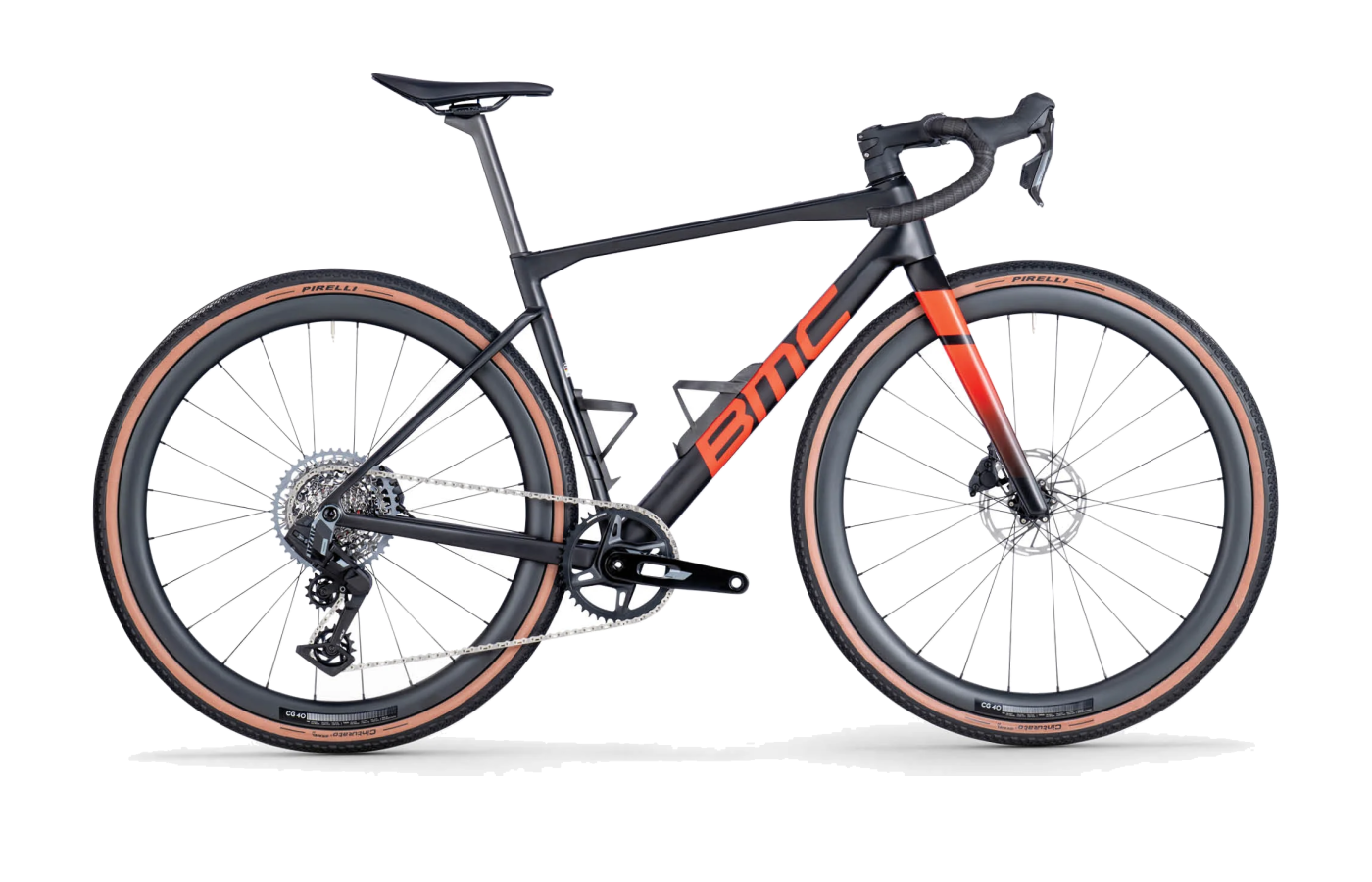
BMC's aero answer to the Ostro Gravel — same race-stiff philosophy, same integrated cockpit story, often a closer Red-build pricing match. If the Factor is the bike you want but the dealer is the wrong color, the Kaius is the obvious cross-shop.
Compare →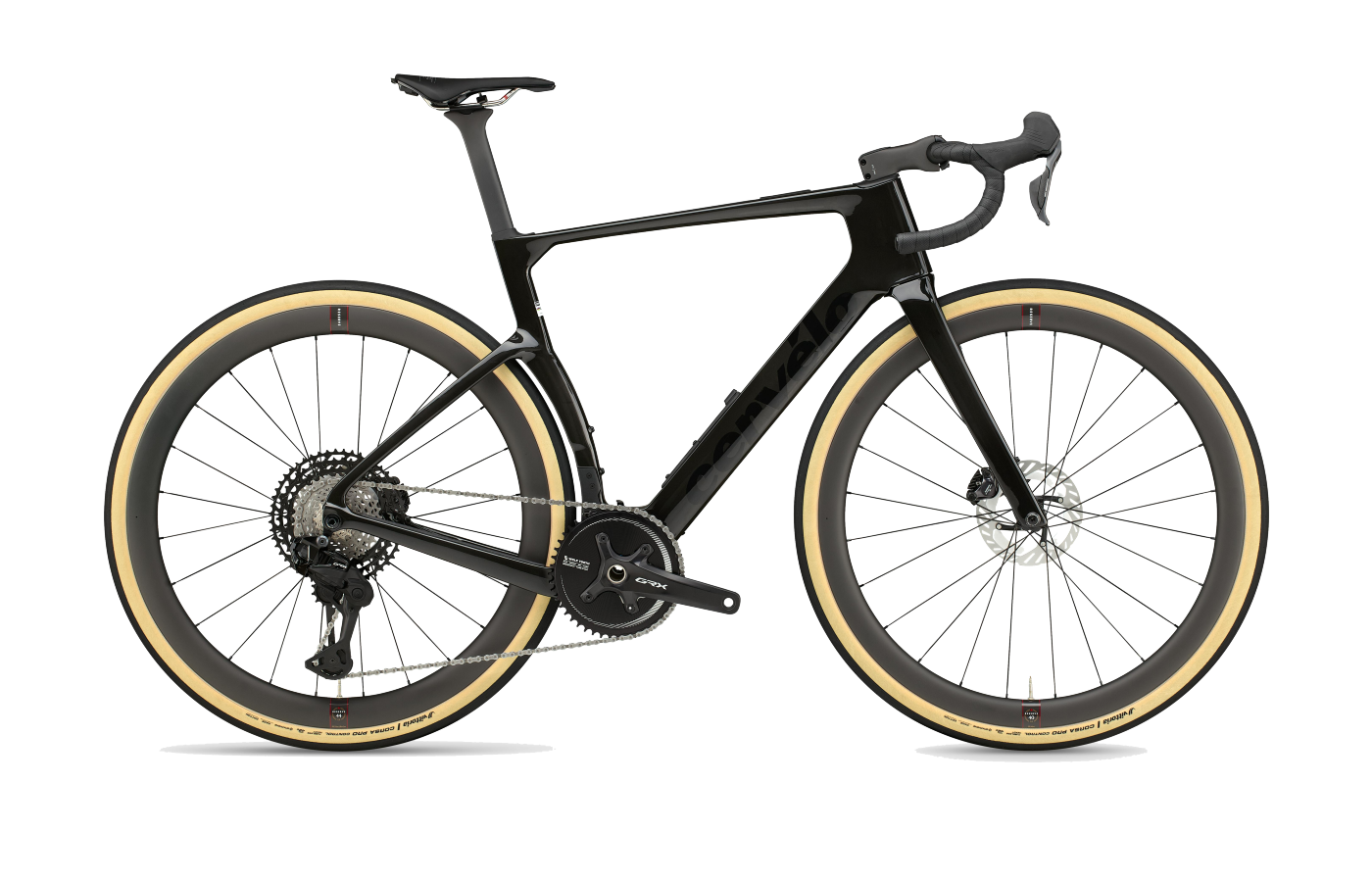
Aspero-5
Cervélo's gravel race bike — sits between the Factor and Crux on the aero-vs-light spectrum, with adjustable-rake forks for tunable handling and a more conventional cockpit than either.
Compare →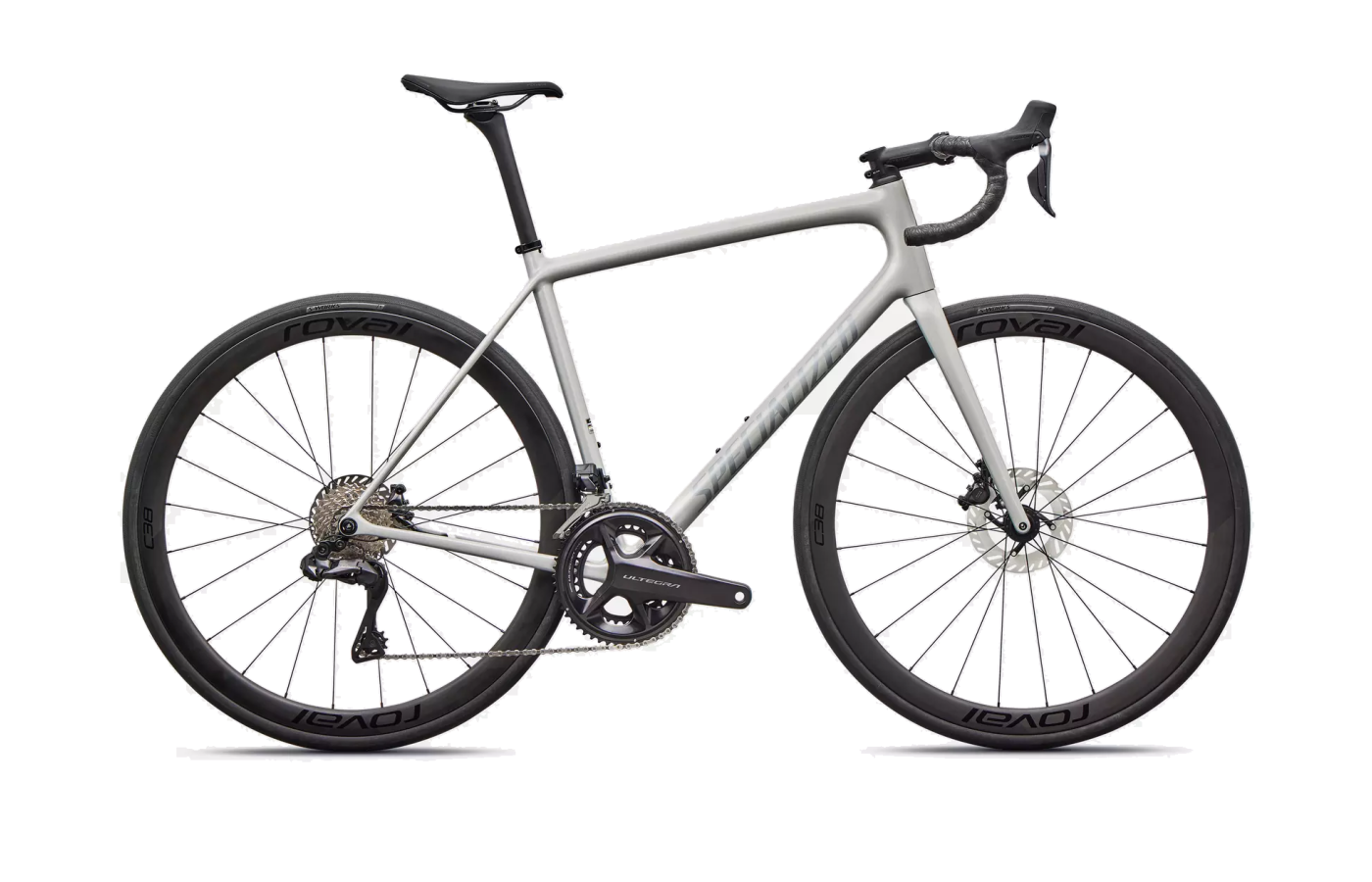
Aethos
The road bike that gave the Crux its frame technology. If your gravel days are rare and your road days are constant, the Aethos is the lighter sibling — same Specialized DNA, optimized for tarmac instead of dirt.
Compare →