O2
vsAethos
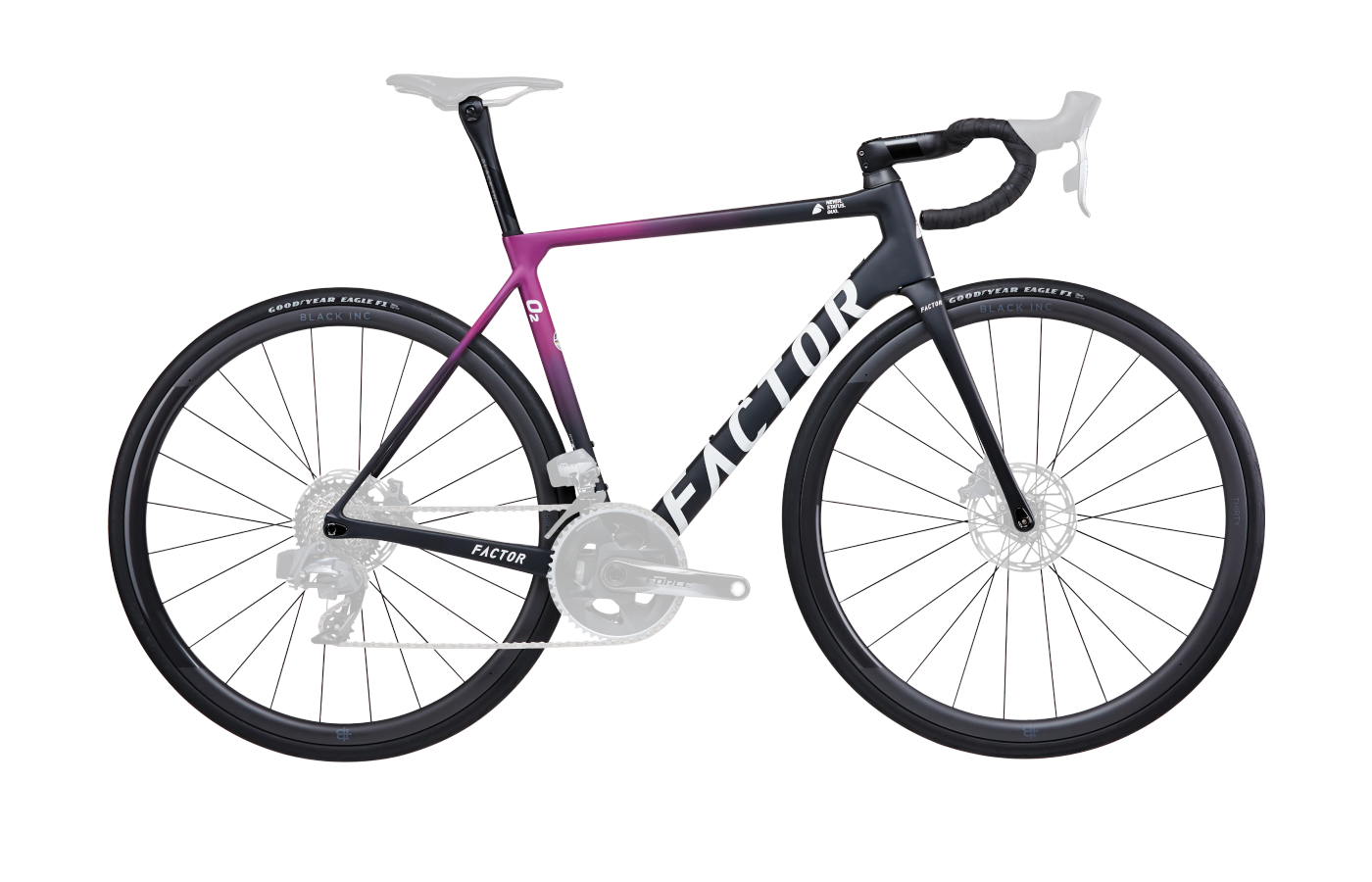
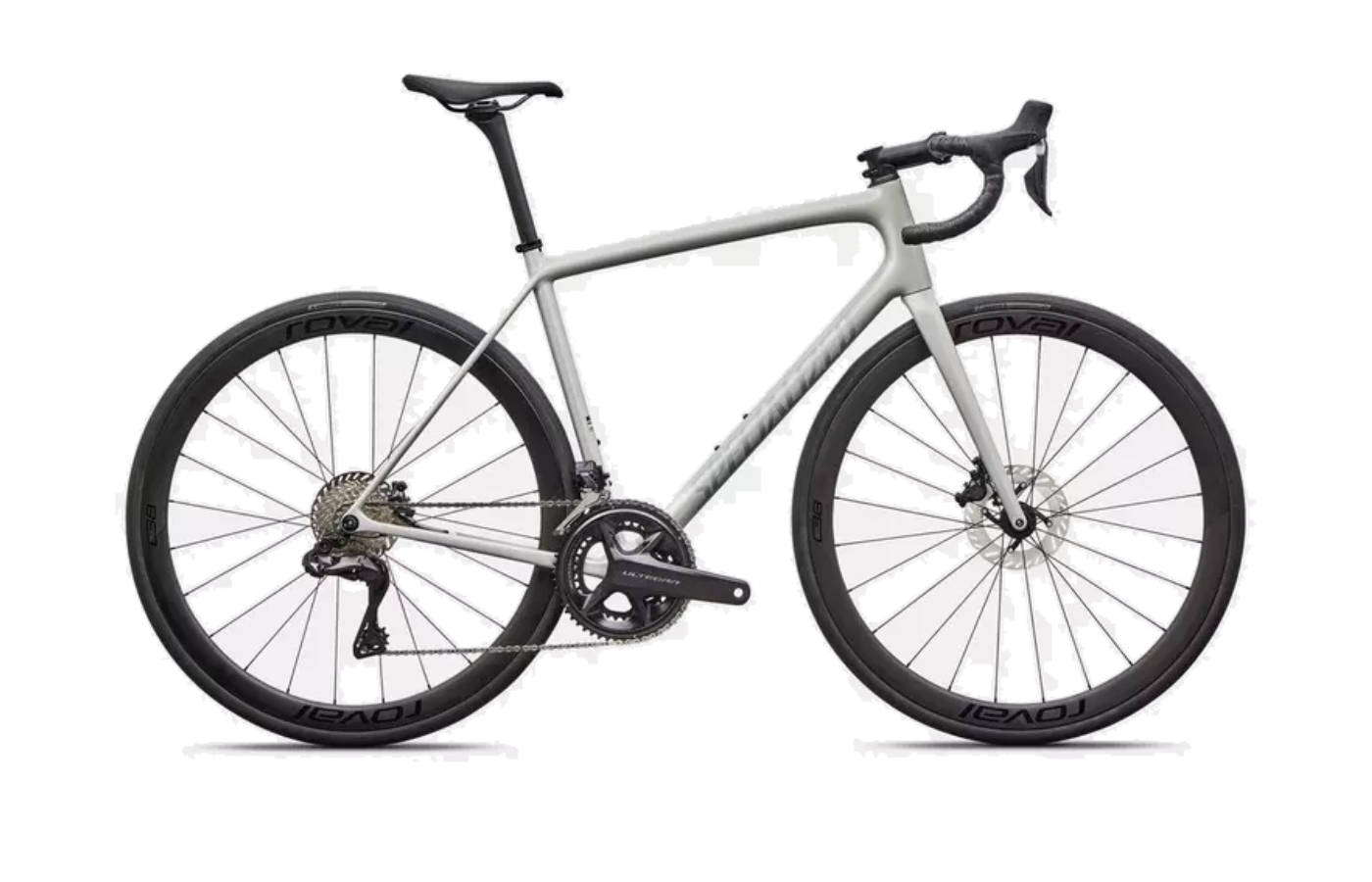
Two featherweights, two temperaments.
The Factor O2 is a no-compromise climbing weapon. The Aethos 2 is a featherweight built for the joy of the ride.
O2
- Singular climbing focus — reviewers call it 'one of the absolute best bikes one can have' uphill, with no real rivals on steep gradients.
- Razor-sharp steering response from a 73.1° head tube and 406 mm chainstays — quick to enter corners and change direction.
- Top-tier carbon throughout the range — a single Toray/Nippon Graphite VAM frame across every build, no entry-level layup.
- Firm, unforgiving ride quality — the integrated seatpost and stiff frame transmit road buzz directly.
- Twitchy at high speed — reviewers warn it 'must be driven with a certain determination' on fast descents.
Aethos
- Magic-carpet ride quality — the Flow State carbon layup is tuned for compliance, not just stiffness, and it shows on rough pavement.
- Wider tire clearance at 35 mm vs 30 mm on the Factor — opens up light gravel, broken pavement, and longer days on imperfect roads.
- Cheapest entry point in the segment — a $6,599 Ultegra Di2 Expert build with the same FACT 10r frame as the $8,499 Pro.
- Less composed in flat-out sprints than dedicated aero bikes — shallow rims and round tubes give up speed in headwinds.
- Stock 28 mm tires under-spec the 35 mm clearance — most reviewers swap to 30 or 32 mm to unlock the frame.
Editor’s analysis
Both bikes weigh almost nothing. The question is what kind of nothing you want — sharpened scalpel, or magic carpet.
On paper, the Factor O2 and Specialized Aethos 2 sit in the same lightweight-climber bracket. Both top out under 6.1 kg in flagship trim. Both ride on round, classical tubes that ignore the wind tunnel. Both have appeared at the Tour de France in the last two seasons. But spend any time on the ride reports and the two diverge into nearly opposite philosophies.
The Factor O2 is the racer's racer. Reviewers describe it as 'stiffer, lighter,' with a ride that 'concedes little or nothing to ride comfort' and steering that's 'sensitive to every solicitation.' Its integrated seatpost adds rigidity at the cost of compliance. At tourist pace it's sharp but unpleasant; at race pace, on a steep climb, it's 'one of the absolute best bikes one can have.' The trade-off is explicit: this bike is for experienced riders who can keep a firm hand on a twitchy chassis and want every watt to land.
The Specialized Aethos 2 is the philosophical opposite. The carbon layup, Specialized's 'Flow State Design,' is tuned for compliance — reviewers reach for words like 'magic carpet,' 'flawless,' 'pure riding joy.' The new geometry is 17 mm taller in stack at size 54, the wheelbase is 20 mm longer, the head tube is half a degree slacker. Tire clearance jumps from 30 mm on the O2 to 35 mm here. Every change pushes the Aethos toward a bike you want to ride for hours, not just for the KOM at the top.
Put another way: the Factor O2 is the bike you buy when your weekends are races and the only metric that matters is the time at the line. The Aethos 2 is the bike you buy when your favorite ride is a six-hour loop with three big climbs and a coffee stop in the middle.
Where the builds differ.
Comparing our editor's-pick builds side-by-side. Winners highlighted row-by-row — lower price and weight, and the better-spec component, each mark a point.
Build variants & pricing
Both editor's picks land on SRAM Force AXS at roughly $8.4k. The Aethos range scales much wider — from a $6,599 Expert to a $13,999 S-Works.
Prices are current US MSRP. The Factor O2 uses a single VAM carbon grade across all four builds, so the entry-level bike rides on the same frame as the flagship. The Aethos splits between FACT 12r (S-Works) and FACT 10r (Pro and Expert).
How they fit, how they steer.
Both at size 54 — the fit-picked size for a 5'8" rider on each. The Aethos sits 17 mm taller in stack with identical reach; head tube is 0.6° slacker, trail is 4 mm shorter, wheelbase is 20 mm longer — a more upright, more planted bike.
Which size should I buy?
Size recommendations based on stack, reach, and effective top tube. The Aethos covers a wider range (49 to 61); the Factor stops at 58.
→These are starting points. Flexibility, riding style, and preferred position all shift the answer — if you’re between sizes, a professional fit beats a chart.
What the magazines said.
Published reviews from trusted cycling outlets. Click through for the full write-up.
Which one should you buy?
If you race and you live for the climb, get the Factor O2. If you ride for the feeling and want one bike for everything from centuries to light gravel, get the Aethos 2.
O2
If your weekends are gran fondos in the mountains, criteriums in the city, or any event where the watts-per-kilo number matters more than comfort, the O2 rewards the effort. It's a precision instrument that wants an experienced pilot — and gives back everything you put in.
Aethos
If your favorite ride is a long one — hilly centuries, alpine passes, the occasional light-gravel detour — the Aethos 2 turns the act of riding into the point of the ride. Lighter than most aero bikes, more comfortable than most race bikes, and the cheapest way into modern lightweight carbon.
Questions buyers actually ask.
Short answers to the things we get emailed about most often.
01Which is the better climber?
Both are exceptional, but they get there differently.
The Factor O2 is the more focused climbing tool. Reviewers call it 'one of the absolute best bikes one can have' uphill, with 'superior performance to all other competitors' and 'no real rivals' on steep gradients. The combination of a stiff, light VAM frame and reactive steering rewards out-of-saddle attacks.
The Aethos 2 is nearly as fast up but more pleasant to live with — its S-Works build hits 6.05 kg, lighter than the Factor's 6.2 kg flagship, and reviewers describe climbing on it as 'effortless' with 'explosive acceleration.' On a long mountain day, the Aethos is the one you'd want.
02How different is the ride quality?
Substantially.
The Factor O2 is firm and direct. Reviewers explicitly state it 'concedes little or nothing to ride comfort,' and the integrated seatpost is called out as a comfort detractor. On 'damaged asphalt' it requires 'decision and a firm handlebar.'
The Aethos 2 is the opposite — multiple reviewers reach for 'magic carpet' and 'flawless' to describe it. The Flow State carbon layup is tuned for compliance, and the 35 mm tire clearance lets you run wider rubber for even more cushion. If you ride more than two hours at a time, the Aethos will be markedly less fatiguing.
03What's the maximum tire clearance?
Factor O2: 30 mm. Enough for a true 28 mm tire with a small safety buffer; nothing wider.
Specialized Aethos 2: 35 mm. Wide enough for genuine all-road use on smooth dirt or chip-seal. Notably, both platforms ship with 28 mm tires from the factory — on the Aethos, most reviewers immediately recommend swapping to 30 or 32 mm to unlock the frame's full potential.
04How does the geometry differ at size 54?
Reach is identical at 384 mm, but everything else diverges.
Factor O2 (54): stack 542 mm, head tube angle 73.1°, trail 59 mm, chainstays 406 mm, wheelbase 972 mm. Aggressive, low, twitchy.
Aethos 2 (54): stack 559 mm (17 mm taller), head tube angle 72.5°, trail 55 mm, chainstays 410 mm, wheelbase 992 mm (20 mm longer). More upright, more planted.
The Aethos can be set up aggressively with spacers removed, but its native position is several centimeters more relaxed than the O2.
05Why pick the Factor's SRAM Force build over the Dura-Ace one?
The Force AXS build at $8,399 includes a dual-sided power meter as standard — the Dura-Ace build at $9,999 doesn't list one in stock spec. For most buyers, that's $1,600 saved and a power meter included. The frame, fork, and Black Inc wheels are identical across all four Factor O2 builds, so you're paying purely for the groupset tier.
06Are both available with mechanical groupsets?
No. Both platforms are wireless/electronic-only across the entire current range. The Factor O2 ships with SRAM AXS or Shimano Di2 only; the Aethos 2 likewise. If you want mechanical 105 or Campagnolo cable shifting, you're outside this conversation.
07How is each cockpit to live with?
The Factor O2 uses a Black Inc one-piece integrated barstem with internal hose routing. Bar width and stem length are spec'd at order — changing either later means buying a new unit.
The Aethos 2 Pro uses the new Roval Alpinist Cockpit II, also one-piece and integrated, but Specialized expanded it to 13 sizes specifically because the previous Aethos cockpit was too restrictive. The Aethos 2 Expert builds drop to a two-piece alloy stem with carbon bar, which is more conventional and easier to swap if your fit changes.
08Which has better dealer support?
This is one of the few clear gaps in the Factor's value proposition. Reviewers explicitly flag the Factor's 'limited sales and assistance network' — service, parts, and warranty support depend on whether you have a Factor dealer nearby.
Specialized's dealer network is one of the largest in cycling — most regions have multiple authorized service points. For a bike you plan to keep for years, the difference matters.
Similar bikes
If your priorities don’t map cleanly onto either of these, one of these adjacent bikes probably fits better.
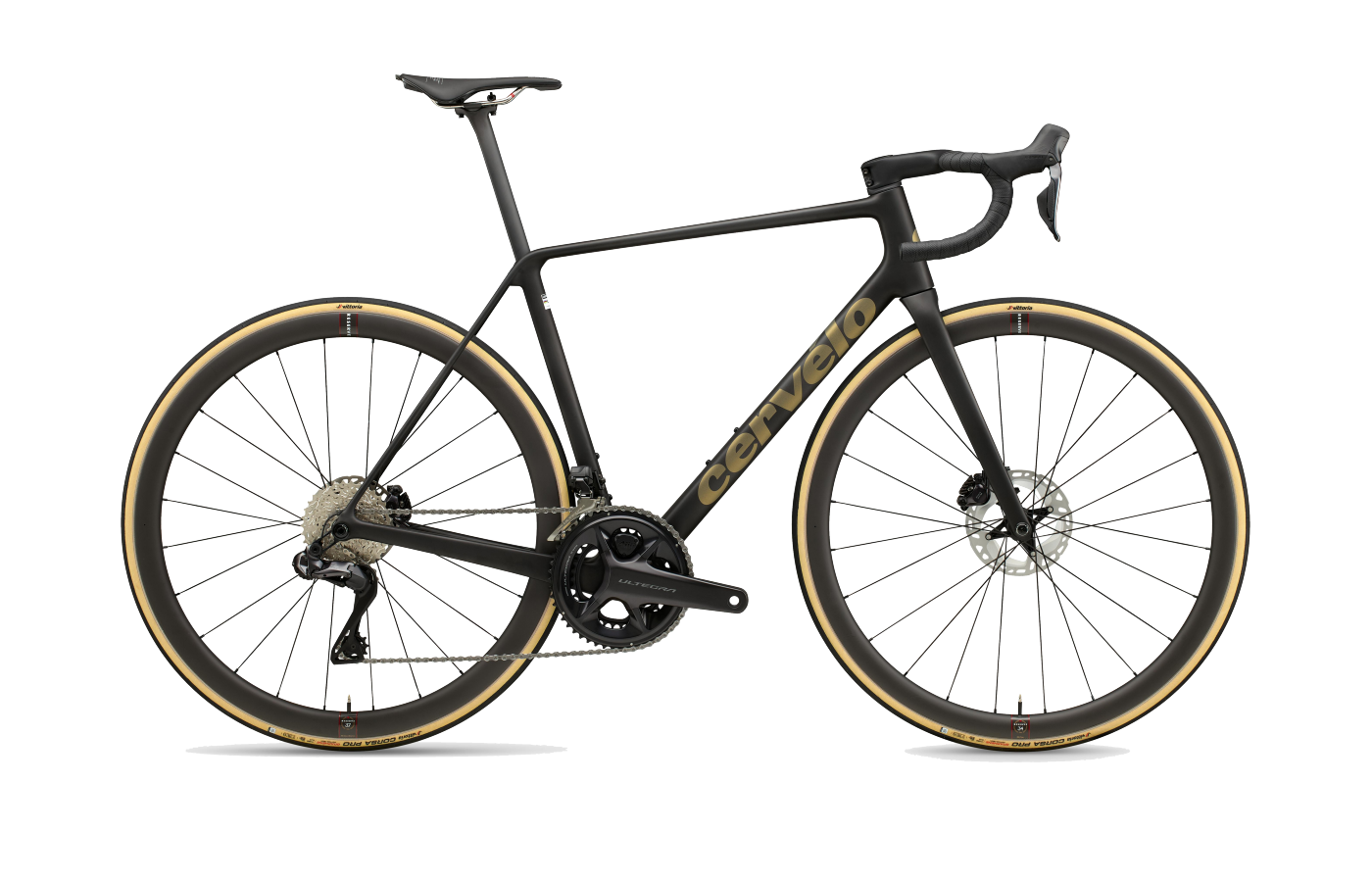
R5
The third bike named in the same lightweight-climber breath as the O2 and Aethos. Cervelo R5 splits the difference — racier than the Aethos, more compliant than the O2, with proven WorldTour pedigree.
Compare →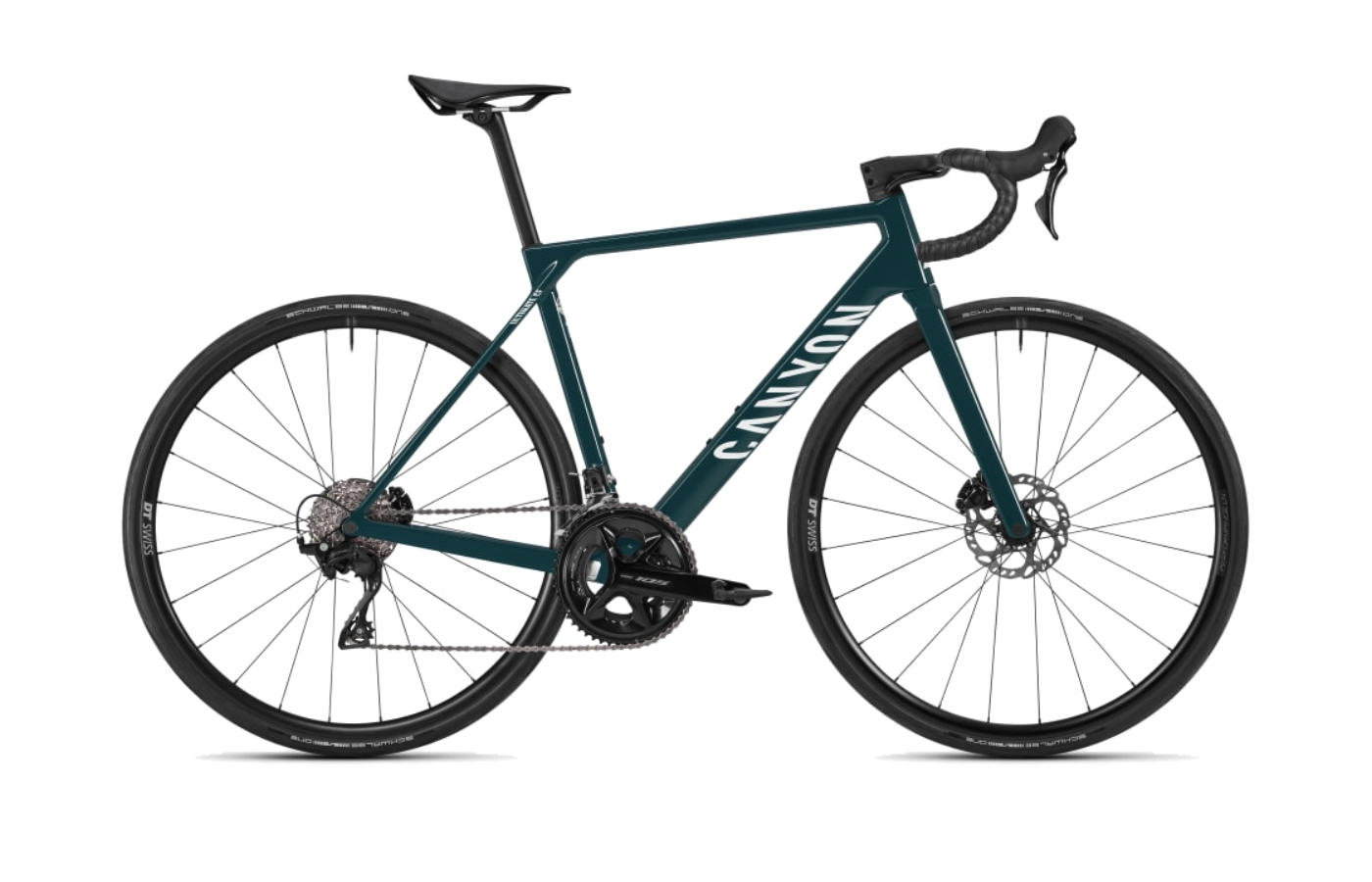
Ultimate
Canyon Ultimate is the value play in this segment — same lightweight-all-rounder brief at direct-to-consumer pricing. The catch: no local dealer, no demos, you size yourself.
Compare →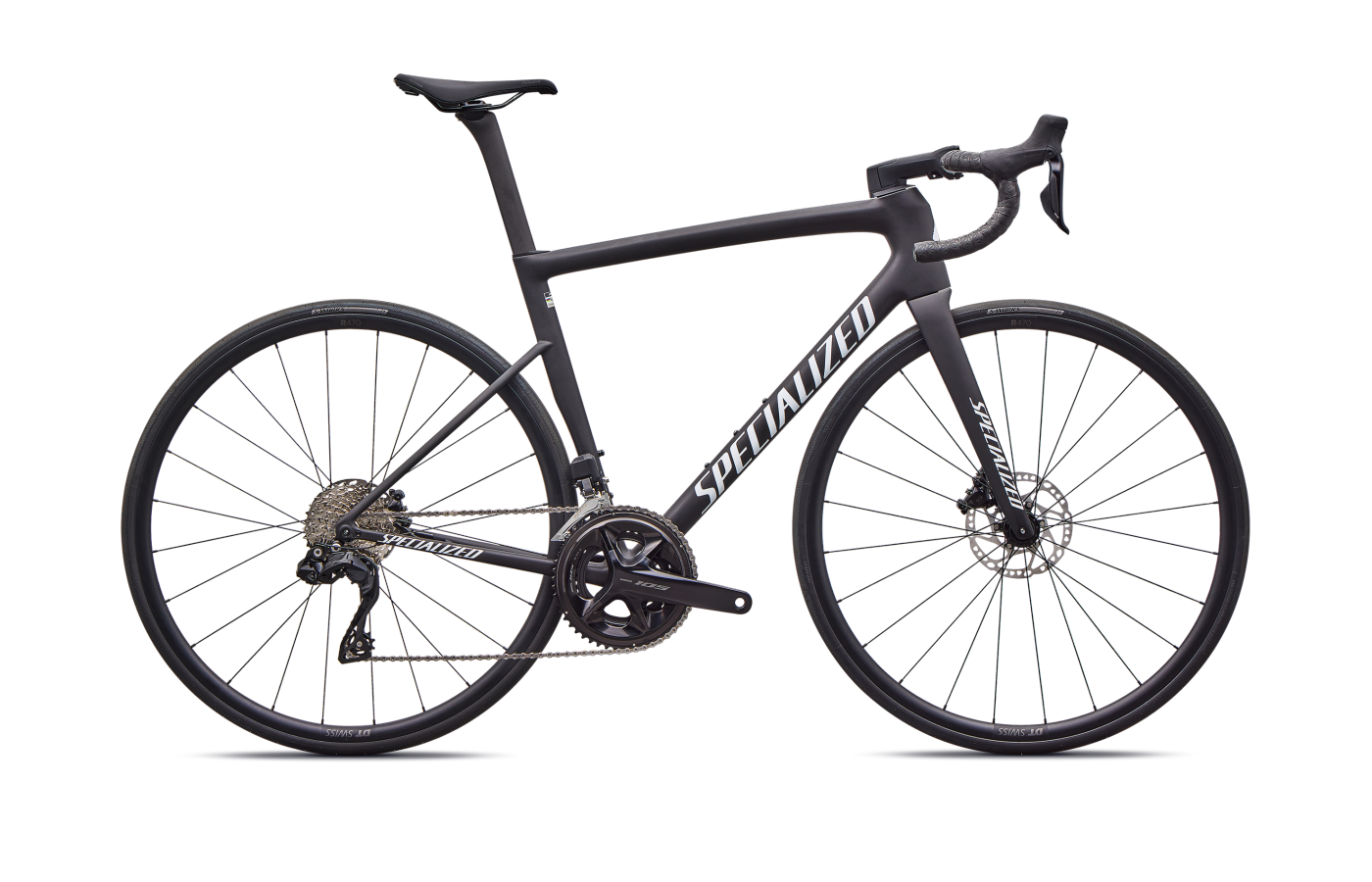
Tarmac
If you'd rather have aero than light, the Specialized Tarmac is the in-house alternative — same brand, same dealer network, but tuned for sustained flat-road speed instead of climbing.
Compare →