Wreckoning
vsSentinel
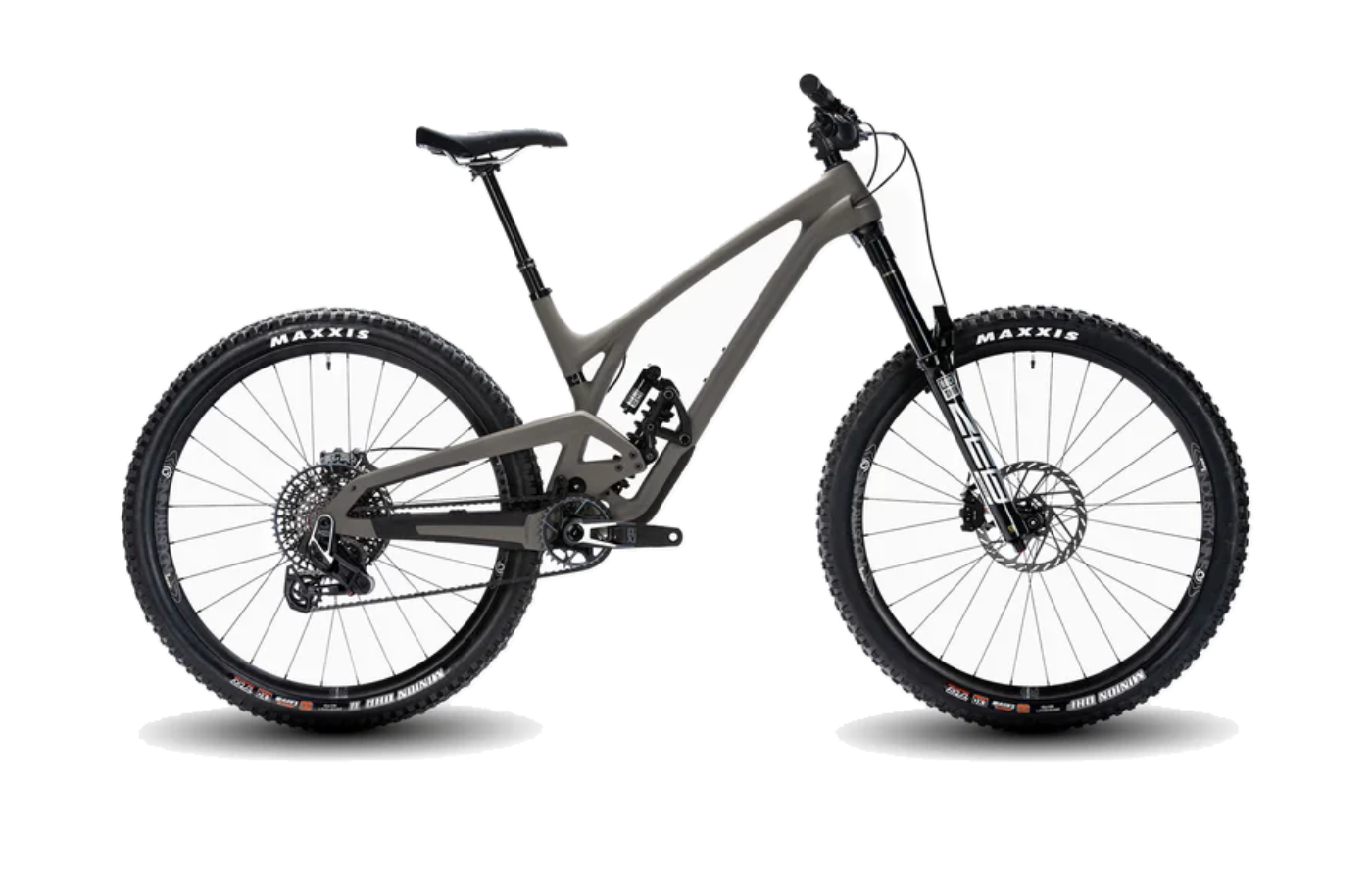
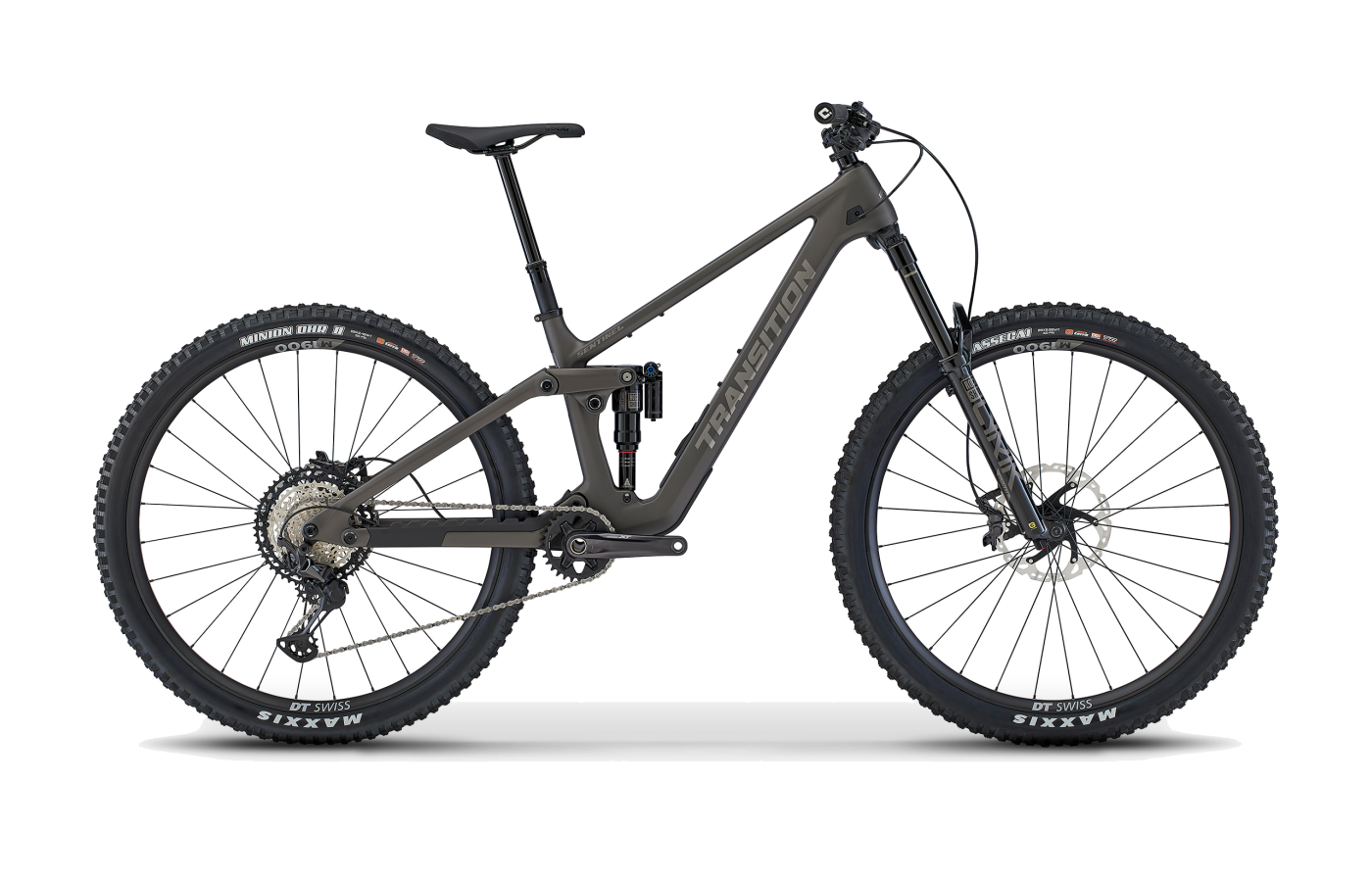
A coil-sprung mini-DH bike vs. a one-bike-quiver trail bike.
The Evil Wreckoning is a 166 mm playful brawler tuned for descending. The Transition Sentinel is a 150 mm all-rounder tuned for everything in between.
Wreckoning
- Coil-sprung descending capability — 166 mm of progressive DELTA travel that reviewers call a 'magic carpet ride' on rough terrain.
- Short 430 mm chainstays across every size deliver a uniquely playful, 'jibby' feel that long-travel 29ers rarely have.
- Top-tier suspension across the lineup — even the $4,699 GX build gets the same RockShox ZEB Ultimate fork as the $8,499 XX.
- Super Boost 157 mm rear spacing limits aftermarket wheel choices.
- X-Low flip-chip puts rider weight noticeably rearward on steep technical climbs.
Sentinel
- Wider build and price range — $3,499 alloy Deore up to $9,999 carbon XTR Di2, plus a 78.9° seat angle that climbs efficiently.
- Adaptable platform — mullet-compatible, long-stroke shock bumps rear travel from 150 to 160 mm, BOOM Box in-frame storage on carbon.
- Size-specific chainstays (442 mm S/M, 448 mm L/XL/XXL) keep weight balance consistent across the size range.
- Stock Super Deluxe Ultimate shock tune is widely criticized as too light — most aggressive riders end up re-tuning or swapping.
- Higher 350 mm bottom bracket can feel less locked-in than coil-sprung competitors in fast, high-lean berms.
Editor’s analysis
Both wear long-travel 29er badges, but they're built for different jobs — one wants to send it, the other wants to do it all.
The Evil Wreckoning V3 carries 166 mm of coil-sprung rear travel through Dave Weagle's DELTA linkage, paired with a 170 mm RockShox ZEB up front. Reviewers consistently call it a 'mini-DH bike' that somehow stays nimble — credit goes to the 430 mm chainstays held constant across every size, which give the bike a 'slicey,' jibby personality even on a 1,218 mm size-M wheelbase. It's a coil-shock bike that climbs better than it has any right to, but the design intent is unmistakably pointed downhill.
The Transition Sentinel V3 plays a different game. 150 mm rear and 160 mm front, an air shock as standard, a steeper 64° head angle (vs the Wreckoning's 65.2° — note that's slacker on the Transition once you factor in its taller fork-to-frame relationship), and size-specific chainstays running 442 mm on M and 448 mm on L. Transition tuned the GiddyUp kinematics to sit higher in the travel for V3, giving the bike what reviewers call a 'BMX-ish' pop and a 78.9° effective seat tube angle that puts you square over the bottom bracket on climbs.
On paper the Evil is the more aggressive bike — more travel, coil rear, slacker effective angles in the X-Low flip-chip setting. But the Sentinel covers a wider range. Mullet-compatible via flip-chip, long-stroke shock takes it from 150 mm to 160 mm rear, in-frame BOOM Box storage on every carbon model, and a price floor of $3,499 vs. the Wreckoning's $4,699. The Sentinel doesn't ask you to commit to descending the way the Wreckoning does.
There's also a real shock-tune story here. Multiple expert testers (Blister, Pinkbike, NSMB) flagged the Sentinel's stock RockShox Super Deluxe Ultimate as 'bizarrely light' on compression damping — fixable with a re-tune or shock swap, but a quirk to know about. The Wreckoning ships with a Super Deluxe Coil Ultimate that reviewers universally praise out of the box. So: buy the Wreckoning if you want a bike that's already dialed for going fast downhill. Buy the Sentinel if you want a bike that adapts — and budget for a shock tune if you ride hard.
Where the builds differ.
Comparing our editor's-pick builds side-by-side. Winners highlighted row-by-row — lower price and weight, and the better-spec component, each mark a point.
Build variants & pricing
The Wreckoning lineup is narrow and premium ($4,699–$8,499, carbon only). The Sentinel runs from $3,499 alloy to $9,999 XTR Di2 — five carbon builds and three alloy.
Editor's picks are tier-matched at SRAM Eagle 90 T-Type with comparable RockShox suspension, both on carbon frames within ~$500 of each other. Prices are current US MSRP.
How they fit, how they steer.
Sentinel MD vs. Wreckoning S — the fit-picked sizes for a 5'8" rider on each platform. The Sentinel sits 6 mm lower in stack, 10 mm longer in reach, and runs a 1.2° slacker head angle on a 40 mm longer wheelbase. The Wreckoning compensates with shorter 430 mm chainstays vs. the Sentinel's 442 mm.
Which size should I buy?
Size recommendations based on stack, reach, and effective top tube. The Sentinel offers six sizes (XS–XXL); the Wreckoning four (S–XL).
→These are starting points. Flexibility, riding style, and preferred position all shift the answer — if you’re between sizes, a professional fit beats a chart.
What the magazines said.
Published reviews from trusted cycling outlets. Click through for the full write-up.
Which one should you buy?
If your weekend is built around descending, get the Wreckoning. If you want one bike for everything from the home trail to the bike park, get the Sentinel.
Wreckoning
If you ride bike park days, shuttle laps, or rough technical descents and you don't mind earning the climb back, the Wreckoning rewards aggressive input with a uniquely playful character that 166 mm coil-sprung 29ers usually lack. The short chainstays make it feel like a smaller bike when you want it to.
Sentinel
If you want one bike that climbs efficiently, descends confidently, fits in-frame storage, and gives you mullet and long-stroke options as your riding evolves — this is the more versatile platform. The lower price floor and wider build range help, too.
Questions buyers actually ask.
Short answers to the things we get emailed about most often.
01Which bike descends harder?
The Evil Wreckoning, by design. Its 166 mm of coil-sprung rear travel paired with a 170 mm RockShox ZEB Ultimate fork — and the slacker effective angles available via the X-Low flip-chip — give it a 'mini-DH' character that the 150/160 mm Sentinel doesn't try to match.
Reviewers from MBR to Cycling Magazine repeatedly compare the Wreckoning's descending feel to a downhill bike, calling it a 'magic carpet ride' that 'crushes rough terrain.' The Sentinel is plenty capable on descents, but it's tuned for trail versatility, not bike park duty.
02Which one climbs better?
The Transition Sentinel. Its 78.9° effective seat tube angle (size MD) puts you noticeably more forward than the Wreckoning's 77.0°, and the 150 mm of air-sprung rear travel sits higher in the stroke for less pedal bob.
The Wreckoning is a surprisingly good climber for a 166 mm coil-sprung bike — the DELTA suspension's anti-squat keeps it propped up — but reviewers note that in the X-Low setting your weight feels 'a bit too far back' on steep technical climbs. For long pedaling days, the Sentinel is the easier bike.
03How different is the geometry?
Comparing the fit-picked sizes (Sentinel MD, Wreckoning S):
- Head angle: 64.0° (Sentinel) vs. 65.2° (Wreckoning) — Sentinel is 1.2° slacker
- Reach: 455 mm vs. 445 mm — Sentinel 10 mm longer
- Chainstay: 442 mm vs. 430 mm — Sentinel 12 mm longer
- Wheelbase: 1,237 mm vs. 1,197 mm — Sentinel 40 mm longer
- Seat tube angle: 78.9° vs. 77.0° — Sentinel steeper for climbing
The Sentinel is the longer, slacker, more stable bike on paper. The Wreckoning's short chainstays make it feel smaller and more agile than the numbers suggest.
04What about the stock shock on the Sentinel?
Worth knowing about. Multiple expert reviewers (Blister, Pinkbike, NSMB) flagged the stock RockShox Super Deluxe Ultimate's compression tune as 'bizarrely light,' causing the bike to blow through its mid-stroke on bigger, square-edged hits.
All three reported that a re-tune or shock swap 'transformed' the bike. If you ride aggressively or you're a heavier rider, budget another $100–$300 for a custom tune from someone like Vorsprung or PUSH. The Wreckoning's coil shock ships dialed and doesn't have this issue.
05Can I run the Sentinel as a mullet?
Yes. The Sentinel V3 is flip-chip mullet-compatible — the 'High' setting accommodates a 27.5" rear wheel and lowers the BB by ~6 mm while slackening the head angle by 0.4°. Reviewers from Blister and Awesome MTB found this configuration the bike's 'sweet spot' for cornering bite.
The Wreckoning is 29" only — no mullet flip, no MX option from the factory.
06What's the tire clearance like?
Wreckoning: 66 mm — generous, leaves room for full 2.5" treads with mud.
Sentinel: 63.5 mm — tighter. Pinkbike specifically flagged the rear clearance for a standard 2.4" Maxxis DHR II as 'somewhat tight,' with only a few mm of mud room. Riders in muddy conditions may want protective tape on the inner chainstays.
Neither bike is shy about big tires, but if you ride in PNW slop, the Wreckoning has the more forgiving rear triangle.
07Which has the better warranty and ownership story?
Both come with lifetime frame warranties. Two distinguishing details:
- Evil offers a lifetime warranty on suspension bearings, which long-term reviewers (NIC ADV) called a major value — the linkage uses a lot of small bearings and they will need replacement eventually.
- Transition extends its crash-replacement program to second-hand owners, unusual in the industry.
Both brands have strong direct customer service reputations. The Sentinel uses more standard parts (73 mm threaded BB, UDH, 148 mm Boost) — easier to source spares. The Wreckoning's Super Boost 157 mm rear hub is the only meaningful exception.
08How does in-frame storage compare?
The Sentinel carbon frames have the BOOM Box — a downtube hatch with a metal lever that reviewers (including Bicycling, who called the V3 the 'quietest mountain bike' they'd tested) generally praised. It's not on the alloy frames.
The Wreckoning has no in-frame storage at any price point. If you ride pack-free and want to stash a tube, multitool, and snack, the Sentinel carbon is the only option of the two.
Similar bikes
If your priorities don’t map cleanly onto either of these, one of these adjacent bikes probably fits better.
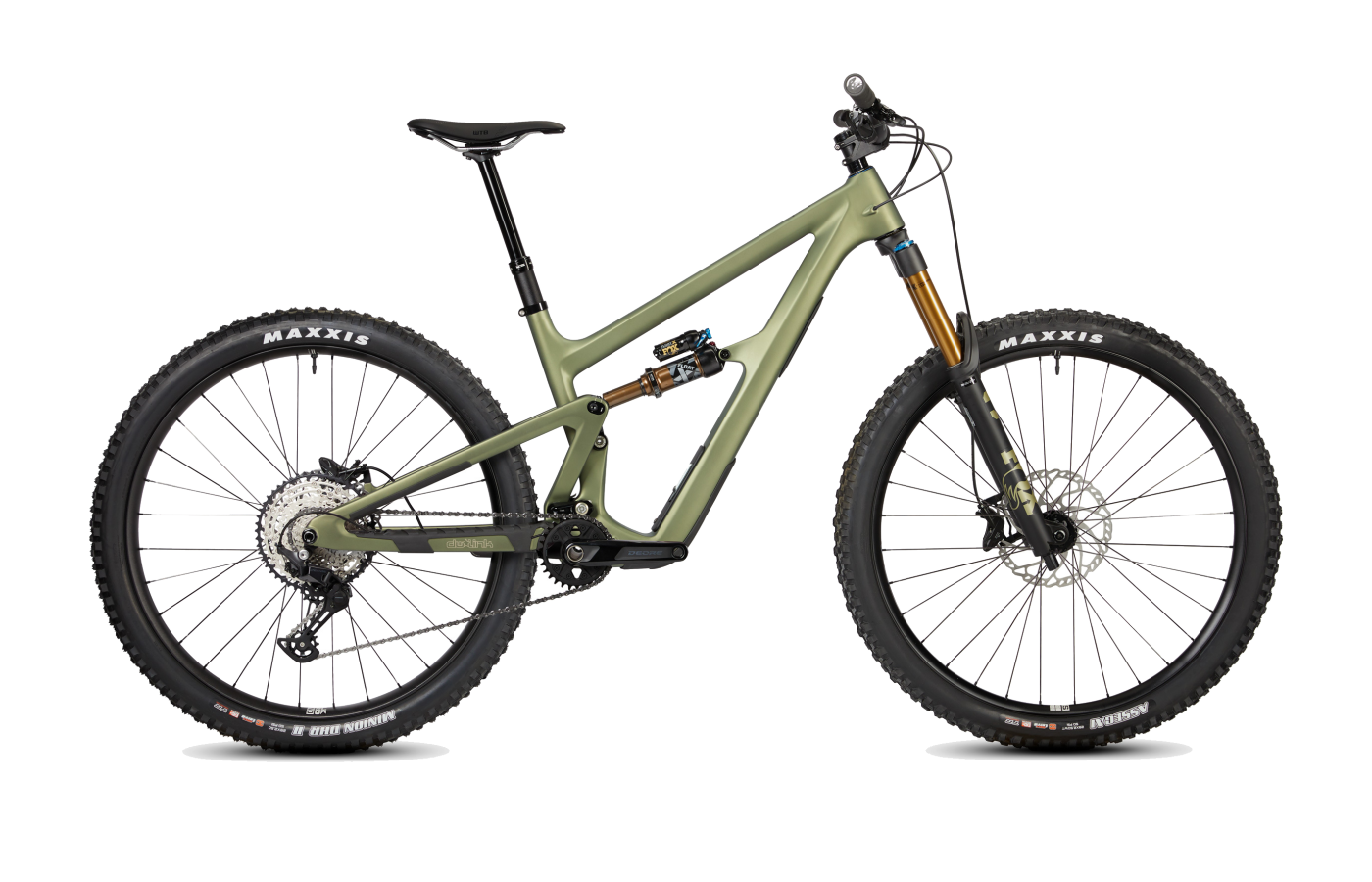
Ripmo
The Ibis Ripmo runs the same 150 mm rear / 160 mm front travel as the Sentinel but with VPP suspension and a plusher, poppier character. A go-to alternative if the Sentinel's firmer V3 tune doesn't appeal.
Compare →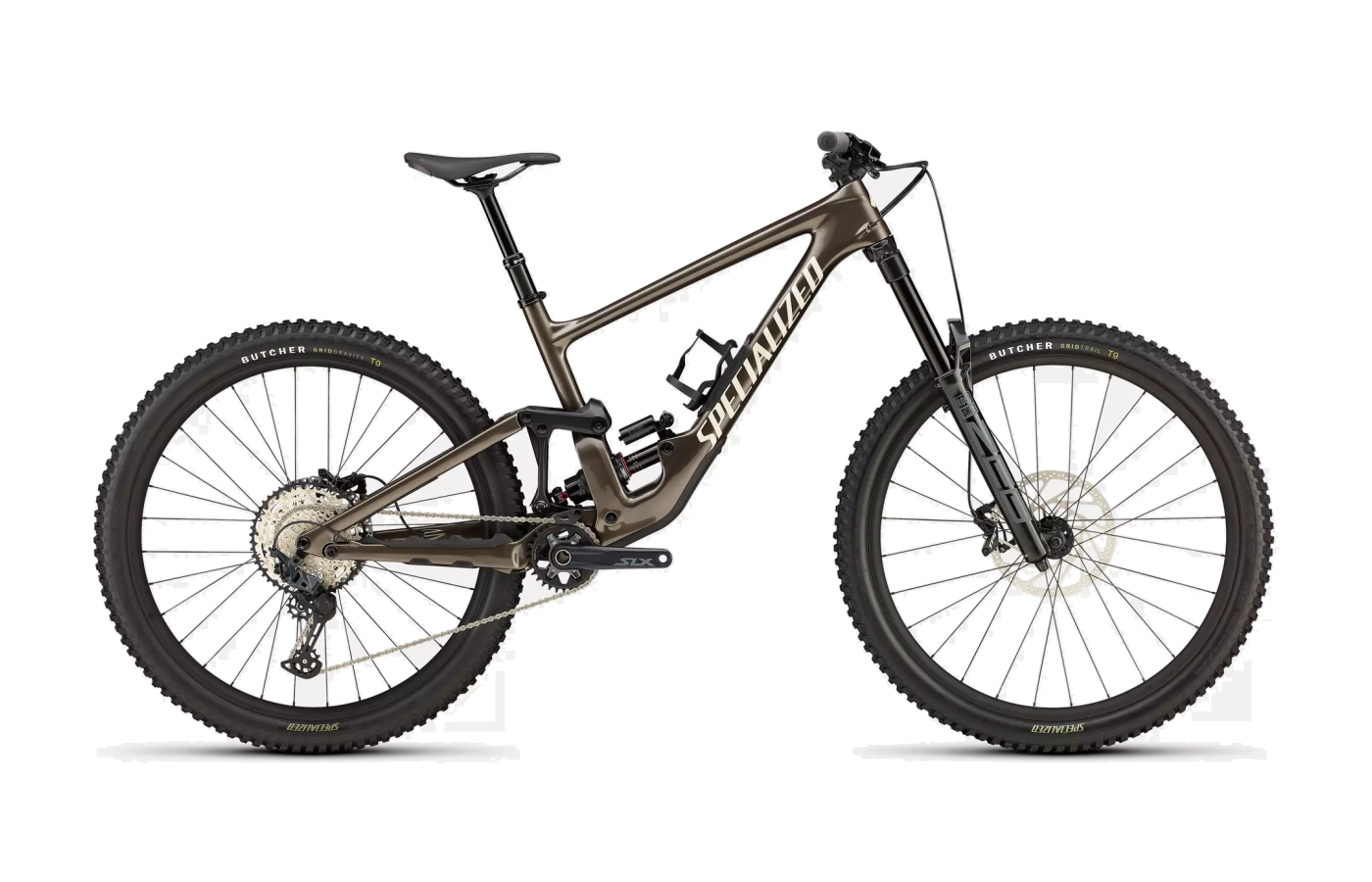
Enduro
Specialized's Enduro is the more race-focused take on the 170 mm 29er mini-DH formula — less playful than the Wreckoning, more straight-line stability. Pick it if you'd rather plow than pop.
Compare →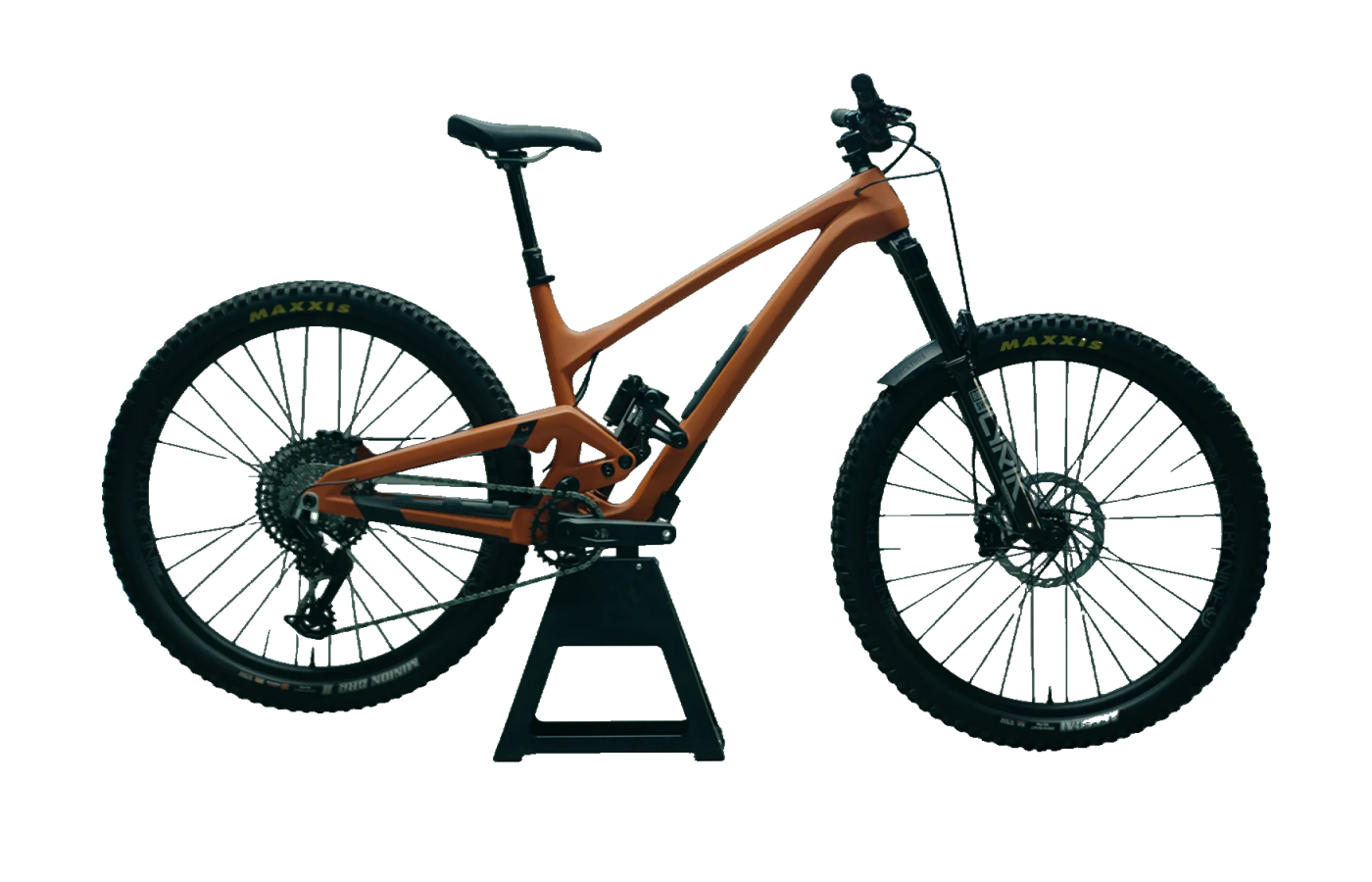
Offering
Same DELTA suspension and Evil ride feel as the Wreckoning, but in a 140 mm trail-bike package. The right call if you love the Wreckoning's character but don't need 166 mm of travel.
Compare →