Wreckoning
vsEnduro
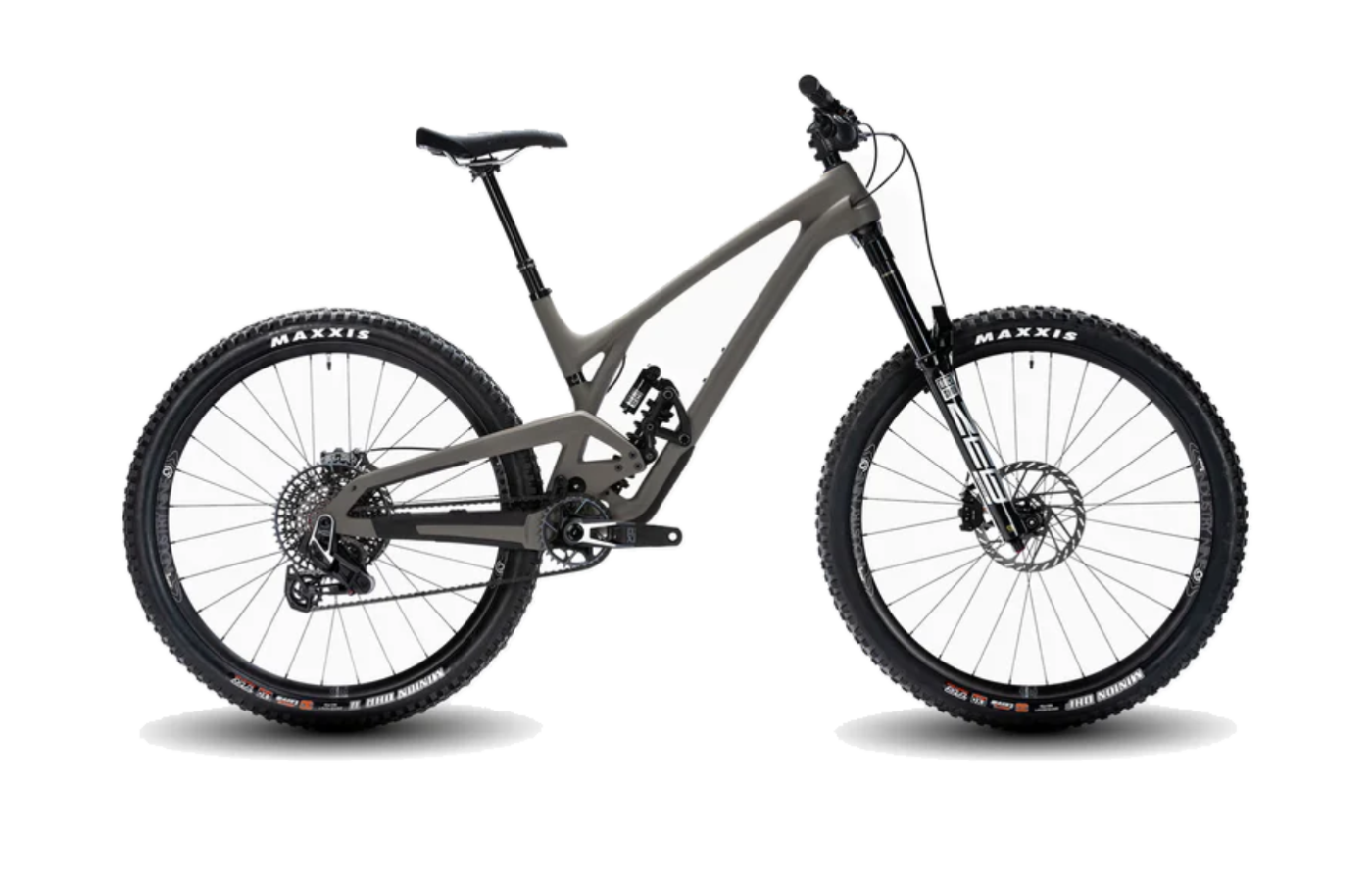
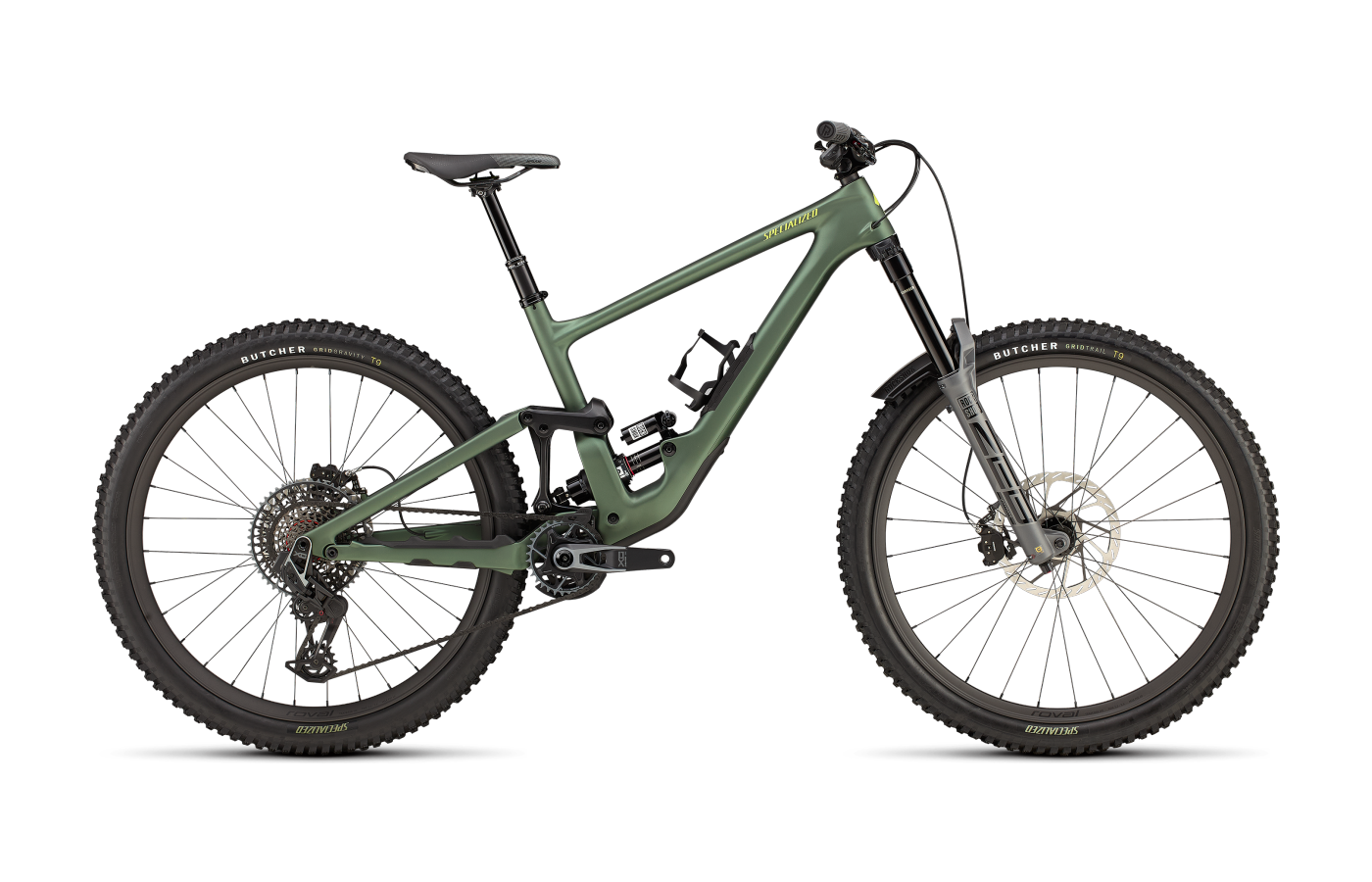
Two long-travel 29ers, two completely different personalities.
The Evil Wreckoning is a coil-sprung freeride machine that begs you to play. The Specialized Enduro is a mini-DH bike that begs you to point and go.
Wreckoning
- Genuinely playful for the travel — short 430 mm chainstays and progressive DELTA linkage make a 166 mm bike pop, snap, and whip like a trail bike.
- Better climbing posture with a 77 degree seat tube angle and DELTA's high anti-squat — efficient enough for all-day pedaling.
- Top-tier suspension across the range — even the entry GX build runs the RockShox ZEB Ultimate fork and Super Deluxe Coil Ultimate shock.
- Super Boost 157 mm rear spacing limits aftermarket wheel choice and complicates upgrades.
- Frame-only routing and the Super Boost standard make swapping parts more painful than on the Specialized.
Enduro
- Unmatched composure at speed — the rearward axle path and 1217–1302 mm wheelbase make rough sections feel slower than they are.
- More travel and more rake — 170 mm rear and a 63.9 degree head angle put it closer to a downhill bike than most enduro rigs.
- SWAT downtube storage — integrated frame storage is a small thing that keeps bringing the platform back to the top of best-of lists.
- Heavy and ground-hugging — feels boring and sluggish on flat or rolling trails.
- Only two builds available right now ($4,999 Comp and $8,499 Pro), with a big spec gap and no mid-tier option.
Editor’s analysis
Same travel bracket, same wheel size, same coil shock — and yet they feel like they came out of different sports.
On paper, the Evil Wreckoning and Specialized Enduro are close cousins. Both are carbon, big-travel 29ers in the $4.7k–$8.5k range. Both ship with RockShox ZEB Ultimate forks at the high end, both can run a coil shock, both are obviously built to descend hard. But put the geometry charts and the meta-reviews next to each other and the divergence is stark.
The Evil Wreckoning is the playful one. 430 mm chainstays, a 65.2 degree head angle, 166 mm of coil-driven rear travel through Dave Weagle's DELTA linkage, and a 77 degree seat angle that climbs better than a 166 mm bike has any right to. Reviewers consistently call it a 'mini-DH bike' that somehow also feels like a 'bike-shaped surfboard' — chuckable, slicey, the rear end that pops out of berms. The frame is built like a tank but the geometry stays short enough to whip around.
The Specialized Enduro is the steamroller. 170 mm of rear travel through a Demo-derived Horst link with a rearward axle path, a 63.9–64.3 degree head angle, 442 mm chainstays, and a wheelbase that stretches well past the Wreckoning at every comparable size. 'It was like cheating' is the phrase Bicycling used; Enduro MTB called it a magic carpet. It carries speed through chunder in a way the Wreckoning does not, and it pays for that with low-speed sluggishness on flat trails and a noticeable weight penalty (the Pro is 16.04 kg vs around 14.7 kg cited for a comparable Wreckoning).
Put another way: the Evil Wreckoning is the bike you buy if you want a long-travel rig that still wants to play on Tuesday-night singletrack. The Specialized Enduro is the bike you buy if every ride ends with a shuttle drop or a bike-park lap, and the climb is just the price of admission.
Where the builds differ.
Comparing our editor's-pick builds side-by-side. Winners highlighted row-by-row — lower price and weight, and the better-spec component, each mark a point.
Build variants & pricing
Both platforms top out at $8,499. Evil offers four steps from $4,699; Specialized only sells two — a $4,999 Comp and the $8,499 Pro.
Editor's picks are tier-matched at SRAM X0 Eagle Transmission AXS — the Evil Wreckoning X0 ($7,499) and the Specialized Enduro Pro ($8,499). Prices are current US MSRP. The Evil X0 spec sheet is incomplete in our database; the wheelset and cockpit columns above describe the typical Wreckoning kit shared with adjacent builds and may differ on yours.
How they fit, how they steer.
Comparing Wreckoning size S against Enduro S2 — fit-picked for the same rider on each platform. The Wreckoning runs 8 mm more reach, 5 mm more stack, a 0.9 degree steeper head tube, 12 mm shorter chainstays, and a 20 mm shorter wheelbase. Same category, very different stance.
Which size should I buy?
Evil sizes the Wreckoning S/M/L/XL on traditional reach steps; Specialized's S-sizing decouples reach from seat tube length, so an S2 may fit riders across a wider height band than its label suggests.
→These are starting points. Flexibility, riding style, and preferred position all shift the answer — if you’re between sizes, a professional fit beats a chart.
What the magazines said.
Published reviews from trusted cycling outlets. Click through for the full write-up.
Which one should you buy?
If you want a long-travel bike that still rides like a trail bike, get the Evil Wreckoning. If every ride is a shuttle, lift, or repeat lap of the gnarliest descent on the mountain, get the Specialized Enduro.
Wreckoning
If you want a 166 mm bike that doesn't punish you on the pedal back up — and that still rewards finding side hits, snapping berms, and looking for jumps on the way down — the Wreckoning is a uniquely fun answer. The DELTA suspension is bottomless on big hits but supportive enough to pump and pop, and the 77 degree seat angle keeps the climb honest.
Enduro
If you've reset your braking points trying to keep up with friends, and your trails are steep, fast, and full of square-edged hits, the Enduro is the most composed bike in its class. Expect a heavier, less-poppy ride — and the SWAT door, threaded BB, and 170 mm of Demo-derived rear travel to back it up.
Questions buyers actually ask.
Short answers to the things we get emailed about most often.
01Which one climbs better?
The Evil Wreckoning, by most reviewers' accounts. Its 77 degree effective seat tube angle is a full degree steeper than the Enduro's 76 degrees, putting the rider more directly over the bottom bracket. Combine that with the DELTA linkage's high anti-squat and a lighter overall build (around 14.7 kg / 32.4 lb cited in MBR's GX test, vs the Enduro Pro's 16.04 kg / 35 lb) and the Wreckoning is the easier all-day pedaler.
The Enduro climbs better than its weight suggests — Specialized's 40% bump in anti-squat and the same 76 degree seat angle make it 'surprisingly efficient' in nearly every review — but it still feels like a big bike when you stand to put down power.
02Which descends faster on rough, high-speed trails?
The Specialized Enduro. The Demo-derived Horst link with its rearward axle path is built specifically for square-edged hits at speed, and the 442 mm chainstays plus a 1217–1302 mm wheelbase deliver a planted, momentum-carrying feel that the Wreckoning's shorter rear end can't match. Multiple reviewers describe it as 'cheating' on familiar trails — you'll reset your braking points.
The Wreckoning is no slouch at speed, but its 430 mm chainstays trade some high-speed stability for agility. At the limit in chunky terrain, reviewers note it can get 'a bit more unsettled' than longer-rear-end bikes.
03How much travel does each bike actually have?
Evil Wreckoning: 166 mm rear travel through the DELTA linkage, paired with a 170 mm RockShox ZEB Ultimate fork.
Specialized Enduro: 170 mm rear travel through a Horst link, paired with a 170 mm RockShox ZEB Ultimate fork (Pro build) or ZEB Select (Comp build).
The 4 mm rear-travel delta is small enough that you'll feel suspension character — the Wreckoning's coil-progressive ramp vs the Enduro's ground-hugging axle path — long before you feel the travel difference.
04Which is more playful at slower speeds?
The Wreckoning, clearly. Reviewers across MBR, BikeRadar, Cycling Magazine, and Freehub all use the same vocabulary: 'slicey,' 'chuckable,' 'pops out of berms,' 'bike-shaped surfboard.' The 430 mm chainstays and Industry Nine Hydra hub's instant engagement make it 'instantly swap direction' on rider input.
The Enduro, by contrast, is repeatedly called 'boring on flat trails' and 'sluggish' on mellower terrain. It wants gravity to come alive.
05What's the rear axle standard on each?
The Wreckoning uses Super Boost 157 mm rear spacing — Evil's choice for a stiffer rear wheel and more mud clearance, but a notable headache if you want to bring over wheels from another bike or pick aftermarket options. The Enduro uses standard 148 mm Boost, which keeps it compatible with the much wider mainstream wheelset market.
06What tire clearance does each have?
Both clear the kind of aggressive enduro tires they ship with. Evil Wreckoning: 66 mm clearance, comfortably running 29x2.5 WT up front and 29x2.4 WT out back as stock (Maxxis Assegai / Dissector).
Specialized Enduro: 58.4 mm clearance, shipping with 29x2.3" Specialized Butcher tires front and rear. Both will fit the 2.5"+ tires most enduro riders end up running, but the Wreckoning has more headroom for mud.
07Which has the better stock brakes?
The editor's-pick Evil Wreckoning X0 ($7,499) and Specialized Enduro Pro ($8,499) both ship with SRAM Maven Silver brakes — the four-piston gravity stoppers that Freehub called 'almost scary powerful' and a 'game changer' for steep terrain. Lower-tier builds on each platform step down to SRAM Code RSC (Wreckoning Eagle 90 and GX) or TRP Trail EVO (Enduro Comp), both of which are still serviceable four-piston options.
08Which has better frame storage and serviceability?
The Specialized Enduro wins on storage — its SWAT downtube door is the best in-frame storage system in mountain biking and reviewers universally rave about it. Both bikes use a threaded bottom bracket and have full internal cable routing.
The Wreckoning leans the other way: no downtube storage, but a lifetime warranty on its suspension bearings and an integrated chain guide as standard. Both bikes have a lot of pivots and will eventually need a bearing service — budget for it.
Similar bikes
If your priorities don’t map cleanly onto either of these, one of these adjacent bikes probably fits better.
Spire
The Transition Spire is the long-and-stable counter to the Wreckoning's playfulness — even more wheelbase, even more plow, and a price that undercuts both bikes here. Pick it if you wish the Enduro had a slightly more lively front end.
Compare →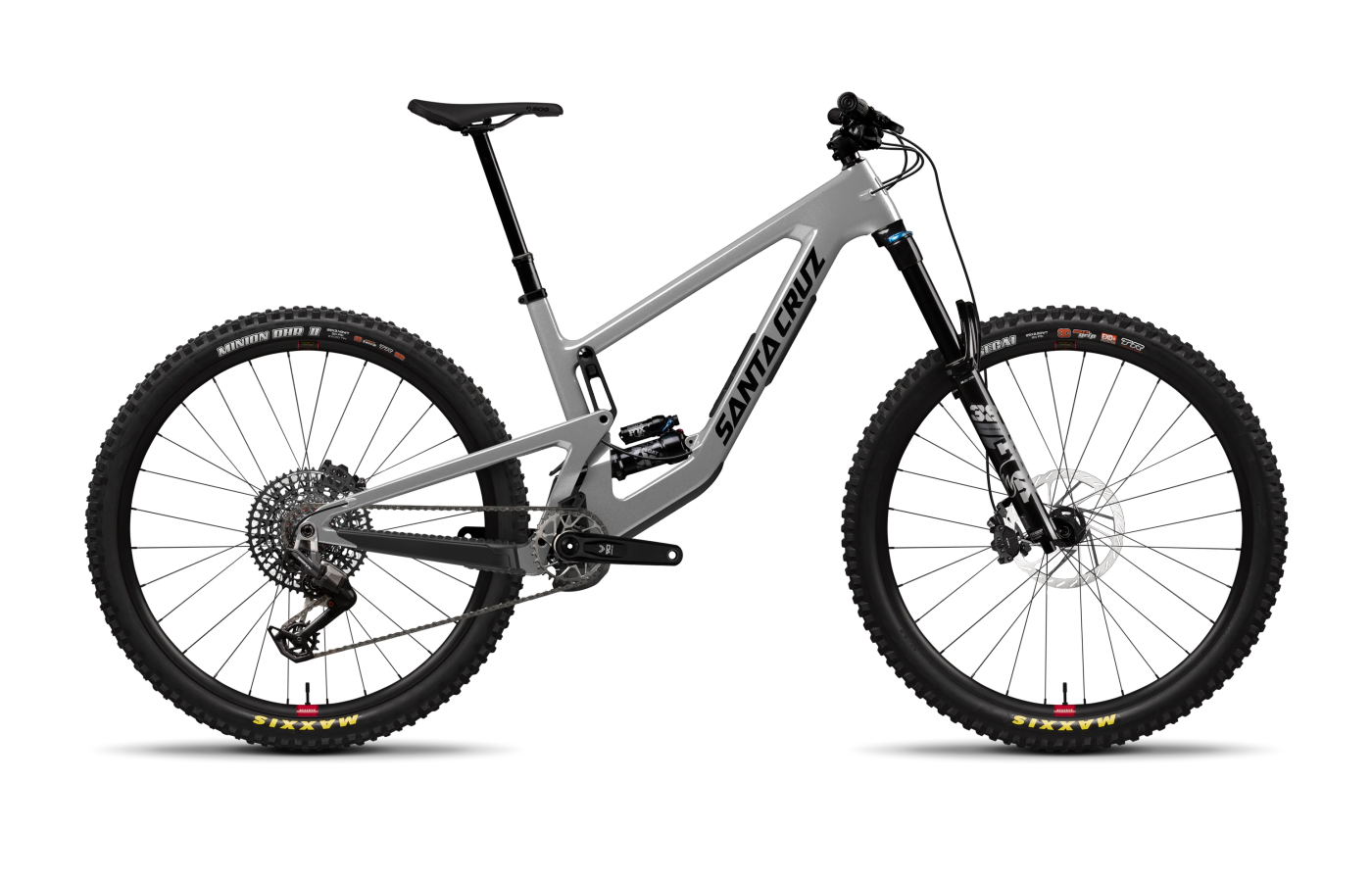
Megatower
Santa Cruz's Megatower is the closest thing to a tie-breaker — VPP suspension, 165 mm travel, and a more trail-bike-leaning personality than the Enduro. Reach a more conservative geometry and Santa Cruz's lifetime bearing warranty if those matter.
Compare →Capra
If your problem with both bikes here is the price, the YT Capra delivers comparable travel and aggressive geometry at a noticeably lower direct-to-consumer cost — at the price of no local dealer support.
Compare →