Offering
vsSwitchblade
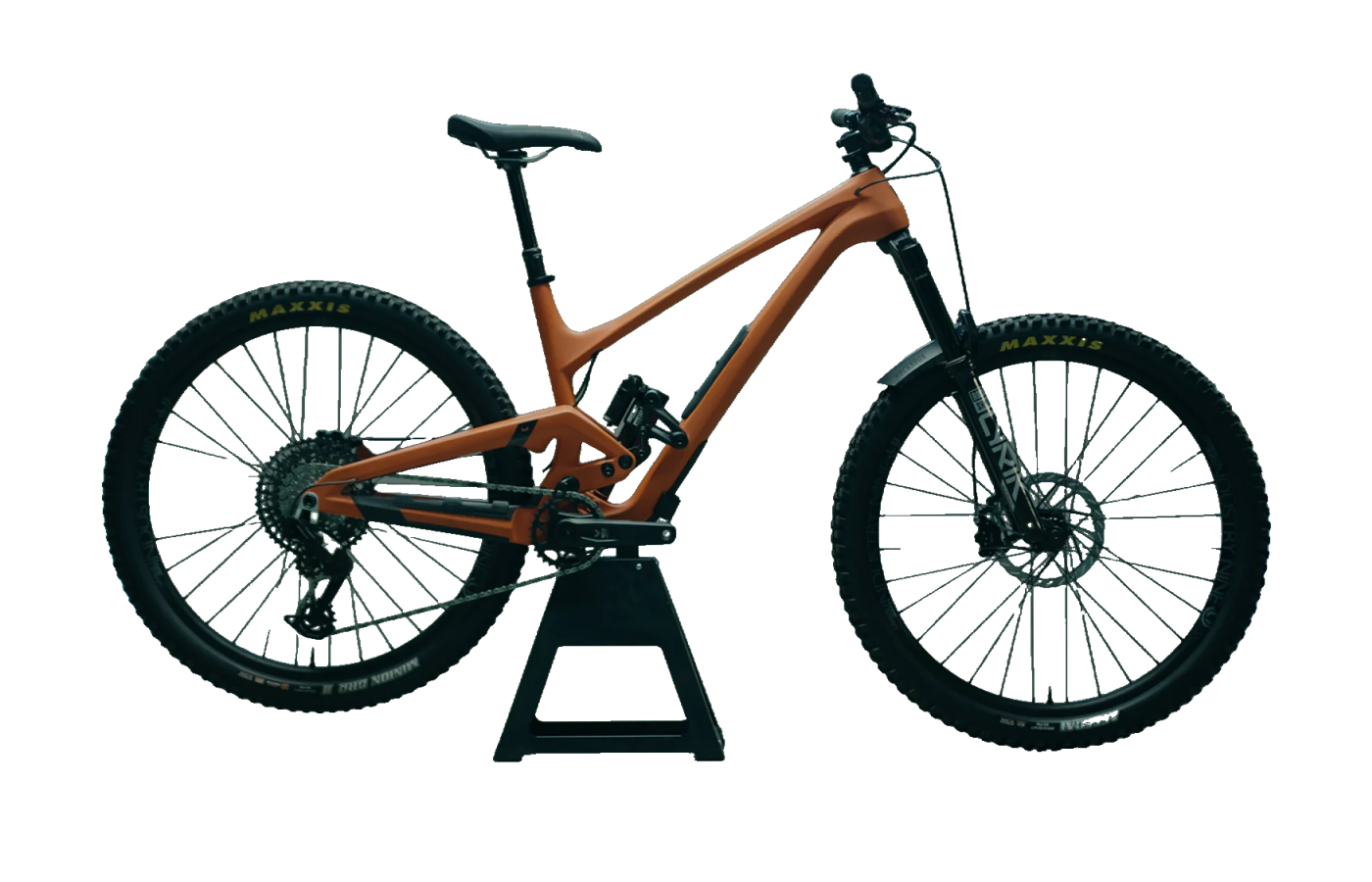
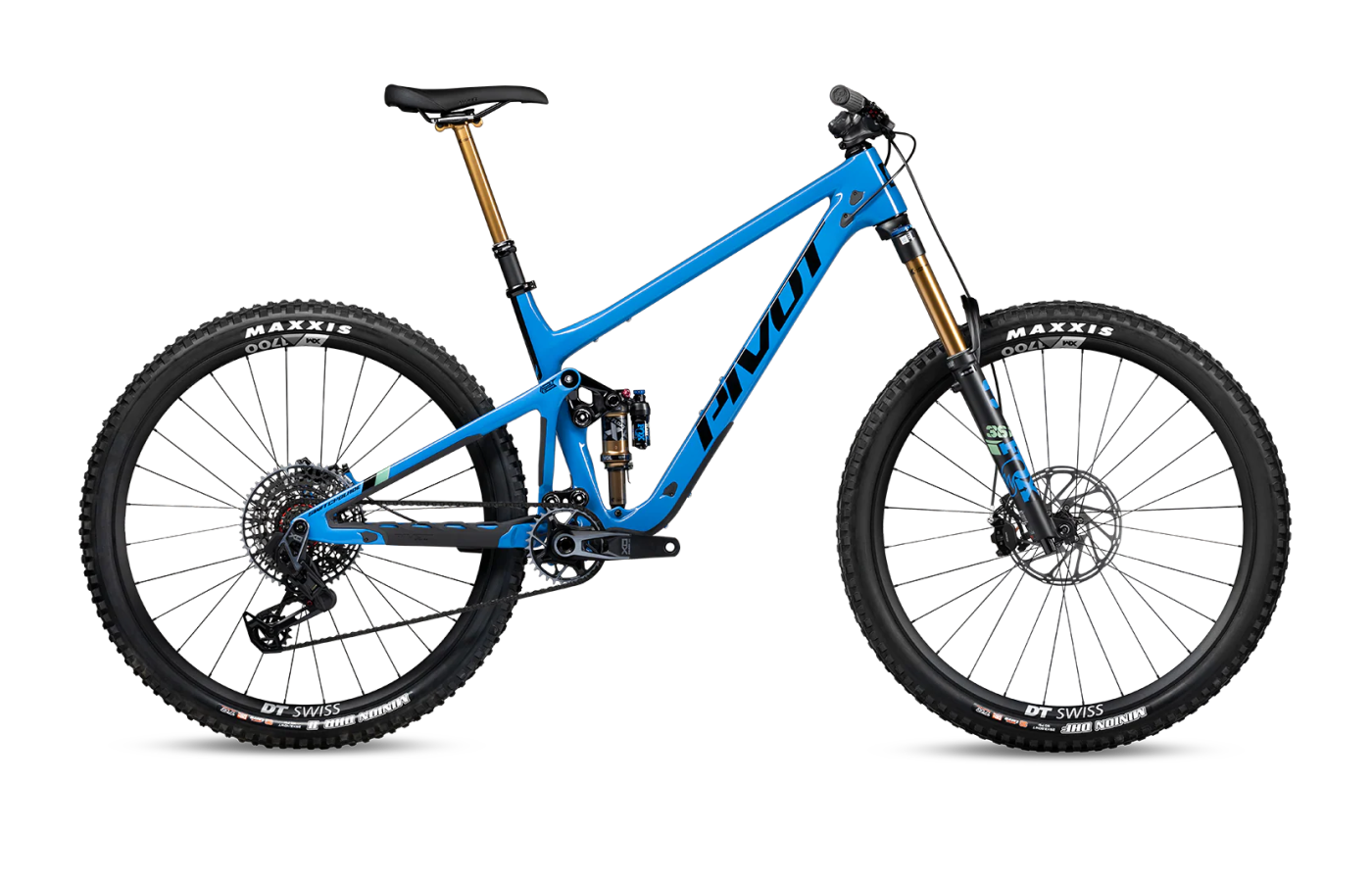
Two carbon trail bikes, two ride personalities.
The Evil Offering is a 151 mm jib machine that begs to be jumped. The Switchblade is a 142 mm do-everything platform built around composure.
Offering
- Active, poppy suspension — the Delta-link's trampoline point makes airtime effortless on small lips and rollers.
- Steep 79° effective seat tube puts you forward over the cranks — comfortable, traction-rich technical climbing.
- Standard 148 mm Boost rear and threaded BSA bottom bracket — easy parts swaps, no creak-prone press-fit.
- Not a plow — gets unsettled when ridden defensively through chunky, square-edged sections.
- Single price tier ($6,699 across builds), with no entry point below it.
Switchblade
- Composed at speed — the longer lower link delivers a calm, planted feel through chatter and successive compressions.
- Wide build range from $6,499 mechanical Eagle to $11,799 XTR Di2 — six options vs. Evil's three.
- Six-frame size run (XS through XL) plus mullet-ready flip chip — fits a wider rider range than the Offering.
- SuperBoost+ 157 rear hub limits aftermarket wheel compatibility.
- Press-fit BB and exposed bearing interfaces are recurring service complaints.
Editor’s analysis
Same travel bracket, same 160 mm fork, same wheel size — and almost nothing else in common about how these bikes want to be ridden.
On paper the Evil Offering and Pivot Switchblade look like neighbors: 29-inch carbon trail bikes, 142–151 mm of rear travel, 160 mm forks, modern slack-ish front ends. Both are made in low volume by brands with dedicated cult followings. Both ask north of $6,500 for the cheapest build. The numbers say they're competitors. The reviews say they're playing different sports.
The Offering V4 is the unapologetically active one. Reviewers across Freehub describe a Delta-link suspension with a distinct "trampoline point" — easy to load, eager to launch, "poppy as all get out." Evil's own designers admit they didn't pick the firmest shock tune; they wanted climbing traction over a hardtail-feeling lockout. The result is a bike that rewards an offensive rider — pumping, jumping, driving into corners — and gets less composed the moment you sit back and try to plow.
The Switchblade V3 is the calmer, more catholic option. Pivot's revised DW-Link with the longer lower link gives a softer top stroke and more mid-stroke support, and reviewers from Singletracks to Vital to BikeRadar repeatedly use words like "planted," "point-and-shoot," and "tracks like glue." It still pops — the 431–432 mm chainstays make sure of that — but its baseline is composure first, playfulness second. It's the one-bike-quiver answer.
The other practical fork in the road is the rear hub. Evil dropped SuperBoost on the V4 and went 148 mm Boost — wheels swap with the rest of the modern trail world. Pivot kept SuperBoost+ 157, which their engineers defend on stiffness grounds but which narrows your aftermarket wheel choices. If you already have a wheel quiver, that detail matters more than any geometry chart.
Where the builds differ.
Comparing our editor's-pick builds side-by-side. Winners highlighted row-by-row — lower price and weight, and the better-spec component, each mark a point.
Build variants & pricing
The Evil sells as one bike at one price ($6,699) with three drivetrain options. The Pivot sells six builds across a $5,300 price spread.
Editor's picks compare both bikes at SRAM X0 Eagle Transmission — the same one-down electronic tier on the same suspension brand. The Pivot's Pro X0 carries a $2,300 premium for that match-up, which is the platform story, not a spec mismatch.
How they fit, how they steer.
Different size labels, similar fit: the Evil Medium and the Pivot SM both come up as the fit-picked size for a 173 cm rider. The Pivot's reach is 19 mm shorter (440 vs 459 mm) but its head angle is half a degree steeper (65.2° vs ~64.7°), so the Evil sits longer and slacker; the Pivot rotates quicker.
Which size should I buy?
Both ranges overlap closely in the middle. Pivot offers an XS (410 mm reach); Evil starts at Small (438 mm).
→These are starting points. Flexibility, riding style, and preferred position all shift the answer — if you’re between sizes, a professional fit beats a chart.
What the magazines said.
Published reviews from trusted cycling outlets. Click through for the full write-up.
Which one should you buy?
If you ride to jump and pump, get the Offering. If you want one bike that climbs efficiently, descends composed, and pretends not to have a preference, get the Switchblade.
Offering
Pick the Offering if your trails have lips, transitions, and side hits and you actively look for them. The Delta-link rewards commitment — you'll get an engaging, animated ride that's brilliant on flow and merely capable on chunk. Don't buy this expecting a magic carpet.
Switchblade
Pick the Switchblade if you want one bike for long technical climbs, fast rough descents, and the occasional bike-park lap. The V3's longer lower link adds composure without erasing the Pivot's traditional liveliness. Rewards riders who can weight the front and ride forward.
Questions buyers actually ask.
Short answers to the things we get emailed about most often.
01Which is better for jumps and pumping?
The Evil Offering, by a noticeable margin. Reviewers consistently describe its Delta-link suspension as having a distinct "trampoline point" — a place in the travel where the bike loads up and springs back. Combined with a stiff rear end, this makes it remarkably easy to launch off small features and pump terrain into speed.
The Switchblade pops well too — the short 431 mm chainstays help — but its DW-Link tune prioritizes composure and traction over springiness. If "poppy" is on your shortlist of must-haves, the Offering is the obvious pick.
02Which is more composed at speed in rough terrain?
The Pivot Switchblade. The V3's revised DW-Link with the longer lower link produces a more rearward axle path, which lets the rear wheel track better over square-edged hits. Across reviews — Singletracks, Vital, Blister, Flow — the recurring word is "planted."
The Offering is candid about not being a plow bike. Freehub's reviewer specifically noted it gets less composed when ridden defensively through choppy sections, preferring to be jumped over rather than absorbed through. For a rider who wants to point and shoot through chunk, the Switchblade is the clearer tool.
03How do the suspension platforms compare?
Evil Offering: Delta-link single-pivot driving a trunnion-mount RockShox Super Deluxe Ultimate, 151 mm rear travel, 205×60 mm shock. Tuned for active feel and pop, with intentional pedal bob to keep climbing traction.
Pivot Switchblade: DW-Link (dual short links) driving a Fox Float X (Performance or Factory by tier), 142 mm rear travel. Tuned for supple top stroke and progressive mid-stroke support — supportive enough to pedal hard, calm enough to take chunky descents.
Both ship with 160 mm forks (Lyrik Ultimate on the Evil, Fox 36 on the Pivot).
04What's the rear hub spacing on each?
Evil Offering V4: standard 148 mm Boost. The V4 dropped SuperBoost from the previous generation, so wheels swap with the rest of the modern trail-bike world.
Pivot Switchblade V3: SuperBoost+ 12×157. Pivot defends it on chainline and stiffness grounds, but it narrows your aftermarket wheel options and complicates wheel swaps between bikes. If you have an existing 148 mm wheel quiver, the Evil is the friendlier platform.
05Threaded or press-fit bottom bracket?
Evil: threaded BSA 73 mm — the more service-friendly standard, less prone to the creaks that haunt some press-fit setups.
Pivot: press-fit 92 mm. Reviewers including Blister and Flow flagged occasional creaks during testing, and Pivot owners on forums echo the maintenance overhead. Pivot's tolerances are tight, but threaded is undeniably easier to live with long-term.
06Which has better climbing geometry?
Close, but the Evil is steeper. The Offering uses a 79° effective seat tube angle in the High geometry setting, putting the rider notably forward over the cranks for technical climbs. Reviewers describe an upright, comfortable seated position even with the bike's intentional pedal-bob suspension tune.
The Switchblade runs a 76° STA — steeper than its predecessor but less aggressive than the Evil. Pivot pairs it with a more efficient suspension platform, so seated efficiency is closer than the angles alone suggest. On very steep grades, the Evil's seating position is the more natural one.
07How do the build options compare?
Evil Offering: three builds, all priced at $6,699. The choice is which drivetrain you want — Eagle 90 mechanical, X0 AXS Transmission, or XX AXS — across an otherwise identical spec. No budget entry, no upgrade path beyond a $1,300 carbon-wheel option.
Pivot Switchblade: six builds spanning $6,499 (Ride Eagle 70/90 mechanical) to $11,799 (Team XTR Di2). More choice, including Shimano builds — but the lower-tier Ride options ship with Fox Performance suspension, which some reviewers found steep at the price.
08What warranty do they come with?
Evil: lifetime frame warranty to the original owner against manufacturing defects, plus a crash-replacement program.
Pivot: 10-year frame warranty — long, but not lifetime, which a few reviewers noted as a sticking point given the price. Both brands run direct-to-consumer crash-replacement programs at meaningful discounts off MSRP.
Similar bikes
If your priorities don’t map cleanly onto either of these, one of these adjacent bikes probably fits better.
Ripmo
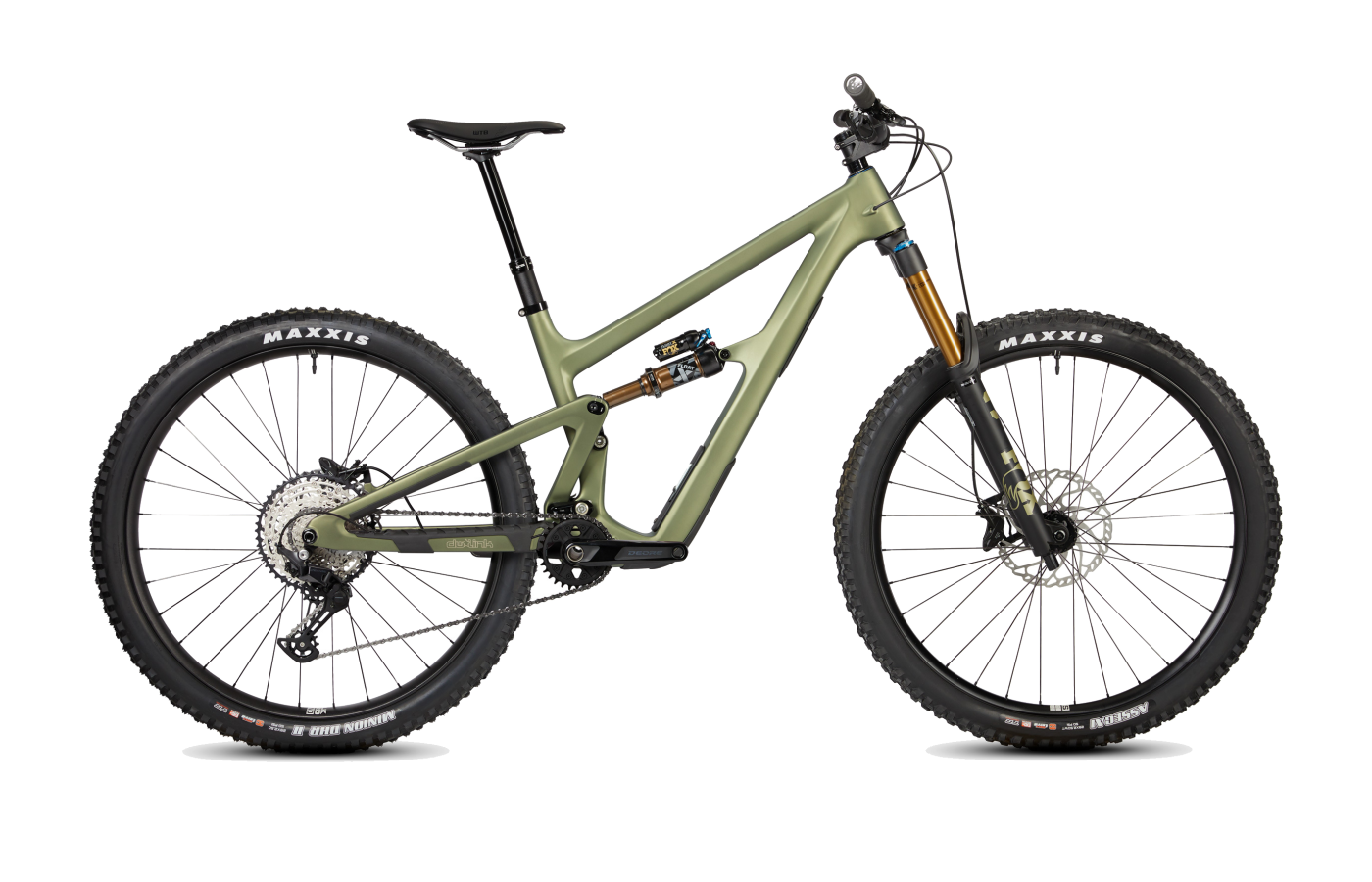
The Ibis Ripmo also runs a DW-Link platform, with slightly more travel (147 mm rear / 160 mm front) and a reputation for being the calmer, more traction-oriented version of the genre. If you like the Pivot's suspension philosophy but want a less expensive carbon entry point, this is the obvious cross-shop.
Compare →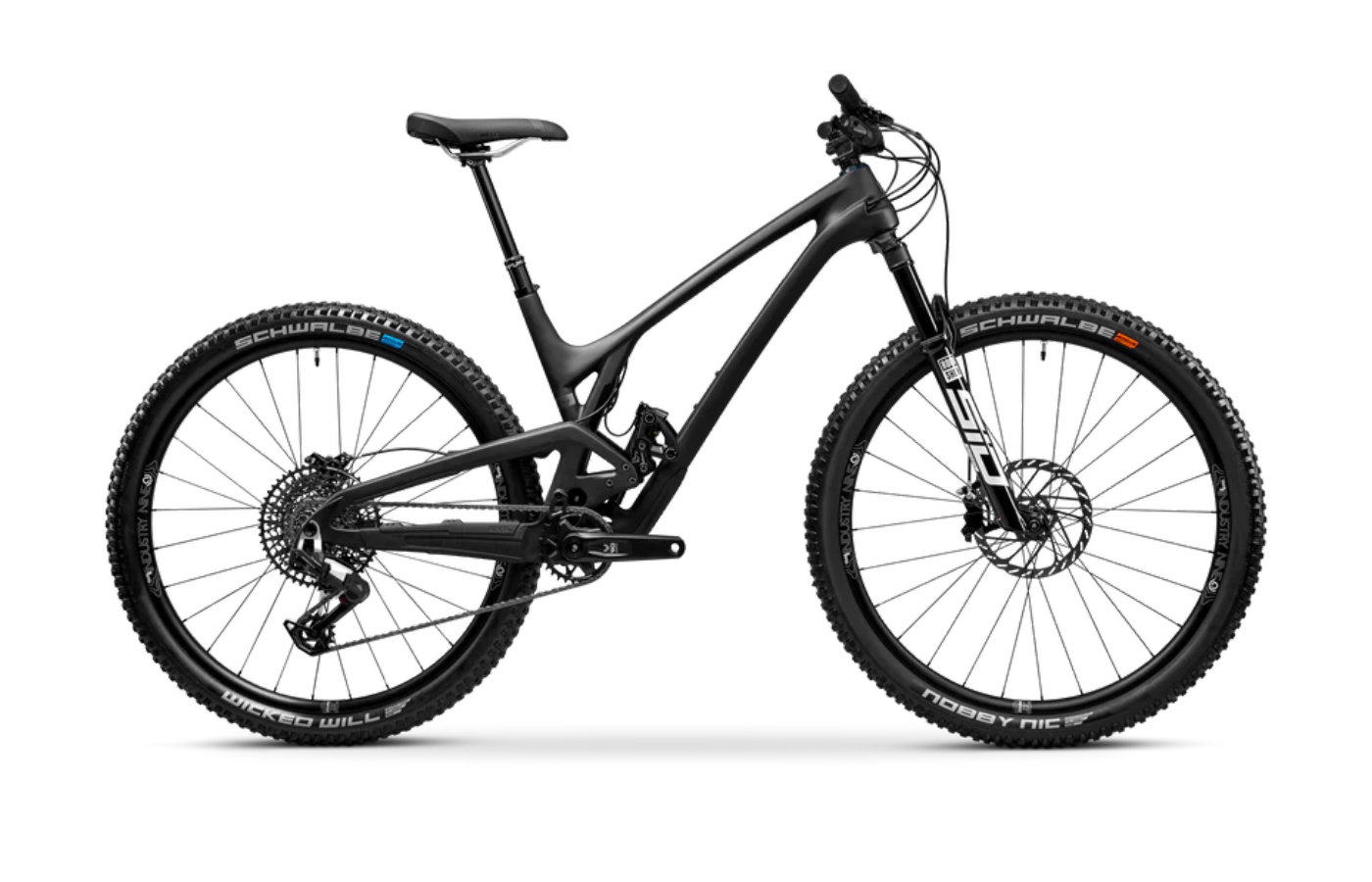
Following
If the Offering's jib-machine character appeals but you ride mellower terrain than 151 mm asks for, the Evil Following gives you Evil's poppy Delta-link suspension in a shorter-travel, even snappier package.
Compare →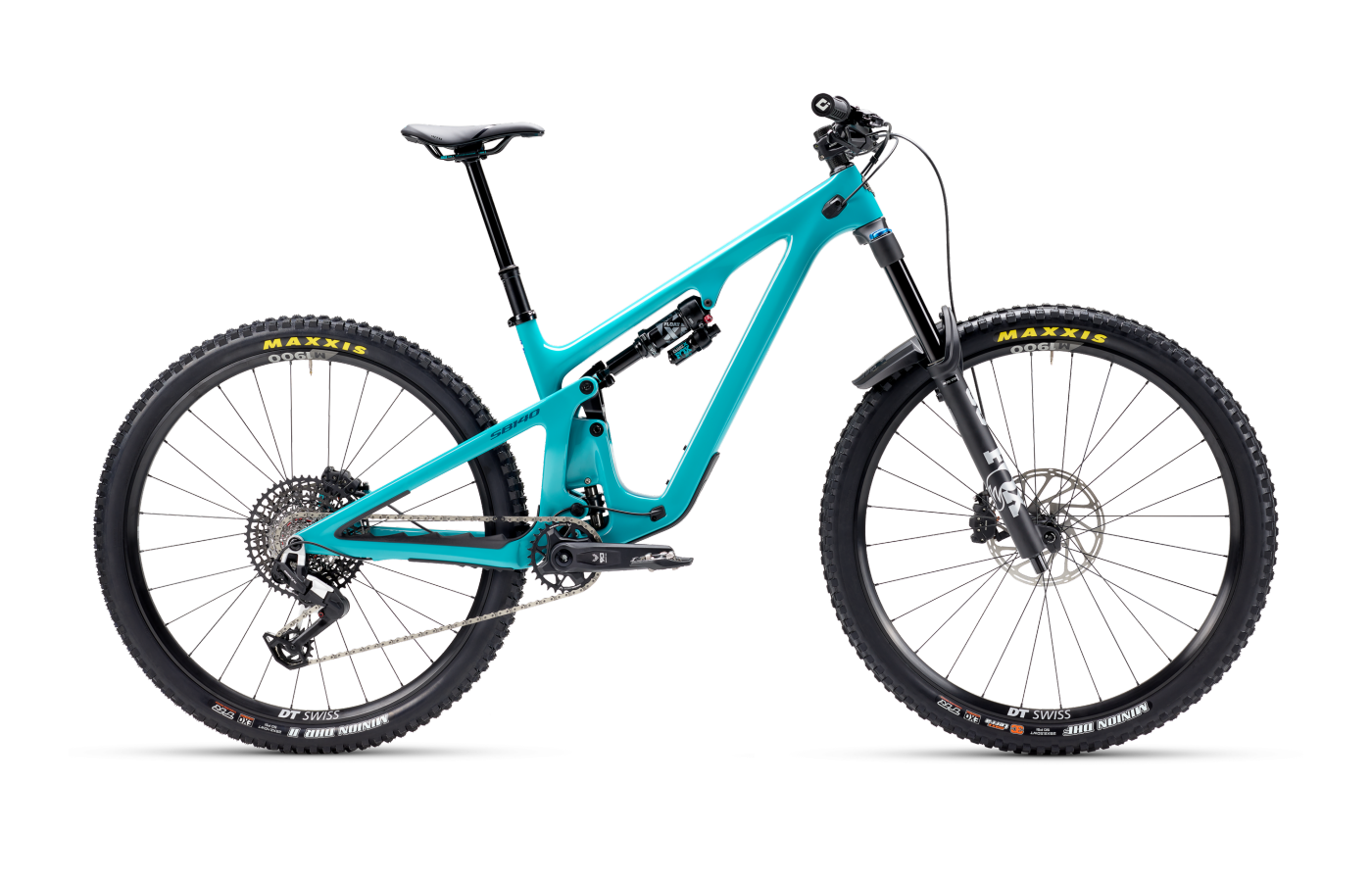
SB140
The Yeti SB140 (especially the Lunch Ride trim) splits the difference — Yeti's Switch Infinity suspension delivers composed bump absorption like the Switchblade with more of the Offering's playful punch. A useful third option if neither extreme fits.
Compare →