Insurgent
vsWreckoning
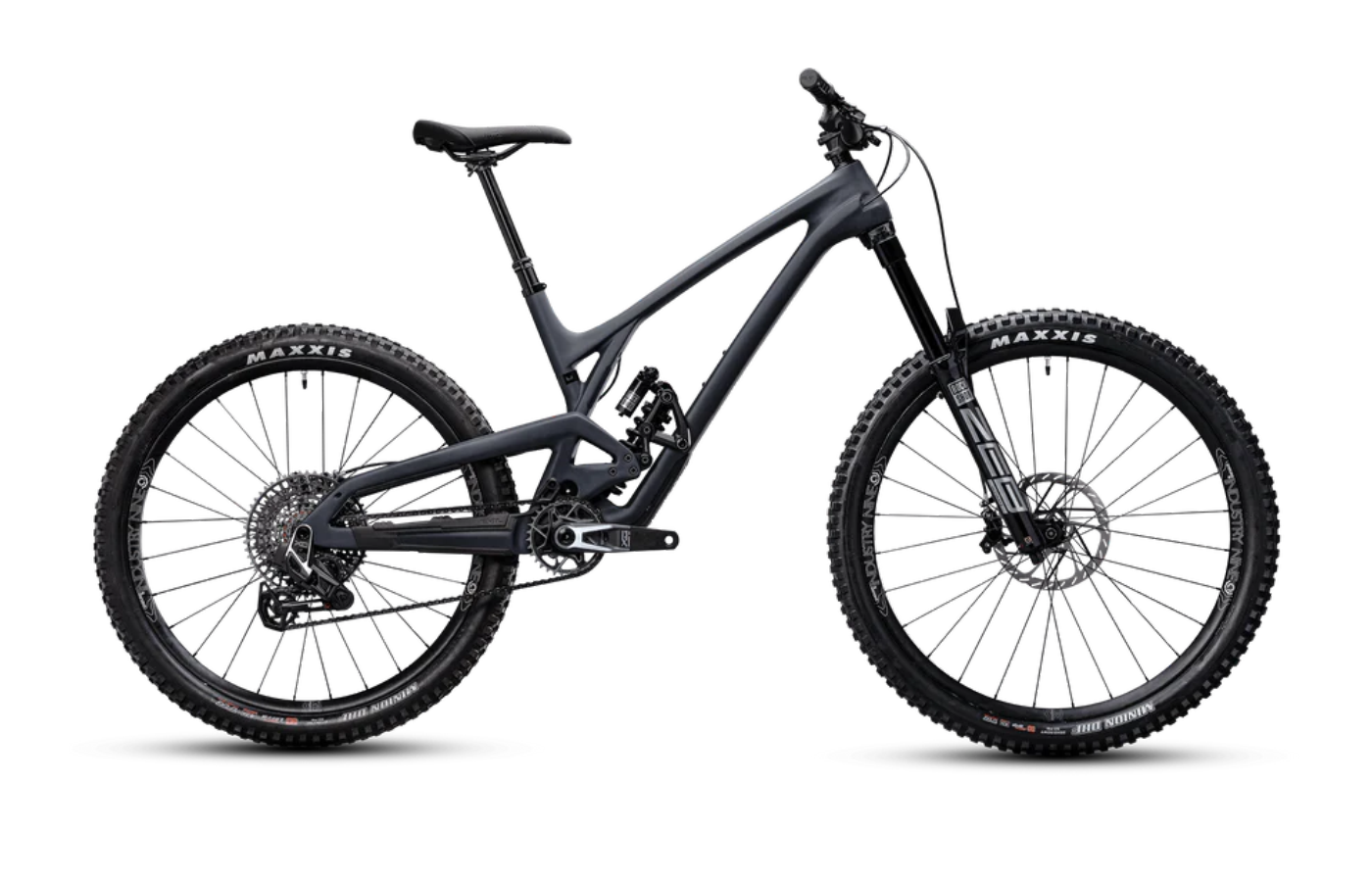
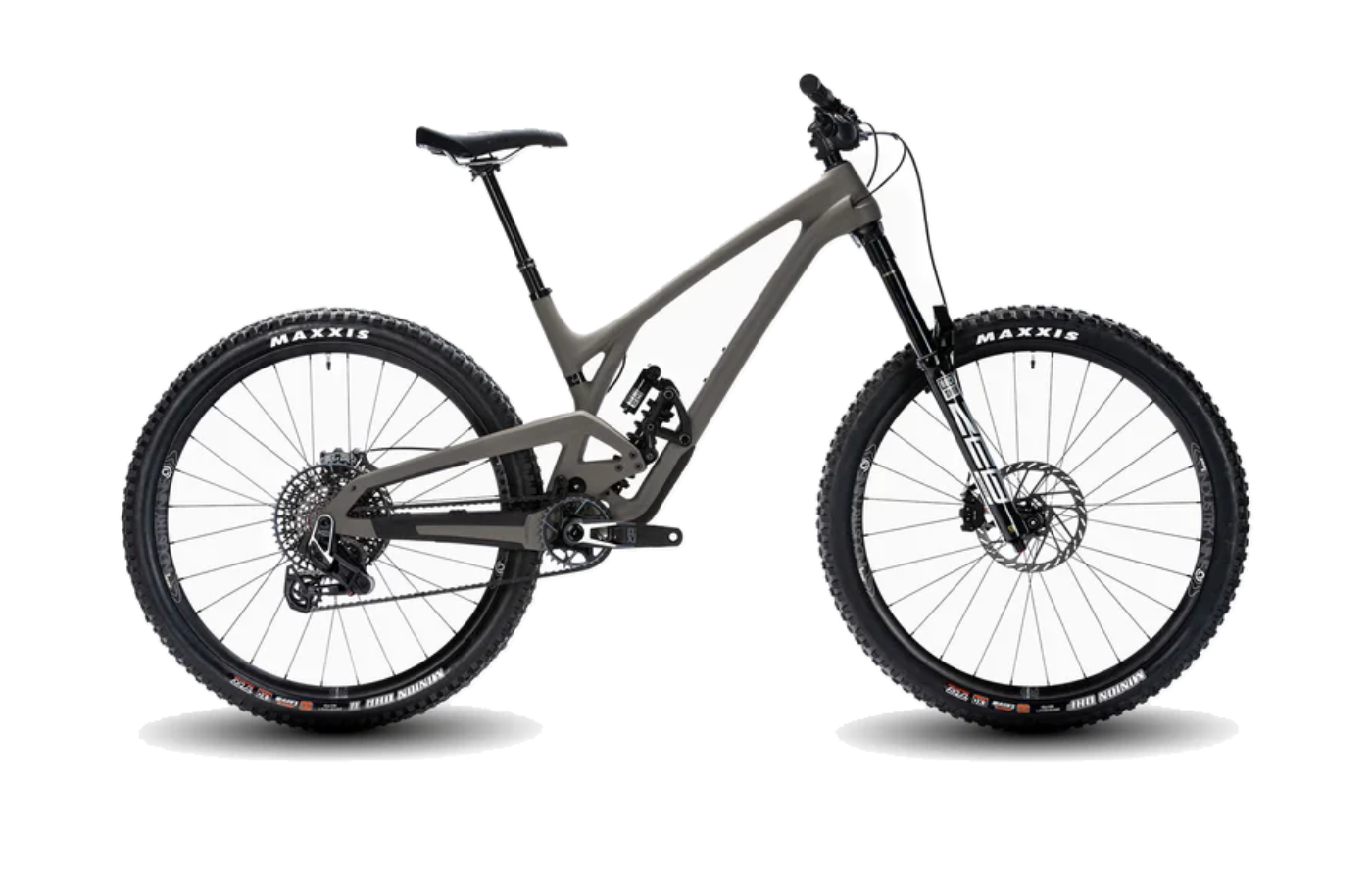
Same brand, same Delta, two different wheel philosophies.
The Insurgent runs a 29/27.5 mullet for flick. The Wreckoning runs full 29 for plow. Identical travel, identical price, very different bikes.
Insurgent
- Mullet agility — the 27.5" rear lets you whip the back end and rail tight corners that punish a long-travel 29er.
- Climbs above its travel class — Freehub: "the anti-squat really is that good," sitting just as composed seated as standing.
- Two-position flip-chip — Low (65.3° HTA) for everyday balance, X-Low (64.2°, 131 mm trail) for park days and steep terrain.
- 27.5" rear gives up some braking traction and rollover vs. a full 29er.
- Super Boost 157 rear limits future wheel options and adds replacement-part friction.
Wreckoning
- Full-29er stability — Cycling Magazine called it a "magic carpet ride"; it crushes rough terrain at speed without deflecting.
- Mini-DH composure — matched 170 mm ZEB Ultimate / 166 mm coil rear ramps progressively to swallow huge hits.
- Surprisingly playful for a 29er — 430 mm chainstays keep it slicey and easy to whip despite the full big-wheel platform.
- Less nimble than a mullet in tight, slow, technical corners.
- Same Super Boost 157 wheel-compatibility headache as the Insurgent.
Editor’s analysis
If you've read this far, you already know you want an Evil — the only question is which wheel size answers your trails.
On paper, the Evil Insurgent and Evil Wreckoning are nearly the same bike. Both are 168/166 mm Delta-link enduro carbon platforms, both ride a 170 mm RockShox ZEB Ultimate fork, both run Super Boost 157 rear spacing, both span $4,699 to $8,499 across four near-identical SRAM build kits. Frame, suspension, and component philosophy are shared. The split is at the rear wheel — and it's a much bigger split than the spec sheet suggests.
The Evil Insurgent is the mullet. A 27.5" rear behind a 29" front shortens the back end's effective wheelbase, plants more rider weight over the smaller wheel, and gives reviewers what Freehub called the ability to "change direction like a house fly." The Insurgent's geometry leans into that: in the slack X-Low setting it runs a 64.2° head tube, 131 mm trail, and a 76.9° seat angle — but riders consistently choose Low for everyday riding (65.3°, 116 mm trail, 78.2° STA), where it climbs surprisingly well and corners on a dime. The mullet asks for active body input and rewards it.
The Evil Wreckoning is the 29er. Same Delta linkage, same ZEB up front, but a full 29" rear that tracks straighter, brakes harder, and gets into trouble less when the line goes sideways. Reviewers call it a "mini-DH bike" and a "magic carpet ride" — the chainstays stay short at 430 mm so it's still playful for a long-travel 29er, but the comparison stops there. The Wreckoning prefers to be pointed downhill at speed and held on. It's the bike for chunky, fast, no-look terrain.
Put crudely: the Insurgent is the bike you whip into corners. The Wreckoning is the bike you let off the brakes. If your local riding is technical, tight, and rewards a flickable rear end, get the Insurgent. If it's fast, rough, and you want the bike to do the work, get the Wreckoning.
Where the builds differ.
Comparing our editor's-pick builds side-by-side. Winners highlighted row-by-row — lower price and weight, and the better-spec component, each mark a point.
Build variants & pricing
Both lineups are mirrored top-to-bottom — XX, X0, Eagle 90, GX — at identical $4,699 to $8,499 price points. The component story is the same; the frame is the choice.
All four builds on both bikes ship with the same RockShox ZEB Ultimate fork and Super Deluxe Coil Ultimate shock — Evil's spec strategy is to never compromise suspension, even on the GX entry build. Prices are current US MSRP.
How they fit, how they steer.
Insurgent SMALL is shown in the Low setting (everyday default). Vs. the Wreckoning S, the Insurgent sits 9 mm lower, 11 mm longer in reach, 10 mm tighter in trail, and 14 mm longer in wheelbase — and its seat angle is 1.2° steeper.
Which size should I buy?
Both bikes come in four sizes; the Insurgent labels them SMALL/MEDIUM/LARGE/X-LARGE while the Wreckoning uses S/M/L/XL — same intent, different conventions.
→These are starting points. Flexibility, riding style, and preferred position all shift the answer — if you’re between sizes, a professional fit beats a chart.
What the magazines said.
Published reviews from trusted cycling outlets. Click through for the full write-up.
Which one should you buy?
If your trails are tight, technical, and reward flick, get the Insurgent. If they're fast, chunky, and reward composure, get the Wreckoning.
Insurgent
If you want one bike that climbs above its travel, whips into corners, pops off every lip, and handles park days when asked — but you ride mostly trail, not racing — the Insurgent is the more versatile of the two. The mullet platform punches well above its travel for agility.
Wreckoning
If your favorite trails are fast, rough, and unforgiving — and you'd rather plow than dodge — the Wreckoning is the more capable bike on raw descents. It's a true mini-DH with enough pedaling efficiency to earn the descent on its own.
Questions buyers actually ask.
Short answers to the things we get emailed about most often.
01Which one descends faster on rough, fast trails?
The Wreckoning, by a clear margin. Its full 29" rear wheel rolls over square-edged hits the Insurgent's 27.5" rear has to absorb instead of deflecting, and reviewers consistently described it as a "mini-DH bike" that "smashes through compressions that might deflect a less-burly machine" (BikeRadar / Freehub).
The Insurgent is no slouch — Freehub also called it "tremendously composed through the chunk" — but on the very fastest, roughest terrain, the bigger rear wheel of the Wreckoning is doing the work for you.
02Which one is more fun in tight, technical corners?
The Insurgent. The 27.5" rear lets you pivot the bike around the back wheel in a way no full 29er can match — Freehub described it as cornering "on a dime," and the same reviewer's Wreckoning notes mention it can feel "a bit cumbersome" in the very tightest switchbacks.
If your local trails are slow, twisty, and demand active rear-wheel input, the mullet is the right tool.
03How do they actually compare on the climbs?
Closer than you'd expect — both are surprisingly efficient long-travel enduro bikes thanks to the high anti-squat of Evil's Delta linkage. The Insurgent has the slightly steeper seat tube (78.2° in Low vs. the Wreckoning's 77°) and reviewers called out it "climbed noticeably better than my Reckoning" (NIC ADV).
The Wreckoning is competitive but not class-leading — multiple reviewers noted that in the slacker X-Low geometry setting the rider's weight feels a bit too far back on steep technical climbs.
04Are the geometries really that different?
At the same compared size (Insurgent SMALL / Wreckoning S, both fit-picked for a 5'8" rider), they're closer than the wheel-size split implies. Insurgent in Low: 65.3° HTA, 612 mm stack, 456 mm reach, 116 mm trail, 1211 mm wheelbase, 78.2° STA. Wreckoning S: 65.2° HTA, 621 mm stack, 445 mm reach, 126 mm trail, 1197 mm wheelbase, 77° STA.
Net: the Insurgent is a touch longer and lower with a steeper seat angle. The Wreckoning has more trail (a planted 29er front end). Both share 430 mm chainstays.
05What's the flip-chip do, and which setting should I use?
Both bikes have a flip-chip that swaps between two geometry positions. On the Insurgent, that's Low and X-Low — Low (65.3° HTA) is the everyday setting; X-Low (64.2°) slackens the head tube a full degree and is closer to a bike-park config. On the Wreckoning, the same Low / X-Low chip drops the BB ~9 mm and slackens the head angle by ~0.6°.
Both bikes ship and ride best in Low for general trail use. Switch to X-Low for shuttle days, lift-served park, or genuinely steep terrain where you want the slacker front end.
06Why Super Boost 157 rear spacing, and is that a problem?
Evil uses the wider Super Boost 157 rear hub spacing on both frames to widen the main pivot, stiffen the rear triangle, and improve mud clearance. The performance argument is real — Freehub: "increased stiffness and strength means you can flex on your riding partners instead of your bike."
The trade-off is real too. Standard Boost 148 wheels won't fit, and most aftermarket wheelsets ship in 148. NIC ADV: "a bit annoying… for finding replacements." If you swap wheels often or already own Boost 148 wheels, factor that in.
07How is the Eagle 90 build vs. spending up to X0 or XX?
The Eagle 90 build at $6,199 is the value sweet spot on both bikes. You get the same RockShox ZEB Ultimate fork and Super Deluxe Coil Ultimate shock as the $8,499 XX build — Evil's published spec strategy is to keep top-tier suspension on every build — plus SRAM's Eagle 90 T-Type AXS Transmission drivetrain.
Moving up to X0 ($7,499) or XX ($8,499) buys you a higher-tier T-Type derailleur, lighter cranks, and on the XX, SRAM Maven Silver brakes (a notable upgrade for heavy or aggressive riders, per Freehub). If braking power matters, the XX is worth a look. Otherwise the Eagle 90 covers the rider experience.
08Which one should I pick if I can only own one bike?
If your trail mix leans technical, varied, and you ride at trail-bike pace as often as enduro pace — the Insurgent. The mullet's agility makes it more forgiving of slow, awkward terrain and it climbs fractionally better.
If your trail mix leans toward bike park, shuttle laps, and pointed-downhill riding where you want the bike to feel planted at speed — the Wreckoning. It's the more specialist tool, but in its element it's hard to beat.
Similar bikes
If your priorities don’t map cleanly onto either of these, one of these adjacent bikes probably fits better.
Offering
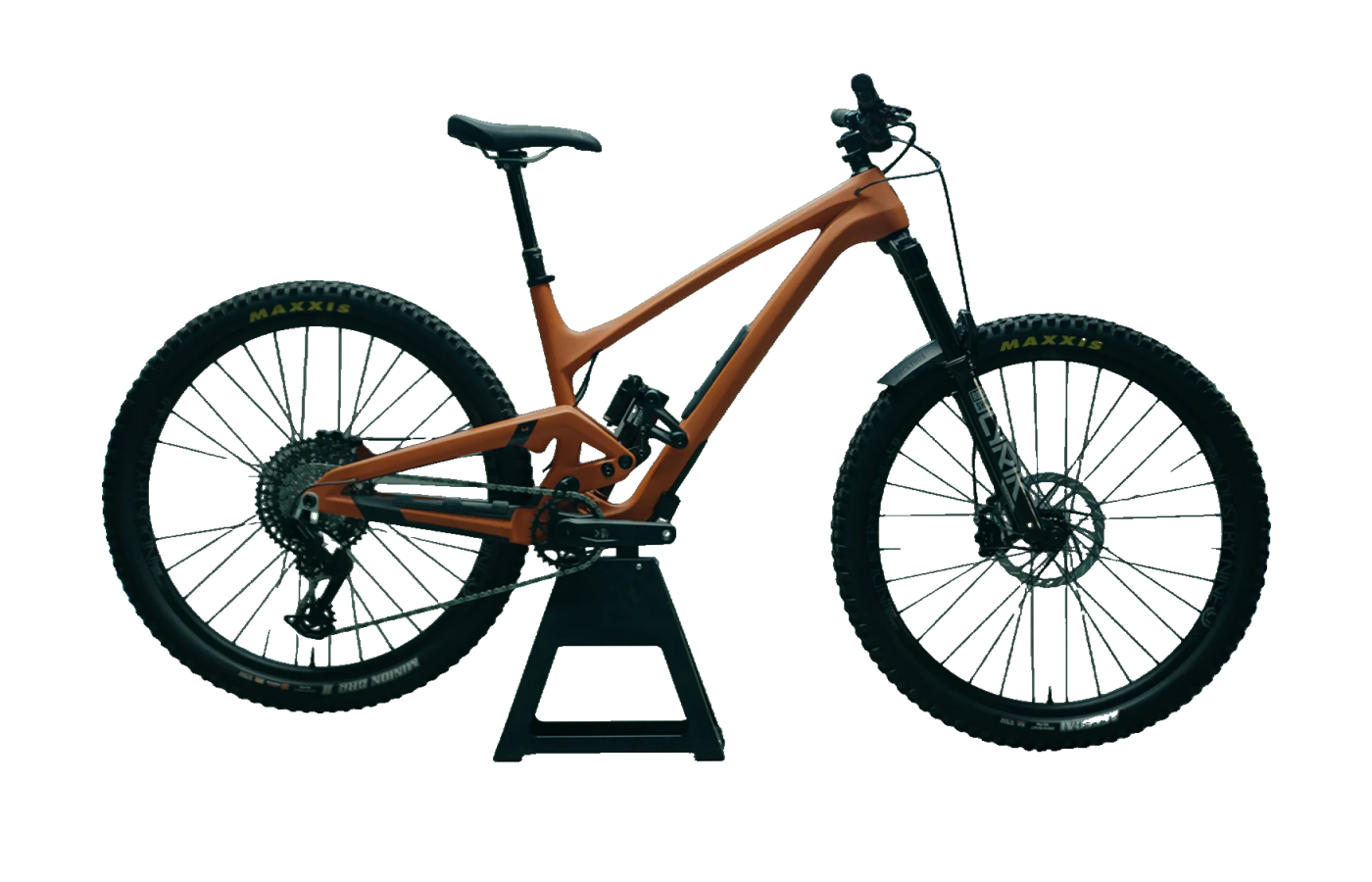
If 168 mm of travel is more than you need, the Evil Offering keeps the same Delta-link character in a shorter-travel all-mountain package. Same brand DNA, less bike.
Compare →Spire
Transition's full-29er enduro alternative to the Wreckoning — reviewers call out more raw high-speed stability than the Wreckoning, at the cost of some of Evil's playfulness.
Compare →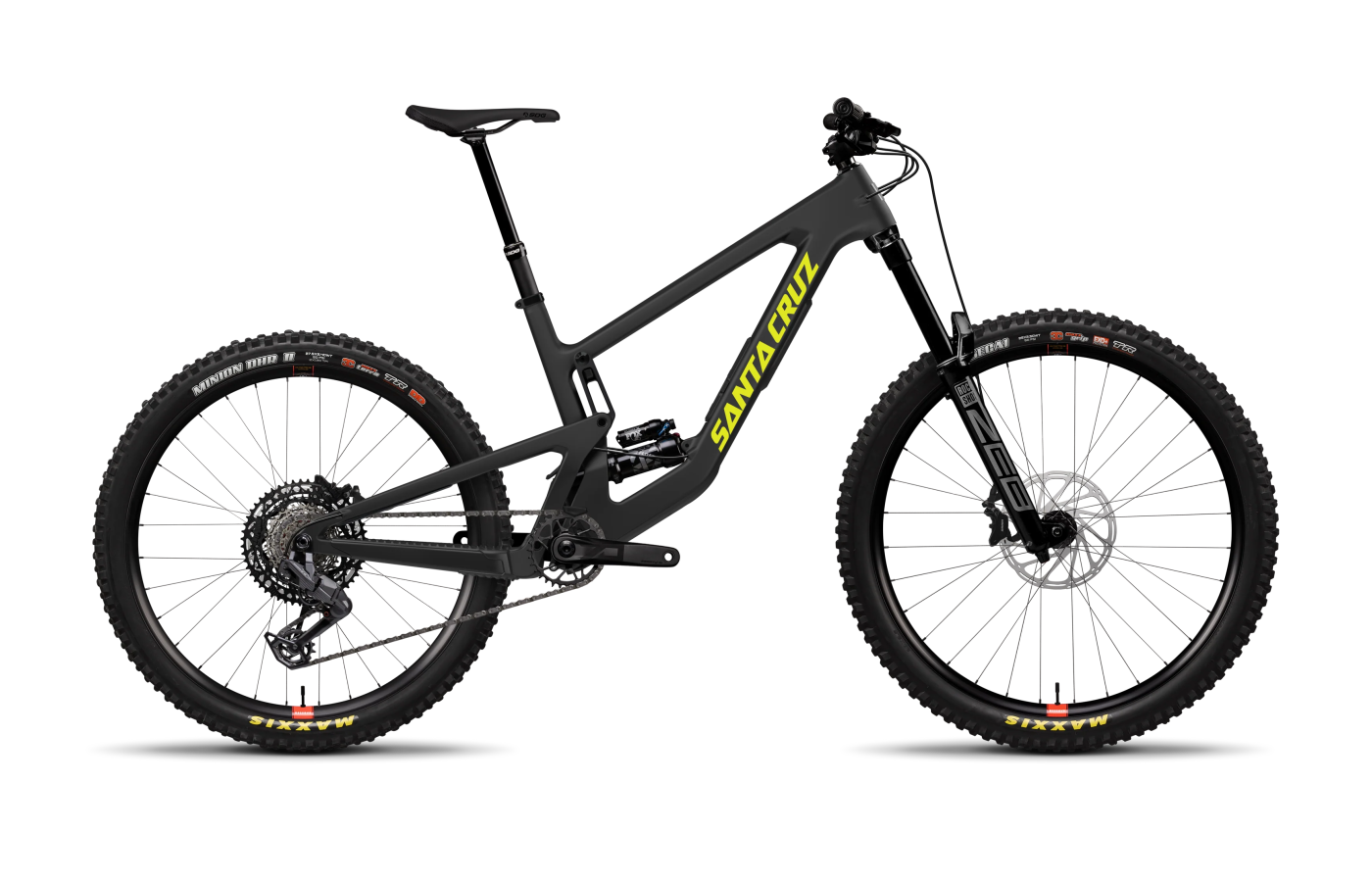
Nomad
Santa Cruz Nomad in mullet trim — the closest cross-shop to the Insurgent. Long travel, mixed wheels, similarly playful intent, with VPP suspension instead of Delta.
Compare →