Following
vsTallboy
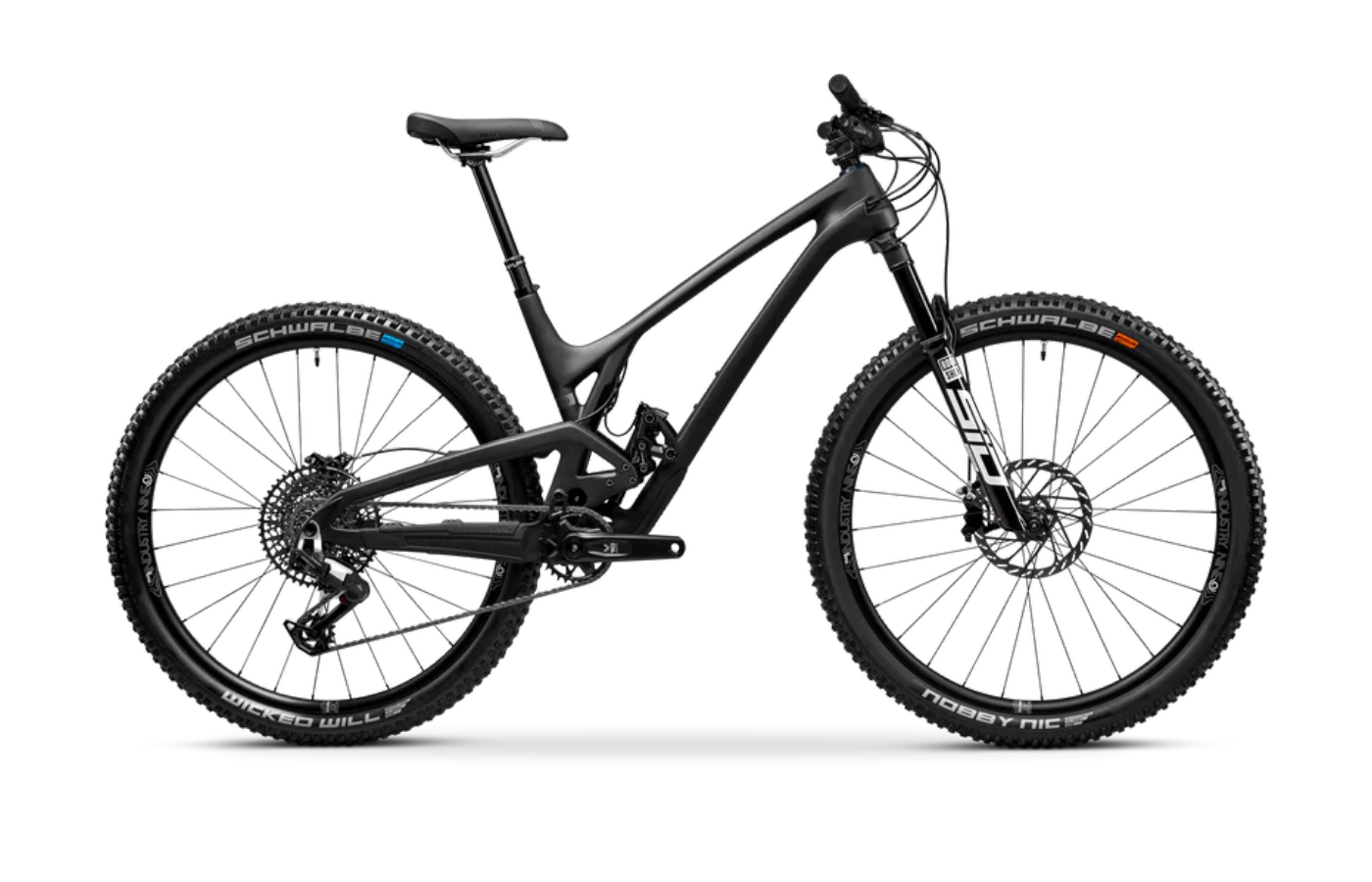
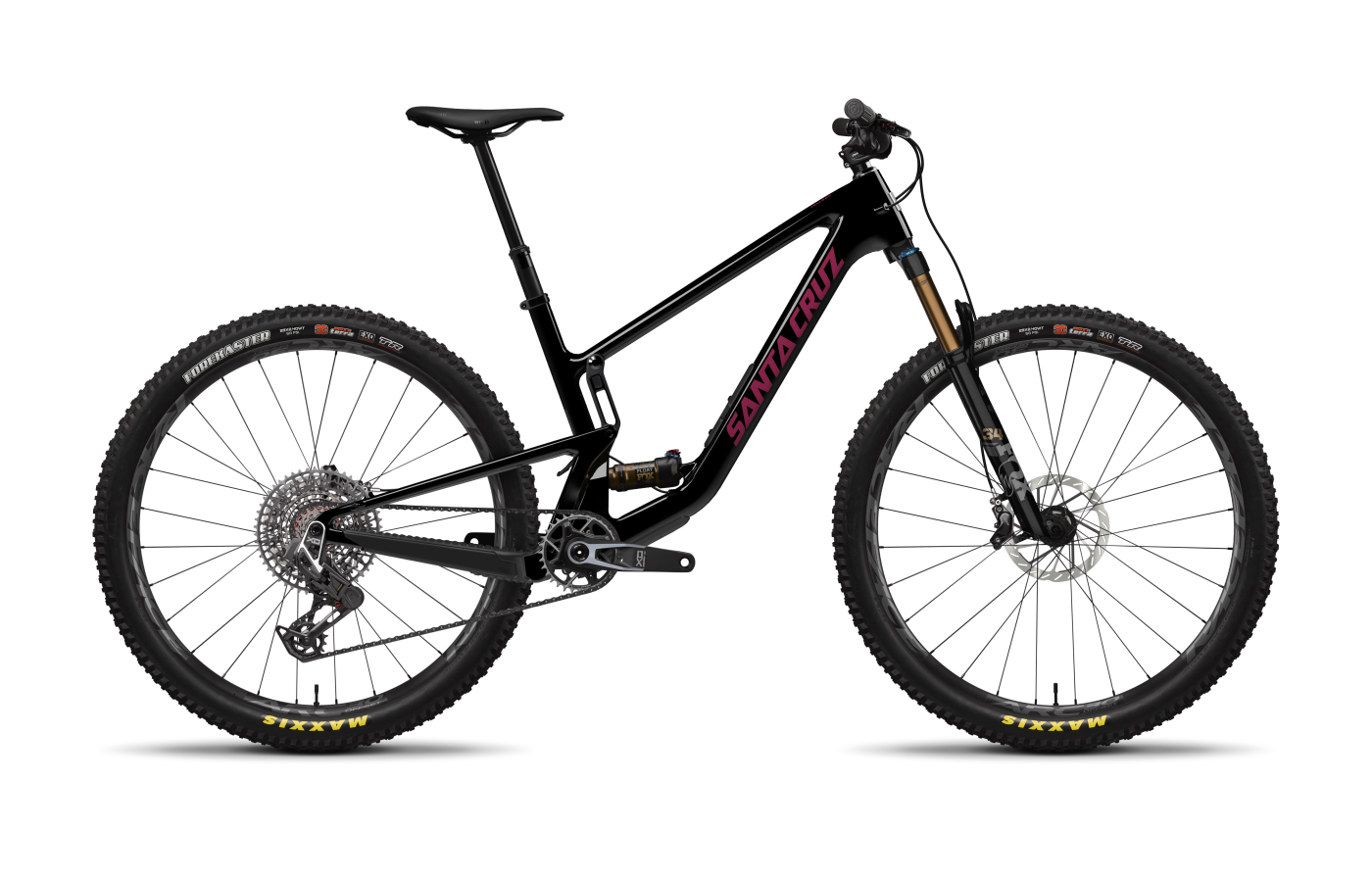
Two short-travel 29ers, two personalities.
The Following is the punk-rock jib bike with DELTA magic. The Tallboy is the downhiller's XC rig — stout, planted, ready to be charged.
Following
- DELTA suspension — dual-progressive curve reviewers call 'bottomless,' punching far above 120 mm.
- Playful, poppy character — 430 mm chainstays and a snappy frame make every root a takeoff.
- Lifetime bearing replacement — Evil replaces DELTA bearings forever, offsetting the linkage's complexity.
- Steep 66.6-degree head angle can feel twitchy at very high speeds.
- Super Boost 157 rear spacing limits aftermarket hub choices.
Tallboy
- Planted high-speed composure — slacker 65.7-degree HTA and a stout chassis feel like a 140 mm bike.
- Size-specific chainstays (430–443 mm) keep weight centered across the size run, not just on medium.
- Glovebox internal storage plus grease ports on the lower VPP link — real livability wins.
- Frame rigidity can feel harsh on long, rough rides.
- Stock SRAM Level brakes are under-gunned for the bike's descending ambition.
Editor’s analysis
Same 120 mm rear, same 130 mm fork, same category — and almost nothing else in common.
On paper, the Evil Following and the Santa Cruz Tallboy are twins: 120 mm rear / 130 mm fork, 29-inch wheels, short-travel bikes unafraid of the descent. But line them up and the philosophies diverge fast. The Following chases a magic-carpet feel through Dave Weagle's DELTA linkage. The Tallboy chases planted, predictable composure through a beefed-up VPP chassis that reviewers call 'steroidally hench.'
The Evil Following is the twitchier, livelier animal. Its 66.6-degree head angle is steep by modern trail standards, and 430 mm static chainstays across every size give it a poppy, flickable rear end that 'corners like an absolute monster.' DELTA delivers supple small-bump, a supportive middle, and a bottomless ramp — reviewers describe the trail 'disappearing underneath you.' It rewards precision and creativity; one reviewer called its high-speed manner 'a little twitchy,' which is the other side of that same quickness. Playful bike first, capable bike second.
The Santa Cruz Tallboy takes the opposite path. A slacker 65.7-degree head angle, size-specific chainstays (433 mm on a medium, 443 mm on an XXL), and a stiffer size-tuned carbon layup give it the feel of a 'short-travel Hightower.' Santa Cruz dialed back the anti-squat and progression for V5, so the bike rides higher in its stroke and slingshots out of berms — fast, snappy, composed. The tradeoff is frame stiffness: one reviewer called it 'relentlessly rigid' and 'uncomfortably uncooperative' on long off-piste days. The Following would have given more there.
So the split is clear. The Following is the bike you buy when you want a 120 mm rig that feels like a toy — one that makes every root a takeoff and rewards finding lines. The Tallboy is the bike you buy when you already own an enduro bike and want a smaller version that behaves like its bigger sibling. Neither is better. They're answers to different questions.
Where the builds differ.
Comparing our editor's-pick builds side-by-side. Winners highlighted row-by-row — lower price and weight, and the better-spec component, each mark a point.
Build variants & pricing
Both lineups top out around $11k. The Tallboy starts cheaper — down to $4,799 for the alloy-wheeled R build — while the Following's floor is $6,199.
Prices are current US MSRP. The Tallboy offers a two-tier carbon grade (C and CC) and a lower entry point; the Following keeps things simpler with one carbon frame and four builds.
How they fit, how they steer.
Medium on both. The Following runs 5 mm longer in reach (460 vs 455 mm), but the Tallboy sits 15 mm taller at the stack (619 vs 604), runs roughly a degree slacker at the head (65.7 vs 66.6), and uses 433 mm size-specific chainstays against Evil's static 430 mm. Net: the Tallboy is steadier downhill; the Following is quicker-steering.
Which size should I buy?
Sizes overlap closely through the middle. The Tallboy extends further at both ends, offering XS through XXL against the Following's S–XL.
→These are starting points. Flexibility, riding style, and preferred position all shift the answer — if you’re between sizes, a professional fit beats a chart.
What the magazines said.
Published reviews from trusted cycling outlets. Click through for the full write-up.
Which one should you buy?
If you want a playful jib-bike that erases chatter, get the Following. If you want a stout short-travel rig that charges like a bigger bike, get the Tallboy.
Following
If your favorite part of a ride is pulling manuals, popping off side hits, and threading precision lines through rooty chatter, the Evil Following's DELTA suspension and short rear end feel purpose-built for you. It punches well above its travel class, but rewards riders who like to interact with the trail rather than plow through it.
Tallboy
If you already own an enduro bike and want a mini-me for power-hour loops — or you like charging fast blue-flow trails on a short-travel rig — the Santa Cruz Tallboy delivers. The VPP slingshot out of corners and planted high-speed manners reward aggressive, centered riding. Budget for a brake upgrade.
Questions buyers actually ask.
Short answers to the things we get emailed about most often.
01Which is more playful?
The Evil Following, clearly. DELTA is tuned for a dual-progressive curve — supple early, supportive in the middle, bottomless at the end — and the 430 mm chainstays (static across every size) make the bike eager to lift, manual, and pop off side hits. Reviewers reach for words like 'magic carpet,' 'poppy,' and 'punk rock' to describe the feel.
The Santa Cruz Tallboy is capable of playful riding, but it leans toward a planted 'slingshot through the berm' character rather than an 'every root is a takeoff' one.
02Which climbs better?
Roughly a wash, with different strengths. Both use steep ~76-degree seat tube angles and efficient platforms.
The Tallboy has published weights — the top XX AXS RSV is 28.74 lb (13.04 kg); the GX AXS is 30.21 lb. Evil doesn't publish stock Following weights, but reviewers tested a 31.8 lb X01 AXS build and called it 'average at climbing' due to frame weight. The Tallboy generally wins technical seated climbs thanks to active VPP traction. The Following answers with snappier out-of-saddle acceleration and, on the top build, Flight Attendant for automated lockout.
03How do they descend compared to their travel?
Both punch above 120 mm, but in different directions.
The Evil Following erases chatter. DELTA's bottomless ramp makes the trail 'disappear underneath you' (reviewer language), so rooty, square-edge terrain feels smoother than the travel number suggests. The catch: the 66.6-degree head angle can feel twitchy when speeds climb above ~25 mph on rough terrain.
The Santa Cruz Tallboy is the other direction — slacker 65.7-degree HTA, longer wheelbase, and the planted composure of a 'short-travel Hightower.' It's the better pick for full-send high-speed descents. But the limited travel shows on double-black chunder; reviewers say it needs a 'precise hand' and lacks the enduro bike's 'safety blanket.'
04What's the difference between DELTA and VPP?
Evil's DELTA (Dave's Extra Legitimate Travel Apparatus) is a linkage-driven single pivot designed by Dave Weagle. A multi-link actuation generates the supple beginning, supportive middle, and progressive end — the 'bottomless' feel reviewers consistently mention.
Santa Cruz's VPP (Virtual Pivot Point) uses two short co-rotating links. For V5, Santa Cruz lowered the leverage ratio and reduced anti-squat, so the bike rides higher in its stroke and feels more sensitive to small bumps than the V4. Both platforms come with lifetime free bearing replacement from the brand.
05What are the stock brakes like?
This is the Tallboy's most-complained-about spec choice. Most Tallboy builds — including the GX AXS and X0 AXS tiers — ship with SRAM Level brakes, XC-grade, which reviewers consistently describe as 'under-gunned' for a bike marketed as 'the downhiller's XC rig.' Budget for a 4-piston upgrade (SRAM Code or Shimano 4-piston) if you plan to ride aggressively.
The Following's builds scale from SRAM Eagle 90 through X0 Transmission to XX SL Flight Attendant; brake specs vary by build but generally match the frame's ambition.
06Which frame is stiffer?
The Santa Cruz Tallboy, noticeably. Multiple reviewers describe the V5 chassis as 'steroidally hench' and 'relentlessly rigid' — great for precision on fast, hard-packed terrain, tiring on long, rough, off-piste rides. Santa Cruz also does a size-specific carbon layup, so larger frames are engineered stiffer for heavier riders.
The Evil Following is described as 'stiff and solid' too, but with more compliance in the overall package. Riders who spend long days on technical chatter tend to finish fresher on the Following.
07How do the sizes compare for a 5'8" rider?
Both land on a medium. The numbers are close, but the fit character differs:
- Evil Following medium: 460 mm reach, 604 mm stack, 66.6-degree HTA, 430 mm chainstay
- Santa Cruz Tallboy m: 455 mm reach, 619 mm stack, 65.7-degree HTA, 433 mm chainstay
The Tallboy sits 15 mm taller at the stack and almost a degree slacker — a more descent-biased cockpit. The Following runs 5 mm longer in reach with a steeper front end — quicker steering, more centered weight.
08Which is easier to live with long-term?
The Santa Cruz Tallboy, for most riders. Grease ports on the lower VPP link, fully guided internal cable routing, Glovebox downtube storage, threaded BSA bottom bracket, lifetime bearing replacement, and a lifetime frame warranty make it genuinely low-maintenance.
The Evil Following also offers lifetime bearing replacement — important, because the DELTA linkage is more complex and reviewers note it can be 'tedious to clean and service.' Super Boost 157 rear spacing also narrows aftermarket hub options. Both brands are widely regarded as excellent on warranty support.
Similar bikes
If your priorities don’t map cleanly onto either of these, one of these adjacent bikes probably fits better.
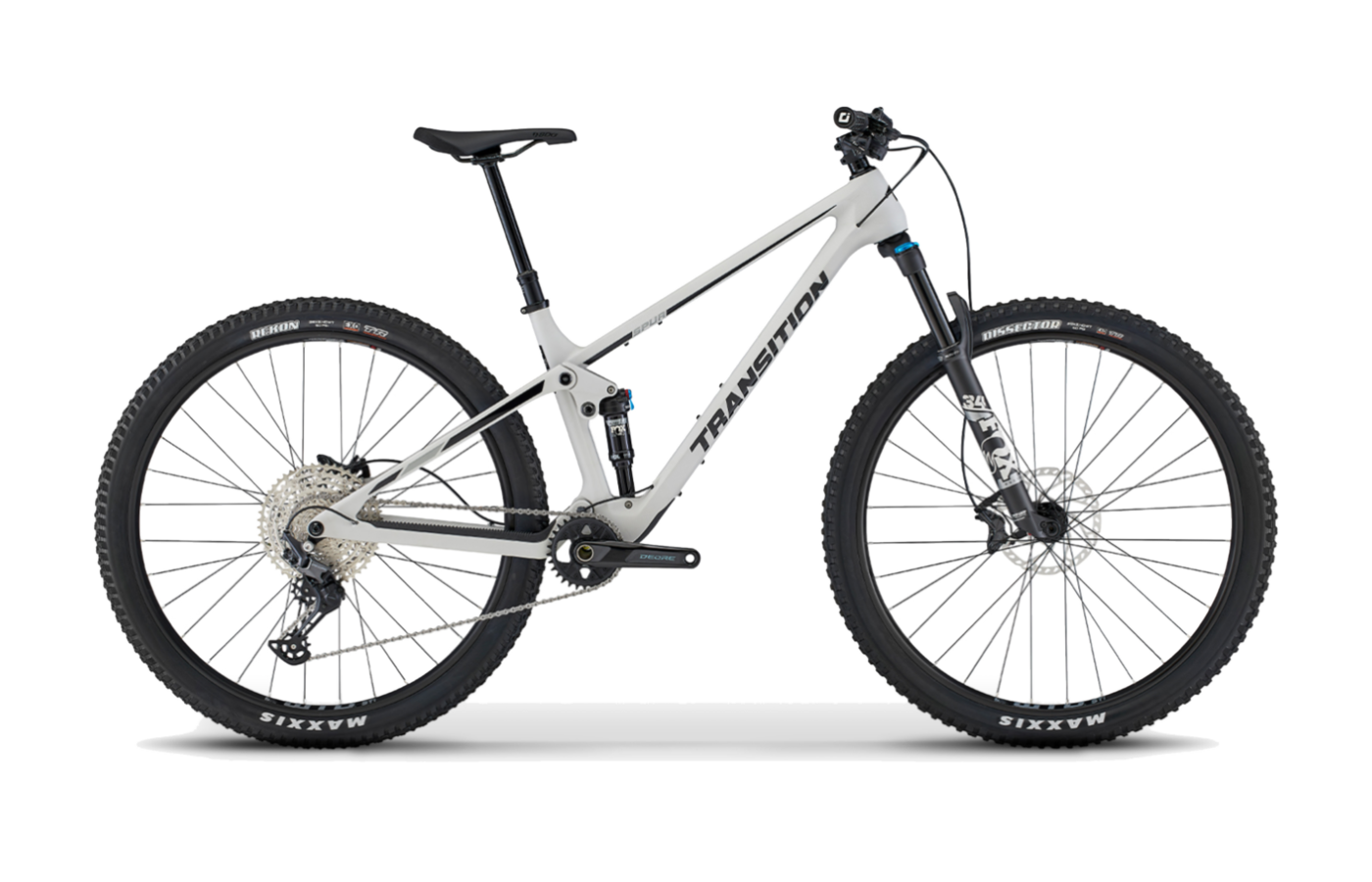
Spur
The lightest, most XC-leaning of the trio — the Spur is the downcountry pick if climbing matters more than plowing. Faster on marathon days; less forgiving when things get rowdy.
Compare →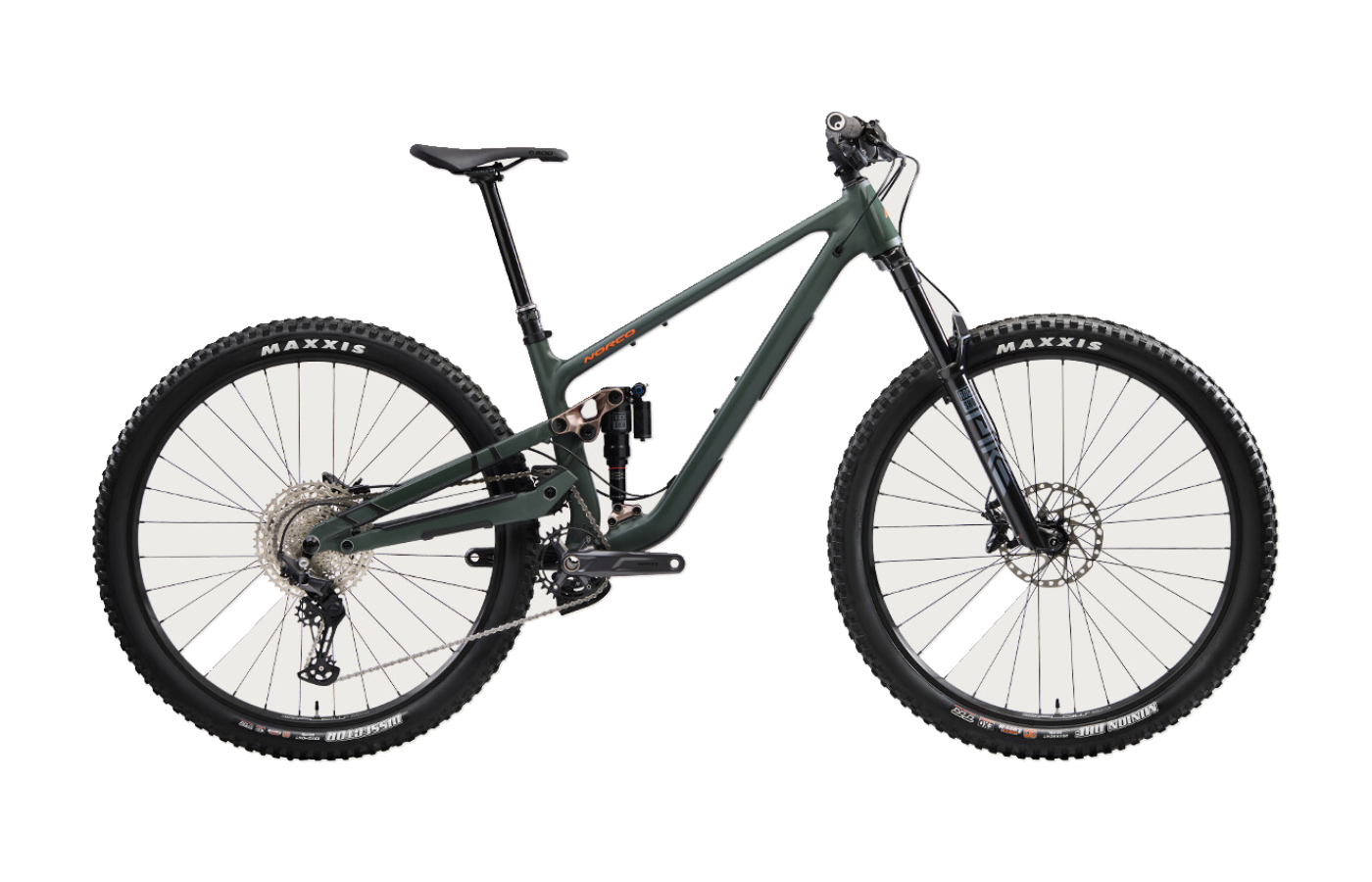
Optic
More aggressive geometry and a high-pivot-like rear end make the Optic the pick if you want the most descending capability in a 120 mm package.
Compare →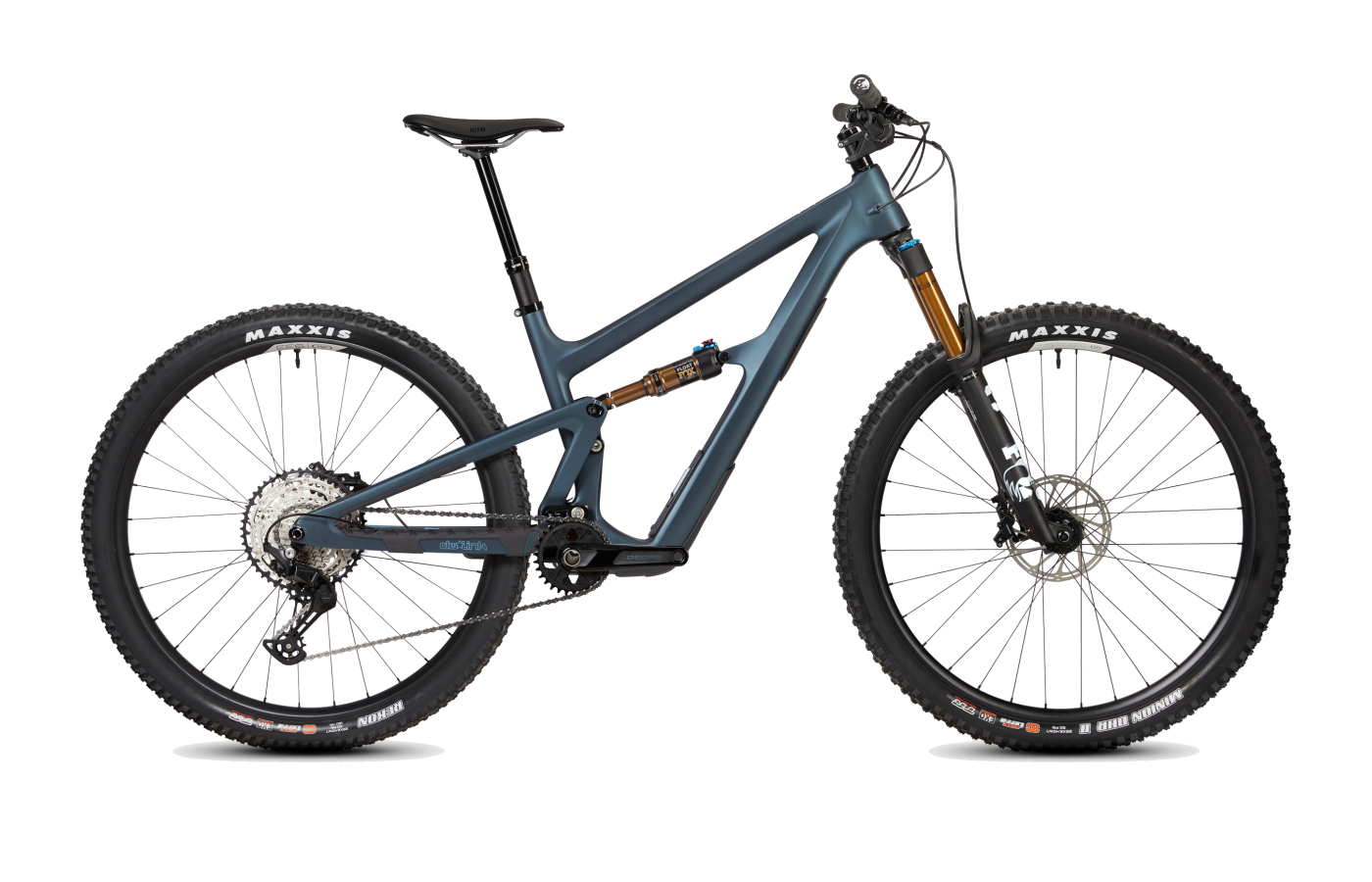
Ripley
A lighter, more traditional-feeling trail bike — the Ripley's DW-Link platform favors efficient long climbs over the Following's poppy bounce or the Tallboy's stout charge.
Compare →