ZFS-5
vsEpic
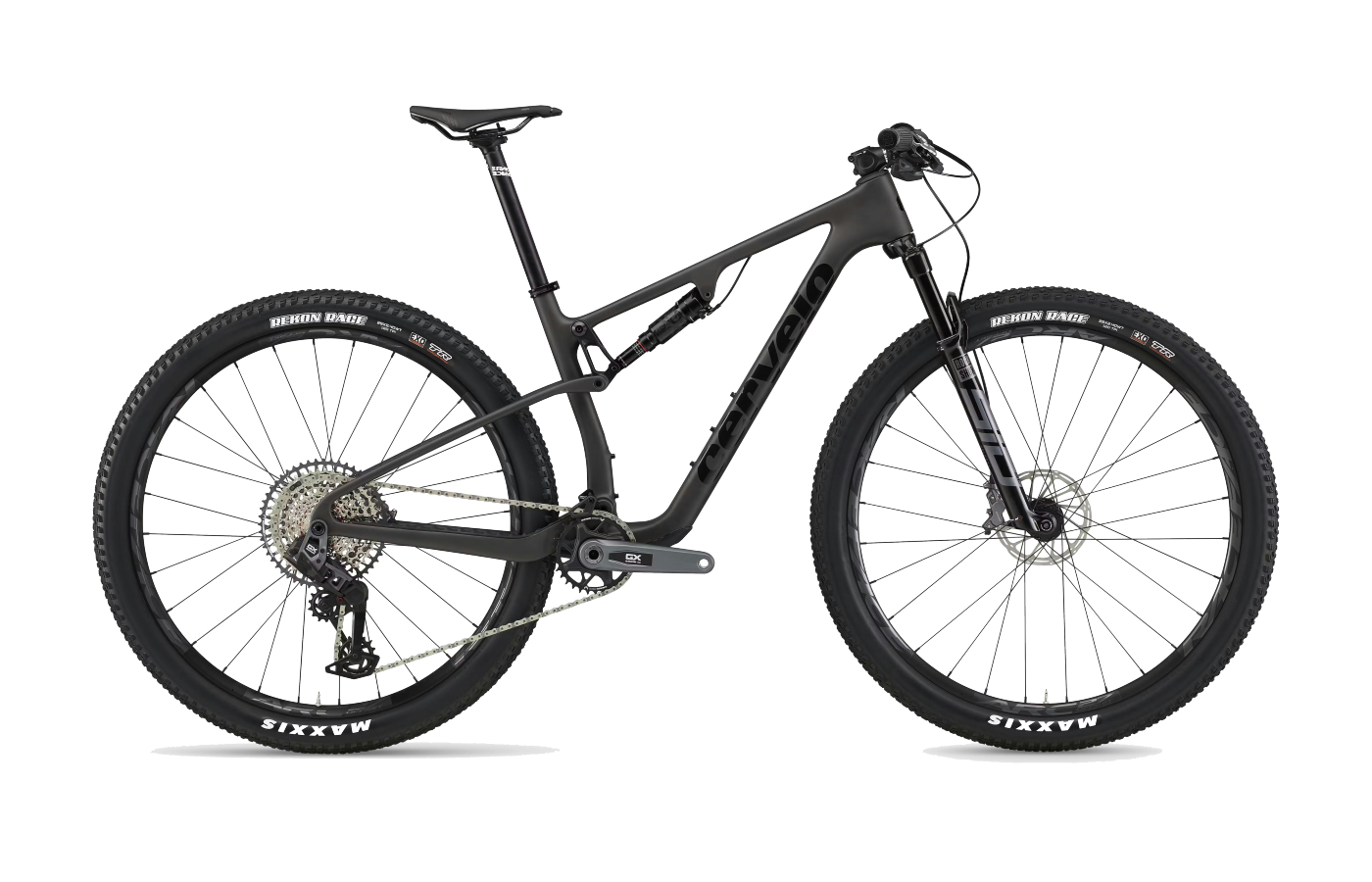
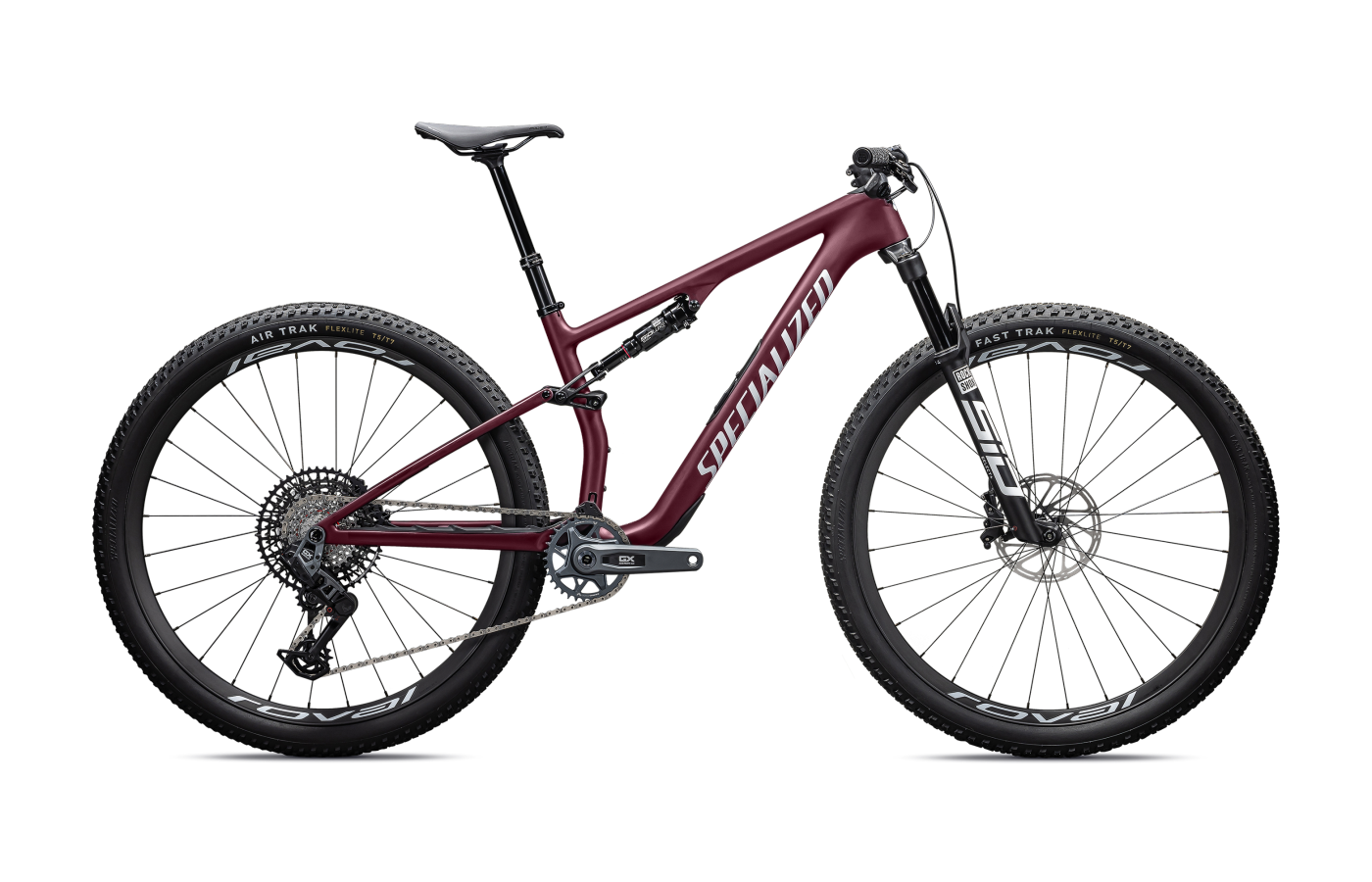
Two XC race bikes, one new and one all-new.
The Cervelo ZFS-5 is the lightweight insurgent — a roadie's first FS effort that landed shockingly capable. The Specialized Epic 8 is the genre's incumbent, rewritten.
ZFS-5
- Class-leading frame weight — bare frame around 1,472 g, complete builds well under 11 kg, one of the lightest FS XC frames on the market.
- Genuinely progressive geometry — 66.6-degree HTA in 120 mm trim with size-specific 432–440 mm chainstays for balanced handling across sizes.
- Reserve 28|XC wheels on most builds — 28 mm internal width, lifetime crash warranty, a real long-term value-add.
- 100 mm race builds (XX SL AXS, XTR) ship without a dropper — budget an immediate ~$500 upgrade.
- No internal frame storage; headset cable routing makes bearing service a chore.
Epic
- Most capable XC descender in the segment — 65.9-degree HTA, 120 mm fork, low BB make it ride more like a featherweight trail bike than a race rig.
- SWAT 4.0 internal frame storage on every build — ditch the hip pack for tube/tool/snacks in the downtube.
- Custom 'Magic Middle' shock tune — digressive damping that pedals firm and breaks open on impact, available all the way down to the Comp.
- Heavier than the ZFS-5 at every comparable build tier (8 Expert is ~11.15 kg vs Cervelo's GX AXS class).
- S-Works price tag is $14,999 — the most expensive non-motorized XC bike most reviewers have tested.
Editor’s analysis
Both bikes ship 120 mm of travel, FACT-class carbon, and World-Cup pedigree — but they get there from very different places.
On paper the Cervelo ZFS-5 and Specialized Epic 8 sit in the same modern-XC slot: 120 mm front and rear, 29" wheels, full carbon, race-DNA. Look closer and the design briefs diverge. The Epic 8 is Specialized's eighth swing at the Epic, and it's the most extreme: a 65.9-degree head angle, a 120 mm fork, integrated SWAT downtube storage, and a custom 'Magic Middle' shock tune that reviewers consistently call the platform's best trick. The ZFS-5 is Cervelo's first full-suspension MTB ever, and they took the conservative path — share Pon-stable DNA with the Santa Cruz Blur, then engineer a frame that's nearly 100 g lighter.
Geometry tells the cleanest story. The Specialized Epic in size M runs a 65.9-degree head angle, 450 mm reach, 1179 mm wheelbase, and 435 mm chainstays. The Cervelo ZFS-5 in size L (the fit-picked size for our 5'8" reference rider) runs a 67.8-degree head angle in the 100 mm setup or 66.6 in the 120 mm setup, with 469/457 mm reach and 437 mm stays. Translation: the Epic is markedly slacker and longer up front for its size, the ZFS-5 a touch more traditional XC even in its progressive 120 mm guise. The Epic descends like a featherweight trail bike. The ZFS-5 climbs like the lightest thing in the field.
Suspension philosophy is where the day-to-day ride feel diverges. The Epic 8's RockShox SIDLuxe with Magic Middle is a digressive tune — firm under pedaling, then 'pops open' on impact. Reviewers across PinkBike, BikeRadar, and Flow describe it as the most efficient pedaling Epic ever built, while still being capable on chunder. The ZFS-5's flex-stay single-pivot is more linear and more active; reviewers praise its 'taut, firm' platform but several note the 100 mm builds run progressive enough that you can't always reach full travel. The Cervelo is the slightly more efficient natural climber. The Specialized is the more confidence-inspiring descender.
Two more things that matter. The Specialized Epic ships SWAT internal frame storage on every build — a real advantage for marathon and stage racing. The Cervelo ZFS-5 doesn't, and the 100 mm race kits don't ship a dropper post either, which reviewers (Mountain Bike Action, BikeRadar) flag as a glaring miss. The ZFS-5 frame is exceptional. The Cervelo Spec sheet, on the race builds, is not.
Where the builds differ.
Comparing our editor's-pick builds side-by-side. Winners highlighted row-by-row — lower price and weight, and the better-spec component, each mark a point.
Build variants & pricing
Both range from sub-$5k to flagship — the Epic stretches further at both ends, while the ZFS-5 packs four tightly tier-spaced builds into a $5,000–$10,700 range.
Prices are current US MSRP. The editor's-pick comparison uses each platform's wireless GX AXS Transmission build for an apples-to-apples spec read; the Cervelo ZFS-5 GX AXS sits at $6,250 versus the Specialized Epic 8 Expert (GX AXS) at $7,199 — Specialized commands roughly a $950 premium at the same tier.
How they fit, how they steer.
The fit algorithm picks size L for the Cervelo ZFS-5 and size M for the Specialized Epic at our default 5'8" rider height — sizing labels run a step apart between the two brands. At those sizes the Epic is markedly longer (450 vs 433 mm reach in 120 mm setups) and slacker (65.9 vs 66.6 degrees) than the ZFS-5.
Which size should I buy?
Both bikes are offered in five sizes (XS–XL Epic; S–XL ZFS-5). The ZFS-5 reach numbers reflect its 120 mm geometry; the 100 mm setup is a touch steeper across the board.
→These are starting points. Flexibility, riding style, and preferred position all shift the answer — if you’re between sizes, a professional fit beats a chart.
What the magazines said.
Published reviews from trusted cycling outlets. Click through for the full write-up.
Which one should you buy?
If you race XC on technical, descending-heavy terrain and want one bike that can do downcountry duty too, get the Specialized Epic 8. If you want the lightest, most efficient FS climber on the market, get the Cervelo ZFS-5.
ZFS-5
If you race XC on rolling, climbing-heavy courses and prize forward thrust over downhill confidence, the ZFS-5 is the lightest pure tool in the segment. The frame is exceptional on its own merits — the 120 mm builds add real all-day versatility, and the GX AXS at $6,250 is the value sweet spot.
Epic
If your XC season includes technical descents, marathon stages, or downcountry weekends, the Epic 8 is the segment's new benchmark. Slack geometry, SWAT storage, and the Magic Middle shock tune make it the rare XC race bike that you'll happily ride on non-race days too.
Questions buyers actually ask.
Short answers to the things we get emailed about most often.
01Which bike is lighter?
The Cervelo ZFS-5, by a meaningful margin. The ZFS-5's bare frame is claimed at around 1,472 g (about 1,718 g with shock), and the flagship 100 mm XX SL AXS build comes in just over 10.5 kg. The Specialized Epic 8 S-Works lands at roughly 10.0 kg in size MD per Specialized's spec — closer than expected, but the Epic gets there with a $14,999 build versus the Cervelo's $10,700 XX SL AXS.
At the editor's-pick GX AXS tier, the Epic 8 Expert is roughly 11.15 kg in size MD; the Cervelo's GX AXS sits in similar territory but on a frame nearly 200 g lighter. The frame-only delta matters most if you plan to upgrade over time.
02Which descends better?
The Specialized Epic 8. The 65.9-degree head angle (slacker still in the 'low' flip-chip position), 120 mm fork, low BB, and longer wheelbase make it the most capable XC descender in this comparison. PinkBike called it 'outrageously stable,' and multiple reviewers describe it as feeling more like a featherweight trail bike than a race rig.
The Cervelo ZFS-5 is no slouch, especially in the 120 mm setup where the head angle slackens to 66.6 degrees — Flow Mountain Bike specifically highlighted it as a 'brilliant descender' for an XC bike. But the Epic's geometry is more aggressive, and the 100 mm ZFS-5 builds give up dropper-post equipped descending capability out of the box.
03Which climbs better?
Roughly a wash — they get there differently. The Cervelo ZFS-5 wins on raw efficiency thanks to its lower weight and a flex-stay single-pivot design that reviewers describe as 'taut, firm pedaling platform' with minimal bob. The 100 mm race builds especially feel like rockets on smooth climbs.
The Specialized Epic 8 counters with the 'Magic Middle' shock tune — a digressive damper that's firm under pedaling but reactive over roots and rocks. Reviewers consistently note it's a better technical climber than the Epic World Cup, and the steep 75.5-degree seat tube angle keeps your weight forward despite the slack front end. On smooth fire roads the ZFS-5 has the edge; on chunky, rooty climbs the Epic finds more traction.
04How much travel does each bike have?
Both ship 120 mm of travel front and rear at the editor's-pick tier compared here.
Cervelo ZFS-5: offered in two configurations from the same frame — a 100 mm/100 mm race setup (XX SL AXS, XTR) and a 120 mm/115 mm setup (GX AXS, GX Eagle). The frame accommodates both via fork/shock swap.
Specialized Epic 8: ships 120 mm front and rear across the entire range. The Epic 8 EVO variant (a separate model) bumps the fork to 130 mm for a more trail-oriented setup.
05Does either come with internal frame storage?
Only the Specialized Epic 8 — every build includes SWAT 4.0 downtube storage, a flush hatch with room for a tube, tool, and snacks. Reviewers consistently call out the new SWAT 4.0 mechanism as the best executed in-frame storage they've tested.
The Cervelo ZFS-5 has no integrated storage. For marathon racers and stage-race riders who want to ditch a hip pack, this is a real point in the Epic's column.
06What about dropper posts on the entry-level builds?
Specialized Epic 8: every build, including the entry $4,499 8 Comp, ships with a dropper.
Cervelo ZFS-5: the 100 mm race builds (XX SL AXS, XTR) ship without a dropper post — a recurring criticism in reviews from Mountain Bike Action, BikeRadar, and Flow. The 120 mm-configured GX AXS and GX Eagle builds typically include one. If you want a flagship-level Cervelo with a dropper out of the box, you're choosing one of the SRAM AXS builds.
07How serviceable are the cable routing systems?
Both run headset-routed cables on most builds for a clean cockpit, and both pay the same maintenance penalty: replacing headset bearings means disconnecting (and potentially re-bleeding) the rear brake hose.
Reviewers single out the Cervelo ZFS-5 as particularly painful to install a cable-actuated dropper on — Mountain Bike Action calls it 'a nightmare' that requires nearly disassembling the bike. The Specialized Epic 8 Pro and below use slightly more traditional head tube ports that reviewers find friendlier; the S-Works model with full headset routing trades serviceability for cockpit cleanliness.
08Which has wider tire clearance?
Marginal difference — both clear roughly 2.4" / ~60 mm tires.
Cervelo ZFS-5: 61 mm officially, ample for the 29x2.4 Maxxis Rekon Race tires that ship stock.
Specialized Epic 8: 59.7 mm officially, with the 29x2.35 Specialized Fast Trak / Air Trak tires shipping stock.
Neither is a downcountry-plus or trail bike. If you want to run 2.5"+ rubber, look at the Specialized Epic 8 EVO or a different platform entirely.
Similar bikes
If your priorities don’t map cleanly onto either of these, one of these adjacent bikes probably fits better.
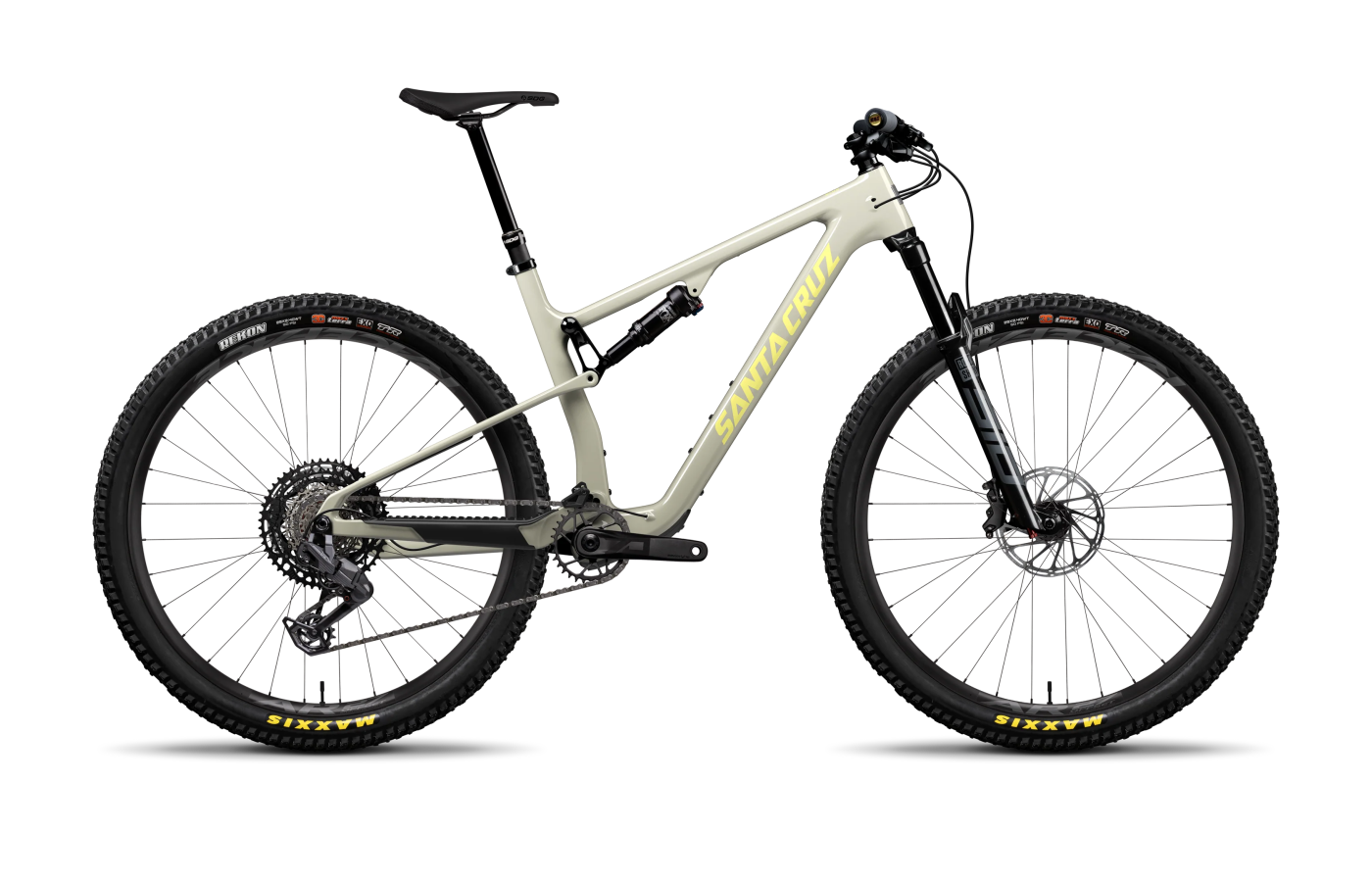
Blur
The Cervelo ZFS-5's Pon-stable sibling. Same DNA, slightly different layup — the Blur is the more recognizable name with broader build options and a longer XC race pedigree.
Compare →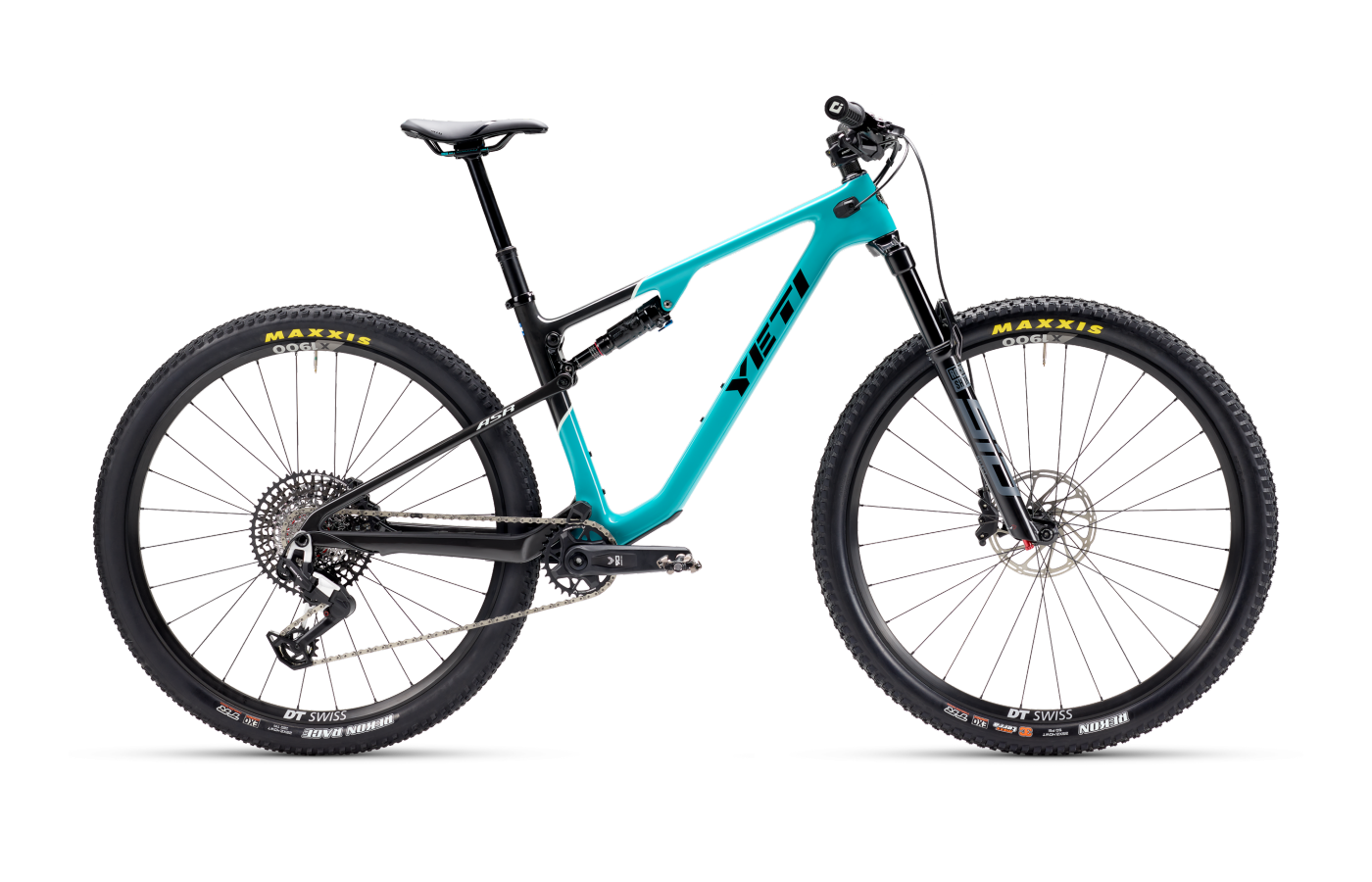
ASR
Yeti's pure-bred XC racer. Snappier and more racer-focused than the Epic, with less of the Epic 8's trail-bike borrowing — a good pick if you want race-only DNA without the Epic's downcountry compromises.
Compare →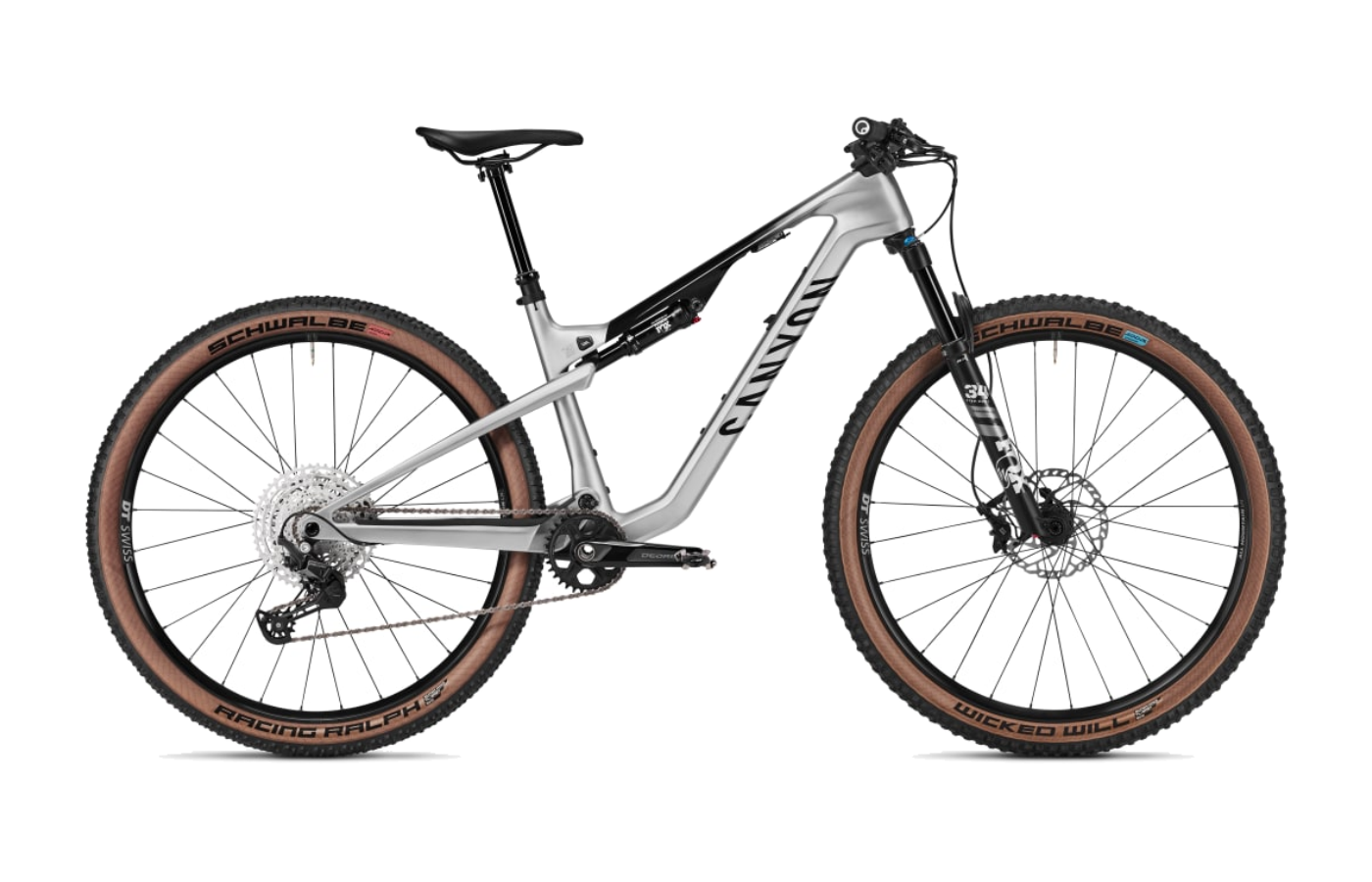
Lux Trail
Canyon's value play — internal storage, efficient suspension, and direct-to-consumer pricing. The trade-off, as always with Canyon, is no local dealer and you own your fit decisions.
Compare →