ZFS-5
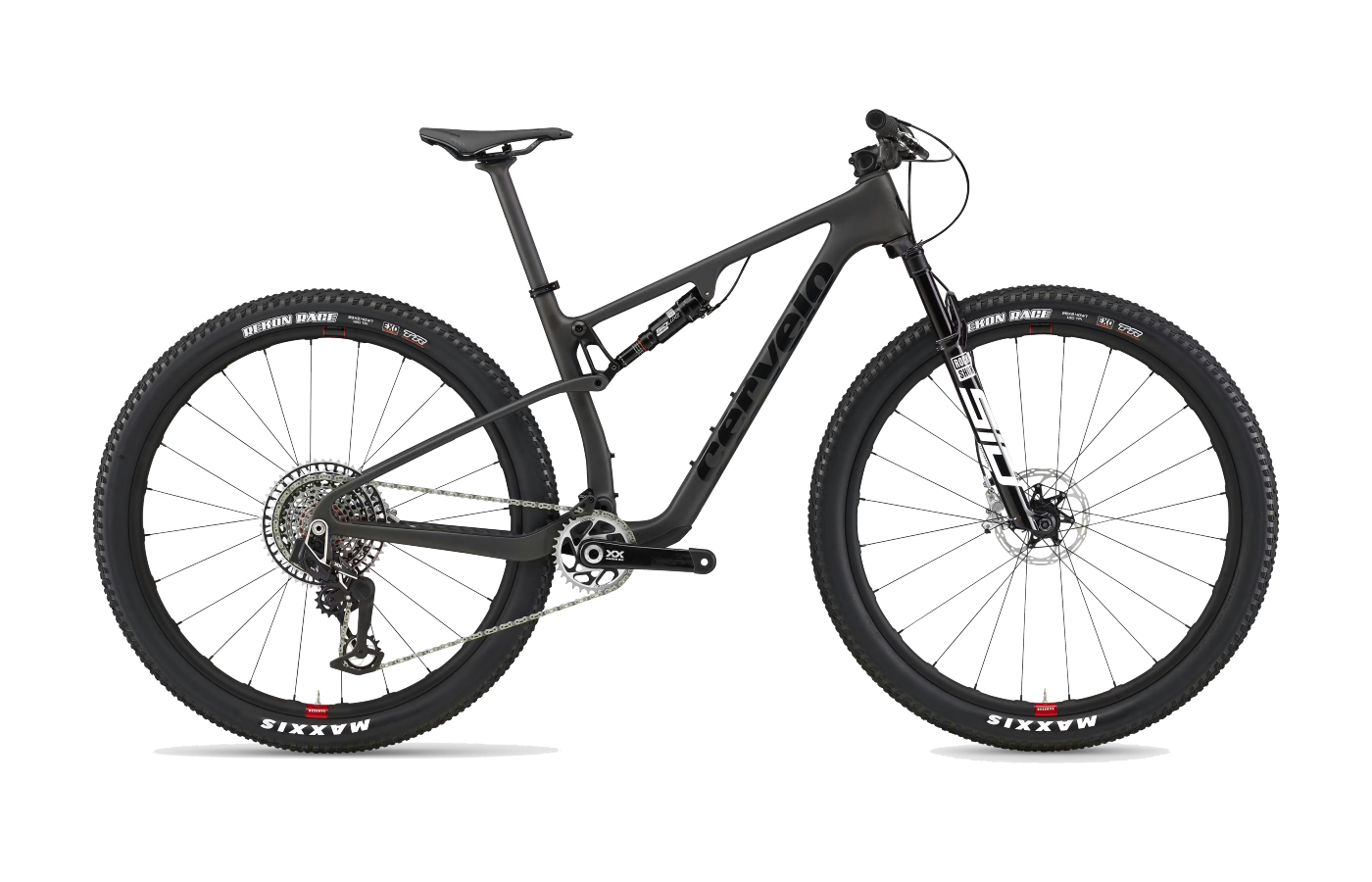
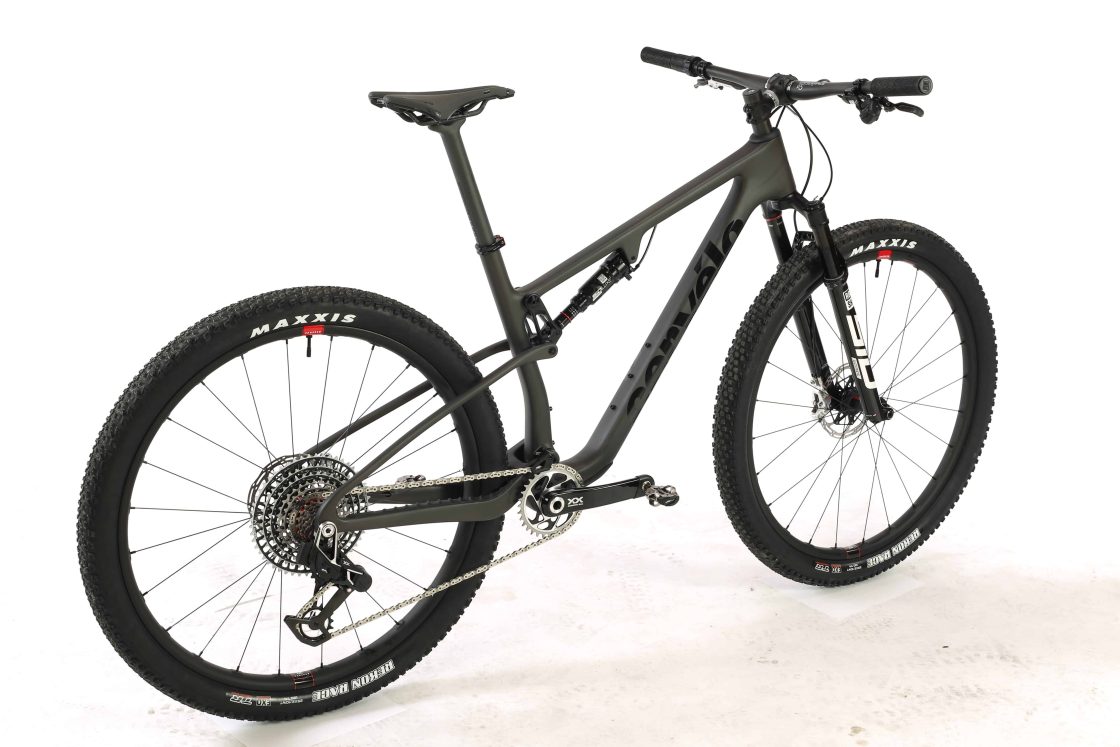
The Cervelo ZFS-5 marks the brand's entry into full-suspension mountain biking, arriving as a dedicated cross-country race platform built for modern, technical courses. Rather than splitting its lineup into entirely separate chassis designs, Cervelo uses a single lightweight carbon frame to offer two distinct travel configurations. By swapping the shock stroke, the ZFS-5 can be set up as a hyper-focused 100mm race bike or a more versatile 120mm machine. Both setups rely on a linkage-driven single-pivot layout with flex stays, prioritizing pedaling efficiency and low weight while reducing maintenance complexity. The result is a progressive platform that caters to World Cup competitors and marathon riders alike, blending Cervelo's composite expertise with contemporary mountain bike standards.
Geometry & fit.
4 sizes published.
The ZFS-5 utilizes modern cross-country geometry that shifts depending on the chosen travel configuration. In the 100mm setup, the head tube sits at a relatively slack 67.8 degrees, paired with a steep seat tube angle that keeps the rider in an aggressive, forward-leaning posture for efficient power transfer. Swapping to the 120mm fork kicks the head angle back to 66.6 degrees and slightly reduces the reach, creating a more upright and stable position suited for steep descents and long days in the saddle.
To maintain consistent handling across the size run, Cervelo employs size-specific chainstays that grow from 432mm on the Small to 440mm on the Extra Large. This scaled rear center ensures that taller riders experience the same balanced weight distribution as shorter riders. A generous bottom bracket drop further anchors the fit, keeping the rider's center of gravity low to enhance cornering stability without feeling overly stretched out.
Where the handlebar sits relative to the bottom bracket — the single most important fit pair.
01Fit geometry5 values
03Handling geometry7 values
Which size should I buy?
Slide your height to see the recommended size. GearWise's fit algorithm works from the published stack, reach, and ETT — the brand's own recommendation may differ.
→Calculated from GearWise's own stack / reach / ETT algorithm — the brand's size chart may recommend a different size, and a proper bike fit beats any calculator.
The lineup.
4 builds, ranging $5,000 – $10,700.
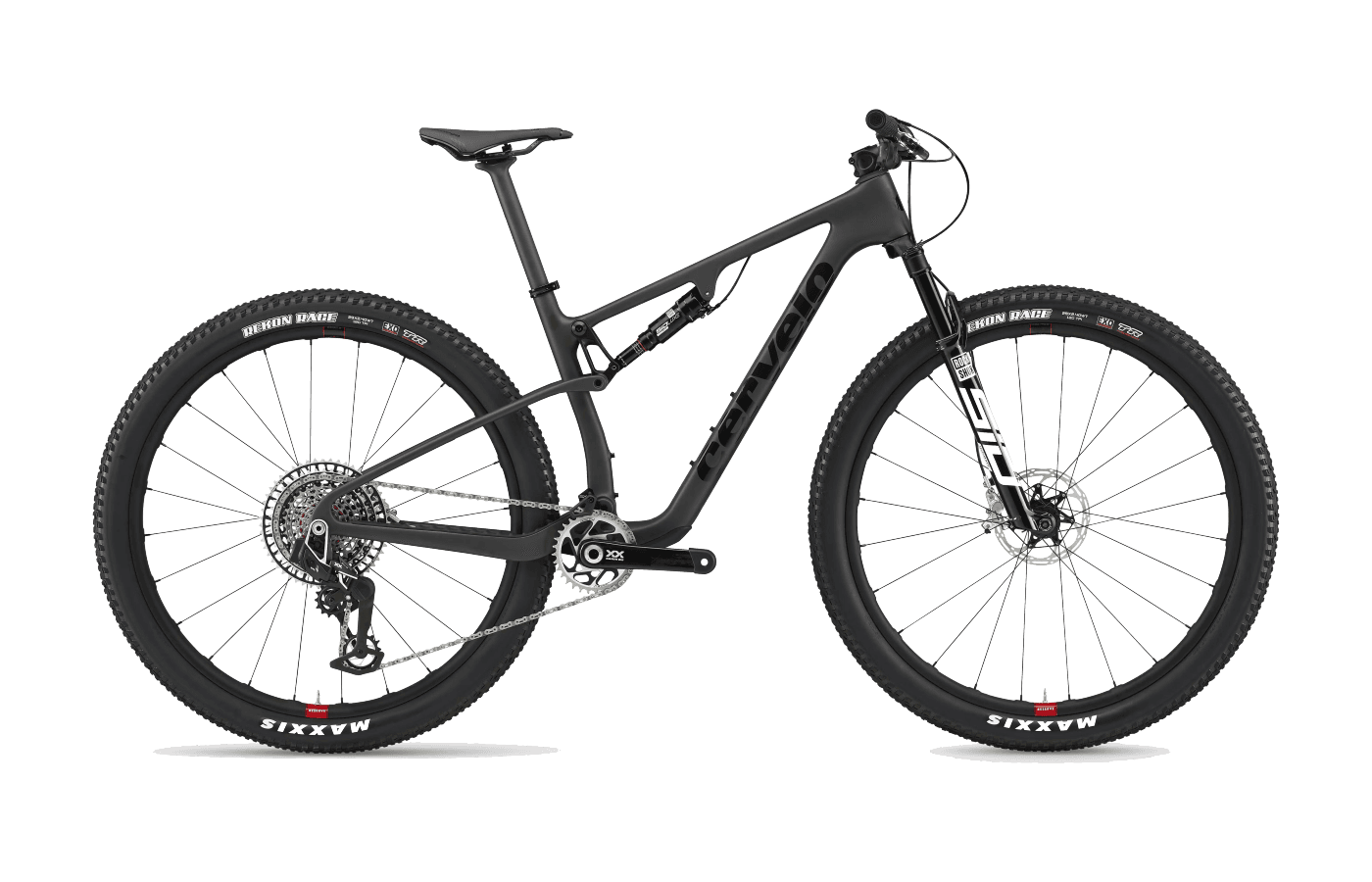
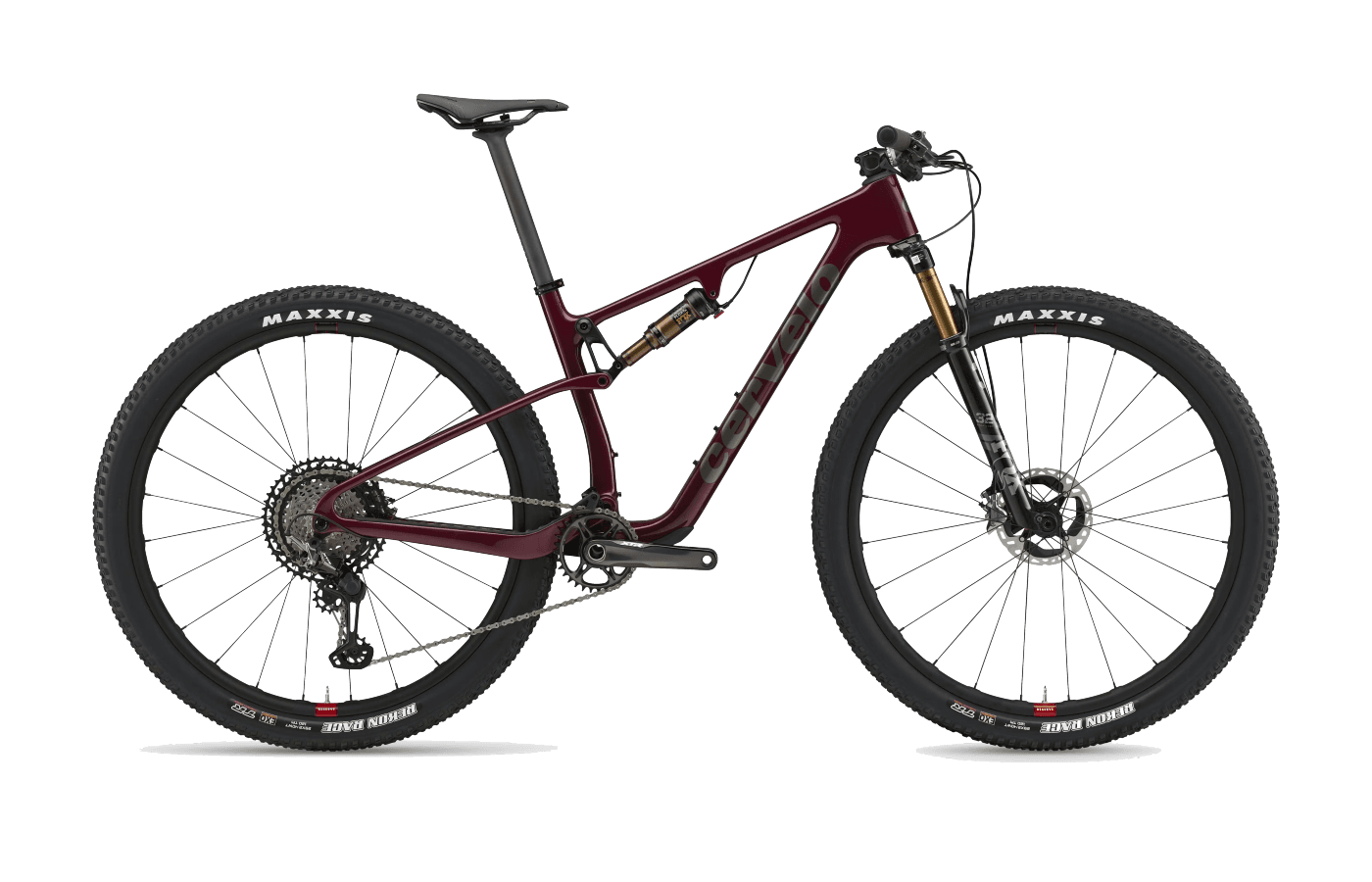
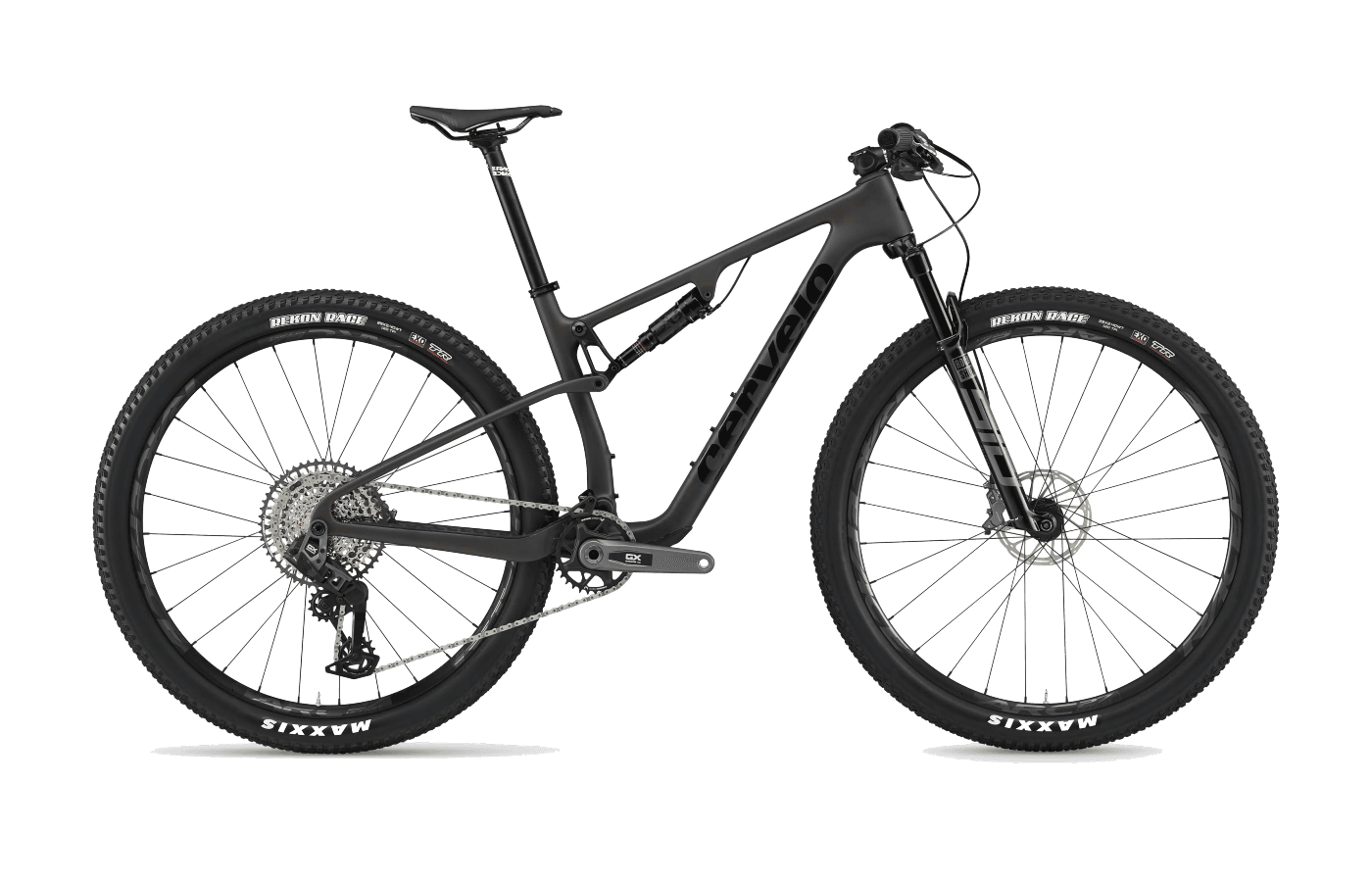
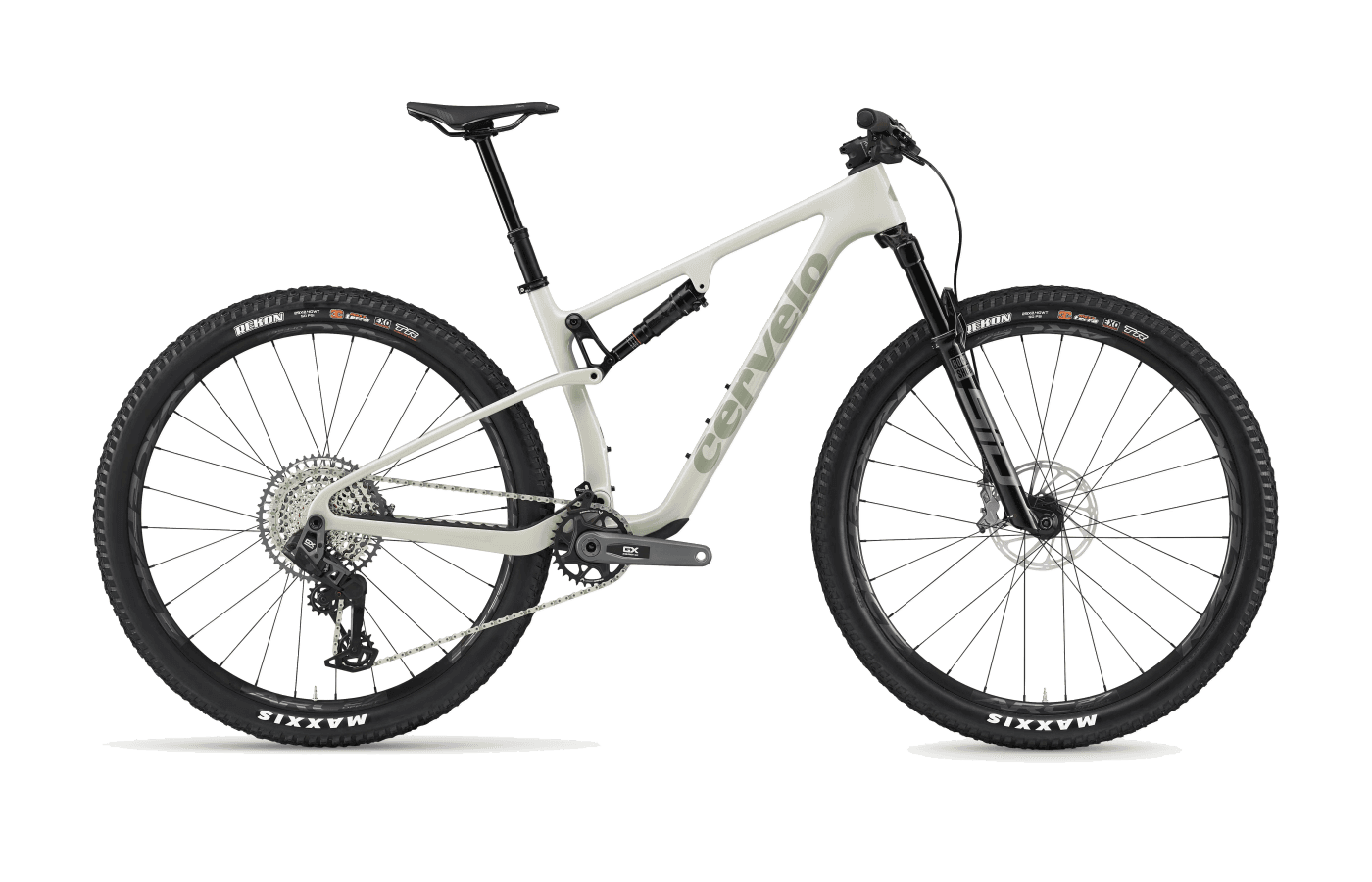
The ZFS-5 lineup spans four primary build tiers, all utilizing the exact same premium carbon frame. The range opens with the GX Eagle model, which pairs a mechanical SRAM drivetrain with alloy Race Face wheels and RockShox Select suspension. Moving up the ladder introduces wireless shifting with the GX AXS build, while the XTR and XX SL AXS models upgrade to lighter Reserve 28 XC carbon wheels and top-tier suspension dampers.
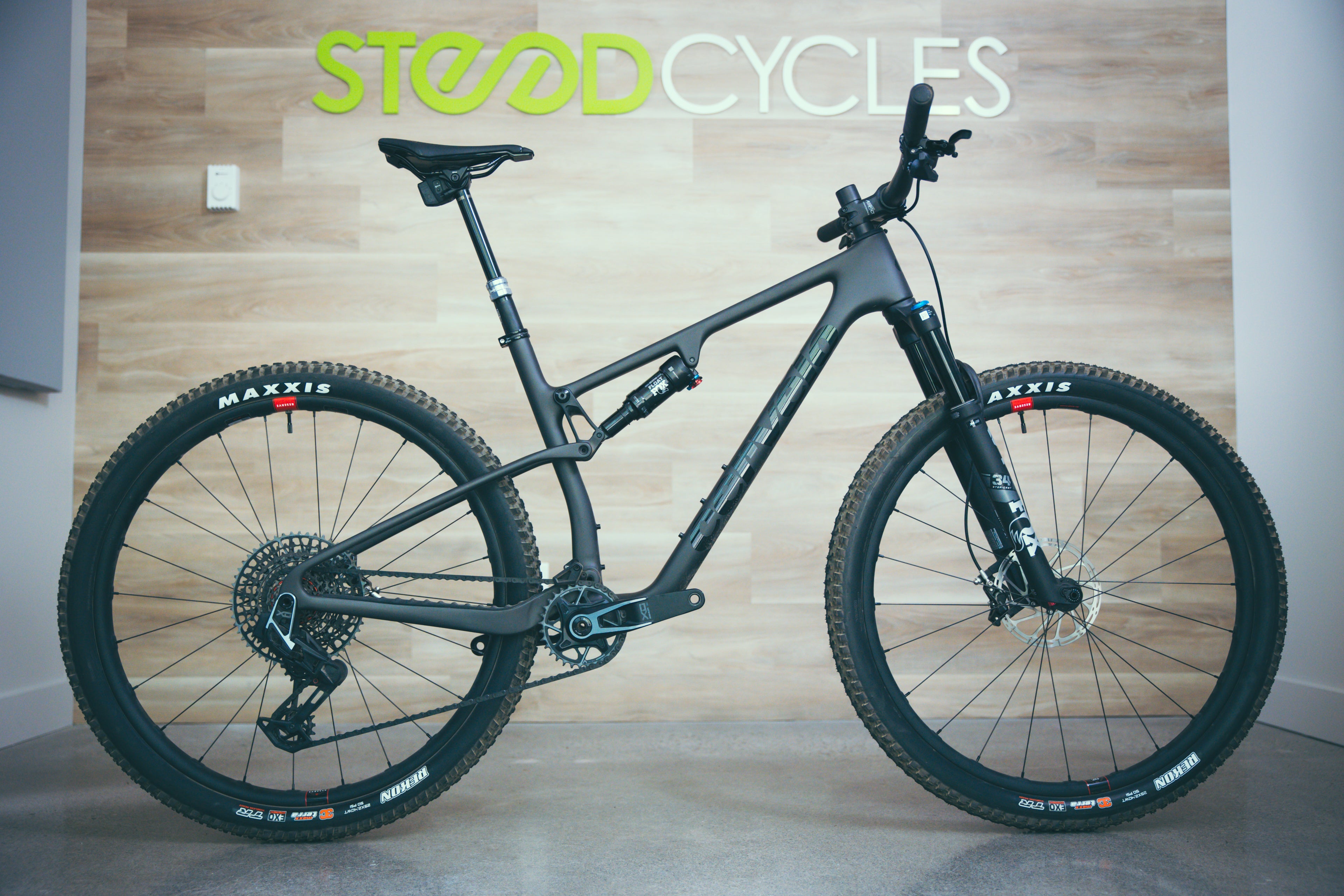
A critical distinction in the spec sheet lies between the 100mm and 120mm configurations. The 100mm builds are strictly race-focused, featuring rigid carbon or alloy seatposts, narrower handlebars, and remote suspension lockouts. Conversely, the 120mm models are equipped for technical terrain, coming standard with dropper posts, wider bars, and slightly beefier forks like the Fox 34 Step-Cast or RockShox SID with 35mm stanchions. Across all builds, Cervelo includes practical standards like a threaded BSA bottom bracket, SRAM UDH compatibility, and clearance for 2.4-inch tires, ensuring the chassis remains easy to service and upgrade over time.
From the press.
10 reviews from the cycling press.
Reviewers consistently praise the ZFS-5 for its exceptional climbing efficiency and capable descending manners, particularly in the longer-travel configuration. The lightweight frame translates directly into a "brutal forward thrust" (Bike-test) on steep gradients, while the flex-stay suspension remains active enough to maintain traction over loose, technical climbs. Testers noted that the chassis feels sprightly without being overly harsh, allowing the bike to "suck up chatter like an off-road vacuum cleaner" (Flow Mountain Bike).
On descents, the bike defies the nervous handling often associated with pure race rigs. The geometry encourages a centered riding position, giving testers the sensation that they were sitting "in the bike and not on the bike" (GearJunkie). The 120mm version, in particular, offers high-speed stability and composure over rough terrain.
However, the platform is not without its compromises. The 100mm race builds feature a highly progressive rear suspension tune that some found difficult to push through its full travel, occasionally creating a mismatched feel with the fork. Additionally, the decision to route cables through the headset drew criticism for complicating routine maintenance, and the omission of a dropper post on the 100mm models was frequently cited as a frustrating specification choice for modern trail riding.
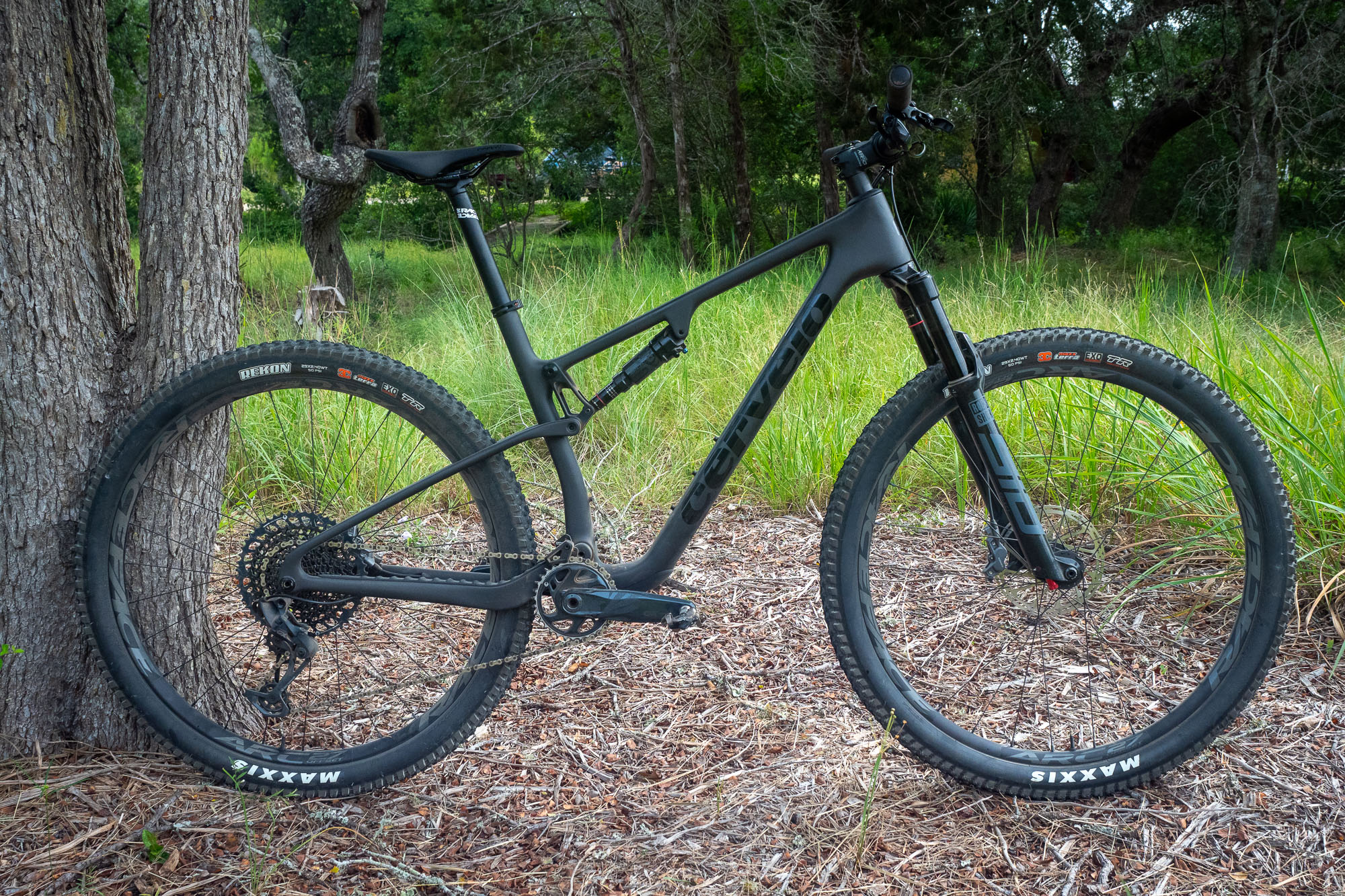
Cervélo ZFS-5 GX Eagle Mountain Bike Review
LONG TERM REVIEW: CERVÉLO ZFS-5 CROSS ...
Cervelo ZFS-5 120 XO cross country mountain bike review
Cervélo’s New ZFS-5 Is Their Worst Kept Secret

Cervelo ZFS-5 Review | A brand new XC bike that's surprised ...
SO FAST! New Cervelo ZFS-5 MTB Review
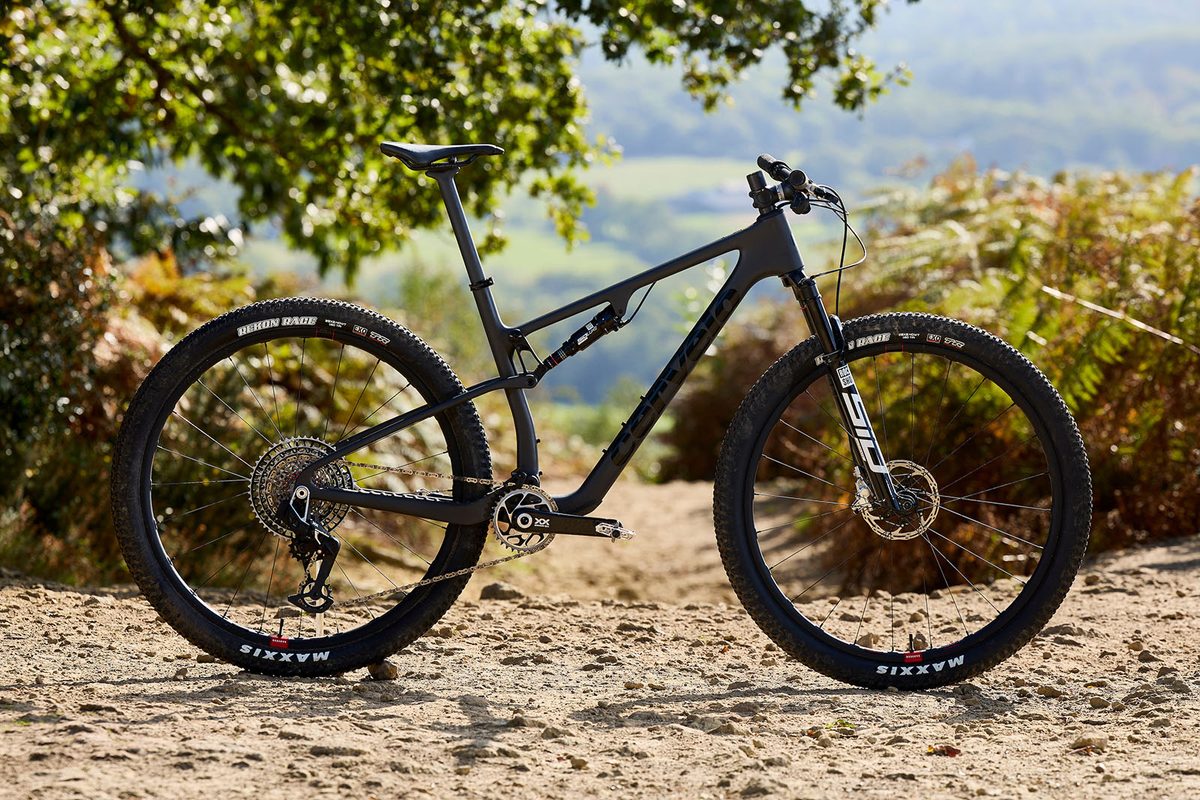
Cervélo ZFS-5 XX SL AXS review - Full-Suspension
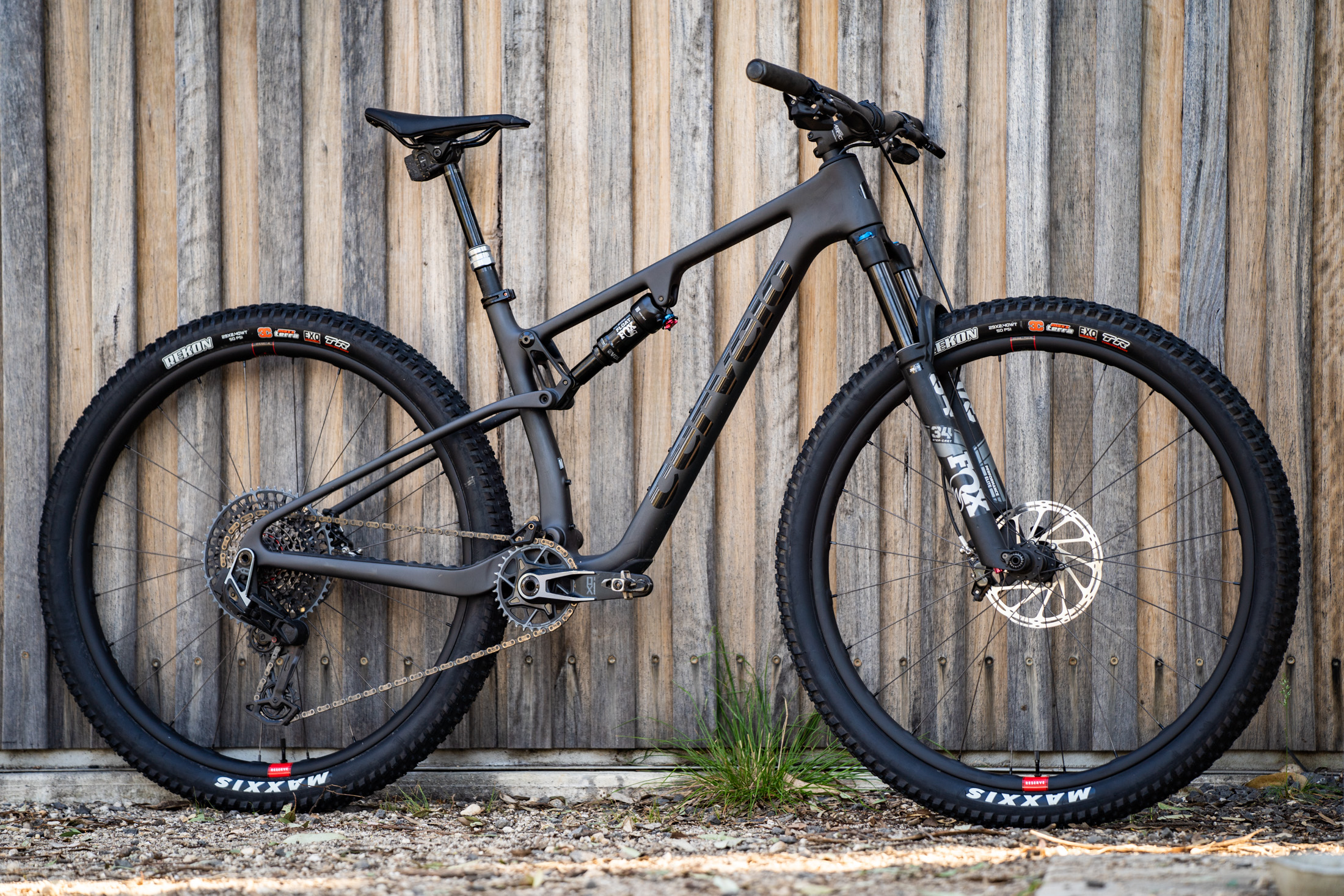
Cervelo ZFS-5 Review | A surprising, high-performance XC ...
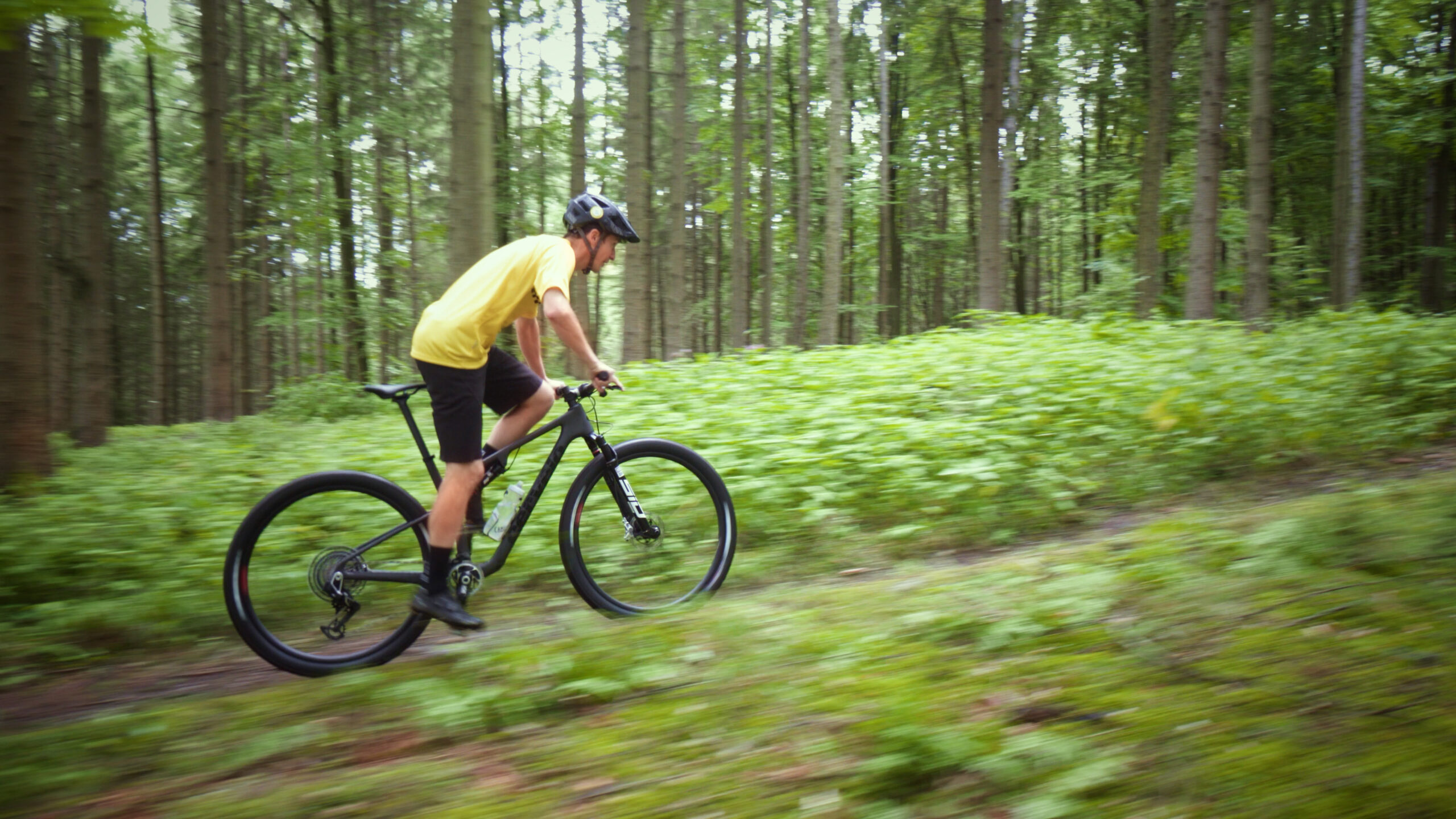
Cervelo ZFS5 in Review
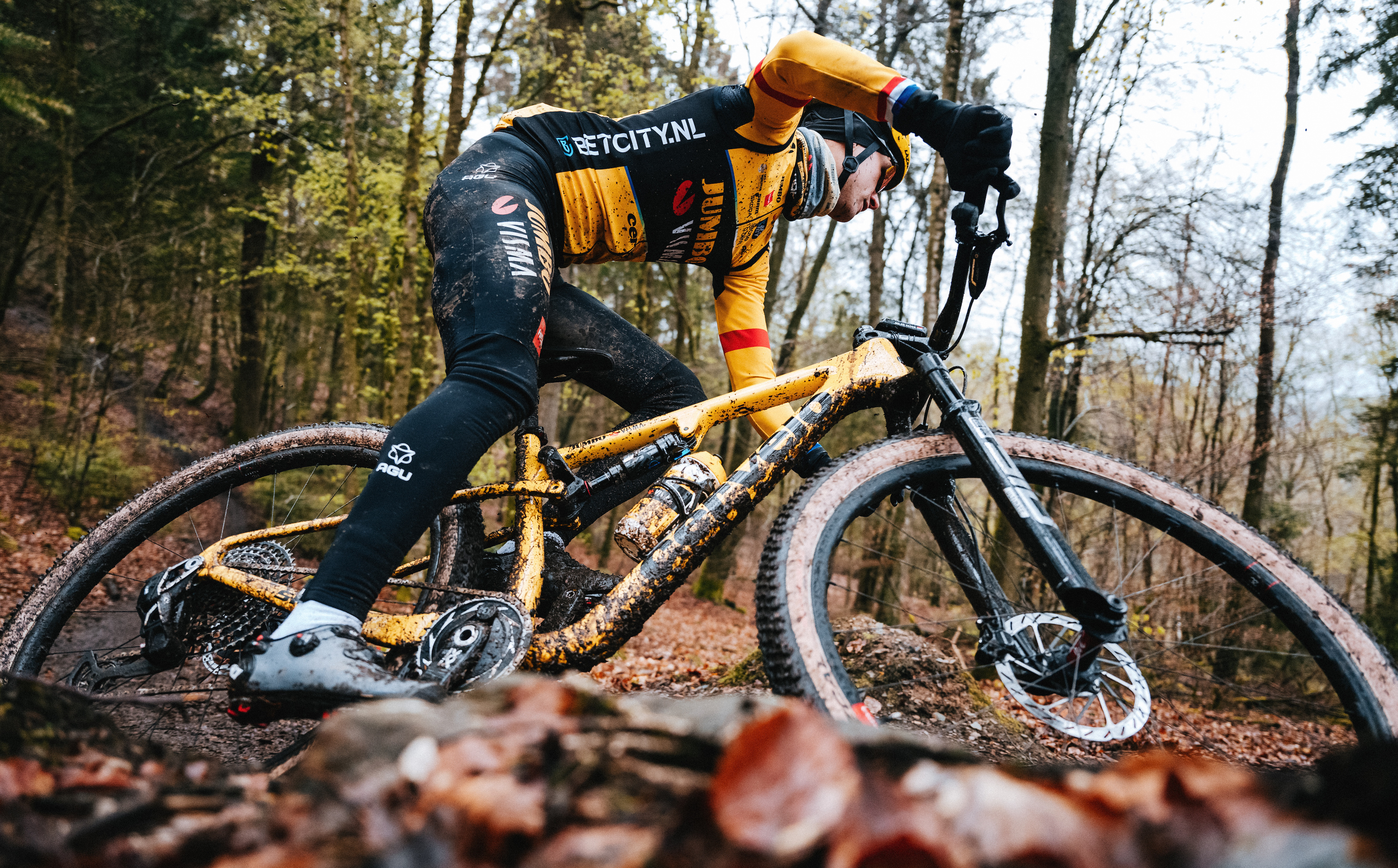
Exclusive first ride impressions of Cervelo's new full send & full-sus ZFS-5 World Cup XCO MTB
Compared to.
Most-viewed comparisons.