Soloist
vsMadone
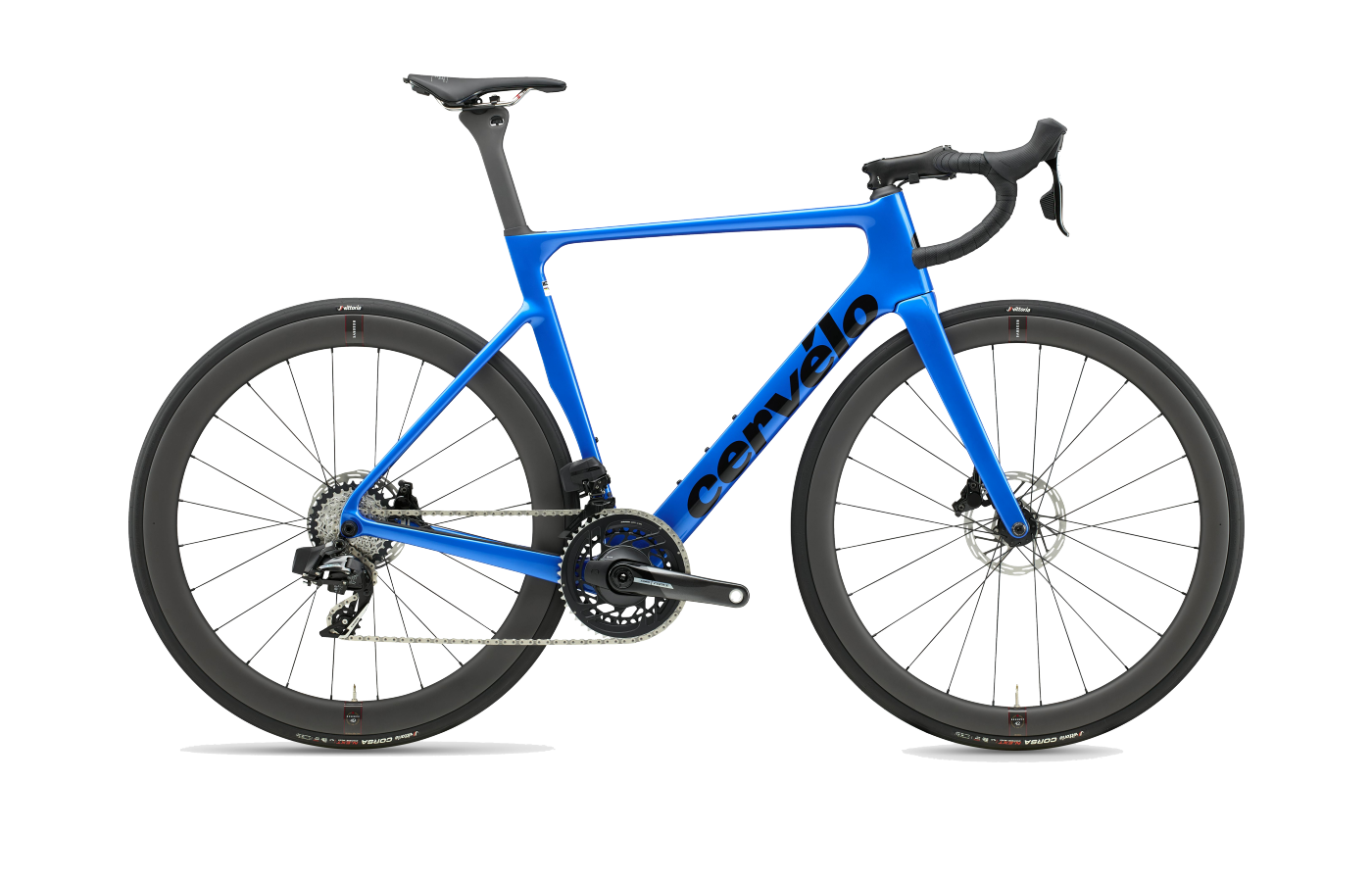
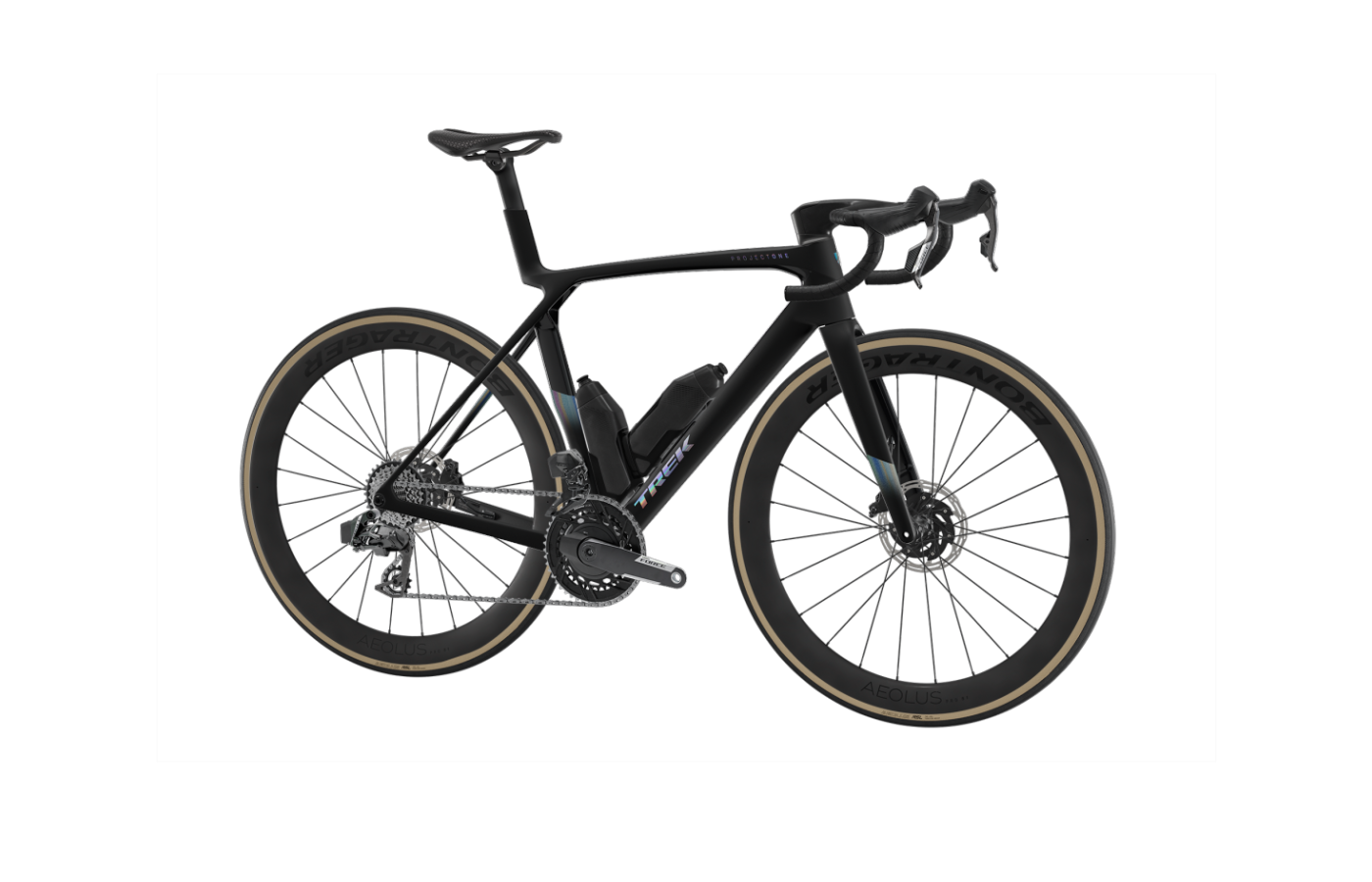
Two aero bikes, two different ambitions.
The Soloist is Cervélo's pragmatic middle child — aero-ish, light-ish, easy to wrench on. The Madone Gen 8 is the engineering flex that killed the Émonda.
Soloist
- Mechanic-friendly design — under-stem cable routing and a threaded T47 bottom bracket mean stem swaps don't require re-bleeding brakes.
- Generous 34 mm tire clearance — wider than the Madone, opening the door to light gravel and lower pressures.
- Same frame at every price tier — even the $3,900 105 build gets the WorldTour-quality Soloist frameset with lifetime warranty.
- No flagship-tier Red AXS or Dura-Ace build — platform tops out at Force AXS / Ultegra Di2.
- Firm front end on broken tarmac; alloy cockpit contributes to hand and arm buzz.
Madone
- Lighter flagship frame — SLR frame comes in around 765 g, matching the old Émonda while retaining aero tube shapes.
- Real rear-end compliance — IsoFlow delivers a claimed 80% more vertical flex, and reviewers say you actually feel it over rough pavement.
- Faster on the flats — Full System Foil tube shaping tested faster than the Gen 7 Madone while adding climbing-bike weight.
- Integrated Aero RSL cockpit is stiff — hand numbness reported on long rides, and swaps are expensive.
- Documented toe overlap on the M frame; proprietary RSL aero bottles are required for the full aero claim.
Editor’s analysis
One bike is trying to be just right. The other is trying to be everything. Which answer fits you depends on how much of your life revolves around the bike.
The Cervélo Soloist slots between the R5 climber and the S5 aero monster as Cervélo's bike for riders who don't have a pro service course behind them. It borrows the R5's geometry, adds semi-integrated cable routing that runs under the stem instead of through it, and lands a threaded T47 bottom bracket — a frame you can actually work on. Reviewers consistently clock it at around 250 g heavier than the R5 and 250 g lighter than the S5, with Reserve carbon wheels that earn unqualified praise. At $7,500 for the Force AXS build, it's positioned as a competitive-amateur's weapon, not a halo bike.
The Trek Madone Gen 8 is a different proposition entirely. Trek merged the aero Madone and the lightweight Émonda into one platform, built on new 900 Series OCLV carbon that they claim is 20% stronger than the previous generation. The SLR frame comes in around 765 g — roughly the same as the outgoing Émonda — while still matching or beating the Gen 7 Madone's aerodynamic numbers. IsoFlow (the hole in the seat tube) delivers a claimed 80% more vertical compliance. It is, by every reviewer's account, Trek's most complete race bike ever. The top SLR 9 AXS build is $13,499; this is not a bike that pretends to be affordable.
On the road the personalities diverge in predictable ways. The Soloist is praised for R5-like handling and a stiff, direct-power chassis, but reviewers (Velo, Cyclist Australia/NZ) flag a firm front end on broken tarmac — partly the frame, partly the alloy cockpit. The Madone Gen 8 is consistently described as the smoothest aero bike in its class, and testers report genuinely feeling the IsoFlow dampening over rough surfaces. The tradeoff: the Madone's integrated Aero RSL cockpit is stiffer, and several reviewers warned of hand numbness on 80-mile days plus toe overlap on the M frame.
Put bluntly: the Cervélo Soloist is the bike you buy when you want a fast, capable race bike without buying into a proprietary ecosystem. The Trek Madone is the bike you buy when you want one frame to replace both an aero and a climbing bike — and you're willing to pay, and live with integrated cockpits and aero bottles, to get there.
Where the builds differ.
Comparing our editor's-pick builds side-by-side. Winners highlighted row-by-row — lower price and weight, and the better-spec component, each mark a point.
Build variants & pricing
The Soloist starts at $3,900 and tops out at $7,600; the Madone spans $3,499 to $13,499 and climbs past that with Project One.
Prices are current US MSRP. The Soloist has no Red AXS or Dura-Ace build — Force AXS and Ultegra Di2 are as high as the platform goes. The Madone scales two tiers above that into SLR 9 Red AXS and SLR 9 Dura-Ace trims.
How they fit, how they steer.
Compared at Soloist 54 and Madone M. Reach is nearly identical (383 mm vs 384 mm), but the Madone sits 6 mm higher in stack and runs a slightly slacker 72.9° head tube — the Soloist is the more aggressive front end on these sizes.
Which size should I buy?
Size recommendations based on stack, reach, and effective top tube. The Madone runs T-shirt sizing (XS–XL), so labels differ from the Soloist's numeric ladder.
→These are starting points. Flexibility, riding style, and preferred position all shift the answer — if you’re between sizes, a professional fit beats a chart.
What the magazines said.
Published reviews from trusted cycling outlets. Click through for the full write-up.
Which one should you buy?
If you want a fast, fix-it-yourself race bike without the proprietary tax, get the Soloist. If you want one frame that climbs and cuts wind at the pro-bike weight limit, get the Madone.
Soloist
If you race crits and Sundays, do your own wrenching, and want a WorldTour-quality frame without integrated-cockpit hostage pricing — the Soloist is the pragmatic pick. 34 mm tire clearance is a bonus when the group ride routes onto chip-seal.
Madone
If you want Trek's current-generation halo bike — a single platform that kills the need for a separate climber and still posts aero numbers — the Madone Gen 8 is the tool. Budget for the proprietary bottles and integrated cockpit, because they are part of the system.
Questions buyers actually ask.
Short answers to the things we get emailed about most often.
01Which is lighter?
The Madone SLR, by a meaningful margin. Trek claims a 765 g frame weight on the Gen 8 SLR — roughly the same as the outgoing Émonda. Reviewers report complete SLR 9 builds landing around 7.0 kg.
The Soloist in like-for-like trim has been reported by Road.cc at around 8.47 kg for an Ultegra build, and by Velo at 7.5 kg for the Ultegra Di2 spec. Either way it's at least several hundred grams heavier than a comparable SLR — reviewers consistently note the Soloist is ~250 g heavier than the R5, where the Madone SLR is lighter than the R5.
02Which is faster in a straight line?
The Madone Gen 8, by most accounts. Trek claims it exceeds the aero performance of the previous aero-focussed SLR while hitting Émonda-class weight, and reviewers in head-to-head tests against the S5 reported it holding its own. The Full System Foil tube shaping plus the RSL Aero bottle/cage integration is the package.
The Soloist is explicitly not the aero flagship in Cervélo's lineup — that's the S5. Granfondo notes the Soloist is about 190 g-equivalent slower than the S5 in wind-tunnel terms, and in direct comparisons with the Madone SLR 9 the Soloist can feel 'noticeably heavier and less lively' when the pace rises.
03What's the maximum tire clearance?
Cervélo Soloist: 34 mm officially. Most builds ship with 28–29 mm Vittoria Corsa N.EXT tires that plump closer to 30–31 mm on the wide Reserve rims.
Trek Madone Gen 8: 32 mm officially. Some reviewers have reported fitting 35 mm and even 38 mm all-road tires, but that's outside Trek's spec and will exacerbate the toe overlap issue noted on medium sizes.
Neither is a gravel bike — for anything beyond light-gravel detours on the Soloist, look at a Domane or Caledonia.
04How serviceable are the cockpits?
The Soloist uses a standard Cervélo ST36 alloy stem and HB13 carbon bar with semi-integrated cable routing that runs under the stem. Swapping stem length or bar width doesn't require re-bleeding brakes — a big reason reviewers call it 'mechanic-friendly.'
The Madone SLR runs a one-piece Trek Aero RSL integrated carbon cockpit. Changing stem length or bar width means buying a new unit, and reviewers consistently flagged this as an expensive mistake if you don't get the fit right up front. The SL-tier Madone builds use a separate bar and stem instead, so if fit flexibility matters more than the top aero spec, the SL 6 or SL 7 is the answer.
05Can I get either with mechanical shifting?
Soloist: yes. The 105 build at $3,900 runs a Shimano 105 R7120 mechanical groupset. Reviewers cite this as one of the few high-performance carbon aero frames still compatible with a standard mechanical build.
Madone Gen 8: partially. The SL frame (500 Series OCLV) supports electronic or mechanical routing. The SL 5 Gen 8 at $3,499 ships with Shimano 105 R7120 mechanical. The SLR frame is electronic-only — if you want a mechanical drivetrain on a Madone, you're buying an SL, not an SLR.
06Why do the compared sizes differ (54 vs M)?
The bikes use different sizing conventions. Cervélo sticks with numeric sizes tied loosely to seat-tube length (48, 51, 54, 56, 58, 61). Trek moved the Gen 8 Madone to T-shirt sizing (XS, S, M, ML, L, XL) — down from eight sizes on the Gen 7.
For a 173 cm (5'8") rider, the fit algorithm picks the Soloist 54 and the Madone M. Their stack/reach numbers are close: 540/383 mm on the Soloist vs 546/384 mm on the Madone. The Madone sits 6 mm higher and has an identical reach — effectively the same fit position with a marginally more upright cockpit.
07Are there real durability issues to worry about?
The Soloist has a common creaking complaint around the T47 BBRight bottom bracket — reported by Velo and Cyclist UK, though contradicted by long-term owners at In The Know Cycling who report their BB is silent after ~3,000 miles. It appears assembly-dependent rather than universal.
The Madone Gen 8 has a few documented niggles: the RSL aero bottles have been flagged for leaking and vibration on early production units, and the headset top-cap cover has fragile plastic nodules that break and rattle. Trek's warranty support is widely described as 'best in the business,' and both frames carry a lifetime warranty to the original owner.
08Who's the SLR 7 AXS really built for vs. the Soloist Force AXS?
The SLR 7 AXS is for the rider who wants Trek's current-generation flagship technology — 900 Series carbon, integrated Aero RSL cockpit, Full System Foil aerodynamics — in the cheapest build that still uses that flagship frame. At $9,499 it saves $4,000 versus the SLR 9 Red AXS while keeping the same frame.
The Soloist Force AXS is for the rider who has concluded that a WorldTour-grade frame without the integrated fuss is enough — and that the extra $2,000 spread is better spent on wheels, travel, or races. Both are Force AXS; the real question is how much you value integration and Trek's halo-bike engineering budget.
Similar bikes
If your priorities don’t map cleanly onto either of these, one of these adjacent bikes probably fits better.
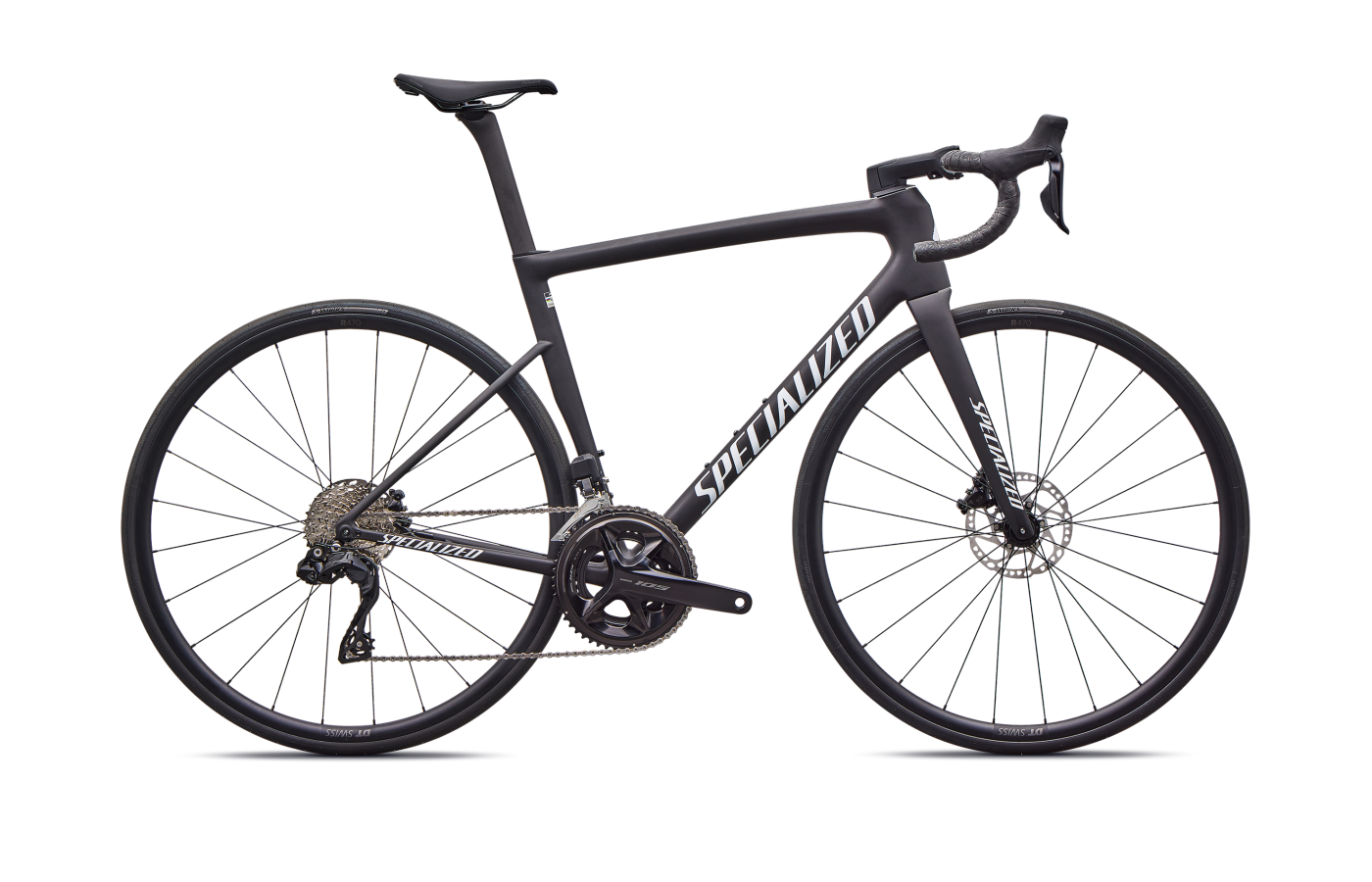
Tarmac
The Madone's most direct rival — similar sub-800 g frame ambitions and a similar all-in-one aero+light pitch, but with a more conventional cockpit approach and a broader build range that scales down below $5k.
Compare →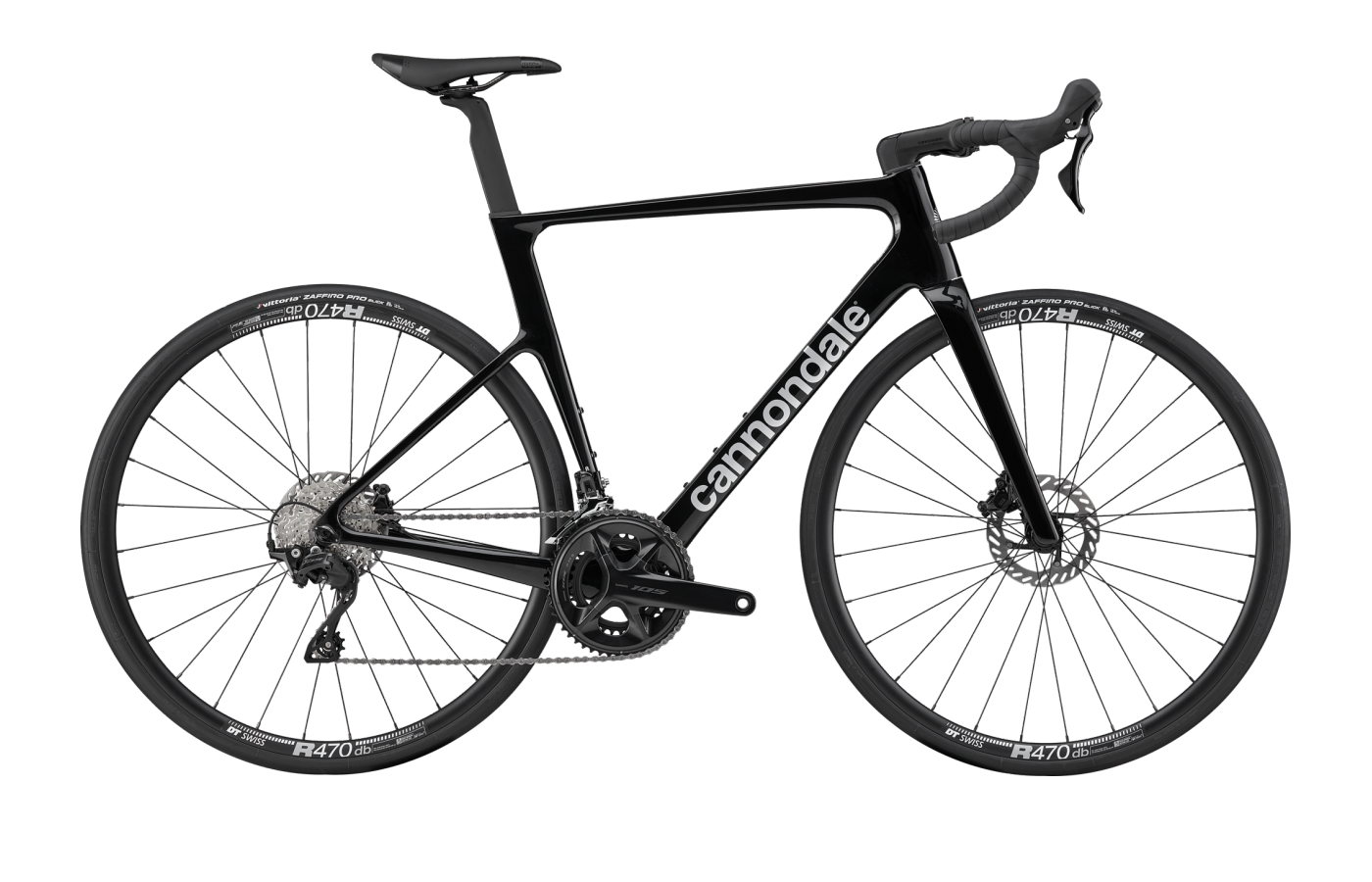
SuperSix EVO
Like the Soloist, the SuperSix EVO sits in the aero-plus-climbing middle ground — balanced handling, approachable geometry, and several builds that stop short of pure-integration pricing.
Compare →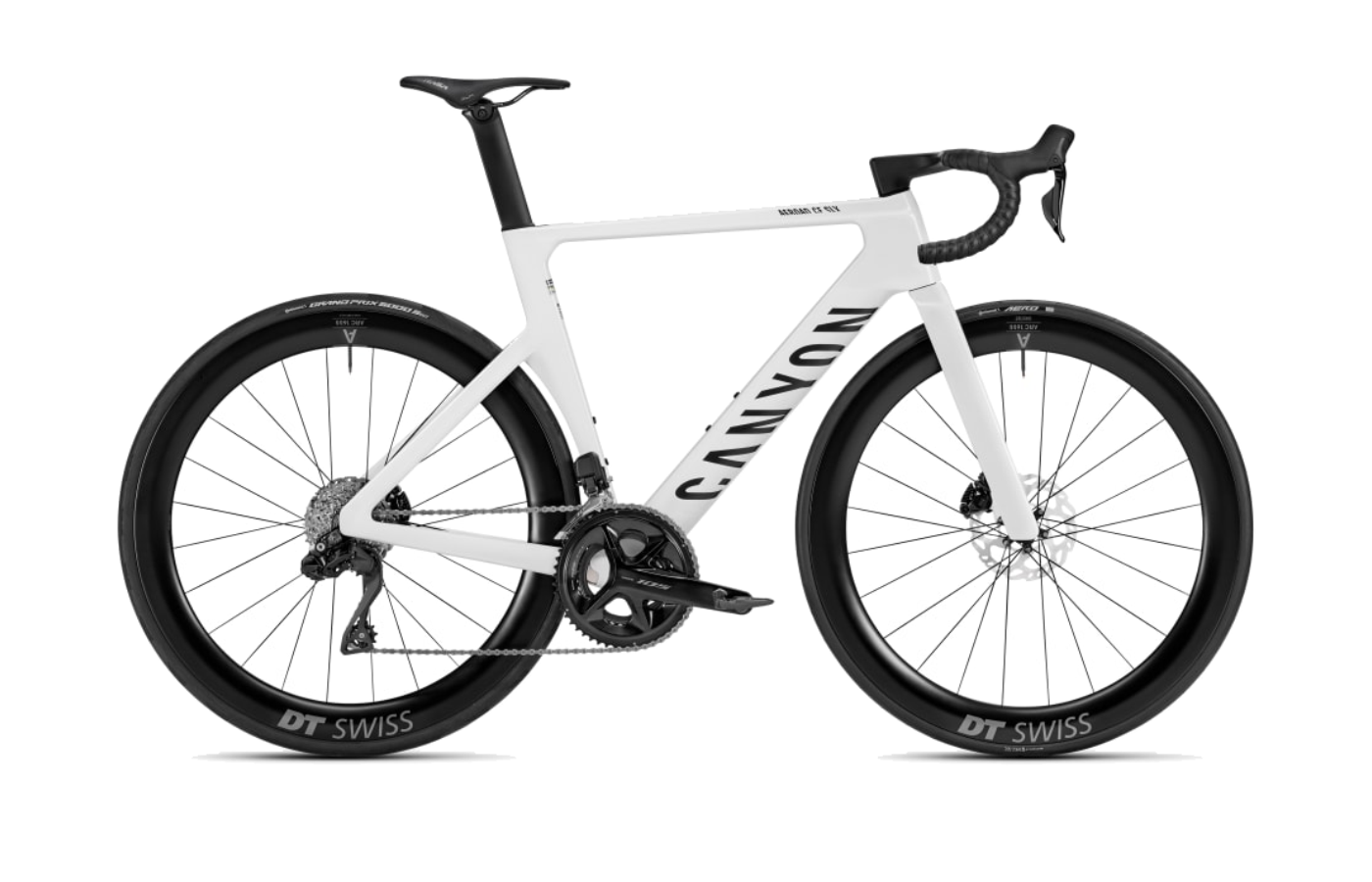
Aeroad
A true aero flagship at Soloist money — Canyon's direct-to-consumer model undercuts Trek's MSRP by thousands, but with no local dealer, no demos, and no Project One fit program.
Compare →