S5
vsFilante SLR
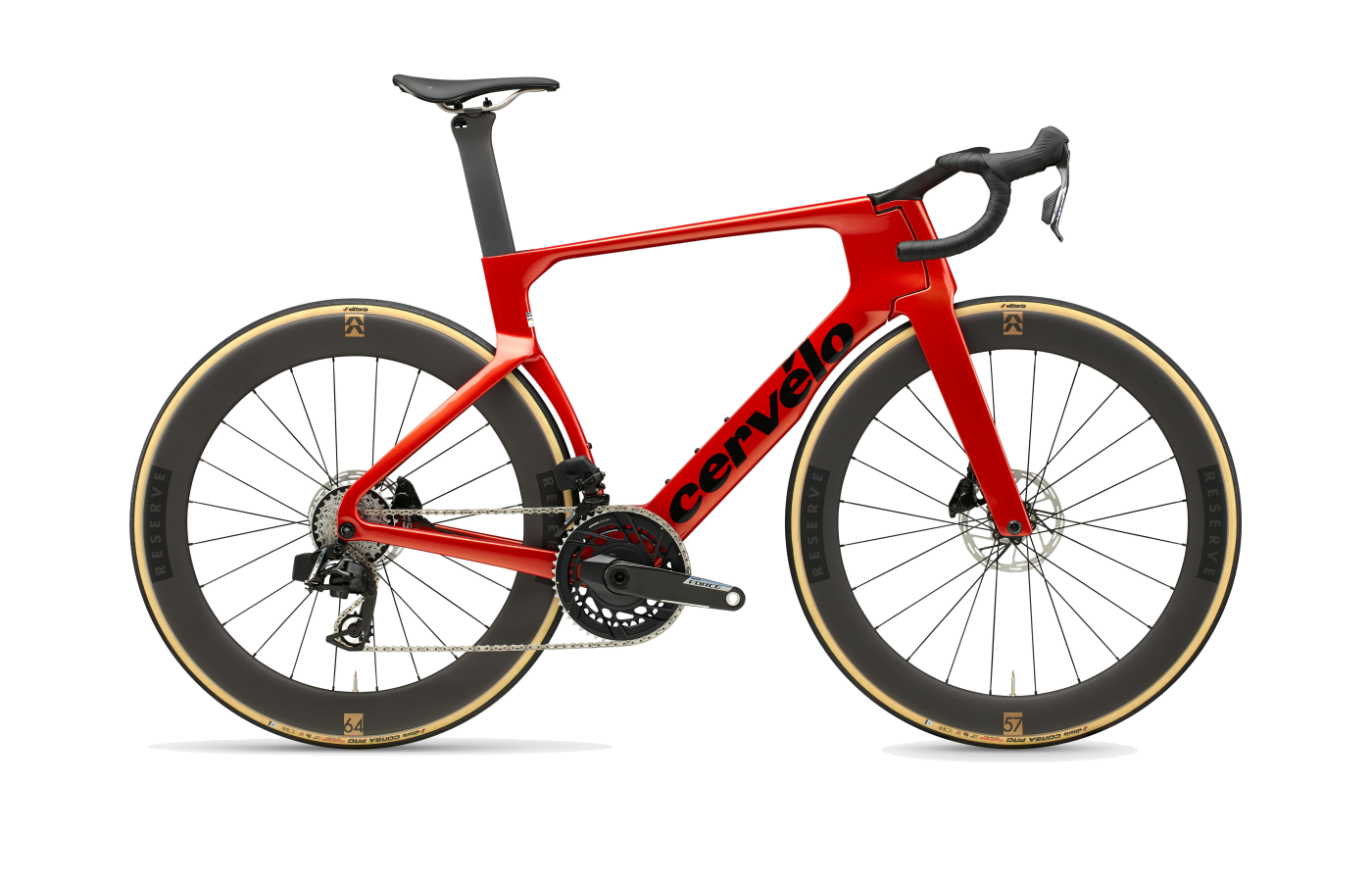
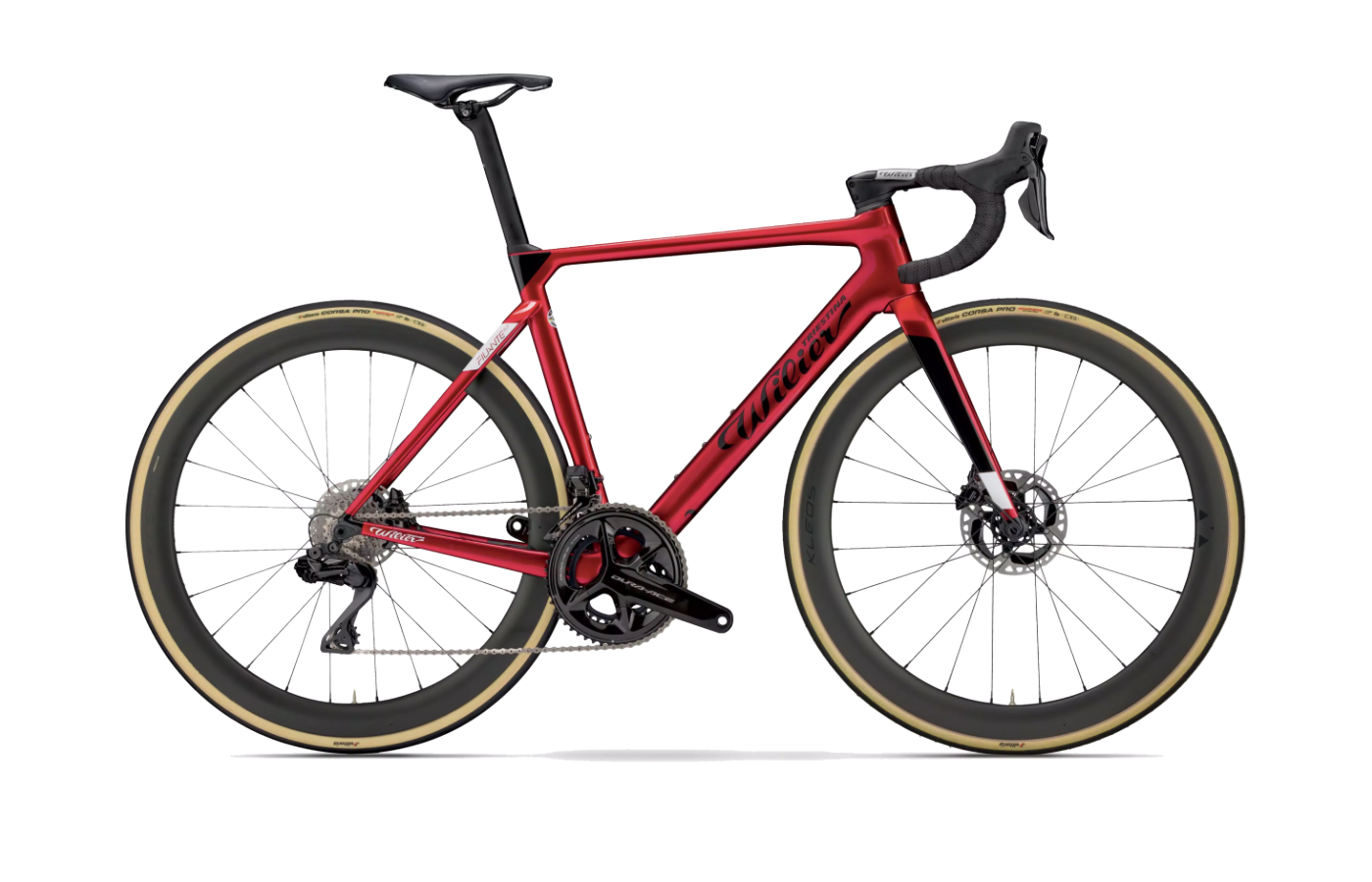
Two aero weapons, two temperaments.
The Cervélo S5 is the data-backed sprint missile. The Wilier Filante SLR ID2 is the composed Italian aero bike that refuses to be twitchy.
S5
- Wind-tunnel benchmark — Cycling News measured it as the fastest bike they've tested with a rider, saving ~27.6 W at 40 km/h vs. an alloy baseline.
- Cheaper entry to the platform — $10,100 Ultegra Di2 build undercuts the Wilier's lowest build by $400 with the same Reserve wheels across the range.
- Class-leading high-speed stability — deep Reserve 57|64 wheels and tuned BB drop make it "unparalleled" planted in crosswinds (Nero Cycling).
- Stiff and uncompromising — feels dull below 30 km/h and "sucks the pop" out of slow riding (Velo).
- Proprietary BBright press-fit BB houses the Di2 battery — a real maintenance hassle multiple reviewers flagged.
Filante SLR
- Genuinely composed handling — lengthened wheelbase and 72.5° HTA deliver "deeply reassuring" stability without the twitch of most aero bikes (Road.cc).
- Italian-made integration — Miche-built thru-axles, bottom brackets, and centerlock rings give it a boutique, cohesive feel the S5 doesn't try for.
- Sophisticated carbon layup — Hus Mod high-modulus carbon with Liquid Crystal Polymer fibers damps road buzz noticeably better than a typical aero frame.
- More expensive entry point — $10,500 minimum vs. $10,100 for the S5, and the flagship runs $1,000 over the S5's flagship.
- Aerokit bottles are fiddly — they don't stand on a table, occasionally rattle, and are awkward to refill.
Editor’s analysis
Both want to win the same race — but one wants to attack it, and the other wants to manage it.
On paper the Cervelo S5 and the Wilier Filante SLR sit in the same WorldTour aero-road bracket. Both top out around $14k–$15k, both come with electronic-only flagship groupsets, both ship deep carbon wheels, integrated cockpits, and aero-shaped bottle systems. Both are ridden by Tour-stage winners (Visma–Lease a Bike on the S5, Groupama-FDJ on the Filante). The shape of the fight is the same. The character of the fight isn't.
The Cervélo S5 is the more uncompromising machine. Cervélo claims a 6.3-watt aero gain and 124-gram weight loss versus the previous generation; Cycling News' wind-tunnel test crowned it the fastest bike they've ever tested with a rider on board. The frame is genuinely stiff — Velo calls it "very stiff at the bars and bottom bracket" — and the geometry is short and direct. A 54 measures a 975 mm wheelbase, 73° head angle, 405 mm chainstays. It rewards riders who put real watts into it and feels a touch dull at social speeds.
The Wilier Filante SLR is the grown-up. Wilier lengthened the wheelbase relative to its predecessor and dropped the head angle half a degree (72.5° at size M), and the result is a bike Road.cc describes as "deeply reassuring" — composed in crosswinds, planted on descents, less twitchy at the limit. In Cycling News' wind tunnel the Filante landed third among top-tier aero bikes, saving 24.5 W vs. an alloy baseline, behind the S5 but well within the same conversation. It trades a little raw aero edge for stability, comfort, and the sense that a five-hour ride won't fry you.
Put another way: the S5 is what you ride when you're racing. The Filante is what you ride when you're racing and riding 200 km the next day. The S5 picks the marginal gain and lets the bike shout about it; the Filante picks the marginal gain and asks you not to notice.
Where the builds differ.
Comparing our editor's-pick builds side-by-side. Winners highlighted row-by-row — lower price and weight, and the better-spec component, each mark a point.
Build variants & pricing
Both lineups span around $4k–$5k of range, with no entry-level Rival or 105 build on either side. The S5 starts $400 cheaper; the Filante's flagship runs $1,000 above the S5's.
Prices are current US MSRP. Same Reserve 57|64 wheels and HB19 cockpit ship across the entire S5 range — even the Ultegra build gets WorldTour-spec carbon. The Filante swaps between Miche Kleos and SWR Evo wheels depending on build, but the F Bar cockpit and frame layup are constant.
How they fit, how they steer.
Cervélo 54 vs. Wilier M — the fit-picked sizes for a 5'8" rider on each. The Filante sits 4 mm lower and stretches 4 mm longer, with a half-degree slacker head angle and a 15 mm longer wheelbase. That's the entire personality difference in one row of numbers.
Which size should I buy?
Both ranges cover roughly the same stack and reach window in the middle — the S5 extends further at the small end with a 48, the Filante reaches further at the top with an XXL.
→These are starting points. Flexibility, riding style, and preferred position all shift the answer — if you’re between sizes, a professional fit beats a chart.
What the magazines said.
Published reviews from trusted cycling outlets. Click through for the full write-up.
Which one should you buy?
If you want the data-backed fastest, get the S5. If you want fast that you can also ride for five hours, get the Filante.
S5
If your Saturday is defined by holding 45 km/h in a paceline and you want the bike independent wind-tunnel data crowns the fastest, the S5 is the obvious choice. It rewards big efforts, demands real input, and gives you nothing back at coffee-ride pace.
Filante SLR
If you want WorldTour speed without the bike beating you up across a long ride, the Filante is the smarter buy. It still finishes third in the wind tunnel, but the composed handling and damped frame make it viable for a stage race instead of just a 90-minute crit.
Questions buyers actually ask.
Short answers to the things we get emailed about most often.
01Which is actually faster in a wind tunnel?
The Cervélo S5, by a measurable margin. Cycling News' independent wind-tunnel shootout placed the S5 first overall — saving 27.57 W against an alloy baseline at 40 km/h with a rider on board — and the Wilier Filante SLR ID2 third at 24.5 W saved.
That's roughly a 3-watt gap. At 40 km/h, that's worth somewhere in the neighborhood of 10–15 seconds over a 40 km flat course. Real, but not the chasm Wilier's marketing ("fastest in the WorldTour landscape") would suggest.
02Which one handles better at speed?
Depends on what you want "better" to mean. The S5 is direct, planted in crosswinds (Nero Cycling calls its stability "unparalleled"), and rewards confident input — but Tara Seplavy at Bicycling found it "trickier to handle on fast downhill turns than some race bikes."
The Filante is the calmer machine. Wilier specifically lengthened the wheelbase to chase composure, and Road.cc describes it as "deeply reassuring" with no nervousness in technical sections. If you want sharp and demanding, the S5. If you want planted and predictable, the Filante.
03How much do they weigh?
Cervélo S5: Granfondo measured a complete size 56 at 7.44 kg with the Dura-Ace Di2 build. Cervélo's claimed weight reduction over the previous generation is 124 g.
Wilier Filante SLR ID2: Granfondo measured a size L at 7.3 kg with SRAM Red AXS. Wilier's claimed frame weight is 870 g (±5%) with a 360 g fork and 380 g integrated bar.
In comparable trim the Filante runs roughly 100–150 g lighter. Both are competitive for aero bikes, neither is a dedicated climber.
04What's the maximum tire clearance?
Cervélo S5: 34 mm officially, though one Velo reviewer was "sceptical" of the claim and found 32 mm already tight. Stock tire is a Vittoria Corsa Pro TLR G2.0 in 700x29c.
Wilier Filante SLR ID2: 30 mm in our database, with newer Wilier marketing claiming up to 34 mm with the redesigned ID2 frame. Stock tire is a Vittoria Corsa Pro in 700x28c.
Neither is a gravel bike. For chip-seal and long road days both are fine; for anything rougher, look at an endurance frame.
05Are the integrated cockpits a fit headache?
Both bikes ship one-piece carbon cockpits with internal routing, so post-purchase fit changes are limited.
The S5's HB19 has a clamshell split that lets shops swap bar or stem length without re-routing hoses — multiple reviewers called this one of the better-executed integrated cockpits on the market. Cervélo also offers a 60-day no-charge swap on the chosen bar option.
The Wilier F Bar is fully custom-made and comes in only six size configurations. Road.cc flagged that XL frame buyers are restricted to a 110 mm stem and 39/42 cm bars — limited customization for a $12k+ bike.
06What about the proprietary bottle systems?
The Filante's Aerokit is the more aggressive play. Wilier claims 3–4 W saved at race speeds (40–50 km/h) from the bottles and cages alone. The catch: the bottles can't stand upright on a table, are awkward to refill with powders, and Escape Collective noted they can rattle in the cages.
The S5 uses a standard round bottle. Cervélo specifically looked at an aero bottle, didn't see meaningful gains, and chose livability instead.
07Are they both 1x compatible?
Yes, but only the S5 leans into it. Cervélo's top-spec build is the Red XPLR AXS 1, a 1x13 setup that they claim adds 2 W of aero savings over a 2x. Some testers (Bicycling's Tara Seplavy) found the gear jumps too wide for road cadences on climbs.
The Filante has the provision for 1x but ships the entire range as 2x. If you want 1x as a stock option, the S5 is the only one of the two that offers it.
08Which is easier to live with long-term?
Edge to the Filante. Wilier specs a UDH (Universal Derailleur Hanger), relocates the Di2 battery to a port behind the bottom bracket (instead of inside the seatpost), and the carbon layup includes Liquid Crystal Polymer fibers specifically for impact resistance.
The S5's main long-term gripe is the proprietary BBright press-fit bottom bracket — multiple reviewers called it a hassle, especially since it houses the Di2 battery. The new model is friendlier than the previous generation at the front end (Velo), but the BB story is unchanged.
Similar bikes
If your priorities don’t map cleanly onto either of these, one of these adjacent bikes probably fits better.
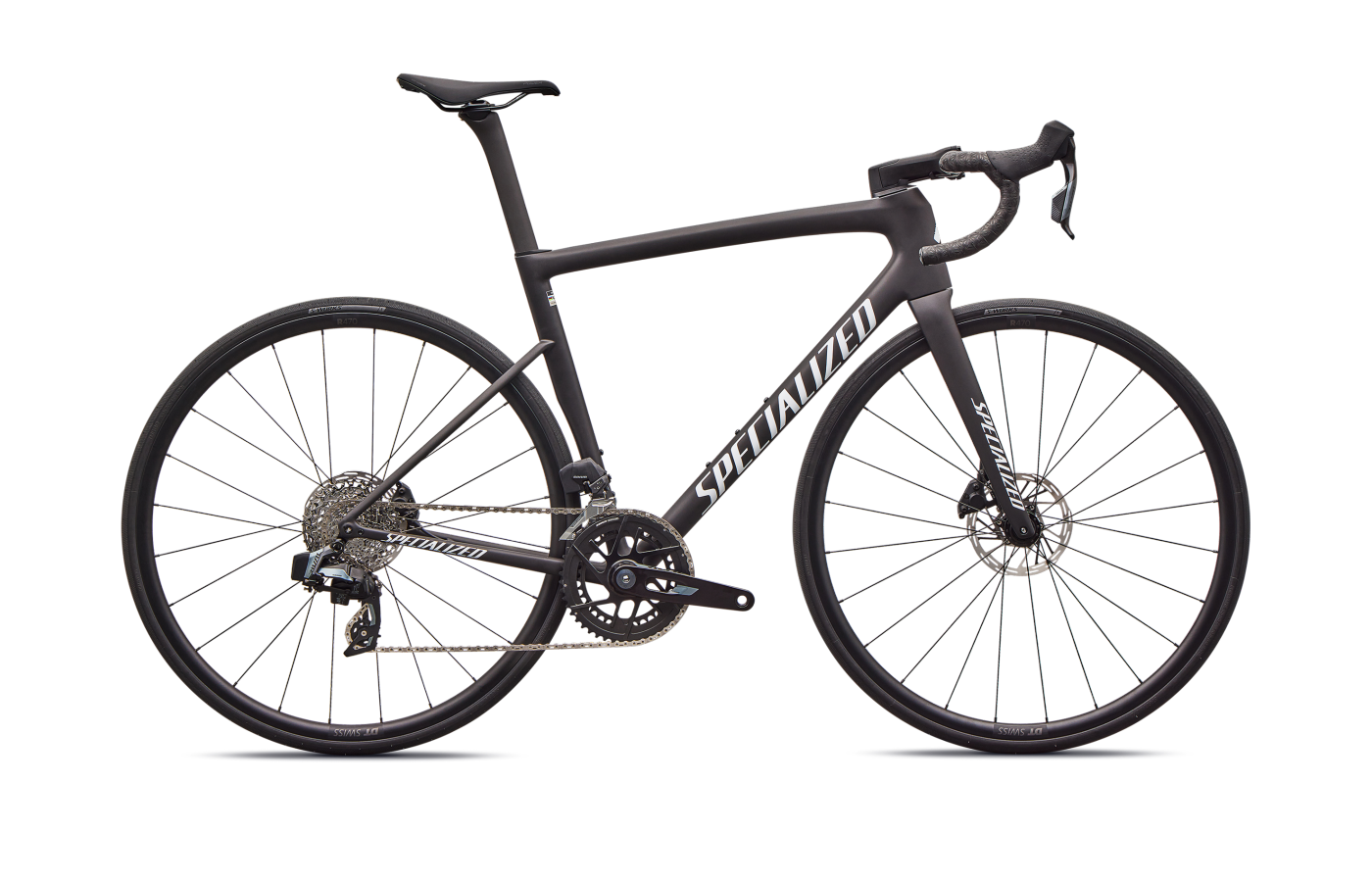
Tarmac
The all-rounder counterpoint — Specialized Tarmac trades a measurable chunk of pure aero for ~600 g less weight and a wider build range that starts well below either of these. If you only own one road bike, it's still the benchmark.
Compare →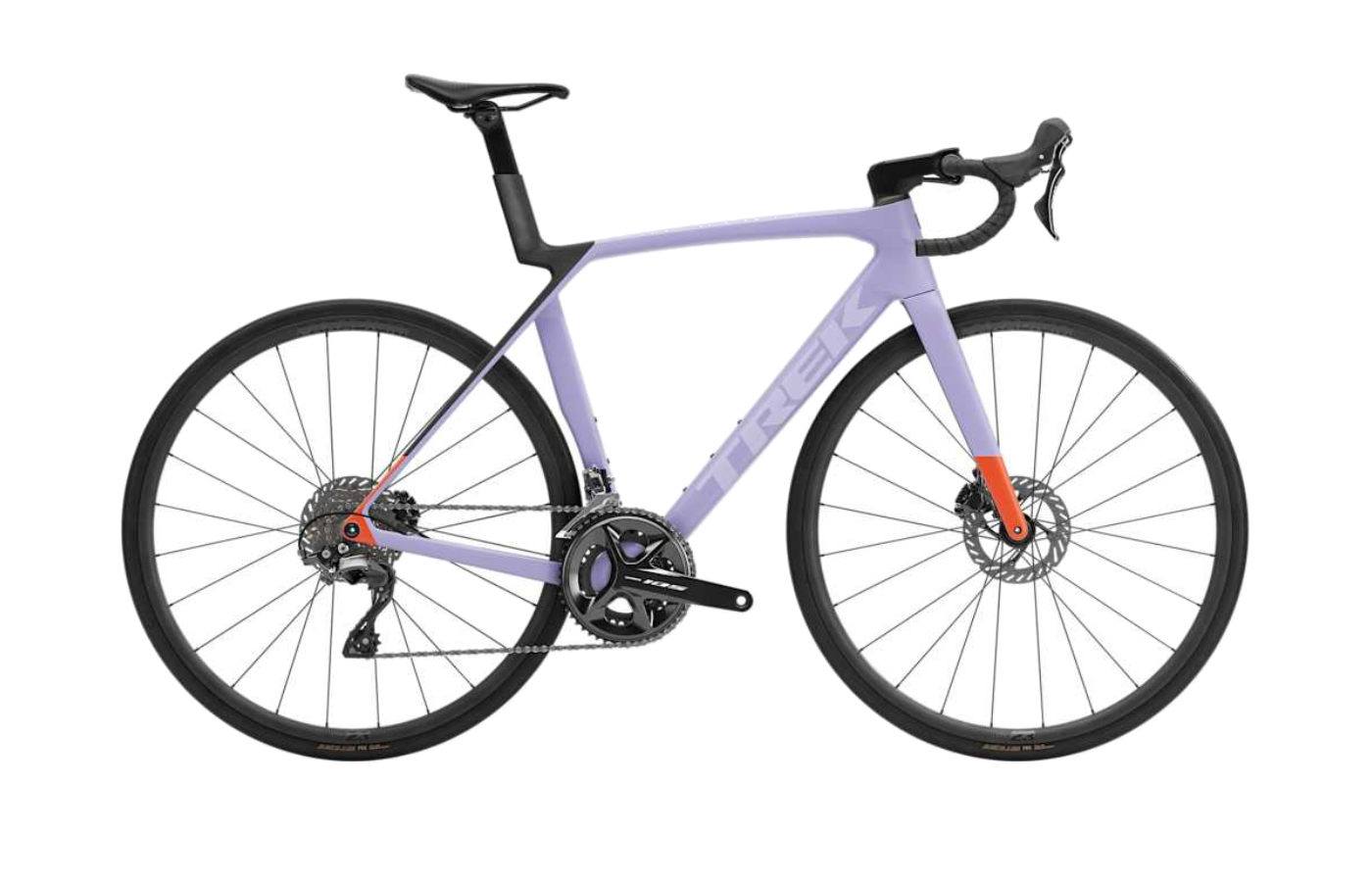
Madone
Trek Madone takes the same system-design philosophy as the S5 but adds the IsoFlow seatpost cutout for compliance. The aero numbers are competitive; the long-ride comfort is noticeably better than either bike here.
Compare →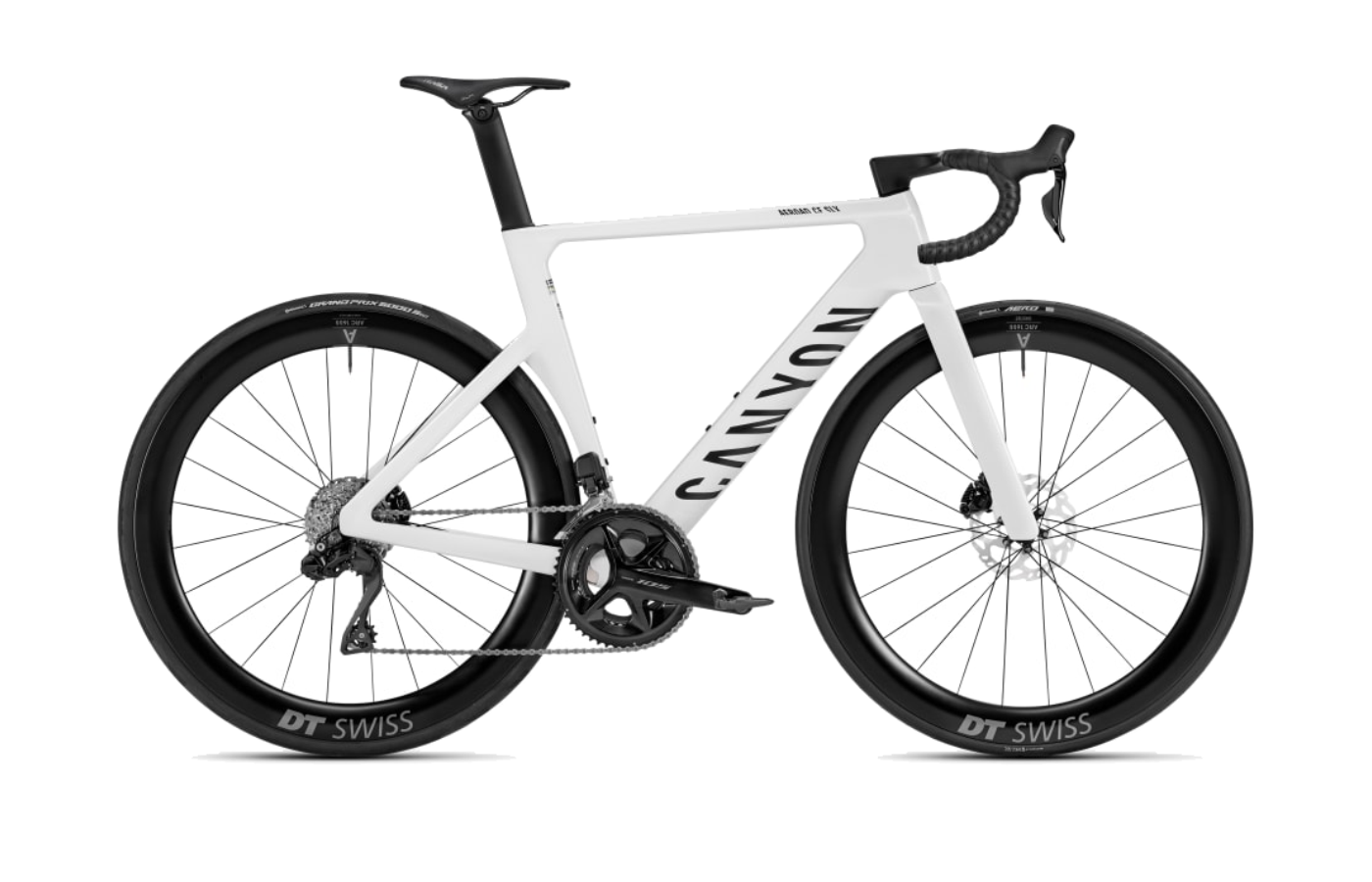
Aeroad
Canyon Aeroad chases the same WorldTour aero brief at roughly 30% less money — direct-to-consumer means no local dealer and no demos, so it's best if you already know your fit.
Compare →