Ultimate
vsSoloist
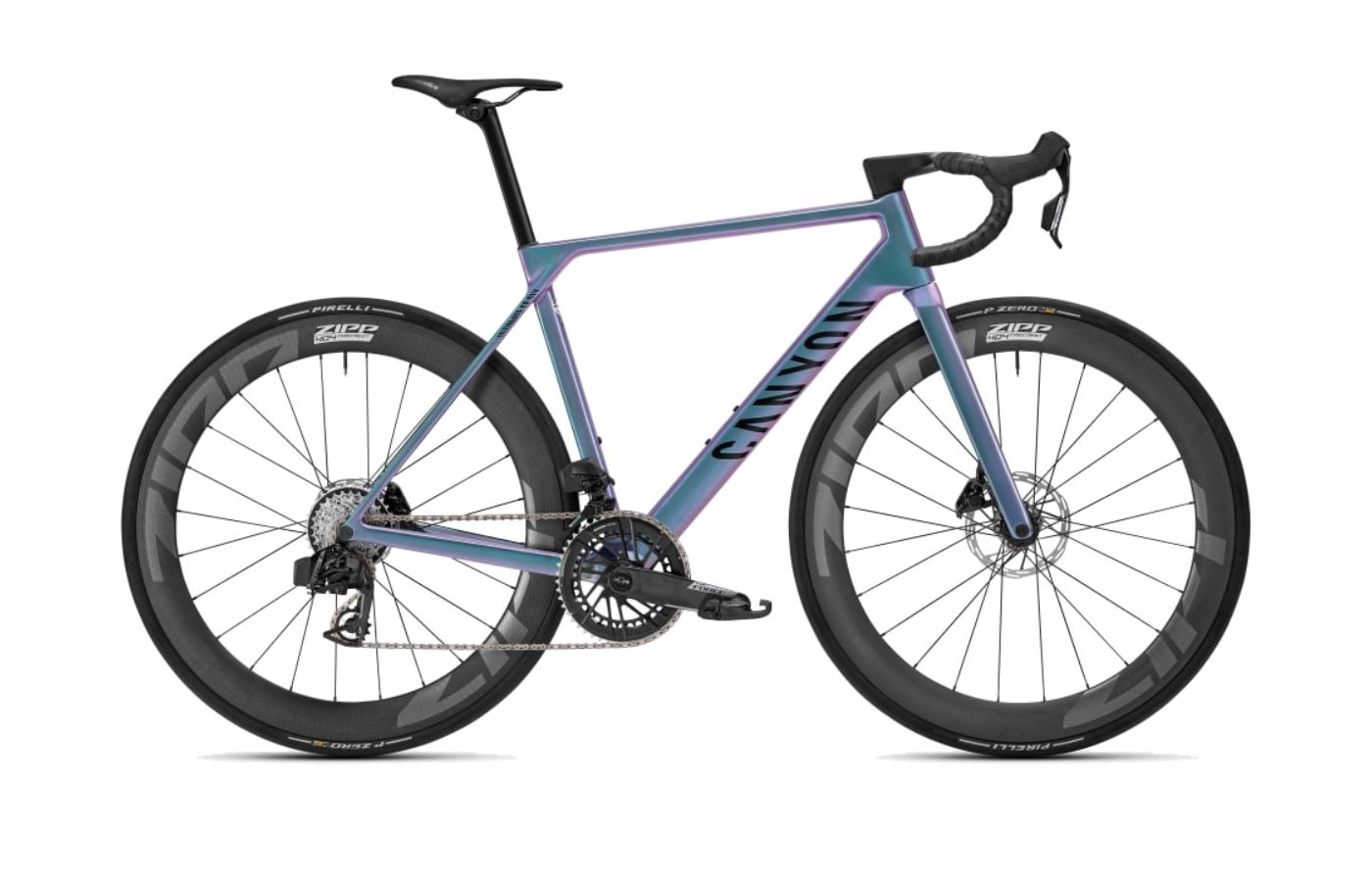
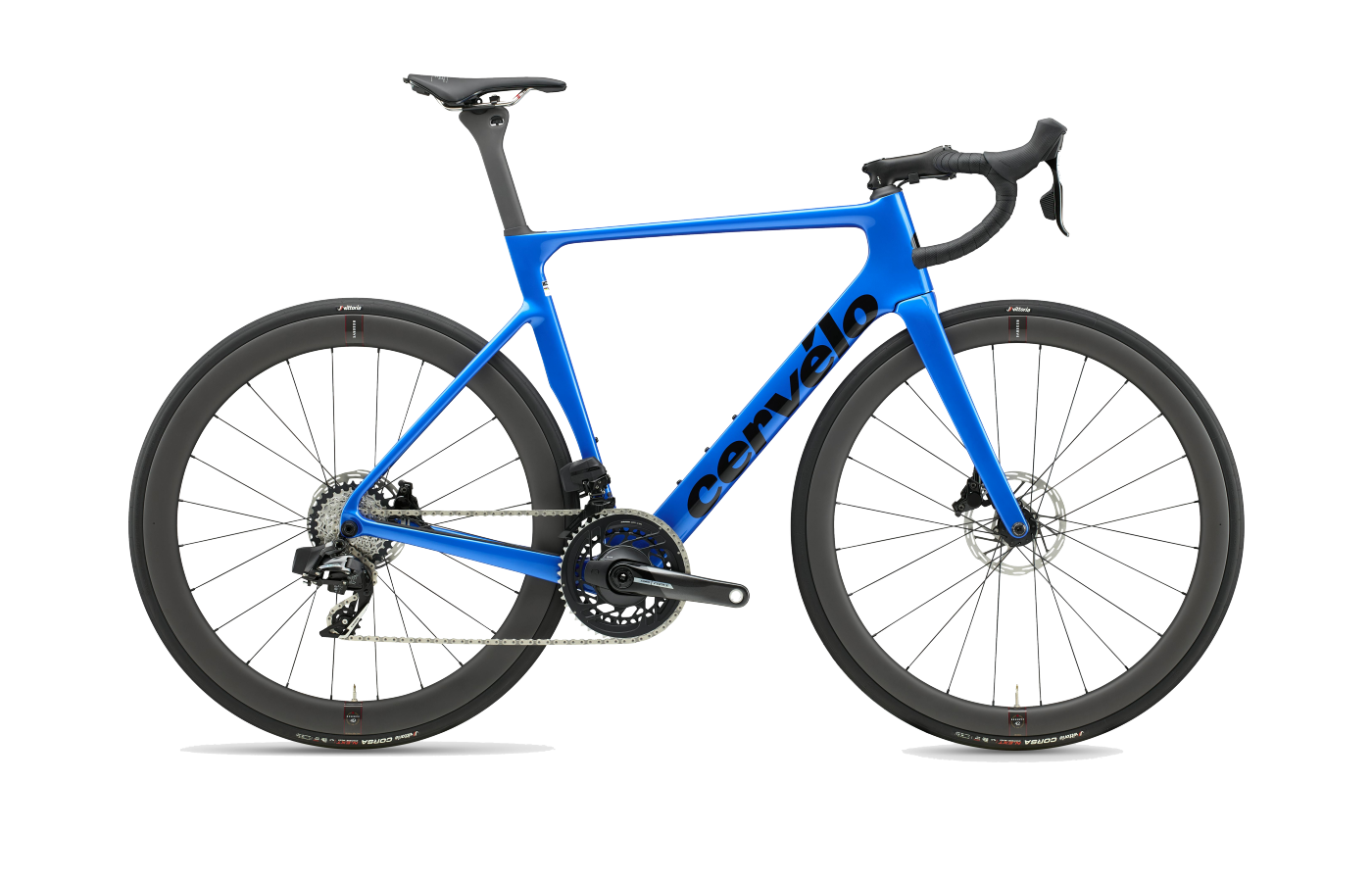
A climber that learned aero, versus an aero bike that learned to climb.
Canyon's do-everything race platform meets Cervélo's mechanic-friendly middle child — same brief, opposite starting points.
Ultimate
- Lightest frame in the comparison — CFR at 780 g claimed, and press builds tested at 6.26–6.39 kg.
- Wider price range — $2,899 entry to $10,499 flagship, including a 4iiii power meter on mid-tier builds.
- Aero without going all-in — 10 W claimed savings at 45 km/h keeps you honest on flats without killing the climbing feel.
- Integrated CP0048 cockpit limits stem-length changes without a $400+ replacement.
- Direct-to-consumer only — no local demo, no dealer network if something goes wrong.
Soloist
- Widest tire clearance here — 34 mm officially, 1 mm more than the Ultimate, which opens up rougher training roads.
- Mechanic-friendly everywhere — threaded T47 BB, 1 1/8" steerer, under-stem cable routing, swap bars without bleeding brakes.
- WorldTour frame across the range — same layup on the $3,900 105 build as the $7,600 Force AXS flagship.
- Heavier by ~1 kg at equivalent spec — noticeably less lively on sustained climbs.
- No Dura-Ace Di2 or Red AXS build — flagship ceiling is Force AXS / Ultegra Di2.
Editor’s analysis
Both brands wrote the same pitch on paper — one fast, light bike for everything — and landed on almost-mirror-image answers.
The Canyon Ultimate is a lightweight climber with aero seasoning. Canyon claims the Gen 5 frame saves roughly 10 watts at 45 km/h over its predecessor — nice, but not S5-class — and reviewers agree the headline trait is still mass. The CFR frameset comes in around 780 g claimed; the CF SLX is 885 g; press builds landed at 6.26–6.39 kg all-in. As Velo's James Huang put it, the Ultimate is Canyon's 911: the bike you buy when you want one road bike that does everything well.
The Cervélo Soloist starts from the other side of the room. It's 250 g heavier than the R5 climber, 250 g lighter than the S5 aero bike, and splits the aero deficit down the middle. Road.cc tested one at 8.47 kg — noticeably heavier than the Ultimate — but Cervélo is deliberate about where the grams went: a threaded T47 bottom bracket, standard 1 1/8" steerer, and under-stem cable routing instead of through-headset integration. It's the aero-ish race bike you can actually service in a hotel room.
The tire-clearance numbers seal the personality swap: the Cervélo Soloist clears 34 mm, the Canyon Ultimate 33 mm. The supposed climber takes the narrower rubber; the supposed aero bike runs wider. Both get you most of the way to every kind of road riding, but the Ultimate leans toward the rider who's counting grams on the long climb, and the Soloist toward the one who's bleeding brakes himself on Saturday morning.
Pricing is where it stops being a philosophical draw and starts being a real choice. The Canyon Ultimate opens at $2,899 for a 105 mechanical build and tops out at $10,499 for CFR Red AXS. The Cervélo Soloist opens at $3,900 and caps at $7,600 — no Dura-Ace or Red flagship, because those riders get pointed at the R5 or S5. If you want absolute top-shelf on this platform, the Ultimate is the only one offering it; if you want the cheapest way in, the Ultimate is that too.
Where the builds differ.
Comparing our editor's-pick builds side-by-side. Winners highlighted row-by-row — lower price and weight, and the better-spec component, each mark a point.
Build variants & pricing
The Ultimate spans $7,600 of range from 105 mechanical to Red AXS; the Soloist concentrates in the middle, topping out before you'd typically start looking at Dura-Ace.
Prices are current US MSRP. Cervélo does not offer a Red AXS or Dura-Ace Di2 build on the Soloist — riders who want that spec are pushed toward the R5 or S5. The Ultimate CF SLX and Soloist Force AXS builds selected here both use SRAM Force AXS E1, keeping the spec comparison apples-to-apples at the one-down tier.
How they fit, how they steer.
Ultimate size S versus Soloist 54, both fit-picked for a mid-range rider. Stack is nearly identical (539 mm vs 540 mm) and reach is within 7 mm (390 mm vs 383 mm). Both use 410 mm chainstays at this size; the Soloist's head tube is 0.2° steeper.
Which size should I buy?
Sizes recommended from stack, reach, and effective top tube. The Ultimate's 2XS-to-2XL range extends further in both directions; the Soloist covers 48–61 with heavier steps between sizes.
→These are starting points. Flexibility, riding style, and preferred position all shift the answer — if you’re between sizes, a professional fit beats a chart.
What the magazines said.
Published reviews from trusted cycling outlets. Click through for the full write-up.
Which one should you buy?
If you live in the hills and want one bike for everything, get the Canyon Ultimate. If you want an aero-leaning race bike you can actually work on, get the Cervélo Soloist.
Ultimate
If your weekends end in vertical gain and you want the lightest, stiffest, most direct-feeling race bike at each price tier, the Ultimate still sets the benchmark. Canyon's DTC model means the $5,999 CF SLX 8 Ultegra Di2 arrives with a 4iiii power meter and deep DT Swiss carbon wheels — spec you'd spend $8k+ to match elsewhere.
Soloist
If most of your riding is flat or rolling, you travel with your bike, and you'd rather swap a stem yourself than pay a shop to rebleed hoses, the Soloist is the smarter long-term buy. You trade a kilogram and some aero against an S5, but gain 34 mm of clearance, a threaded BB, and the same frame whether you buy the $3,900 105 or the $7,600 Force AXS.
Questions buyers actually ask.
Short answers to the things we get emailed about most often.
01Which is faster on flat roads?
The Cervélo Soloist, marginally. It sits roughly 126 g (aero-equivalent) faster than Cervélo's own R5 climber but still 190 g slower than the S5 — so it's not in S5 or Aeroad territory. The Canyon Ultimate claims 10 W saved at 45 km/h over the previous Ultimate, which is real but not class-leading either.
At normal group-ride speeds (28–32 km/h) the difference is inside the noise. Above 35 km/h the Soloist starts to nose ahead, especially with the deeper 42/49 mm Reserve wheels on higher builds — but if pure flat-road speed is what you're shopping for, both bikes are behind an S5, Aeroad, or Madone.
02Which climbs better?
The Canyon Ultimate, clearly. The CFR frameset is 780 g claimed against a Soloist that tests around 8.47 kg complete (Road.cc's Ultegra Di2 build) — call it roughly 1 kg of difference at the equivalent spec level. On a 30-minute climb for a 70 kg rider, 1 kg of bike is worth 15–20 seconds.
The Ultimate also gets described as "insatiable" and "addictive" on climbs in multiple reviews (Granfondo, BikeRadar); the Soloist is competent uphill but, in Cyclonline's words, "its only limit is the really hard climbs where the overall weight of the bike is felt."
03What's the maximum tire clearance?
Canyon Ultimate: 33 mm officially on all Gen 5 frames (CF, CF SLX, and CFR).
Cervélo Soloist: 34 mm officially. Stock builds ship with 28 or 29 mm Vittoria Corsa N.EXT rubber that measures wider on the 23 mm-internal Reserve rims — reviewers reported actual widths in the 30–31 mm range.
Neither is a gravel bike. For rough fire road or chunky chip-seal, look at a Grail, an Áspero, or a dedicated all-road bike like the Roubaix.
04How serviceable are the cockpits?
Very different philosophies.
The Canyon Ultimate uses the CP0048 one-piece integrated cockpit on most builds, with 50 mm of width and 20 mm of height adjustment built in — but you can't change stem length without buying a whole new unit, and full hose routing is internal through the stem.
The Cervélo Soloist uses a two-piece ST36 alloy stem plus HB13 carbon bar with standard 31.8 mm clamps, and cables run under the stem into the headset rather than through it. You can swap stem length or bar width without bleeding hydraulics — a legitimate weekly-life advantage if you adjust fit often or travel with a bike bag.
05Can I run mechanical shifting on either?
The Cervélo Soloist — yes. It's one of the few high-end modern race frames still sold with a mechanical Shimano 105 build, at $3,900. The routing supports cable-actuated derailleurs.
The Canyon Ultimate — only at the bottom of the range. The $2,899 CF 7 Shimano 105 12s build uses mechanical Shimano 105 R7120 shifters, and above that, every Ultimate Gen 5 build is Di2 or AXS electronic.
06What bottom bracket do they use?
The Soloist uses a BBRight T47 threaded bottom bracket, the same standard introduced on the R5-CX. Threaded BBs install with a torque wrench and a spanner and are far easier to re-service than press-fit.
Worth flagging: multiple reviewers (Velo, Cyclist UK) reported creaking from the Soloist's T47 BB in testing, though In The Know Cycling's long-term rider at roughly 3,000 miles reported his is silent. The Canyon Ultimate uses a press-fit standard, which is quieter when fresh but can creak as it ages and is less friendly to home mechanics.
07Which has better dealer and warranty support?
Both come with a lifetime frame warranty to the original owner against manufacturing defects, and both offer crash-replacement pricing on a new frame.
The practical difference is service flow: Cervélo works through a traditional dealer network, so warranty claims and fit support route through your local shop. Canyon sells direct, so claims go through Canyon's online support — fine when it works, frustrating when it doesn't. If dealer-level service matters to you, that's a real point for the Soloist.
08Which holds resale value better?
Cervélo Soloists tend to hold somewhat more of their MSRP over a three-year window on used marketplaces than Canyon Ultimates, largely because Canyon's aggressive new-bike pricing compresses the used floor — a used Ultimate competes with a new one at similar money.
The flip side: you usually buy the Ultimate cheaper to begin with, so absolute depreciation in dollars can end up similar. One-year-old flagship builds of either, second-hand, remain among the best buys in road bikes.
Similar bikes
If your priorities don’t map cleanly onto either of these, one of these adjacent bikes probably fits better.
Tarmac
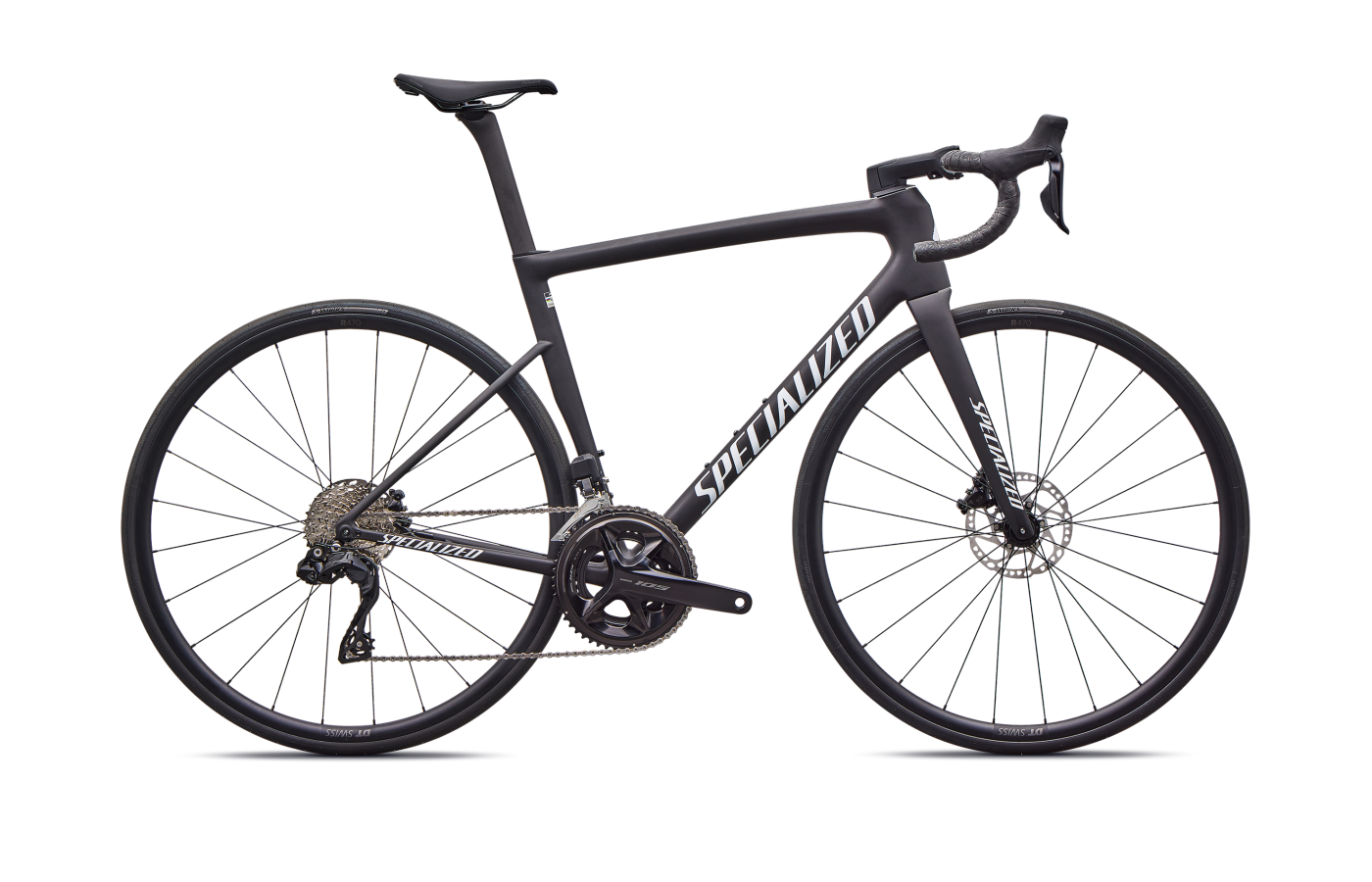
The WorldTour benchmark in this slot — the Tarmac SL8 pitches the same one-bike-for-everything brief with deeper race pedigree, a lighter frameset than either, and a dealer network Canyon can't match.
Compare →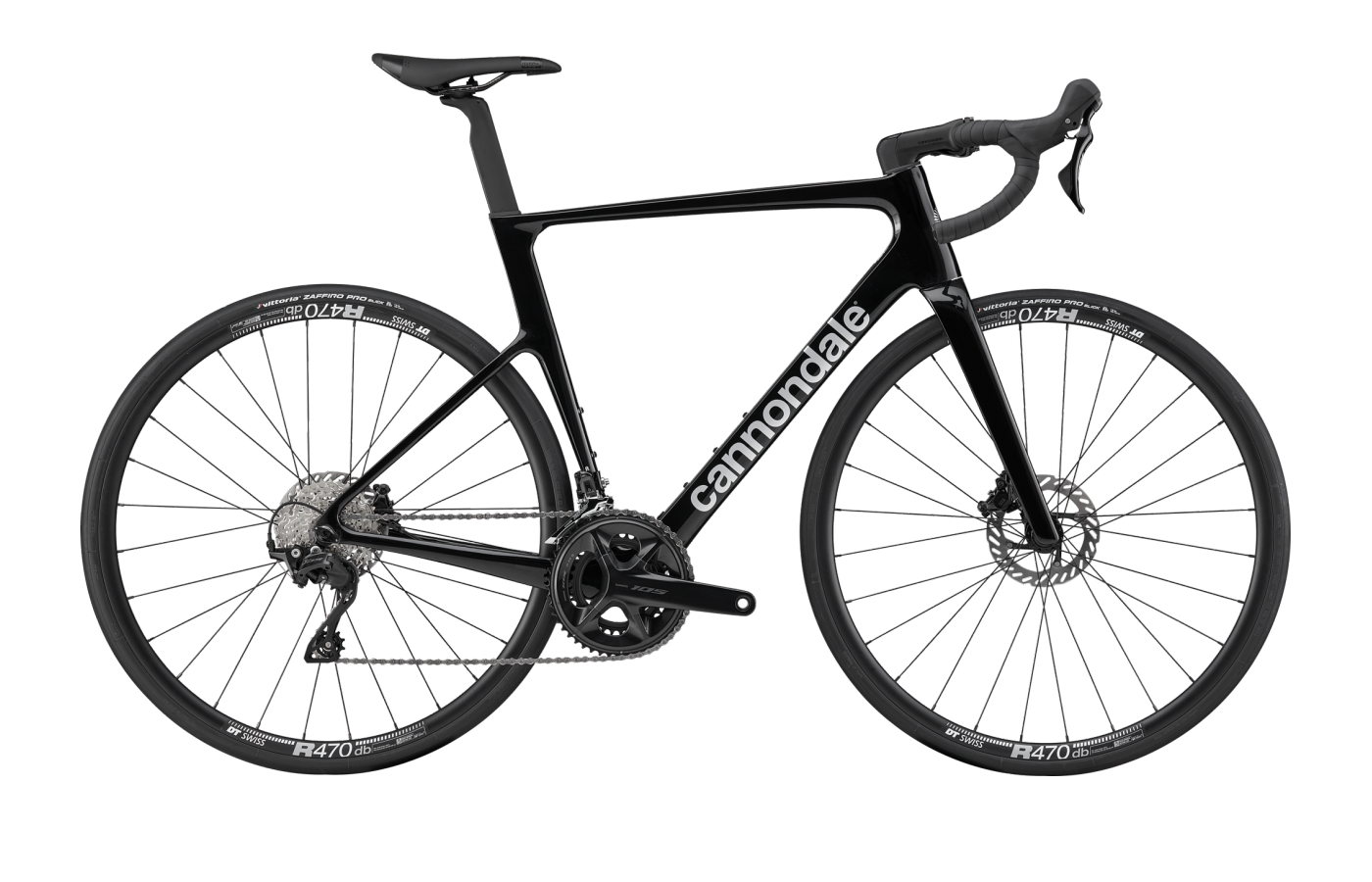
SuperSix EVO
Cannondale splits the difference again — a silhouette closer to the Ultimate with a smoother ride than the Soloist, and a range that scales from mid-3s mechanical to full-fat LAB71 flagship.
Compare →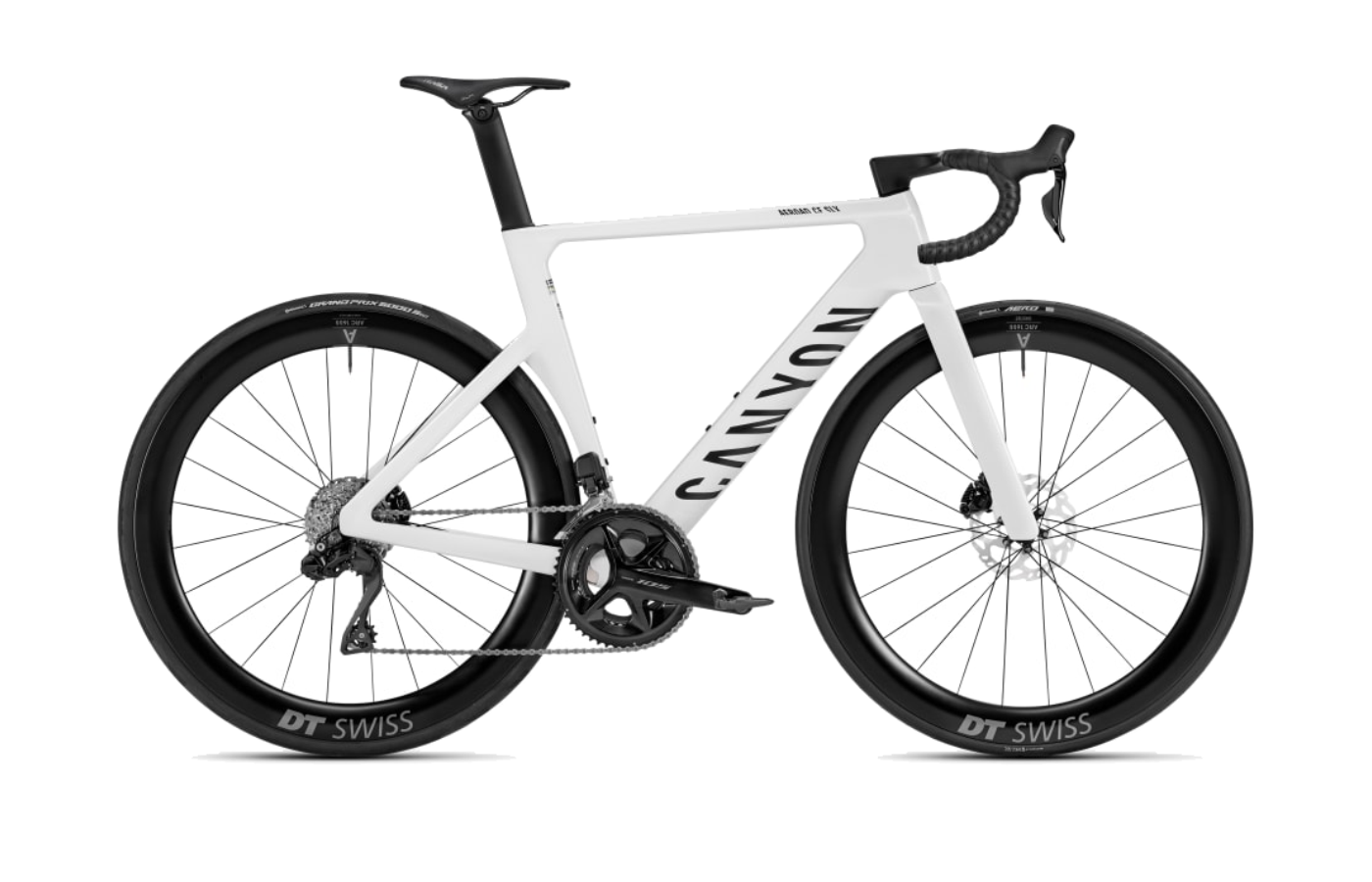
Aeroad
Canyon's own aero-flagship play — trade the Ultimate's climbing ability for outright flat-road speed and a more aggressive integrated cockpit, at direct-to-consumer prices that undercut rivals by roughly 30%.
Compare →