Krypton
vsDomane
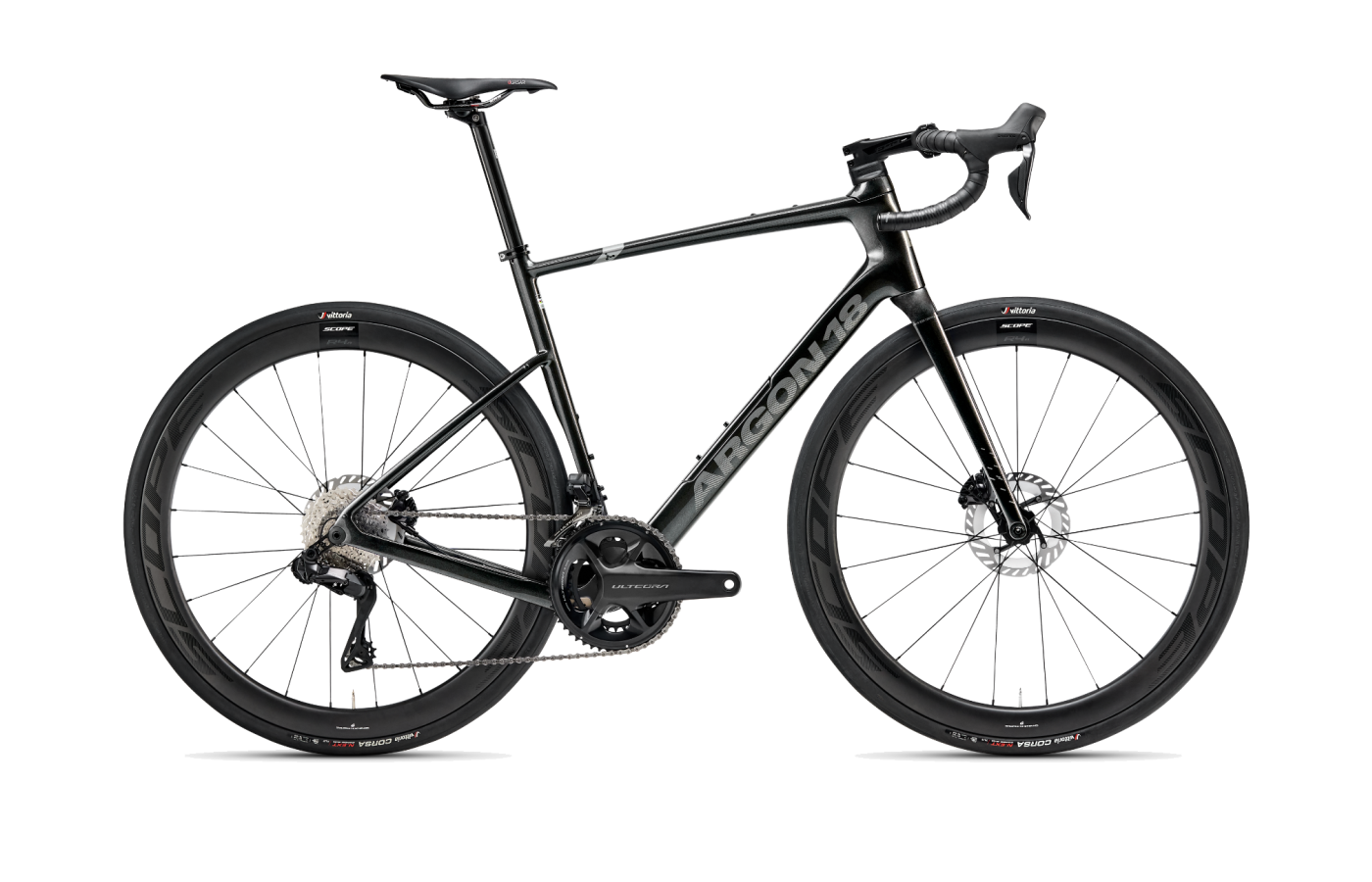
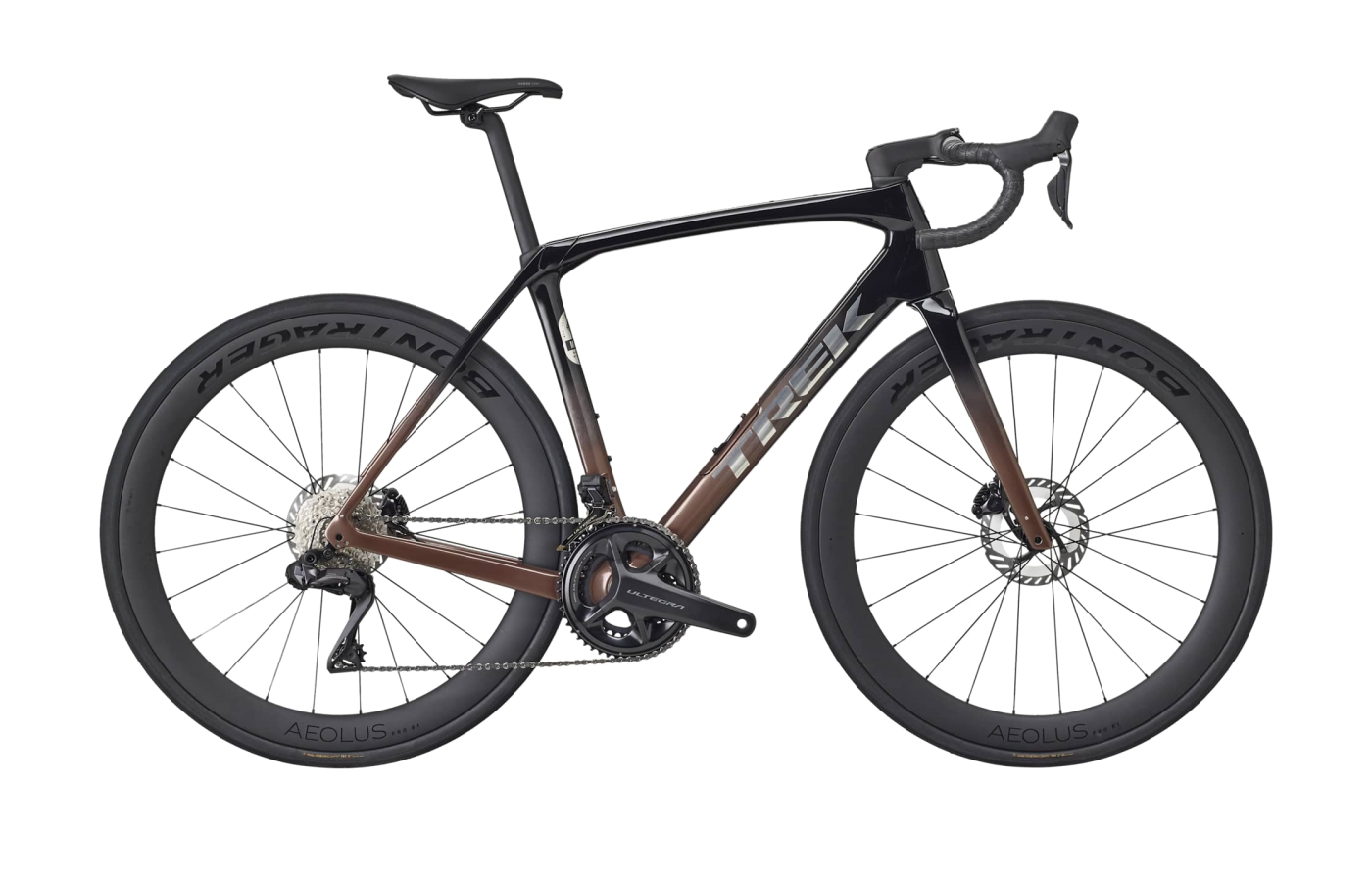
Two endurance all-roaders, two service philosophies.
The Argon 18 Krypton is the pragmatist's all-road bike — round seatpost, threaded BB, easy to live with. The Trek Domane is the engineered cruiser, IsoSpeed and all.
Krypton
- Standards-based service — round 27.2 mm seatpost, T47 threaded BB, no headset cable routing on most builds.
- More compliant fork — Gen 2 redesign adds 15% more vertical flex, taking the sting out of long days.
- Easy-access storage — roomy down-tube compartment with multiple bottle and rack mounts.
- Mid-range FSA cockpit and Scope wheels can feel ordinary on a $6.5k+ bike.
- Standard build is heavier (8.56 kg) than the lighter Pro spec — climbs feel less lively without an upgrade.
Domane
- Class-leading rear comfort — the IsoSpeed decoupler still has no equal at smoothing rough tarmac and cobbles.
- Wider build range — $1,199 Claris alloy to a $12,499 Red AXS SLR; almost any budget gets in.
- Confident, planted handling — 80 mm BB drop and long wheelbase make descents and gravel feel rock-solid.
- Recurring seatpost-creak issue requiring revised IsoSpeed wedges to fix.
- Headset-routed cables make routine front-end service noticeably more expensive.
Editor’s analysis
Both promise one bike for tarmac, hardpack, and the occasional gravel detour — the question is how much proprietary hardware you're willing to live with to get there.
On paper, the Argon 18 Krypton and Trek Domane occupy the same shelf — endurance road bikes with 38 mm tire clearance, internal downtube storage, and geometry tuned for staying out all day. Both run electronic Shimano or SRAM, both ship with carbon frames, both have been pitched at the same all-road buyer who refuses to own two bikes. Spend any time on the spec sheets and the philosophies separate fast.
The Argon 18 Krypton is the deliberate pragmatist. It runs a standard 27.2 mm round seatpost, a T47 threaded bottom bracket, and semi-integrated cable routing instead of full headset-through. The Krypton is engineered to be serviceable from any shop in any country — Argon's design lead Mark Beaumont (the round-the-world endurance rider) explicitly pushed for parts you can replace anywhere. The redesigned fork adds 15% more compliance over the Gen 1 frame, and the down tube hides a roomy storage compartment that doesn't rattle.
The Trek Domane is the engineered specialist. The rear IsoSpeed decoupler turns square-edged hits into a magic carpet — most reviewers say the rear end is genuinely the smoothest in the segment. Trek paid for that with weight (the SL 7 lands at 8.42 kg vs. an 8.56 kg standard Krypton, but the Krypton Pro hits 7.6 kg) and complexity. Cables route through the headset bearings, the seatpost wedge has gone through four hardware revisions to stop creaking, and replacing those bearings is a labor-intensive shop visit.
Put another way: the Argon 18 Krypton is the bike you buy if you fix things in your garage and want a frame that'll outlast three drivetrains. The Trek Domane is the bike you buy if you have a Trek dealer ten minutes away, want the smoothest rear end on the market, and don't mind the proprietary cost of admission.
Where the builds differ.
Comparing our editor's-pick builds side-by-side. Winners highlighted row-by-row — lower price and weight, and the better-spec component, each mark a point.
Build variants & pricing
Both run Shimano Ultegra Di2 at this tier — the Krypton lineup tops out at $7,299, while the Domane scales from $1,199 alloy to $12,499 Red AXS SLR.
Prices are current US MSRP. The Domane's much wider lineup means there's a Trek for every budget; Argon 18 only sells the Krypton from $4,650 up. The Krypton uses a single carbon layup across all builds, while Trek separates 800 Series OCLV (SLR) from 500 Series OCLV (SL) — the Ultegra Di2 builds compared here are SL-tier on the Trek side.
How they fit, how they steer.
The Krypton S sits 17 mm taller in stack but 9 mm longer in reach than the Domane 50 — a more aggressive front-end despite the more upright posture. Head tube angle is 1.2° steeper on the Krypton (72.3° vs. 71.1°), with chainstays 5 mm shorter — the Argon corners snappier; the Trek tracks straighter at speed.
Which size should I buy?
Sizes shown are picked by the fit algorithm against a default 173 cm rider. Krypton runs XXS–XL; Domane runs 47–62 — the Trek extends further at both ends of the range.
→These are starting points. Flexibility, riding style, and preferred position all shift the answer — if you’re between sizes, a professional fit beats a chart.
What the magazines said.
Published reviews from trusted cycling outlets. Click through for the full write-up.
Which one should you buy?
If you want one all-road bike you can wrench on for a decade, get the Krypton. If you want the smoothest rear end on the market and a Trek dealer to handle the integration, get the Domane.
Krypton
If you ride long, ride remote, and want a bike built around standard parts you can find anywhere, the Krypton is the smarter long-term partner. The Gen 2 fork redesign finally fixes the front-end stiffness complaint, and the storage and mounts are tuned for bikepacking.
Domane
If your priority is the smoothest rear end on broken tarmac and you have a Trek dealer nearby, the Domane is unmatched at making rough roads disappear. Just plan for the eventual seatpost-wedge revision and the cost of headset-bearing service.
Questions buyers actually ask.
Short answers to the things we get emailed about most often.
01Which is more comfortable on rough tarmac?
The Trek Domane, but with an asterisk. The rear IsoSpeed decoupler is genuinely class-leading at neutralizing square-edged hits — reviewers consistently call it "astonishingly comfortable" and "dream-like." The catch is that the Gen 4 dropped the front IsoSpeed, so the front end relies on tire volume and the IsoCore handlebar for damping. Some testers note the resulting front-rear imbalance — "punishing" front, plush rear — when hitting bigger obstacles.
The Krypton's Gen 2 fork redesign adds 15% more vertical compliance than the previous version, plus a slender 27.2 mm round seatpost that flexes more than proprietary aero posts. It's smoother than most road bikes, just not as dramatic as the Domane's rear.
02Which is easier to live with long-term?
The Argon 18 Krypton, by a clear margin. It uses a standard 27.2 mm round seatpost (replaceable from any shop in the world), a T47 threaded bottom bracket, and semi-integrated cable routing that doesn't run through the headset bearings. Argon explicitly designed for serviceability with input from endurance rider Mark Beaumont.
The Domane uses cables routed through the headset, which exposes the upper bearing to sweat and road spray and makes bearing replacement a labor-intensive job involving disconnecting hydraulic lines. The IsoSpeed seatpost wedge has also gone through multiple revisions (Rev 2 and Rev 4) to address creaking and slipping issues.
03What's the maximum tire clearance on each?
Argon 18 Krypton: 38 mm officially with SRAM AXS 2x drivetrains, 35 mm with Shimano road groupsets, and up to 40 mm with 1x setups or gravel-specific drivetrains.
Trek Domane Gen 4: 38 mm officially, with several reviewers reporting that 40 mm and even 41 mm tires fit. Both are firmly on the upper end of road-bike clearance — neither is a true gravel bike, but both handle hardpack and light gravel with the right rubber.
04Which climbs better?
It depends on the build. The standard Krypton weighs around 8.56 kg in size M (Granfondo's measured weight) — Granfondo called it "too sluggish on the climbs to pass as a mountain goat." The Krypton Pro drops to 7.6 kg and Road.cc rated its climbing 8/10.
The Trek Domane SL 7 comes in at 8.42 kg in size 56 (claimed) — comparable to the standard Krypton. The SLR 7 is lighter at 7.99 kg. Reviewers consistently note the Domane "wakes up" on climbs once you swap the heavy stock Bontrager wheels and tires.
For stock builds at this price tier, neither is a climbing standout — both are endurance bikes by design.
05Do both have internal frame storage?
Yes. The Krypton uses a roomy down-tube compartment that opens behind the bottle cage — Cycling Magazine and Road.cc both call it well-integrated and rattle-free. The Domane uses a similar BITS-style compartment in the down tube. Both are big enough for tools, a tube, and basic essentials. Reviewers slightly prefer the Krypton's compartment for being more spacious and easier to access.
06Are the proprietary parts on the Domane a real concern?
It's worth knowing about, not a dealbreaker. The biggest reported issue is the IsoSpeed seatpost wedge creaking or letting the post slip — this affected enough riders that Trek issued multiple hardware revisions (most recently Rev 4). Owners over 80 kg report the issue more often. Most cases are resolved by the updated wedge plus a generous coat of carbon paste.
The headset-routed cables are the bigger long-term cost: replacing the upper headset bearing requires disconnecting brake hoses and rebar-taping. Plan on that being a shop job at $150–$300 of labor every couple of seasons in wet climates.
07Which has the wider build range?
The Trek Domane by a wide margin — 10 builds from a $1,199 Claris alloy AL 2 up to a $12,499 SRAM Red AXS SLR 9. Trek covers every budget from first-road-bike to flagship.
The Argon 18 Krypton is a tighter four-build lineup, $4,650 (Rival AXS) to $7,299 (Force AXS). There's no entry-level Krypton — if your budget is below $4,500, the Domane is the only one of these two in the conversation.
08Which has better resale and dealer support?
Trek's dealer network is one of the largest in cycling — finding a shop that stocks parts, handles warranty, and can service the Domane's integrated front end is rarely an issue in North America or Europe. Resale on Domane SLR models tends to be reasonable thanks to brand recognition.
Argon 18 is a smaller Canadian brand with a thinner global dealer footprint. The upside is that the Krypton was deliberately designed around standards-based parts, so most service can happen at any shop — you don't need an Argon-specific dealer. Resale is softer than Trek but the lower depreciation curve on smaller-volume brands sometimes evens out.
Similar bikes
If your priorities don’t map cleanly onto either of these, one of these adjacent bikes probably fits better.
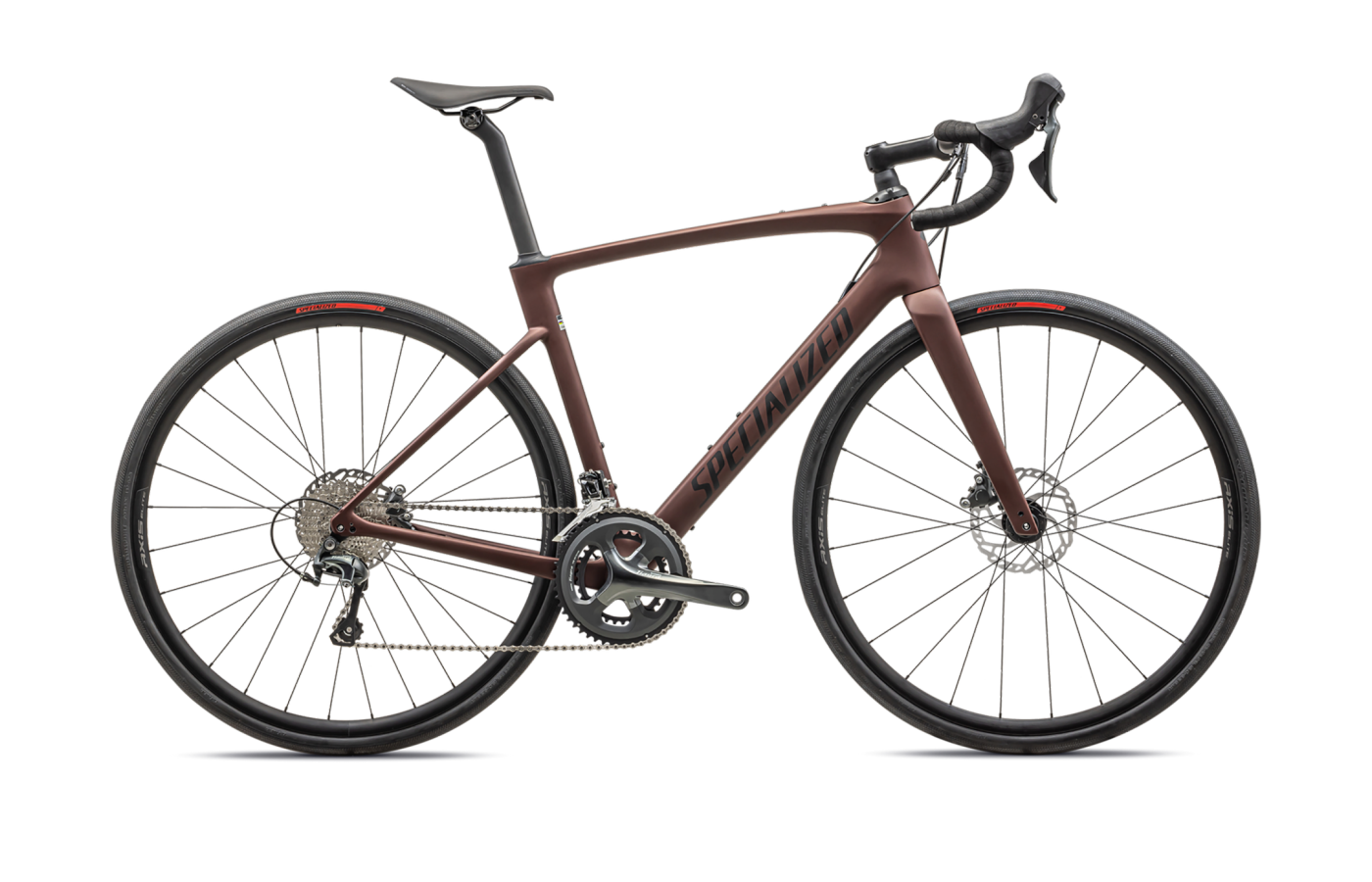
Roubaix
The direct Domane rival — Specialized's Future Shock front-suspension cartridge handles road buzz with a mechanical solution at the front, where the Gen 4 Domane went tire-only. Pick this if you want the Trek's plush rear philosophy but applied at both ends.
Compare →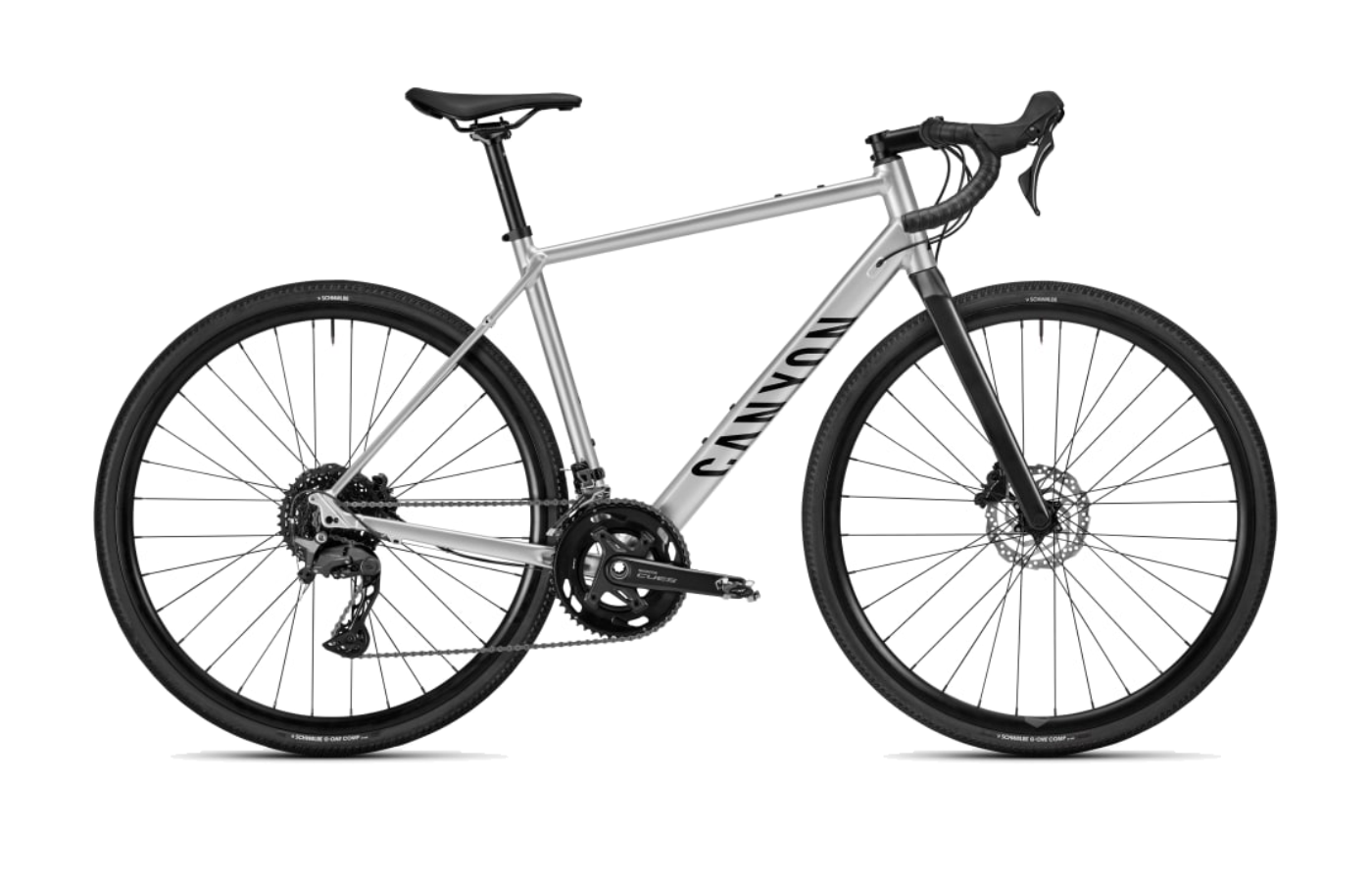
Endurace
Canyon's value play in the endurance category — same long-day geometry and tire clearance for several thousand less than a top-spec Trek or Argon. The trade is Canyon's direct-to-consumer model: no local dealer for warranty or fit.
Compare →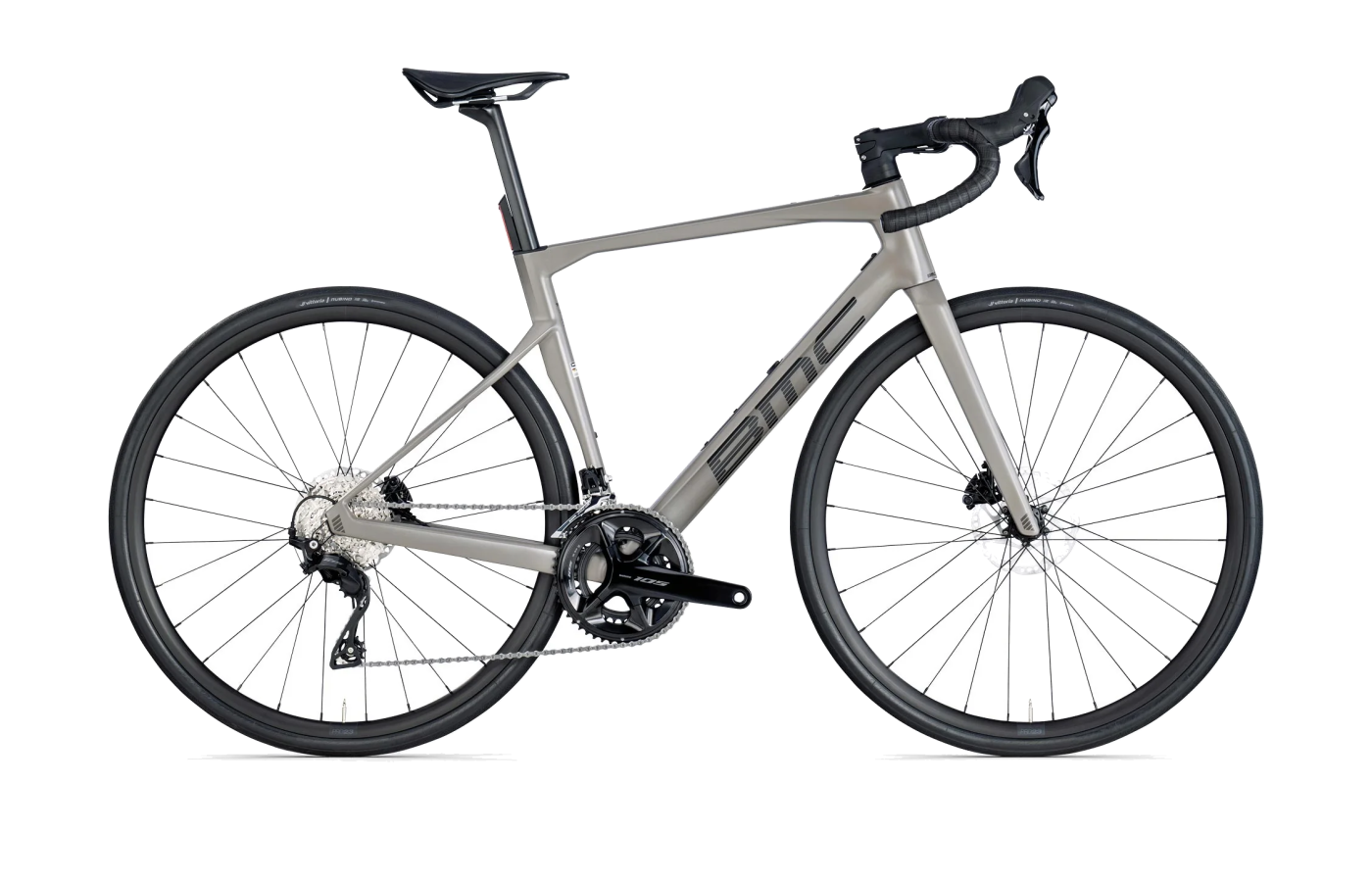
Roadmachine
BMC's premium endurance racer — same versatile spirit as the Domane and Krypton, but with a stiffer, more traditional ride feel for riders who'd rather keep mechanical damping out of the equation.
Compare →