Trek
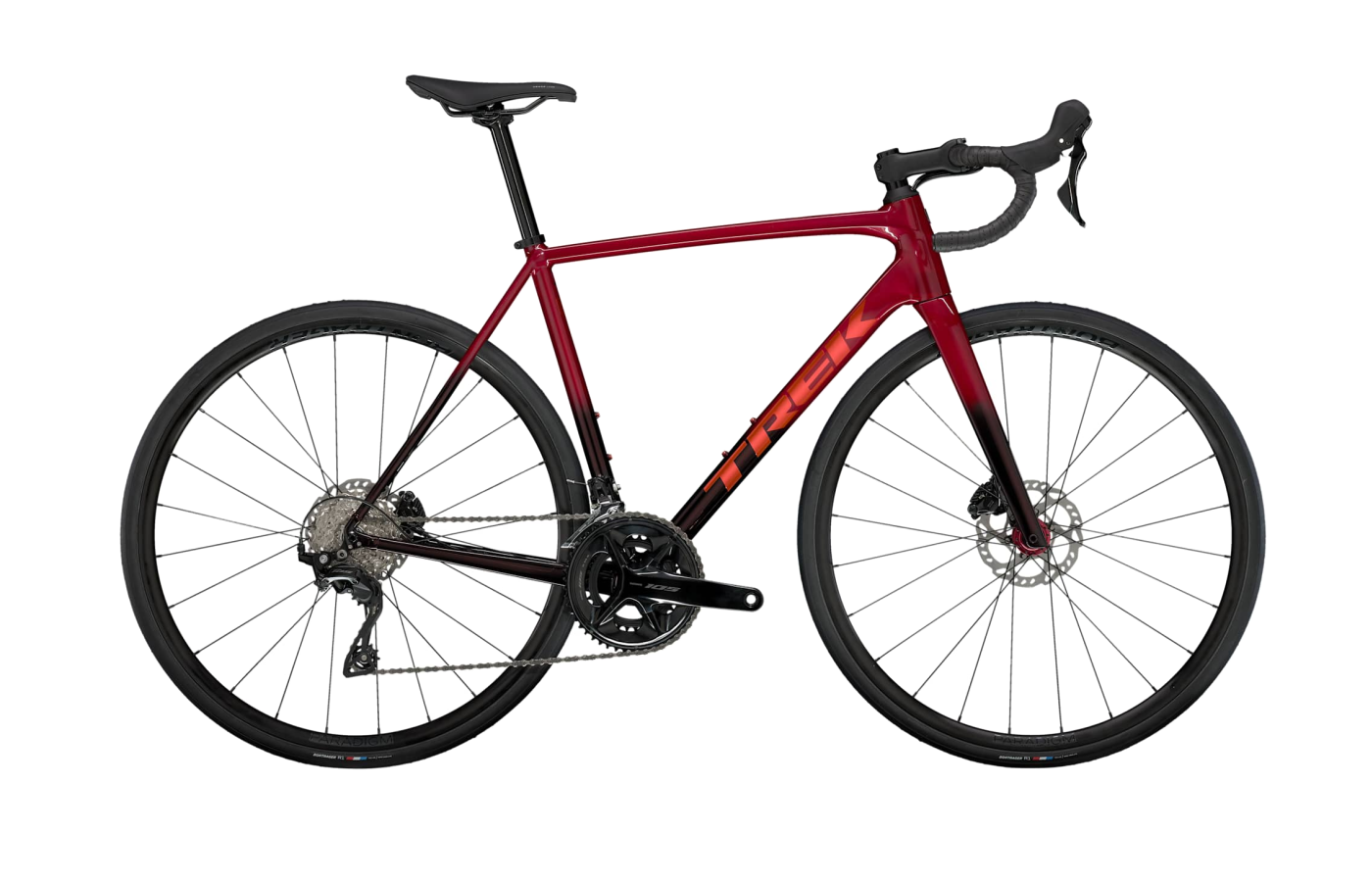
Emonda ALR5
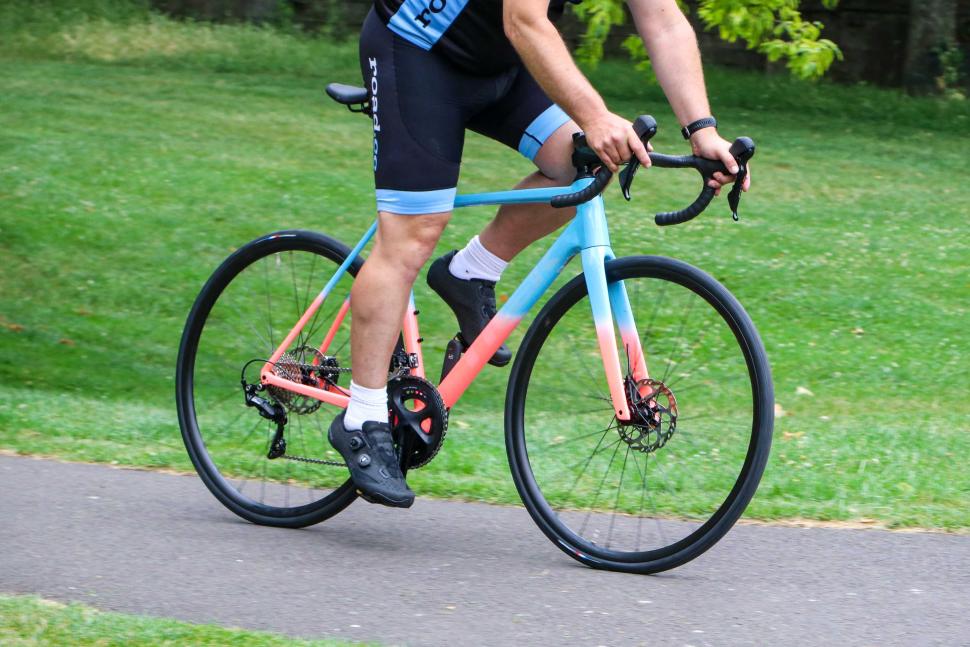
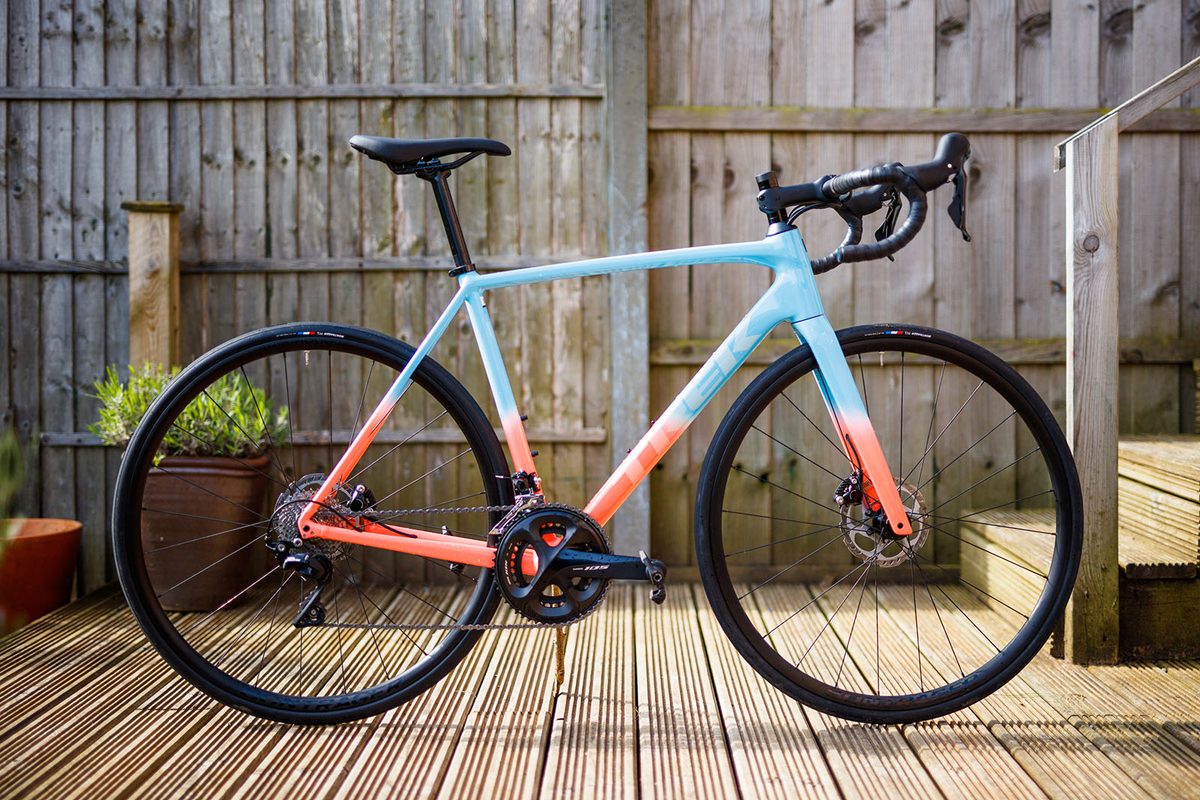
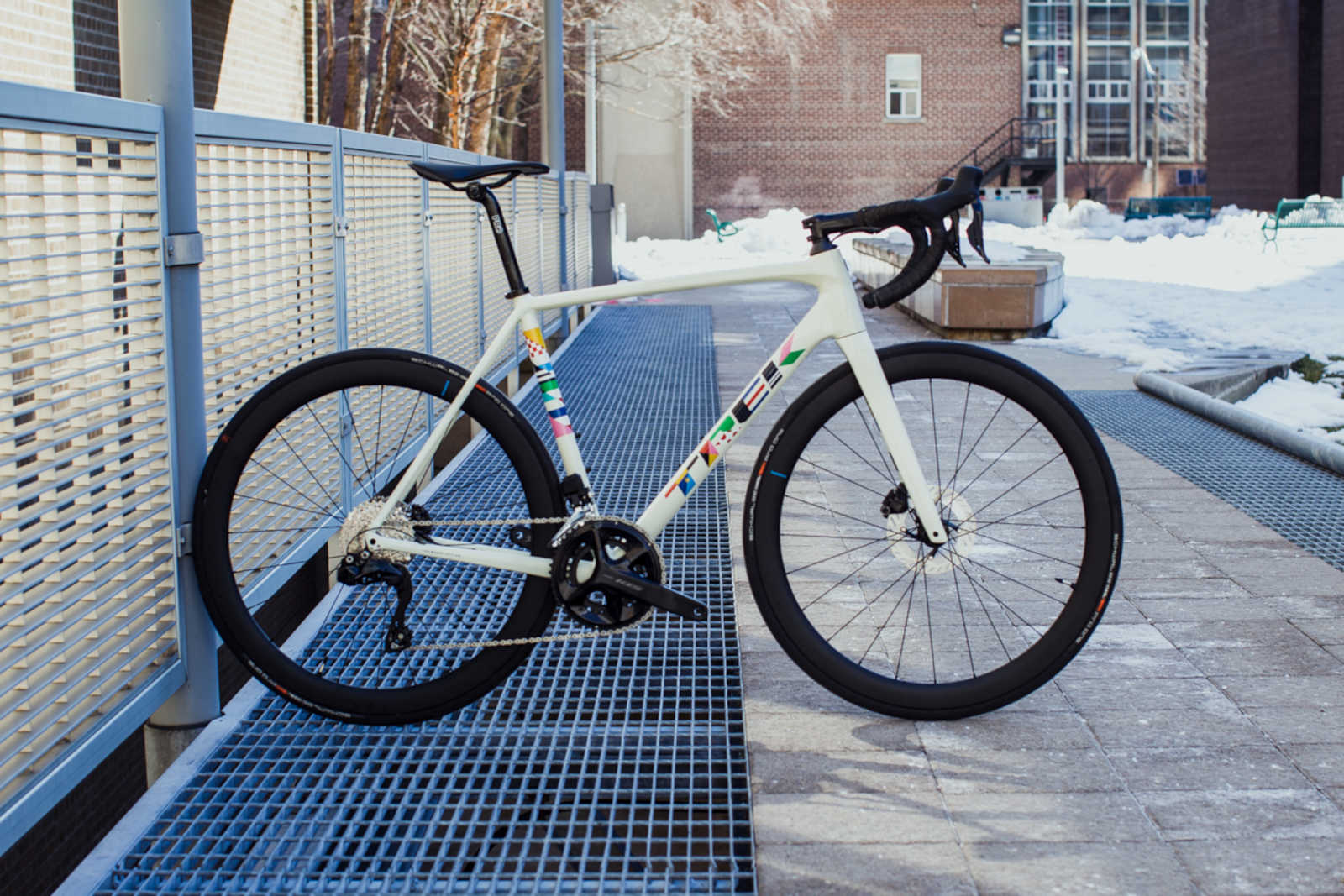
The third-generation Trek Emonda ALR is a dedicated aluminum road racing frameset designed to closely mimic the brand's carbon climbing bikes. Moving away from the more relaxed fits of its predecessors, this iteration adopts an aggressive posture and aerodynamic tube shaping aimed squarely at criterium racers and fast club riders. Trek modernized the platform by dropping rim brake compatibility entirely and routing cables through the upper headset bearing for a cleaner cockpit. The frame also transitions to a threaded T47 bottom bracket for easier maintenance. Stripped of fender mounts and officially capped at a conservative 28mm tire clearance, the Emonda ALR is unapologetically focused on paved performance. It serves as a high-value alternative for privateer racers who want the geometry and handling of a flagship carbon bike without the associated replacement costs if they crash.
Spec sheet.
Every component shipped with this build.
Geometry & fit.
8 sizes published.
Trek builds the Emonda ALR around its H1.5 geometry, the same blueprint used for its flagship carbon race bikes. This marks a departure from the previous generation's more upright H2 fit, placing the rider in a longer, lower, and more aerodynamic posture. The setup is distinctly race-oriented, demanding a flexible lower back and a forward-leaning center of gravity.
Despite the aggressive rider positioning, the handling geometry leans slightly toward high-speed stability. A 73.5-degree head tube angle on a size 56cm frame is paired with a moderate fork trail and a 70mm bottom bracket drop, keeping the rider's weight centered. This combination yields steering that is quick enough for tight criterium corners but avoids feeling nervous on fast, sweeping descents.
The cockpit relies on a conventional two-piece aluminum handlebar and stem. While the cables route internally through the headset bearing, the standard 31.8mm bar clamp and 1-1/8-inch steerer tube mean riders can easily swap stem lengths or bar widths to dial in their fit without needing proprietary components.
Where the handlebar sits relative to the bottom bracket — the single most important fit pair.
01Fit geometry6 values
02Component geometry7 values
03Handling geometry7 values
Which size should I buy?
Slide your height to see the recommended size. GearWise's fit algorithm works from the published stack, reach, and ETT — the brand's own recommendation may differ.
→Calculated from GearWise's own stack / reach / ETT algorithm — the brand's size chart may recommend a different size, and a proper bike fit beats any calculator.
The lineup.
1 build, ranging $2,500.
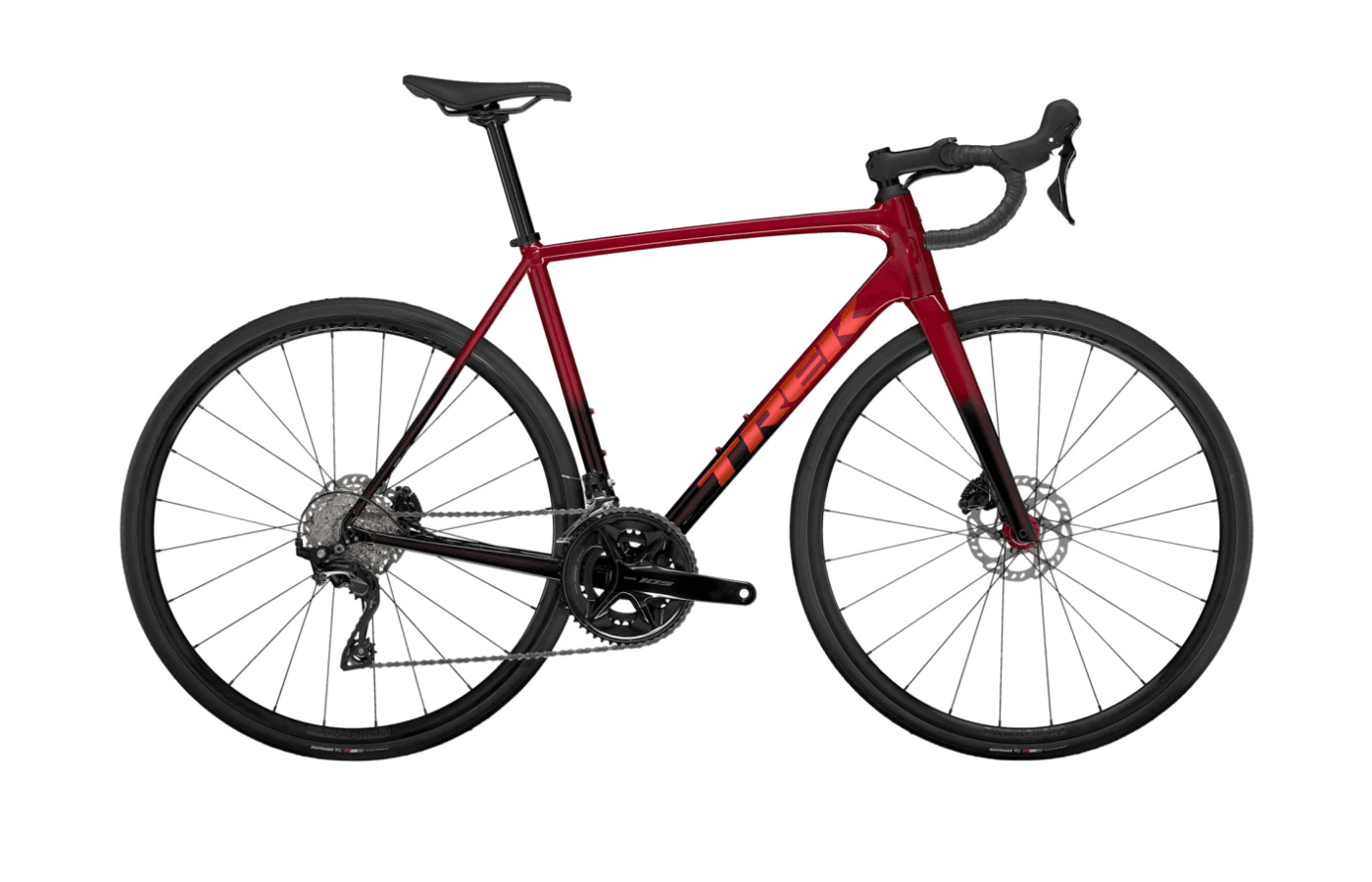
The Emonda ALR is offered in a single complete build, the ALR 5, which prioritizes a reliable mechanical drivetrain to keep the overall price accessible. It is equipped with Shimano's 12-speed 105 R7100 groupset, featuring a 50/34T compact crankset paired with an 11-34T cassette. This wide gear range provides ample low-end gearing for steep climbs while maintaining tight enough jumps for paceline riding.
The frame utilizes a threaded T47 bottom bracket, a standard that mechanics favor for its creak-free operation and straightforward serviceability. However, the headset-routed cables introduce a maintenance tradeoff. While the hidden routing creates a clean aesthetic, replacing shift cables or servicing the upper headset bearing requires significantly more labor than a traditional external setup.
Rolling stock consists of Bontrager Paradigm SL aluminum wheels. These rims feature a modern 21mm internal width and are tubeless-ready, though the bike ships with basic 28mm wire-bead tires and inner tubes. Because the frame utilizes standard round seatpost and cockpit dimensions, the ALR 5 serves as an excellent foundation for privateer racers looking to upgrade wheels and touchpoints over time.
From the press.
7 reviews from the cycling press.
Critics consistently praise the Emonda ALR for delivering a ride quality that rivals mid-tier carbon frames. Rather than exhibiting the harshness historically associated with aluminum, the frame manages high-frequency road chatter effectively. One tester noted the tubing provides an "almost steel-like" (Road.cc) smoothness, particularly at the rear of the bike. Out of the saddle, the chassis feels highly efficient, with reviewers noting it has the "right snap to be a truly wonderful climber" (Bicycling).
While the frame itself earns high marks for its lively acceleration, reviewers universally point to the stock wire-bead tires as a major limitation. Multiple testers described the factory rubber as feeling "sluggish" (BikeRadar), muting the bike's true potential. Upgrading to a premium tubeless tire is widely recommended as the first necessary change.
Handling is characterized as stable and predictable rather than hyper-reactive. Compared to its sharpest criterium rivals, the steering is slightly more relaxed, allowing riders to hold a line through fast corners without constant micro-corrections. Testers appreciated this balance, reporting that the bike's responsiveness "mirrors its carbon siblings" (Cycling Magazine) while remaining composed on high-speed descents.
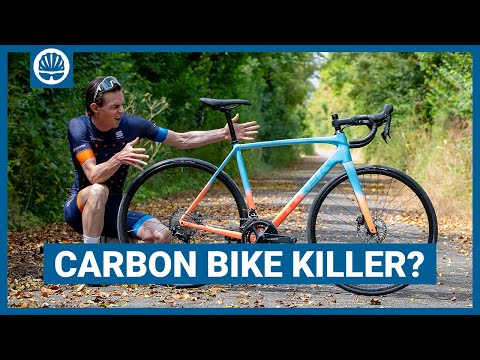
High-end Aluminium, Is It Worth It? Trek Émonda ALR 5 Review
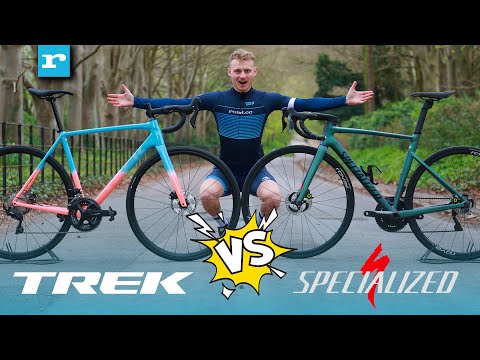
NEW 2023 Trek Emonda ALR vs Specialized Allez Sprint ...
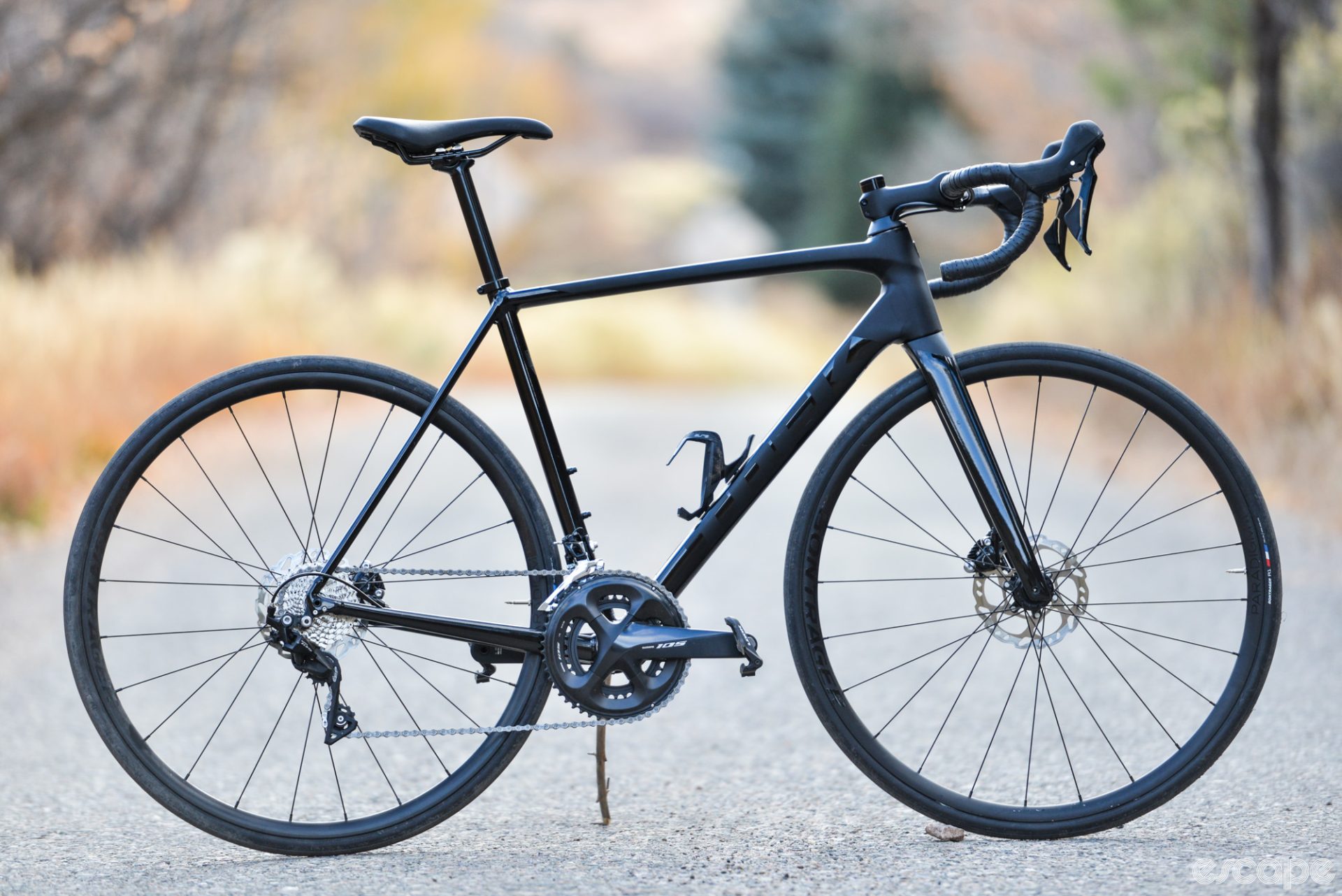
Review: Trek Emonda ALR 5, the bike that disc brakes almost broke
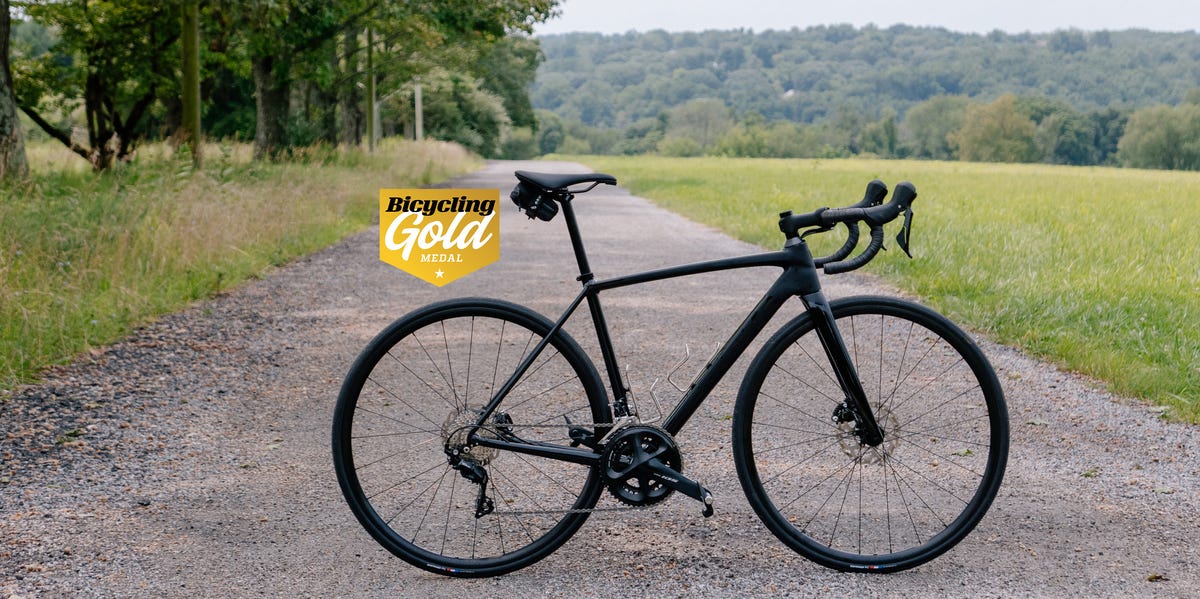
Trek Émonda ALR Review | Best Road Bikes 2023
Trek Émonda ALR 5 2023
Trek Émonda ALR 5 review - Road Bikes - Bikes
First Look: Trek Émonda ALR: Aluminum, aero, and light
Compared to.
Most-viewed comparisons.