Invenio Alu
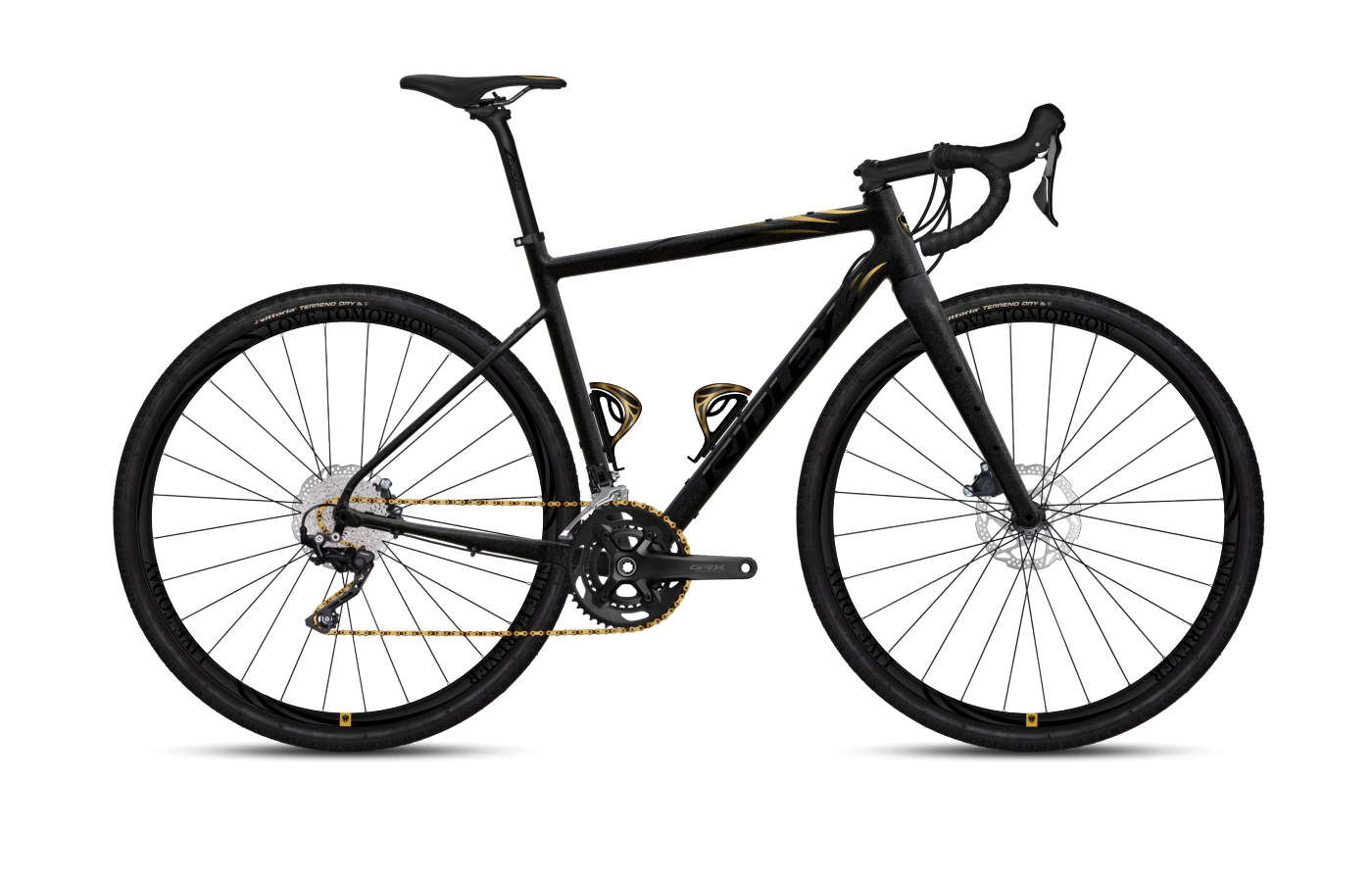
The Ridley Invenio Alu is an aluminium gravel and all-road platform aimed at riders who need one bike to cover mixed-surface riding, commuting, and light adventure use. Rather than chasing the current trend toward aggressive race-gravel geometry, this model is built around a more stable, comfort-oriented layout, a 4ZA Oryx Disc fork, disc brakes, and clearance for 700c tires up to 42 mm. Ridley also positions it as a practical bike, with fender compatibility and numerous mounting points that make it more relevant for utility riding and bikepacking than for stripped-down competitive gravel use.
What makes this model notable is that it appears to be less a ground-up new platform than a reworked presentation of Ridley’s existing alloy gravel architecture, tied to the Tomorrowland x Ridley Invenio collaboration. The published geometry strongly suggests it shares its underlying frame platform with the earlier Kanzo A. That places the Invenio Alu in a familiar part of the market: an accessible, versatile alloy gravel bike that prioritizes durability, predictable handling, and day-to-day usefulness over low weight or cutting-edge race intent.
Geometry & fit.
6 sizes published.
The geometry points clearly toward stability and all-day comfort rather than quick, race-oriented handling. Across the size range, the head tube angle stays relatively relaxed at 70.0 to 71.5 degrees, while the chainstay length is a consistent 430 mm. Combined with wheelbases from 1016 mm in XXS to 1066 mm in XL, that should give the bike a planted feel on rough roads and gravel, with calmer steering and good straight-line composure. BB drop ranges from 70 to 74 mm, which also supports a more settled ride feel by keeping the rider reasonably low in the bike.
Fit numbers are moderate and conservative. Reach runs from 374 mm in XXS to 399 mm in XL, while stack spans 528 to 636 mm, indicating a fairly upright riding position compared with more aggressive gravel race bikes. The effective top tube lengths, from 515 to 600 mm, and the steeper seat tube angles on the smaller sizes help keep rider position sensible across the range. Overall, the numbers suggest a bike that should feel approachable and comfortable for long mixed-surface rides, commuting, and loaded use, without especially sharp or responsive front-end behavior.
Where the handlebar sits relative to the bottom bracket — the single most important fit pair.
01Fit geometry6 values
03Handling geometry6 values
Which size should I buy?
Slide your height to see the recommended size. GearWise's fit algorithm works from the published stack, reach, and ETT — the brand's own recommendation may differ.
→Calculated from GearWise's own stack / reach / ETT algorithm — the brand's size chart may recommend a different size, and a proper bike fit beats any calculator.
The lineup.
1 build.
The available build information is limited to a single Shimano GRX400 2x10-speed specification, so this generation appears to be offered in a straightforward, mid-level configuration rather than across a broad range of trims. GRX400 is a sensible match for the bike’s intended use: it delivers gravel-specific ergonomics and wide enough gearing for mixed terrain, while keeping cost and maintenance more manageable than higher-end 11- or 12-speed groups.
Given the frame’s aluminium construction, 4ZA Oryx Disc fork, disc-brake layout, 42 mm tire clearance, and utility-focused mounting provisions, the spec direction is clearly about practicality rather than premium weight savings. With only one known build, the appeal is less about choosing between component tiers and more about getting a complete, ready-to-use adventure and commuting platform with a proven drivetrain standard.
