Ridley
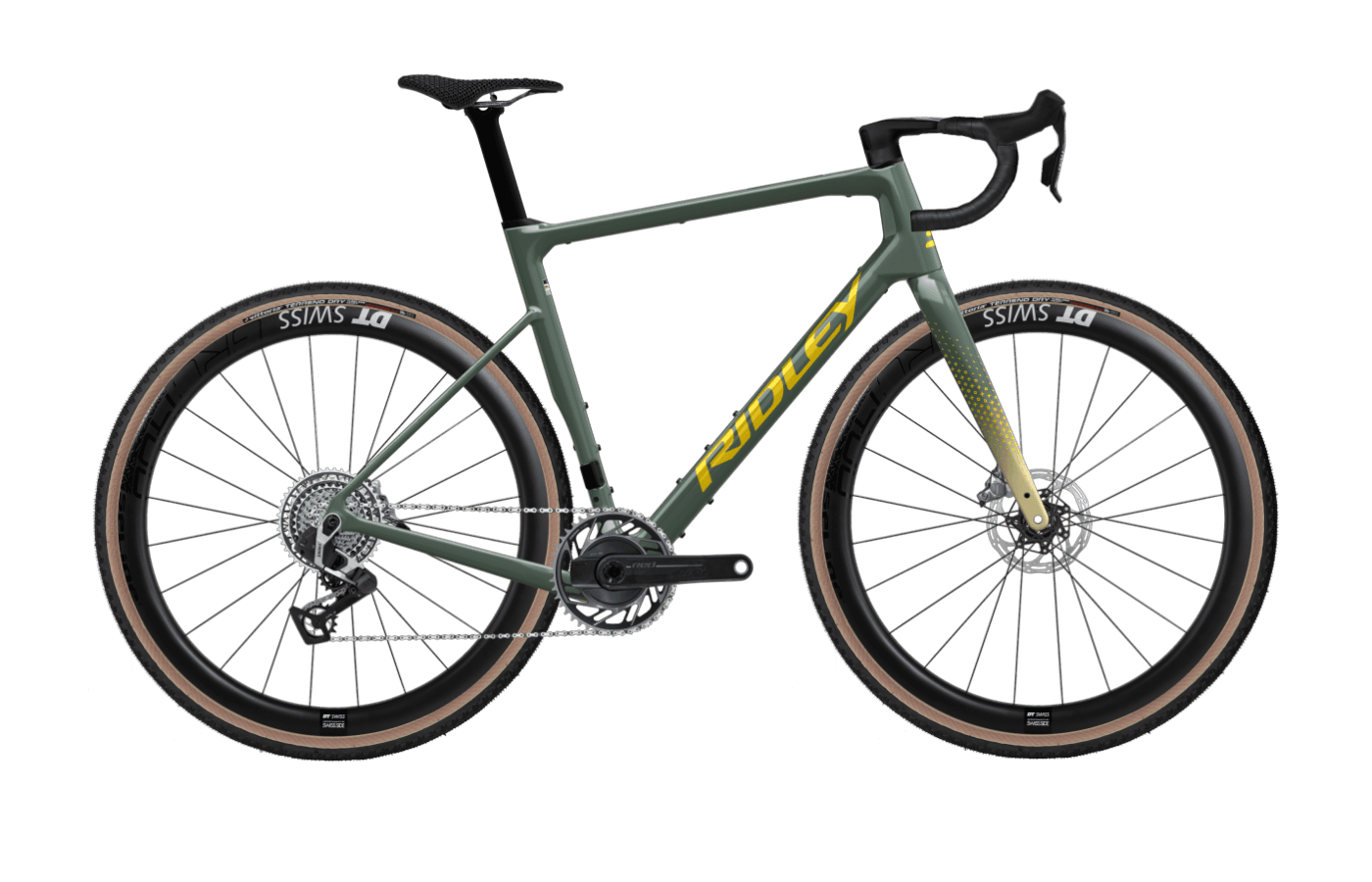
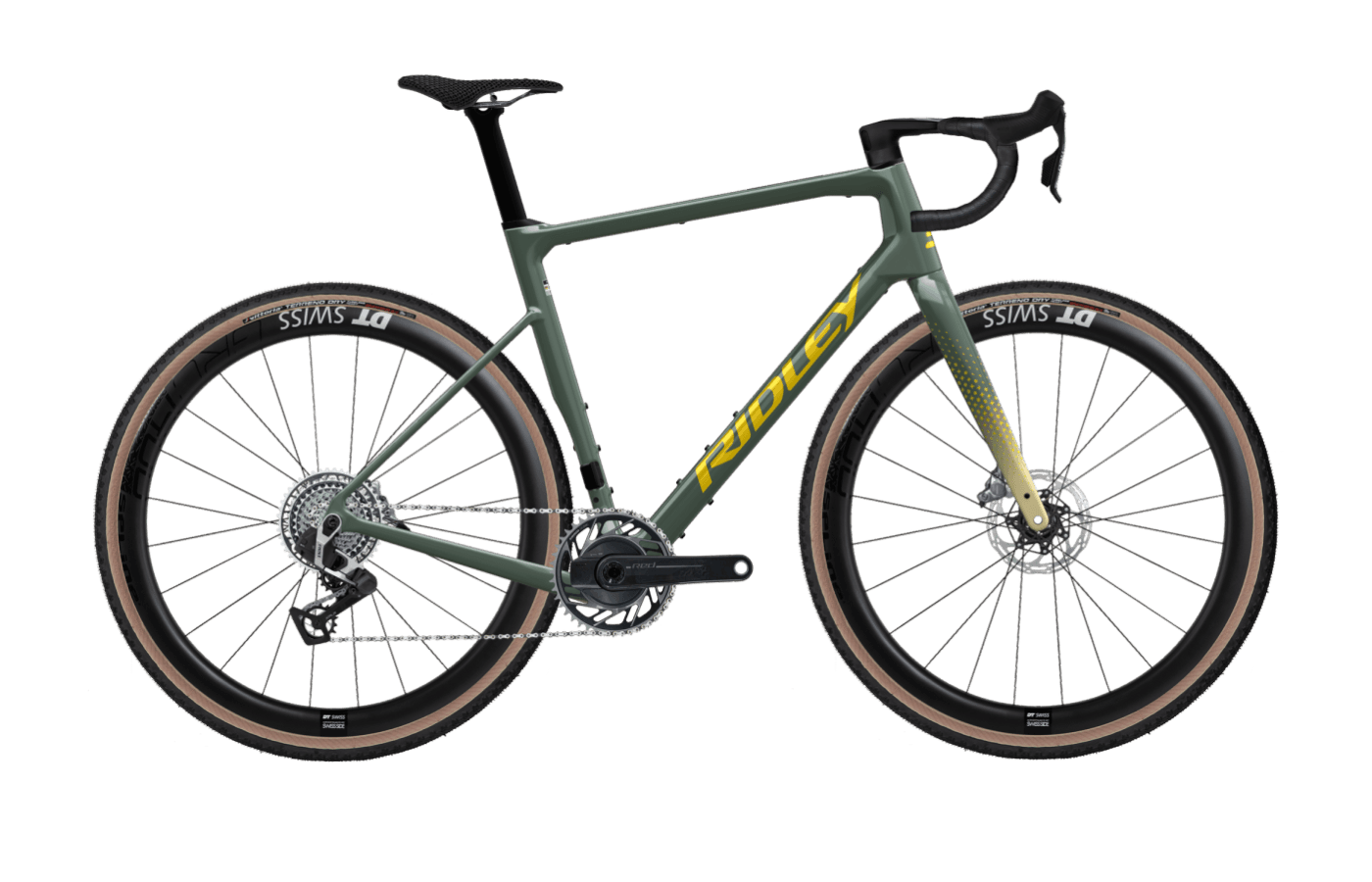
Fenix DiscClassified Sram Rival AXS 1x12 Powershift
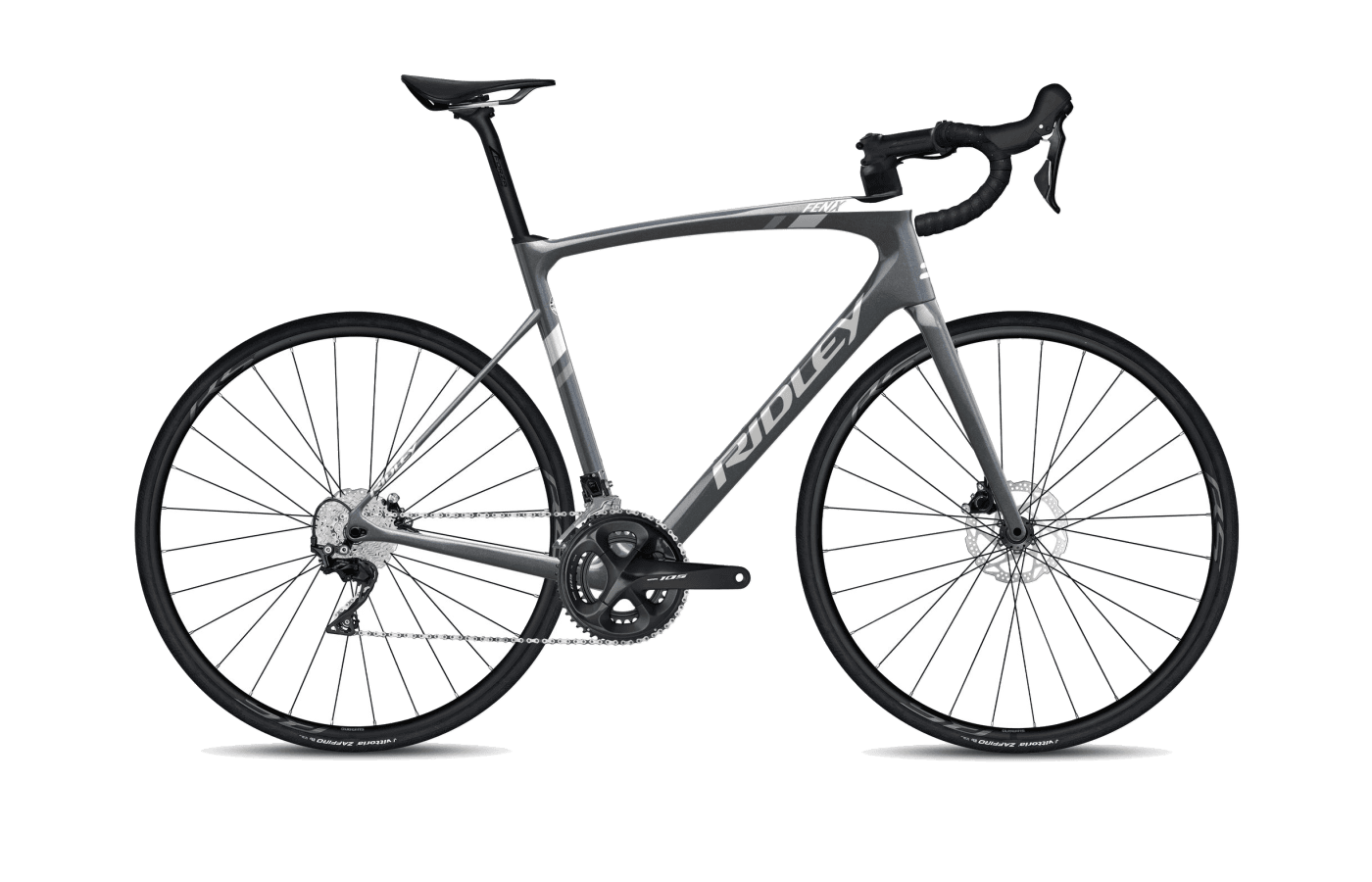
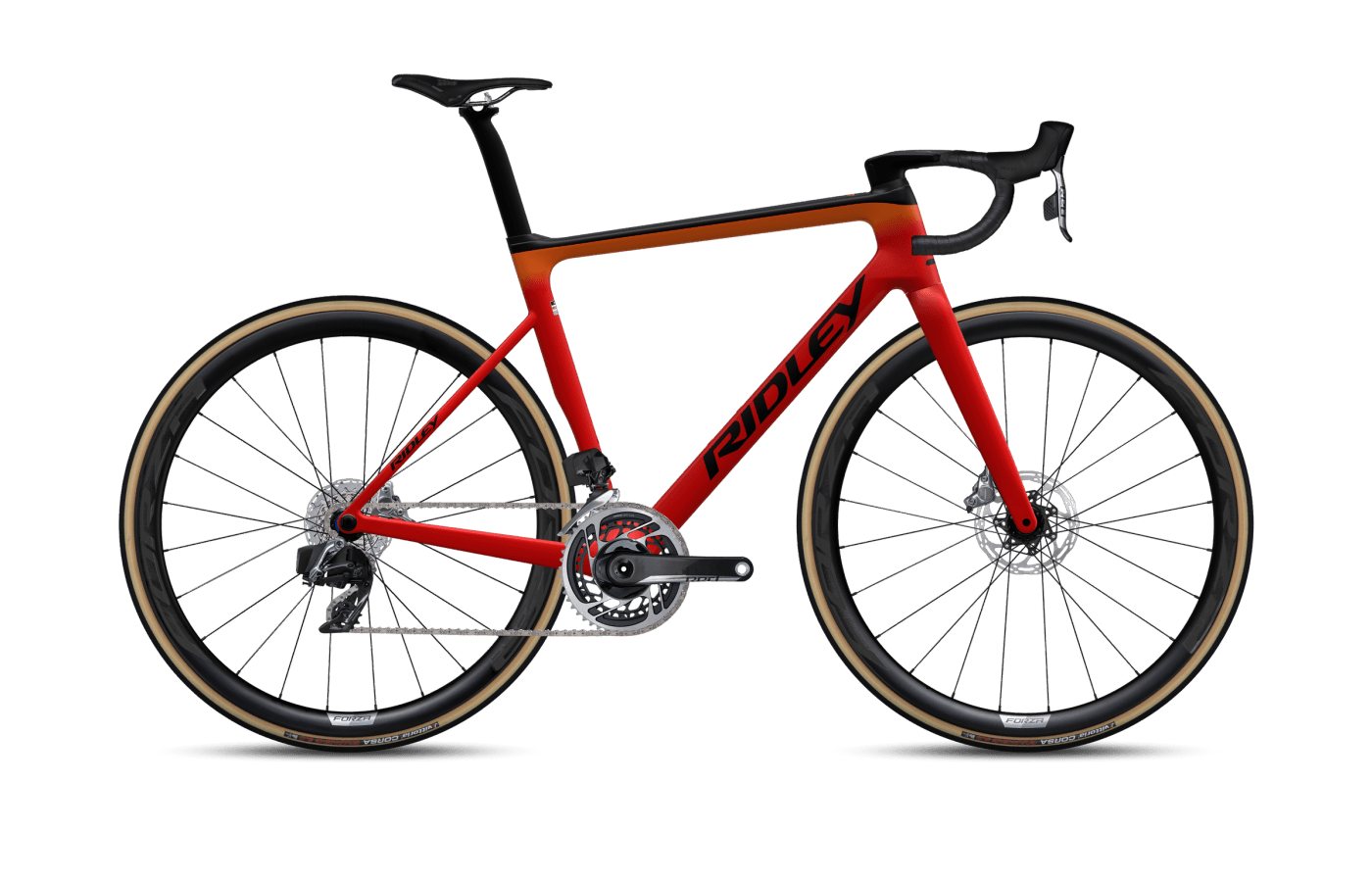
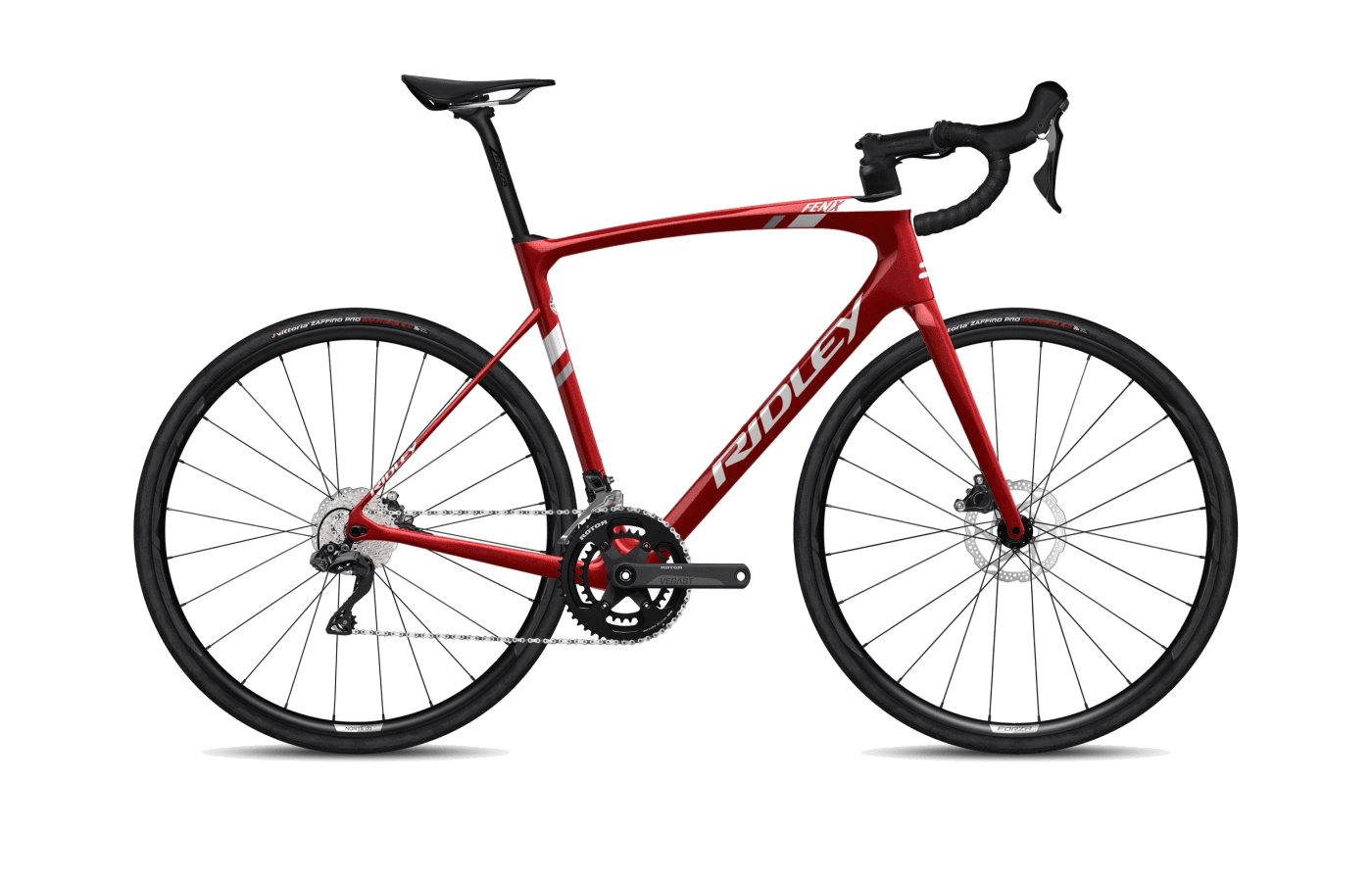
The 2023-on Ridley Fenix Disc sits as the more affordable version of the Fenix SLiC, but it is not a watered-down redesign. Ridley kept the same geometry and the same basic frame concept that defines the current Fenix platform: a bike aimed at riders who want endurance-bike comfort without giving up the direct, efficient road feel expected from a fast classics-style machine. Its identity is shaped less by maximum tire volume or gravel crossover ambitions and more by balancing long-ride composure with responsive road manners.
The frame design reflects that brief clearly. Ridley uses a stiff lower structure built around a diamond-shaped down tube, BB86 bottom bracket area, and asymmetric rear triangle to preserve power transfer, while the upper half of the frame is tuned for more vertical compliance through the slightly curved top tube and lower-slung seatstay junction. The front end also adopts Ridley’s F-Steerer/D-shaped steerer arrangement to route cables internally through the cockpit and headset area, giving the bike a cleaner look and more current integration than many mid-tier endurance road bikes. Just as important is what the Fenix Disc is not: with an official 28 mm actual tire clearance, it remains a traditional fast endurance road bike rather than an all-road platform built around oversized rubber.
Spec sheet.
Every component shipped with this build.
Geometry & fit.
5 sizes published.
The Fenix Disc’s geometry is firmly in modern endurance-road territory, but it stays on the sportier side of that category. In size M, the bike pairs a 565 mm stack with a 392 mm reach, while the L moves to 591/401 mm. Those are relatively tall front-end numbers for road use, giving riders a more sustainable position for longer days, but the reaches are not especially short, which helps preserve a purposeful fit rather than an overly upright one. Head tube angles range from 72 degrees in XS to 74 degrees in XL, with 73 to 73.5 degrees through the core sizes, a conventional spread that should give smaller bikes stable steering while keeping larger sizes from feeling sluggish.
Chainstays are short by endurance-bike standards at 410 mm in XS through M and 413 mm in L and XL, and wheelbase stays compact as a result: 992 mm in M and 1012 mm in L. That points to handling that should feel quicker and more road-oriented than many comfort-first endurance bikes. BB drop runs from 68 mm in XS to 63 mm in the larger sizes, again suggesting a fairly typical road-bike balance of planted cornering and pedal clearance. Overall, the numbers support Ridley’s stated aim: this is an endurance fit with classic-road responsiveness, not a long-wheelbase, high-clearance all-road design.
Where the handlebar sits relative to the bottom bracket — the single most important fit pair.
01Fit geometry6 values
03Handling geometry6 values
Which size should I buy?
Slide your height to see the recommended size. GearWise's fit algorithm works from the published stack, reach, and ETT — the brand's own recommendation may differ.
→Calculated from GearWise's own stack / reach / ETT algorithm — the brand's size chart may recommend a different size, and a proper bike fit beats any calculator.
The lineup.
6 builds.
Ridley offers the Fenix Disc across a broad range of drivetrains, covering both conventional 2x road setups and more unusual Classified-based 1x configurations. The line includes Shimano Ultegra 2x11, Shimano 105 Di2 2x12, Shimano 105 2x12, and Shimano 105 2x11 builds, giving buyers a straightforward progression from mechanical value builds to electronic shifting. That spread makes the Fenix Disc accessible to riders who want the same frame platform whether they prioritize lower entry cost or a more modern drivetrain.
The more distinctive options are the Classified SRAM Rival AXS 1x12 Powershift and Classified Rival AXS 1x12 builds, which move the bike away from a standard double-chainring setup and toward a cleaner 1x drivetrain concept with electronic shifting. Alongside the internally routed front end, those builds give the Fenix Disc a more contemporary spec identity than the usual endurance-road formula. Without pricing or full component details, the main takeaway is that Ridley has positioned this model to cover a wide range of buyers while keeping the shared frame and geometry as the constant.