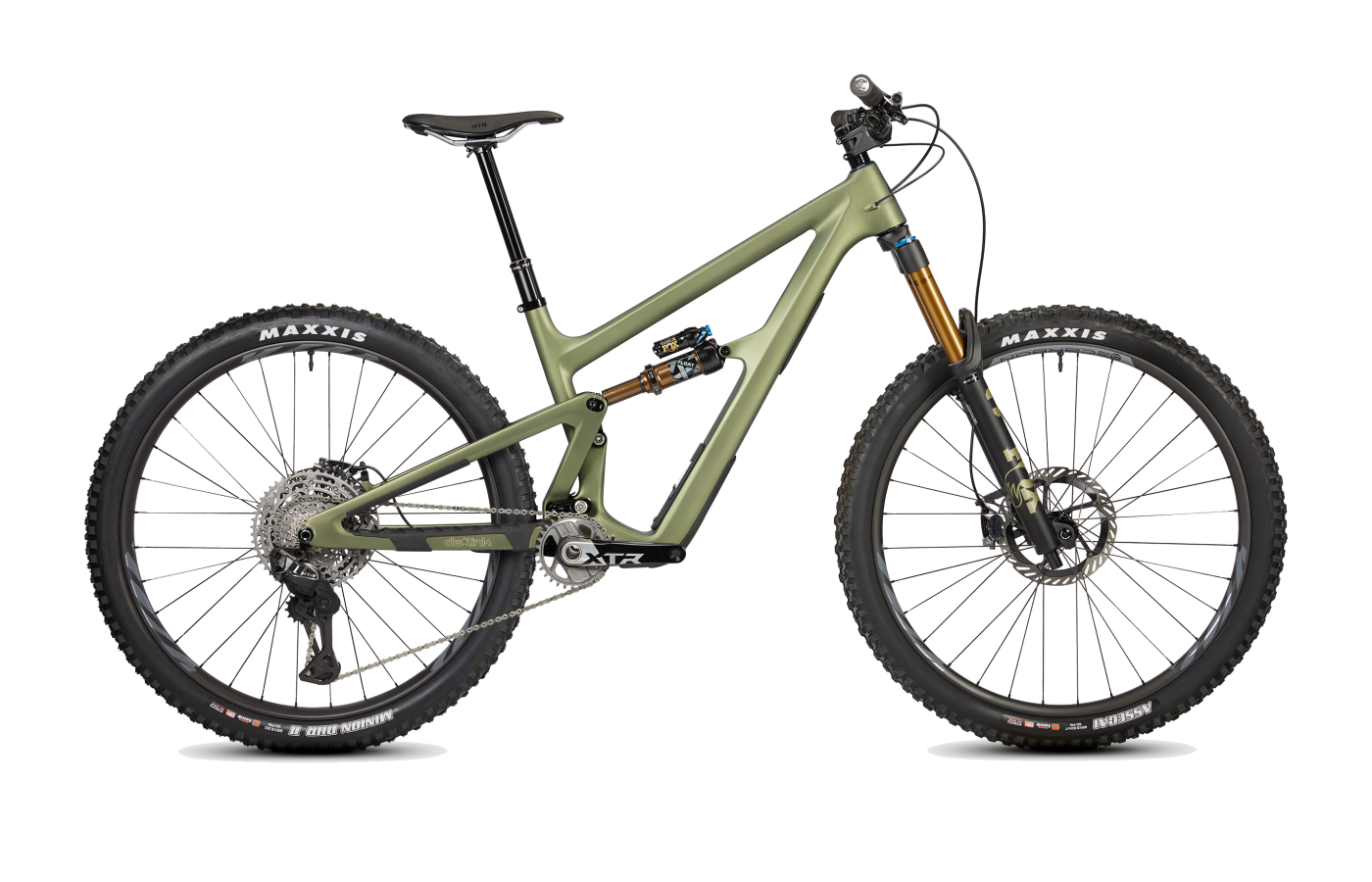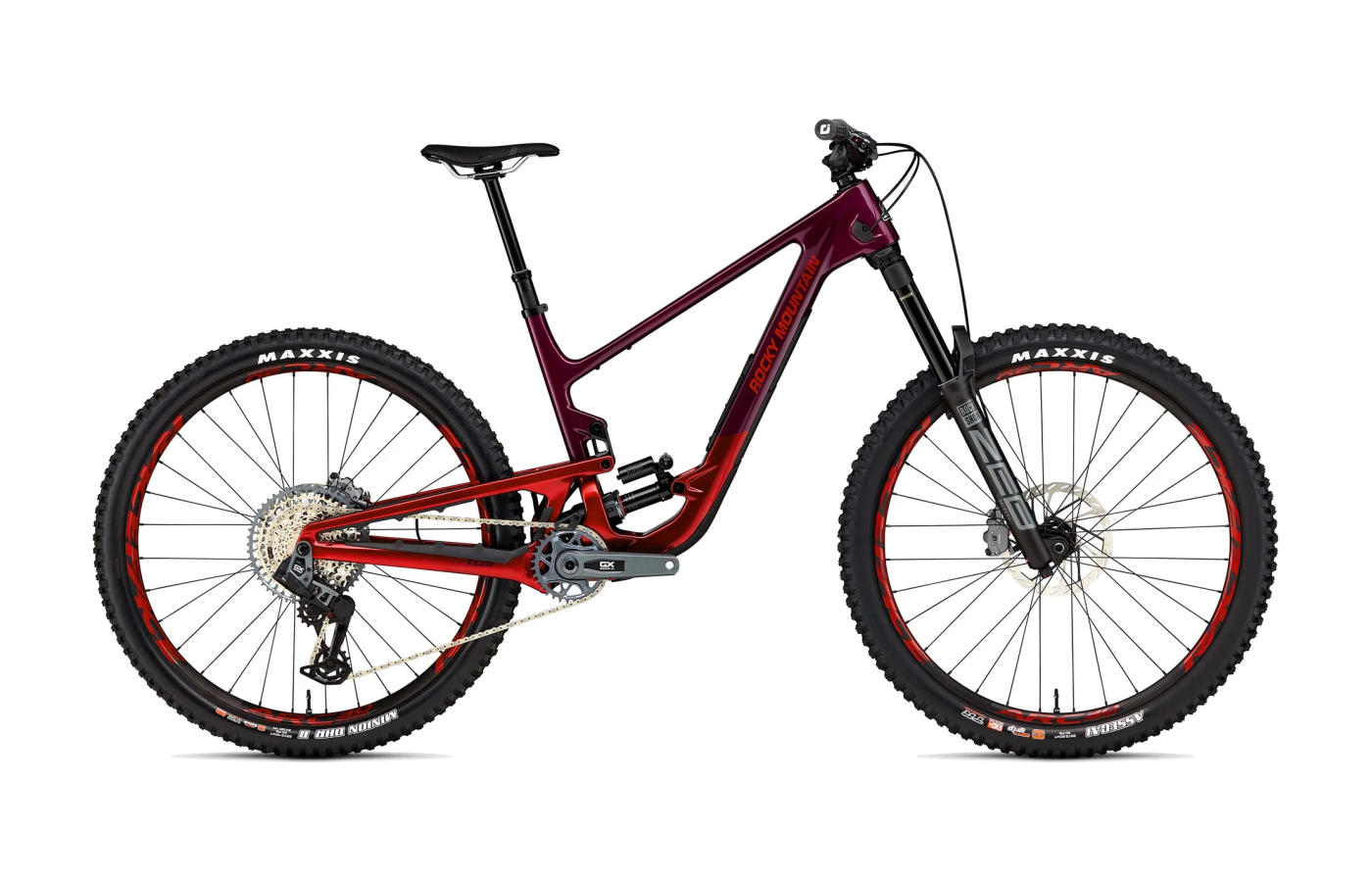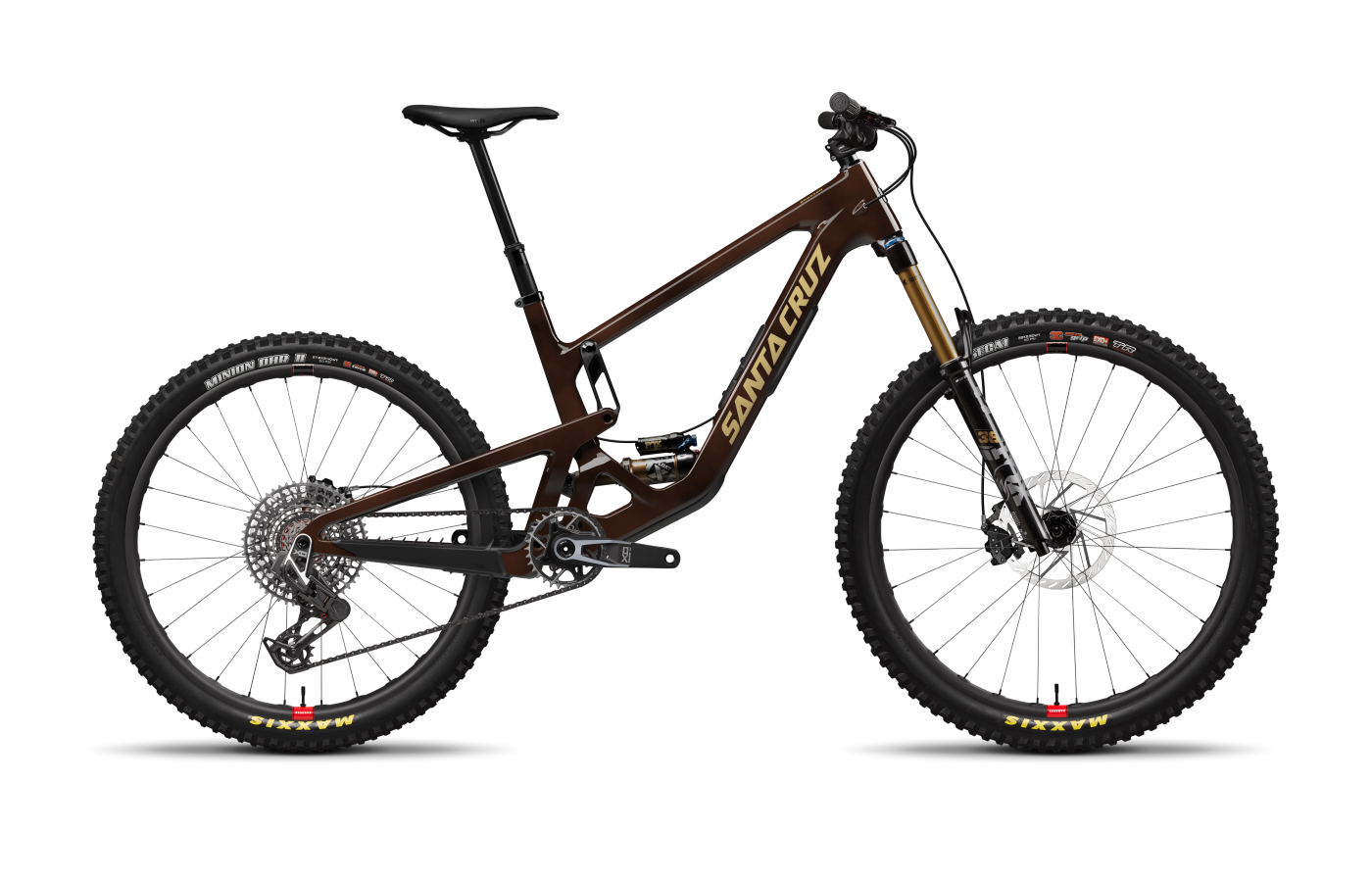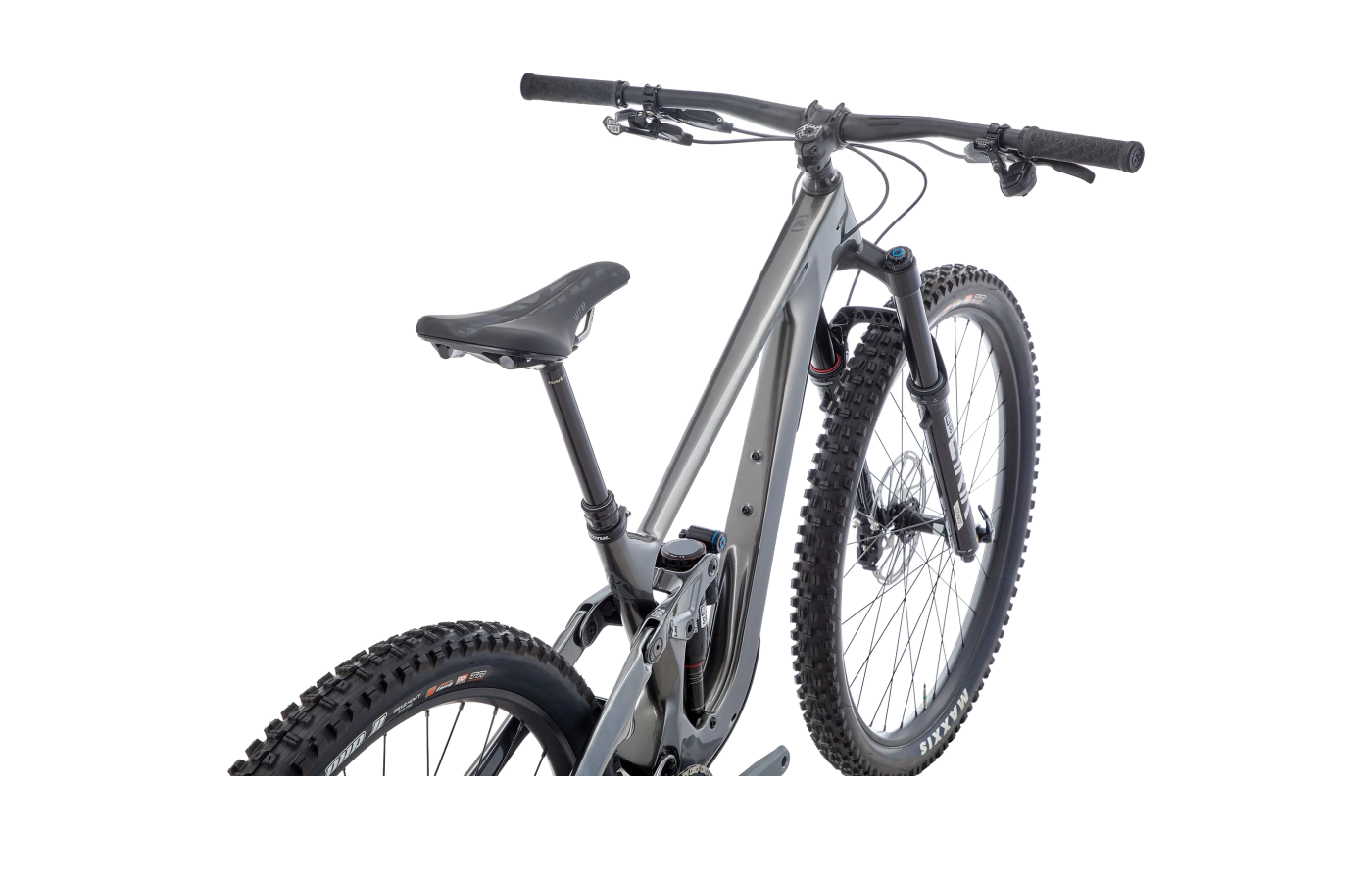
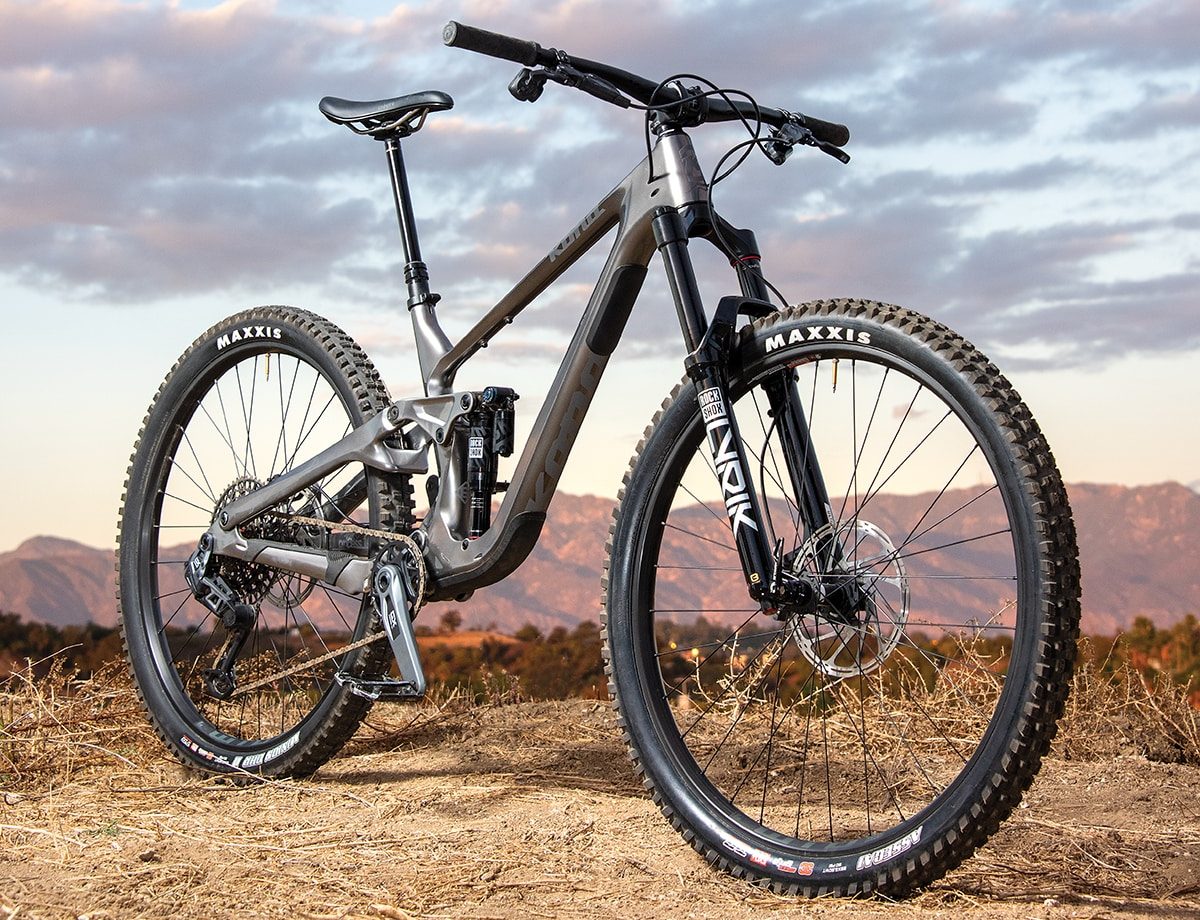
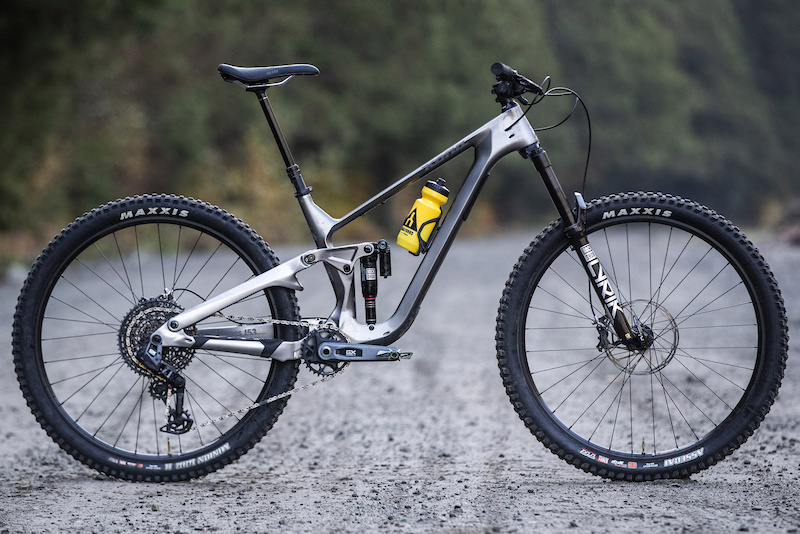
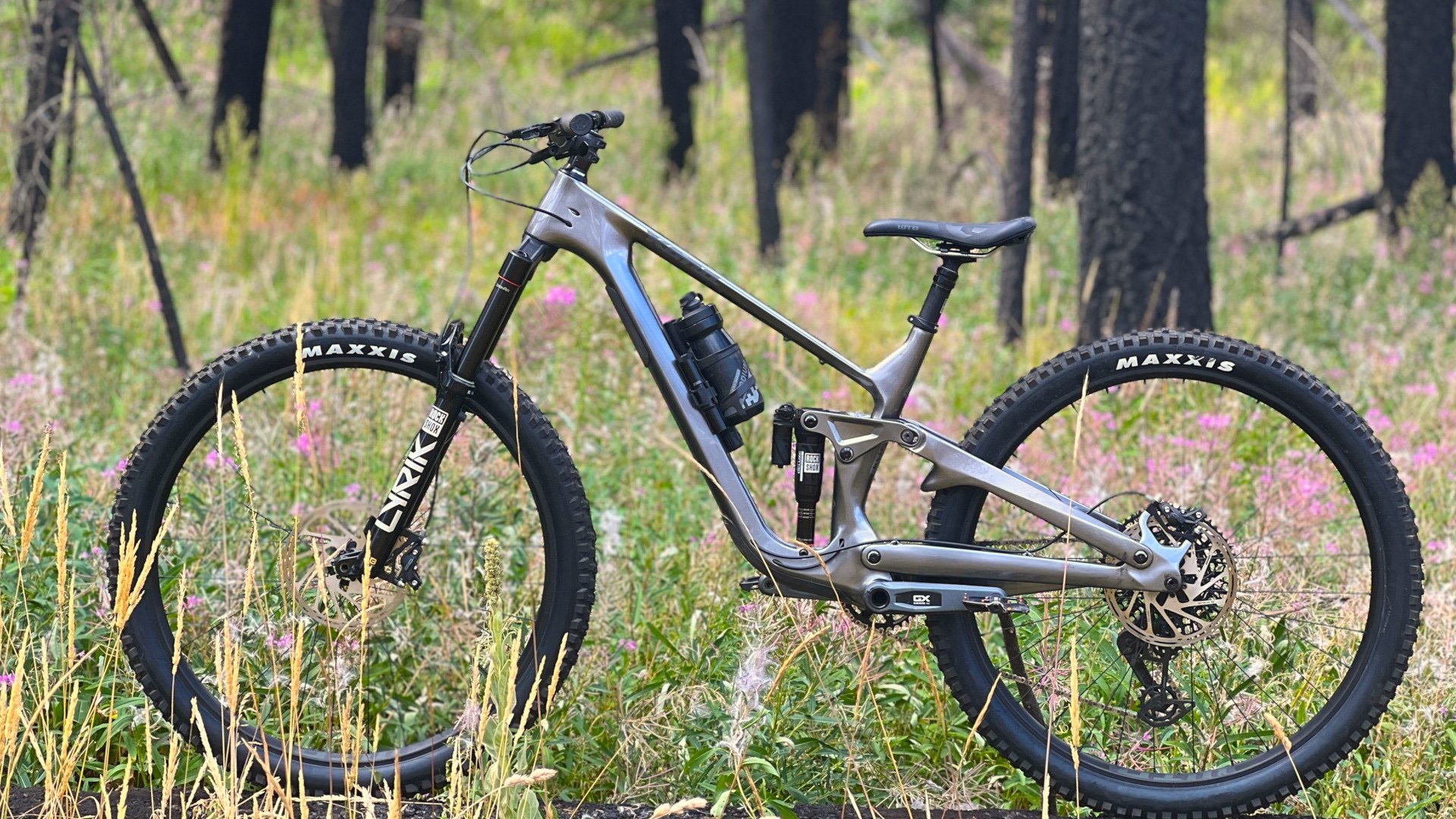
The third-generation Kona Process 153 refines the brand’s long-travel platform, focusing on chassis modernization rather than a complete handling overhaul. Positioned on the boundary between aggressive trail and enduro, the G3 frame retains the engaging, interactive character the Process line is known for. Instead of chasing maximum wheelbase length for straight-line plowing, Kona built a bike that prioritizes agility and rider input. The updated frame introduces a flip-chip for running either a dedicated 29-inch or mixed-wheel setup, alongside contemporary standards like UDH compatibility and refined kinematics suited for both air and coil shocks. Practical updates include shorter seat tubes for longer dropper posts, guided internal routing on carbon models, and integrated accessory mounts. It is a versatile machine aimed at riders who view the trail as a playground to be actively navigated rather than an obstacle course to simply survive.
Where to get it.
No retailers stocking size M.
No retailers carrying size M right now.
Spec sheet.
Every component shipped with this build.
Geometry & fit.
4 sizes published.
The Process 153 geometry shapes a ride that is distinctly snappy. A moderate head tube angle pairs with notably short chainstays that remain static across all frame sizes. This compact rear center makes it easy to load the bike through corners and lift the front wheel, though it demands a more forward, active stance from the rider to keep the front tire weighted.
Seated pedaling position is heavily influenced by saddle height. While the effective seat tube angle appears modern on paper, the actual seat tube angle is quite slack. Taller riders with significant exposed seatpost will find their weight shifted further over the rear axle, creating a stretched-out climbing posture that can cause the front end to wander on steep pitches. Additionally, the frame's stack height is relatively low for the category. Multiple testers resorted to adding stem spacers or higher-rise handlebars to achieve a comfortable descending posture and reduce arm fatigue on steep terrain. Utilizing the flip-chip to run a smaller rear wheel further quickens the bike's turn-in response, amplifying its maneuverability in tight sections.
Where the handlebar sits relative to the bottom bracket — the single most important fit pair.
01Fit geometry6 values
03Handling geometry8 values
Which size should I buy?
Slide your height to see the recommended size. GearWise's fit algorithm works from the published stack, reach, and ETT — the brand's own recommendation may differ.
→Calculated from GearWise's own stack / reach / ETT algorithm — the brand's size chart may recommend a different size, and a proper bike fit beats any calculator.
The lineup.
3 builds, ranging $2,599 – $5,099.
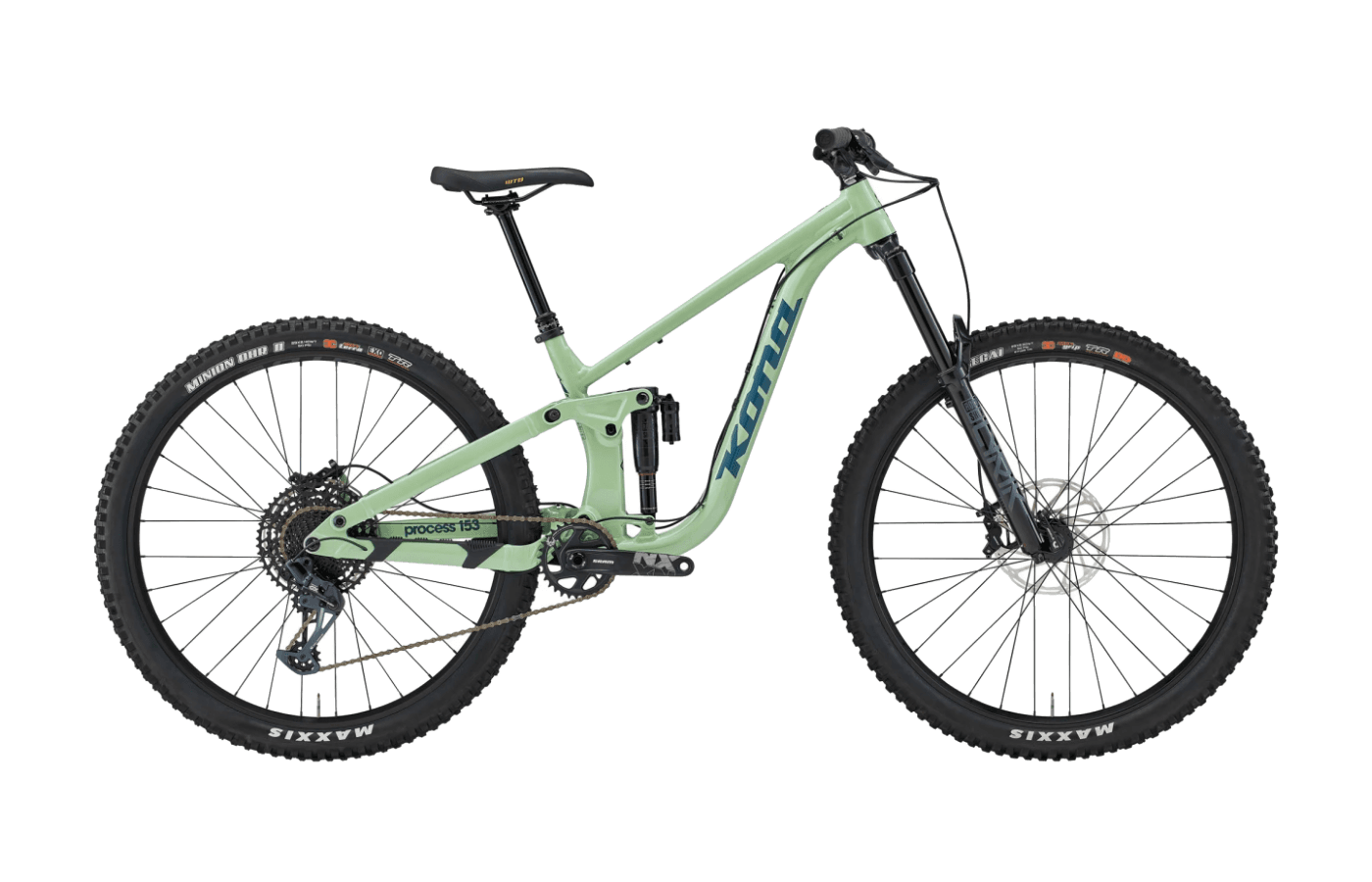
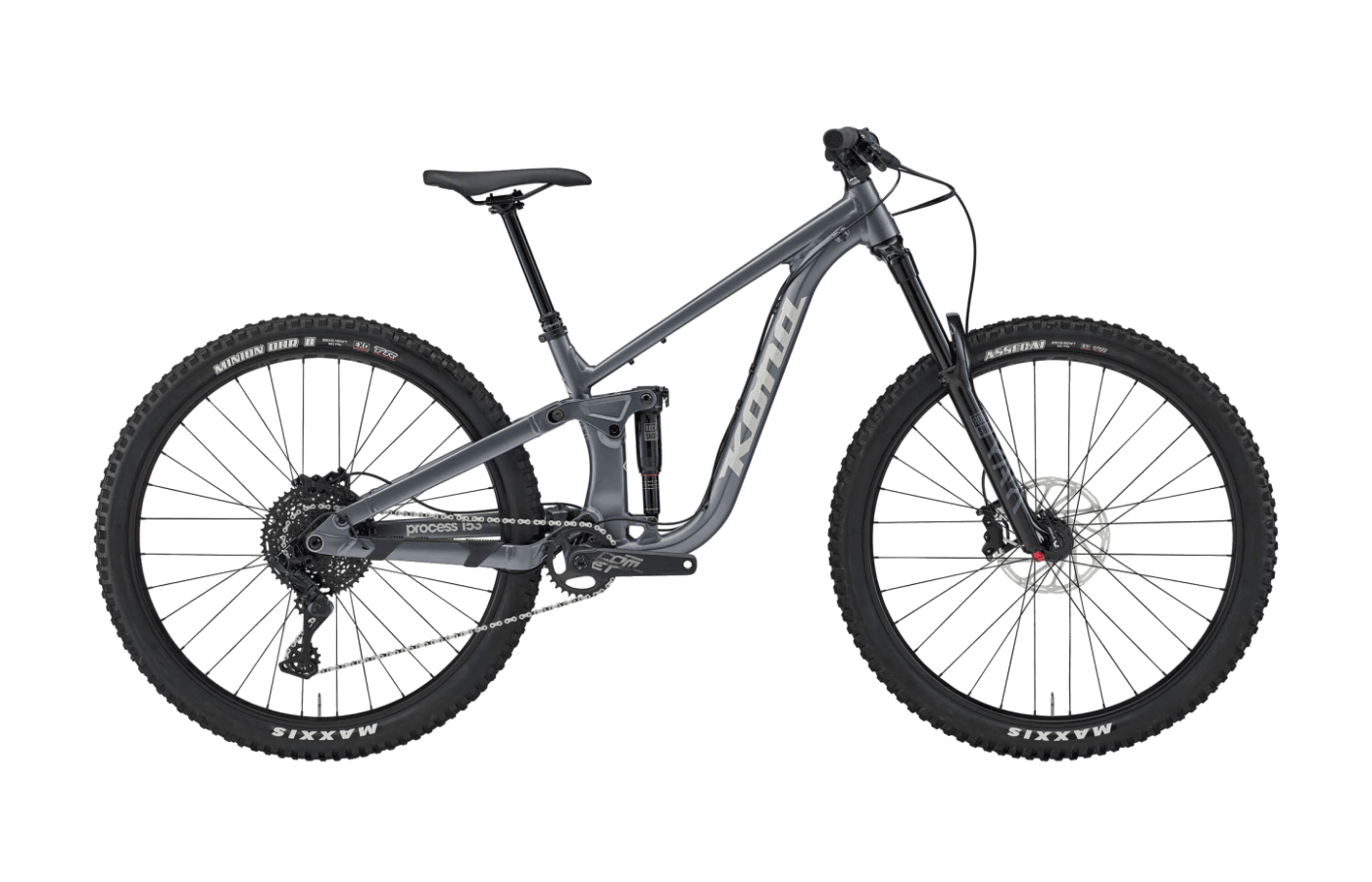
The Process 153 lineup spans three distinct builds, utilizing both carbon and aluminum frames. The entry-level G3 model uses the alloy frame paired with a RockShox Yari fork, a Deluxe Select Plus shock, and a 10-speed Microshift Advent X drivetrain. This build prioritizes accessibility, relying on durable, no-frills components and SRAM DB8 brakes.
Stepping up to the DL G3 keeps the alloy frame but upgrades the suspension to a Lyrik Select fork and Super Deluxe Select Plus shock. The drivetrain moves to a 12-speed SRAM NX/GX Eagle mix, and braking is handled by SRAM G2 RS calipers.
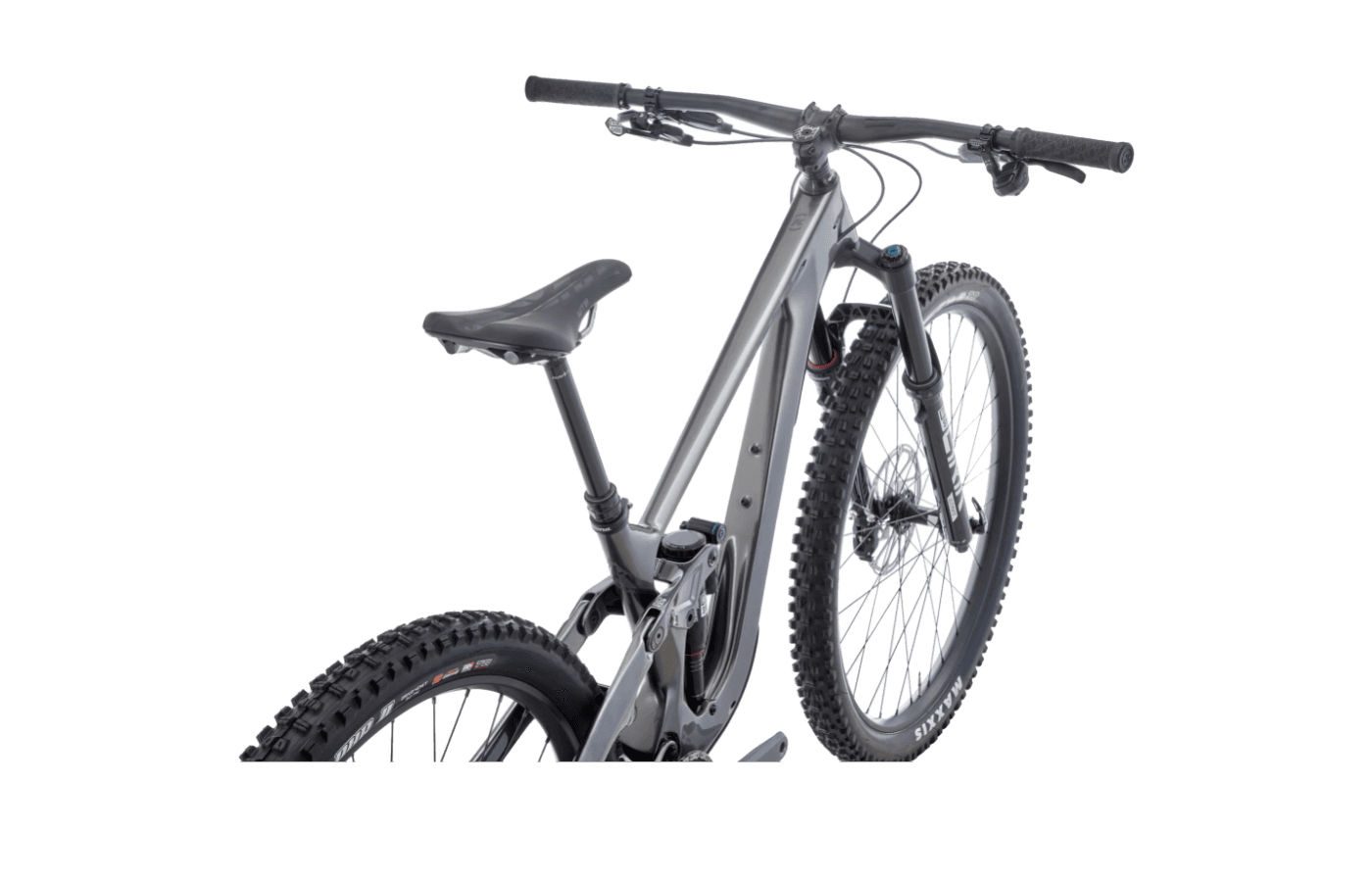
The flagship CR/DL build shifts to the DH Carbon frame, dropping weight while adding fully guided internal routing. It features top-tier RockShox Ultimate suspension, a wireless SRAM GX Eagle Transmission, and DT Swiss 350 hubs laced to WTB rims. While the drivetrain and suspension offer premium performance, this build relies on SRAM G2 RSC brakes and a hydraulic RockShox Reverb dropper post. Given the frame's aggressive capabilities, these two components are frequently cited as the primary candidates for immediate aftermarket replacement.
From the press.
7 reviews from the cycling press.
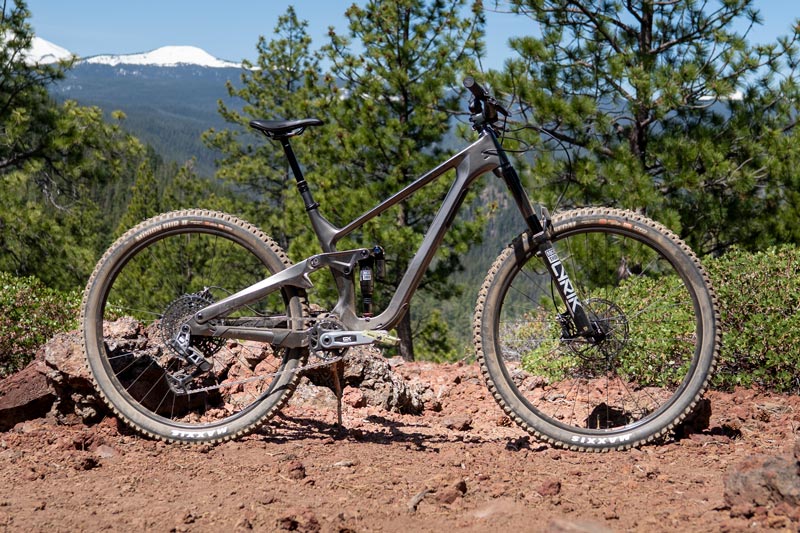
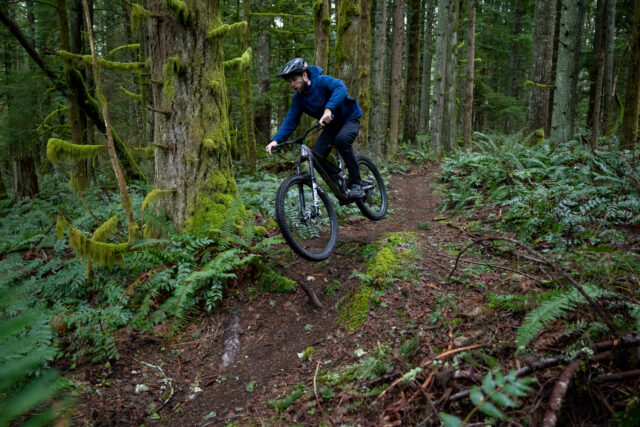
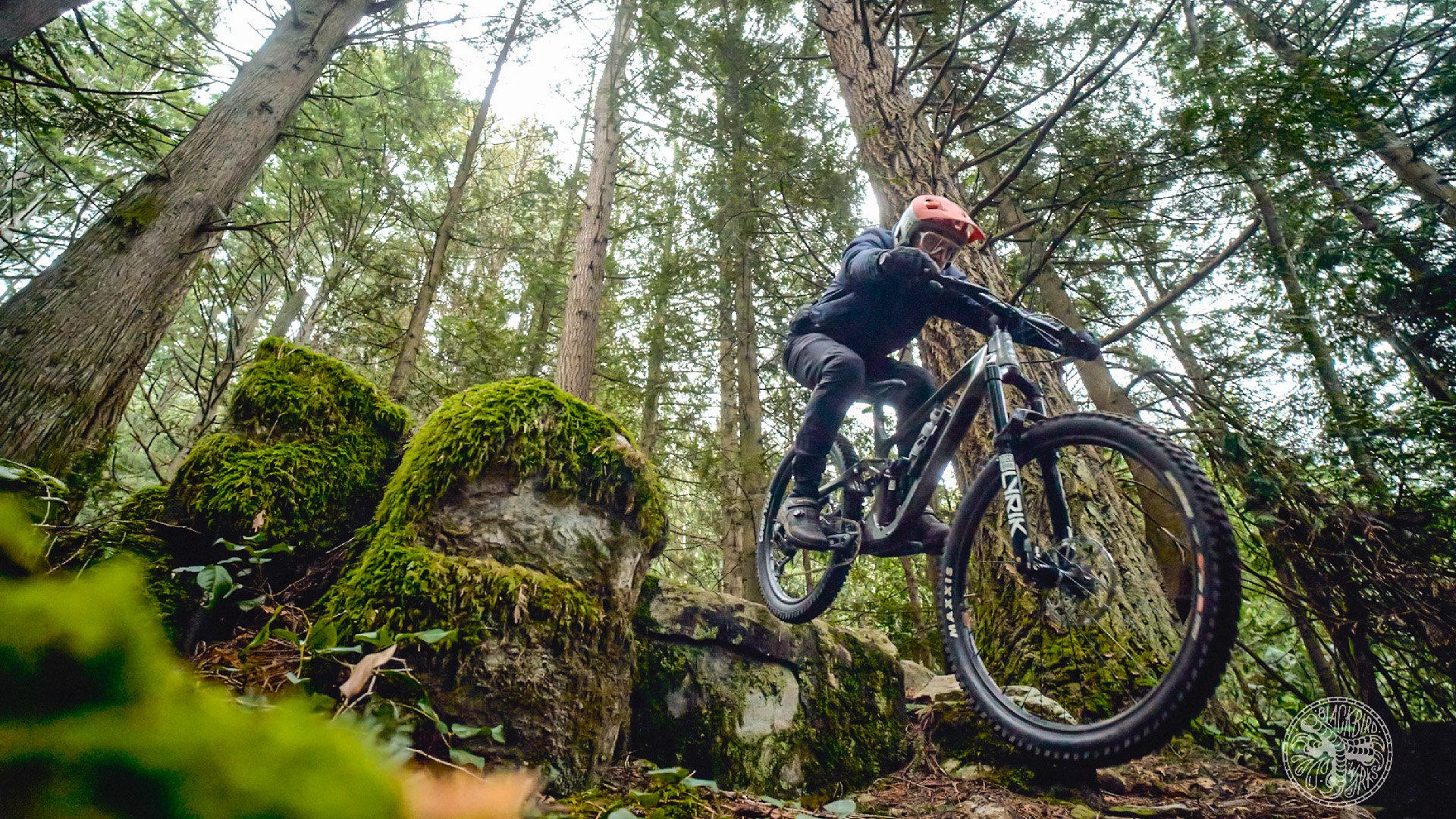
Critics consistently characterize the Process 153 as an exceptionally agile machine that thrives on varied, undulating terrain. Rather than muting the trail, the bike encourages an active riding style. It changes direction quickly and corners with precision, feeling more like "carving skis or a hot hatchback" (PinkBike) than a dedicated downhill sled. The RockShox suspension provides excellent small-bump compliance and mid-stroke support, keeping the chassis composed on moderate hits and jump faces.
However, reviewers note that this playful demeanor comes with a distinct speed limit. When pushed into relentlessly rough, high-speed chunk, the bike's relatively short rear center and single-pivot design can feel outpaced. On heavy, successive impacts, the rear suspension "started to feel quite jittery" (NSMB), requiring precise weight management to maintain control.
The most frequent critique across the testing field centers on the component specification, specifically the braking power on the premium builds. Testers found the SRAM G2 brakes severely underpowered for a bike with this much travel, with one reviewer noting the bike's descending capabilities "easily overwhelm the G2s" (Blisterreview). While the frame construction and suspension kinematics earn high praise for their quiet, solid feel, aggressive riders will likely need to budget for a brake upgrade to fully exploit the bike's descending potential.
Review: Kona Process 153 CR/DL
Kona Process 153 CR/DL G3 Review
Kona Process 153 - Blister Review

2025 Kona Process 153 CR/DL Review: Trail-Ready Beast!
Review: Kona Process 153 - Predictable, Rewarding, & ...
2024 Kona Process 153 CR DL Gen. 3 Review
2024 Kona Process 153 CR DL Gen. 3 First Look
Compared to.
Most-viewed comparisons.