Ripley AF
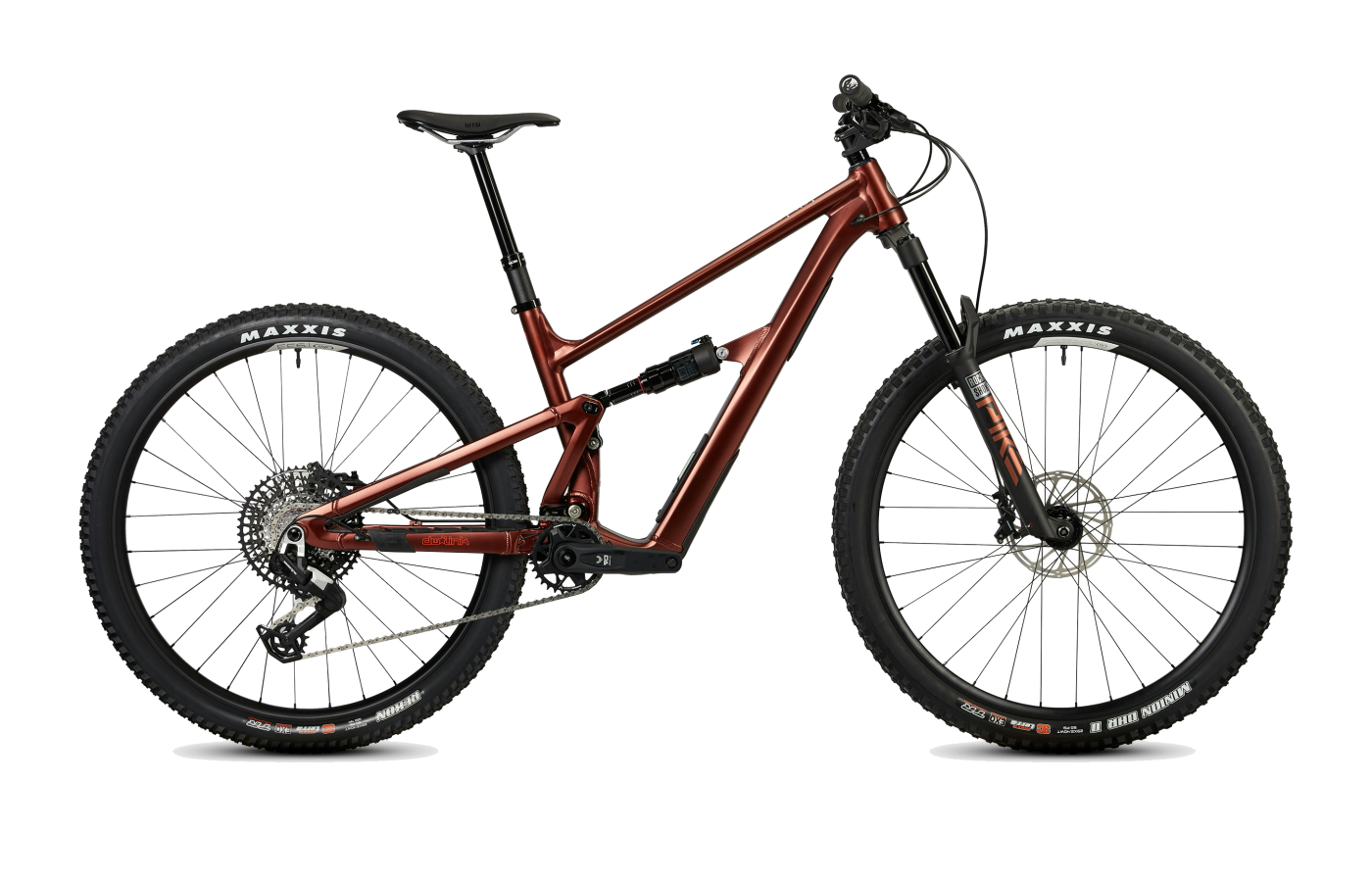
The second-generation Ibis Ripley AF marks a significant shift for the platform, moving the aluminum trail bike into a more aggressive, longer-travel category. Ibis bumped the suspension to 130mm in the rear and 140mm up front, pairing it with a slacker 64.9-degree head tube angle to handle steeper, faster terrain. This iteration also introduces modern frame features previously reserved for carbon models, including internal downtube storage and a rear-axle flip chip for running a mixed-wheel setup. The frame is now explicitly coil-shock compatible and utilizes a Universal Derailleur Hanger. Aimed at trail riders who want a robust, adaptable alloy chassis without sacrificing modern geometry, the Ripley AF V2 bridges the gap between a short-travel precision tool and an all-mountain bruiser. It suits riders looking for a versatile daily driver that balances efficient pedaling with a high tolerance for rough descents.
Geometry & fit.
5 sizes published.
The Ripley AF V2 adopts a significantly slacker and longer footprint than its predecessor, fundamentally altering how the bike addresses the trail. The head tube angle relaxes to 64.9 degrees, pushing the front wheel further out for stability on steep descents. To maintain a balanced rider weight distribution, Ibis steepened the seat tube angles to roughly 77 degrees, keeping the rider centered over the bottom bracket for efficient power transfer during seated climbs.
Ibis also expanded the size range to five options by introducing an Extra Medium frame, allowing riders to fine-tune their reach preferences. Reach measurements span from 440mm on the Small to 545mm on the Extra Large. Crucially, this generation introduces size-specific chainstay lengths, which scale from 436mm to 442mm across the size run. This proportional approach ensures that taller riders experience the same front-to-rear balance and cornering dynamics as those on smaller frames. The cockpit features a short 40mm or 50mm stem paired with 780mm aluminum handlebars, prioritizing responsive steering input.
Where the handlebar sits relative to the bottom bracket — the single most important fit pair.
01Fit geometry6 values
03Handling geometry6 values
Which size should I buy?
Slide your height to see the recommended size. GearWise's fit algorithm works from the published stack, reach, and ETT — the brand's own recommendation may differ.
→Calculated from GearWise's own stack / reach / ETT algorithm — the brand's size chart may recommend a different size, and a proper bike fit beats any calculator.
The lineup.
2 builds, ranging $3,499 – $3,999.
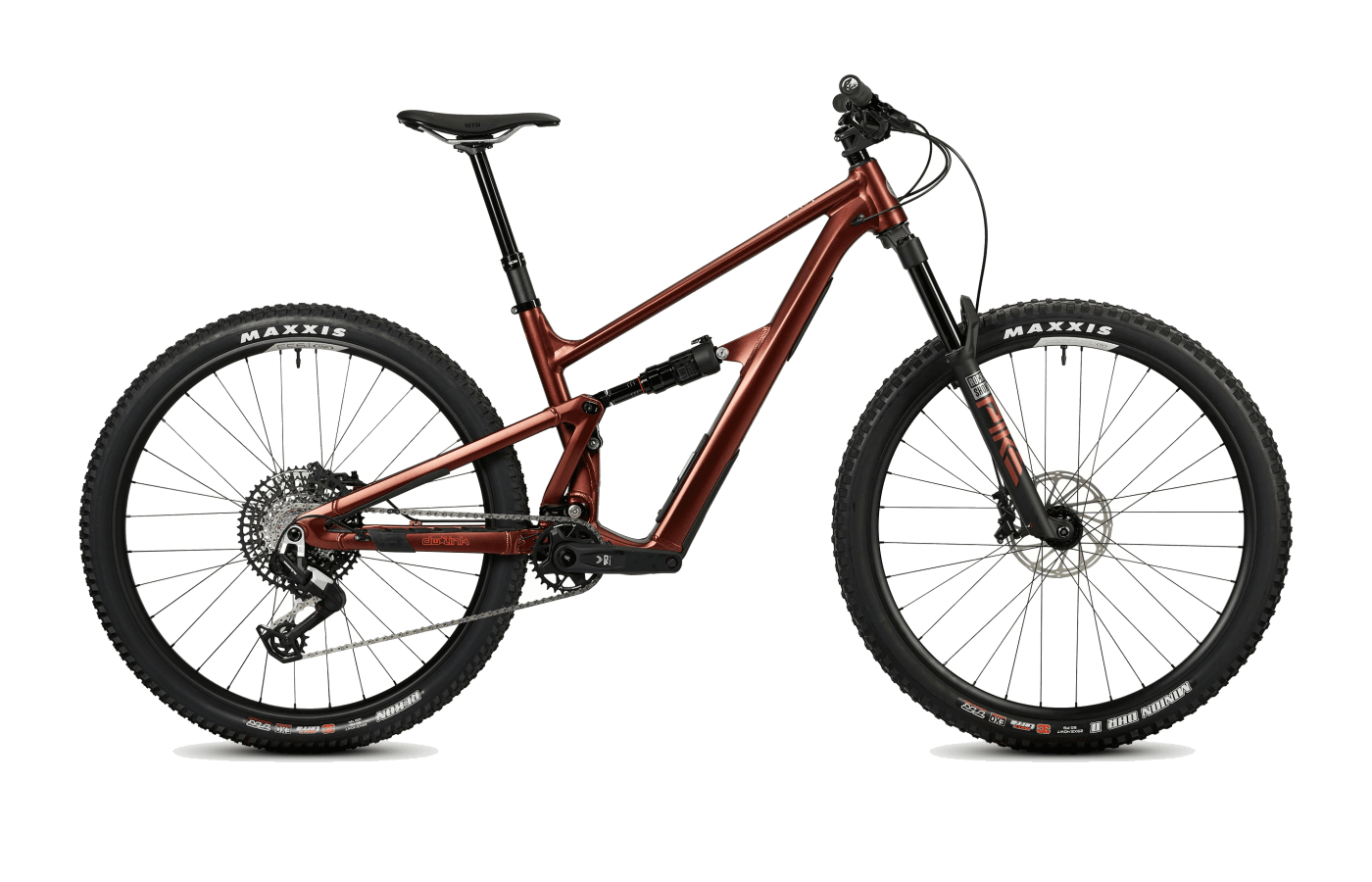
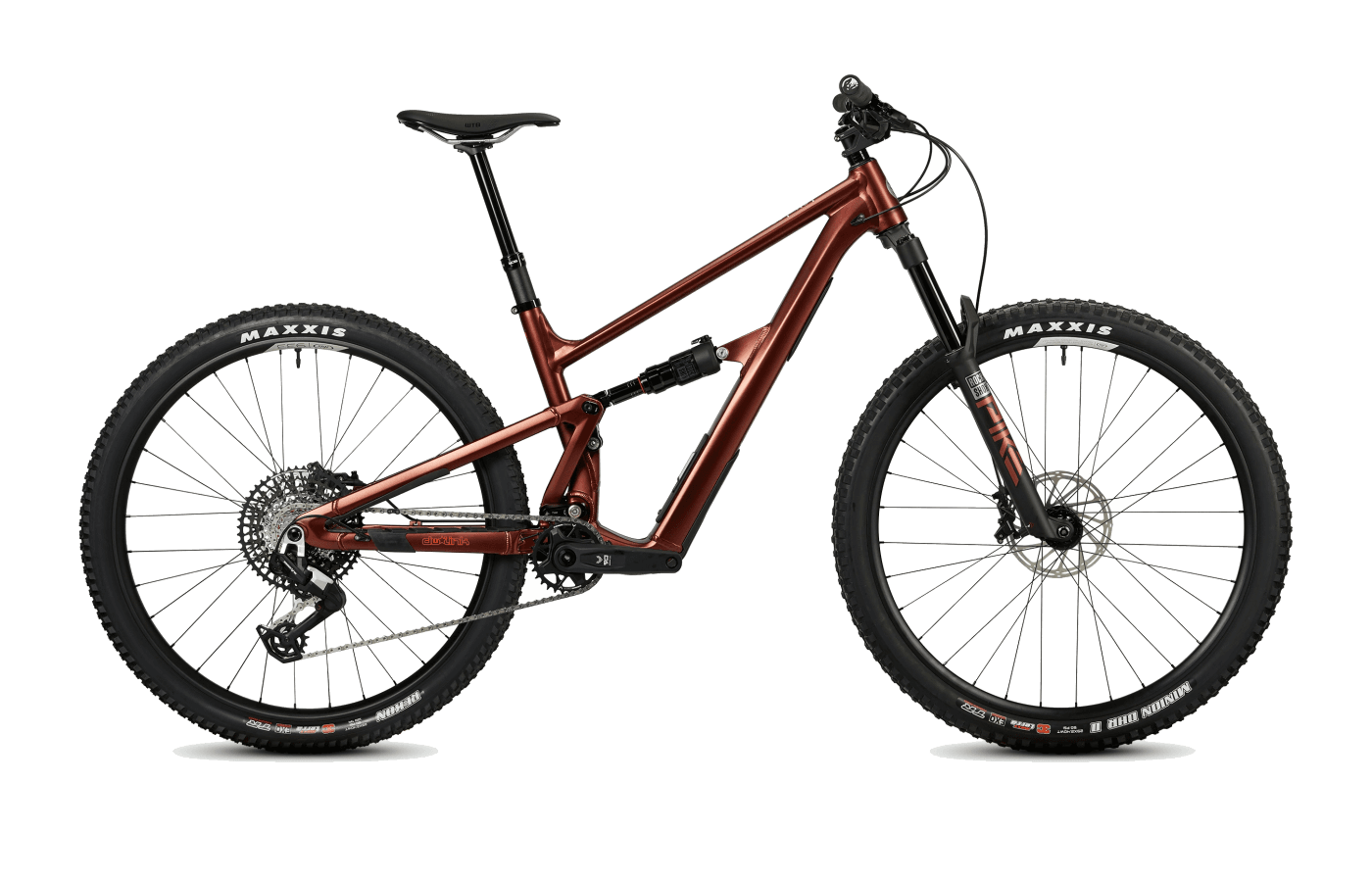
The Ripley AF V2 lineup is streamlined into two distinct build kits, both sharing the same RockShox suspension package and Ibis 933 aluminum wheelset. The foundation of both builds is a 140mm RockShox Pike fork and a Deluxe Select rear shock sized at 210x52.5mm. Both options also roll on a fast-rolling Maxxis tire combination, pairing a Minion DHR II up front with a Rekon in the rear.
The entry point is the Deore build, which utilizes Shimano’s reliable 12-speed M6100 mechanical drivetrain. Stepping up to the 90 build swaps the shifting to SRAM’s Eagle 90 Transmission, providing a robust mechanical shifting experience. Both builds rely on SRAM G2 four-piston hydraulic disc brakes paired with 180mm Centerline rotors front and rear.
A notable detail across the range is the move to a larger 34.9mm seatpost diameter, accommodating KS Vantage dropper posts that scale in travel from 110mm on the Small frame up to 210mm on the larger sizes. While the aluminum frame keeps the entry price accessible, the shared suspension and wheel components ensure that the primary difference between the two models is strictly drivetrain preference.
From the press.
1 review from the cycling press.
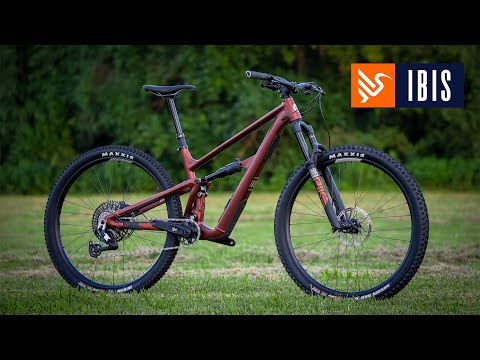
Reviewers are consistently surprised by how closely the aluminum Ripley AF mimics the ride quality of its carbon counterpart. On the trail, the alloy frame delivers a refined, compliant feel that masks its material construction. One reviewer noted that "if I was blindfolded, I honestly couldn't tell you which one I was riding" (YouTube), highlighting the frame's ability to absorb chatter without feeling harsh.
Uphill, the bike retains the platform's signature pedaling efficiency. Testers found that it "climbs just as good as the Carbon version" (YouTube), aided by a smart component specification that keeps the total weight impressively low for an aluminum build. Pointed downhill, the Ripley AF exhibits a lively, agile character, feeling "definitely more light and poppy than the Carbon version" (YouTube). The rear suspension provides a progressive stroke that handles larger drops and impacts well.
However, testers did note a few compromises. On faster, chunkier trails, the stock RockShox Pike fork left one rider wanting "a little more mid-stroke support with the fork" (YouTube), suggesting aggressive riders might need to experiment with volume spacers. Additionally, the stock SRAM G2 brakes equipped with organic pads were cited as a weak point that failed to provide adequate stopping power on steep descents, prompting immediate plans for a pad upgrade.
Compared to.
Most-viewed comparisons.