Cannondale
Trail6
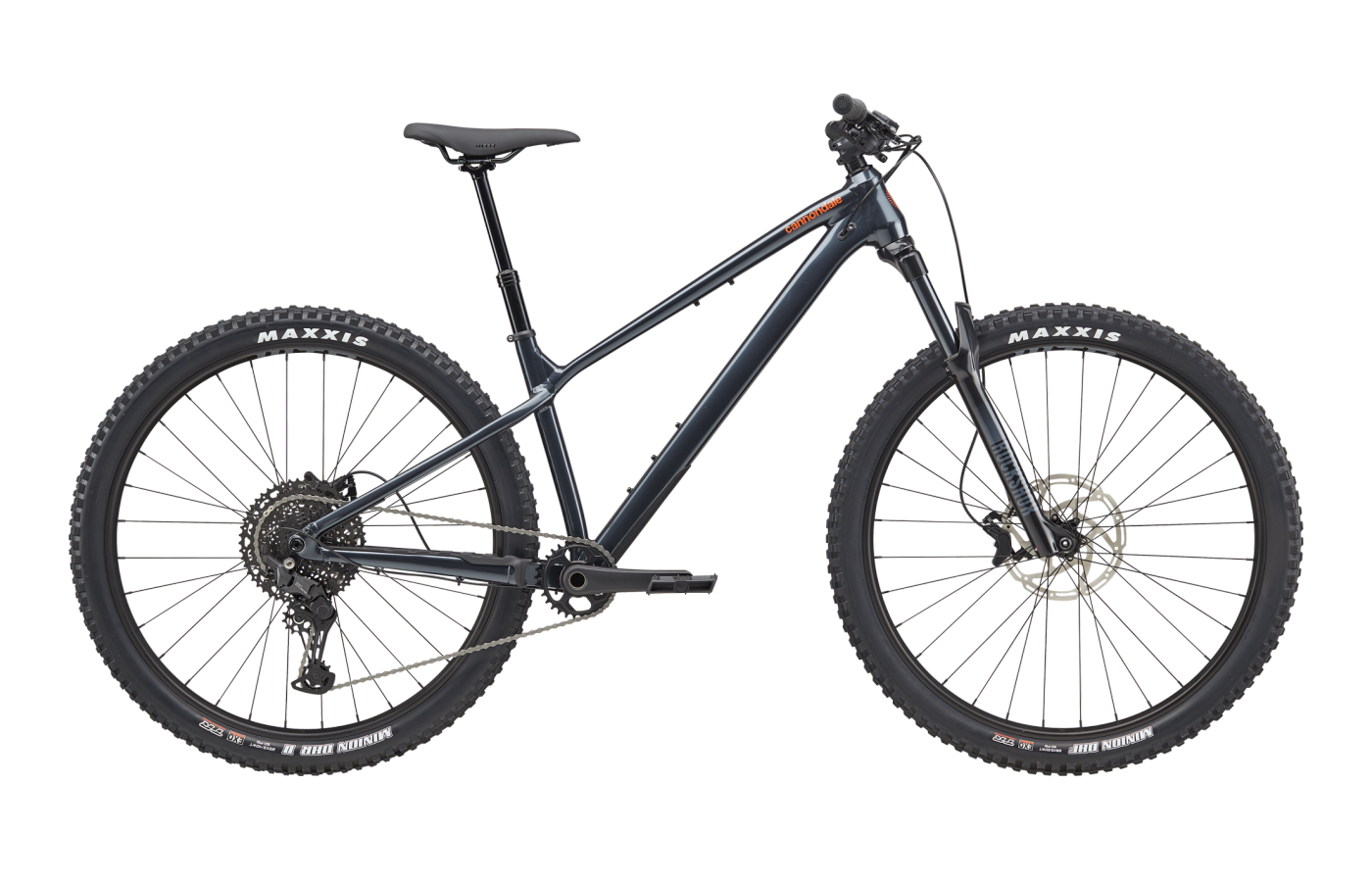
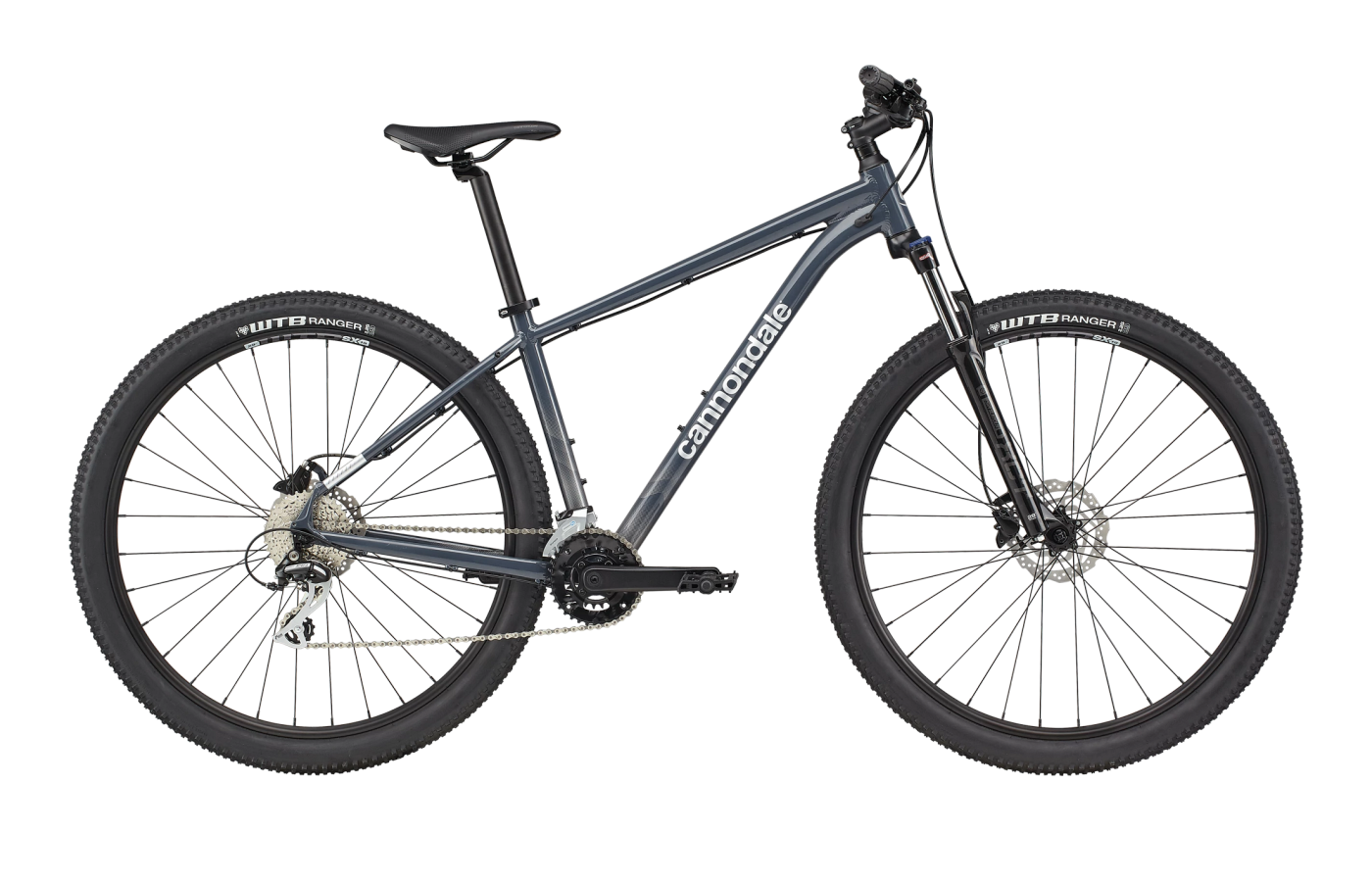
The Cannondale Trail is an entry-level aluminum hardtail designed for recreational off-road riding, gravel paths, and light singletrack. Introduced for the 2020 model year, this generation utilizes Cannondale’s SmartForm alloy and features SAVE flex zones in the rear triangle to help mute trail chatter. Positioned as an accessible entry point into mountain biking, the frame relies on straightforward, budget-friendly standards like a straight 1-1/8-inch head tube, a threaded bottom bracket, and post-mount brakes. While it shares a silhouette with more aggressive mountain bikes, its intended use remains firmly rooted in casual exploration rather than technical descending or jump lines. The platform accommodates a wide range of riders through size-specific wheel sizing, ensuring proportional handling across the size run. Later updates and specific trims introduce modern conveniences like internal dropper post routing and hidden kickstand mounts, making it a versatile option for riders splitting their time between dirt paths and daily commuting.
Spec sheet.
Every component shipped with this build.
Geometry & fit.
5 sizes published.
Cannondale shapes the Trail around a modern but moderate cross-country geometry. A relatively slack head tube angle, hovering around 68 degrees on most sizes, pushes the front wheel slightly further out to improve stability on descents without making the steering feel sluggish on flat ground. The rider posture leans toward an upright, neutral position that prioritizes visibility and comfort over aggressive, stretched-out racing aerodynamics.
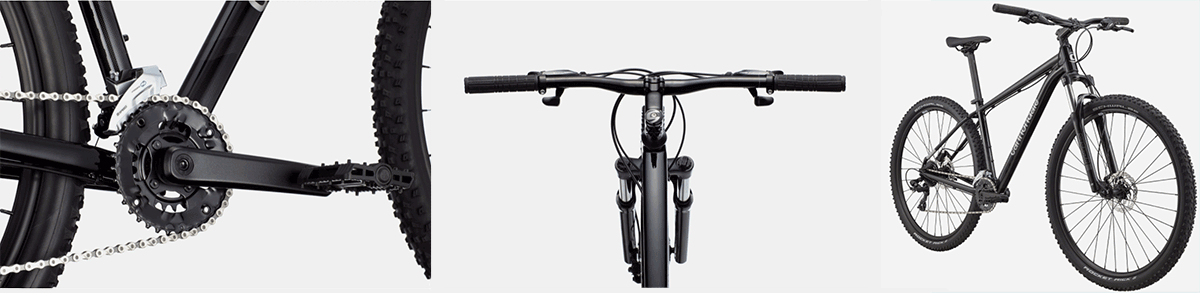
To maintain consistent handling across the size range, Cannondale employs proportional wheel sizing. Extra-small and small frames roll on 27.5-inch wheels to keep the bike agile and prevent toe overlap, while medium through extra-large frames utilize 29-inch wheels to maximize rollover capability and momentum. The cockpit setup reinforces this accessible handling, pairing a short stem with 720mm riser handlebars on standard models, which provides adequate leverage for navigating tight switchbacks. The SE variants push this slightly further with wider 740mm bars and a longer-travel fork, subtly shifting the rider's weight back for steeper terrain.
Where the handlebar sits relative to the bottom bracket — the single most important fit pair.
01Fit geometry6 values
03Handling geometry9 values
Which size should I buy?
Slide your height to see the recommended size. GearWise's fit algorithm works from the published stack, reach, and ETT — the brand's own recommendation may differ.
→Calculated from GearWise's own stack / reach / ETT algorithm — the brand's size chart may recommend a different size, and a proper bike fit beats any calculator.
The lineup.
7 builds, ranging $699 – $1,175.
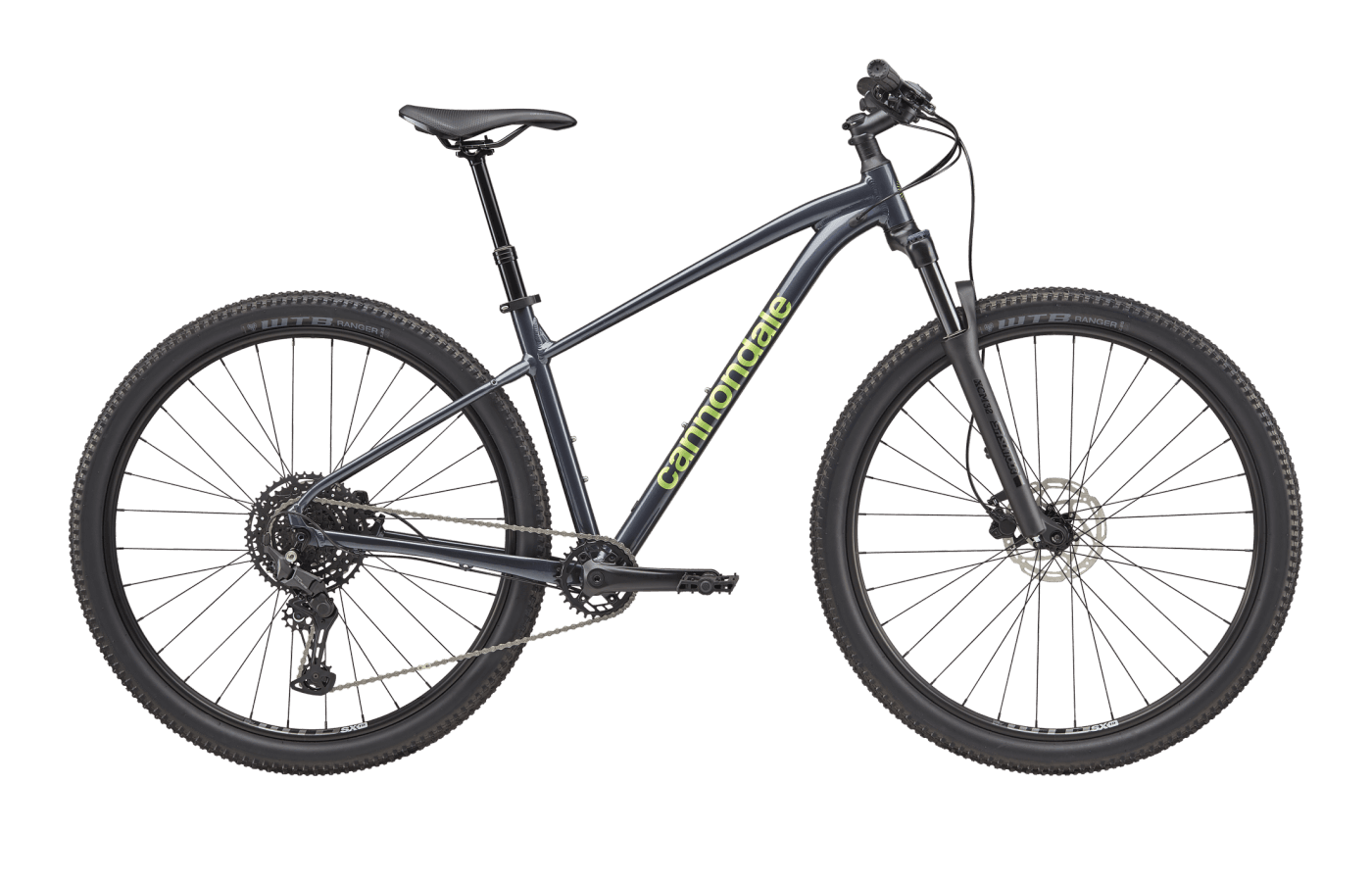
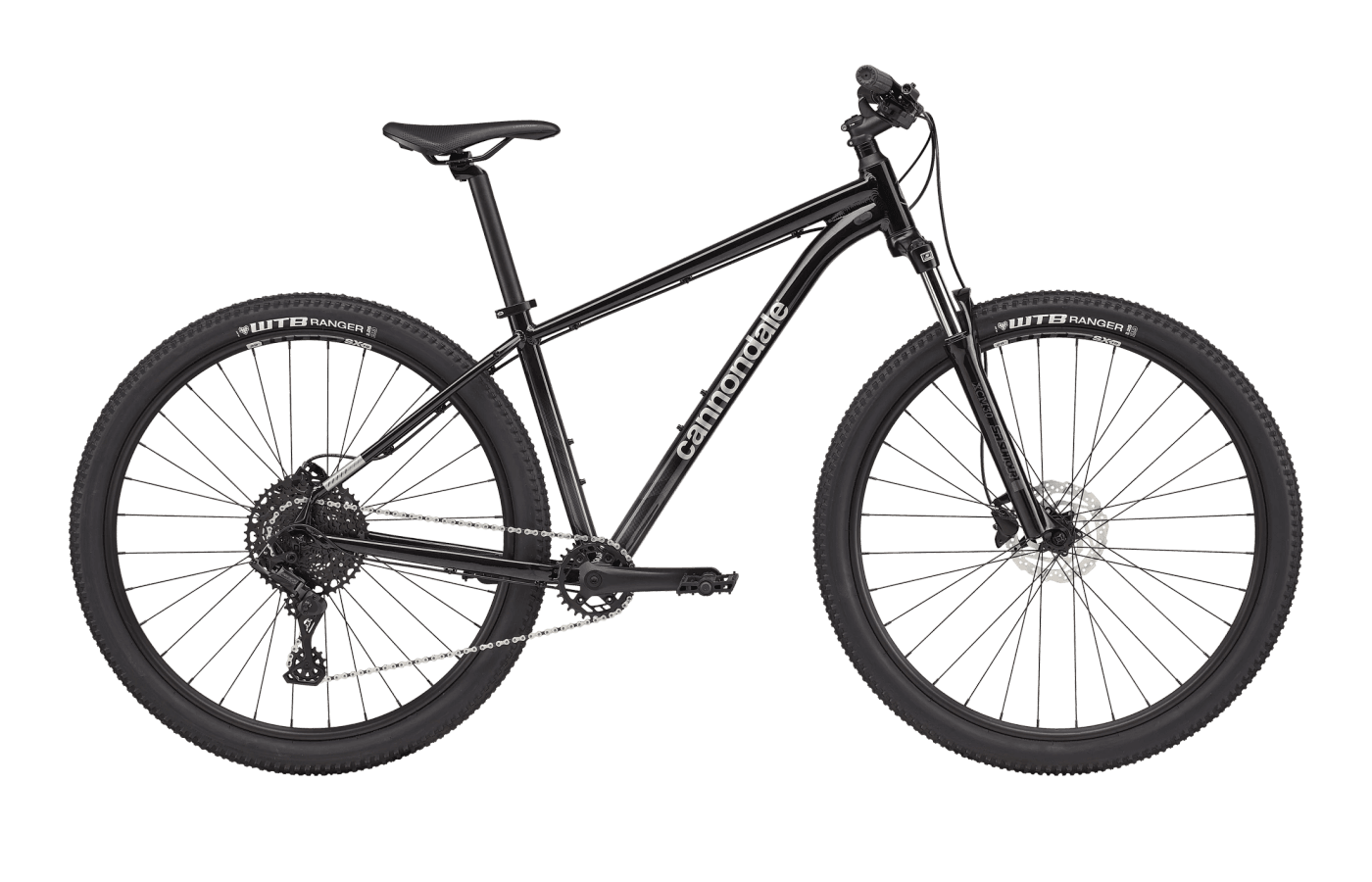
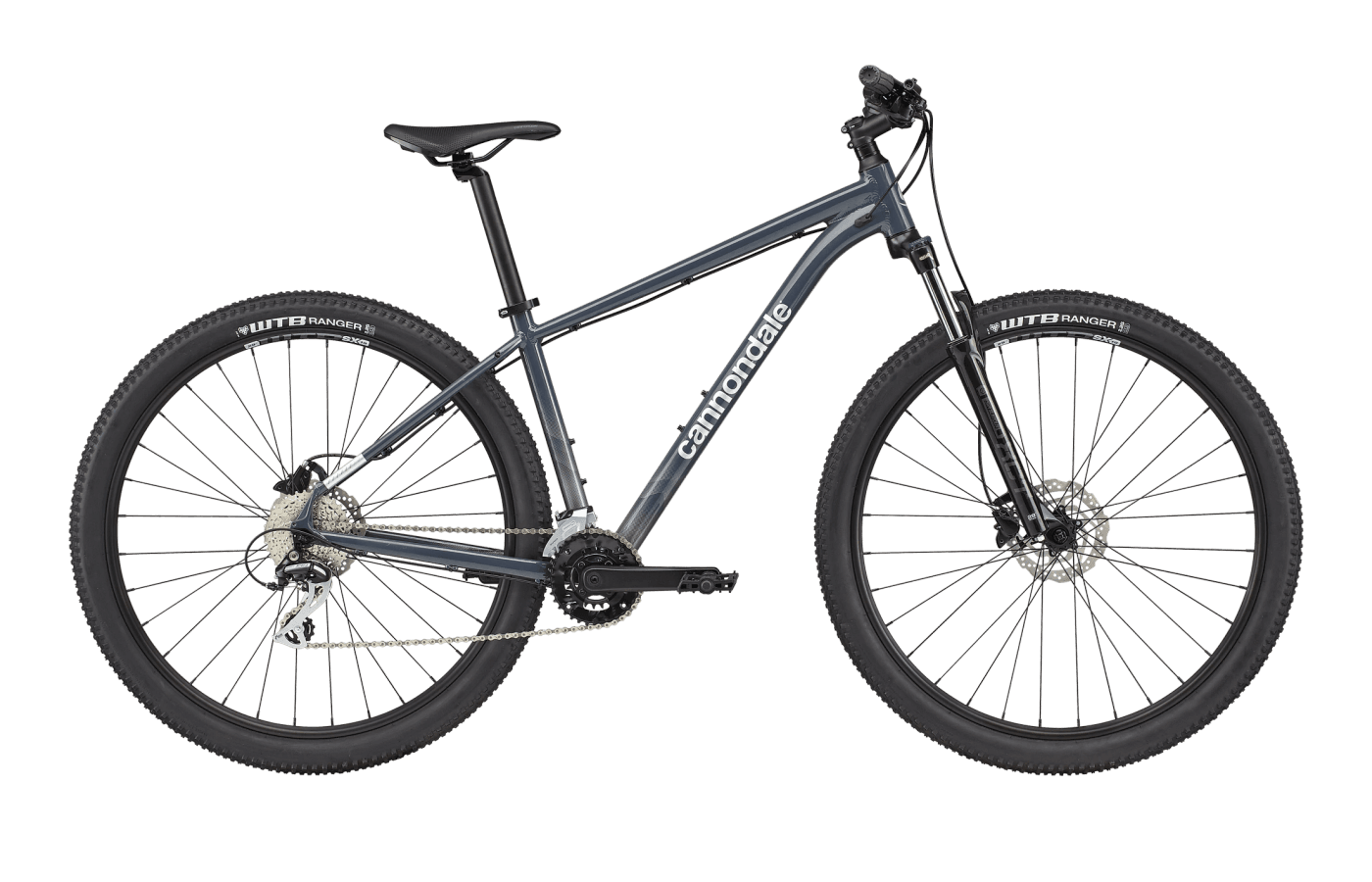
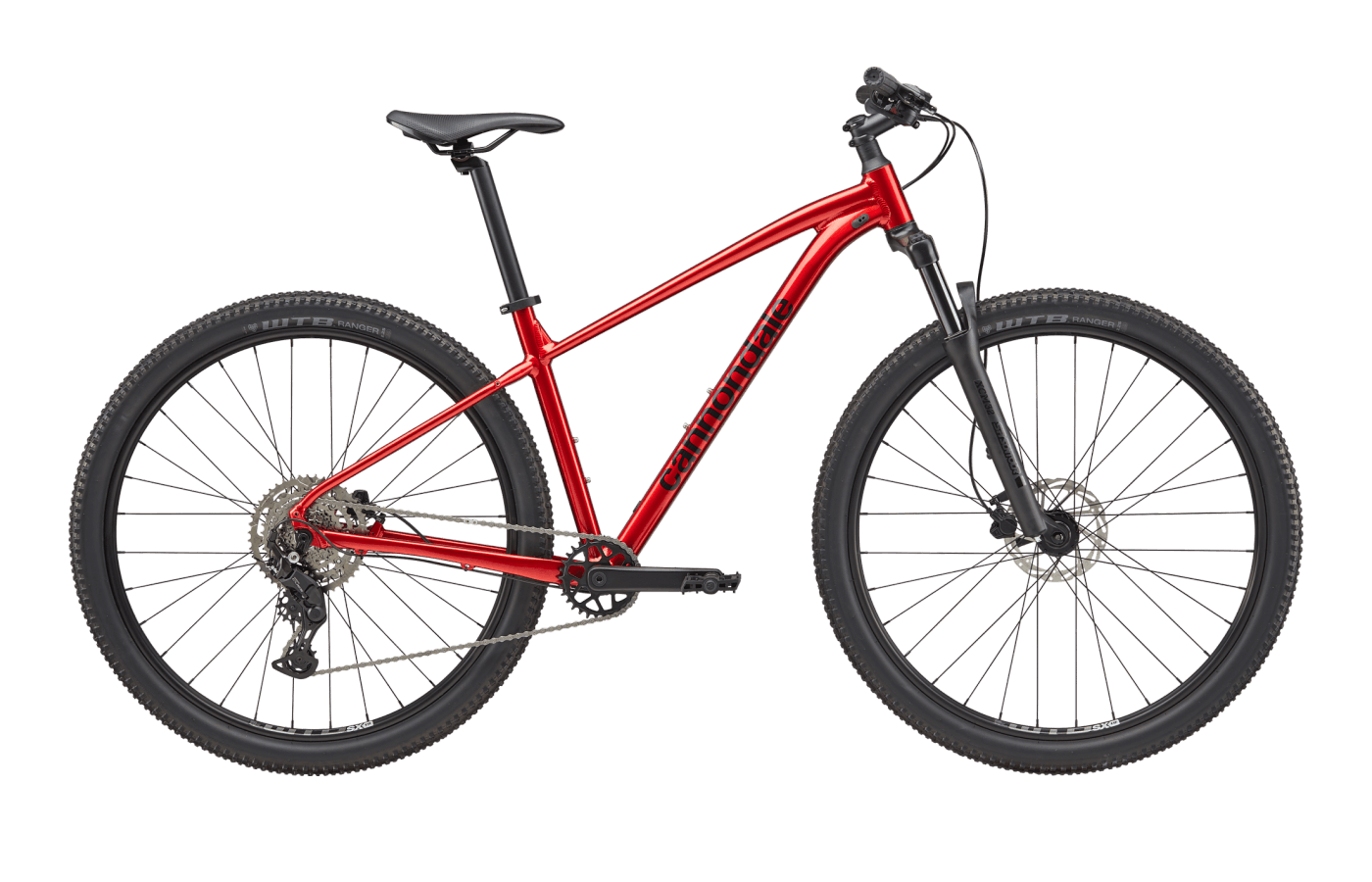
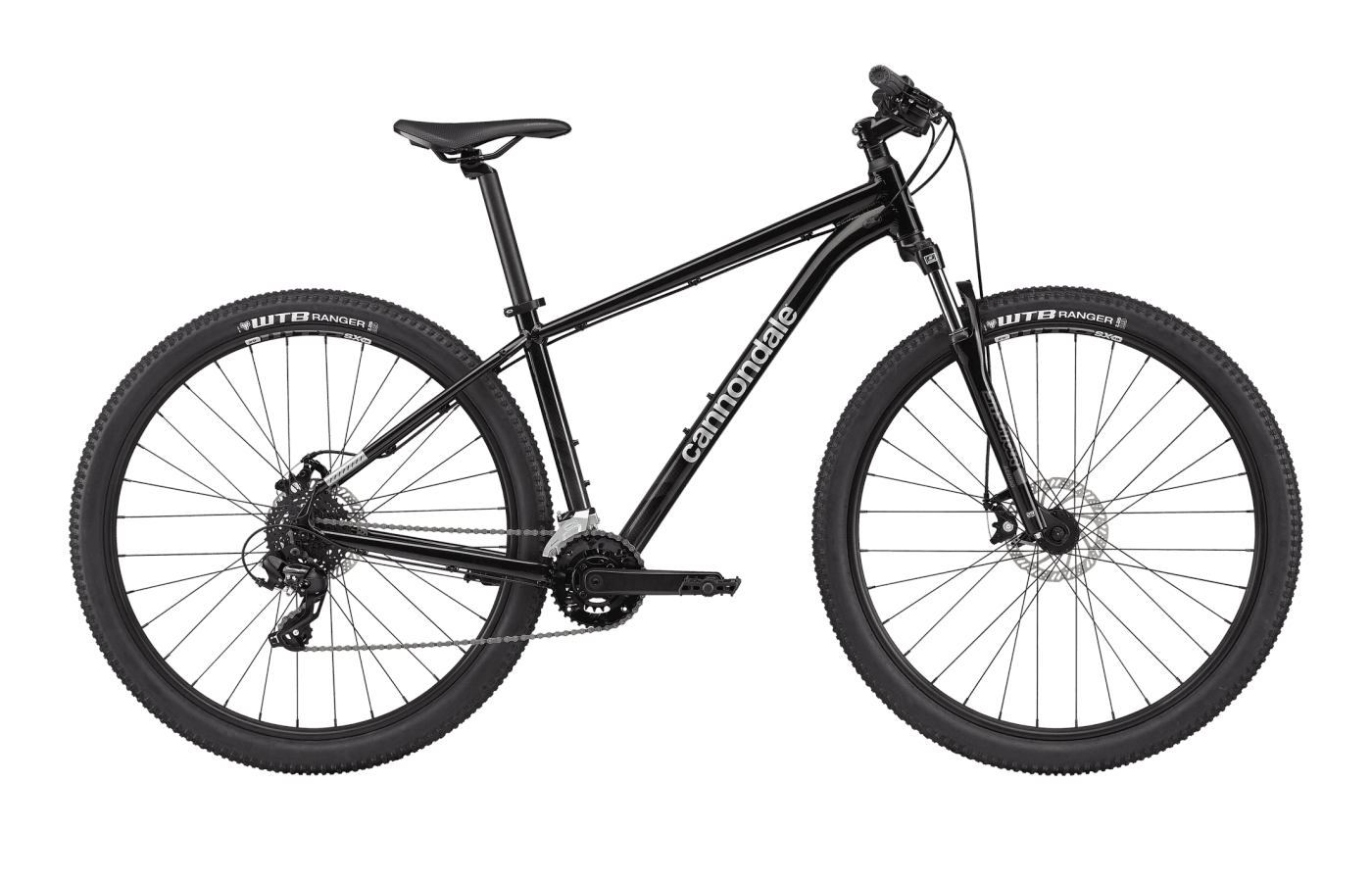
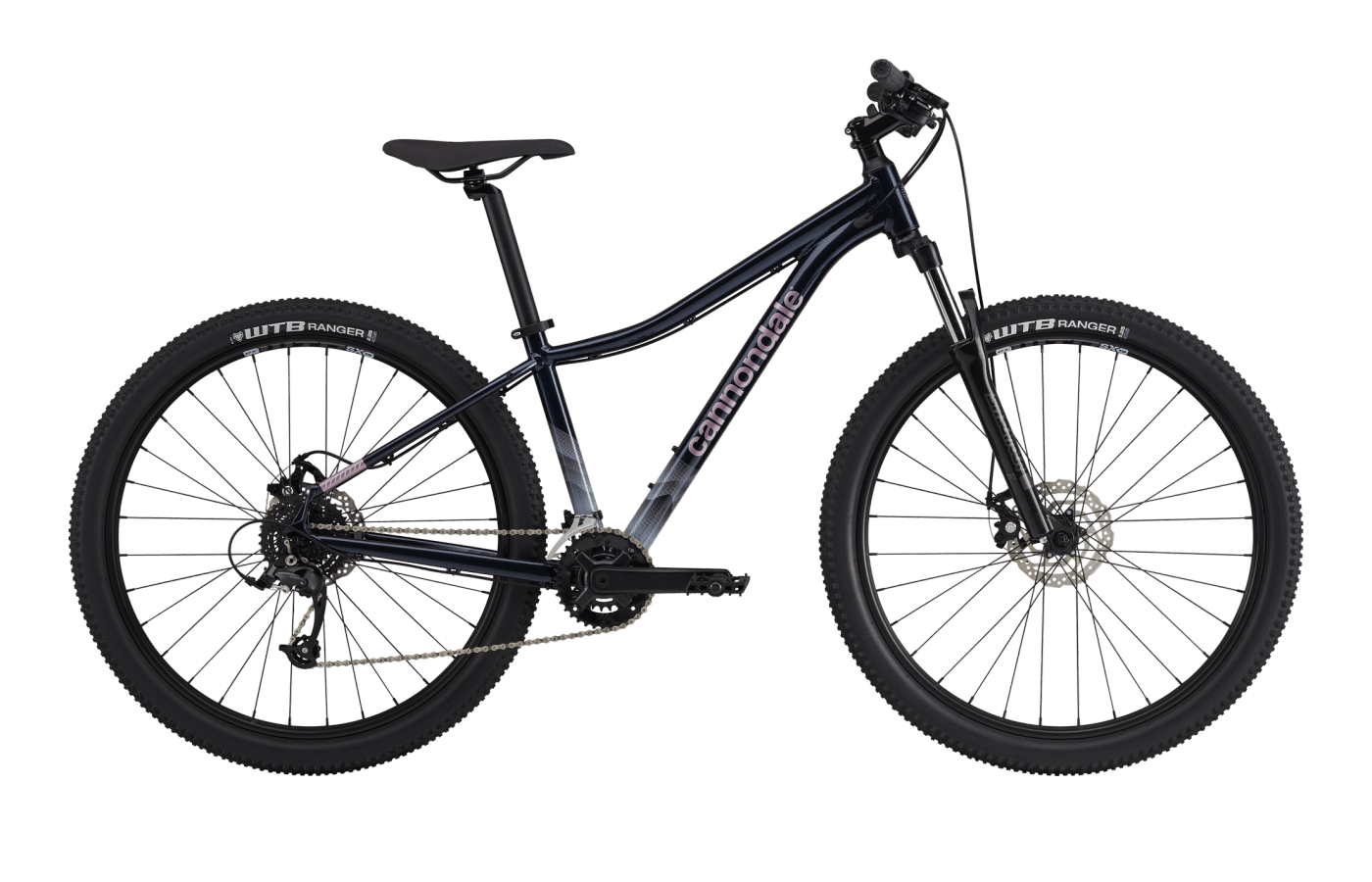
The Trail lineup spans a wide range of budget-conscious builds, with material upgrades to the drivetrain, suspension, and braking as you move up the ladder. The entry-level Trail 8 and Women's 8 rely on a basic 75mm coil fork, mechanical disc brakes, and a 7-speed microSHIFT drivetrain. Moving up to the Trail 6 and 5 introduces 100mm coil forks and hydraulic disc brakes, which significantly improve stopping power and modulation. The Trail 5 also marks the transition to a simpler 1x10 microSHIFT drivetrain, dropping the front derailleur for easier maintenance and chain retention.
At the top of the standard range, the Trail 1 and 2 feature 12x142mm rear thru-axles, 10-speed Shimano CUES drivetrains, and internally routed dropper posts. The Women's SE 4 diverges slightly, utilizing a SmartForm C2 alloy frame with a Boost 148 rear thru-axle, a longer 120mm SR Suntour coil fork, and tubeless-ready WTB rims. Across the board, Cannondale specs WTB tires, though the tread patterns vary from the fast-rolling Ranger on lower builds to the more aggressive Trail Boss and Breakout on the higher-end and SE models.

From the press.
10 reviews from the cycling press.
Reviewers generally agree that the Cannondale Trail delivers a stable, predictable ride well-suited to developing mountain bikers. On dirt roads and flowing singletrack, the aluminum frame manages to balance pedaling efficiency with a surprisingly "lively ride feel" (Tredz). Multiple testers point to the SAVE flex zones in the rear triangle as a tangible benefit, noting that the design effectively "reduces harsh backend vibrations" (Bikexchange) when navigating washboard surfaces or rooty sections. This compliance helps keep the rear wheel tracking smoothly without the added weight or complexity of rear suspension.
Handling is frequently described as intuitive. The geometry allows riders to easily "make sharp turns and be fast in the corners" (Bicycle-guider) without feeling overly twitchy at moderate speeds. However, critics are quick to establish the bike's limits. The consensus indicates that while the frame is robust, the overall package is "not intended for high-speed, technical riding" (Bikexchange). Pushing the bike into steep, rocky descents quickly overwhelms the entry-level suspension forks and budget-oriented drivetrains found on most builds. Ultimately, testers view the Trail as a highly capable recreational platform that excels on mild terrain but requires careful line choices if taken beyond its intended scope.

Cannondale Trail 4 Mountain Bike Review | My Experience ...
Cannondale Trail Range Review | Tredz | Online Bike Experts
Cannondale Trail Series Review — Affordable, Comfortable and Versatile

Cannondale Trail 8 Review: An Excellent Beginner-Friendly MTB
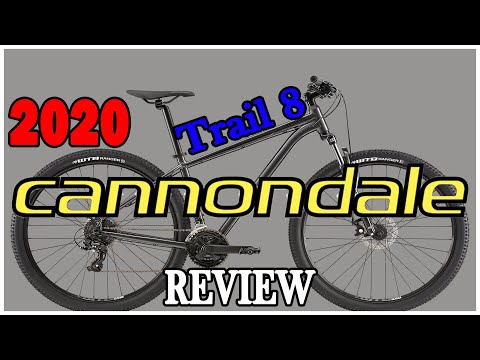
Cannondale Trail 8 2020 Review Mountain Biking on a Budget
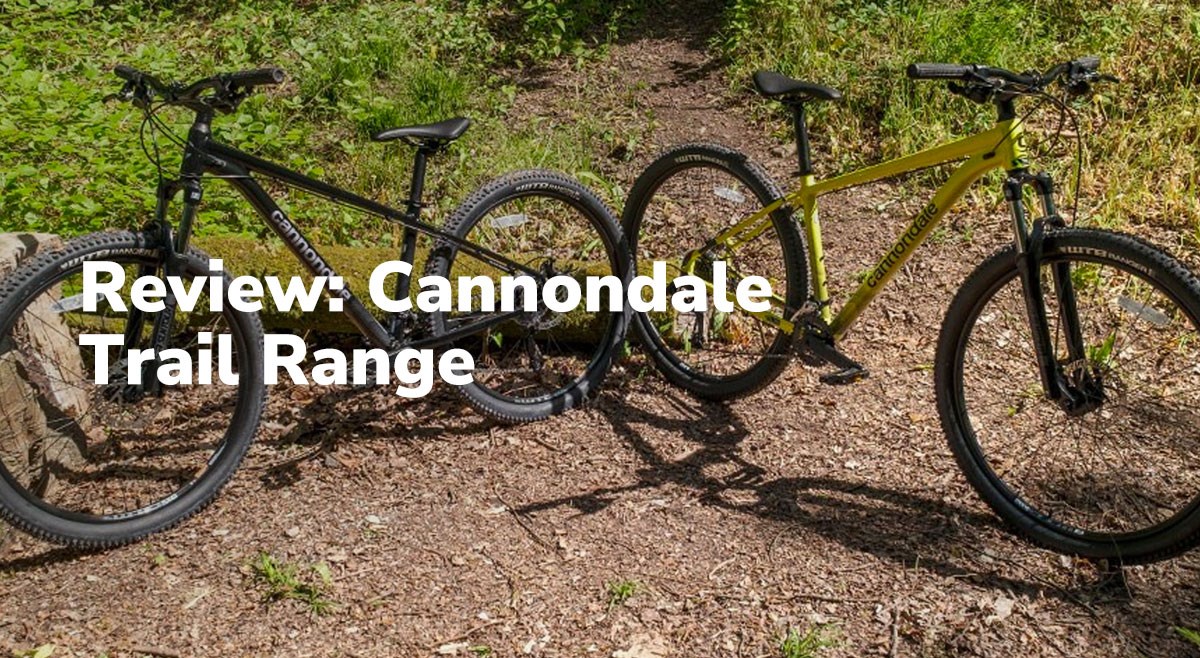
Cannondale Trail Review
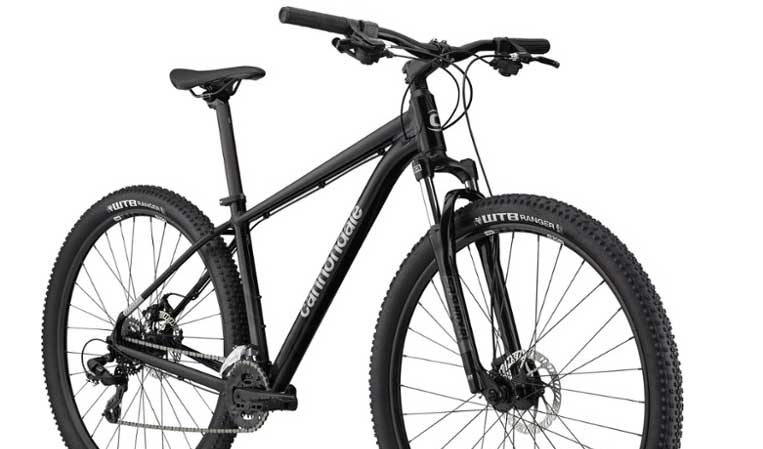
Review of Cannondale Trail 8 - Here's Why We Love This Model
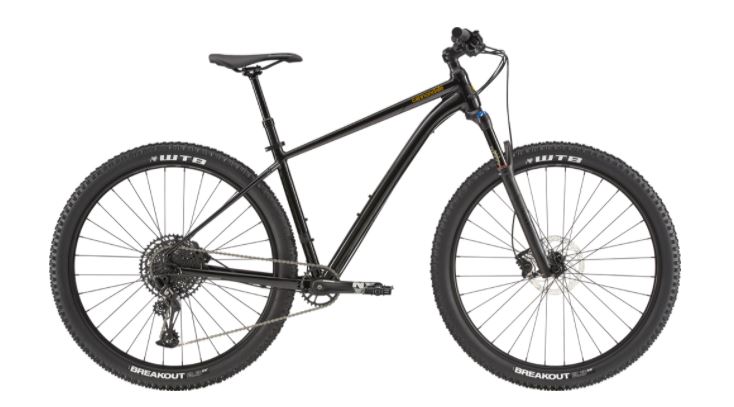
Cannondale Trail 1 Review: Best Value for Your Money?
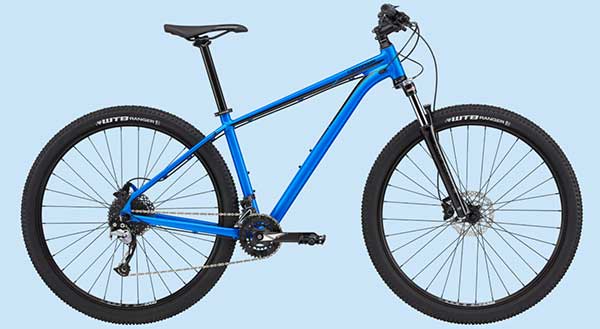
Cannondale Trail 5 Mountain Bike Review: Budget-Friendly Hardtail
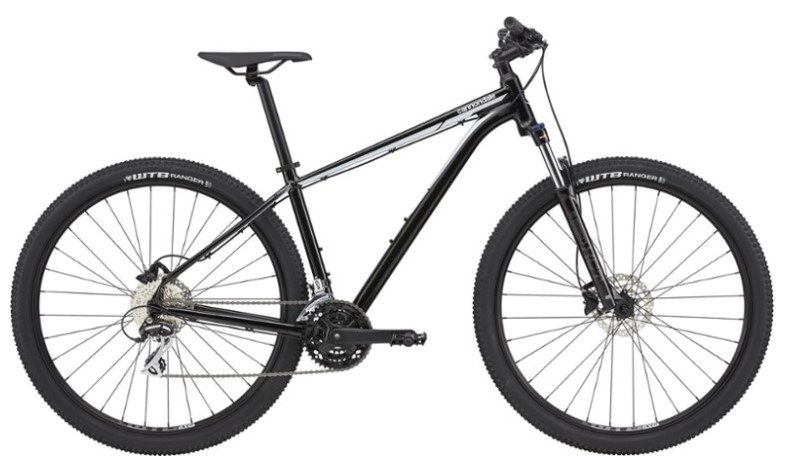
Cannondale Trail 6 Mountain Bike In-Depth Review
Compared to.
Most-viewed comparisons.