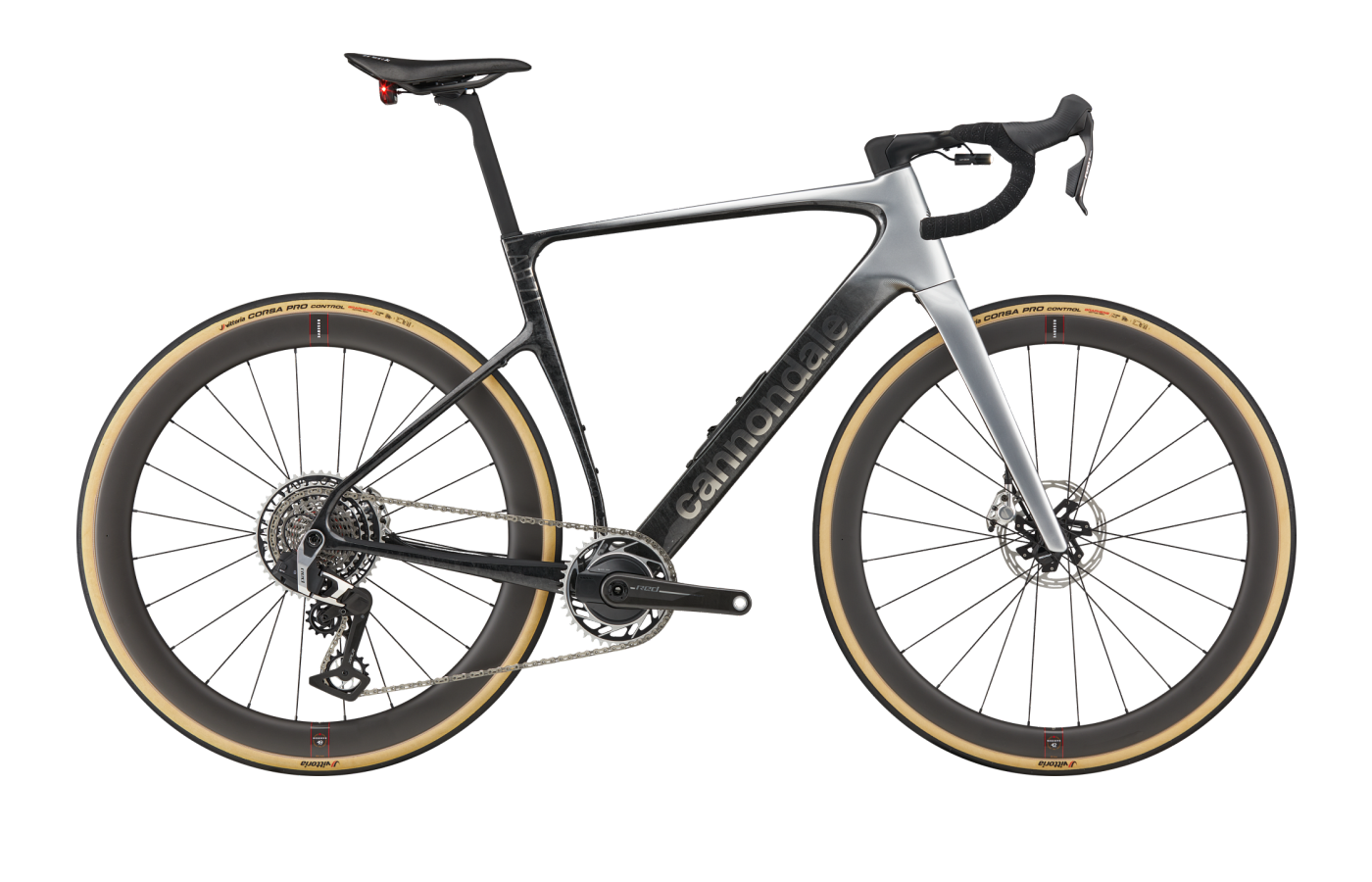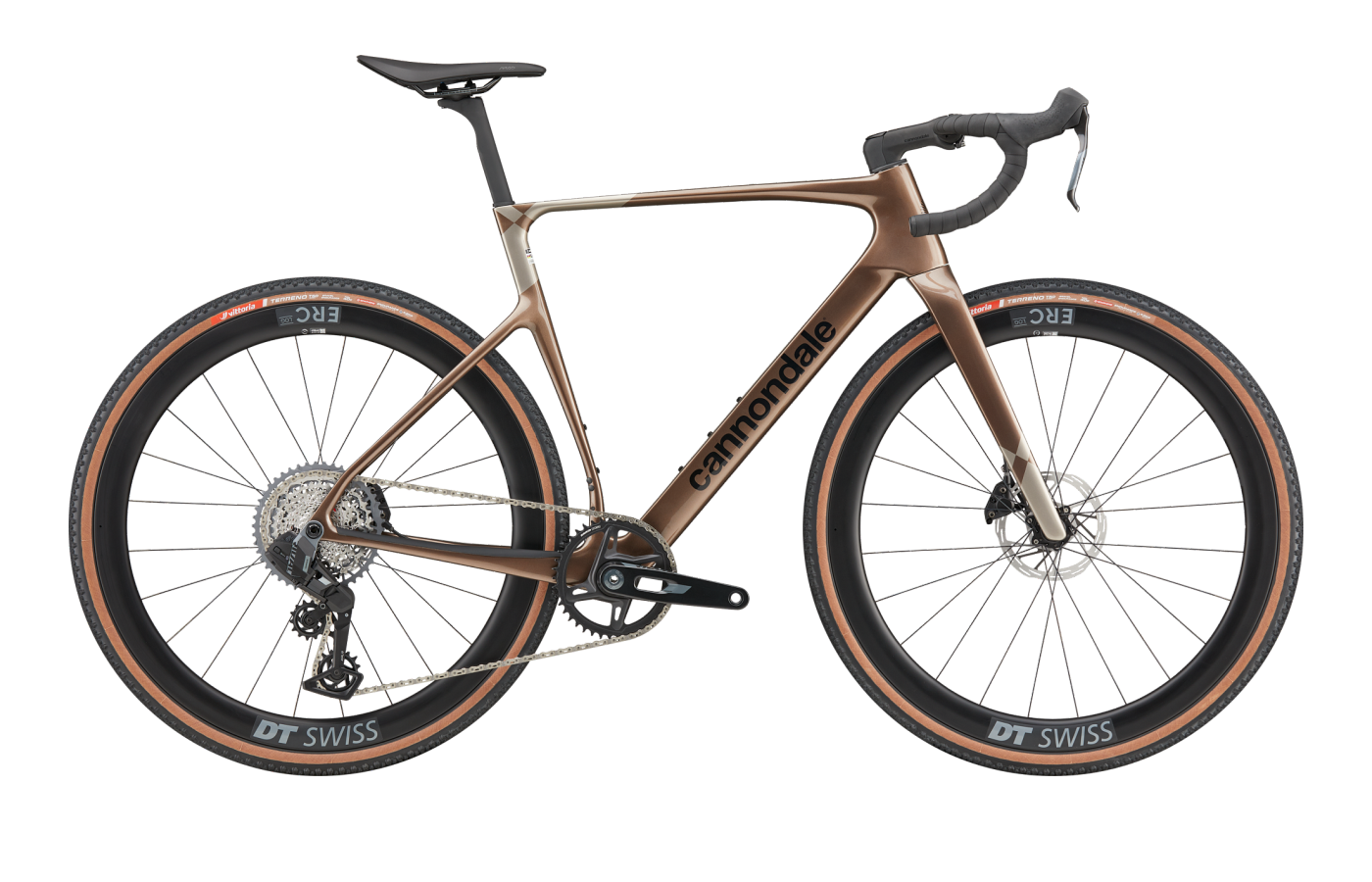
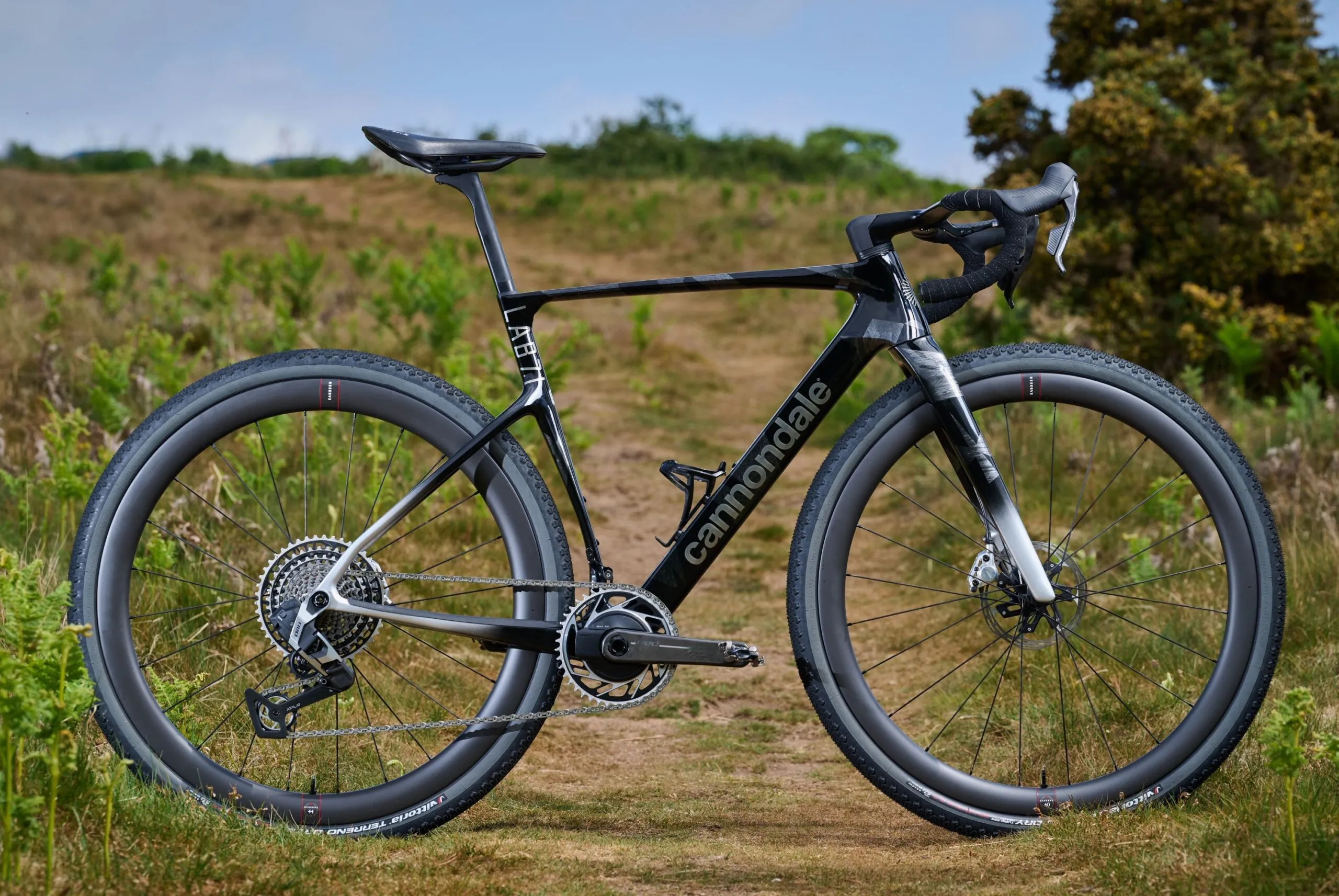
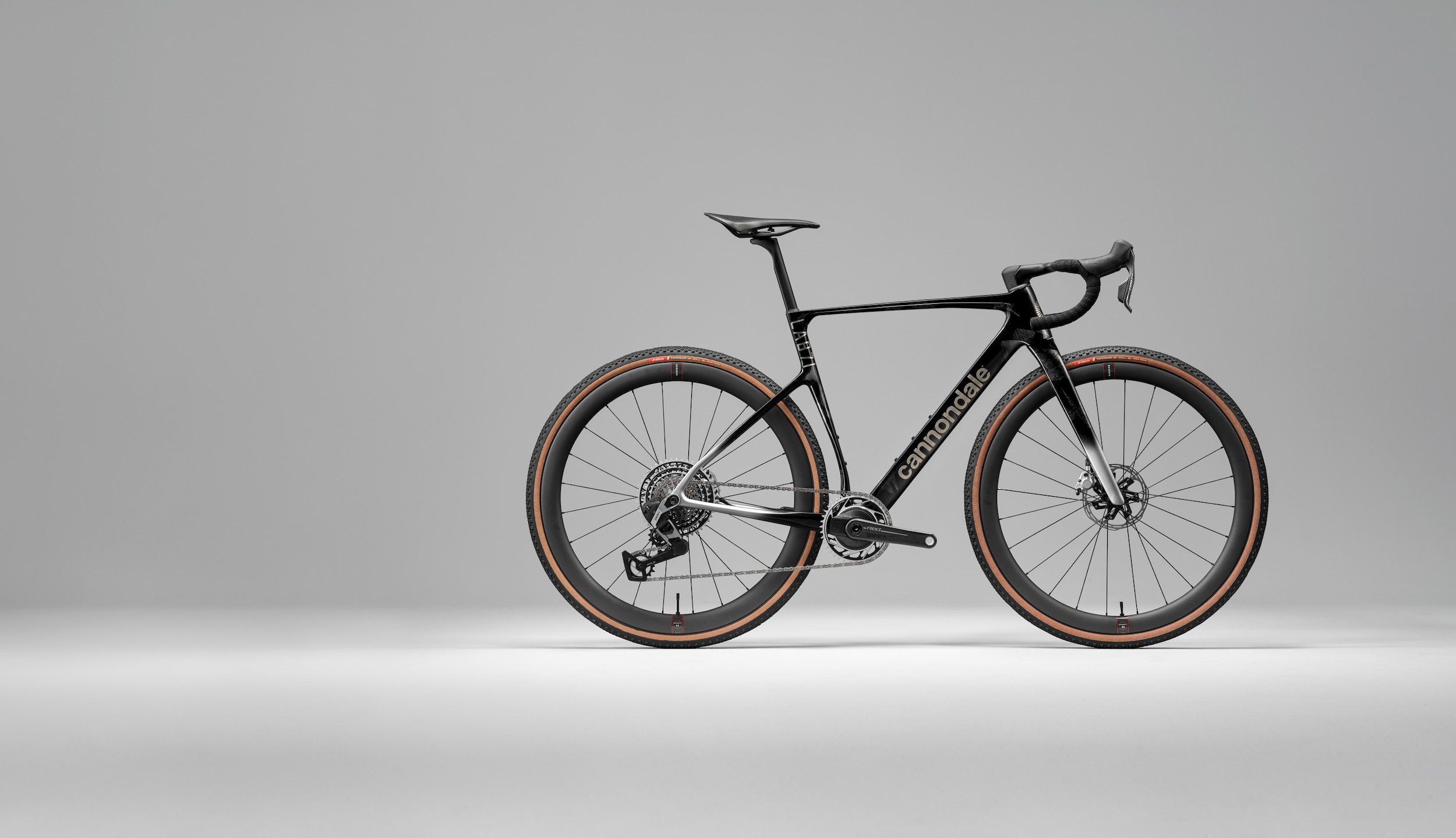
Cannondale brings the SuperX name back for 2025, repositioning it from a pure cyclocross platform into a dedicated gravel racing machine. Drawing heavily from the brand's modern aerodynamic road bikes, the frame utilizes deep tube profiles and a clean, integrated front end to prioritize speed across long, fast courses. While it retains a nod to its cyclocross heritage with a flattened top tube for shouldering, the primary focus is covering rough ground quickly.
This generation marks a significant reset in compatibility. Cannondale moved away from its proprietary asymmetric rear wheel offset and press-fit bottom brackets, adopting a standard threaded shell, a universal derailleur hanger, and conventional wheel dishing. Paired with a substantial increase in tire clearance, the SuperX is built for riders who want a highly efficient, race-focused chassis that is easy to live with and maintain.
Where to get it.
2 retailers · size 54.
Spec sheet.
Every component shipped with this build.
Geometry & fit.
6 sizes published.
The SuperX utilizes Cannondale’s OutFront geometry concept, which pairs a relatively slack head angle with a long fork offset. This approach pushes the front wheel further ahead of the rider to increase stability on steep or loose descents, while keeping the trail figure moderate so steering inputs remain prompt. Combined with short chainstays, the chassis balances high-speed composure with the ability to snap through tight corners.
Rider posture leans heavily toward the aggressive end of the gravel spectrum. The reach and stack figures mirror the brand's previous race platforms, encouraging a low, stretched-out position intended for aerodynamic efficiency rather than upright touring comfort. The bottom bracket sits slightly higher than many contemporary gravel bikes, a lingering trait from its cyclocross lineage that provides extra pedal clearance through deep ruts and off-camber sections.
At the front, the triangular steerer tube allows brake lines to route internally without requiring an oversized head tube. Depending on the build, the bike comes with either a one-piece carbon bar and stem or a two-piece concealed alloy setup, both of which keep the cockpit visually clean but require careful sizing consideration for the rider's preferred reach.
Where the handlebar sits relative to the bottom bracket — the single most important fit pair.
01Fit geometry6 values
02Component geometry5 values
03Handling geometry9 values
Which size should I buy?
Slide your height to see the recommended size. GearWise's fit algorithm works from the published stack, reach, and ETT — the brand's own recommendation may differ.
→Calculated from GearWise's own stack / reach / ETT algorithm — the brand's size chart may recommend a different size, and a proper bike fit beats any calculator.
The lineup.
5 builds, ranging $4,199 – $12,499.
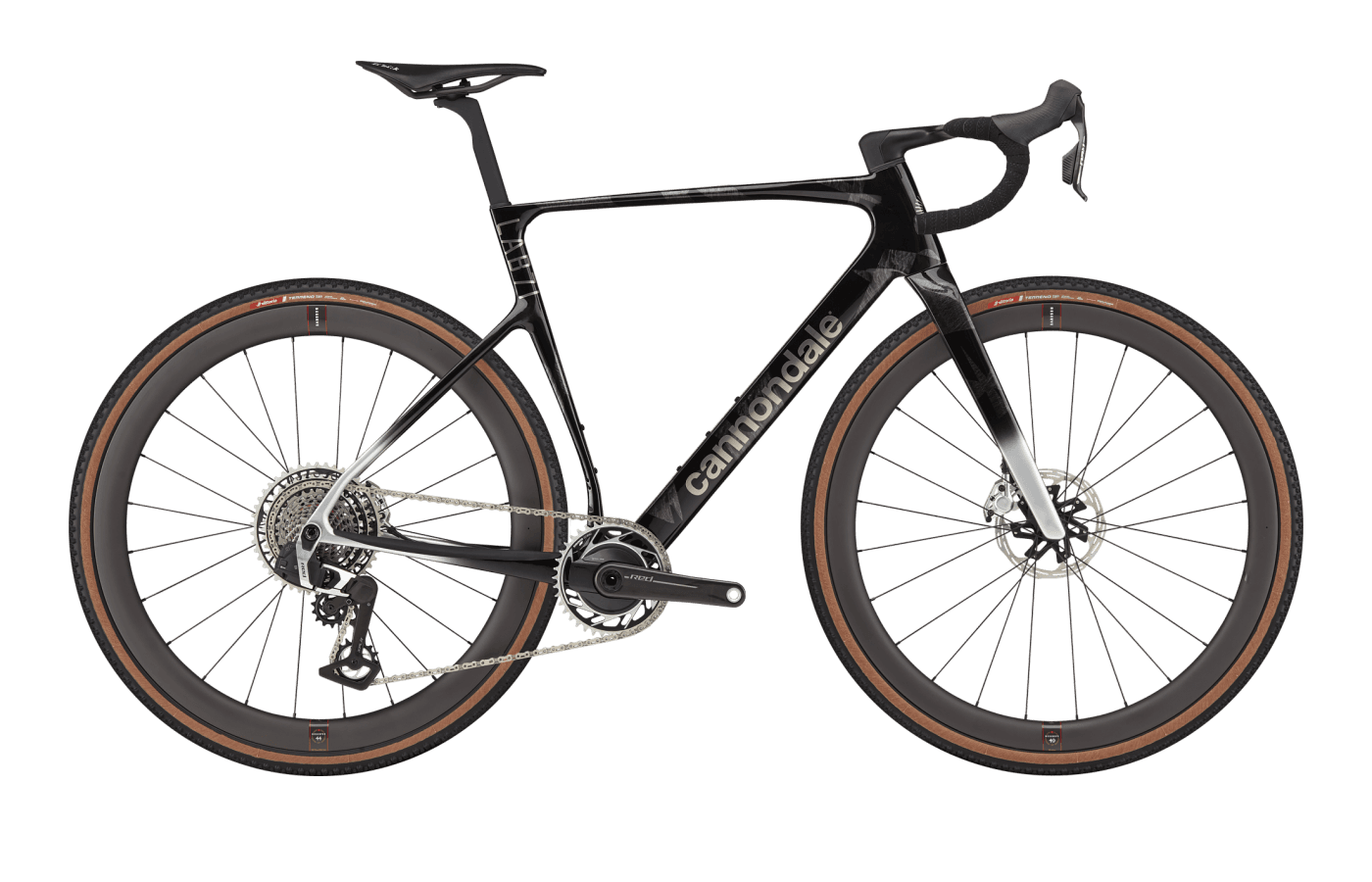
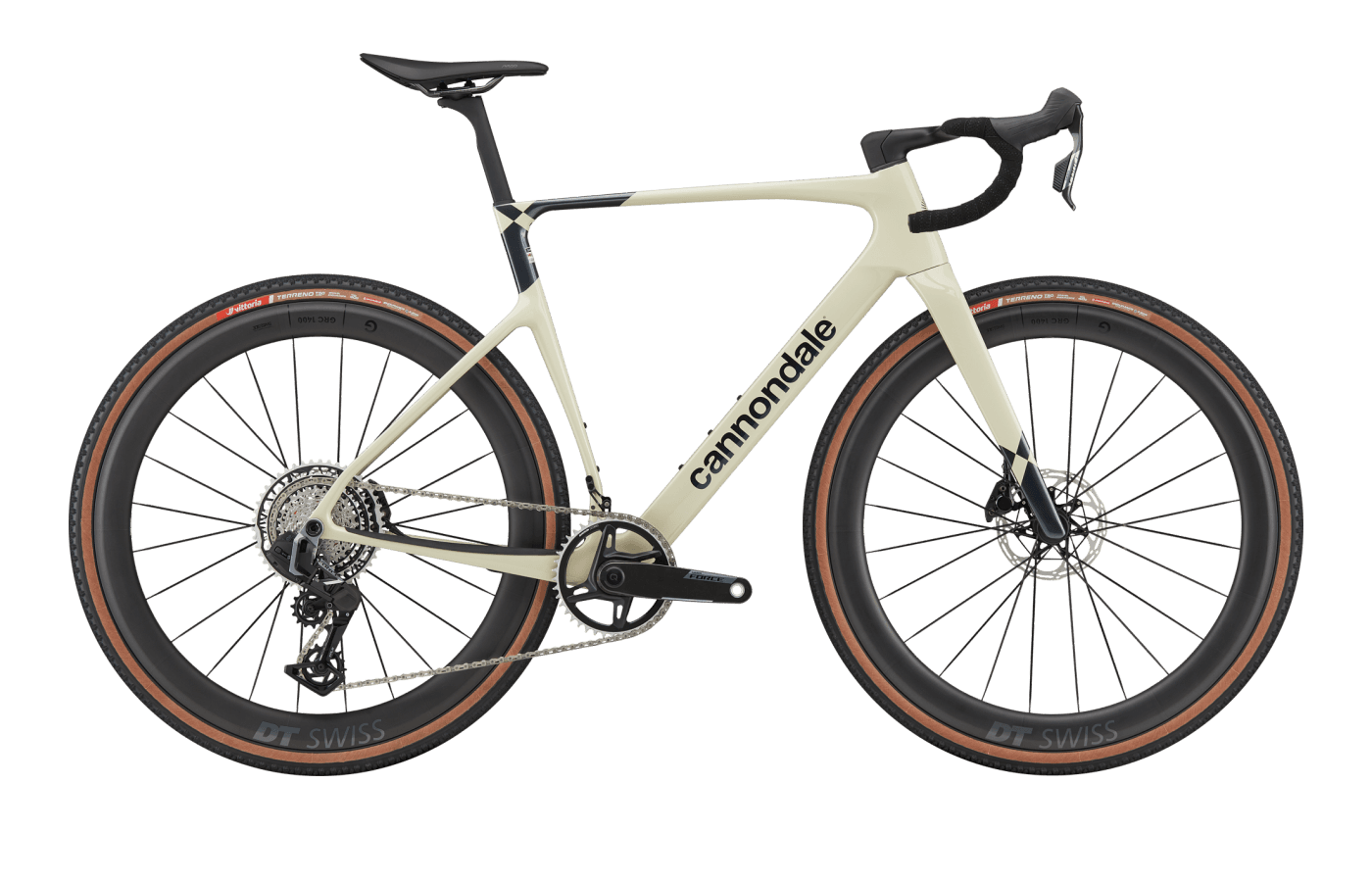
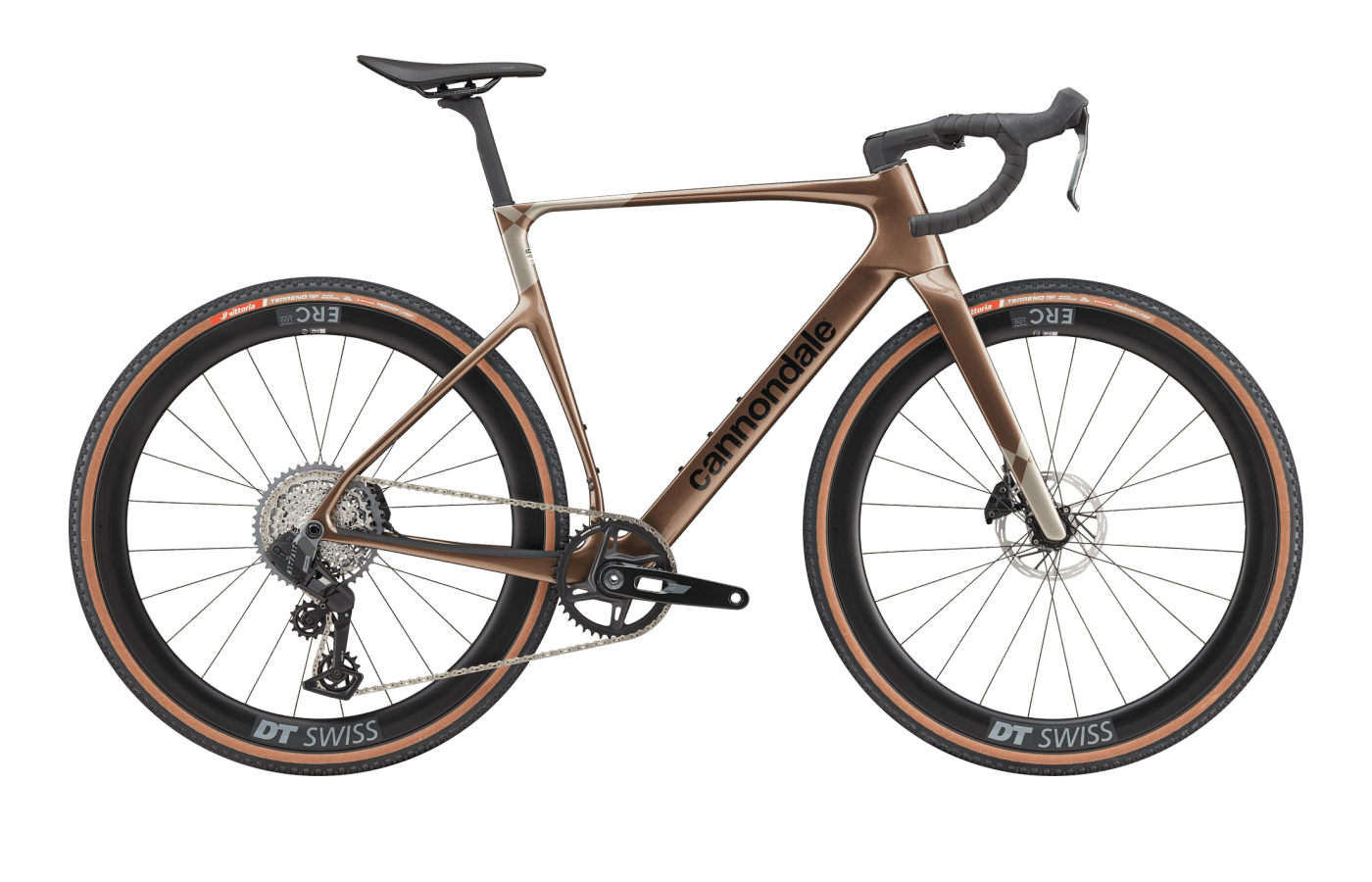
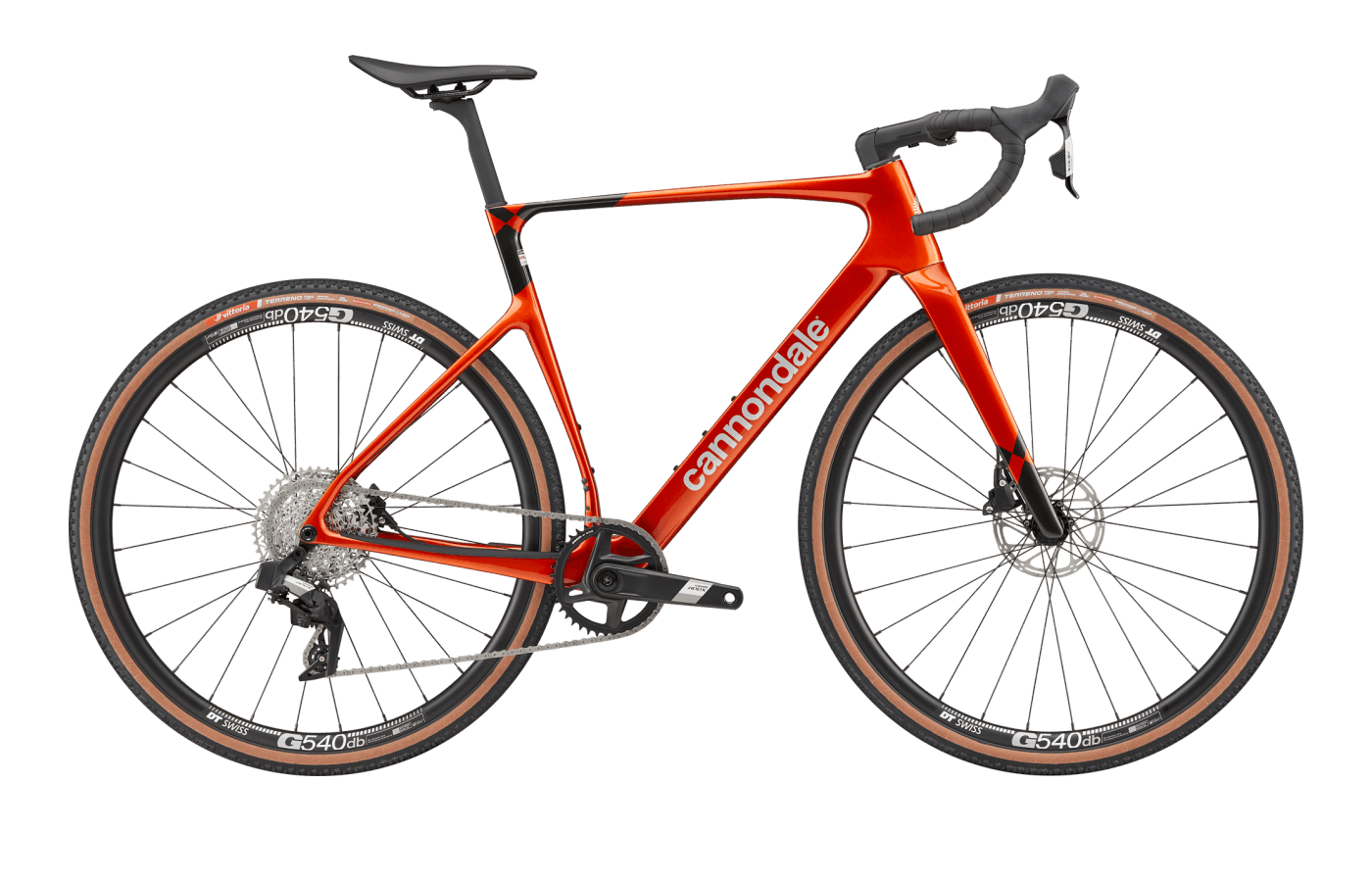
The SuperX lineup spans five builds, split primarily by frame material and electronic drivetrain tiers. The flagship LAB71 model uses a lighter, premium carbon layup to shed frame weight. It comes equipped with a SRAM Red XPLR AXS 13-speed groupset, an integrated power meter, a CeramicSpeed bottom bracket, and a one-piece carbon cockpit.
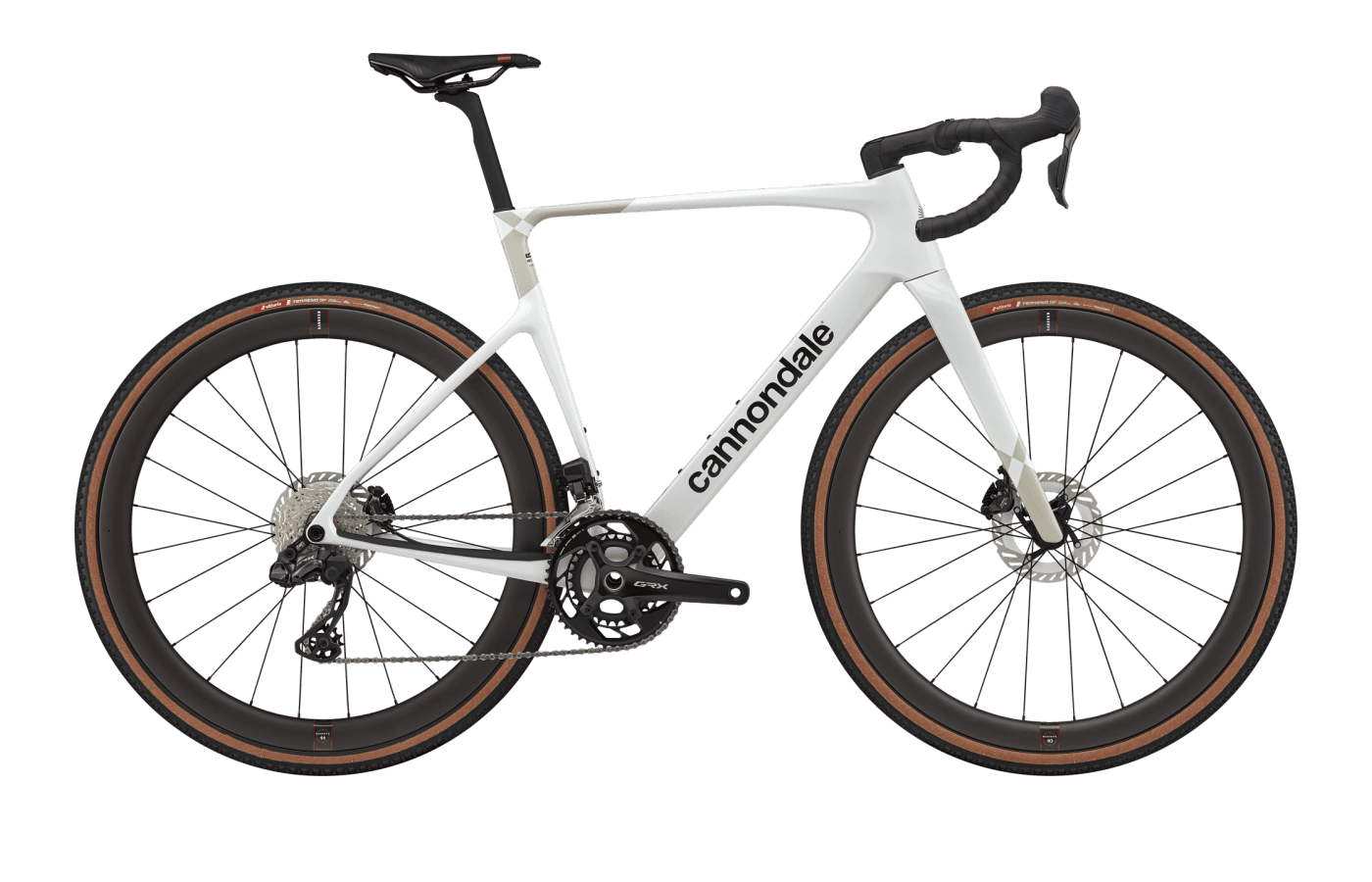
The rest of the range uses the standard carbon frame. The 1 build steps down to SRAM Force XPLR AXS, retaining a power meter and the one-piece carbon bar, while rolling on deep-section DT Swiss carbon wheels. The 2 build shifts to a Shimano GRX 825 Di2 2x12 drivetrain, offering tighter gear jumps for riders who prefer a traditional double chainring, paired with Reserve carbon wheels and a two-piece alloy cockpit.
For more accessible price points, the 3 and 4 AXS builds utilize SRAM's 13-speed Rival XPLR and 12-speed Apex AXS groupsets, respectively. Both feature the two-piece alloy cockpit and move to DT Swiss alloy wheelsets. Across the entire range, Cannondale specs 40mm Vittoria tires, leaving ample room for riders to utilize the frame's generous clearance if they prefer higher-volume rubber.
From the press.
10 reviews from the cycling press.
Reviewers consistently note that the SuperX behaves much like a modern aerodynamic road bike that has been adapted for the dirt. The rigid chassis and aggressive posture translate power immediately, making the bike highly responsive under hard pedaling. Testers found that it "feels naturally efficient to ride on tarmac" (Cyclist Magazine), carrying speed effortlessly across smooth sectors and hardpack.
When the surface degrades, the frame relies heavily on its engineered flex zones and D-shaped seatpost to isolate the rider. While the front end communicates a fair amount of chatter through the handlebars, the rear triangle effectively smooths out the ride. One tester noted that the bike "feels as fast as a road bike while effectively absorbing rough terrain" (Bicycling).
Handling is generally described as stable and composed rather than overly twitchy, a trait that pays dividends on long, fatiguing race days. The steering remains predictable at speed, making it a "rock-solid choice for rough terrain and loose gravel" (Granfondo). However, several reviewers pointed out that the stock tires on some builds feel slightly narrow for the frame's capabilities, suggesting that riders pushing into technical terrain will benefit from sizing up the rubber to fully exploit the bike's descending composure.
Cannondale SuperX 2 2025 Test – A New Edition of Gravel Racing - Bike Magazine
Cannondale SuperX gravel race bike review
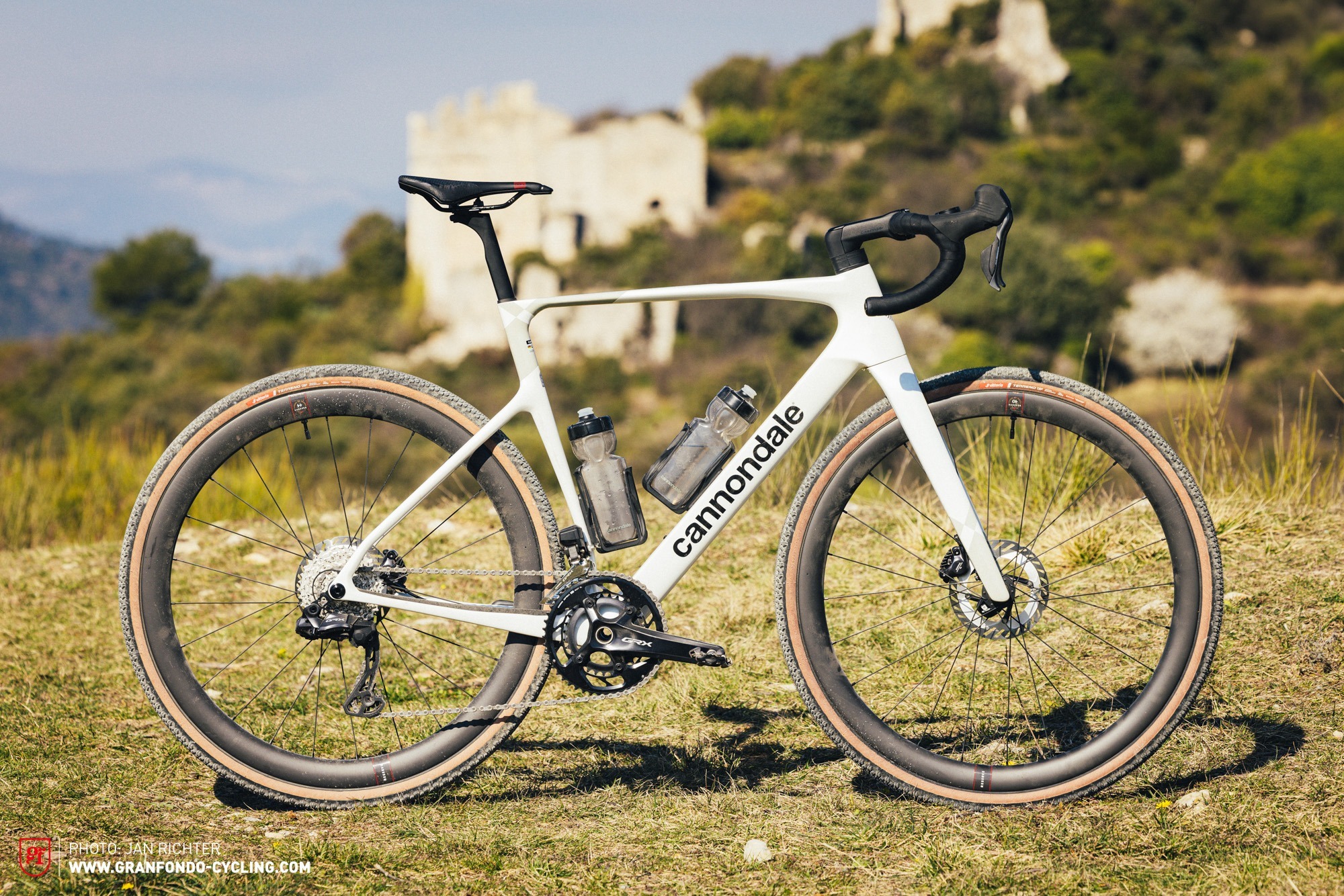
Cannondale SuperX 2 on Review – In our 2025 Gravel Race Bike Comparison Test
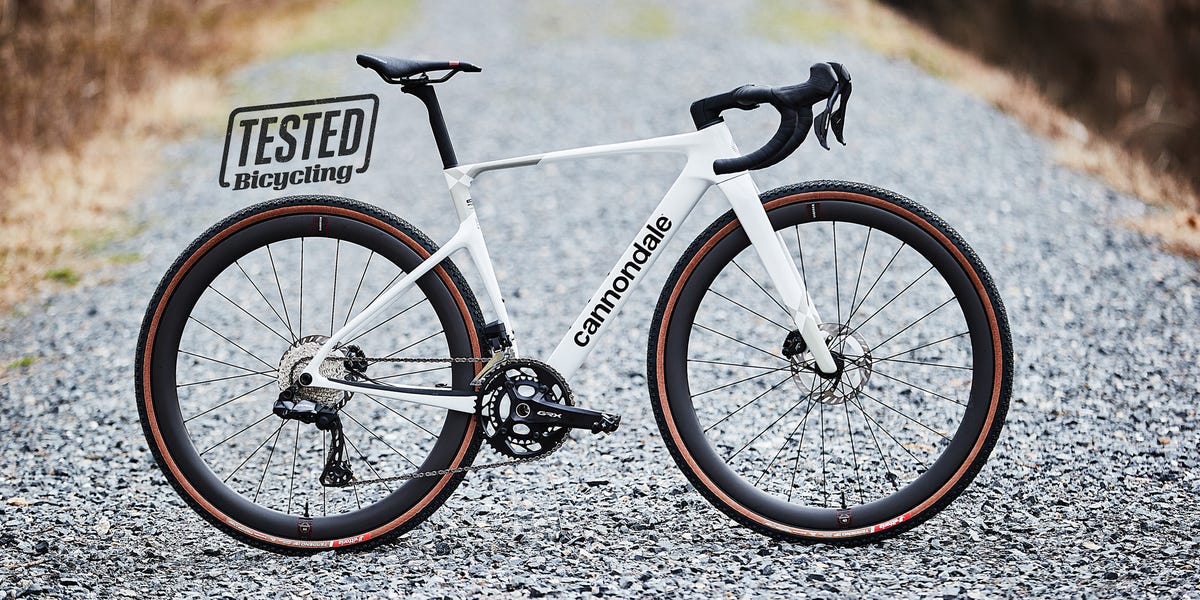
Cyclocross or Gravel? The Superx Refuses to Choose

A SuperSix for Gravel?! New Cannondale Super X Review ...
Reviewing The All-New, 2025 Cannondale SuperX
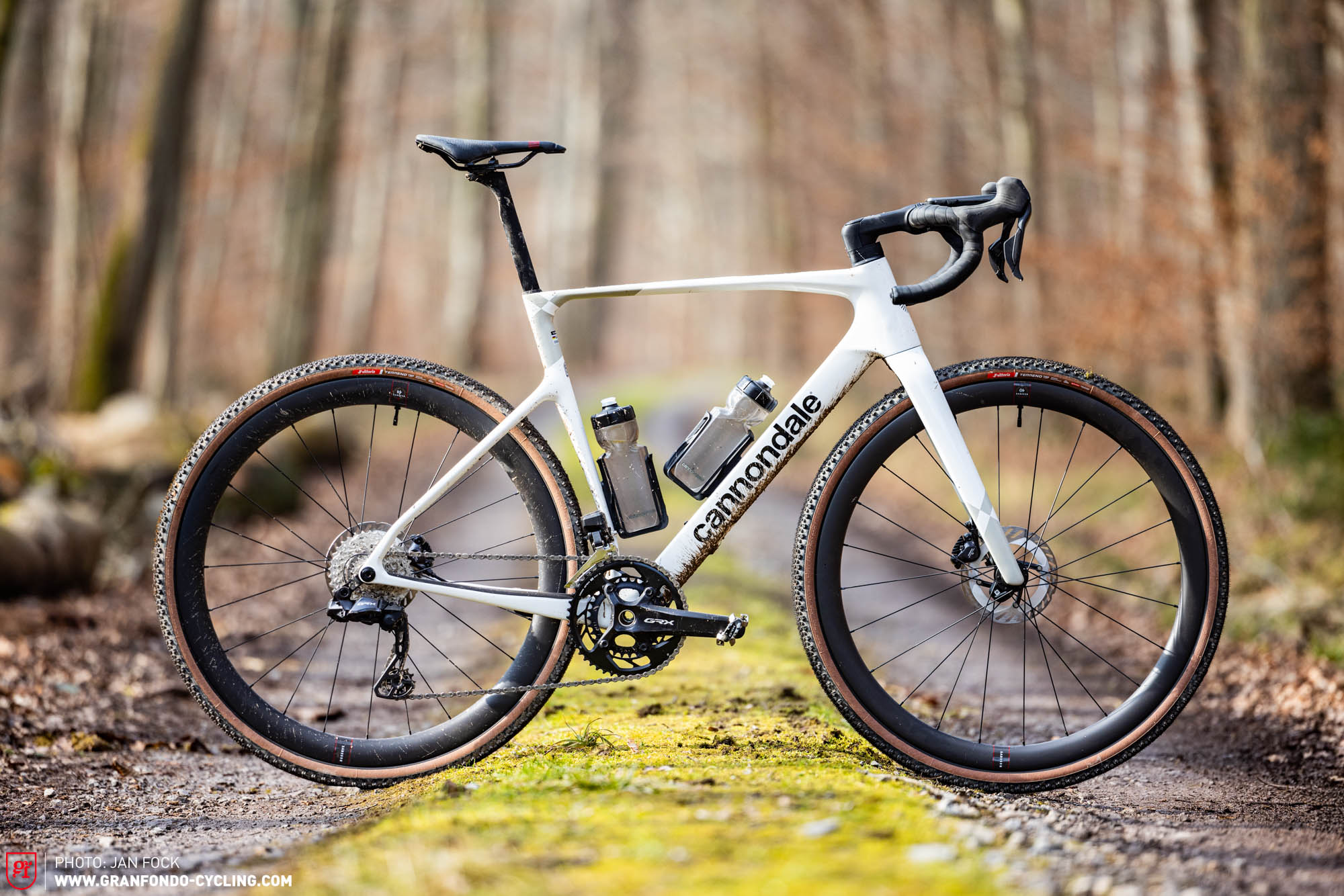
Cannondale SuperX 2025 on review from cyclocross legend to gravel...

Cannondale’s new SuperX gravel race bike
2025 Cannondale SuperX Redux: A Racy Gravel Specialist
Cannondale SuperX 2025 on review – from cyclocross legend to gravel race rig?
Compared to.
Most-viewed comparisons.