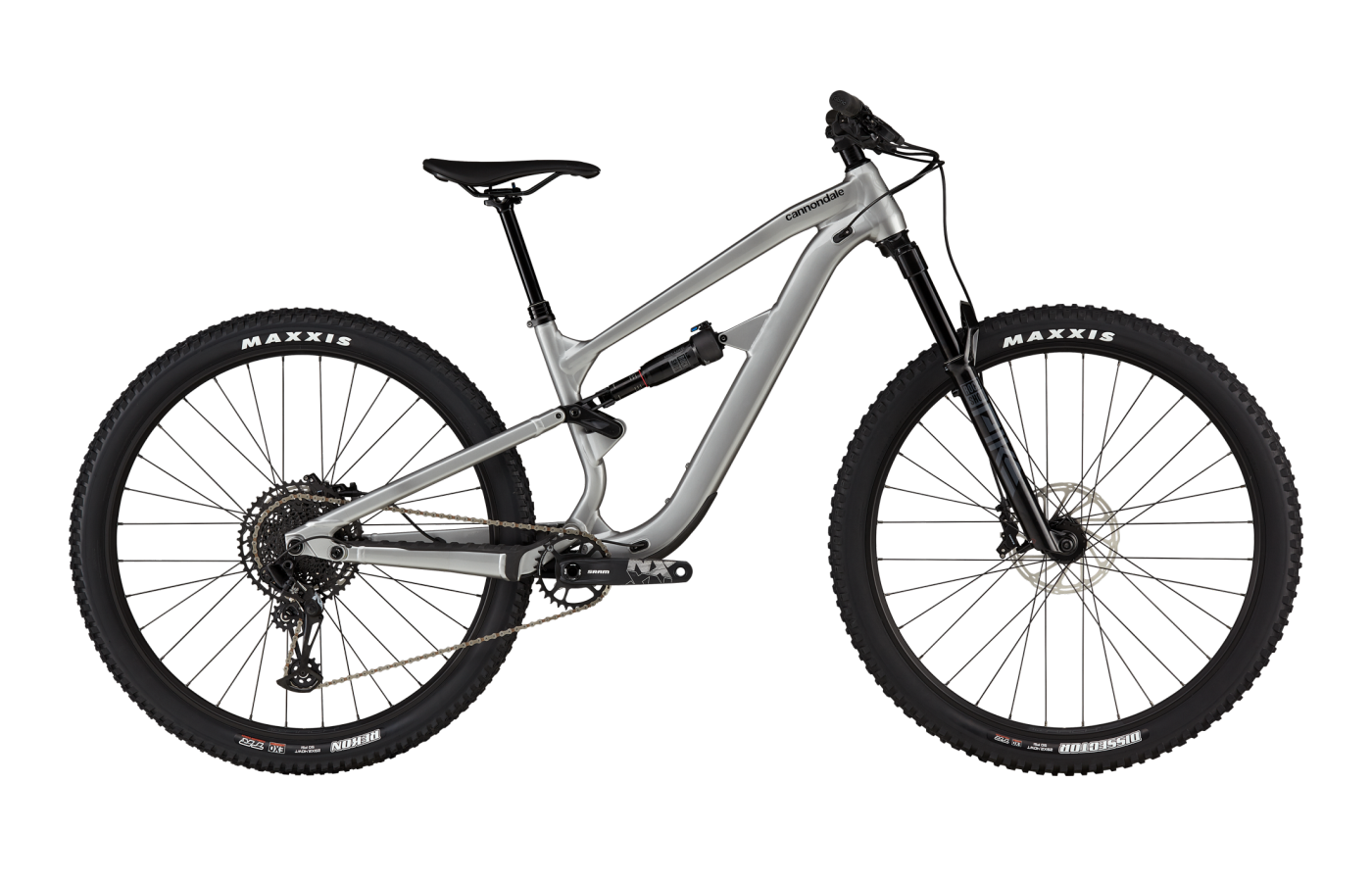
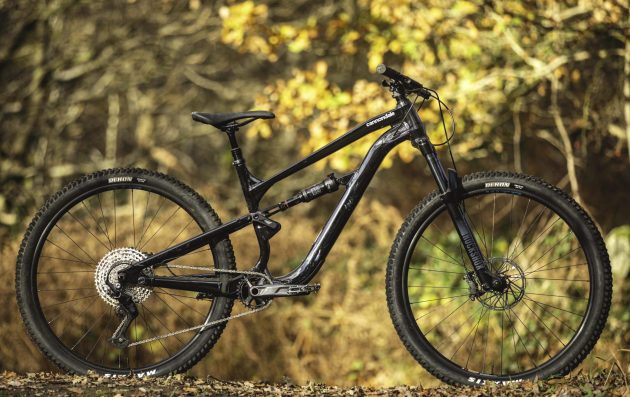
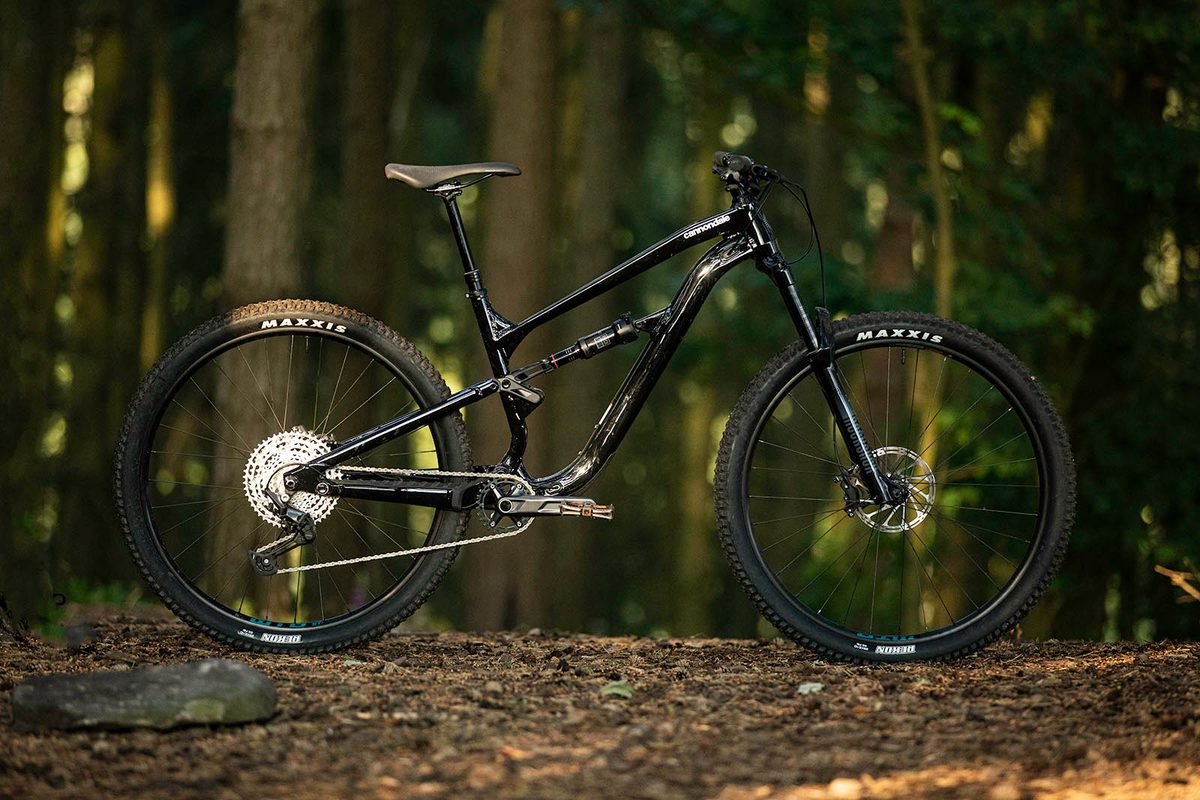
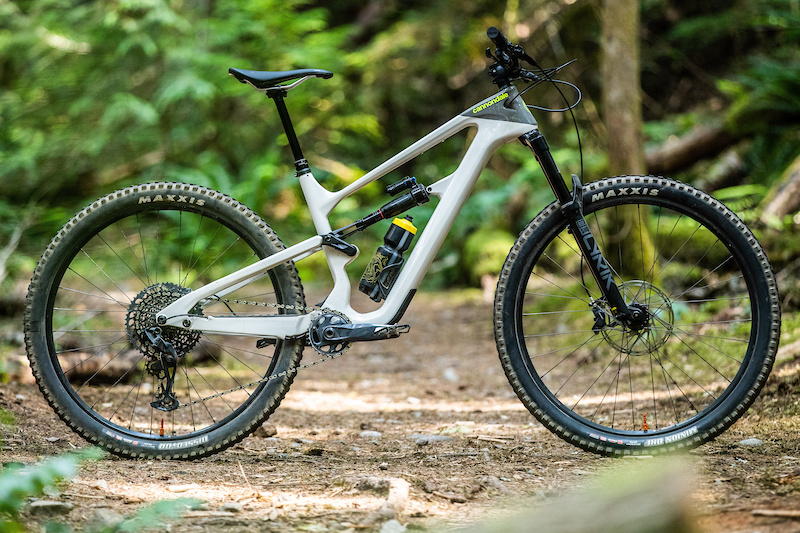
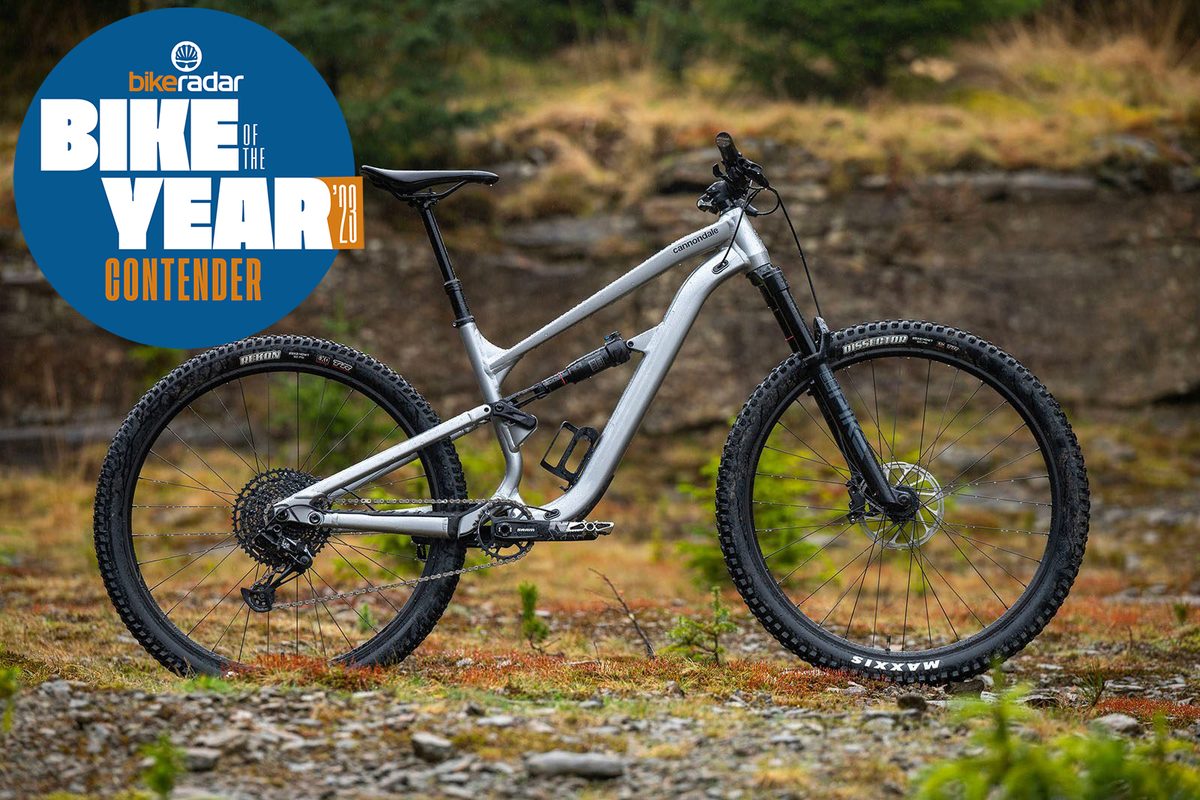
Introduced in 2023, the current Cannondale Habit is a versatile trail bike platform offered in both carbon and aluminum. The lineup is defined by a shared frame that splits into two distinct travel configurations. The standard Habit pairs 130mm of rear travel with a 140mm fork, while the Habit LT utilizes a longer-stroke shock to bump rear travel to 140mm alongside a 150mm fork. Across both variants, Cannondale applies its Proportional Response design, tuning suspension kinematics and scaling chainstay lengths to match each frame size. The geometry leans into modern trail standards with a slacker head angle and steeper seat tube than its predecessor. The frame also adopts highly practical standards, moving away from proprietary tech to feature a threaded bottom bracket, SRAM UDH compatibility, and conventional internal cable routing that avoids the headset. It is a bike built for riders who prioritize a lively, engaging feel on undulating terrain over outright plowing capability.
Where to get it.
No retailers stocking size MD.
No retailers carrying size MD right now.
Spec sheet.
Every component shipped with this build.
Geometry & fit.
5 sizes published.
The Habit’s geometry strikes a neutral, modern balance that avoids extreme numbers in favor of predictable handling. A 65.5-degree head tube angle on the standard Habit provides adequate stability at speed without making the steering feel sluggish on flat or climbing terrain. Reach measurements are roomy—hitting 480mm on a size large—but the bike does not feel overly stretched out thanks to a steep 77.5-degree effective seat tube angle that places the rider in an upright, centered pedaling position.
Cannondale’s size-specific approach means chainstay lengths grow alongside the front triangle, starting at 434mm on the extra-small and reaching 445mm on the extra-large. This keeps weight distribution consistent for riders of different heights, ensuring the front wheel remains weighted through corners. Stack heights run slightly tall, which encourages a commanding posture on steep descents but may require riders to drop their stem height if they prefer a low, aggressive stance. The frame offers generous standover clearance, though the relatively long seat tubes can restrict how much travel riders can get out of their dropper posts.
Where the handlebar sits relative to the bottom bracket — the single most important fit pair.
01Fit geometry6 values
02Component geometry2 values
03Handling geometry9 values
Which size should I buy?
Slide your height to see the recommended size. GearWise's fit algorithm works from the published stack, reach, and ETT — the brand's own recommendation may differ.
→Calculated from GearWise's own stack / reach / ETT algorithm — the brand's size chart may recommend a different size, and a proper bike fit beats any calculator.
The lineup.
6 builds, ranging $1,599 – $6,799.
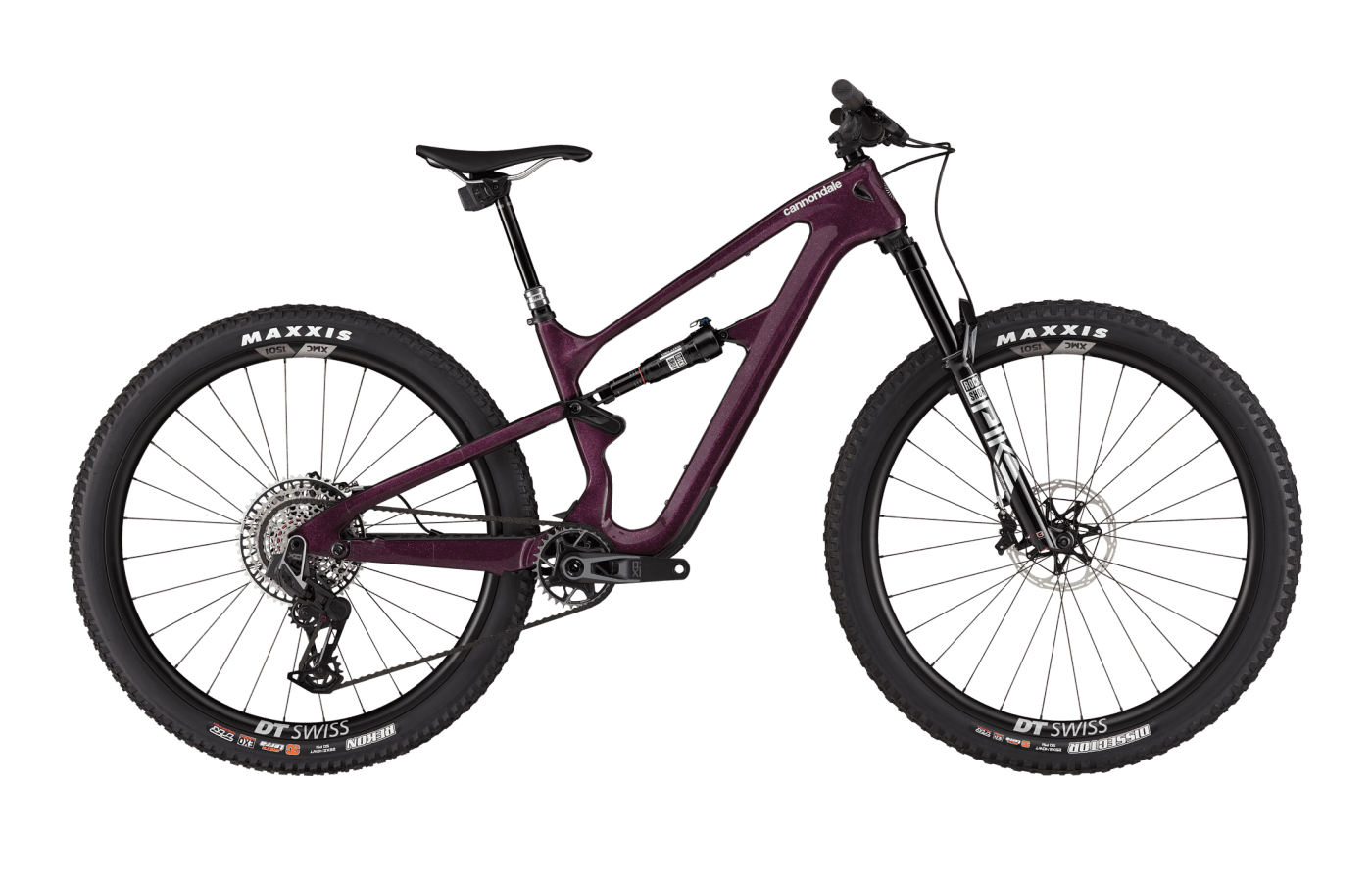
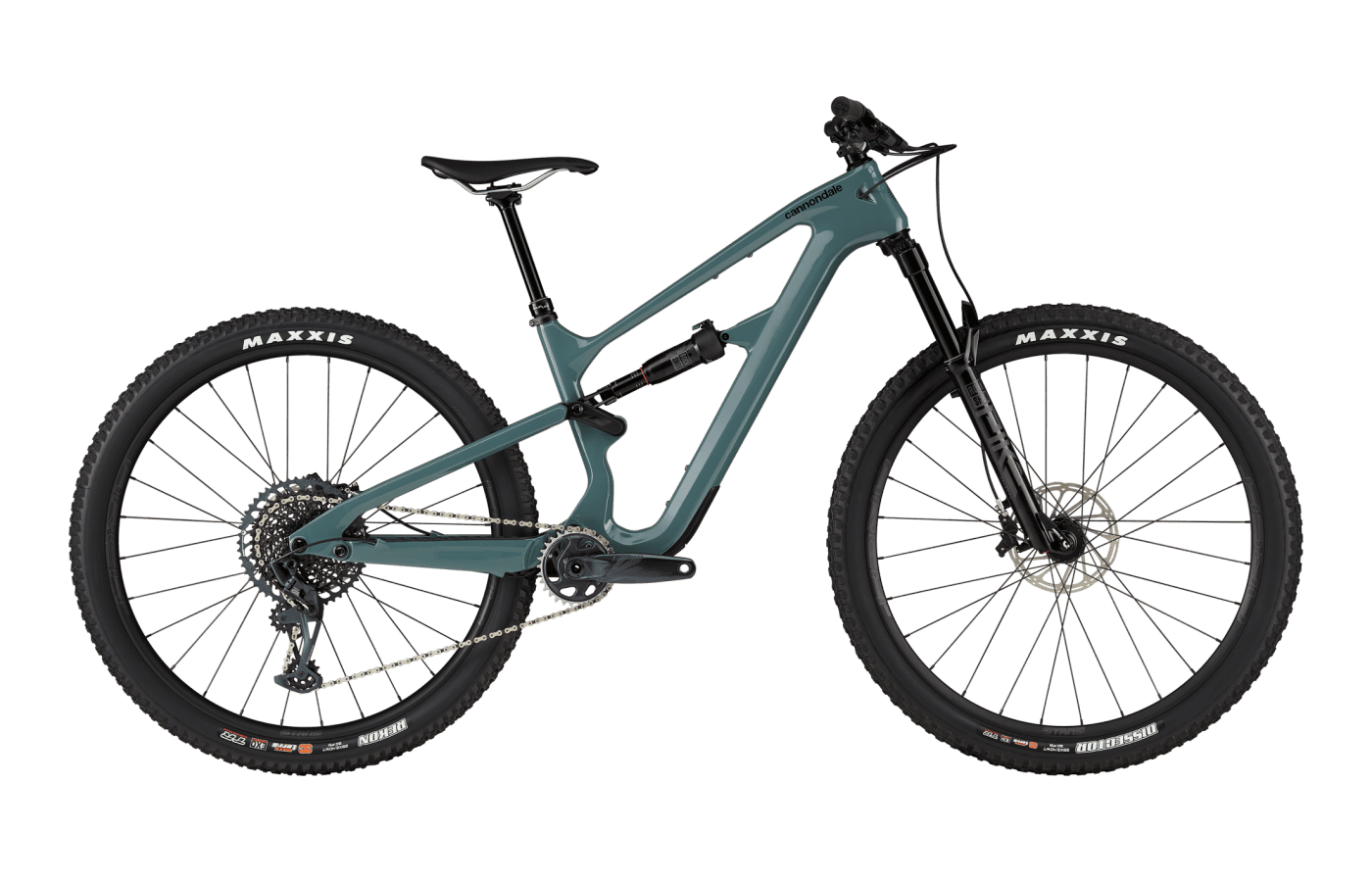
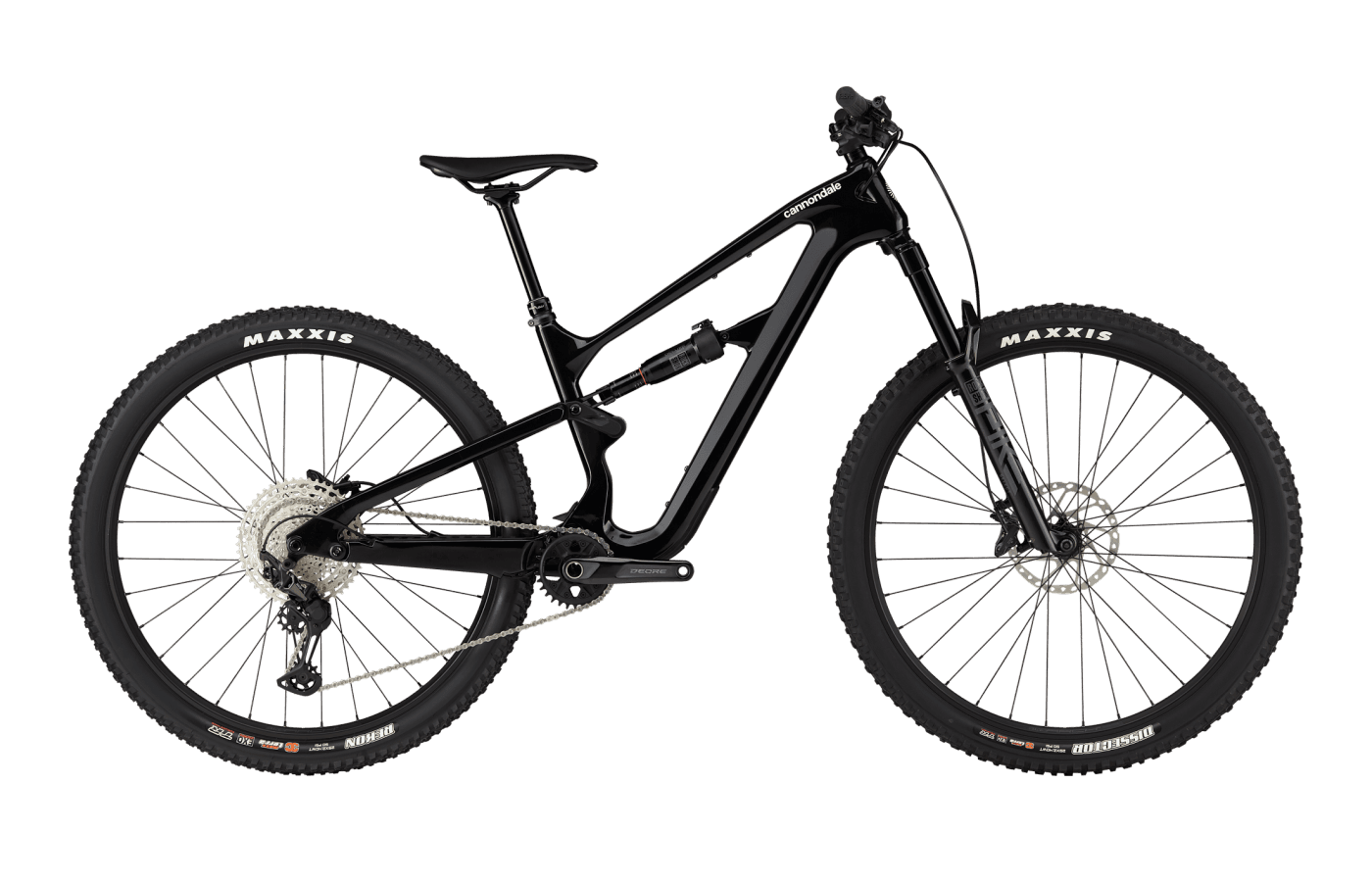
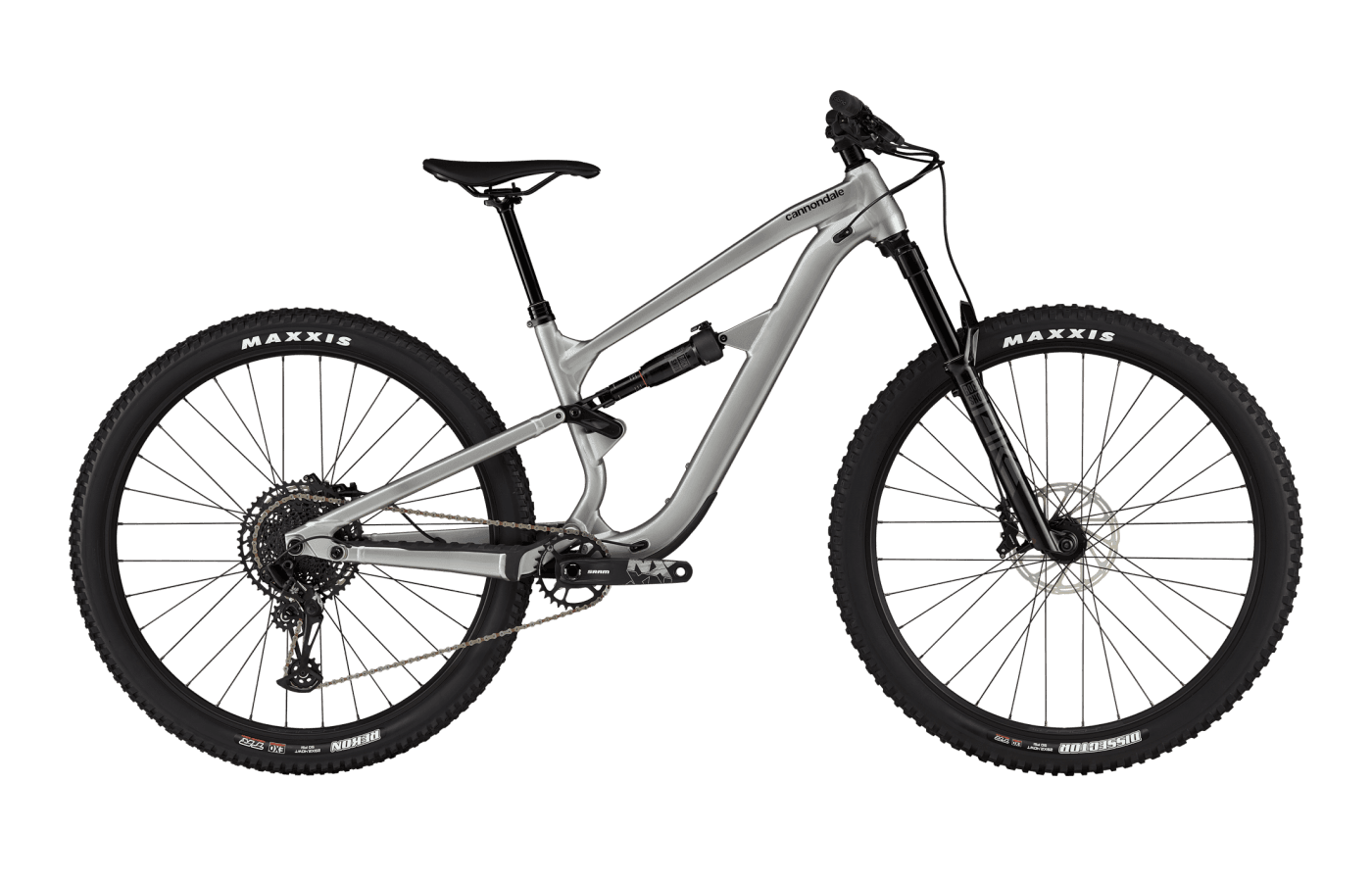
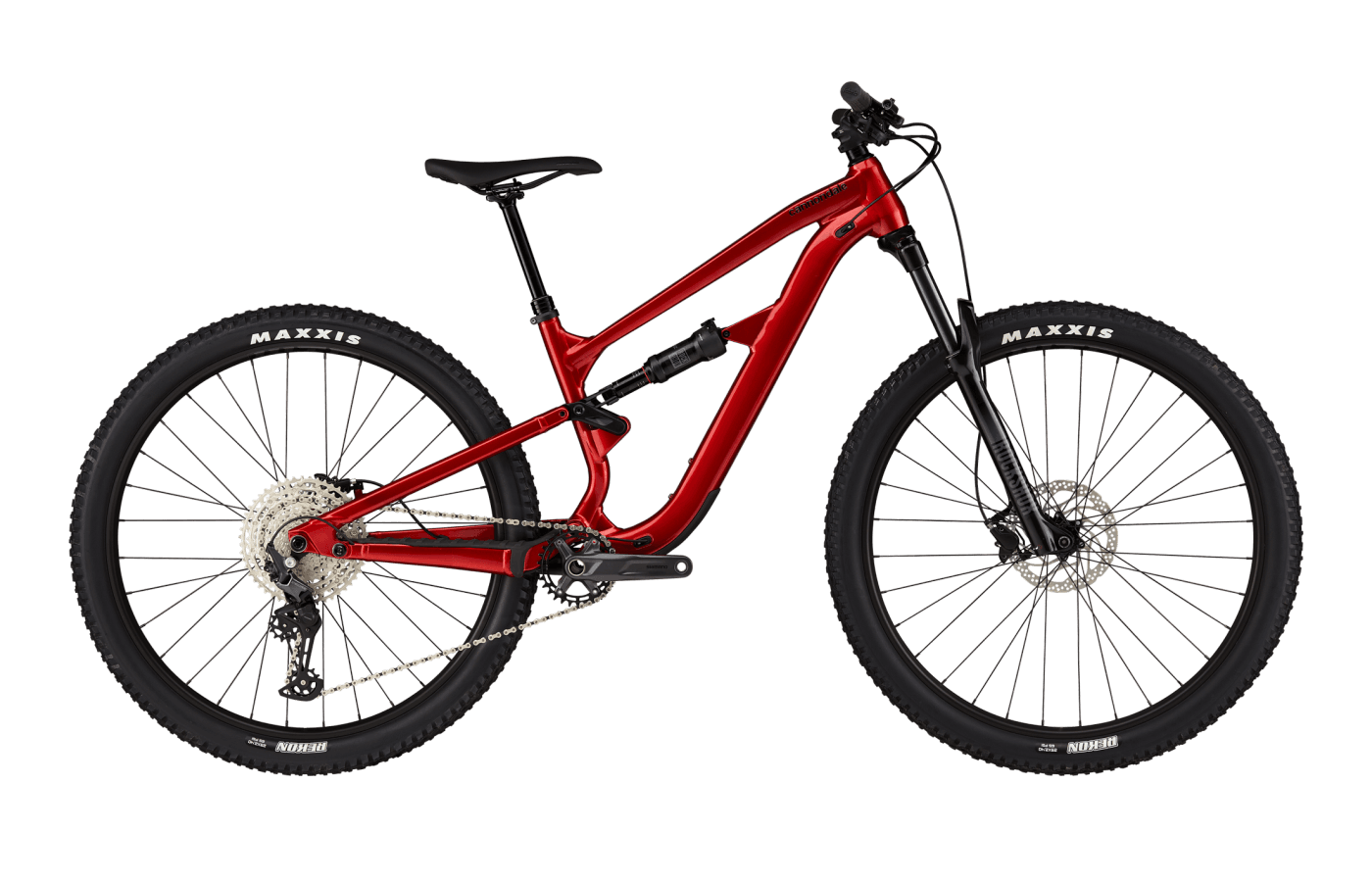
The standard Habit lineup spans from budget-friendly aluminum models to premium carbon builds, all utilizing inline rear shocks and 140mm forks. The entry point is the Habit 4, which pairs a Shimano Deore drivetrain with a RockShox Recon RL fork. Moving up to the Habit 3 brings a SRAM NX Eagle drivetrain and a RockShox Pike fork, offering a noticeable step up in front-end chassis stiffness.
The carbon tier begins with the Carbon 2, featuring a mixed Shimano XT/SLX drivetrain and Shimano Deore four-piston brakes. The Carbon 1 shifts to SRAM GX Eagle and upgrades the suspension to a RockShox Pike Select+ fork. At the top of the range, the LTD build spares no expense, outfitting the frame with a SRAM XO Eagle Transmission, RockShox Ultimate-tier suspension, and DT Swiss carbon wheels.
Value is heavily concentrated in the mid-range carbon and upper-tier alloy models. Reviewers frequently note that the base-level alloy builds are hampered by basic forks, low-profile Maxxis Rekon tires, and underpowered brakes that struggle to match the frame's capabilities. Stepping up to models with the RockShox Pike and four-piston brakes delivers the necessary support and stopping power for aggressive trail riding, allowing the frame to perform as intended.
From the press.
16 reviews from the cycling press.
Reviewers consistently characterize the Habit as an energetic, highly active trail bike that rewards a dynamic riding style. Rather than muting the trail, the suspension provides a firm platform to push against, making it eager to catch air and pump through rollers. Testers found it to be an "unapologetically playful" (Blisterreview) machine that prefers to "skim across the top of everything" (Bike Magazine) rather than plow blindly through deep chunk. On flowing, undulating singletrack, the bike is widely considered a "barrel of laughs" (Singletrackworld) that corners intuitively and carries speed well.
Climbing performance is generally viewed as efficient and comfortable, aided by a steep seat tube angle that keeps the front wheel tracking on steep pitches. However, the active suspension design does exhibit some pedal bob, and a few riders noted a tendency for the rear wheel to hang up on square-edged technical climbs.
The primary criticism across the platform centers on the entry-level builds. While the frame itself receives high praise, testers riding the most affordable models experienced a sudden loss of mid-stroke support, describing a "trapdoor sensation" (YouTube) on harsh impacts. On these lower-tier builds, reviewers frequently pointed to under-gunned forks and low-profile tires as limiting factors that hold back the frame's true descending potential.

Good Geometry, Bad Components: Cannondale Habit 4 ...
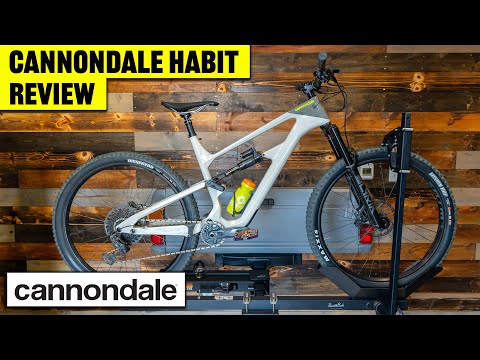
Cannondale Habit LT Review! (Simply Amazing)

Cannondale Habit LT LTD // Bike Review
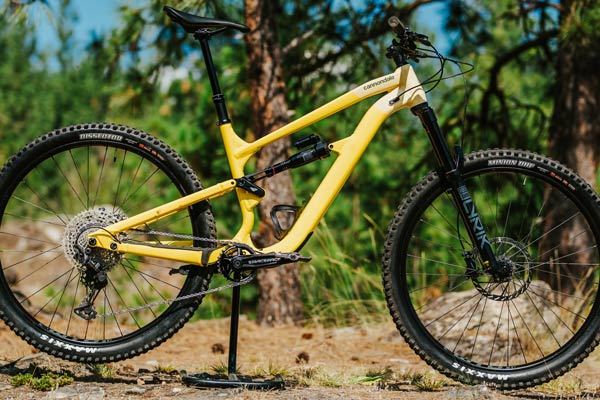
Review: Cannondale Habit LT 2
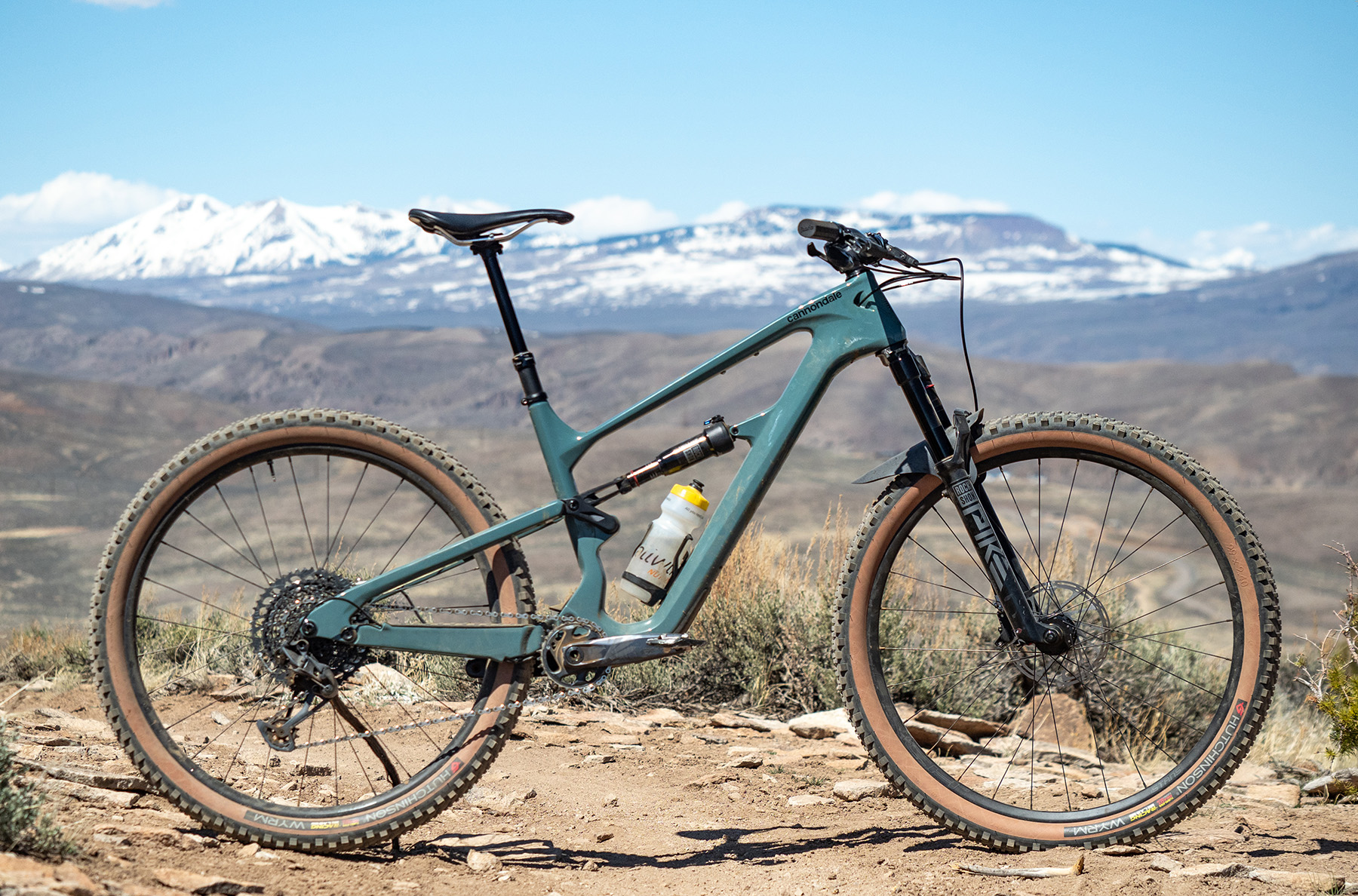
Cannondale Habit - Blister Review

FIRST RIDE: Cannondale Habit - A Wolf in Wolf's Clothing.
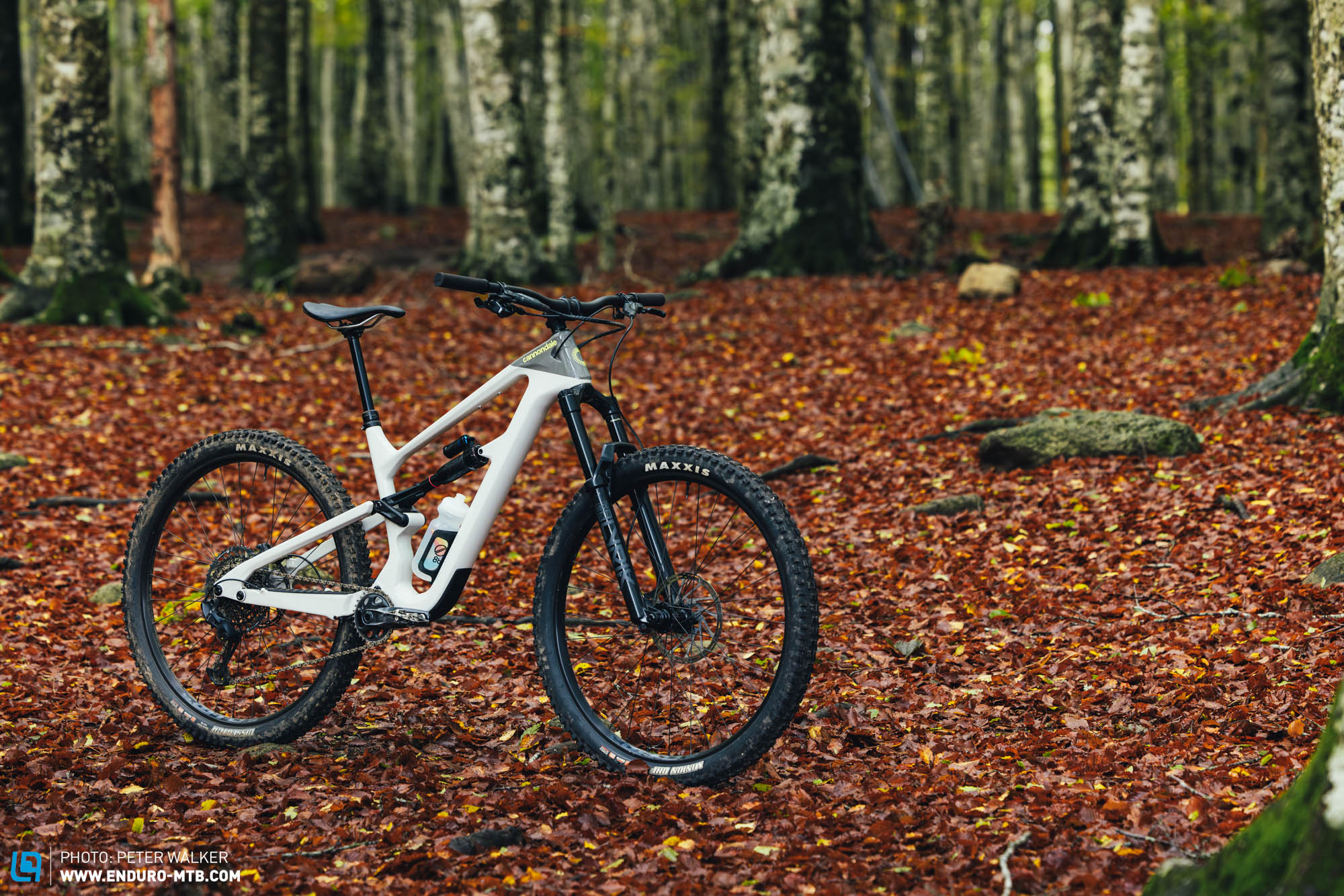
The Cannondale Habit LT 1 – In our big 2024 trail bike ...
MBR

Tested: Cannondale Habit Carbon LT 1 - BikeMag
Cannondale Habit 4 review

Cannondale Habit Carbon LT 1 review

Cannondale Habit 3 review
Review: Cannondale Habit Carbon LT1
Cannondale Habit 3 review - Full-Suspension - BikeRadar
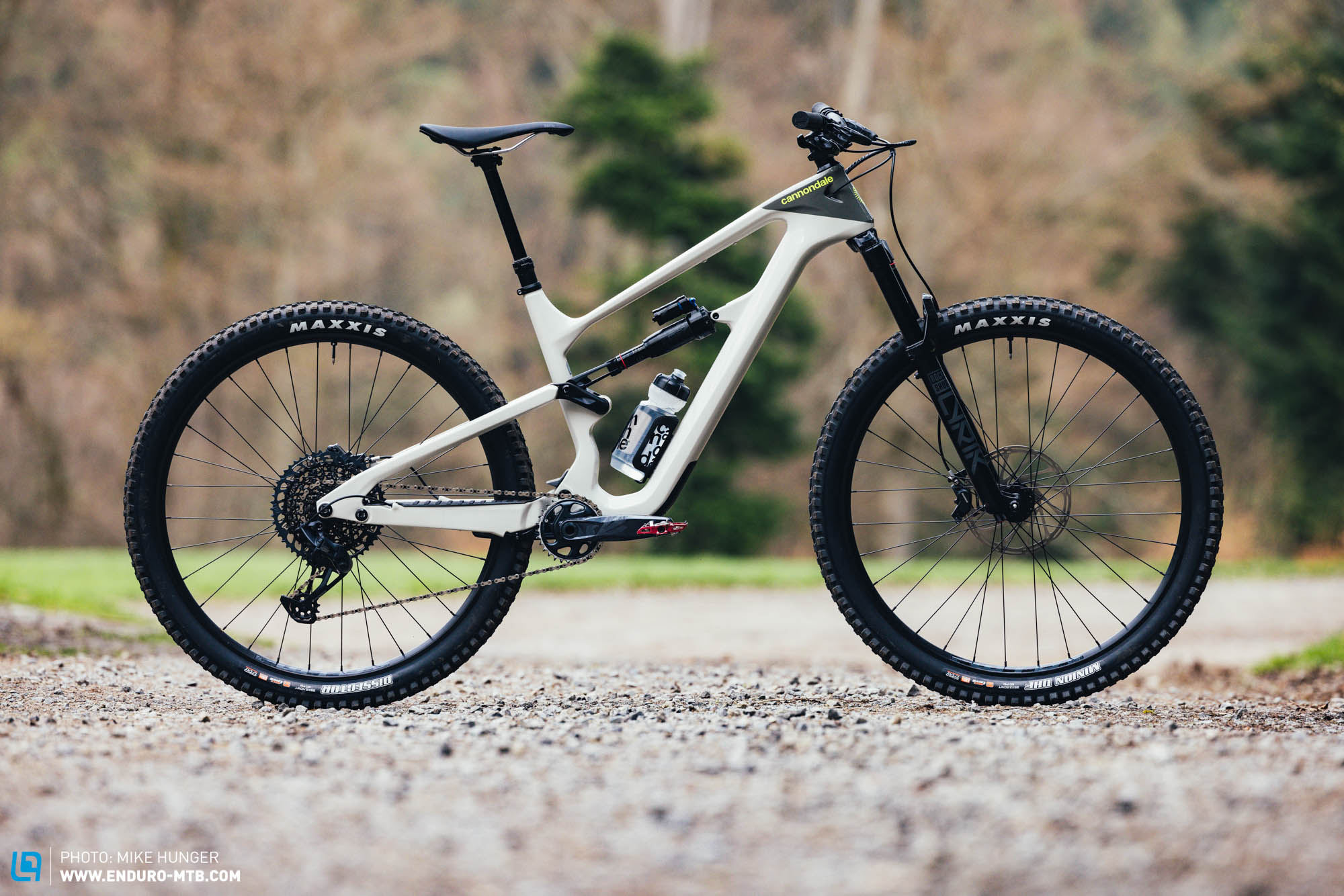
Exclusive first ride review: Cannondale Habit Carbon LT 1 2023
Cannondale Habit 3 Review
Compared to.
Most-viewed comparisons.
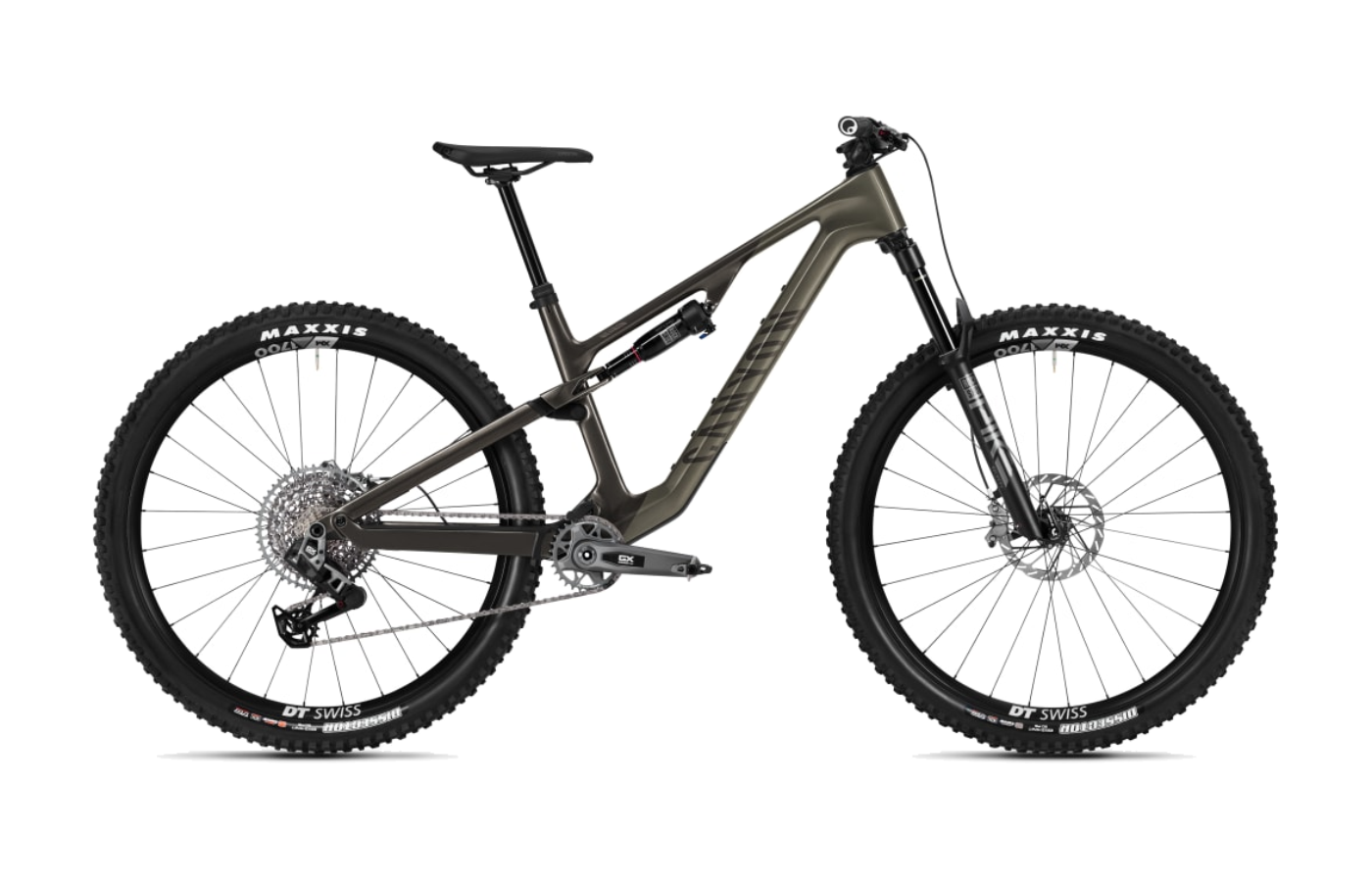
Cannondale Habit vs Canyon Neuron
Read comparison→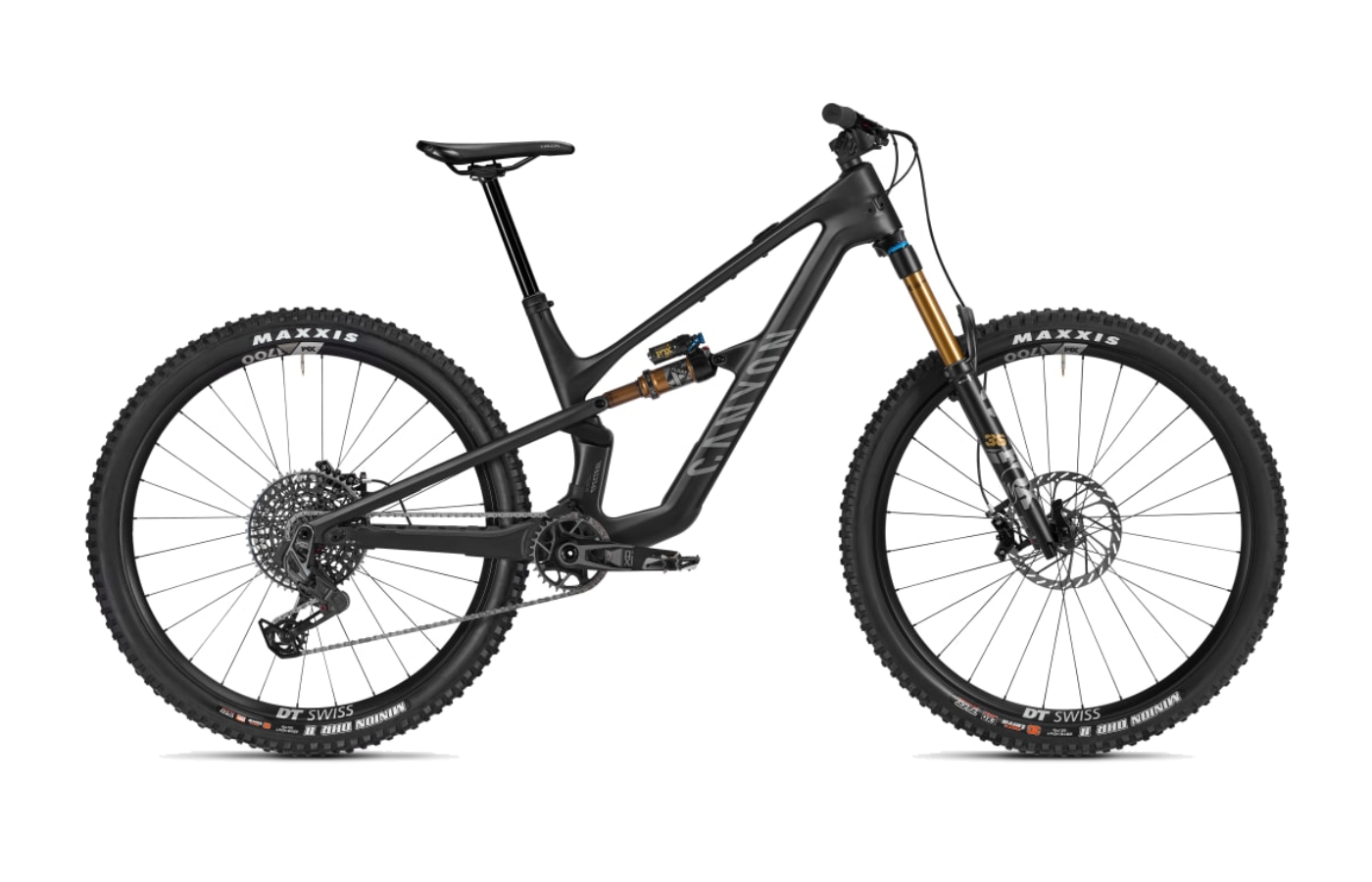
Cannondale Habit vs Canyon Spectral
Read comparison→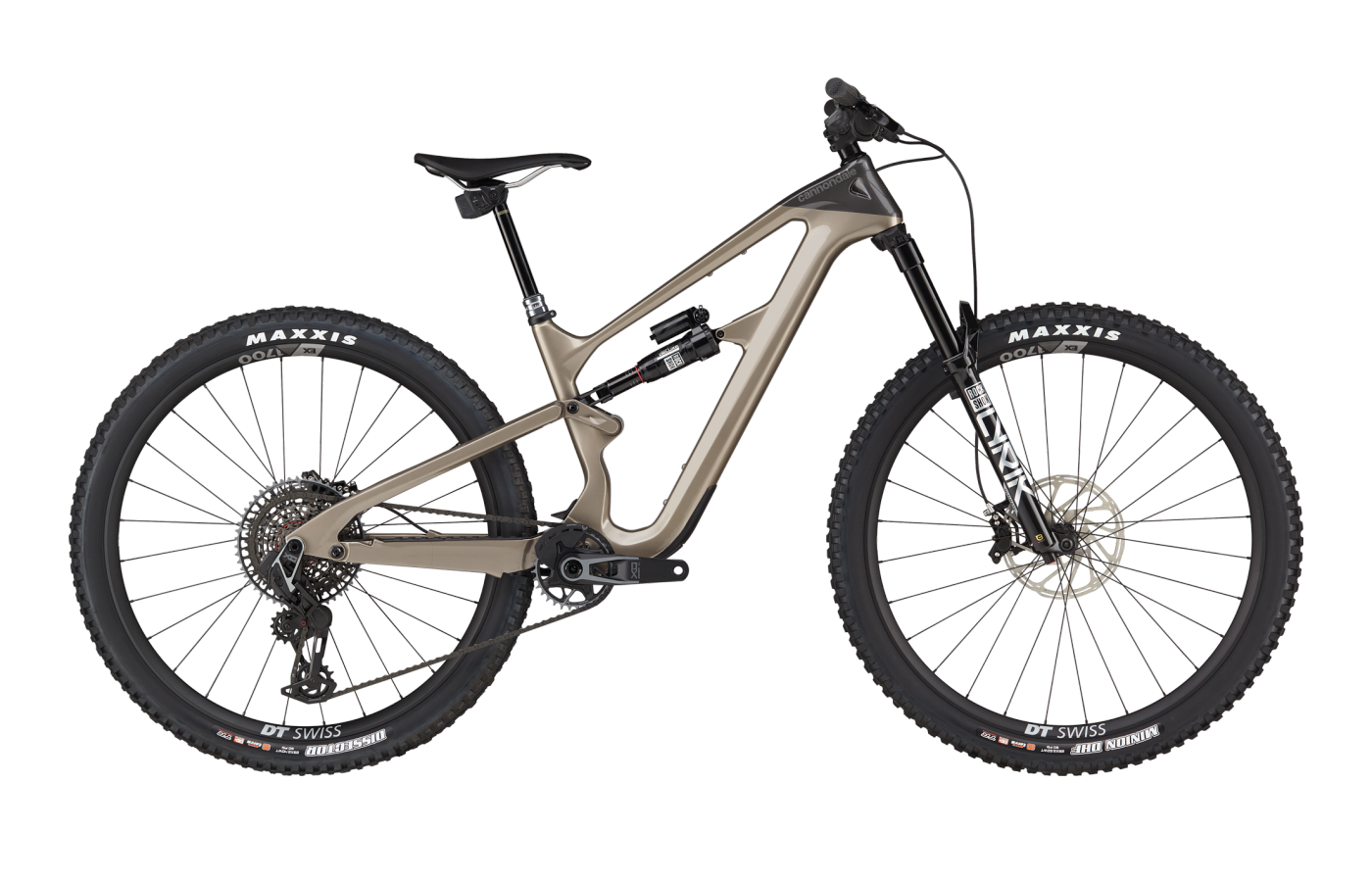
Cannondale Habit vs Habit LT
Read comparison→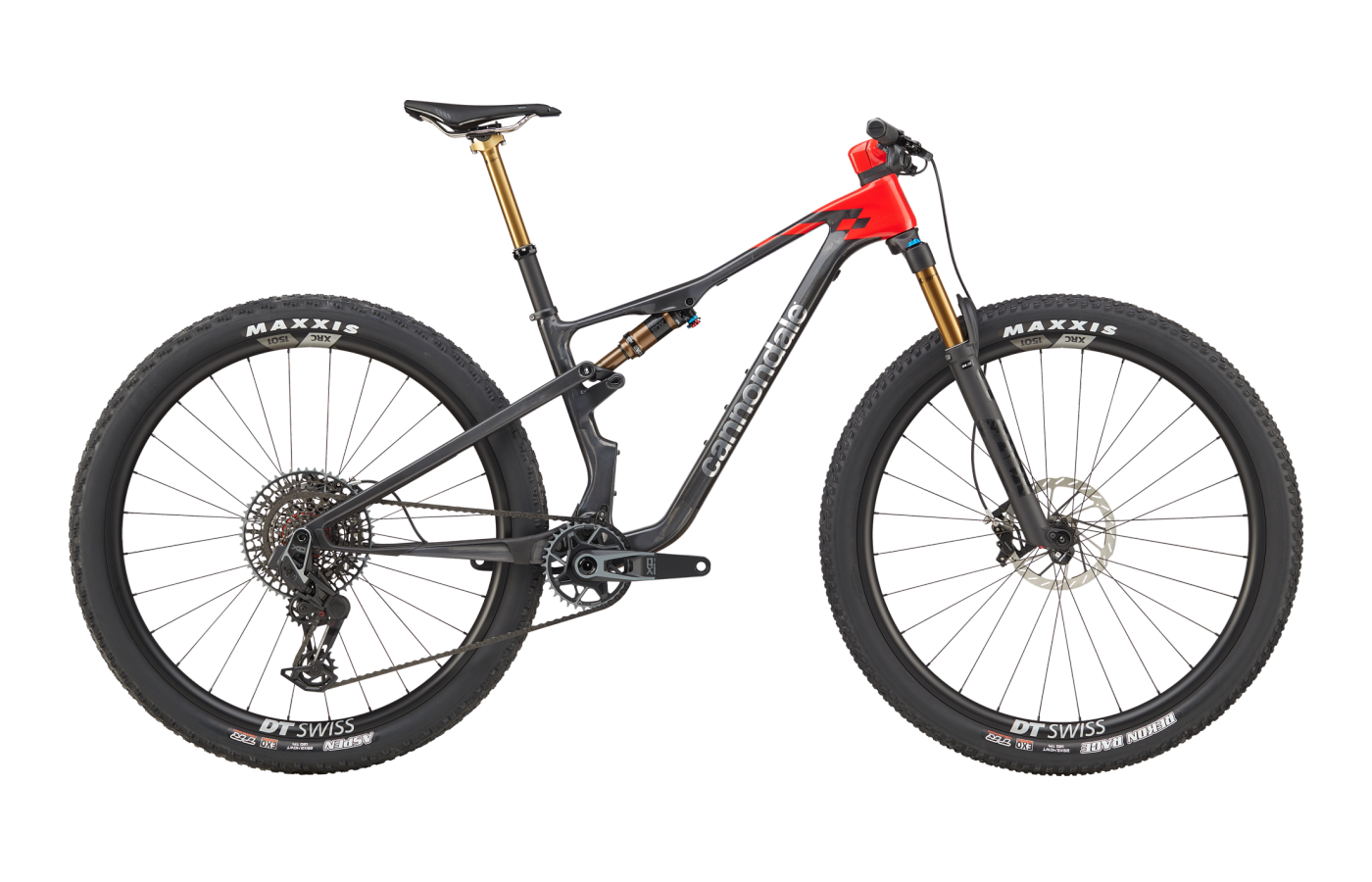
Cannondale Habit vs Scalpel
Read comparison→