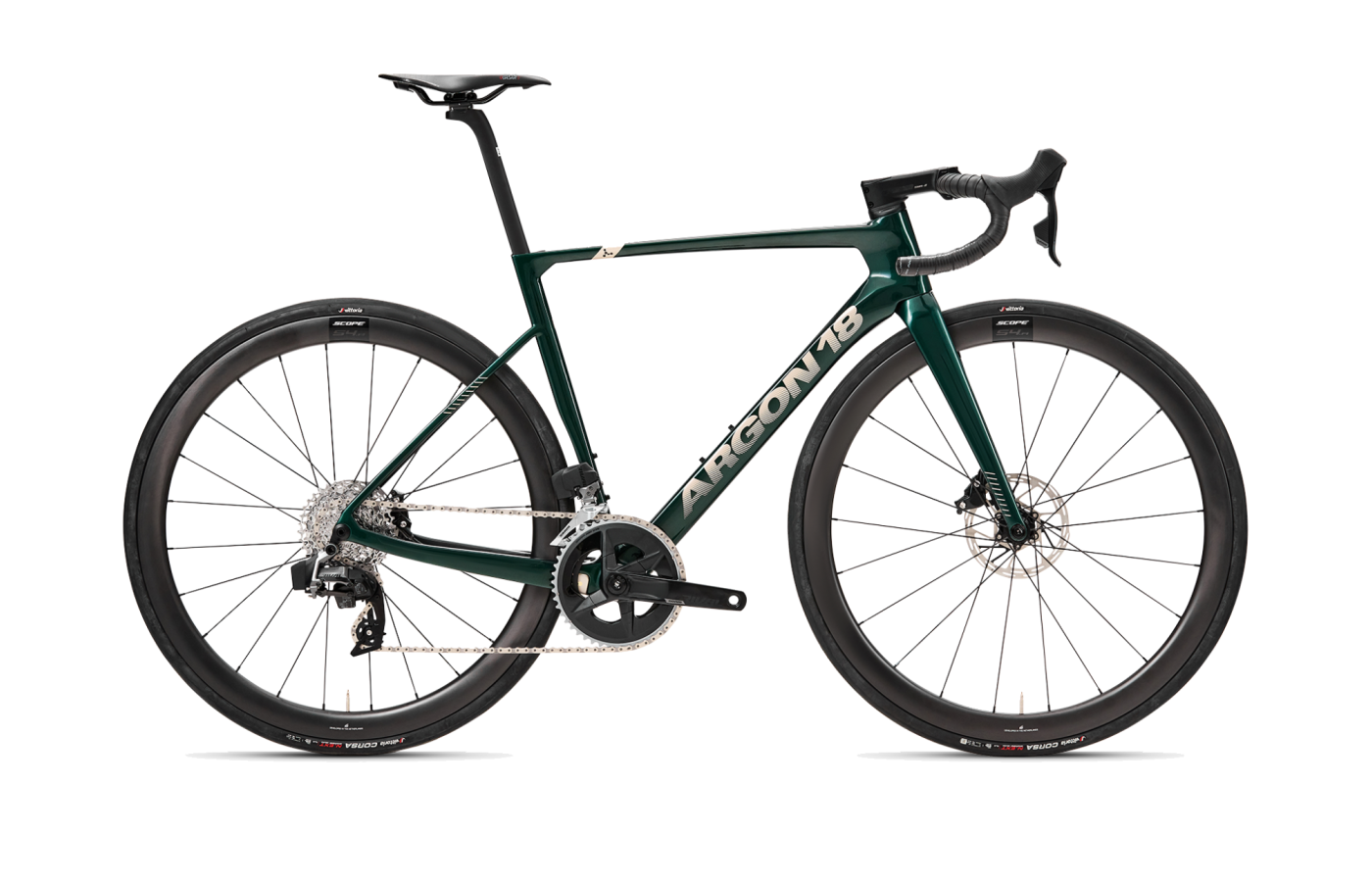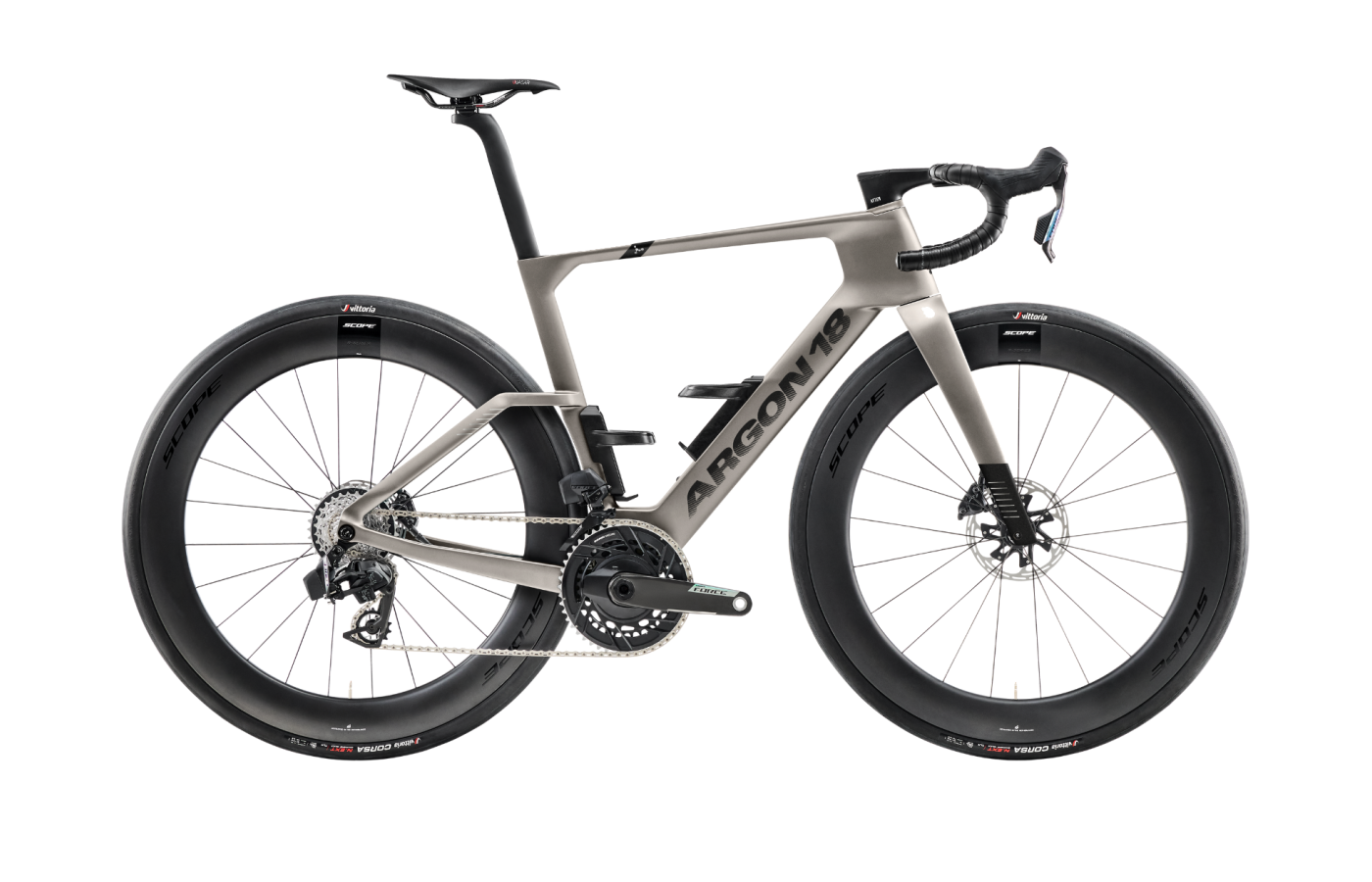
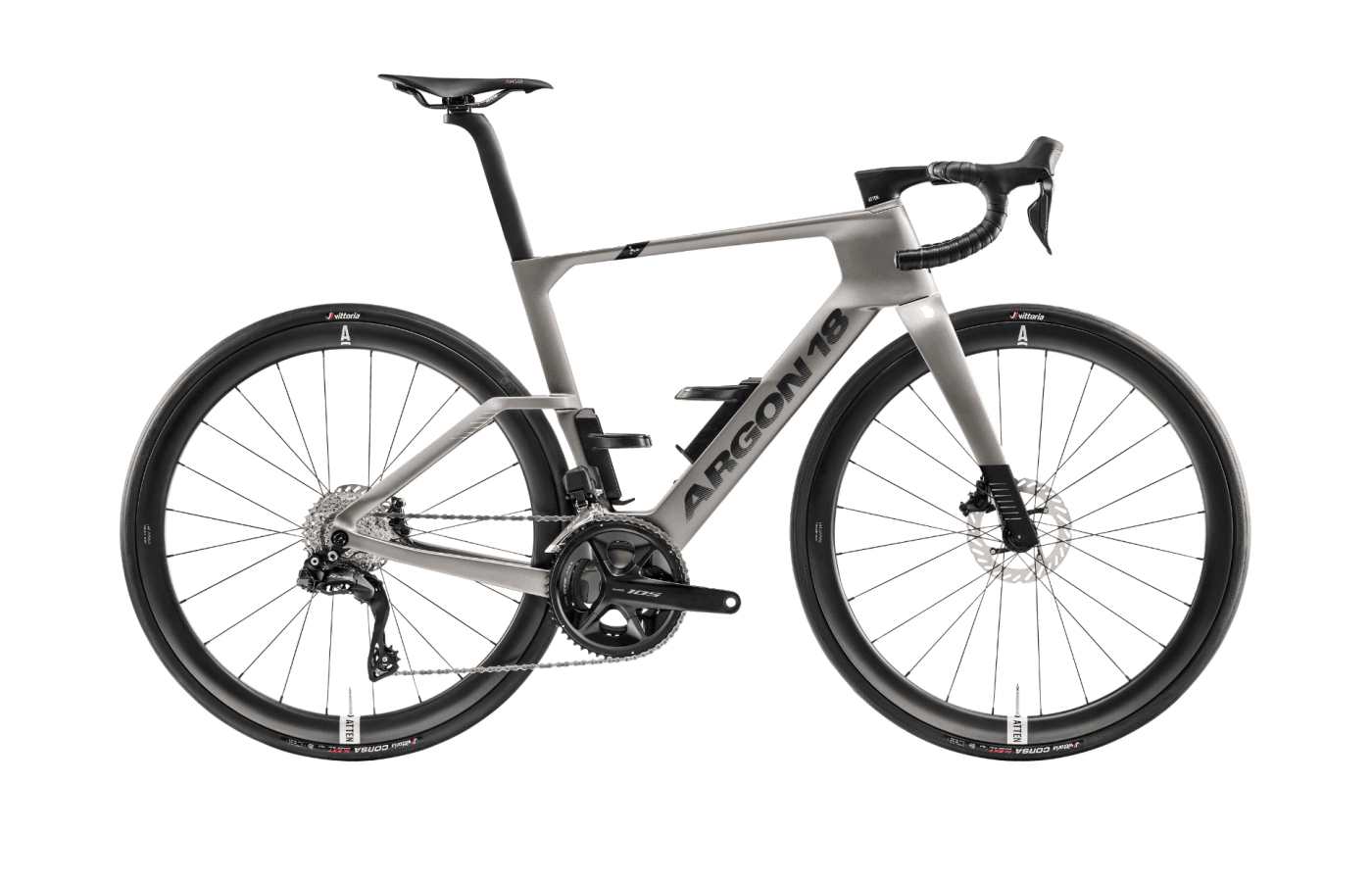
Argon 18 revived the Nitrogen nameplate for 2026, repositioning the bike as a holistic aerodynamic system rather than just a slippery frame. Built for racers and fast-paced road riders, the platform prioritizes real-world speed by integrating the chassis, cockpit, and even the bottle cages into a single aerodynamic concept. The frame features a flow-optimized headtube, a deep aero fork, and truncated downtube shaping, all while keeping weight remarkably low for the category. Moving away from the compromises of older aero platforms, this generation adopts modern standards like universal derailleur hanger compatibility, fully internal routing, and clearance for wider road tires. It is a dedicated speed machine that aims to deliver the raw efficiency of a pure aero bike without punishing the rider on long days.
Where to get it.
2 retailers · size S.
Spec sheet.
Every component shipped with this build.
Geometry & fit.
6 sizes published.
Argon 18 designed the Nitrogen with a size-specific geometry approach, utilizing two different fork rakes across the size run to maintain consistent handling traits for riders of all heights. Compared to the brand's all-around race bikes, the Nitrogen features a slightly higher stack and shorter reach. This subtle shift creates a more sustainable, less strained posture that helps mitigate lower back fatigue during long efforts, without sacrificing an aggressive aerodynamic profile.
The fit is heavily influenced by the proprietary ATTEN CHB-01 aero cockpit. The bar features a three-degree inward flare at the hoods, which naturally tilts the shift levers for a narrow, aerodynamic hand position while keeping the wrists comfortable. The tops of the bars are slightly swept back and flattened, providing an ergonomic resting place for the hands on sustained climbs or relaxed stretches. Combined with a low bottom bracket drop, the geometry yields a stable, centered feel that encourages riders to stay low and aerodynamic for longer periods.
Where the handlebar sits relative to the bottom bracket — the single most important fit pair.
01Fit geometry6 values
02Component geometry3 values
03Handling geometry6 values
Which size should I buy?
Slide your height to see the recommended size. GearWise's fit algorithm works from the published stack, reach, and ETT — the brand's own recommendation may differ.
→Calculated from GearWise's own stack / reach / ETT algorithm — the brand's size chart may recommend a different size, and a proper bike fit beats any calculator.
The lineup.
3 builds, ranging $6,000 – $10,500.
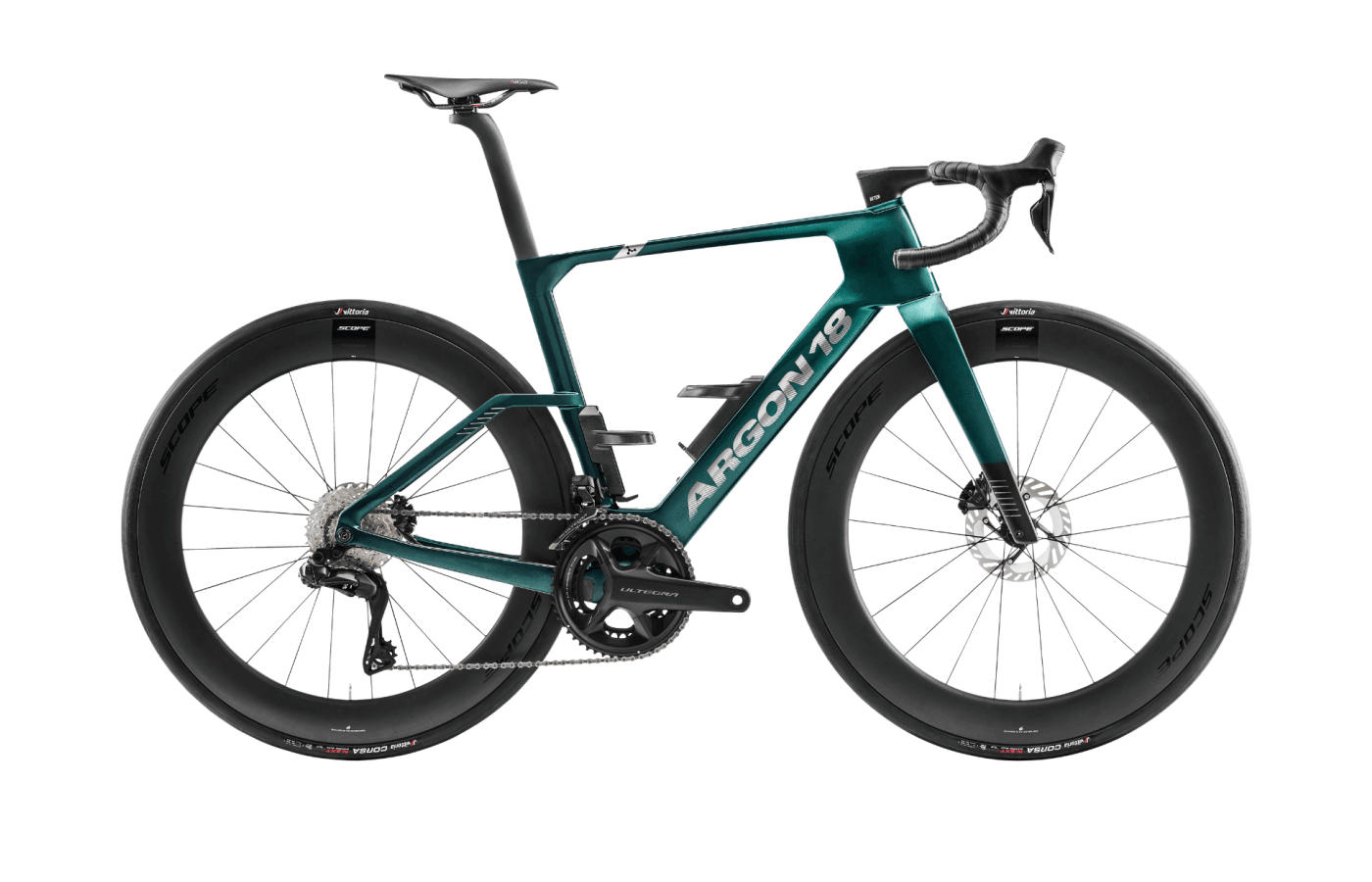
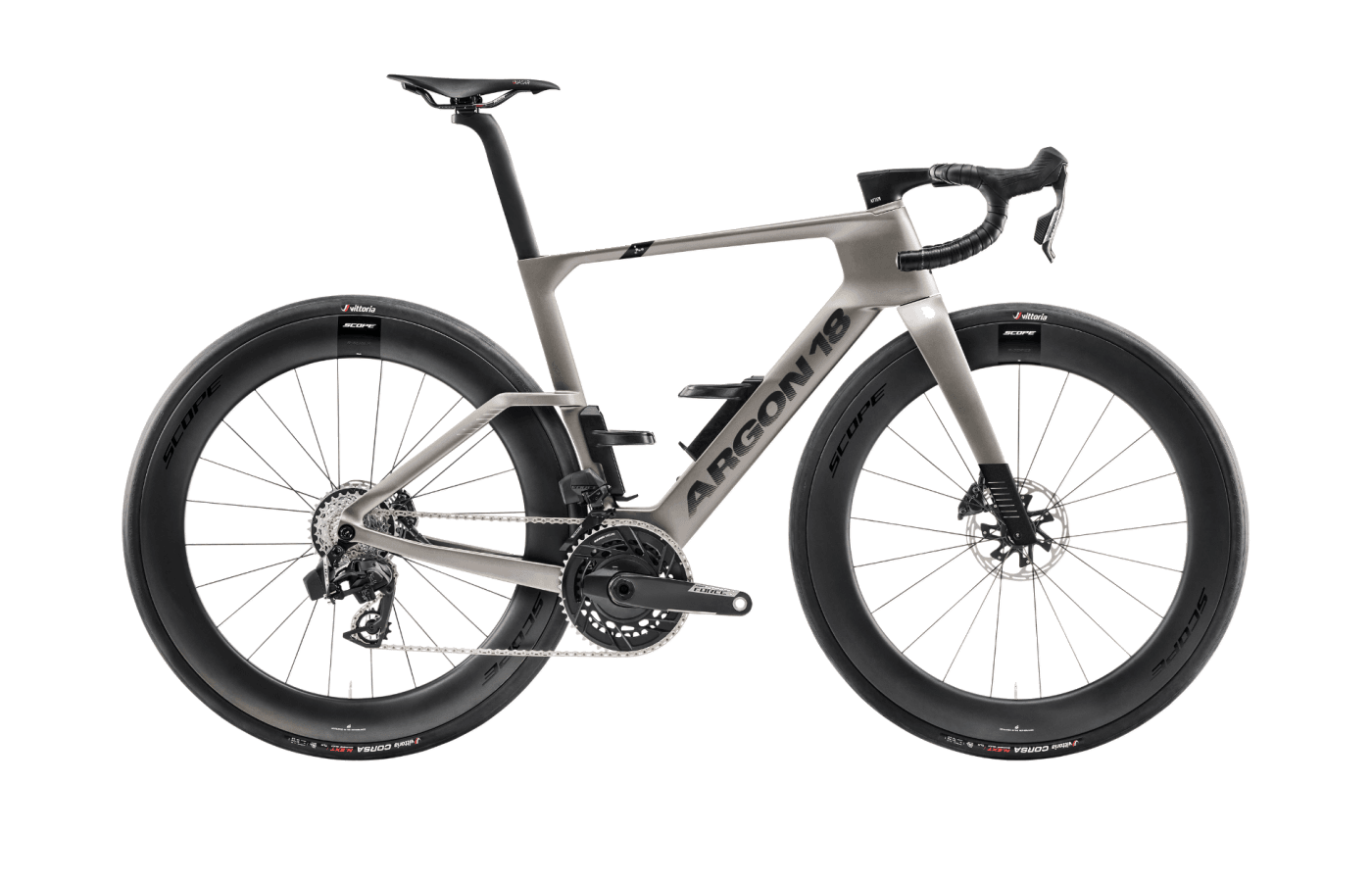
The Nitrogen lineup is split into distinct tiers, with the build ladder dictating significant changes in rolling stock and component integration. The entry point is the Shimano 105 Di2 build, which pairs the electronic drivetrain with ATTEN L42 carbon wheels. This configuration offers the core aerodynamic frame benefits at a more accessible price.
Moving up to the SRAM Force AXS and Shimano Ultegra Di2 builds introduces deeper Scope R6.A carbon wheels, which were developed to smooth airflow specifically over 30c tires. The SRAM Force AXS build further distinguishes itself by including an integrated power meter at the crankset. Across all builds, Argon 18 specs a threaded T47 bottom bracket, prioritizing long-term durability and straightforward maintenance. The value in the higher builds lies in the aerodynamic integration of the premium wheelsets and cockpit components, while the base model remains a solid entry into modern aero racing.
From the press.
2 reviews from the cycling press.
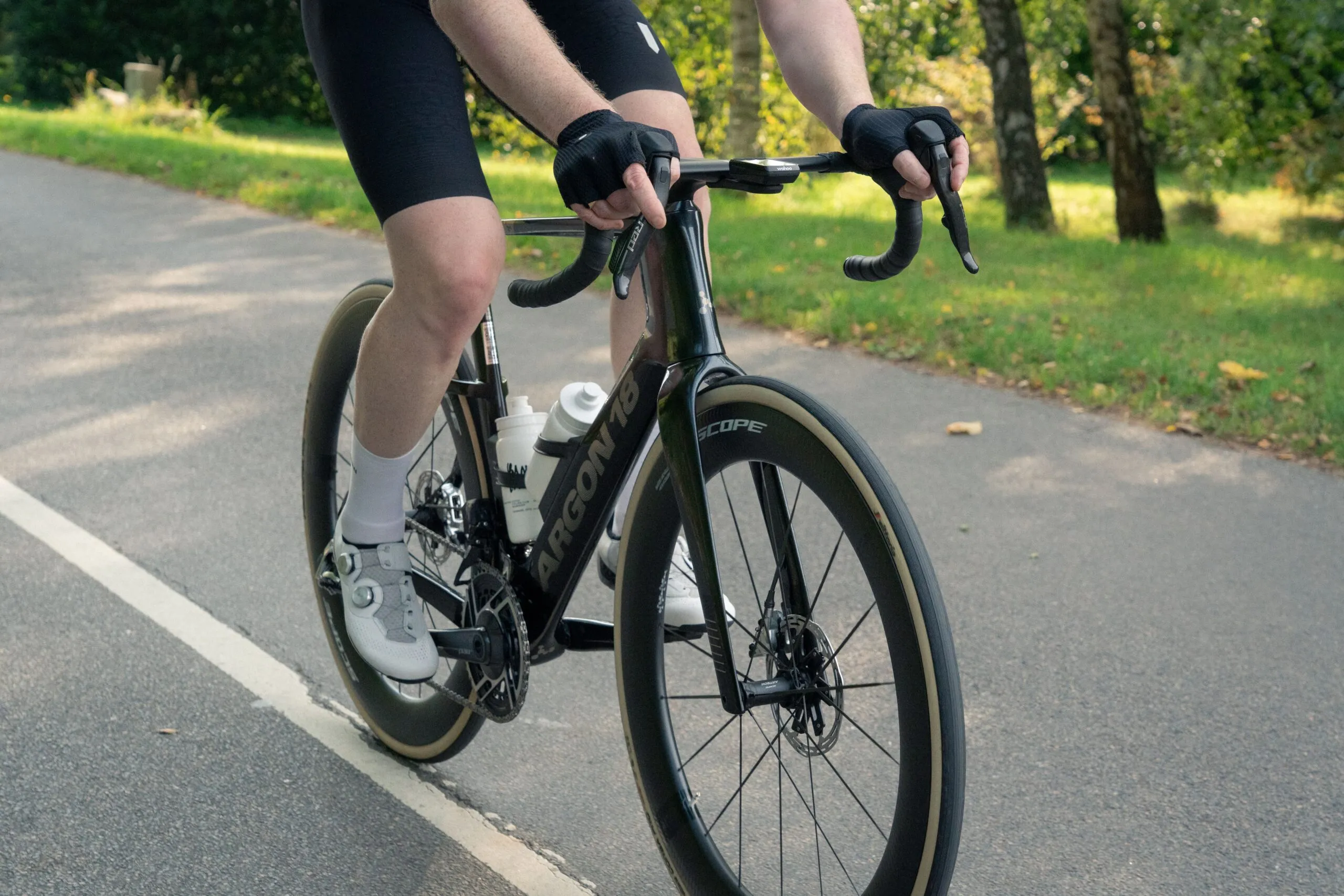
Reviewers consistently highlight the Nitrogen’s exceptional ride quality, noting that it avoids the harshness typical of dedicated aero platforms. The chassis delivers immediate power transfer under effort, with one tester noting that "the stiffness was unmistakable" (Cyclist Magazine) during sprints. Yet, this rigidity does not translate to a punishing ride. Testers found the bike remarkably compliant over long distances, with one stating they "could have sat ridden it all day" (Cyclist Magazine).
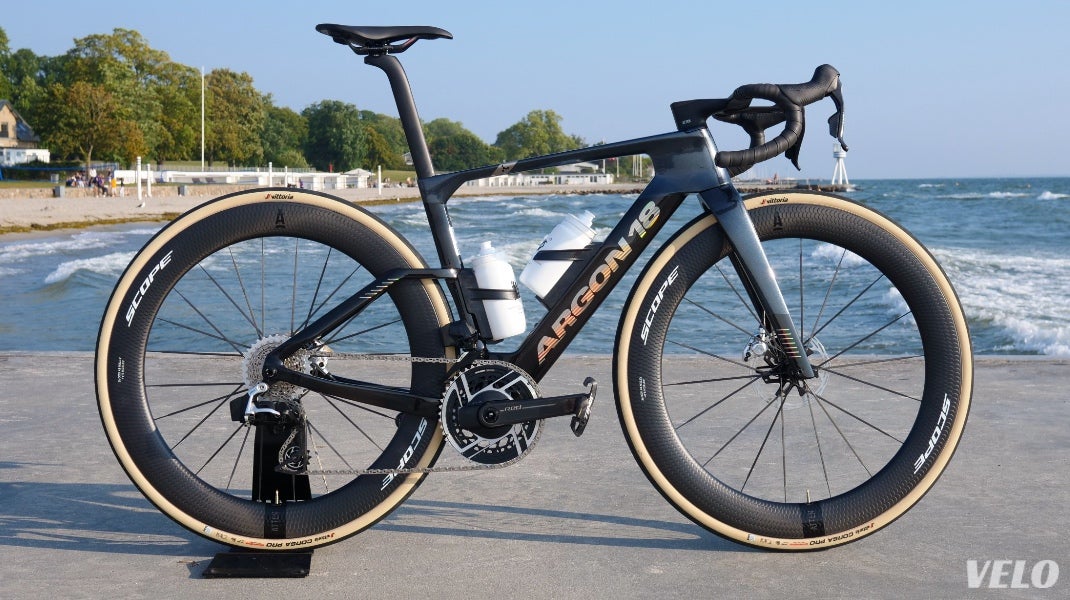
Beyond comfort, the bike feels surprisingly agile. Rather than feeling sluggish at lower speeds, it maintains a "constant nippy feeling" (Velo) that mimics a lightweight climbing bike. However, testers experienced different handling traits in heavy crosswinds. While one reviewer found the bike handled "exceptionally well" (Velo) in coastal gusts, another cautioned that the deep rims on the top-tier builds "catch crosswinds" (Cyclist Magazine), requiring the rider to actively manage their weight distribution. Despite this minor divergence on deep-rim stability, the consensus points to a highly refined race bike that successfully balances raw straight-line speed with long-distance livability.
Compared to.
Most-viewed comparisons.