Nitrogen
vsSum
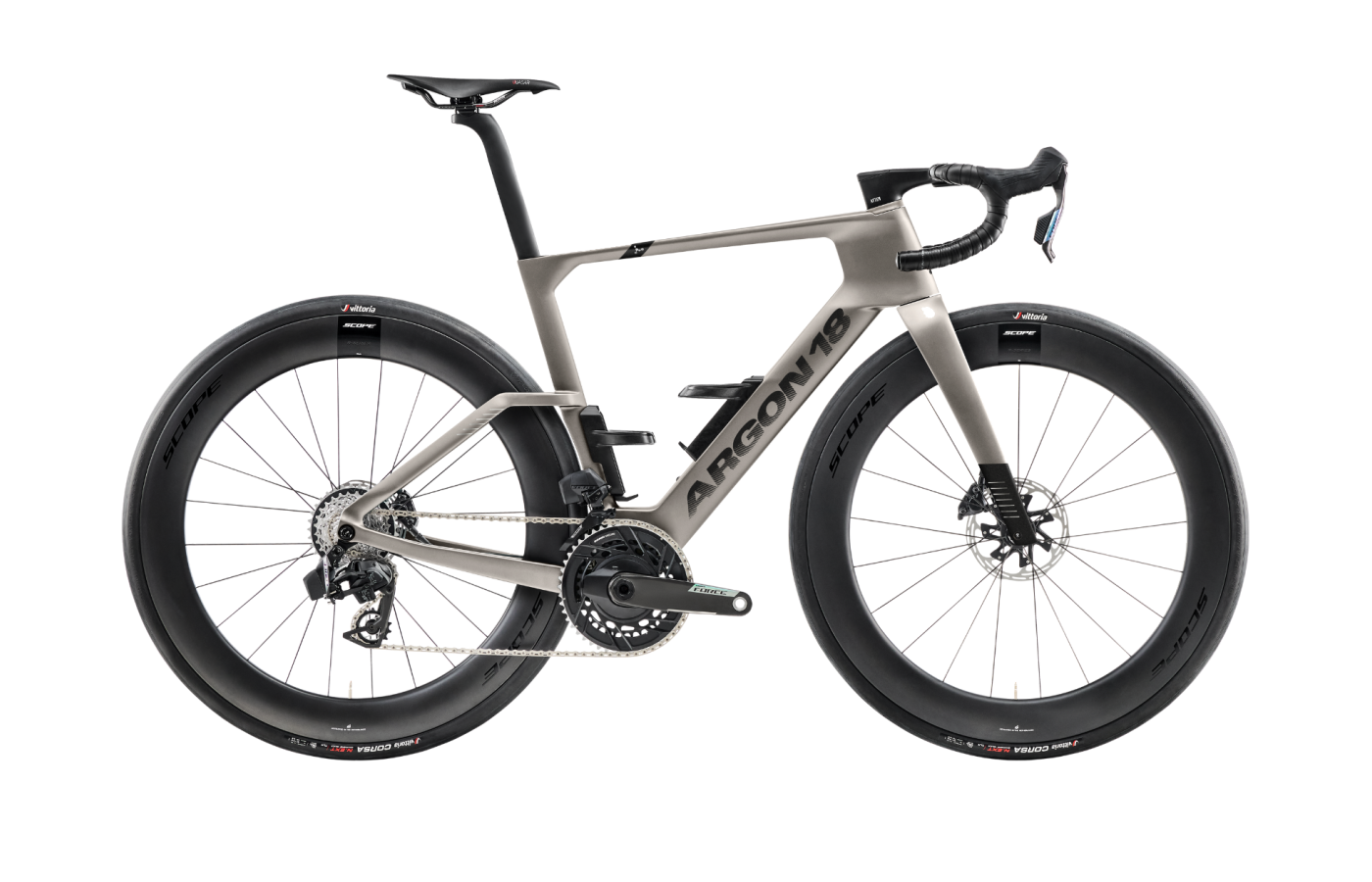
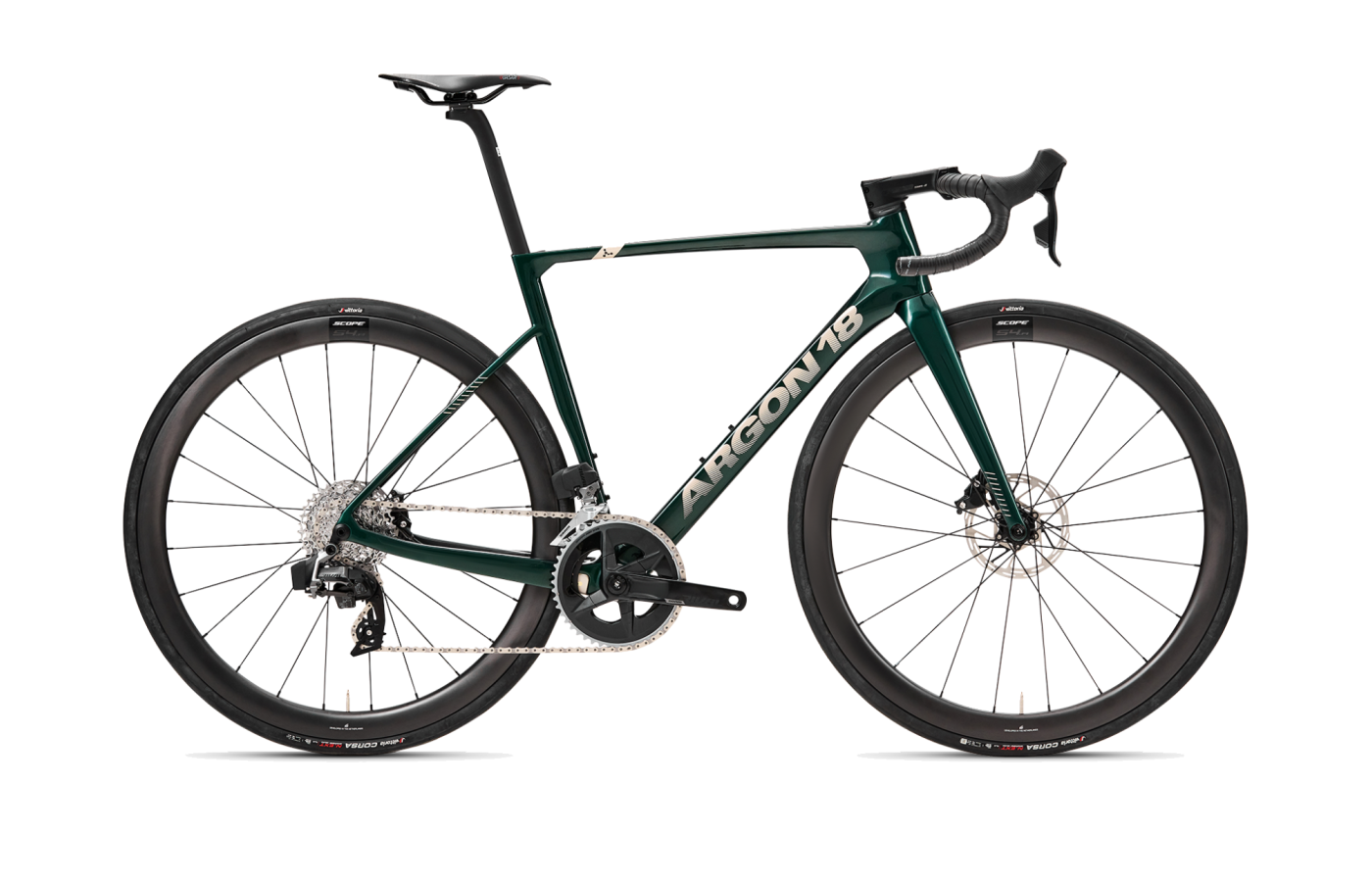
Same brand, two different ways to be fast.
The Nitrogen is Argon 18's full-system aero bike. The Sum is the lighter all-rounder it grew out of.
Nitrogen
- Full integrated aero system — frame, ATTEN cockpit, and Scope-tuned wheelset designed around 30 mm tires as one package.
- Surprisingly upright fit — 15 mm taller stack and 5 mm shorter reach than the Sum at size M, friendlier on long days.
- T47 BB and CeramicSpeed bearings stock — better long-term reliability than the press-fit BB86 the Sum uses.
- Starts at $5,999 — no sub-$5k entry point and no Rival AXS build.
- Proprietary one-piece cockpit limits stem-length and bar-width swaps.
Sum
- Cheaper across the range — $4,250 entry on Rival AXS and $6,749 at the Force AXS tier we compared.
- Lighter all-rounder pedigree — Argon's climbing-leaning chassis with frame weights around 850g (Pro).
- Two-piece FSA cockpit — easier fit adjustments and aftermarket bar/stem swaps than the Nitrogen's integrated unit.
- Press-fit BB86 bottom bracket — more creak-prone than the Nitrogen's threaded T47.
- Narrower 32 mm tire clearance and 28 mm stock tires vs. the Nitrogen's 34 mm clearance and 30 mm stock setup.
Editor’s analysis
Argon 18 used to make you choose between aero and lightweight. The new Nitrogen tries to give you both — the question is whether you really need the second one.
On paper this looks like the classic aero-vs-lightweight pairing — and it mostly is. The Argon 18 Nitrogen is the dedicated aero platform, with deep tube shapes, a one-piece ATTEN cockpit, and a wheelset that Argon co-developed with Scope specifically to smooth airflow onto a 30 mm Vittoria. Argon 18 claims it's 24 watts faster than the Sum at 45 km/h. The Argon 18 Sum is the all-rounder it borrowed shapes from — lighter at the top end, simpler at the cockpit, and meaningfully cheaper.
Where the script flips is fit. The Nitrogen, despite being the more aggressive bike on paper, sits 15 mm taller in stack and 5 mm shorter in reach than the Sum at size M. The geometry was deliberately softened to match how most riders actually sit on an aero bike for four hours. The Sum keeps the lower, more forward race posture — it's the one that demands a flexible back. If your last aero bike forced a tower of spacers, the Nitrogen is the rare one that doesn't.
The component story splits sharply at the top. Every Nitrogen build ships with a T47 threaded bottom bracket, CeramicSpeed SLT headset bearings, the ATTEN one-piece cockpit, and the Atten x Scope Artech 6.A+ wheelset. The Sum runs a press-fit BB86, a two-piece FSA cockpit on most builds, and lower-tier Scope wheels. That's how Argon justifies the Nitrogen's $1,850 premium at the Force AXS tier we picked here, and the gap widens further up the range.
The honest read: the Nitrogen is the bike to buy if you want one road bike and you mostly ride flat or rolling terrain. The Sum is the bike to buy if you climb a lot, value a serviceable two-piece cockpit, or want to spend the saved money on wheels and tires. Neither bike is a wrong answer — they're answers to slightly different questions.
Where the builds differ.
Comparing our editor's-pick builds side-by-side. Winners highlighted row-by-row — lower price and weight, and the better-spec component, each mark a point.
Build variants & pricing
Three Nitrogen builds from $5,999 to $10,499; four Sum builds from $4,250 to $6,749. The Sum starts cheaper; the Nitrogen scales higher.
Prices are current US MSRP. The Nitrogen and Sum lineups overlap only at the Force AXS and Ultegra Di2 tiers — if you want a sub-$5k entry into Argon's road range, the Sum's Rival AXS build is the only option.
How they fit, how they steer.
Both at size M — the fit-picked size for a 5'8" rider on each bike. The Nitrogen sits 15 mm taller in stack and 5 mm shorter in reach despite being the more aero bike; head tube angle (72.7°) and chainstay length (410 mm) are identical.
Which size should I buy?
Size recommendations based on stack, reach, and effective top tube. The two ranges share the same six-size XXS–XL ladder; the Nitrogen runs taller across every size.
→These are starting points. Flexibility, riding style, and preferred position all shift the answer — if you’re between sizes, a professional fit beats a chart.
What the magazines said.
Published reviews from trusted cycling outlets. Click through for the full write-up.
Which one should you buy?
If you ride mostly flats and want one no-compromise aero system, get the Nitrogen. If you climb a lot or want to keep budget for upgrades, get the Sum.
Nitrogen
If most of your riding is flat or rolling and you want the full integrated aero package — Scope-tuned wheels, ATTEN cockpit, T47/CeramicSpeed reliability — the Nitrogen delivers it without forcing the WorldTour-low position most aero bikes demand. The taller stack is the rare aero bike concession that actually helps regular riders.
Sum
If you climb often, like a two-piece cockpit you can actually adjust, or just don't want to spend over $6k — the Sum gives you Argon's race chassis at materially lower prices, with room to upgrade tires and wheels later. It's the more practical bike, and on hilly terrain probably the faster one.
Questions buyers actually ask.
Short answers to the things we get emailed about most often.
01Which is faster on flat roads?
The Argon 18 Nitrogen, by Argon's own measurement. Argon claims the Nitrogen is 24 watts faster than the Sum Pro at 45 km/h — that figure is rider-on-bike, with the full ATTEN cockpit and the Scope-tuned wheelset that's specifically widened to smooth airflow onto a 30 mm Vittoria Corsa Pro.
At social-ride speeds below 30 km/h, the gap shrinks to something most riders won't feel. The Nitrogen's advantage shows up when you're already going fast.
02Which climbs better?
The Sum, on paper. The Sum Pro frameset is around 850 g claimed; the Nitrogen Pro frameset is 950 g — about 100 g heavier. Add the deeper Scope R6.A wheels and the Nitrogen build will weigh somewhat more than a comparable Sum.
That said, the Nitrogen is light for an aero bike — Argon quotes builds as low as 6.95 kg, and Velo's reviewer saw a raw medium frame at 6.5 kg. On rolling terrain the aero advantage probably wins; on a sustained 30-minute climb the Sum's weight advantage starts to matter.
03What's the maximum tire clearance?
Nitrogen: 34 mm officially, with the wheel/tire system optimized around a 30 mm Vittoria Corsa.
Sum: 32 mm officially, with stock 28 mm Vittoria Corsa N.EXT tires.
Neither is a gravel bike. If you want broader clearance from Argon, look at the Krypton instead.
04How does the bottom bracket spec differ?
The Nitrogen uses a T47 threaded bottom bracket with CeramicSpeed SLT (solid-lubricant) bearings as standard across all builds. T47 is widely preferred by mechanics — it threads in, doesn't creak, and is cheap to replace.
The Sum uses a BB86 press-fit bottom bracket. It works fine, but press-fit BBs are more prone to developing creaks over time and are fussier to service.
If you intend to keep the bike five-plus years, the Nitrogen's BB choice is a real long-term advantage.
05Can I swap the cockpit on these?
On the Sum, easily — most builds use a two-piece FSA SMR-II stem and FSA Energy SCR bar. You can change stem length or bar width with off-the-shelf parts. Argon ships sensible size-specific stem lengths (70–120 mm depending on frame size) so most riders won't need to.
On the Nitrogen, no — the ATTEN CHB-01 is a one-piece integrated bar/stem. Changing length or width means buying another ATTEN unit. Argon does ship size-specific stem lengths and bar widths, so the stock fit covers most riders.
06Why is the aero bike taller than the climbing bike?
Argon redesigned the Nitrogen's geometry to be more accommodating than typical aero bikes. At size M, the Nitrogen has a 555 mm stack and 392 mm reach vs. the Sum's 540 mm stack and 397 mm reach — that's 15 mm taller and 5 mm shorter.
The reasoning, per Argon: most riders of an aero bike aren't WorldTour pros and can't hold a slammed-stem position for hours. The taller front end lets you get the same aero benefit without yoga-level flexibility. The Sum keeps the lower, more forward race posture for riders who can hold it.
07Are the wheelsets really that different?
Yes. The Nitrogen ships with the Scope R6.A — a deeper-section wheel co-developed with Scope, with the external rim widened by 1.3 mm specifically to optimize airflow over a 30 mm tire. It's part of the bike's integrated aero claim.
The Sum's Force AXS build runs the shallower Scope R4, with lower-tier Sum builds dropping to the alloy-hubbed S4.A or older Vision wheels. The Sum's stock wheels are usually the first thing reviewers suggest upgrading.
08Which holds resale value better?
Honestly, neither has the brand cachet of a Specialized or Trek on the used market — Argon 18 is well-respected within the cycling press but doesn't command the same resale premium. Expect roughly 35–45% depreciation over three years on either platform.
The Nitrogen is too new to have meaningful used-market data yet. The Sum has been on sale since 2022 and tends to move at the listed price minus typical depreciation; the Force AXS and Ultegra Di2 builds hold value best.
Similar bikes
If your priorities don’t map cleanly onto either of these, one of these adjacent bikes probably fits better.
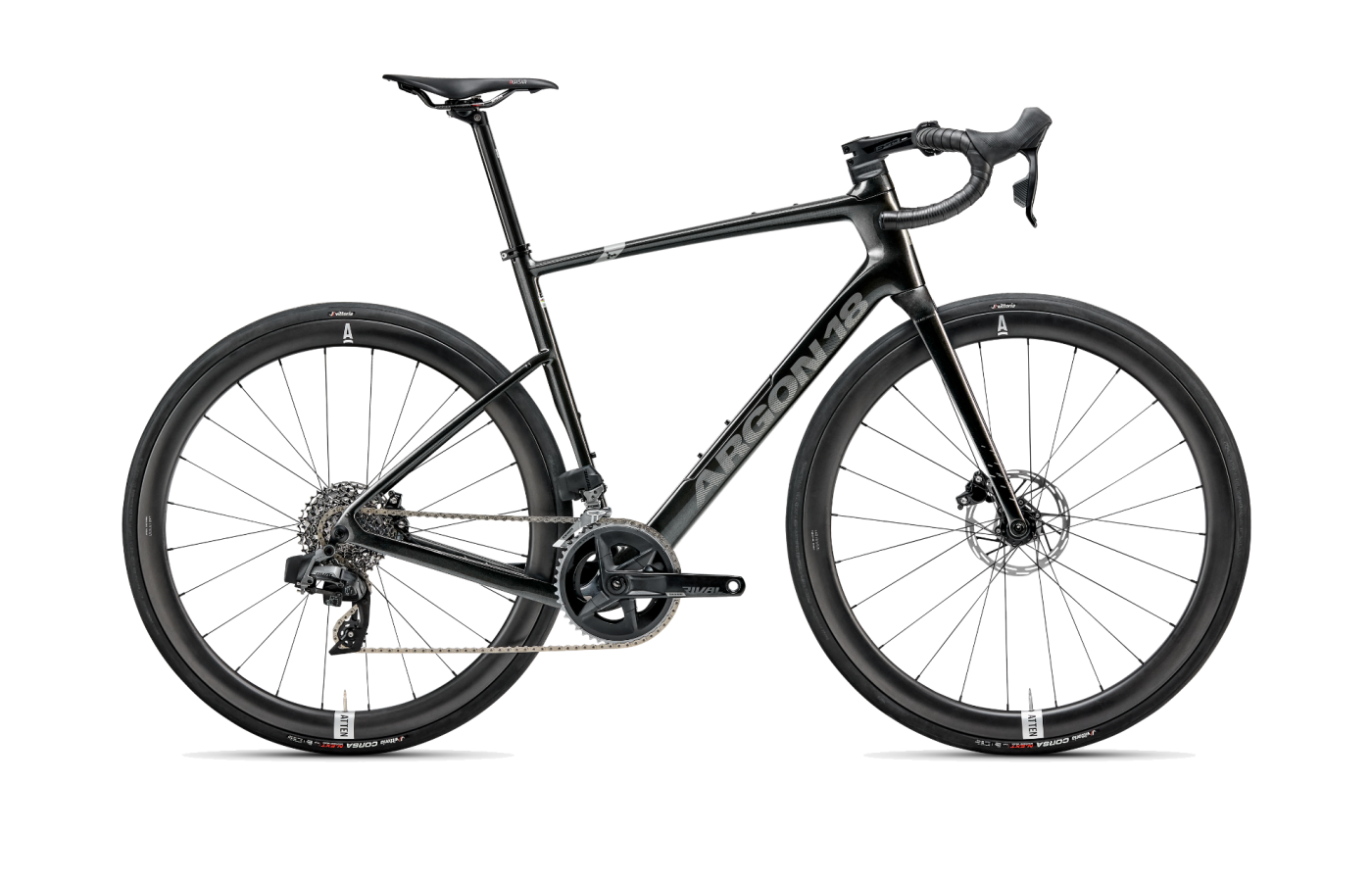
Krypton
Argon 18's endurance sibling — more compliance, more clearance, and a relaxed cockpit for riders who find the Sum and Nitrogen too aggressive over long days.
Compare →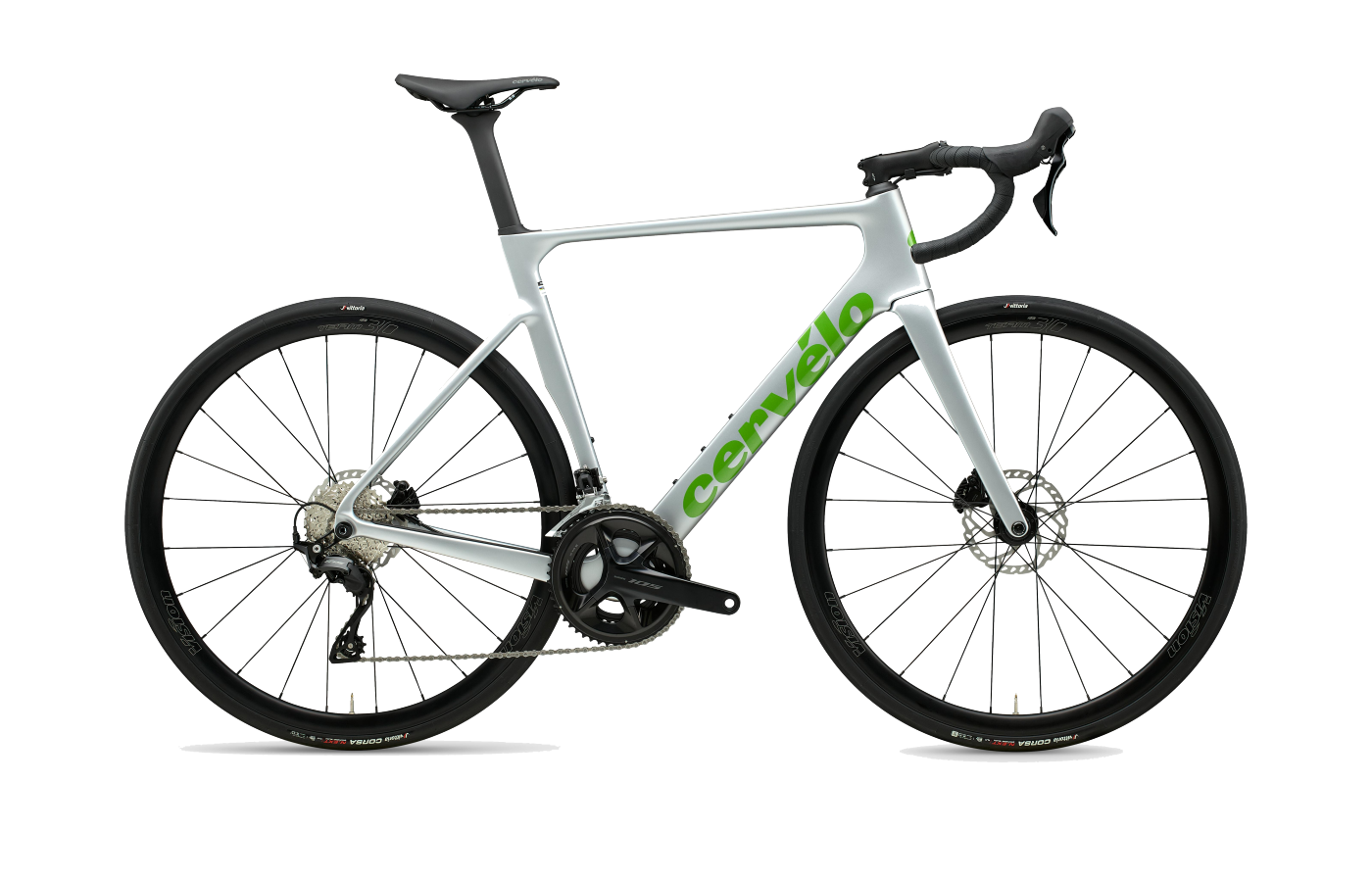
Soloist
Cervélo's all-rounder answer to the same aero-meets-lightweight brief — comparable claimed weights with a threaded BB and conventional cockpit options that make ownership simpler.
Compare →